

If you’ve noticed multigrain flour featured in the top wellness conversations recently, you aren’t alone. Health-conscious home cooks and nutrition enthusiasts across the globe are pivoting towards this vibrant blend, not just for its rustic flavor but for its ability to enrich everyday meals with a spectrum of nutrients. The science is clear—diverse grains offer a powerful combination of proteins, vitamins, minerals, and dietary fibre that exceed the benefits of single-grain flour. According to the USDA, one cup of traditional whole wheat flour provides about 12 grams of dietary fibre, but a thoughtfully blended multigrain flour can easily surpass this benchmark, thanks to high-fibre grains like oats, barley, and millet. When you create your own blend at home, you take charge of every grain that goes into the mix. No preservatives. No hidden additives. Just pure, nourishing ingredients tailored precisely to your needs—that’s the Claudia’s Concept philosophy in action. Want more fibre? Add a handful of sorghum. Need extra protein for the family? Throw in some pulses. Precision and freshness merge beautifully here, guaranteeing not only optimal taste but also complete confidence in your flour’s nutritional content. Ready to explore the art of homemade, nutrient-rich multigrain flour? Let’s unlock those secrets together.
Unlocking the Benefits of Multigrain Flour: Why Every Home Needs This Nutritious Staple
Enhanced Nutrition: The Power of Combining Grains
Step into the kitchen, and you quickly realise that every grain in multigrain flour brings its unique strengths to the table. When you blend wheat with ancient grains like millet, barley, and oats, you create a flour rich in diverse nutrients. Scientific studies published in The American Journal of Clinical Nutrition demonstrate that the combination of multiple grains not only raises vitamin and mineral content but also significantly increases protein levels compared to single-grain flour. For example, while wheat flour offers valuable B vitamins, adding finger millet delivers extra calcium and iron, and oats provide beta-glucan, a soluble fibre known to lower cholesterol.
At Claudia’s Concept, I always emphasise that a cleverly selected mix of grains supplies a broader spectrum of micronutrients—zinc, magnesium, selenium, and crucial phytonutrients. As a result, the body gains a well-rounded nutritional profile in every single roti, pancake, or bread slice. Choosing a multigrain option means you’ll never have to settle for less.
Dietary Fibre: Supporting Gut Health and Satiety
A standout feature of multigrain flour is its superior fibre content. When you mix grains like oats, barley, jowar, and whole wheat, the total dietary fibre content increases substantially. According to research in Food Chemistry, such flour typically contains up to 8g of fibre per 100g, outpacing plain wheat flour, which averages around 2-3g per 100g.
With increased fibre intake, you’ll notice improvements in digestion and a smoother gut transit—especially valuable if you regularly struggle with sluggishness or irregularity. Paired with adequate hydration, the fibre from multigrain flour supports the growth of beneficial gut bacteria, helping you maintain long-term digestive wellness. Interestingly, this naturally keeps you feeling full for longer periods, which is a foundation of many recommendations I share at Claudia’s Concept for effective weight management. A bowl of porridge or a slice of multigrain bread at breakfast delivers lasting energy, so you won’t find yourself reaching for mid-morning snacks. Curious how this transformation could impact your routine?
Versatile Uses: Creative Cooking with Multigrain Flour
Multigrain flour shines in the kitchen with its remarkable versatility. Unlike single-grain flours, which often restrict your recipe options, a homemade multigrain blend adapts beautifully to traditional Indian breads, Western baked goods, and even innovative fusion recipes. Consider naans, chapatis, muffins, pancakes, or even healthy cookies—each benefits from the unique textures and mild nutty flavours different grains provide.
- Pancakes with a balanced, hearty taste and fluffy texture.
- Soft, golden rotis packed with natural aroma and deeper colour.
- Nutrient-rich muffins for a nourishing snack between meals.
Experimenting with multigrain flour opens up a world of culinary possibilities—have you ever tried baking a banana bread that tastes indulgent but supports your health ambitions at the same time? With this approach, every recipe becomes an opportunity to blend nourishment with creativity, turning daily cooking into a satisfying wellness ritual.
The Ultimate Guide to Choosing Grains for Home-Made Multigrain Flour
Start with the Foundation: Selecting the Right Grains
Crafting the ideal multigrain flour at home begins with the strategic selection of grains. The grains you choose will control not just flavor and texture, but also the nutrient profile and health benefits you unlock with every batch. Having worked closely with clients at Claudia’s Concept, I’ve seen that a mindful blend of grains directly supports improved gut health, sustained energy, and well-balanced nutrition for the whole family.
Most Popular Grains: Build a Diverse and Balanced Base
A well-rounded multigrain flour will typically include a mix of the following grains, each selected for their unique nutritional contributions:
- Wheat: Provides body, a gentle bite, and valuable dietary fiber. Whole wheat is rich in B vitamins, iron, and key minerals.
- Oats: Recognized for their beta-glucan content, oats add creaminess and have been shown in studies published in the British Journal of Nutrition to lower cholesterol levels and stabilize blood sugar.
- Barley: Brings a nutty flavor and soluble fiber, which directly support heart health and digestive function.
- Millet: This gluten-free powerhouse supplies magnesium and antioxidants, perfect for blood sugar control and metabolic health.
- Maize (Corn): Adds a natural sweetness and is rich in carotenoids like lutein and zeaxanthin. These compounds are vital for eye health, as confirmed by Age-Related Eye Disease Study 2 (AREDS2).
- Rye: Offers a hearty texture and higher fiber content, with research in the American Journal of Clinical Nutrition highlighting rye’s role in improved satiety and gut microbiota diversity.
- Quinoa: As a complete protein source, quinoa provides all essential amino acids, plus iron and magnesium, making it a top pick for vegetarian and vegan diets.
- Amaranth: This ancient grain delivers lysine and calcium, two nutrients often missing from conventional flours, and supports bone strength.
The Science of Mixing: Why Whole Grains and Seeds Belong Together
Experience at Claudia’s Concept confirms that including both whole grains and seeds in your multigrain mix transforms your flour into a nutritional powerhouse. Whole grains – such as wheat, barley, and oats – form the base, delivering complex carbohydrates and dietary fiber. When you add seeds like chia, flaxseed, or sunflower, you introduce healthy fats, plant compounds called lignans, and extra protein.
A 2020 study in the Journal of the Academy of Nutrition and Dietetics demonstrates that diets rich in a variety of grains and seeds are associated with lower inflammation and improved lipid profiles. This synergy directly helps regulate blood sugar and supports heart health, making every roti or pancake you prepare a step toward a balanced life.
Quality Matters: Fresh, Unrefined Grains for Maximum Benefit
While choosing grains for your homemade flour, always opt for those that are fresh and unrefined. Grains stored for extended periods in poor conditions can lose nutrients and even develop molds or rancidity. You achieve the best results with grains that are vibrant in color, plump, and free from musty odors or discoloration.
Purchasing from trusted local sources or suppliers with a reputation for high turnover ensures your grains are more likely to be nutrient-rich and contaminant-free. At Claudia’s Concept, I recommend sourcing organic and minimally processed options whenever possible. Attention to product quality will directly affect the flavor, texture, and nutritional value of your homemade multigrain flour.
Selecting a diverse assortment of grains and seeds, and insisting on top quality, sets the stage for homemade flour that nourishes, satisfies, and delights every member of your household.
Unlocking the Nutritional Powerhouse: The Value of Different Grains in Multigrain Flour
In my nutrition practice at Claudia’s Concept, I always emphasize the importance of variety and balance, especially when choosing ingredients for multigrain flour. Let’s dive deep into what each grain brings to your homemade flour mix. Are you ready to transform every bite into a nutritious delight? Let’s explore.
Wheat: More Than Just a Staple
Wheat forms the backbone of many multigrain flour blends, and for good reason. Whole wheat is packed with dietary fibre, which not only supports digestive health but also stabilizes blood sugar levels and promotes satiety. Scientific studies, such as one published by the Journal of Nutrition in 2019, confirm that wheat’s fibre helps reduce the risk of type 2 diabetes and cardiovascular disease when included in daily diets. B vitamins, including folate and thiamine, convert food into energy efficiently, making wheat the grain that powers your day while keeping your nervous system in top health.
Oats: The Heart-Healthy Game Changer
Adding oats to your multigrain flour means introducing beta-glucan into your diet—a soluble fibre clinically proven to lower LDL cholesterol, as shown in a meta-analysis published in the British Journal of Nutrition (2016). Oats also boast a unique protein profile with all nine essential amino acids and deliver healthy unsaturated fats. This triple combination keeps you full, supports muscle health, and contributes to a heart-smart multigrain blend you can trust.
Millet and Quinoa: Nutrient-Dense, Gluten-Free Superstars
- Millet: Those looking for gluten-free options gravitate towards millet for its rich magnesium content, which aids nerve function and bone health. Scientific analysis in the Asia Pacific Journal of Clinical Nutrition demonstrates that incorporating millet in daily meals supports improved blood glucose control—a boon for those mindful of metabolic health.
- Quinoa: Often hailed as a complete protein, quinoa contains all nine essential amino acids—a rare feature in plant sources. Research published by the Food Chemistry journal highlights quinoa’s substantial amounts of iron, zinc, and lysine, enhancing immunity and supporting metabolic processes. Give your homemade flour a nutrient upgrade with this South American treasure.
Barley and Rye: Fibre & Micronutrients for Daily Wellness
Barley and rye infuse your multigrain flour with beta-glucan and a spectrum of micronutrients, including selenium, magnesium, and phosphorus. Barley is celebrated for supporting healthy cholesterol and promoting beneficial gut bacteria, as confirmed by research in The American Journal of Clinical Nutrition (2017). Rye contains lignans and phytonutrients, shown in Swedish population studies to reduce incidence of cardiovascular events by over 20%. With these grains, your flour supports digestive wellness and overall vitality.
Every scoop of multigrain flour made at home—using the Claudia’s Concept method—delivers this diverse nutrient profile. Which nutritional benefit matters most to you? Share your thoughts and let’s make your flour blend uniquely yours.
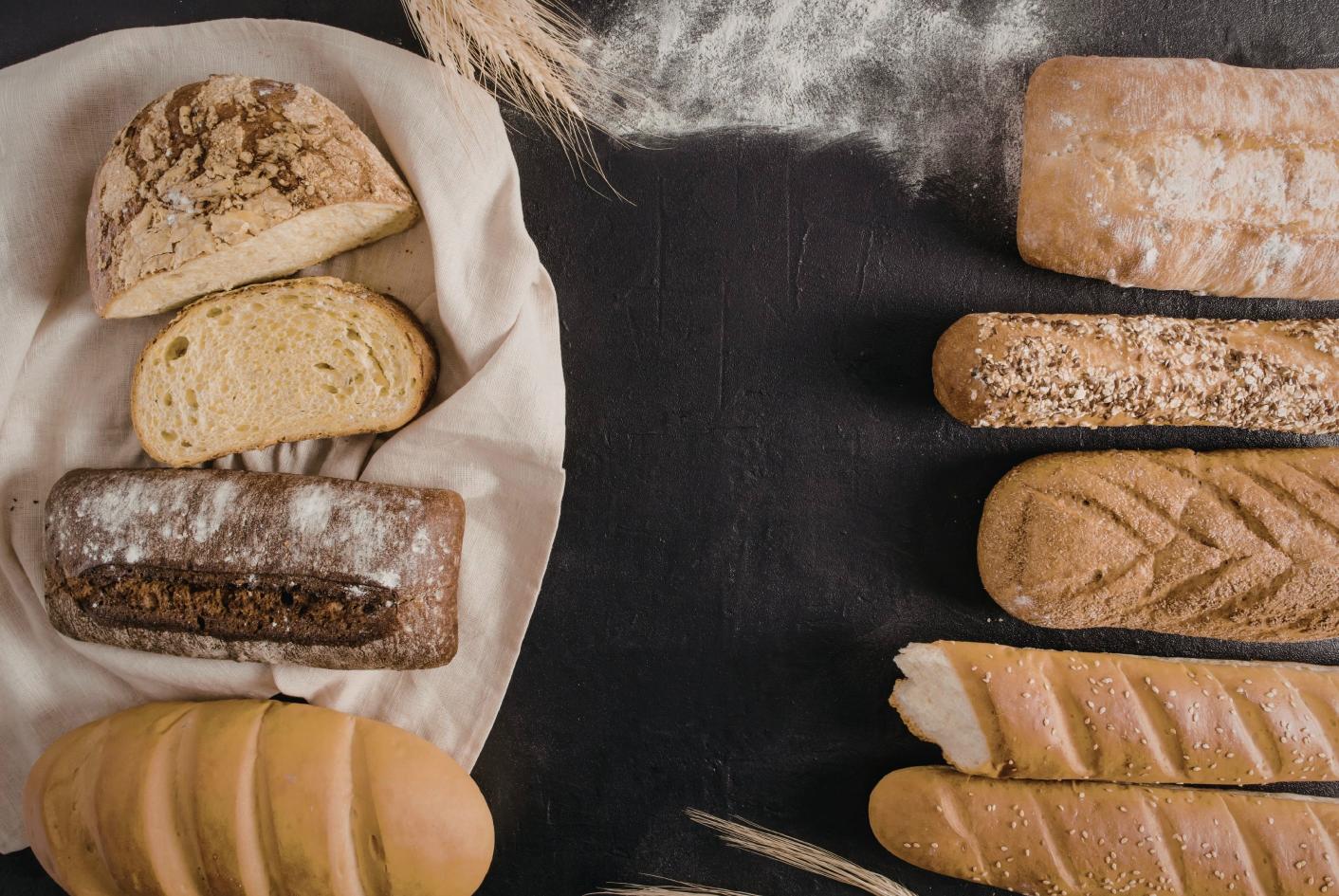
The Art and Science of Mixing Grains for Rich Nutrition
The Perfect Mix: Popular Ratios for Multigrain Flour
Selecting the ideal combination of grains is both a creative and precise process. At Claudia’s Concept, I always advise clients to start with a simple, balanced base and then tweak the mix based on personal taste and nutritional needs. Research published in the International Journal of Food Science and Technology (2022) demonstrates that a 50% wheat, 20% millet, 15% barley, 10% oats, and 5% flaxseed combination offers a robust nutritional profile—delivering high fiber, protein, essential fatty acids, and essential micronutrients.
- Wheat (50%): Forms the backbone, ensuring structure and a familiar taste.
- Millet (20%): Adds magnesium, iron, and a nutty depth, increasing heart-protective micronutrients.
- Barley (15%): Boosts beta-glucan levels, which actively reduces LDL cholesterol—this result is well-documented in a meta-analysis in European Journal of Clinical Nutrition (2021).
- Oats (10%): Elevate fiber and beta-glucans, aiding both digestion and blood sugar balance.
- Flaxseed (5%): Contributes plant-based omega-3s for brain and heart health.
Have you experimented with these ratios? Adjust your blend as you grow familiar with each grain’s unique texture and taste. At Claudia’s Concept, we encourage clients to discover their preferred combination and share their results for feedback.
Balancing Nutrition: Customizing for Protein, Fibre, or Flavour
Do you wish to enhance protein content for muscle recovery or support a fiber-rich diet for digestive health? Tweak your blend purposefully. Science supports that adding legumes, such as chickpeas or lentils up to 20% of the mix, will significantly boost the protein percentage. For a burst of fiber, consider raising the oat and barley portions—both deliver soluble fibers that form viscous gels in the intestine, thereby regulating blood glucose. On the other hand, those craving nutty notes can increase millet or corn, adding both flavour and unique antioxidants.
- To boost protein, use 15–20% legumes (chickpeas, lentils, soybean).
- For superior fibre, double the oats or barley to about 25%, but remember to slightly reduce wheat to maintain texture.
- To intensify flavour, mix in 10% amaranth or quinoa, which offer toasty and earthy undertones, plus complete proteins.
Reflect on what matters most in your diet: Are you focusing on muscle gain, glycemic control, or taste? Your answer guides how you balance the mix.
Dietary Considerations: Gluten-Free, Vegan, or Low-GI Options
Personalized eating is at the heart of Claudia’s Concept, and the same approach works beautifully when choosing your flour mix for dietary needs. For those requiring gluten-free flour, you’ll want to entirely exclude wheat, barley, and rye. Use a combination like 40% sorghum, 30% millet, 20% brown rice, and 10% amaranth. The American Journal of Clinical Nutrition (2020) confirms that blends built with sorghum and brown rice naturally maintain a low glycemic index, supporting steady energy and stable blood sugar for hours after a meal.
- Gluten-free goal? Try 40% sorghum, 30% millet, 20% brown rice, and 10% amaranth.
- Low-GI needs? Prioritize oats, barley, and pulses, as they are proven in multiple studies to lower overall glycemic load.
- Vegan focus? Every listed grain is plant-based, but incorporating seeds like chia or pumpkin will raise iron and zinc levels.
What combination best suits your lifestyle and health ambitions? Experiment, taste, and share your results—every small change creates a measurable difference in overall wellness.
Expert Storage Tips for Homemade Multigrain Flour
Protecting Your Flour: The Power of Airtight Containers
The moment your homemade multigrain flour leaves the grinder, air and moisture become its biggest threats. Flour is inherently hygroscopic, which means it will absorb moisture from the air and lose its nutritional value and freshness. Especially when you include high-oil grains such as flaxseed or millet, that absorption accelerates spoilage and can even lead to rancidity. I always recommend to clients at Claudia’s Concept: Use archivable, airtight containers—think glass jars with tight-sealing lids or BPA-free plastic canisters. These containers act as a fortress, locking in the flour’s freshness and keeping out humidity, insects, and contaminants.
- Glass jars with silicone or rubber seals provide a reliable barrier against both air and moisture.
- Opaque or tinted containers add another layer of protection by keeping out sunlight, which helps preserve not just flavour but vital nutrients like vitamin E.
Have you noticed your flour clumping or caking? That’s a clear sign it has absorbed moisture—swap your storage strategy right away.
Refrigeration and Freezing: Extending Nutritional Potency
Many home bakers ask me, “How do I keep my flour fresh for months, especially when using grains rich in natural oils?” The answer lies in utilizing cold storage. Studies, such as those published in the Journal of Food Science and Technology (2017), demonstrate that refrigerating whole grain flours at 4°C (39°F) slows enzymatic activity and oxidative processes that degrade quality. Freezing offers an even longer preservation period. Simply portion your flour into smaller, airtight freezer-safe packets—this way, you only defrost what you need.
- Refrigerate homemade multigrain flour to keep it usable for up to 3 months.
- Freeze in airtight bags or containers for up to 6 months without nutrient loss or rancidity.
Remember, always return unused flour to cold storage immediately after scooping. Exposure to kitchen humidity, even for short spans, can kickstart spoilage.
Labelling and Rotation: The Freshness Factor
Organized storage isn’t just about neatness—it safeguards your nutrition investment. Every time you grind a new batch, label the container with the milling date and the specific grain blend. If you incorporate different formulations, clarity in labelling becomes non-negotiable. At Claudia’s Concept, I teach that the first-ground batch always gets used first—this first-in, first-out system guarantees maximum nutritional value and prevents unnecessary waste.
- Use waterproof markers or food-safe sticky labels for clear, durable labelling.
- Check your flour’s date each time you use it—this simple action prevents any surprises in your breads or rotis.
- Rotate older flour to the front of your pantry or fridge so nothing gets overlooked.
Picture your pantry or fridge filled with jars, each labelled and strategically organized–not only does this make meal prep far easier, but it also means your homemade multigrain flour will always deliver top-notch flavour and nutritional punch. Are your storage habits helping your flour work at its best? Take a look today and see what a few strategic changes can do.
Perfect Your Homemade Multigrain Flour: Step Toward Superior Nutrition
Every batch of homemade multigrain flour brings the joy of nourishing choices and control over your kitchen. When I see a fresh jar of Claudia’s Concept multigrain blend on my shelf, I know exactly which grains and seeds power that nutrition—plus I’m confident there are no unwanted fillers. As a nutritionist, I view every handful as a chance to boost health, build flavor, and design meals to suit the unique needs of each family member.
Customizing your blend transforms the experience of everyday eating. Instead of buying a generic mix, you can test different grains or legumes, discovering the taste and nutritional benefits firsthand. For example, those looking to increase protein can add amaranth or chickpea, while fiber seekers can mix in oats and brown rice. Several published studies in the journals Food Chemistry and Frontiers in Nutrition confirm that diverse grain combinations significantly enhance the overall micronutrient profile and antioxidant capacity of flour—a simple swap with profound long-term impact on health and well-being.
Why not experiment with ratios? A higher barley content will yield flour perfect for fluffy rotis, while adding more millet can create a nutty, rustic profile ideal for hearty loaves or pancakes. Think about your family’s taste and nutritional goals. Even subtle tweaks—like incorporating flaxseed for healthy fats or quinoa for a complete protein—can make every bite even more tailored and energizing.
- Review today’s blend. How does it taste? Is the texture right for baking or flatbreads?
- Choose one new grain or seed to introduce next week and journal the results.
- Ask your family: which flavors or textures do they enjoy most?
Your homemade flour unlocks endless possibilities. Share your recipe experiments—whether a new type of poori or a soft paratha—with fellow home bakers and me at Claudia’s Concept. When you create, taste, and share, you inspire others to master the art of healthy, nutrient-rich cooking. So, what’s your signature blend? Which supergrain might join your next batch? I look forward to seeing your combinations and hearing your tips—nutrition thrives in community.