
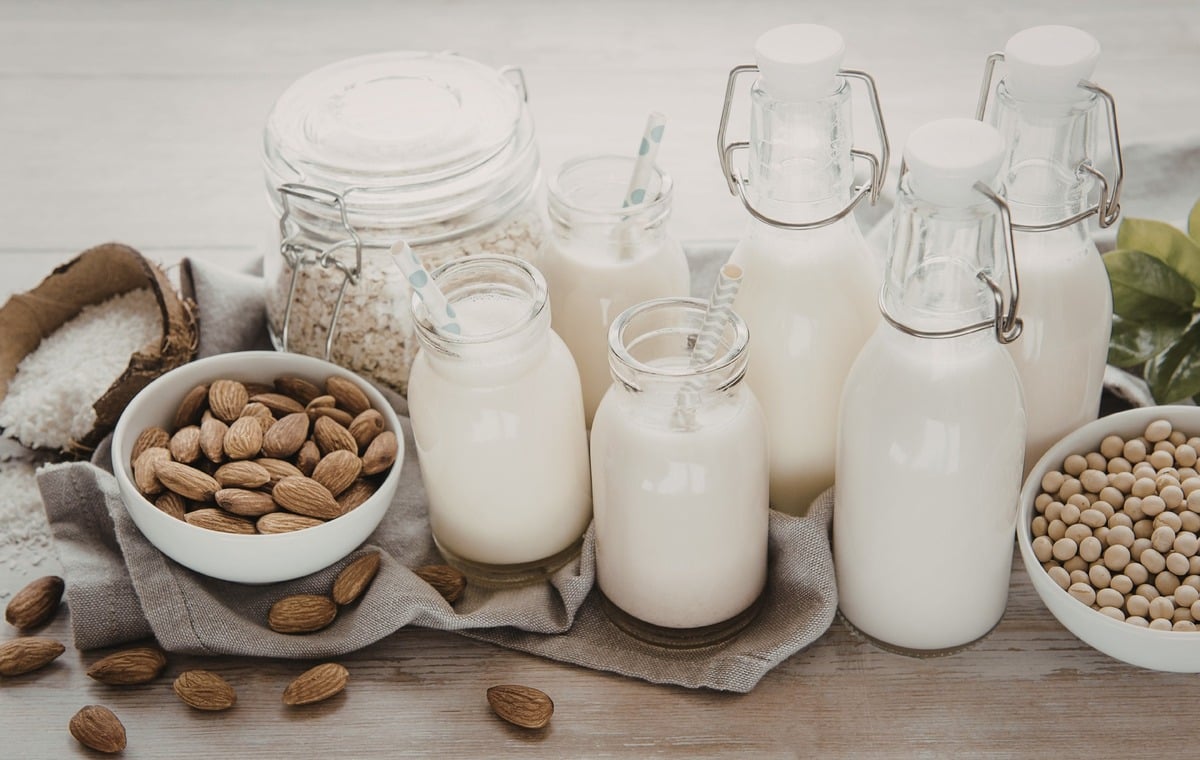
Plant milks have reached grocery store shelves everywhere, lined up in vibrant cartons that promise more than just lactose-free delight. So many people are choosing almond, oat, soy, coconut, and pea milks—not just for their creamy taste, but for reasons that run deeper than your morning coffee. Health-conscious individuals seek benefits ranging from better digestion to heart-healthy nutrients. Environmentalists make the switch to help conserve water, reduce greenhouse gas emissions, and preserve our planet’s resources. Ethical motivations also play a huge role, as choosing plant milks supports animal welfare and aligns with a compassionate lifestyle.
Wondering which plant milk will match your goals, suit your body, and lower your footprint? At Claudia’s Concept, I guide my clients to make informed, science-backed decisions that support both personal health and planetary well-being. Let’s dive in and discover the right plant milk—so you can sip confidently, knowing you’re making a positive impact for yourself and the earth.
Popular Plant Milk Options: What’s on the Shelf?
Step into any grocery store today and you’ll notice shelves brimming with plant-based milk choices. Which carton catches your eye depends not only on your taste and nutritional goals but also on your values and preferred flavors. Let’s uncover the leading contenders in detail. Many of my clients at Claudia’s Concept find the variety overwhelming, so examining each option side by side brings clarity—and, most importantly, delight to your daily rituals.
Almond Milk: The Classic Favorite
Almond milk claims pride of place on many kitchen counters. With a mild, subtly nutty flavor and a texture that feels lighter than dairy milk, it works beautifully in smoothies, cereals, and even lattes. Homemade or store-bought varieties generally have lower calorie content—studies show commercial almond milk contains roughly 15-50 kcal per 100 ml (USDA, 2022).
- Taste: Delicate and crisp, never overpowering
- Texture: Light, often preferred for drinking straight
- Culinary Uses: Perfect for cold cereals, smoothies, and iced coffee
Soy Milk: The Protein Powerhouse
Soy milk has earned its spot thanks to its high protein content and creamy mouthfeel. In taste tests, unsweetened soy milk stands closest to cow’s milk. Containing about 3.3g protein per 100 ml (Source: European Food Safety Authority, 2021), it supports muscle recovery and satiety. Try it in chai, pancakes, or savory cooking—its impressive stability under heat makes it a kitchen essential.
- Taste: Neutral with subtle beany undertones
- Texture: Creamy and substantial
- Culinary Uses: Spot-on for coffee, curries, creamy soups, or baking
Oat Milk: The Barista’s Best Friend
Oat milk shines in coffee shops for a reason. It froths beautifully, creating luxurious cappuccinos and lattes. Thanks to its natural sweetness (resulting from enzymatic processing of oats), it pleases palates of all ages. With 46 kcal and 0.3g saturated fat per 100 ml (British Nutrition Foundation, 2022), oat milk often becomes the go-to for those looking for a balance between taste and health.
- Taste: Naturally sweet, with a mellow grain note
- Texture: Velvety and thick, a delight in hot drinks
- Culinary Uses: Adds a creamy twist to porridge, matcha lattes, and baking
Coconut Milk: Bold and Distinctive
When your recipes demand a tropical flair, coconut milk never disappoints. While its fat content may be higher—averaging 1.9g saturated fat per 100 ml in beverage form (USDA, 2022)—its unmistakable aroma and flavor create magic in both sweet and savory dishes. I often recommend coconut milk in curries, Thai-inspired soups, and chilled desserts for those who value culinary adventure.
- Taste: Rich, sweet, and fragrant
- Texture: Creamy but lighter in beverage versions than in canned
- Culinary Uses: Brilliant in curries, tropical smoothies, and desserts like rice pudding
Rice Milk: The Gentle Choice
Rice milk offers a subtly sweet profile and is hypoallergenic, making it a favorite for those with multiple food sensitivities. You’ll notice its watery texture, which works nicely for drinking cold or on cereal but may separate in coffee or tea. Providing approximately 47 kcal per 100 ml and almost no protein (USDA, 2022), rice milk attracts those seeking the lightest possible option.
- Taste: Naturally sweet, neutral, and understated
- Texture: Thin and light-bodied
- Culinary Uses: A safe bet for cold drinks, cereal, or baking lighter cakes
Emerging Favorites: Cashew, Hemp, Pea, and More
Innovation keeps plant milks exciting. Cashew milk, with its silky smoothness, brings a satisfying mouthfeel to creamy sauces. Hemp milk boasts a nutty undertone and a punch of omega-3s. Pea milk delivers surprisingly high protein—around 3g per 100 ml (Harvard T.H. Chan School of Public Health, 2023)—and a neutral flavor profile that blends seamlessly into recipes. More unique varieties such as macadamia or quinoa milk pop up regularly.
- Cashew Milk: Subtly sweet, ideal for cream-based vegan sauces
- Hemp Milk: Earthy, great in smoothies, contains omega-3 fatty acids
- Pea Milk: Mild, high-protein, blends effortlessly in savory and sweet dishes
Making a choice from this diverse lineup can feel daunting, but with the right information and recipes—like those I share at Claudia’s Concept—you’ll quickly fall in love with the plant milk perfect for your palate and lifestyle. Which carton will you try first, and how do you plan to use it in your kitchen?
Nutritional Comparison: Which Plant Milk Is Healthier?
How Do Popular Plant Milks Measure Up on Nutrition?
Let’s break down what really matters when choosing a plant-based milk—nutritional content. You’ll discover that each variety brings its own set of strengths and potential drawbacks. At Claudia’s Concept, we always recommend evaluating plant milks using science-backed facts so you can select what suits your needs best.
Macronutrients: Protein, Fat, and Carbohydrates
Protein content varies dramatically across the plant milk aisle. Soy milk stands out with approximately 7 grams of protein per 240ml serving, closely mimicking the protein found in cow’s milk (USDA). Oat and almond milk generally land much lower. Most oat milks offer about 2-3 grams of protein per cup, and almond milks often contain only 1 gram or less. Coconut milk is known for its low protein content but higher saturated fat—hovering at 5 grams of fat per serving, most from saturated fats.
Carbohydrates in plant-based milks depend on the source. Oat milk can contain up to 16 grams of carbohydrates per serving, mostly due to natural sugars released during processing. Unsweetened almond and soy varieties keep this figure much lower—often below 3 grams per serving.
Wondering which suits your fitness goals? Those prioritizing muscle maintenance or growth will benefit from the high protein in soy milk, whereas individuals seeking lower calories and carbs might lean toward unsweetened almond or pea milk.
Micronutrients: Calcium, Vitamin D, B12, and Fortification
Most commercially available plant milks are fortified to compete with cow’s milk in terms of calcium, B12, and vitamin D content. Check the label—fortified soy, almond, and oat milks typically supply 20-45% of the daily value of calcium in a single serving. Vitamin D dosages depend on the brand, but you’ll often see 2.5mcg (100 IU) per serving, matching regular cow’s milk (NIH).
Vitamin B12 is crucial for vegans, and many plant-based milks contain at least 1mcg of B12—more than a third of the daily recommendation for adults. However, organic or “clean label” brands sometimes skip fortification, so always double-check the list.
Key Ingredients and Additives
- Gums & Emulsifiers: Expect to encounter guar gum, gellan gum, or sunflower lecithin, as these improve texture and shelf life. They’re considered safe at regulated levels, though people with very sensitive digestive systems can notice mild bloating.
- Sugar Content: Many standard plant milks are sweetened. For instance, “original” oat or almond versions may contain up to 7 grams of added sugar per cup. Unsweetened is always the clear choice for minimizing sugar intake.
- Flavorings: Vanilla, chocolate, or “barista blend” plant milks are common. These may contain additional flavors or oils. At Claudia’s Concept, we guide our clients to always read for hidden sugars and added oils whenever possible.
Health Benefits: Heart, Bones, Allergies
- Heart Health: Soy and oat milk deliver heart-protective benefits. Oat milk contains beta-glucans, which have proven cholesterol-lowering effects when consumed regularly. Soy isoflavones actively reduce LDL cholesterol.
- Bone Health: With adequate fortification, almond, soy, and oat milks provide levels of calcium that will support strong bones, especially when paired with vitamin D for absorption.
- Allergy Considerations: Those with nut allergies often turn to oat, rice, or soy milk. If soy intolerance is a concern, try fortified oat or rice versions.
Suitability for Special Diets
- Vegan: All plant milks, as long as they don’t contain non-vegan additives, fit a vegan diet. Double-check for vitamin D3 sourced from lanolin if you’re looking for 100% plant-based options.
- Lactose Intolerance: Every plant-based milk is naturally free of lactose, making them a seamless choice for individuals avoiding dairy.
- Allergies: For those with nut or soy allergies, brands now offer pea, rice, or even flax milk as safe alternatives, many of which are now fortified to match the nutrient profile of traditional milks.
Plant milks can be tailored to accommodate a wide spectrum of dietary preferences, health needs, and allergy profiles. When you prioritize the right combination of nutrients, additives, and fortification—just as we do at Claudia’s Concept—you position yourself to choose a beverage that not only nourishes but also aligns with your values and health objectives.
Taste and Culinary Uses: Finding the Right Drink for Your Needs
Distinct Flavor Profiles and Mouthfeel: What to Expect from Each Plant Milk
Curiosity about plant-based milks often starts with taste. You may wonder: will this milk blend into my morning coffee, or will it stand out with a distinct flavor? Let’s dig into the characteristics that truly set each variety apart.
- Almond milk tends towards a mild, nutty profile. Smooth in texture but noticeably lighter than whole dairy milk, almond milk’s subtle flavor complements cereals and smoothies wonderfully. However, it can separate in hot drinks if not stabilized, and unsweetened versions may come across as slightly bitter to some palates.
- Soy milk brings a creamier mouthfeel and a neutral, bean-like taste. Its protein and fat content resemble dairy more than most other alternatives. Because of this, soy milk froths well, making it a popular choice for lattes and cappuccinos among baristas and home coffee enthusiasts alike.
- Oat milk is famed for its naturally sweet, mild flavor and satisfyingly rich texture. It’s less likely to curdle in hot beverages compared to almond or coconut milks. With beta glucans lending a subtle viscosity, oat milk pours smoothly and blends seamlessly into both hot and cold recipes, from coffee to baking batters.
- Coconut milk stands out due to its creamy consistency and distinctive tropical flavor. Ideal for curries, desserts, and certain tropical smoothies, coconut milk also adds a delightful twist to baking. Drinking it plain is best reserved for those who enjoy a strong coconut note.
- Rice milk offers a naturally sweet touch, thanks to carbohydrate breakdown during production. Its watery consistency makes rice milk easy to pour over cereal, yet it lacks the creamy texture desirable in coffee or creamy soups.
- Cashew and other specialty milks (like hazelnut or macadamia) provide unique nutty or buttery flavors and range from moderately creamy to luxuriously thick. They suit blended drinks and decadent desserts, adding richness and depth.
Choosing between these options really comes down to your preferences and needs. At Claudia’s Concept, we always encourage our clients to approach food experimentation with an open mind and a curious palate.
Best Uses: Where Each Plant Milk Excels
- Smooth, foaming oat and soy milks work wonders in coffee, reliably replicating the creamy texture and microfoam that dairy drinkers love.
- Almond milk integrates effortlessly into smoothies, porridges, and shakes, its subtle flavor blending with everything from berries to cocoa.
- For vibrant curries, Asian-inspired dishes, or creamy desserts, coconut milk shines, lending a luxurious mouthfeel and bold taste.
- Rice milk pours smoothly over cereal and pairs well in non-dairy ice cream bases, particularly for those with nut or soy allergies.
- Dense, rich baked goods benefit from the creaminess of cashew or oat milk, which both provide moisture while remaining neutral enough not to overwhelm sprinklings of spice or chocolate.
- Drinking a glass plain? Many people discover that chilled, slightly sweetened oat and almond milks deliver a winning, refreshing taste.
Recipes that rely on the foaming or thickening properties of dairy—like pancakes, custards, or lattes—respond best to the protein and fat ratios found in oat and soy milks. Scientific trials published in Foods (2020) confirm both oat and soy milks produce stable microfoam and closely mimic cow’s milk in coffee applications, outperforming almond and coconut in this respect.
How to Find Your Favorite: Tips for Sampling and Personal Preference
Everyone’s palate is unique, making personal taste tests incredibly valuable. The plant milk market is vibrant and brand formulations vary. Brands often use different ratios, added flavors, or fortifying nutrients—which means a “soy milk” from one company might differ dramatically from another’s version.
- I recommend sampling unsweetened and original versions first to establish a personal baseline.
- Try the same type of milk from several brands; you will notice a difference in flavor depth, creaminess, and aftertaste.
- Pour a small amount into your regular cereal, coffee, or smoothie. Notice how the flavor and mouthfeel change the experience.
- Invite family or friends to join a taste test, jotting down everyone’s favorites for each specific use (coffee, baking, drinking plain, etc.).
- At Claudia’s Concept, we work with our clients to build a “milk rotation” based on each person’s dietary goals, recipe needs, and taste preferences. Don’t hesitate to get creative—it’s fun experimenting with new combinations.
Reflect on the results as you work through your selections. Ask yourself, “Which milk satisfies my craving when I want a creamy cup of chai?” or “Does the texture elevate my morning bowl of muesli?” Over time, you’ll discover that finding your ideal plant-based milk becomes less about emulating dairy and more about delighting in flavors and textures you genuinely enjoy.
Environmental Impact: Considering the Earth in Your Choice
What Matters Most: Key Concerns for Our Planet
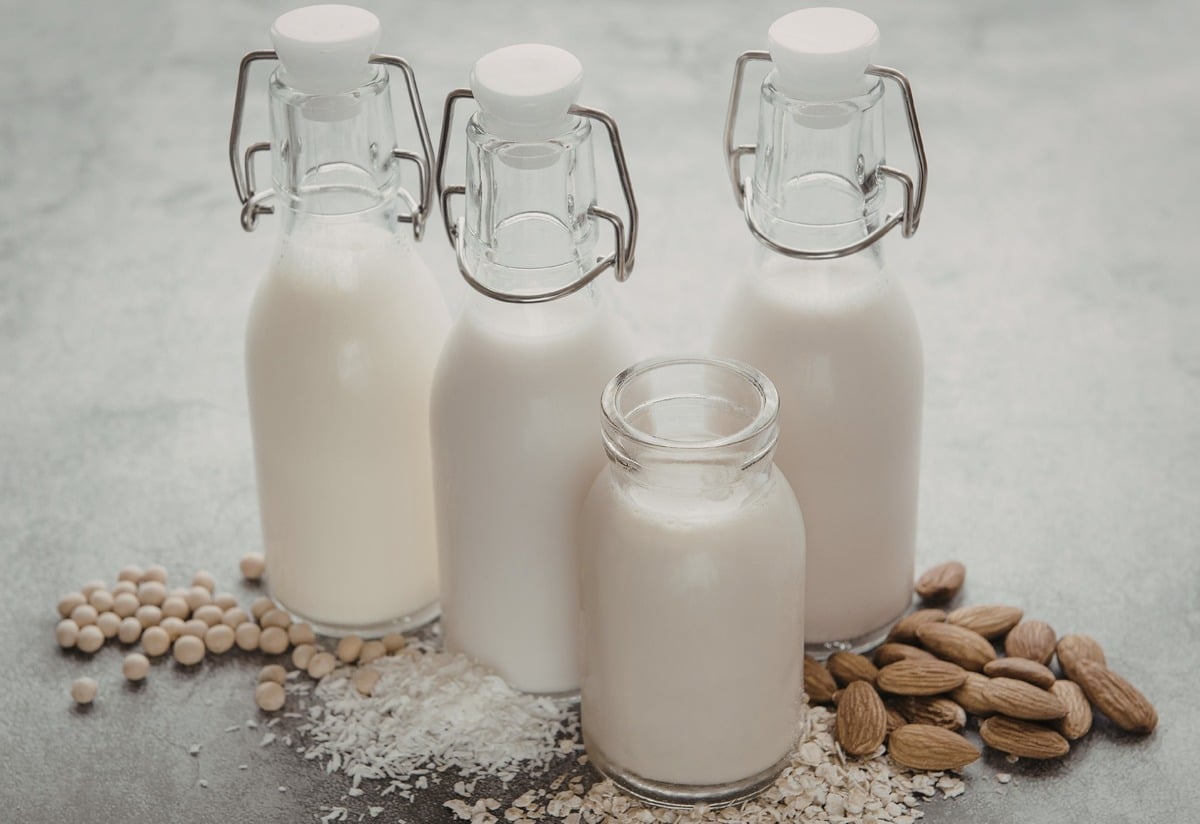
Every time you reach for a carton of plant-based milk, you’re making a choice that ripples out into global ecosystems. As part of Claudia’s Concept, I always encourage a holistic approach—combining personal health with that of the environment. To make an informed choice, let’s break down the main environmental factors: water consumption, carbon emissions, land usage, and deforestation.
- Water Use: Water scarcity affects billions worldwide. The water footprint of your plant milk isn’t just a number; it directly influences local farming communities and global water supplies.
- Carbon Emissions: Greenhouse gas releases originate at every stage: cultivation, processing, and transport. Reducing your carbon footprint with a conscious swap can drive real change.
- Land Use and Deforestation: Some crops demand vast tracts of land and are responsible for deforestation in fragile ecosystems.
It’s not a guessing game—real numbers and transparent reporting drive deeper connections between your choices and planetary health.
Packaging and Carbon Footprint: What’s Best Beyond the Drink?
Pick up a plant milk, and notice the packaging: is it cardboard? Plastic? Glass? Each has a unique environmental story. Cartons often have a lower weight and carbon footprint, but complex layers make recycling a challenge. Plastics are light and cheap, yet they’re associated with microplastic pollution and long-term waste. Glass, on the other hand, may be endlessly recyclable and more inert, but heavier weight means higher emissions during transport.
Transportation matters, too. Locally produced milks in lightweight cartons can save significant carbon emissions over imported milks or heavier glass bottles. In Claudia’s Concept, these factors shape my recommendation—think local and light for a happier planet.
Let’s Talk Water Usage: The Differences Run Deep
If you’re serious about water footprint, here are the facts: According to a LCA (Life Cycle Assessment) published in Science (Poore &Nemecek, 2018), almond milk production uses approximately 371 liters of water per liter of milk, mostly due to irrigation in drought-prone California. Compare this to soy milk, which uses around 28 liters per liter, and oat milk, clocking in at roughly 48 liters. That’s a striking difference. Regional considerations matter, too—a soybean crop grown in a rainy region has a completely different impact than one grown in a region with water shortages.
- Almond milk: High water use, especially in arid regions.
- Soy milk: Significantly lower water footprint, but regional sourcing is key.
- Oat milk: Moderate water use—generally, oats are less thirsty than nuts.
When choosing, always ask: “Where was this grown?”
Land Use and Deforestation: Unveiling Hidden Costs
Beyond water, how much land is needed for crops? Research shows that oat and rice milks typically require more land than almond or soy per liter. However, issues multiply when crops are linked to ecosystem loss:
- Soy milk: Large-scale soy cultivation in South America has contributed to Amazon deforestation, disrupting wildlife habitats and climate patterns. Yet, most soy for plant milk is sourced from regions outside rainforest zones—something to confirm with your brand of choice.
- Coconut milk: Coconut plantations in Southeast Asia have raised concerns about loss of biodiversity, as land is cleared to make way for monoculture farming. Choosing brands certified for sustainable farming helps lower this impact.
This is why Claudia’s Concept always factors in both the global and local context when recommending a product. Regional sourcing, transparent supply chains, and sustainable certifications are more than buzzwords—they define your drink’s real planetary footprint.
Now, pause and reflect—when you pour your next plant-based milk, which hidden environmental footprint will you support?
Sustainability of Plant Milk Sources: What Matters Most?
Resource Efficiency: How Much Goes In, How Much Comes Out?
Let’s dive into the numbers. Analyzing resource use is where plant milks really begin to differ. Almond milk is notorious for its high water demand; the University of Twente in the Netherlands found that producing 1 liter of almond milk requires 371 liters of water on average, much of it used in irrigation-heavy regions like California. Oat and soy, by contrast, present a drastically different picture. Oat milk produces a similar end-product with about 48 liters of water per liter, while soy milk comes even lower at an average of 28 liters per liter.
When energy and fertilizer use are taken into account, soy and oat remain top choices for maximum output with minimum input. Soybeans fix nitrogen in the soil, reducing the need for chemical fertilizers, boosting soil health, and lessening greenhouse gas emissions. Rice milk, despite its popularity, uses substantially more water and results in higher methane emissions because of flooded paddy fields—an important distinction for anyone focusing on planetary health.
What does this mean for you? Choosing a plant milk with a lighter footprint is simple when the numbers are clear. Every time you reach for soy or oat milk, you’re making a choice for higher resource efficiency.
Suitability for Diverse Climates and Regions
Not all crops grow everywhere. Soybeans and oats adapt well to a huge variety of climates and require less pesticide use, which is another win for the earth. In northern regions with shorter growing seasons, oats can still thrive, while soybeans do well in temperate and subtropical zones. Almonds, on the other hand, grow almost exclusively in hot, dry climates, such as California and parts of Spain, which puts significant pressure on limited water resources.
Coconuts tell a different story. These palms flourish only in humid, equatorial regions, often on smallholder farms. While coconut cultivation typically uses little pesticide or fertilizer, its geographic limitations mean transport emissions can add up if you’re not close to the source.
Have you ever wondered if the plant milk in your fridge matches your region’s agricultural strengths? Supporting local crops like oats empowers regional farmers and keeps the supply chain resilient. At Claudia’s Concept, I always encourage clients to opt for plant milks that can be sourced closer to home when possible.
Effects on Biodiversity and Monoculture Farming
Yield per hectare grabs headlines, but monoculture can pose long-term threats to the landscape. Almond and soy farming in large, single-crop plantations leads to a lack of plant diversity, making these ecosystems vulnerable to pests, soil degradation, and habitat loss. In California, for example, massive almond groves have impacted native bee populations, contributing to wider pollinator decline documented by the University of California, Davis.
Conversely, oat production, often part of a crop rotation system, supports healthy soils and creates buffers against disease and pests. This approach preserves biodiversity, which benefits everybody—from farmers to local wildlife.
If supporting healthy ecosystems is a key value for you, plant milk choices crafted from oats or regionally adapted legumes generally offer more in the way of biodiversity preservation. Claudia’s Concept places a high priority on these factors when advising clients on everyday staples.
- Oats and soy: Less water, less fertilizer, wider climatic suitability, strong for crop rotation.
- Almonds: High water use, monoculture issues, grown mainly in water-scarce areas.
- Coconuts: Low input but limited to tropical climates, sometimes tied to forest conversion.
- Rice: Highest water use and methane emissions, grown in flooded paddies.
Next time you pour a glass of plant milk, consider the full story behind your choice. Which source aligns best with your personal priorities for the planet—and your local environment?
Price and Accessibility: Can You Afford to Switch?
Let’s Break Down Plant Milk Cost by Type
When making changes towards healthier, eco-friendlier habits, your wallet deserves a place in the conversation. Does a more mindful choice always mean a pricier one? Not necessarily. Evaluating the average retail price per liter in India for 2024, I find the following:
- Soy Milk: ₹130–₹160 per liter, making it one of the most budget-friendly options, with wide availability across Tier 1 and Tier 2 city supermarkets.
- Almond Milk: ₹220–₹300 per liter; typically higher due to the cost of raw almonds, especially if labeled organic or unsweetened.
- Oat Milk: ₹180–₹240 per liter. This slightly higher price reflects both production process and consumer demand, yet it’s gaining ground in urban cafes and grocery stores.
- Coconut Milk: ₹130–₹190 per liter, with significant fluctuation depending on whether you choose shelf-stable or fresh-pressed varieties.
- Other Options (rice, cashew, hemp): ₹200–₹350 per liter; these tend to be more niche and less commonly found outside metros.
Statista’s 2023 global retail statistics confirm plant milk prices worldwide follow a similar pattern: almond and specialty milks lead in price, while soy stands as a cost-effective staple. That being said, regional economic differences and local supply chains always influence pricing.
Why Prices Fluctuate: Brand, Certification, and Shelf Placement
A quick visit down the supermarket aisle reveals a dizzying array of brands, each promising unique health or sustainability benefits. Price tags shift with key factors in play:
- Brand Positioning: Premium and niche brands such as Urban Platter or So Good price higher due to marketing, quality sourcing, and packaging. Store-owned or regional brands often come at a discount with comparable nutritional benefits.
- Organic or Fortified: Expect a markup (₹30–₹50 more per liter) for certified organic or fortified plant milks—testing and certification bring additional costs, and shoppers seeking “pure” or “added nutrient” options pay extra.
- Retail Channel: Online grocers occasionally offer discounts or subscription deals. Traditional retail may cost more or less depending on location, bulk purchase opportunities, and promotional cycles.
How Easy Is It to Get Your Hands on Plant Milk?
Urban areas across India and globally showcase an impressive variety—pop into most health food shops, large supermarkets, or specialty grocers and you’re almost guaranteed to spot multiple plant milk brands.
Rural communities, however, still face hurdles. Transport and demand drive up prices, while limited exposure to plant-based trends can mean fewer choices. Nielsen India’s 2022 consumer survey showed that 68% of urban households had purchased plant-based beverages in the last 12 months—rural figures trailed at just 22%. In developing markets, local brands are emerging to bridge gaps, yet accessibility depends on distribution infrastructure and consumer education.
Smart Questions Before You Buy
Choosing the right plant milk, price considered, becomes straightforward if you keep a few pointers in mind:
- Will you use it daily, occasionally, or in specific recipes? Regular consumption justifies spending on bulk or value packs.
- Do you have dietary preferences that define your options—such as a need for unsweetened, organic, or fortified milks?
- Is there flexibility in your budget to experiment and find your favorite, or do you want to stick with an affordable staple like soy?
- Do you prefer the convenience of home delivery, or do you enjoy browsing health food aisles for deals?
At Claudia’s Concept, I encourage consideration of cost as part of your overall well-being journey. The best plant milk for your health and lifestyle also supports your financial peace of mind. Explore local brands, check for offers, and allow your needs and curiosity to guide your next switch.
How to Choose the Best Plant Milk for You—A Nutritionist’s Checklist
Standing in the plant milk aisle, you might feel overwhelmed by the options. With so many choices, how can you be sure which plant milk is best for you and the planet? I, Claudia Ciesla, have helped many clients navigate this journey through Claudia’s Concept, focusing on individual needs and a holistic perspective. Let’s simplify the selection process together.
Define Your Needs: Start with Yourself
- Dietary Requirements: Consider your nutritional targets and sensitivities. If you’re aiming to increase your protein intake, research from the USDA shows that soy milk has up to 7 grams of protein per cup, comparable to cow’s milk and significantly more than almond or oat versions, which carry about 1-3 grams per cup. For those managing nut or gluten allergies, pea milk and rice milk provide hypoallergenic alternatives.
- Taste and Mouthfeel Preferences: Each plant milk brings a unique profile. Almond milk offers a subtle, nutty flavor with a light texture, while oat milk is naturally creamy and slightly sweet—ideal for lattes. Coconut milk shines in curries and desserts. Ask yourself: What flavors do you enjoy in your daily routine?
- Culinary Versatility: Not all plant milks perform the same in recipes. According to America’s Test Kitchen, baristas prefer oat milk for frothing and creamy texture in coffee, whereas soy milk works wonders in savory dishes due to its neutral taste. List your most frequent kitchen tasks—coffee, baking, smoothies—and match accordingly.
Factor In the Planet: Environmental and Ethical Choices
- Water Footprint: Studies published in Science (2018) reveal that almond milk production requires around 371 liters of water per glass, whereas oat and soy milks fall between 48-87 liters. If reducing water use fits your environmental goals, opt for oat or soy.
- Carbon Emissions: Oat milk production emits roughly 0.18 kg CO₂ equivalent per glass, while soy sits close at 0.195 kg. Both significantly outshine dairy and even almond milk when considering greenhouse gas emissions, as analyzed in the same international study.
- Ethical Sourcing: Certifications such as Rainforest Alliance or Fair Trade can indicate higher standards for worker rights and land use. Explore brands that communicate their stance on these values. Claudia’s Concept always encourages conscious consumerism.
Assess Affordability and Accessibility
- Price Range: Oat, almond, and soy milks usually offer the largest variety and often the most competitive prices. Specialty options like hemp or macadamia milk may come with a steeper tag, as reported in retail pricing research from Mintel.
- Availability: While metropolitan areas might feature a vast plant milk selection, those in smaller towns may find that only staple varieties are stocked. Sometimes, making your own plant milk emerges as a practical, economical option—something Claudia’s Concept occasionally recommends for bespoke nutrition.
Sample Decision Matrix
Use this practical matrix to guide your next purchase:
- High Protein + Low Carbon + Affordable = Soy Milk
- Creamy Texture + Coffee Friendly + Moderate Carbon = Oat Milk
- Nut-Free + Hypoallergenic + Widely Available = Rice or Pea Milk
- Distinct Sweetness + Indulgent Treat = Coconut Milk
Reflect on your priorities—nutrition, sustainability, budget, and flavor—then match them with the options on the shelf. What will you reach for next time? If you’re still in doubt, try a plant milk taste test at home or consult with experts at Claudia’s Concept to discover your ideal fit. Choosing plant milk with intention transforms this daily habit into a meaningful step for your health and our planet.
Make Your Choice Count: The Path to a Healthier You and a Greener Planet
Every pour, every sip, and each shopping decision brings you closer to a lifestyle that blends personal wellness with planetary care. By now, you’ve seen how oat, almond, soy, coconut, and other plant milks stack up in terms of ecology, taste, and nutrition. Each plant-based milk brings a unique profile—oat milk provides a creamy mouthfeel and fiber; soy milk delivers complete protein; almond milk shines in low calories; coconut milk adds exotic flavor and richness. Farms, processing methods, and added nutrients—each detail can tilt your decision one way or another.
When you experiment with different options, you’ll discover your personal favorite, whether you crave a silky morning latte, want a splash in your breakfast cereal, or seek the best base for your protein shakes. Textures vary, some brands fortify more generously, and costs shift by region, but the opportunities for discovery are limitless. Have you paid attention to how your digestive system responds to oat milk’s beta-glucan, or tested which flavor harmonizes best in your cooking? Your body’s responses and taste preferences matter—listen to them and adjust accordingly.
Mindful consumers recognize that every purchase supports farming practices, supply chains, and brands aligned with their values. Choosing responsibly sourced plant milks can cut your carbon footprint, save thousands of liters of water, and help reduce overall environmental stress, as data from the University of Oxford and other research consistently shows. Ethical priorities also play a role—perhaps your decision weighs animal welfare or the labor practices behind certain products. With Claudia’s Concept, you receive thorough guidance and nutrition expertise to navigate all of these choices with care and clarity.
Curious which product is right for you? Head to the supermarket and pick up two or three plant milks you haven’t tried—taste-test, compare the nutrition labels, and note your favorites. Consider oat for creamy coffee; soy for protein-packed smoothies; almond for light desserts. Each decision supports not just your vitality, but also the wellbeing of the planet. At Claudia’s Concept, our philosophy encourages flexible exploration and conscious selection. When you choose plant-based, nutrient-dense options, you invest in both your own health and the planet’s future. What will your glass hold tomorrow?