
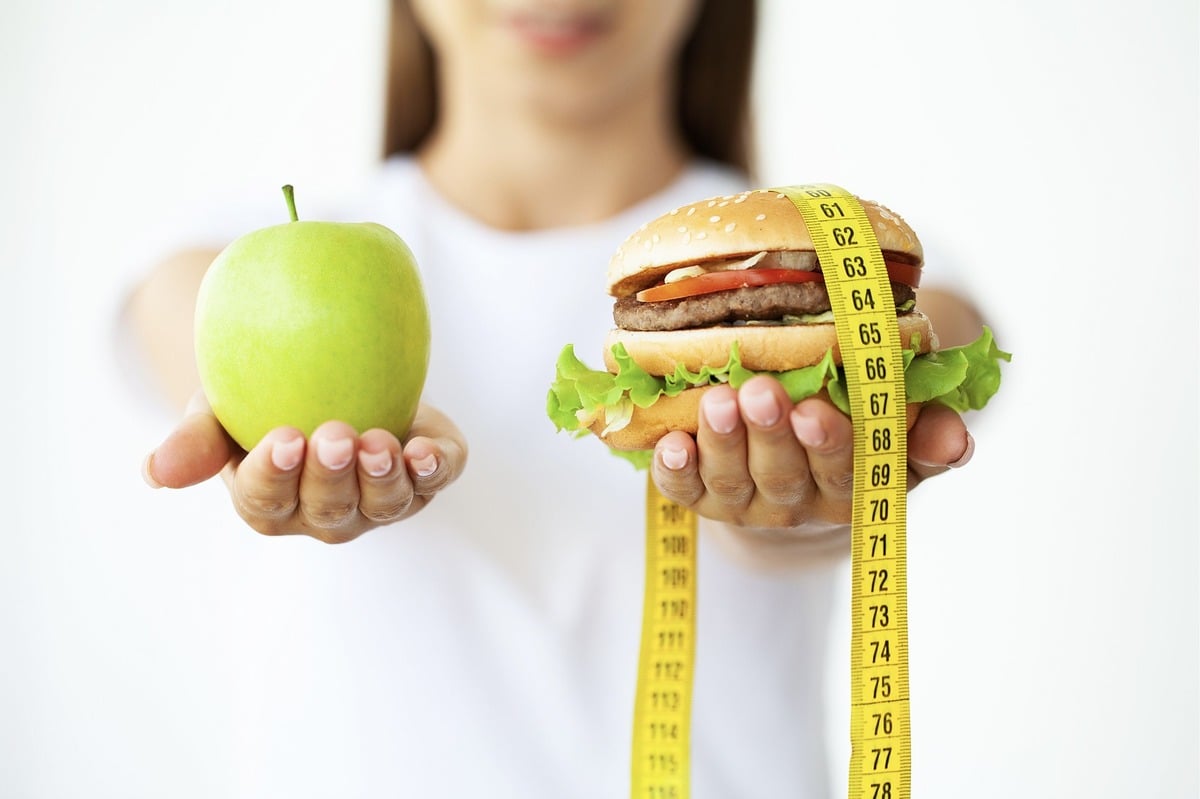
TikTok has rapidly become the digital playground for Gen Z, standing out as the preferred social platform for today’s teens. Short, catchy videos and trending challenges grab attention in mere seconds, making TikTok appealing and addictive. But have you ever considered what messages are truly seeping through those endless scrolls?
Let’s talk about “diet culture.” This term refers to the pervasive belief that thinness is the ultimate sign of health and worth, and that controlling food intake is a moral virtue. Diet culture isn’t just about what you eat; it shapes how you feel about your body, your self-esteem, and your relationship with food. For teenagers, whose sense of self is still forming, these messages can set the stage for lifelong habits—healthy or harmful.
In this article, I want you to step inside the world of TikTok as I reveal the real ways its content brings toxic diet narratives to teens, many of whom are looking for guidance. As a nutritionist and advocate for holistic well-being through Claudia’s Concept, I’ll show you exactly how TikTok feeds into unhealthy standards while giving practical, evidence-backed insight into what’s going on behind the scenes.
Diet Culture: What It Is and Why It’s Harmful
Understanding the Heart of Diet Culture
Diet culture thrives on the pursuit of thinness and an obsession with weight loss. At its core, this mindset values a slim body over overall well-being and encourages restrictive eating as the path to get there. When you scroll through social media, it’s easy to spot messages that glorify tiny waists, flat stomachs, and quick-fix diets. What often goes unnoticed is how this culture quietly reinforces the belief that only thin bodies are worthy or “healthy.”
In reality, scientific studies like those published in The International Journal of Eating Disorders show that restrictive diets increase the risk of disordered eating behaviors, such as bingeing and extreme calorie reduction, especially among teenagers. Instead of promoting true wellness, diet culture places intense pressure on individuals—particularly teens—to conform to unrealistic standards.
Negative Effects on Eating, Body Image, and Self-Worth
The impact isn’t just physical. Teens who internalize diet culture are more likely to develop an unhealthy relationship with food and their bodies. A landmark study in the Journal of Adolescent Health found that adolescents exposed to appearance-centric standards were twice as likely to engage in restrictive eating and feel dissatisfied with their bodies.
This dissatisfaction spills over into mental health. Constantly striving to fit into narrow ideals chips away at self-esteem and self-worth. How often do you judge yourself based on what you see in the mirror or compare your body to those you follow online? These daily habits, fueled by diet culture, can make eating a source of anxiety rather than nourishment.
Healthy Eating vs. Toxic Restriction: A Clear Divide
When building a healthy lifestyle—one of the core values at Claudia’s Concept—the focus should rest on balance, nourishment, and flexibility. In contrast, diet culture urges you toward rigid rules, “good” and “bad” foods, and guilt after indulging even slightly. Modern nutrition research, including findings by the World Health Organization, confirms that long-term health and vibrant energy come from varied, nutrient-rich meals rather than eliminating food groups or counting calories obsessively.
- Healthy eating celebrates all foods in the right proportions; toxic restriction shames and excludes.
- Listening to hunger and fullness cues fosters body confidence; ignoring these cues leads to chronic deprivation.
- Nourishing your body elevates mental and physical vitality; adhering to diet rules saps joy and connection.
By choosing a path that supports true nourishment, such as those promoted at Claudia’s Concept, you break away from the cycle of deprivation and negative self-talk that diet culture perpetuates.
Social Media Influence: TikTok’s Unique Power Over Teens
TikTok’s Algorithmic Content Recommendation: How Viral Trends Spread Rapidly
Have you ever noticed how a single swipe can pull you into a stream of videos, each one more captivating than the last? That sensation is no accident. TikTok’s sophisticated algorithm curates an endless feed based on what you watch, like, and share. In fact, a 2022 Pew Research Center study found that 67% of U.S. teens use TikTok, with nearly one in six reporting “near-constant” use. The more time you spend engaging with certain types of content—especially those showing popular diet trends—the more you’ll see similar videos. This recommendation engine is not random, nor is it harmless. It guarantees that viral weight loss challenges or “what I eat in a day” clips will find their way onto the screens of millions, fueling a cycle of exposure and imitation.
Role of Beauty Standards and Online Peer Pressure
Scrolling through TikTok, you immediately encounter the faces and bodies of creators who set the new standards of beauty—whether intentionally or not. The platform amplifies voices that fit often-unrealistic ideals. Research published in the Journal of Adolescent Health highlights that social media, particularly visual-sharing apps like TikTok, directly shapes teens’ body satisfaction and self-esteem. When teens observe their peers receiving likes, shares, and praise for “glow-ups” or dramatic weight loss, a powerful social pressure emerges. This is not subtle; it is highly visible and measurable. At Claudia’s Concept, I emphasize self-worth that’s measured by health, not by the display of likes or follower counts, yet TikTok pushes a different message, urging teens to conform or be left behind.
The Addictive Nature of Scrolling and Constant Exposure
Why does stepping away from TikTok feel almost impossible? Because the app is designed with endless scrolling, built-in rewards of surprise and novelty, and bite-sized content that hooks you quickly. According to a 2021 study in Nature Communications, the dopamine-driven rewards systems online activate the brain’s pleasure centers. Teens spend over 89 minutes daily on TikTok, experiencing an unbroken flow of content that constantly reinforces cultural ideals—many centered around body image and diet. This persistent exposure not only normalizes dangerous weight control behaviors but also embeds them deep in daily thinking.
- Ever felt anxious when away from your phone? That’s the app’s design working as intended.
- Have you challenged yourself to try a trending “transformation”? Those trends reach you because the algorithm knows your interests and habits intimately.
At Claudia’s Concept, I encourage stepping beyond surface-level trends to understand true, science-backed nutrition. Yet, TikTok’s immersive user experience makes it easy for teens to adopt and replicate what’s trending instead of what’s truly healthy. Consider your own screen time—how much of it is spent seeing diet-related content, and how does it shape your self-image?
Dangerous Weight Loss Trends on TikTok: The Alarming Rise Among Teens
“What I Eat in a Day” Videos: A Recipe for Harmful Comparison
Scrolling through TikTok, you’ll see endless streams of “What I eat in a day” videos. Teens often internalize these flashy clips, comparing their own meals to filtered snippets curated by influencers. What starts as casual curiosity quickly morphs into self-doubt, and the urge to replicate these diets. Research from the University of Vermont demonstrates that frequent exposure to social comparison on social media substantially increases the risk of body image dissatisfaction among adolescents (Fardouly et al., 2018). These videos rarely show the full picture, skipping complexities like varied nutritional needs, individual health history, or the reality of food prep outside the camera’s reach.
Calorie Counting and Extreme Diets: Numbers over Nourishment
Another rising trend: teens showcasing strict calorie counting, with some highlighting diets at shockingly low levels—often under 1,200 calories per day. This number falls drastically below the Dietary Guidelines for Americans, which recommend that active adolescent girls require around 2,000 and boys up to 2,600 calories per day, depending on age and physical activity. Prolonged calorie deficits in growing teens—whose brains and bodies demand energy for healthy development—create an environment ripe for hormonal imbalance, fatigue, delayed growth, and mood disturbances (Golden et al., 2016, Pediatrics). Claudia’s Concept always puts science-backed nourishment front and center, championing balance over restriction.
- Master Cleanse, Water Fasting, and “No Carb” Challenges: Extreme fasting methods and abrupt food group eliminations are glamorized on TikTok, often without regard to the danger of severe nutrient deficiencies (Harvard School of Public Health, 2022).
- Trending “Quick Fixes”: Drinks claiming miracle fat-burning effects—like “lemon coffee” or “apple cider vinegar shots”—receive millions of views. Their promises aren’t just unproven; evidence shows that such hacks carry risks like acid reflux or impaired digestion, rather than sustainable fat loss.
- Unrealistic Transformations: Before-and-after montages using clever editing or misleading timeframes lure teens into the illusion of instant change, rather than highlighting the reality of steady, long-term progress.
The Pitfalls of Unqualified Nutrition Advice
Many TikTok creators lack any formal background in nutrition or dietetics. Enthusiastic but uninformed, they broadcast meal plans or supplement tips that, while trending, often neglect crucial principles of adolescent health. The British Journal of Nutrition underscores that misinformation can directly contribute to disordered eating patterns and nutrient deficits among youth. At Claudia’s Concept, every recommendation is rooted in scientific consensus and individualized care—a crucial shield against fads that can disrupt a teen’s physical and emotional stability.
Glamorizing Restriction: The Allure of the “Perfect Body”
With hashtags like #skinnycheck and #dietchallenge trending, restrictive eating is often celebrated and normalized. Teens see restrictive habits rewarded with likes and shares, leading to internalization of these ideals. The relentless pursuit of thinness, fueled by positive feedback on these posts, reinforces the misconception that worth and health are measured solely by appearance. This cycle traps young audiences in a constant chase for unattainable standards, overshadowing the joy and variety that healthy eating can bring. Claudia’s Concept disrupts this narrative by promoting self-worth, food positivity, and education at every step.
Let’s Reflect Together
Have you ever caught yourself comparing your plate or body to someone else’s TikTok post? What did you feel in that moment, and where did those expectations come from? Rethinking why certain trends appeal to us sets the stage for healthier and happier choices—something I’m passionate about bringing into every consultation at Claudia’s Concept.
Misinformation About Nutrition: Myths and Misconceptions
The Viral Nature of Nutrition Myths
Scroll through TikTok’s search bar typing words like “weight loss,” “fat burning,” or “detox” and watch a flood of viral videos—many of which present nutrition myths without any scientific backing. It’s no secret that teens consume and share information rapidly on this platform. Nutritional misinformation travels faster than ever, sparking trends that lack credible sources or expert input. For example, the so-called “detox tea challenge” exploded across TikTok last year, gathering millions of views. But what are the facts behind these claims?
Diet Trends Without Evidence
You see short, snappy videos promising fast results—like drinking celery juice on an empty stomach for rapid detox, or following ketogenic diets with severely restricted carbs. What you don’t see: any mention of the Journal of the Academy of Nutrition and Dietetics’ 2021 systematic review which concluded that detox diets have no proven benefits for toxin elimination or sustained weight loss. Instead, these methods often cause energy drops, headaches, and poor concentration.
Let’s talk about fasting trends. Intermittent fasting might appear as a simple “hack” with endless before-and-after transformations. However, Harvard Health Publishing highlights that while intermittent fasting can help with weight loss in the short term, there are no long-term studies in teens about its safety or efficacy—yet TikTokers rarely include this critical context. Nutrition should be tailored to an individual’s age, developmental needs, and activity level; instead, creators often push a “one-size-fits-all” approach.
Consequences of Misinformation—Not Just Physical
Constant exposure to myths—like labeling entire food groups as “bad” or insisting that carbs must be eliminated—shapes how teens view food, their bodies, and their self-worth. When nutrition becomes riddled with rules and quick fixes, many internalize disordered thinking. A 2022 study in Frontiers in Psychology found that teens who repeatedly see restrictive eating messages online are twice as likely to adopt damaging eating behaviors or feel anxious about food choices.
The Claudia’s Concept approach is to empower you with facts, not fleeting fads. Genuine science confirms that a wide variety of foods can nourish the body—and, even more importantly, that no single food or quick fix will transform your health overnight. Consider, when was the last time a trending video helped you truly understand what your body needs daily? Reliable advice begins with evidence, not algorithms.
Your Opportunity to Rethink Food
Let’s challenge ourselves to pause before double-tapping on another viral tip. Ask: does this trend cite research? Is the advice individualized, or is it just another shortcut that ignores nuance? With Claudia’s Concept, you’ll find nutrition advice rooted in real science and designed for long-term results.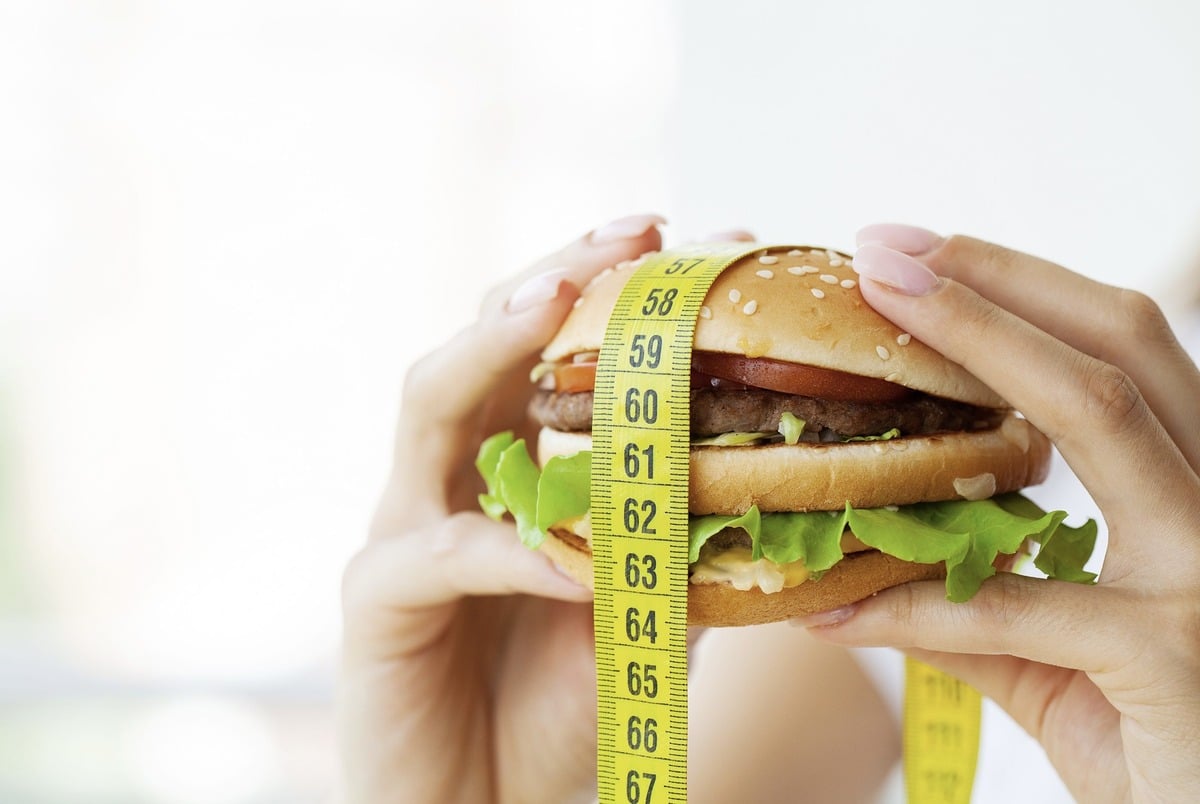
Body Image Issues and Unrealistic Beauty Standards: TikTok’s Impact on Teen Self-Perception
The “Ideal” Body: How TikTok Shapes Impossible Standards
Have you ever scrolled through TikTok and noticed a specific body type dominating your feed? TikTok currently amplifies a narrow and unrealistic “ideal” through its For You Page, showcasing creators with lean physiques, defined abs, or extreme thinness, often under the guise of fitness and wellness. According to a 2023 study published in Body Image, over 68% of the top trending fitness and diet videos on TikTok feature individuals who fit restrictive beauty standards, while less than 10% show body diversity. This constant exposure programs teens to internalize unrealistic expectations, leading to dissatisfaction with their own bodies.
Filters, Editing Tools and Curated Content: The Invisible Diversity Problem
With a few taps, anyone can edit videos, blur out so-called “flaws,” and apply slimming filters before posting. TikTok’s powerful editing suite enables creators to present a polished, filtered version of themselves that often erases natural body shapes and skin textures. Recent evidence from the Journal of Adolescent Health found that over 75% of TikTok users aged 13–19 have used filters or editing apps before sharing images or videos. Healthy, diverse bodies simply vanish from the mainstream unless we purposefully seek them out.
What does this mean for teens using TikTok every day? The expectation to look “TikTok perfect” is ever-present. When a teen only sees a parade of chiseled abs and hourglass waists, it skews their perception of what’s “normal” or desirable. Reflect for a moment: how often do you see unfiltered, unedited content in your recommended videos? For many, the answer is rarely—unless you follow accounts that champion natural bodies and authenticity.
Trending Bodies Versus Real Bodies: The Pressure to Conform
When the TikTok algorithm rewards certain looks and body types with more likes and visibility, there’s intense pressure to conform. A 2022 survey by the Royal Society for Public Health reported that 63% of teens felt compelled to change their body or appearance to align with social media beauty trends, especially during viral content waves like the “That Girl” or “Glow Up” challenges.
- Trends such as “What I Eat in a Day” display curated, low-calorie meals, leading viewers to equate appearance with restrictive eating.
- Side-by-side “transformation” videos frequently exaggerate “before” and “after” differences, promoting the belief that drastic body change is both necessary and easily achievable.
- Comment sections reinforce these standards, with praise showered on thinness and shaming of diverse shapes, pushing teens toward unhealthy comparison cycles.
At Claudia’s Concept, I advocate for cultivating self-respect and body confidence through evidence-based nutrition and community support. Instead of chasing unattainable ideals, teens thrive when exposed to uplifting stories and diverse representation. Take a pause and consider: Are the bodies trending on your feed truly reflective of everyday teens or the product of filters, restricted eating, and algorithm-driven choices? This honest questioning can open the door to a healthier self-image and a more fulfilling relationship with food and wellness.
Eating Disorders and Teen Mental Health: The Hidden Costs of Diet Culture on TikTok
Unmasking the Real Dangers: Diet Culture, Disordered Eating, and Teen Well-being
As a nutritionist committed to seeing every teen thrive, I find it impossible to ignore the powerful link between viral content on TikTok and the rising prevalence of eating disorders among teenagers. While scrolling through seemingly harmless food challenges and body transformation videos, many adolescents begin to internalize strict ideals and rigid food rules. This repeated exposure plants seeds that can blossom into lifelong struggles—far from harmless entertainment.
Scientific studies leave no doubt: teens who consume content that glorifies thinness or promotes extreme dieting face a significantly higher risk of developing disordered eating habits. In a 2022 study from the Journal of Adolescent Health, researchers found that exposure to weight-focused social media almost doubled the risk of developing symptoms of anorexia nervosa and bulimia nervosa among adolescent girls. Binge eating disorder, which is often overlooked, also flourishes in environments where ‘cheat days’ and ‘what I eat in a day’ challenges are celebrated.
How often do you find yourself measuring your worth against an influencer’s highlight reel? Many teens confess they check their appearance several times a day, hoping to match the standards they’ve seen on their feed. The American Academy of Pediatrics reports that disordered eating behaviors—skipping meals, obsessive calorie counting, purging—have increased by more than 25% among teens over the past three years, a rise that closely mirrors the explosive growth of TikTok.
Beyond the Plate: The Ripple Effect on Mental Health
Unpacking the damage doesn’t stop at eating patterns. Diet culture on TikTok latches onto the vulnerable threads of a teen’s emotional well-being and pulls hard. Multiple studies, including a compelling 2021 review in Child and Adolescent Psychiatry and Mental Health, have established that repeated exposure to diet-centric content doesn’t just foster eating disorders. These influences fuel anxiety, amplify depression, and erode self-esteem, laying the groundwork for a storm of mental health challenges.
- Anxiety and Compulsion: Teens fixate on every bite, condemned by viral trends that demand food restriction and “clean eating.” The pressure to “control” what goes in becomes all-consuming.
- Depression: Feelings of failure mount when teens inevitably fall short of impossible standards circulated in viral videos. Self-worth becomes handcuffed to numbers on a scale or inches around the waist.
- Crushing Self-Esteem: Social comparison—made instant and relentless by scrolling—leaves many adolescents convinced they’re never “enough.” Self-loathing grows where confidence could have bloomed.
Too often, the personal accounts speak volumes. During my work with Claudia’s Concept, teens have opened up about how their first steps into eating disorders began with a single hashtag or a well-intentioned fitness challenge on TikTok. They remember feeling validated by likes and comments, yet the resulting anxiety and preoccupation with food quickly spiraled out of control. According to the National Eating Disorders Association, hospitalizations for eating disorders among Americans aged 12-18 rose by almost 50% from 2020 to 2022, an increase closely linked to social media exposure during the pandemic.
Recognizing these connections empowers change. Each story and statistic underscores the urgent need to challenge harmful narratives and promote a new conversation about health — one rooted in balance, compassion, and science. By integrating this understanding into nutrition programs at Claudia’s Concept, I champion education and empathy, prioritizing mental health as fiercely as physical well-being.
Algorithmic Content Recommendation: The Vicious Cycle
Why One Tap Can Spiral into an Endless Stream
Ever noticed how watching a single video about diet hacks or “what I eat in a day” routines quickly fills your TikTok feed with similar content? This isn’t accidental—this is how TikTok’s recommendation algorithm operates. By learning what you interact with, even for a few seconds, the platform immediately curates more content of the same genre. According to a 2022 report from the Wall Street Journal, within just a few minutes of engaging with a single video on weight loss or thinspiration, a new account can be inundated with dozens of related videos.
Through Claudia’s Concept, I always emphasize mindful exposure, especially in adolescence. Why? Because the TikTok recommendation algorithm is meticulously engineered to capture your attention and hold it by delivering what it “thinks” you want. When the first video piques curiosity, a powerful chain reaction begins.
How Constant Exposure Shapes Beliefs and Behaviors
- The algorithm detects your interest in diet content and immediately prioritizes similar videos, pushing them to the top of your feed. This increases the likelihood of repeatedly encountering dubious claims and extreme habits.
- The more you watch or interact—by likes, shares, or even just lingering—the more intense and narrow your feed becomes. This cycle is backed by research from Nature Communications (2021), showing social media algorithms significantly amplify echo chambers, reinforcing single-minded perspectives.
- Teens, whose brains are still developing executive function and self-control as per JAMA Pediatrics (2019), find it much harder to critically assess repeated messages or recognize potentially harmful advice.
Consider this: The algorithm doesn’t only supply popular videos; it tries to match your assumed mindset. If you look up “healthy snacks,” you might soon face videos about fasting, extreme calorie deficits, or even “body checking” trends. You don’t have to search for these; they come to you.
Why Teens Are More Vulnerable Than Adults
Teenage brains are wired for curiosity, risk-taking, and social reinforcement. Dopamine, the brain chemical related to reward and motivation, spikes with every new and exciting video—a phenomenon confirmed in PNAS (2018). Combined with the compulsive cycle of algorithmic content, teens get caught in a feedback loop. They encounter the same messages so often, these start feeling like standard, trustworthy advice—no matter how inaccurate or harmful.
Through Claudia’s Concept, I help teens and families recognize these triggers and build resilience against constant digital pressure. Ask yourself: How much of your feed feels truly chosen by you? Which messages start shaping your ideas about health, food, or your own body after endless repetition?
Combating Misinformation and Toxic Diet Trends: Equipping Teens for Healthier Choices
Empowering Parents, Educators, and Content Creators to Champion Nutritional Truths
Misinformation spreads rapidly, especially on influential platforms like TikTok. As a celebrity nutritionist, I witness firsthand how crucial it is for trusted adults and creators to step in with clarity, compassion, and science-backed knowledge. Parents can start by fostering open conversations around body image and food neutrality at home. Regularly asking questions such as, “Where did you hear that?” or “What do you think makes a healthy meal?” invites young people to reflect and opens space for correcting myths before they become ingrained beliefs.
Teachers, meanwhile, have the opportunity to integrate media literacy and nutritional science within the curriculum. Classroom discussions that scrutinize viral diet trends—using current TikTok videos as examples—help teens distinguish between fact and fiction. For creators, Claudia’s Concept continually encourages the sharing of diverse meals, realistic eating habits, and nutrient-rich recipe inspiration. Use hashtags that promote authenticity, amplify sound nutritional science, and actively debunk the most persistent diet lies trending on social media. Working together, these groups create a defence against faulty information.
TikTok’s Role: Active Moderation and Resourceful Interventions
Platforms like TikTok possess immense influence; with it comes responsibility. The introduction of robust content moderation tools, including algorithm-driven detection of dangerous weight-loss challenges, is entirely feasible. TikTok can integrate informational warnings on potentially harmful videos and provide direct links to resources. For example, YouTube pioneered pop-ups connecting users to mental health support when searching for sensitive topics; TikTok can implement similar interventions, linking users to credible nutrition organizations and helplines at the moment someone engages with risky diet content. This practical measure prevents exposure from leading to imitation.
When a user scrolls through Claudia’s Concept videos, they discover balanced, evidence-based tips, which contrast starkly with quick-fix claims. Reliable content curation on TikTok can lift up responsible voices and minimize the reach of misleading material through stronger verification mechanisms.
Cultivating Critical Thinkers: The Power of Evidence-Based Nutrition Advice
Equipping teens with critical thinking skills is a non-negotiable step in the fight against toxic diet trends. When teens learn to ask, “What scientific study supports this claim?” or “Has this advice been verified by professionals?”, they develop the ability to challenge dubious advice independently. In fact, a 2022 study published in PLOS ONE found that digital health literacy significantly reduces susceptibility to dietary misinformation among teenagers.
- Encourage curiosity: Motivate teens to look for nutrition facts from registered professionals, not anonymous influencers.
- Debunk in real-time: When encountering viral myths—such as “fasting for 48 hours guarantees fat loss”—refer directly to scientific evidence refuting these claims.
- Promote trusted resources: Claudia’s Concept provides accessible, science-driven content designed to cut through the noise and empower informed choices.
Every interaction counts. The journey toward healthier choices begins not with restriction, but with understanding—and each of us plays a key role in nurturing that understanding within the next generation.
Building a Healthier Mindset: Smart Resources and Uplifting Solutions for Teens and Families
Championing Healthy, Intuitive Eating in a Digital World
Every time a new fad diet spreads on TikTok, genuine confusion seeps into our approach to food. So, what actually works? Relying on principles of balanced nutrition – eating in tune with your hunger, savoring a colorful variety of foods, and listening to your body’s cues – is the proven path to sustained wellbeing. This is the core philosophy I teach through Claudia’s Concept: Intuitive eating, rooted in multiple peer-reviewed studies, such as the 2017 research published in Appetite, clearly shows improvements in self-esteem and reduced risk of disordered eating behaviors among adolescents who practice mindful eating habits.
Instead of calorie counting and labeling foods ‘good’ or ‘bad,’ I invite you to notice how you feel after meals. Does a vibrant salad or warm bowl of dal leave you energized? These small acts of self-awareness help dismantle toxic diet mentality. Families, try preparing meals together and exploring new ingredients. Teens, ask yourself: “How does eating this make me feel?” This mindful approach directly weakens the grip of harmful, restrictive eating trends often glorified on social media.
Promoting Diverse, Body-Positive Voices on TikTok
The more you engage with diverse creators who share relatable stories and showcase bodies of all shapes, the richer your digital feed becomes. Seek out voices—registered nutritionists, expert dietitians, and creators of varied backgrounds—who promote realistic nutrition and positive self-talk. When you support body-positive accounts, you help shift TikTok’s culture away from unattainable standards.
- Follow creators who focus on food enjoyment and mental health instead of transformation photos.
- Comment on content that celebrates real, unfiltered beauty and encourages self-acceptance.
- Share uplifting videos that highlight strength, confidence, and joy in movement—not just thinness.
At Claudia’s Concept, I regularly curate a list of social channels and reputable influencers who back up their tips with solid evidence and personal experience; teens and their families receive practical, positive content that generates a ripple effect—changing both outlook and algorithm.
Where to Turn for Credible Support and Guidance
Recognizing the signs of disordered eating or body image struggles early can make all the difference. Numerous organizations offer safe, confidential help for teens and concerned loved ones. When you or someone you know needs support:
- National Eating Disorders Association (NEDA): Call, text, or chat their helpline for immediate assistance and resources.
- Butterfly Foundation (India): Reach out for culturally relevant guidance, workshops, and peer support groups.
- Body Positivity India: Join inclusive online communities and webinars that foster acceptance and resilience.
- Schools and universities often partner with professionals like myself to arrange group counseling or nutrition education – don’t hesitate to ask.
If you’re reading this and thinking, “Could I use a new approach?”—start with one small step toward kinder self-talk at your next meal. Your journey toward vibrant health, with strong guidance from Claudia’s Concept, begins with empowered choices, active community, and proving positivity truly flourishes online and off.
Charting a Healthier Path: Redefining Social Media’s Role in Teen Nutrition
Every scroll, every double-tap, and every shared TikTok makes a difference. In a world where diet culture content floods For You Pages and wellness myths spread rapidly, your voice matters—mine too, as I continually advocate for authentic nourishment and positive self-image through Claudia’s Concept. When we recognize how closely TikTok’s trends, hashtags, and viral challenges shape beliefs about food, weight, and self-worth among teens, we realize just how much power we all hold to drive change.
Treat Every Body with Respect: The Foundation for Change
Let’s return to what truly counts: treating all bodies with respect. This approach forms the bedrock of healthy nutrition and overall well-being. Diets rooted in restriction or shame will only reinforce negativity. Instead, research from Harvard T.H. Chan School of Public Health shows that fostering positive body image—regardless of size—directly supports both mental and physical health in adolescents. Real progress follows when we replace judgment with compassion, both for ourselves and others, so take this moment to reflect: how do you view your own body, and how might you lift up those around you?
Your Actions Have Impact: Shape a Kinder Digital Space
Mindful engagement is key. Rather than passively consuming what TikTok’s algorithm delivers, actively curate your feed—block accounts that promote unhealthy behaviors, follow creators who model evidence-based nutrition, and uplift posts that celebrate body diversity. Only you determine how much influence content will have over your mindset, choices, and confidence.
- Be mindful of the content you watch and share—ask yourself whether it builds people up or tears them down.
- Support your friends: If you notice worrying conversations about food and bodies, reach out. Studies show that peer support increases the likelihood of recovery from negative body image and disordered eating in teens.
- Seek help when you need it: If you or someone you know is struggling, professionals are always ready to listen.
Social Media: From Harmful Cycles to Healthy Inspiration
Social media, including TikTok, can nurture connection and positivity—when used with intention. Follow tags that encourage nourishing meals, joyful movement, and realistic wellness, much like those promoted in Claudia’s Concept programs. Because you help write the rules of engagement, begin your journey by pressing pause on toxic trends, amplifying balanced voices, and celebrating daily wins—big or small—related to food and body image.
When one person chooses kindness and science over clickbait and restriction, ripples of change reach farther than any algorithm could predict. What change will you spark today?