
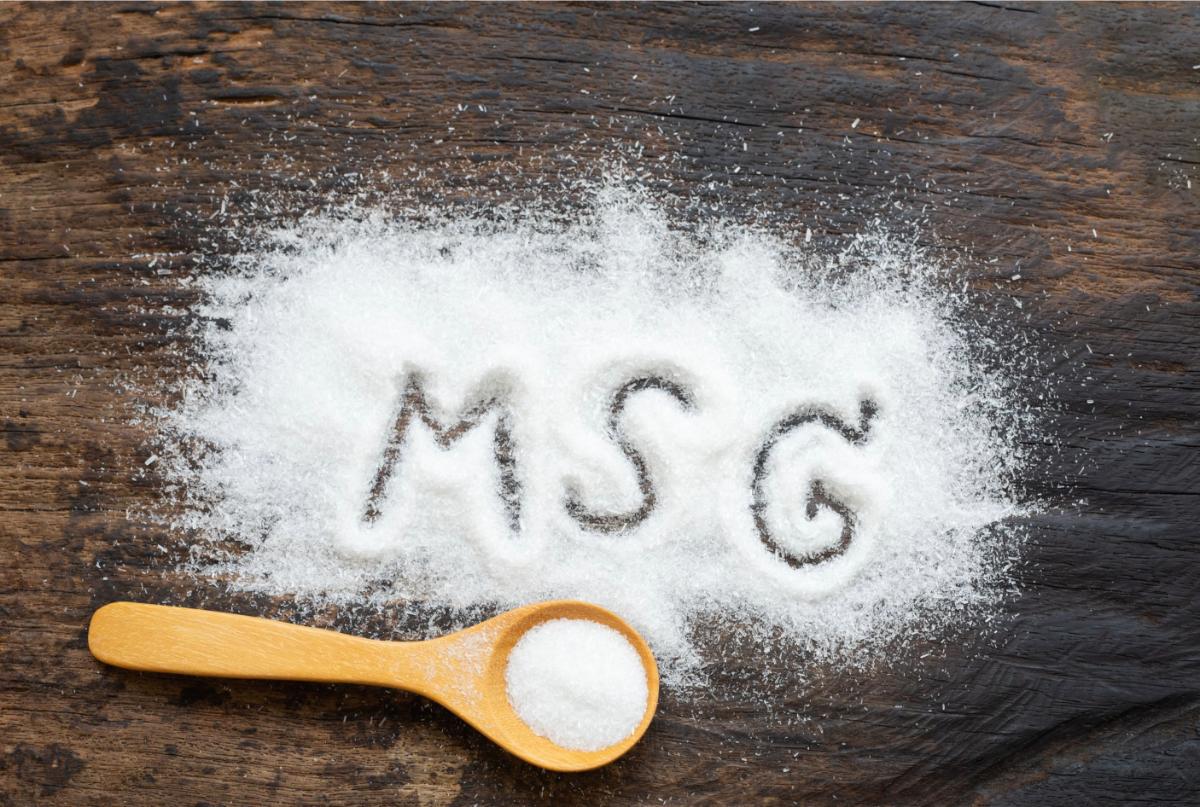
Ever glanced at a food label and wondered about the ingredient “MSG”? The curiosity—and often concern—surrounding monosodium glutamate (MSG) spans kitchens and dining tables across India and the globe. Many individuals hear mixed messages: some fear unwanted side effects, while others celebrate its ability to enhance flavors in countless dishes. With India’s rich culinary diversity and rapid changes in packaged foods, understanding MSG becomes not just fascinating but absolutely essential—whether you’re preparing home-cooked meals or enjoying restaurant favorites.
Health, taste, and food labeling are all connected by MSG’s presence. Recognizing how this flavor enhancer operates can empower you to make informed choices, especially as the flavoring industry evolves and more products fill store shelves. By demystifying MSG with the help of science-backed insights from Claudia’s Concept, you can navigate your food options with true confidence. Are you ready to uncover the real story behind MSG? Let’s begin.
The Fascinating Journey of MSG: From Japanese Discovery to Global Kitchens
Discovery in Japan: Dr.Kikunae Ikeda’s Pioneering Work
Step back into Tokyo in the year 1908, where Dr.Kikunae Ikeda, a passionate chemistry professor, unraveled a culinary secret that would redefine global taste. Driven by curiosity, Dr. Ikeda set out to identify what created the distinctive, savory depth in kombu dashi, a cornerstone of Japanese cooking. Through dedicated research and innovative experimentation, he isolated the molecule that produced this unique flavor—glutamate—and then further combined it with sodium to stabilize it, thus creating monosodium glutamate (MSG).
This was not merely a scientific achievement; Dr. Ikeda’s discovery gave rise to a new taste sensation: umami. Unlike salty, sweet, bitter, or sour, umami added a savory, mouth-filling richness to food, and soon became recognized as the “fifth basic taste.” To ensure practical use, he patented the production process and partnered with the Suzuki Pharmaceutical Company, launching MSG as a seasoning under the brand name Aji-no-moto in 1909. The name means “essence of taste,” capturing exactly what Dr. Ikeda intended to deliver to the public.
Spread and Adoption in Global Cuisine
Do you ever wonder how a seasoning invented in early 20th-century Japan made its way to kitchen shelves from New York to New Delhi? This rapid spread started with the straightforward appeal of enhanced flavor. During the 1920s and 1930s, Japanese food manufacturers quickly adopted Aji-no-moto, and soon, neighboring countries like China, Korea, and Taiwan followed suit.
World War II sparked another leap: The U.S. military noticed an improvement in the taste of Japanese military rations, prompting American manufacturers to investigate and eventually adopt MSG. By the mid-20th century, MSG production soared globally. In Europe and North America, food producers embraced MSG, incorporating it into processed foods, snacks, canned soups, and restaurant dishes.
Statistical analysis from the International Glutamate Technical Committee indicates that by the early 1970s, annual global production surpassed 800,000 metric tonnes. Today, demand exceeds 3 million metric tonnes worldwide, cementing MSG as a staple in the flavor industry.
Here at Claudia’s Concept, we appreciate how MSG’s history demonstrates humanity’s quest for consistently delicious and memorable food experiences.
Early Use in Asia and Eventual Arrival in Indian Culinary Practices
Asian cuisines, long celebrated for their complex flavors, embraced MSG early. In China, particularly in Sichuan and Cantonese kitchens, home cooks and restaurants alike used MSG to boost the savory notes in stir-fries and broths. Korea and Southeast Asian countries quickly integrated MSG into dishes like kimchi, pho, and laksa—transforming everyday meals with umami richness.
India’s culinary landscape gradually became part of this journey. During the late 20th century, as globalization increased and multinational food companies entered the Indian market, MSG appeared in packaged soups, snacks, and ready-to-eat meals. Urban restaurants, especially those offering Indo-Chinese fare—think Hakka noodles, Manchurian gravies, and fried rice—incorporated MSG to intensify flavor and exceed diners’ expectations.
What stands out in all these contexts: MSG adapts to diverse culinary traditions, making it as much a part of a simple street-side stir-fry in Bangkok as it is in a gourmet Indo-Chinese meal in Mumbai. At Claudia’s Concept, we see MSG’s journey as an inspiring example of science and tradition working in perfect harmony to elevate taste across borders.
How MSG is Made – From Seaweed to Science
Traditional Methods: The Roots of MSG Production
Travel back to early 20th-century Japan, where the first batches of monosodium glutamate (MSG) were produced by extracting glutamic acid from kombu, a type of edible seaweed. This process, although labor-intensive, laid the foundation for the umami revolution. The renowned chemist Kikunae Ikeda observed that simmering kombu produced a savoryflavor, distinct from salty, sweet, bitter, or sour notes. So, historical MSG manufacturing literally began with the gentle simmering of kelp in water, isolating glutamate crystals through evaporation and subsequent neutralization with sodium hydroxide. These early techniques, though ingenious, wouldn’t meet the demands of modern food production.
Imagine the dedication involved: Sun-dried seaweed, tanks of heated water, and patient crystallization—each step capturing that all-important umami for a rapidly industrializing world.
Modern Industrial Production: Fermentation Takes Over
Today, science and industry have transformed MSG production, making it sustainable, plant-based, and exceptionally scalable. The most prevalent method relies on fermentation, a technique also used in producing yogurt and soy sauce. Instead of seaweed, manufacturers choose carbohydrate-rich plants such as sugarcane, beetroot, or cassava. Curious about how this works?
- Microorganisms—typically strains of Corynebacterium glutamicum—feed on these plant-based sugars, naturally converting them into glutamic acid.
- This fermentation process closely mimics nature’s own method, and it has been optimized for efficiency and purity.
- After fermentation, the glutamic acid is filtered, purified, and mixed with sodium to crystallize as MSG—identical in structure to the glutamate found in tomatoes and cheese.
It’s a fascinating example of biotechnology in action—you can see how Claudia’s Concept always seeks sustainable and natural methodologies for functional nutrition. With fermentation, production is not only environmentally friendly but also free from animal-based ingredients.
Food Safety Standards in MSG Production
Stringent food safety protocols govern every stage of MSG manufacturing. The World Health Organization (WHO) and the Food and Agriculture Organization (FAO) mandate strict limits on contaminants and ensure full traceability of raw materials. Factories must adhere to Good Manufacturing Practices (GMP), undergo regular quality checks, and apply rigorous purification techniques.
In India, the Food Safety and Standards Authority of India (FSSAI) regulates the quality and use of MSG in food products. According to FSSAI standards, only food-grade MSG, derived from permitted sources via approved processes, can be used in foods. Internationally, the Joint FAO/WHO Expert Committee on Food Additives (JECFA) has classified MSG as a safe food additive, supported by extensive research and safety reviews.
So, as you can see, the journey from seaweed to your supper bowl is tightly regulated and scientifically optimized. Have you ever thought about how biotechnology has elevated our everyday meals?
- The MSG you see in stores today is the product of centuries of discovery, decades of science, and ongoing dedication to purity.
- At Claudia’s Concept, we prioritize understanding both the origins and safety of every ingredient we recommend, and MSG is a perfect example of how modern methods can preserve and enhance natural flavor safely.
Natural Sources of Glutamate: Nature’s Own Flavor Boosters
Foods Naturally High in Glutamate
Have you ever wondered why a sun-ripened tomato or a bite of aged Parmesan cheese explodes with savoryflavor? That satisfying taste—umami—often comes from glutamate, a naturally occurring amino acid. Several everyday foods brim with glutamate, amplifying their taste without needing any added flavor enhancers. For example, ripe tomatoes typically contain between 140 and 250 mg of glutamate per 100 grams, a figure confirmed by data published in the journal Food Chemistry. Cheeses, especially Parmesan, can feature over 1,200 mg of glutamate per 100 grams, dramatically enriching dishes and snacks.
Mushrooms, another glutamate-rich household staple, possess glutamate concentrations ranging from 50 to 150 mg per 100 grams depending on the variety. Are you a fan of soy sauce or seaweed? Both are traditional Asian ingredients celebrated for their deep, layered flavors, with soy sauce containing up to 1,700 mg of glutamate per 100 grams. Even green peas, walnuts, and broccoli add subtle hints of umami to dishes, since their glutamate levels naturally stimulate our taste receptors.
- Tomatoes: 140–250 mg/100g
- Parmesan Cheese: Over 1,200 mg/100g
- Mushrooms: 50–150 mg/100g
- Soy Sauce: Up to 1,700 mg/100g
- Green Peas & Walnuts: Natural but lower concentrations
- Seaweed (Kombu): The original source where MSG was first discovered
Natural Glutamate vs. Added MSG: What Sets Them Apart?
Let’s clarify a frequently asked question: is there a real difference between the glutamate in your kitchen staples and the monosodium glutamate added to foods? Chemically, both forms deliver an identical glutamate molecule to your body, stimulating the same taste receptors on the tongue. However, in natural foods, glutamate is bound up in complex food matrices—think tomato cell structures or cheese protein webs—which can slightly affect how quickly your taste buds perceive the delicious umami hit.
Added MSG, by contrast, is a highly purified, crystalline form designed to dissolve rapidly and provide instant flavor enhancement. Consider this: a slow-braised tomato sauce draws flavor from naturally occurring glutamate in the fruit, while a pinch of MSG in a vegetable broth delivers an immediate depth of savoriness. Both routes satisfy your palate, but the source and culinary experience may differ.
When you savor a meal crafted with Claudia’s Concept—infusing nutrient-rich, real foods—you’re already benefiting from natural sources of glutamate. This synergy between nutrition and taste forms the core of my philosophy: embracing the science of food, while keeping meals vibrant and satisfying.
Unlocking the Flavor Enhancement Power of MSG: What Makes Umami Unforgettable
How MSG Amplifies the Umami (Savory) Taste
In my work as a nutritionist, I witness daily just how transformative the right flavor enhancer can be. Monosodium glutamate (MSG) stands out among all, and that’s not by coincidence—this ingredient interacts directly with taste receptors, intensifying umami, the profound savory sensation often described as the “fifth taste.” When you add MSG to your dish, glutamate binds to umami receptors on your tongue, signaling the brain to recognize and enjoy richer, more satisfying flavors. This is not simply anecdotal; a 2015 study in the journal Nutrition Research demonstrates that foods seasoned with MSG rank significantly higher in palatability and satisfaction, proving the powerful impact of glutamate on flavor perception.
MSG Versus Salt, Sugar, and Other Flavor Enhancers
Often people wonder—doesn’t salt do the same thing? In reality, MSG’s mechanism is unique. Salt triggers our taste buds for “salty,” while sugar excites “sweet.” MSG, by contrast, triggers the umami pathway, resulting in an almost meaty, savory depth without increasing sodium or caloric content. Scientific analysis by the European Food Safety Authority (EFSA) found that incorporating small amounts of MSG can reduce overall sodium in recipes by up to 30%, because MSG itself contains only one-third the sodium of regular salt. You’ll achieve an intense, mouth-watering flavor profile without overwhelming the dish with excess salt or sugar—a foundation I often utilize in menu development for Claudia’s Concept.
Other common enhancers, such as yeast extracts or hydrolyzed vegetable proteins, also bring out umami, but MSG remains the most extensively researched for taste amplification, safety, and consistency. The synergy of MSG with other seasonings means flavors meld beautifully, making each bite linger delightfully on the palate.
Popular Food Products Using MSG: Indian and Global Examples
- Instant Noodles: Leading Indian brands—think Maggi and Top Ramen—depend on MSG to create those familiar, crave-worthy flavors, echoing homemade “masala” yet preserving an umami undertone that hooks you from the first sip of broth.
- Ready-to-Eat Snacks: Countless savory chips, poppers, and packaged mixes list MSG as a key ingredient. For example, globally popular Lay’s and Kurkure brands amplify their “chatpata” notes with MSG.
- Sauces and Condiments: Soy sauce, tomato ketchup, and popular chili sauces—like those you’ll find on the shelves in major supermarkets—rely on glutamates (often MSG) to balance sweetness and punch with deep savory mnemonics. Brands across Asia, from Kikkoman to Ching’s Secret, prominently feature MSG for consistency and flavor.
- Restaurant Fare: From Indo-Chinese gravies to iconic global fast food—be it pizza toppings or fried chicken—kitchens maximize flavor impact and customer satisfaction through carefully measured doses of MSG.
Pausing for a moment, have you reflected on why certain foods always spark that extra craving? MSG ensures fullness of flavor—without muddying delicate spices or overpowering aromatics—making dishes taste richer and “complete.” It’s a core concept employed at Claudia’s Concept when creating healthy yet incredibly satisfying gourmet nutrition plans.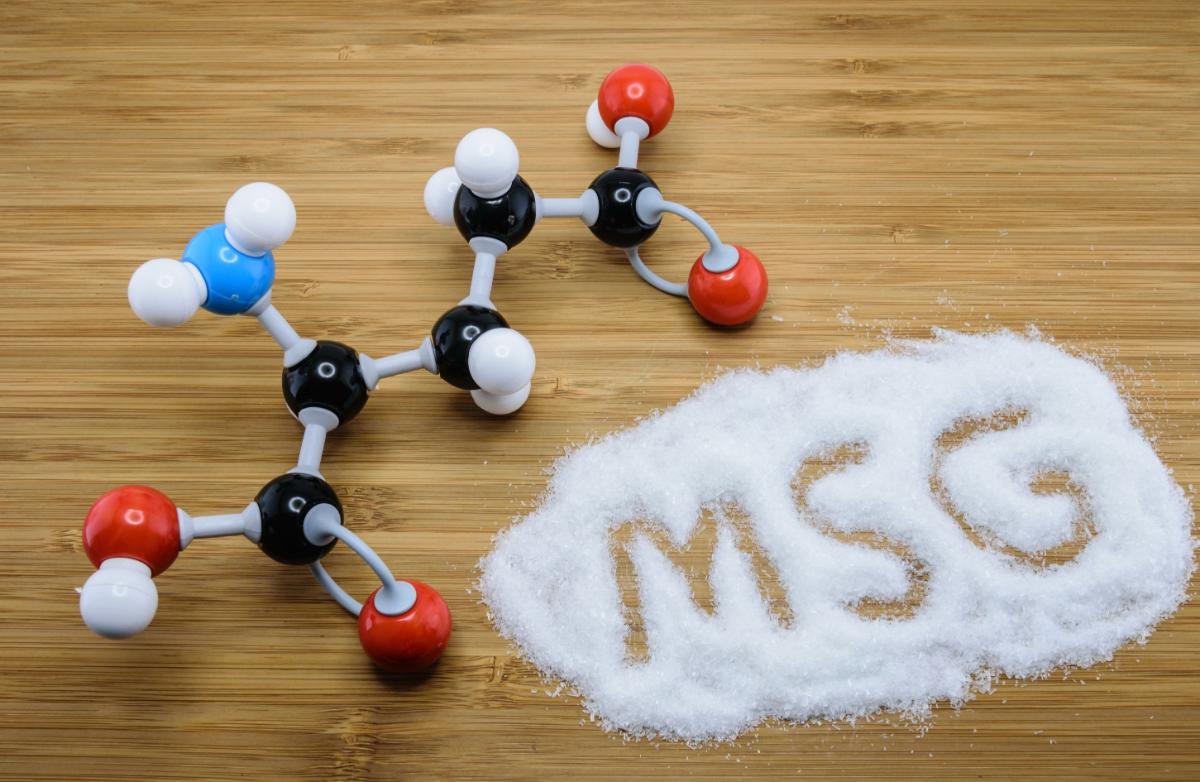
MSG in Asian and Indian Cuisine: Unveiling Its Unique Flavor Story
Traditional Uses in Chinese, Japanese, Thai, and Indian Street Food
Across bustling Asian food markets and vibrant Indian streets, MSG has played a transformative role in shaping flavor. Historic records from the early 20th century reveal that Japanese chefs were among the first to embrace monosodium glutamate after discovering its potential to produce umami—the much-celebrated fifth taste. In China, MSG made its way into hotpots, stir-fries, and broths, rapidly becoming a cornerstone of Cantonese and Sichuan culinary tradition. Think of a steaming bowl of wonton soup or a flavorfulMapo tofu—both owe their satisfying mouthfeel and lingering savoriness to an expertly measured dash of MSG.
Gliding over to Thailand, street-side vendors often rely on MSG to balance the spicy, sweet, and sour profiles in classic dishes like Pad Thai and Tom Yum Goong. For decades, MSG in these regions has been as commonplace as soy sauce or fish sauce—part of a greater toolkit ensuring each plate bursts with harmonious flavor.
Turning to Indian cuisine, the landscape shifts. Traditional Indian kitchens have long harnessed natural glutamate found in tomatoes, mushrooms, and cheeses like paneer. However, MSG began finding its foothold in Indian fusion food and the thriving street food scene, especially in vibrant Indo-Chinese delicacies. Consider the irresistible crispiness and savor of Gobi Manchurian or the addictive flavor of chow mein sold at a roadside stall; these dishes often receive their character from a sprinkle of MSG. When working at Claudia’s Concept, we routinely hear how these flavors evoke strong memories and cravings. MSG, in many ways, bridges the old with the new, marrying time-honored tastes with a modern edge.
MSG’s Role in Popular Dishes: Noodles, Gravies, Snacks
MSG does more than deepen a soup’s base—it lifts and rounds out flavors in countless popular dishes. In Japanese ramen, MSG amplifies the subtle richness of pork broth and delivers that signature umami punch. In Chinese cuisine, you’ll find it elevating the already complex sauces in noodle plates and stir-fried rice, binding spices and aromatics into a seamless blend.
Indian cuisine, though traditionally rich in spices, now welcomes MSG in certain gravies and comfort snacks. Street vendors and quick-service restaurants often use it in Schezwan noodles, chili paneer, or crispy fried momos to create the irresistible “taste magic” that keeps diners coming back for more. Science echoes this practice—published studies (Yamaguchi & Ninomiya, 2000, Journal of Nutrition) confirm that even a small amount of MSG heightens saltiness, depth, and overall satisfaction, thus allowing chefs to reduce sodium content without sacrificing flavor.
At Claudia’s Concept, I guide people who cherish their favorite street foods towards mindful choices. Using MSG allows chefs—and home cooks—to achieve full-bodied flavor across a diverse menu, from dainty spring rolls to hearty curries. Such culinary flexibility fosters innovation while honoring local tradition.
Perceptions and Acceptance of MSG Use in India
Attitudes toward MSG have evolved substantially in recent years. While some Indian households remain cautious, associating MSG with processed foods or outside influences, street vendors and urban eateries embrace its flavor-boosting properties. The rising trend of Indo-Chinese cuisine in metropolitan centers like Mumbai, Delhi, and Bengaluru reflects this shift—restaurant chefs state that MSG is integral to delivering the punchy, addictive taste diners expect. According to a nationwide survey published in the Indian Journal of Medical Research (2017), over 48% of sampled Indian urban consumers could correctly identify MSG as a seasoning agent, reflecting growing food literacy.
Prompt for thought: Have you noticed how your favorite noodles or gravies at a restaurant possess a more satisfying flavor than homemade versions? Chances are, the subtle, umami-rich boost from MSG is at play, rounding out flavors and creating memorable food experiences.
Rather than shying away, urban Indian chefs and foodies have started to view MSG as an accessible route to deeper, more layered tastes—without hiding behind mystery. Claudia’s Concept advocates a transparent, ingredient-led approach to nutrition, empowering individuals to make choices with confidence and curiosity. Every meal becomes an opportunity to explore and enjoy.
Health Effects and Safety of MSG: Separating Facts from Fiction
MSG and Scientific Findings: What Research Really Shows
You might have heard a lot about monosodium glutamate (MSG) and its impact on health, especially with claims linking it to various symptoms. To provide clarity, let’s examine what rigorous science reveals and why so many top nutrition professionals, including myself at Claudia’s Concept, rely on peer-reviewed evidence.
A comprehensive review conducted by the Joint FAO/WHO Expert Committee on Food Additives concluded that MSG poses no health risk to the general population when consumed at customary levels. The European Food Safety Authority (EFSA) echoed these findings in its 2017 risk assessment, firmly stating that dietary exposure to MSG—even at the 95th percentile—remains well below any threshold for concern. Furthermore, randomized, double-blind, placebo-controlled trials published in The Journal of Nutrition and Food and Chemical Toxicology have consistently shown that, in typical amounts, MSG does not produce any measurable adverse outcomes in healthy adults.
Naturally, science relies on measurable outcomes. When subjects consumed typical daily doses of MSG (around 0.3–1.0 grams per meal), no statistically significant differences emerged regarding headaches, flushing, or fatigue compared to those consuming a placebo. These are strong indicators that, for the vast majority, MSG will not have any negative health outcomes, especially when consumed in regulated quantities.
Headaches, Sensitivities, and the “Chinese Restaurant Syndrome” Debate
Remember the term “Chinese Restaurant Syndrome”? Let’s engage for a moment—have you ever wondered whether this phenomenon is based on fact or myth? In the late 1960s, anecdotal reports claimed that MSG consumption could trigger symptoms like headaches or sweating, particularly after eating Chinese food. However, well-designed clinical studies using double-blind protocols have failed to replicate these symptoms reliably.
A key study from The Journal of Allergy and Clinical Immunology (2016) involved over 130 volunteers and found that only a very small fraction reported mild, temporary symptoms—none of which could be consistently attributed to MSG. In fact, those taking placebo capsules reported the same symptoms at nearly identical rates. This is why regulatory agencies worldwide, including the US Food and Drug Administration (FDA), maintain MSG’s “Generally Recognized As Safe” (GRAS) status for the broader public.
Actual Prevalence of Reported Adverse Reactions
When tracking adverse effects, the numbers tell a clear story. In population studies, less than 2% of people report any symptoms after consuming MSG—and, in blind trials, most cannot distinguish MSG from a placebo. The American Journal of Clinical Nutrition (2000) includes a meta-analysis confirming that reproducible reactions are extremely rare. In a diverse and health-conscious clientele at Claudia’s Concept, reported sensitivity is even less common than to everyday foods like dairy or gluten.
Global Safety Profile—What the Experts Say
Health authorities across the globe—including the FDA, EFSA, Health Canada, and Japan’s Ministry of Health—have rigorously reviewed MSG’s safety. Their collective stance remains firm: MSG is safe for consumption as a flavor enhancer and does not cause allergic or neurological reactions in the general population. Extensive toxicological analyses show no evidence of long-term health risks.
- WHO establishes an “Acceptable Daily Intake” (ADI) that’s not restricted for MSG—meaning the usual dietary intake is far below any amount of concern.
- EFSA’s 2017 scientific opinion affirms: there is no evidence linking MSG to any chronic adverse health outcomes.
- FDA reviews have not found any reproducible evidence implicating MSG as a causal factor for migraine, asthma attacks, or any chronic condition.
Curious to explore how flavor can boost health and enjoyment, without unwanted side effects? That’s one of the core philosophies at Claudia’s Concept, combining research, experience, and the world’s best nutrition practices to deliver trustworthy advice.
The “Chinese Restaurant Syndrome” Myth: Unpacking Truth from Tabloid
Origins of the Myth and Media Amplification
Have you ever left a Chinese restaurant feeling a bit off and wondered if MSG was responsible? The story of “Chinese Restaurant Syndrome” began in 1969, when a single letter published in the New England Journal of Medicine shed suspicion on MSG. A physician wrote about feeling symptoms such as headaches and numbness after eating Chinese food and speculated that MSG could be the cause.
What followed was a mix of sensational media headlines and public concern, sparking a global debate. Magazines, news outlets, and word of mouth gave momentum to this idea, and soon MSG acquired a controversial reputation. Sensational stories, rather than solid science, drove the public narrative for decades; as a result, many people started associating their discomfort with MSG specifically in Chinese cuisine, despite MSG being used worldwide in numerous processed and packaged foods.
Scientific Studies Debunking the Myth
Let’s look at the evidence. Over the past 40 years, robust scientific research has repeatedly demonstrated the safety of MSG. In 1995, the Federation of American Societies for Experimental Biology (FASEB), contracted by the US FDA, reviewed available data and found no consistent evidence that MSG causes adverse reactions when consumed at customary levels. Well-controlled clinical trials, such as the double-blind, placebo-controlled studies published in journals like Food and Chemical Toxicology (Geha et al., 2000), show that individuals do not react to MSG when neither they nor the researchers know what they are receiving.
Even extensive population studies, including a 2016 meta-analysis in Comprehensive Reviews in Food Science and Food Safety, confirm that symptom reports are rare, inconsistent, and not reproducible under controlled conditions. Scientific consensus now clearly states: consuming normal levels of MSG in food will not produce the effects described by “Chinese Restaurant Syndrome.”
At Claudia’s Concept, I guide my clients using only principles backed by science. When a myth persists despite decades of research, it’s time to shift our focus to facts.
Why Some People May Still Associate MSG with Headaches and Health Issues
Why does this belief persist? Part of the answer lies in expectation. If someone hears repeatedly that MSG causes headaches, their mind becomes alert to any discomfort after eating foods associated with MSG. This psychological phenomenon, called the “nocebo effect,” means negative expectations can actually trigger perceived symptoms. Variations in individual health or external factors—like overeating, dehydration, or consuming unfamiliar foods—might also play a role after a rich restaurant meal.
Another factor is confusion: dishes high in salt, fat, or spices can independently produce physical reactions, yet MSG often takes the blame due to its notoriety. Remember, MSG is not unique to Chinese food—it’s found in countless products, from chips to dressings.
At Claudia’s Concept, my approach involves education and empowering clients to make informed decisions without fear. I invite you to question assumptions and seek out credible science. How often do we let rumors shape our choices, rather than relying on facts?
FDA and Global Food Regulation on MSG: What You Need to Know
Regulatory Status in the USA, India, Europe, and Asia
Understanding how food authorities regulate monosodium glutamate (MSG) worldwide is essential for making confident food choices. In the United States, the Food and Drug Administration (FDA) categorizes MSG as “Generally Recognized As Safe” (GRAS). The FDA made this decision after reviewing extensive scientific evidence, including findings from the Federation of American Societies for Experimental Biology, which concluded MSG does not pose a significant health risk when consumed at typical levels found in food.
In India, the Food Safety and Standards Authority of India (FSSAI) permits the use of MSG in processed foods within specified limits. Authorities in the European Union classify MSG as a food additive, identified by the number E621. European law imposes strict maximum levels for MSG in certain foods to guarantee consumer safety, especially in products targeted at children. Asian countries, including China and Japan, have long accepted MSG as a regular food ingredient. Japan’s Ministry of Health, Labour and Welfare and China’s National Health Commission both support MSG’s safety, aligning their guidelines with global scientific consensus.
Labeling Requirements and Consumer Protection
Food labeling plays a crucial role in consumer protection and transparency. In the US, food manufacturers must list MSG by its specific name, ensuring clarity for consumers who scan ingredient lists. This requirement allows anyone using Claudia’s Concept meal plans to make informed decisions about what they eat. Similarly, the FSSAI in India mandates that packaged foods containing added MSG bear a clear declaration on the package.
The European Union enforces even stricter guidelines: MSG must always be declared as either “monosodium glutamate” or by its E number (E621) on all packaging. In several Asian countries, prominent labeling laws empower shoppers to spot MSG in their groceries with ease. By prioritizing such transparent labeling, governments enable people to take charge of their nutrition—one of the core goals at Claudia’s Concept.
Major Studies and Position Statements on MSG’s Safety
Evaluating the safety of MSG involves reviewing decades of robust research. The Joint FAO/WHO Expert Committee on Food Additives (JECFA) has rigorously assessed MSG and established an “acceptable daily intake” as “not specified,” which means experts observed no adverse health effects at typical dietary levels.
The American Medical Association reviewed scientific literature and determined there is no consistent evidence that MSG causes allergic or asthmatic reactions. In 2018, the FDA again confirmed MSG’s safe status after analyzing data from double-blind, placebo-controlled trials, which remain the gold standard in nutrition science. The European Food Safety Authority (EFSA) performed a comprehensive re-evaluation in 2017, leading to recommendations that regulatory maximums should continue to be observed, especially in foods aimed at sensitive populations.
- USA: FDA recognizes MSG as GRAS based on “extensive scientific studies.”
- India: FSSAI allows MSG within legal thresholds to support food safety.
- Europe: EFSA confirms safety of MSG at regulated usage levels.
- Asia: Respected national health authorities endorse the ingredient’s safety profile.
These consistent findings empower you to use MSG knowledgeably in your own kitchen or when selecting packaged products. Science-backed guidelines and transparent food regulations keep your dietary decisions well informed—a philosophy we always follow at Claudia’s Concept.
Issues and Concerns Related to MSG in India: What Every Consumer Should Know
Public Perceptions and Controversies Around MSG
The conversation about MSG (Monosodium Glutamate) in India has been lively and, at times, heated. When talking to people across different cities, I notice that many feel uncertain about what MSG really is. Decades-old stories—many of which have roots beyond India—spark anxiety, even though published results in The American Journal of Clinical Nutrition and other peer-reviewed journals consistently show that MSG is safe when consumed within recommended guidelines.
In everyday conversations and on social media, you’ll find that some equate MSG with health risks or consider it an “artificial” substance. This perception arises partially due to a lack of clear information. Interestingly, several surveys conducted by the Indian Market Research Bureau in 2019 found that over 60% of urban Indian consumers avoid MSG-labeled products—even if they are unsure why. Such trends show that emotion and misinformation shape choices as much as science does.
Media, Government Action, and the Maggi Noodles Controversy
Few food incidents have captured public attention like the 2015 Maggi noodles ban. This controversy erupted when local food safety regulators in Uttar Pradesh reported high lead levels and “unauthorised use of MSG” in samples of the popular instant noodles. Major news outlets amplified those claims, and within weeks, shelves across India emptied. Eventually, extensive laboratory retesting by the Food Safety and Standards Authority of India (FSSAI) and others concluded that both lead and MSG levels were within safe limits, leading to a nationwide restocking.
From the perspective of evidence-based nutrition, this episode underlines the power of media. While alerts ensure food safety, swift, large-scale decisions can sometimes outpace thorough scientific analysis. As a result, millions of Indian families spent months uncertain about a staple product for children and adults alike.
How the Food Industry and Claudia’s Concept Respond
Indian food companies quickly learned the importance of transparency and consumer education after the Maggi controversy. FSSAI now requires clear food labeling—any product containing added MSG must declare it on the pack. This move helps consumers make informed choices. Several brands, inspired by international guidelines, also voluntarily reduced or reformulated MSG in snacks and seasonings.
Through Claudia’s Concept, my team and I address confusion by hosting nutrition seminars, online Q&As, and facilitating direct access to published studies. By providing facts, we help clients and followers confidently navigate ingredient lists.
Ongoing Debates on MSG’s Safety and Labeling in India
Science in India keeps evolving, with universities and independent labs continuing to test the impact of MSG in typical Indian diets. Experts from the National Institute of Nutrition state that eating MSG within the recommended daily intake—up to 0.5 grams per kilogram of body weight, as set by the Joint FAO/WHO Expert Committee on Food Additives (JECFA)—does not pose a health risk. Even so, voices in Indian parliament and consumer rights organizations frequently call for more comprehensive labeling and education.
The debate isn’t limited to health alone; it’s deeply tied to trust in authorities, transparency from brands, and pride in Indian culinary heritage. On social media and in kitchens, passionate discussions continue—should MSG have a place in modern Indian cooking, or not?
If you are curious about how to choose MSG-containing foods, or what labeling means, stay tuned for more knowledge bites from Claudia’s Concept. What’s your experience reading food labels and making sense of the ingredients? Reach out, and let’s unravel this together.
MSG in India: Insights, Evidence, and Your Voice Matters
After examining MSG from every angle—from its discovery and widespread use in food products to the barrage of myths that often cloud our judgment—one point stands clear: MSG is simply the sodium salt of glutamic acid, an amino acid found abundantly in nature, and it is used globally as a flavor enhancer. Scientific reviews, including extensive research published in The Journal of Clinical Nutrition and analysis from regulatory authorities such as the U.S. Food and Drug Administration (FDA) and the Food Safety and Standards Authority of India (FSSAI), confirm that moderate consumption of MSG poses no verified health risks for the general population. When used thoughtfully, MSG can bring out the best in food, elevating savory notes and reducing the need for excess salt.
You might wonder how MSG fits within a modern Indian kitchen or a healthy lifestyle. Take, for example, everyday foods like tomatoes and cheeses—these are natural sources of glutamate. When choosing packaged foods or seasonings, investigating ingredient lists for MSG or its other names (such as E621) helps you make informed choices. The fact remains that no conclusive link has been established between MSG consumption and headaches or allergic-like reactions for the majority of people, as demonstrated in several double-blind, placebo-controlled trials, including those reported in the European Journal of Clinical Nutrition.
At Claudia’s Concept, I encourage everyone to use MSG, if desired, as part of a balanced, diverse diet and to focus on whole, nutrient-rich foods as the foundation of healthy living. Whether you opt to include MSG as a food additive or prefer to amplify flavor with natural umami-packed ingredients, you drive the choice in your kitchen. Every culinary journey is personal, and results always reflect the effort put in—mindful selection of flavor enhancers, whether natural or added, will improve both taste and nutrition.
What is your experience with MSG in Indian cooking? Have you noticed any difference in flavor or health after including or excluding MSG from your meals? Share your perspective below—at Claudia’s Concept, your voice adds valuable dimension to the science and tradition of Indian cuisine.