
Dietary laws have shaped food culture across the globe for centuries. These rules—rooted deeply in tradition and faith—do more than govern what we eat: they influence global supply chains, impact food manufacturing processes, and even steer innovation in the ever-growing health and nutrition space. Consumers scan labels for symbols that guarantee their meals meet specific dietary codes, while brands strive to deliver options that fit diverse requirements. In markets like India, where culinary traditions are already rich and multifaceted, awareness around certifications like Kosher and Halal has gained impressive momentum. Demand for transparency and reliable food sourcing rises sharply each year; a 2022 Deloitte survey reported that 61% of Indian consumers now check for certifications before making a purchase. At Claudia’s Concept, I witness firsthand how these dietary laws engage not just communities rooted in religious tradition but also a growing number of health-conscious individuals seeking higher standards of food purity and quality. If you’ve ever wondered how Kosher diets differ from Halal diets—or why these distinctions matter on your plate and in the wider world of nutrition—let’s explore their science-backed details and discover the fascinating role they play in the modern marketplace.
What’s the Difference Between Kosher and Halal Diets?
Definition of Kosher Diet
When you encounter the word “kosher”, it comes from the Hebrew term “kashér”, meaning “fit” or “proper.” For individuals who practice Judaism, following a kosher diet is not just a matter of cultural tradition; it’s a key aspect of religious observance and identity. Every meal becomes an act of faith, aligning daily choices with spiritual values. At Claudia’s Concept, I often guide clients in understanding how kosher guidelines impact food selection and meal planning, especially for those seeking wellness aligned with their beliefs.
What Makes Food Kosher?
Foods considered kosher must comply precisely with the dietary laws known as Kashrut. These laws are detailed in the Torah’s books of Leviticus (11:1-47) and Deuteronomy (14:3-21), alongside centuries of rabbinical interpretation. The criteria are meticulous and leave little room for ambiguity. Meat, dairy, and plant-based foods all have specific rules governing not just their sourcing, but also preparation and consumption.
- Meat must come from animals that chew the cud and have split hooves. This includes cows, sheep, and goats, while pork and camels are explicitly excluded.
- Seafood is only kosher if the fish has both fins and scales, so salmon and tuna are permitted, whereas shellfish are not.
- Poultry such as chicken, duck, turkey, and goose is kosher when properly slaughtered at an approved facility. Birds of prey are forbidden.
- All fruits, vegetables, and grains are inherently kosher, provided they are free from insects, which are strictly prohibited.
- Dairy and meat cannot be mixed in the same meal, nor can the same utensils be used interchangeably without rigorous cleaning or koshering procedures.
The Role of Kosher in Jewish Life
For practicing Jews, adherence to kosher dietary law is a daily discipline and a deliberate act of spiritual mindfulness. Every food item and meal preparation choice becomes significant. Data from the Pew Research Center indicate that 22% of American Jews keep kosher at home, highlighting that this practice remains meaningful beyond religious contexts—sometimes observed for reasons such as health, personal preference, or connection to tradition.
Kosher-certified foods can be found in mainstream supermarkets and local markets alike, marked by symbols like OU (Orthodox Union), OK, Kof-K, and others. At Claudia’s Concept, I always remind clients that these symbols are more than just labels—they represent rigorous review, inspection, and a commitment to quality. In the modern food ecosystem, kosher products often carry an added reputation for cleanliness and transparency, with some consumers choosing them for reasons of food safety as well.
Would you have thought that the process of keeping kosher affects not just what is eaten, but how it is prepared and even served? Reflect for a moment on how you approach your meals. Do you check labels, ask about ingredients, or consider the origins and handling of your food? Kosher dining weaves these considerations into daily routine, supporting both physical health and spiritual wellbeing.
What Does a Halal Diet Mean? Understanding Its Role, Rules, and Real-World Examples
Explanation of Halal
The word “halal” in Arabic translates directly to “permissible” or “lawful.” In practice, a halal diet refers to all foods and drinks that conform to Islamic law, as defined in the Quran and Hadith. Every item a person consumes, from meat to snacks, must adhere to specific guidelines set out by religious doctrine. Halal rules govern not only which foods are allowed but also how those foods reach our plates—right from sourcing and preparation to serving.
When I design meal plans at Claudia’s Concept, I ensure every ingredient for halal clients is fully traceable and verified as halal compliant. This creates confidence and peace of mind for individuals wanting to honour their faith.
The Importance of Halal Diets to Muslims
Upholding a halal diet for Muslims is not simply a matter of personal choice—it is a core religious obligation, guided by centuries-old teachings. The Quran’s Surah Al-Baqarah (2:168) explicitly instructs followers to “eat of what is lawful and pure on the earth.” When families gather during Ramadan or prepare for Eid celebrations, every dish centres around halal principles, connecting daily nutrition to spiritual wellness.
Scientific studies, including those published in the Journal of Ethnic Foods (2015), confirm the pivotal influence of halal regulations on food production and global supply chains. This means that halal concerns shape not only what Muslims eat but also how entire food markets operate, from farm to fork.
Examples of Typical Halal Food Items
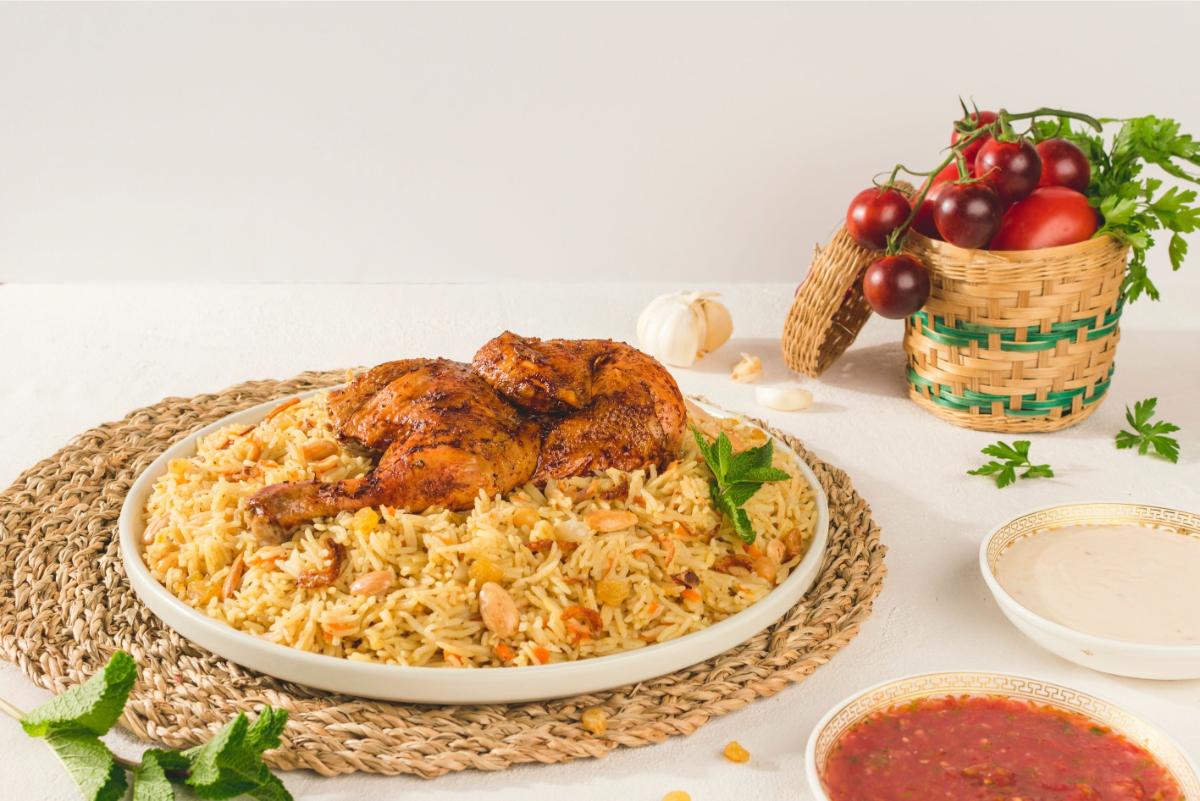
- Halal-certified meats: Chicken, beef, lamb, and goat processed according to Islamic methods—these make up the main protein sources for most halal diets.
- Fish and seafood: Most varieties are considered naturally halal, so you’ll find dishes such as grilled fish or prawn curry across halal menus.
- Dairy products: Milk, yogurt, and cheese remain permissible when produced without non-halal additives or animal-derived enzymes.
- Vegetables, fruits, grains, pulses: All plant-based items are halal unless contaminated with prohibited substances, opening up a rich world of options for vegetarians and vegans.
- Prepared foods and snacks: Biscuits, chocolates, and even soup mixes can be halal, provided every ingredient and additive adheres to Islamic law. Leading brands often display the halal label for clarity and ease of selection.
Wondering if your favourite chocolates, breakfast cereals, or protein supplements are halal? These days, product certifications make it easy to check labels and make informed decisions. At Claudia’s Concept, I curate a comprehensive grocery list tailored for halal clients, so that meal planning becomes a joy rather than a challenge.
Exploring the Religious Foundations: Judaism and Islam Shape Kosher and Halal Diets
Tracing the Historical Roots
Understanding the contrast between kosher and halal diets begins with the powerful influence of their respective faiths—Judaism and Islam. Both religious traditions have intertwined their dietary laws into daily life for centuries, offering structure, spirituality, and identity to their followers. Kosher dietary guidelines were formalized during the era of the Hebrew Bible, with references in the Torah dating as far back as the 6th century BCE. Over time, these spiritual practices evolved into comprehensive food laws that reflect a central aspect of Jewish cultural existence. In contrast, halal dietary rules emerged with the rise of Islam in the 7th century CE on the Arabian Peninsula. As Islamic civilization flourished and expanded, halal practices traveled widely, eventually shaping the food systems of dozens of cultures.
Scriptural Guidance: Torah and Quran
Both religious diets are not arbitrary; they are rooted firmly in sacred scripture. The Jewish kosher code, known as kashrut, stems from instructions in the Torah. For instance, Leviticus 11 and Deuteronomy 14 systematically list permitted and forbidden animals, set out rules for slaughter, and clarify separation of dairy and meat. These scriptural verses are interpreted and expanded in later rabbinic writings, all contributing to what is collectively called halakha, or Jewish law.
Meanwhile, halal dietary regulations are enshrined in the Quran, particularly in Surah Al-Baqarah (2:173) and Surah Al-Ma’idah (5:3), which clearly outline lawful (halal) and unlawful (haram) foods. Complementing this is the Hadith, the record of Prophet Muhammad’s sayings and actions, which provides additional context and operational details for how Muslims apply halal laws in their diets.
Only when dietary laws are based on such definitive, scriptural guidance do they offer the sense of purpose and alignment with faith that defines both kosher and halal living. In my practice under Claudia’s Concept, I emphasize how understanding these scriptural sources deepens nutritional choices and supports a more connected meal experience.
The Role of Religious Rituals
Food preparation in both Judaism and Islam is a spiritual act, and rituals shape every step, from sourcing ingredients to final consumption. Within Judaism, kashrut encompasses not only rules about ingredients but also a range of ceremonial actions—such as reciting blessings both before and after meals, and the careful use of utensils to prevent mixing forbidden categories, especially dairy and meat.
Islam’s approach is similarly ritualized. The act of slaughter (dhabiha) requires the utterance of God’s name before each animal is killed, and Muslims also pronounce “Bismillah” before eating. Beyond methodical process, these rituals transform ordinary meals into affirmations of gratitude and discipline.
As you reflect on your own nutrition journey, ask yourself: How might ritual transform the meaning of your daily meals? At Claudia’s Concept, I encourage clients to engage with both the physical and metaphysical aspects of food, so every bite nourishes both body and spirit.
- Kosher: Codified in the Torah, reflecting thousands of years of Jewish law and custom.
- Halal: Established by direct Quranic prescription and elaborated by Islamic scholarly interpretation.
- Both dietary codes frame eating as a pathway to spiritual fulfillment, demonstrating the dynamic interplay between faith and nutrition.
What’s the Difference Between Kosher and Halal Diets?
Definition of Kosher Diet
When you encounter the word “kosher”, it comes from the Hebrew term “kashér”, meaning “fit” or “proper.” For individuals who practice Judaism, following a kosher diet is not just a matter of cultural tradition; it’s a key aspect of religious observance and identity. Every meal becomes an act of faith, aligning daily choices with spiritual values. At Claudia’s Concept, I often guide clients in understanding how kosher guidelines impact food selection and meal planning, especially for those seeking wellness aligned with their beliefs.
What Makes Food Kosher?
Foods considered kosher must comply precisely with the dietary laws known as Kashrut. These laws are detailed in the Torah’s books of Leviticus (11:1-47) and Deuteronomy (14:3-21), alongside centuries of rabbinical interpretation. The criteria are meticulous and leave little room for ambiguity. Meat, dairy, and plant-based foods all have specific rules governing not just their sourcing, but also preparation and consumption.
- Meat must come from animals that chew the cud and have split hooves. This includes cows, sheep, and goats, while pork and camels are explicitly excluded.
- Seafood is only kosher if the fish has both fins and scales, so salmon and tuna are permitted, whereas shellfish are not.
- Poultry such as chicken, duck, turkey, and goose is kosher when properly slaughtered at an approved facility. Birds of prey are forbidden.
- All fruits, vegetables, and grains are inherently kosher, provided they are free from insects, which are strictly prohibited.
- Dairy and meat cannot be mixed in the same meal, nor can the same utensils be used interchangeably without rigorous cleaning or koshering procedures.
The Role of Kosher in Jewish Life
For practicing Jews, adherence to kosher dietary law is a daily discipline and a deliberate act of spiritual mindfulness. Every food item and meal preparation choice becomes significant. Data from the Pew Research Center indicate that 22% of American Jews keep kosher at home, highlighting that this practice remains meaningful beyond religious contexts—sometimes observed for reasons such as health, personal preference, or connection to tradition.
Kosher-certified foods can be found in mainstream supermarkets and local markets alike, marked by symbols like OU (Orthodox Union), OK, Kof-K, and others. At Claudia’s Concept, I always remind clients that these symbols are more than just labels—they represent rigorous review, inspection, and a commitment to quality. In the modern food ecosystem, kosher products often carry an added reputation for cleanliness and transparency, with some consumers choosing them for reasons of food safety as well.
Would you have thought that the process of keeping kosher affects not just what is eaten, but how it is prepared and even served? Reflect for a moment on how you approach your meals. Do you check labels, ask about ingredients, or consider the origins and handling of your food? Kosher dining weaves these considerations into daily routine, supporting both physical health and spiritual wellbeing.
What Does a Halal Diet Mean? Understanding Its Role, Rules, and Real-World Examples
Explanation of Halal
The word “halal” in Arabic translates directly to “permissible” or “lawful.” In practice, a halal diet refers to all foods and drinks that conform to Islamic law, as defined in the Quran and Hadith. Every item a person consumes, from meat to snacks, must adhere to specific guidelines set out by religious doctrine. Halal rules govern not only which foods are allowed but also how those foods reach our plates—right from sourcing and preparation to serving.
When I design meal plans at Claudia’s Concept, I ensure every ingredient for halal clients is fully traceable and verified as halal compliant. This creates confidence and peace of mind for individuals wanting to honour their faith.
The Importance of Halal Diets to Muslims
Upholding a halal diet for Muslims is not simply a matter of personal choice—it is a core religious obligation, guided by centuries-old teachings. The Quran’s Surah Al-Baqarah (2:168) explicitly instructs followers to “eat of what is lawful and pure on the earth.” When families gather during Ramadan or prepare for Eid celebrations, every dish centres around halal principles, connecting daily nutrition to spiritual wellness.
Scientific studies, including those published in the Journal of Ethnic Foods (2015), confirm the pivotal influence of halal regulations on food production and global supply chains. This means that halal concerns shape not only what Muslims eat but also how entire food markets operate, from farm to fork.
Examples of Typical Halal Food Items
- Halal-certified meats: Chicken, beef, lamb, and goat processed according to Islamic methods—these make up the main protein sources for most halal diets.
- Fish and seafood: Most varieties are considered naturally halal, so you’ll find dishes such as grilled fish or prawn curry across halal menus.
- Dairy products: Milk, yogurt, and cheese remain permissible when produced without non-halal additives or animal-derived enzymes.
- Vegetables, fruits, grains, pulses: All plant-based items are halal unless contaminated with prohibited substances, opening up a rich world of options for vegetarians and vegans.
- Prepared foods and snacks: Biscuits, chocolates, and even soup mixes can be halal, provided every ingredient and additive adheres to Islamic law. Leading brands often display the halal label for clarity and ease of selection.
Wondering if your favourite chocolates, breakfast cereals, or protein supplements are halal? These days, product certifications make it easy to check labels and make informed decisions. At Claudia’s Concept, I curate a comprehensive grocery list tailored for halal clients, so that meal planning becomes a joy rather than a challenge.
Exploring the Religious Foundations: Judaism and Islam Shape Kosher and Halal Diets
Tracing the Historical Roots
Understanding the contrast between kosher and halal diets begins with the powerful influence of their respective faiths—Judaism and Islam. Both religious traditions have intertwined their dietary laws into daily life for centuries, offering structure, spirituality, and identity to their followers. Kosher dietary guidelines were formalized during the era of the Hebrew Bible, with references in the Torah dating as far back as the 6th century BCE. Over time, these spiritual practices evolved into comprehensive food laws that reflect a central aspect of Jewish cultural existence. In contrast, halal dietary rules emerged with the rise of Islam in the 7th century CE on the Arabian Peninsula. As Islamic civilization flourished and expanded, halal practices traveled widely, eventually shaping the food systems of dozens of cultures.
Scriptural Guidance: Torah and Quran
Both religious diets are not arbitrary; they are rooted firmly in sacred scripture. The Jewish kosher code, known as kashrut, stems from instructions in the Torah. For instance, Leviticus 11 and Deuteronomy 14 systematically list permitted and forbidden animals, set out rules for slaughter, and clarify separation of dairy and meat. These scriptural verses are interpreted and expanded in later rabbinic writings, all contributing to what is collectively called halakha, or Jewish law.
Meanwhile, halal dietary regulations are enshrined in the Quran, particularly in Surah Al-Baqarah (2:173) and Surah Al-Ma’idah (5:3), which clearly outline lawful (halal) and unlawful (haram) foods. Complementing this is the Hadith, the record of Prophet Muhammad’s sayings and actions, which provides additional context and operational details for how Muslims apply halal laws in their diets.
Only when dietary laws are based on such definitive, scriptural guidance do they offer the sense of purpose and alignment with faith that defines both kosher and halal living. In my practice under Claudia’s Concept, I emphasize how understanding these scriptural sources deepens nutritional choices and supports a more connected meal experience.
The Role of Religious Rituals
Food preparation in both Judaism and Islam is a spiritual act, and rituals shape every step, from sourcing ingredients to final consumption. Within Judaism, kashrut encompasses not only rules about ingredients but also a range of ceremonial actions—such as reciting blessings both before and after meals, and the careful use of utensils to prevent mixing forbidden categories, especially dairy and meat.
Islam’s approach is similarly ritualized. The act of slaughter (dhabiha) requires the utterance of God’s name before each animal is killed, and Muslims also pronounce “Bismillah” before eating. Beyond methodical process, these rituals transform ordinary meals into affirmations of gratitude and discipline.
As you reflect on your own nutrition journey, ask yourself: How might ritual transform the meaning of your daily meals? At Claudia’s Concept, I encourage clients to engage with both the physical and metaphysical aspects of food, so every bite nourishes both body and spirit.
- Kosher: Codified in the Torah, reflecting thousands of years of Jewish law and custom.
- Halal: Established by direct Quranic prescription and elaborated by Islamic scholarly interpretation.
- Both dietary codes frame eating as a pathway to spiritual fulfillment, demonstrating the dynamic interplay between faith and nutrition.
Alcohol and Ingredient Rules: What Truly Separates Kosher and Halal Diets?
When mapping the intricate terrain of Kosher and Halal dietary laws, the treatment of alcohol and certain ingredients draws a clear line between the two systems. This distinction affects not only what lands on your plate but also the types of foods permitted during food processing and preparation. As a nutritionist who consults for global clients through Claudia’s Concept, I’m often asked: where do these rules actually diverge, and what does the science say about their foundation?
Alcohol: Strictly Prohibited in Halal, Restricted Under Kosher Law
In the Halal system, alcohol of any kind—whether in beverages, flavorings, or as a processing aid—remains unequivocally forbidden. The Quran explicitly instructs Muslims to avoid all intoxicants, and extensive interpretations over centuries leave no gray area regarding this prohibition. Even food products that contain trace amounts of alcohol, such as those using certain vanilla extracts or vinegar derived from alcoholic fermentation, fall outside the bounds of Halal.
Contrast this with Kosher regulations, where the rules surrounding alcohol display more nuance. Wine, for instance, holds a central place in Jewish life and ritual. Kosher law permits alcoholic beverages as long as they adhere to specific standards—grape wine, in particular, must be produced under Jewish supervision using only Kosher-approved ingredients. Research from the Kashrut Division of the Orthodox Union confirms that distilled spirits, beers, and liquors can also be Kosher, provided they avoid non-permitted processing aids or flavor additives derived from forbidden sources. Consequently, many commercially available wines and spirits wear the Kosher symbol, reflecting their eligibility for consumption within these laws.
Animal-Derived Ingredients: Source and Processing Matter
Looking beyond beverages, the Kosher and Halal frameworks both restrict animal-derived ingredients, yet the strictness and scope vary. Halal law demands that every animal-based ingredient originates from Halal-certified animals slaughtered according to Islamic guidelines. Gelatin, cheese, and certain enzymes—often hidden within ingredient lists—pose unique challenges, as these ingredients must be sourced from permissible animals and processed under Halal supervision. Extensive global audits, such as the Muslim Consumer Group’s certification process, hold manufacturers to account, verifying every link in the supply chain.
In Kosher dietary practice, animal-derived additions face scrutiny too. Kosher cheese, for example, requires rennet sourced exclusively from Kosher-slaughtered animals, while gelatin remains permissible only if produced from Kosher animals. Cross-referencing the Talmudic tractate AvodahZarah, it’s evident that Kosher law weighs both the source and processing methods—any admixture with non-Kosher substances immediately negates a product’s status. Claudia’s Concept routinely guides clients through these ingredient challenges, ensuring optimal choices aligned with personal or religious standards.
Food Additives, Flavourings, and Colourings: Hidden Obstacles
Not all ingredients are obvious; food additives, artificial colourings, and natural flavourings represent another battleground. Halal certification requires full transparency, often rejecting additives with ambiguous or animal-derived sources—such as E120 (carmine) or gelatin-based stabilizers. Studies conducted by the Halal Food Authority show that even a tiny quantity of a forbidden substance will render otherwise permissible food unlawful. As such, Halal labels demand absolute clarity and ingredient purity.
Kosher guidelines resemble this approach in their intolerance for ambiguity, particularly concerning derivatives of non-Kosher animals or fish, and the mixing of meat and dairy. The certifying agencies, such as the Orthodox Union, deploy extensive ingredient databases and periodic factory inspections. Common flavorings, like castoreum from beavers or glycerin from animal fat, fall under intense scrutiny before earning Kosher approval. Professionals—myself included—focus on these details, helping individuals and product developers navigate the maze of ingredient compliance as part of escalating demand for transparency in the wellness sector.
Have you checked the labels on your favorite snack or beverage? Consider how often overlooked additives or trace ingredients might affect their Kosher or Halal status. Claudia’s Concept menu planning and consultation always includes in-depth ingredient screening, so reach out if you want professional support in unraveling these complex but crucial differences.
Bringing Clarity to Kosher and Halal Diets: Why It Matters Now More Than Ever
After exploring the intricate details of kosher and halal dietary laws, the practical implications for food choices, manufacturing, and the evolving marketplace stand out sharply. When reading kosher and halal labels, you’re not just selecting food—you’re engaging with a centuries-old set of standards and beliefs that continue to shape culinary and cultural identities globally. Understanding these distinctions empowers you, whether you’re focused on personal health, ethical sourcing, or looking to expand menus and product lines.
In my practice at Claudia’s Concept, clients frequently ask about the specifics of these diets, not only to respect cultural preferences but also to tap into the growing demand for diverse and certified foods. Modern consumers, always more global in their tastes and conscious of religious or ethical backgrounds, increasingly demand transparency and authenticity. For example, research from the Indian Market Research Bureau shows that in 2022, over 30% of urban Indian households actively sought out labeled foods—kosher, halal, or otherwise—to align with religious, ethical, or health-driven choices. This trend isn’t restricted to India. The global kosher food market was valued at USD 21.1 billion in 2022, with projections to reach USD 25.4 billion by 2027, according to MarketWatch. Simultaneously, the halal food sector, as per Grand View Research, expects a compound annual growth rate (CAGR) of over 7%, reflecting not only religious demand but the perception of quality and safety.
Manufacturers, mindful of these trends, are ramping up efforts to meet stringent certification criteria and are often working with specialized consultants (such as the team at Claudia’s Concept) to ensure compliance, maintain quality, and foster consumer trust. Picture the future supermarket: increasingly, shelves spotlight clear labeling, and staff undergo deeper training in cross-contamination rules. Restaurants adapt their kitchens to serve a mosaic of dietary needs. Food technologists work behind the scenes, creating innovative products that respect tradition while embracing modern nutrition science.
If you’re a brand, consumer, or enthusiast, think about the foods in your pantry or your next menu—how do cultural or religious influences play a role? Are you ready to meet this changing food landscape? The difference between kosher and halal diets is more than academic; it’s the key to connection in a globalized marketplace, and understanding it sets the table for respect, growth, and well-being.