

Ramadan offers a unique journey—spiritually, mentally, and physically. Every year, millions of us come together to observe dawn-to-dusk fasting, and with these long hours, maintaining energy can sometimes feel like a challenge. Do you notice your focus slipping, or perhaps your body feels fatigued by mid-afternoon? You’re not alone. In fact, a study published in the Journal of Nutrition, Fasting and Health highlights that energy dips, dehydration, and fatigue are some of the most common experiences during Ramadan. Protecting your health and wellbeing remains vitally important throughout this sacred month, especially when daily routines shift so dramatically. Small changes in nutrition, hydration, and planning your meals can make a huge impact on how refreshed and lively you feel, making your fast more fulfilling overall. My aim with this article—and through Claudia’s Concept—is to share proven, evidence-based tips that help you stay energised and joyful all month long. Are you ready to unlock strategies that truly work, no matter how busy life gets? Let’s explore how to power up your Ramadan, one mindful choice at a time.
Understanding Fasting and Your Body’s Energy Needs
How Fasting Affects Digestion and Metabolism
During Ramadan, fasting causes the body to adapt all its metabolic pathways. Once food and fluid intake stops at dawn, digestion pauses, and the stomach enters a state of rest. Without a fresh supply of calories, the body uses reserves to maintain energy. The digestive system, having no new input for hours, shuts down non-essential activities to conserve resources for functions vital to life. Research in the Journal of Nutrition & Metabolism indicates that during fasting, basal metabolic rate can decrease by about 10%, reflecting this energy conservation process. Claudia’s Concept always emphasises that knowing this, you can make more strategic nutritional choices for the hours when you do eat.
The Body’s Response: Energy Conservation and Fat Usage
Initially, your body draws on glucose, stored as glycogen in the liver and muscles, for energy. After roughly 8-12 hours of fasting, these glycogen stores deplete. Here’s where the magic happens: your body begins breaking down fat for energy, producing molecules called ketones. This process, called lipolysis, accelerates with sustained fasting. Studies published in Physiology &Behavior show that ketone production can begin as early as the second fasting day, providing a steady and efficient fuel source—especially for your brain and heart.
By relying on fat instead of sugar, your body avoids the highs and lows associated with frequent carbohydrate intake. This mechanism is why people often report improved mental clarity during Ramadan fasting when their meals follow a balanced approach like the one advocated by Claudia’s Concept.
The Role of Blood Sugar Levels and How to Stabilize Them
Maintaining stable blood sugar during Ramadan is essential. Blood glucose, your main source of instant energy, naturally falls during fasting hours as no new carbohydrates are consumed. Unstable blood sugar levels can cause fatigue, irritability, and difficulty concentrating. However, strategic pre-dawn and dusk meals rich in complex carbohydrates, quality proteins, and healthy fats will slow down the release of glucose into the bloodstream, keeping energy levels more consistent.
For example, A study from the International Journal of Endocrinology confirms that low-glycemic index (GI) foods maintain blood sugar for longer periods, decreasing the risk of energy crashes. Oats, legumes, and whole grains top the recommendations, perfectly aligning with Claudia’s Concept meal plans.
Why Balanced Energy Is Crucial for Productivity and Health
Fasting devotees often find productivity dipping if energy isn’t managed well. Steady, balanced energy allows your brain to focus, your muscles to function optimally, and your mood to stay positive throughout the day. Consistent energy prevents mid-day slumps and supports your immune system, which is especially vital during Ramadan when routines shift. Groups of participants in a 2022 study in the journal Nutrients experienced higher alertness and more stable moods when energy intake and output were balanced across fasting hours. Is your workday packed or do you have family responsibilities? Balanced meals and deliberate energy management—central tenets of Claudia’s Concept—will ensure that fasting enhances, not hinders, your daily life.
- Pausing digestion shifts your body to preservation mode.
- Glycogen depletes, then fat breakdown provides sustained fuel.
- Balanced blood sugar supports cognitive and physical performance.
- Intentional food choices empower you to stay energetic, healthy, and inspired every day of Ramadan.
Reflect: How does your body react by late afternoon during fasting? Next time, observe if you feel clear-headed or foggy, energetic or sluggish—chances are, it’s linked directly to your blood sugar and fat-adaptation process. Start recognising these signals, and you’ll take the first step toward mastering your Ramadan energy with Claudia’s Concept.
Unlocking Energy: Smart Nutrition & Balanced Meals During Ramadan
The Power of Balanced Nutrition
Every choice you make at the dining table directly impacts your energy levels during Ramadan fasting. When planning your meals, paying close attention to nutrients—especially protein, fiber, and healthy fats—delivers sustained energy throughout the day. Decades of nutrition science consistently highlight that meals high in these components slow digestion, moderate blood sugar release, and support muscle maintenance. Research from the American Journal of Clinical Nutrition shows that consuming 20–30 grams of protein per main meal enhances satiety and preserves lean mass. By focusing on quality rather than just quantity, the transformation in how you feel will be tangible from the very first week of Ramadan.
Building an Energising Plate: Claudia’s Concept Approach
Visualising your plate makes meal planning effortless. Use the proven framework from Claudia’s Concept to structure your meals: imagine your plate divided into distinct, energy-boosting sections.
- 50% Focus: Fill half your plate with low-starch, colourful vegetables—think spinach, tomatoes, or sautéed cauliflower. These provide vitamins, antioxidants, and significant fiber, all of which help maintain steady energy release.
- 25% Protein Power: Allocate a quarter to reliable protein sources such as grilled chicken, paneer, tofu, or lentils. This supports muscle recovery and curbs hunger pangs post-fasting.
- 25% Complex Carbs: Round off your plate with whole grains like brown rice, quinoa, or millet. Unlike refined carbs, these options deliver a gradual fuel supply, minimising sugar crashes.
Let your eyes be your guide; picture bold greens and vibrant vegetables sharing space with mouthwatering, protein-rich delights for every Iftar and Suhoor.
Foods with an Energy Boosting Punch
The difference between sluggishness and vitality often comes down to ingredient choices. When you prioritise energy-dense, nutrient-packed foods, you craft a menu that fuels you from sunrise to sunset. Walnuts, chia seeds, and avocados supply essential omega-3 fatty acids, which have been demonstrated in randomised controlled trials (Harvard T.H. Chan School of Public Health, 2020) to improve cognitive energy during fasting. A single serving of Greek yogurt at Iftar restores protein and calcium while soothing the gut. Layer your meals with slow-burning carbohydrates like sweet potatoes or rolled oats, and you’ll feel the difference in sustained stamina during long days.
Smarter Sugar Strategies for Lasting Energy
Temptation comes in many sweet forms during Ramadan. Yet, processed sugars cause dramatic surges and crashes in blood glucose. Instead, choose natural sweeteners: chopped dates, raisins, or even freshly cut fruit. According to studies published in Diabetes Care, swapping sugary desserts for fruit-based or date-sweetened alternatives leads to greater energy stability over 12-hour fasts. In Claudia’s Concept, I always urge clients to create yogurt parfaits or homemade chia puddings simply sweetened with berries or grated apple. These adjustments change your entire energy curve.
Digestion-Friendly Foods: Gentle Support for Your Gut
Neglecting your digestive system will sabotage energy. Foods like low-fat yogurt, oatmeal, and stewed apples introduce pre- and probiotics that stabilise digestion, reduce bloating, and enhance nutrient absorption. A clinical trial at King’s College London found those who consumed daily portions of live-culture yogurt experienced faster post-meal recovery and fewer digestive complaints during Ramadan. Try blending yogurt with a sprinkle of flax seeds for a gut-loving Suhoor, or enjoy a warm bowl of oatmeal at Iftar for long-lasting comfort and vigor.
Suhoor (Pre-Dawn Meal) Tips for Boundless Energy During Ramadan
Why Suhoor Holds the Key to All-Day Vitality
Suhoor, the pre-dawn meal, determines how your energy flows throughout the fasting hours. Choosing the right foods at this time will directly impact how you sustain focus, strength, and productivity until Iftar. In my practice at Claudia’s Concept, I see clients who eat a thoughtfully composed Suhoor glide through their fast with stable energy and balanced mood. When you give your body nutrients that digest slowly, hydration that lasts, and proteins that nourish, you create a powerhouse foundation for the day ahead.
Recommended Foods to Power Up Your Suhoor
- Complex Carbohydrates for Lasting Energy Release Whole grains such as oats, quinoa, and brown rice break down gradually, supplying a sustained stream of glucose to your bloodstream. Research published in the Journal of Nutrition and Metabolism confirms that low-glycemic index carbohydrates slow digestion and provide reliable energy far beyond high-sugar alternatives. When you opt for oatmeal porridge or whole wheat chapati, you give your body the fuel to persevere.
- Hydrating Fruits and Vegetables Watermelon, cucumber, and papaya provide both water and essential micronutrients. Staying hydrated from the inside is crucial because you will not be able to drink throughout the day. The European Journal of Clinical Nutrition highlights how water-rich fruits and vegetables can contribute up to 20-30% of daily hydration, particularly when eaten at Suhoor.
- Healthy Proteins for Satiety and Repair Eggs, low-fat yogurt, paneer, and nut butters form the building blocks for muscle repair and keep you satisfied longer. A study from the American Journal of Clinical Nutrition found that high-protein meals increase fullness-benefiting those fasting for many hours. A serving of Greek yogurt with seeds or a veggie omelet meets these needs perfectly.
Foods That Drain Your Energy: Avoid These Pitfalls
- Excess Salt: Heavily salted foods like processed cheese slices, instant noodles, and pickles drive dehydration, leading to headaches and early thirst.
- Sugary Cereals: Flakes, granolas, and instant oat packs often contain added sugars, causing sharp blood sugar spikes followed by sudden crashes mid-morning.
- Pastries and Refined Flour Products: Croissants, doughnuts, and white bread leave you feeling hungry soon after Suhoor and offer little lasting benefit.
Sample Suhoor Meal Ideas for Steady Energy
- Classic Oats Bowl – Prepare overnight oats with chia seeds, chopped apple, unsweetened yogurt, and a sprinkle of cinnamon.
- Whole Wheat Roti with Egg Bhurji – Pair with a side of sliced cucumber and a banana for complete nutrition.
- Greek Yogurt Parfait – Layer with berries and crushed walnuts. The probiotics support digestion, while the nuts provide healthy fats.
- Vegetable Upma – Made with semolina, peas, carrot, and roasted peanuts. Serve alongside a glass of coconut water for added electrolytes.
At Claudia’s Concept, I guide clients to experiment with Suhoor combinations that match their taste and lifestyle. Start your day with the right blend of nutrients, and your fasting hours will transform from a test of endurance into a celebration of vitality. Which Suhoor meal are you excited to try this Ramadan?
Smart Hydration Strategies to Boost Your Energy During Ramadan
Why Water Intake is Critical for Energy and Focus
You might wonder, what really happens to your energy level during Ramadan fasting? Hydration is the answer that determines the sharpness of your mind and the stamina of your body. Roughly 60% of the human body is made up of water, and even a mere 1-2% decrease in hydration can cause noticeable fatigue, difficulty concentrating, and mood changes. Scientific studies published by the National Institutes of Health directly link mild dehydration with reduced cognitive performance—even a small fluid loss will slow down reaction times, cloud your thinking, and decrease your motivation.
How Dehydration Affects the Body During Fasting
When you’re abstaining from water during daylight hours, the body tries to conserve moisture but still loses fluids through breathing, perspiring, and metabolism. Dehydration doesn’t just feel like a dry mouth—it reduces energy production at a cellular level, causes headaches, and limits the body’s ability to transport nutrients and oxygen. When the blood volume drops due to fluid loss, the heart and blood vessels must work harder, often leaving you feeling sluggish. Remember, Claudia’s Concept focuses on these physiological realities while supporting you through every step of your fast.
Hydration Hacks for Fasting Success
- Embrace Water-Rich Foods at Meals Add hydrating foods like watermelon, cucumber, oranges, strawberries, and tomatoes to your Suhoor and Iftar. Watermelon delivers up to 92% water per bite, and cucumbers are nearly 96% water. These foods not only hydrate but also provide essential vitamins and minerals to sustain you.
- Prioritise Drinking Adequate Water Between Iftar and Suhoor Aim for at least 1.5–2 litres (about 8 glasses) of water between sunset and dawn. Instead of chugging large amounts at once, sip small amounts consistently throughout the night. Your body absorbs and utilises water more efficiently this way—research from the European Journal of Clinical Nutrition demonstrates that regular spaced fluid intake improves hydration status much better than drinking infrequently.
- Space Out Your Fluids for Maximum Absorption Immediately after Iftar, have a glass of water—but don’t stop there. Carry a bottle with you during the evening hours, taking a few sips every 30–45 minutes. Consistent sipping supports sustained hydration and helps your kidneys process fluids optimally. This trick is a staple in Claudia’s Concept Ramadan programmes.
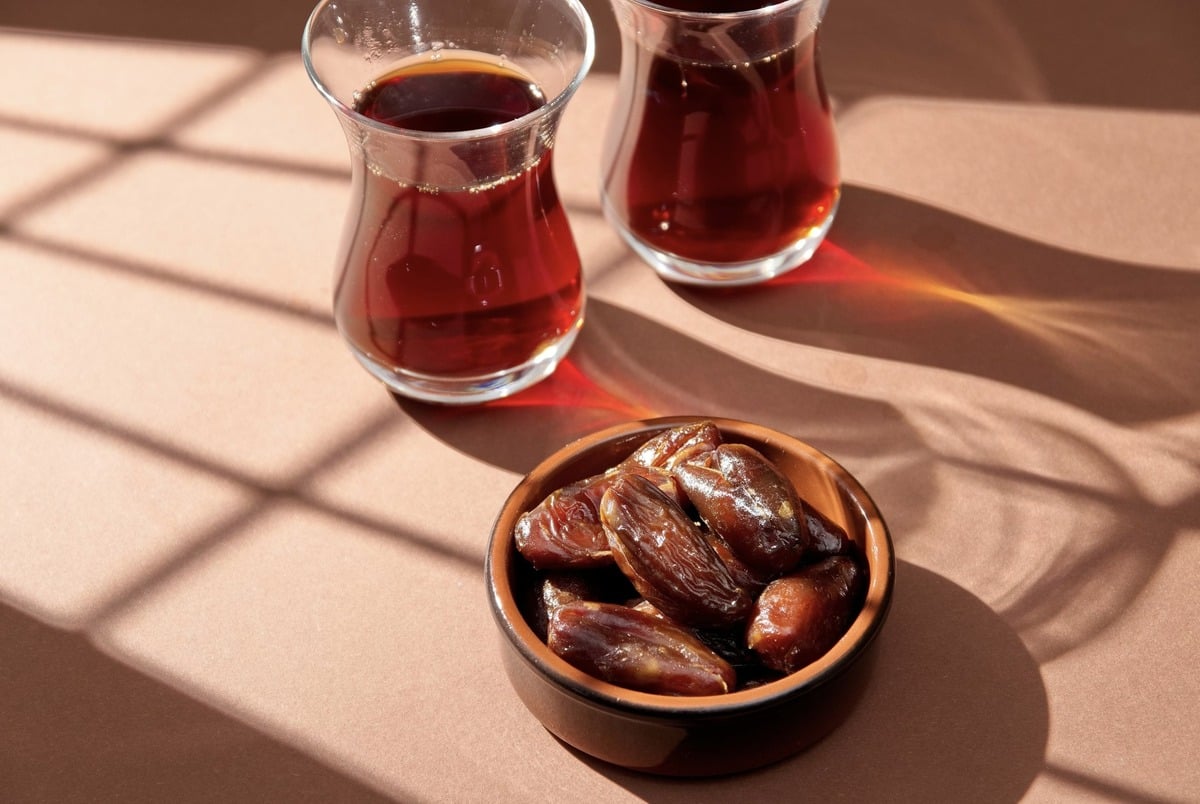
- Limit Caffeine and Sugary Drinks Although tea, coffee, and energy drinks may seem tempting, caffeine is a diuretic; it encourages the body to lose water more rapidly. Likewise, sugary drinks can cause blood sugar spikes, followed by a crash that leaves you feeling more dehydrated and fatigued. Opt for infused water with mint, lemon, or berries instead. Have you tried coconut water? Its natural electrolytes make it an excellent alternative for rehydration.
Think about the last time you felt desperately thirsty just before Iftar. Was it hard to concentrate or did you feel a dip in your spirits? Shaping your eating and drinking habits using these strategies will guarantee you remain energised, clear-headed, and ready for each day of fasting during Ramadan.
Foods to Avoid During Ramadan: Sustain Energy, Not Fatigue
Let’s pause and reflect—what’s really on your plate between sunset and sunrise? You might be surprised how much your energy and focus during Ramadan depend on your food choices. As you move through the fast, some foods will lift you up, while others will leave you feeling unexpectedly drained, thirsty, or uncomfortable. Trust me, as I guide my clients at Claudia’s Concept, steering away from certain foods transforms both mood and stamina during Ramadan. Let’s delve into which foods you should avoid and why they make such a difference to your fasting experience.
High-Sugar and Fried Foods: The Culprits Behind Energy Rollercoasters
Picture a plate of jalebis or a bowl piled high with pakoras—tempting at Iftar, yes, but these choices only give you quick, fleeting surges of energy, followed by an inevitable crash. When you consume foods rich in simple sugars or deep-fried snacks, your blood glucose spikes dramatically; Harvard Medical School research explains that refined carbohydrate and sugar-laden meals result in abrupt insulin surges, which are linked to feelings of tiredness and agitation after the initial energy high fades. You deserve sustained energy, not a post-Iftar slump. Instead, swap those options for slow-digesting, fiber-rich foods that maintain steady energy throughout your nightly worship and daily responsibilities.
Salty Foods: Amplifying Thirst (and Struggles) the Next Day
Ever woken up parched at Suhoor or faced an impossibly dry mouth by midday? High-sodium foods—think salted nuts, pickles, chips, or processed meats—increase your kidneys’ water excretion, leading to heightened thirst and accelerated dehydration. A 2016 study published in the Journal of Clinical Hypertension showed that excessive salt not only worsens thirst but can also raise blood pressure, which no one needs during a demanding fast. For real relief, leave the salty extras behind and flavor meals with herbs and spices instead. Your hydration and focus will thank you.
Heavy, Oily Meals: Digestion Doesn’t Appreciate the Overload
At the end of a long day, a greasy meal might seem comforting, but in reality, it burdens your digestive system. Consuming heavy, fat-laden dishes, such as creamy curries or deep-fried doughs, slows gastric emptying. The British Journal of Nutrition reports that high-fat meals prolong feelings of fullness and lethargy, leaving you sluggish long after Iftar. Light, well-balanced plates filled with lean proteins and fresh vegetables help your body recover and recharge without the weighty aftermath. At Claudia’s Concept, I often ask clients to observe their post-Iftar alertness; those who ditch the oily fare always notice a difference in clarity and comfort.
Processed Snacks: Replace “Empty” with Nutritious Choices
Those convenient crackers, packaged sweets, and ready-made instant soups are everywhere, but relying on them means consuming fewer essential vitamins, minerals, and fibers. According to the American Journal of Clinical Nutrition, diets high in processed foods are correlated with reduced micronutrient intake and increased inflammation markers in the body. Rather than opting for these so-called quick fixes, consider reaching for whole alternatives—nuts, fresh fruits, or homemade energy balls. These swaps keep you satiated, energized, and in better health.
- Skip sugar-laden desserts and display a fruit platter at Iftar instead.
- Choose unsalted nuts or roasted chickpeas over chips for a crunchy, nutrient-dense snack.
- Use legumes, quinoa, or brown rice to create hearty, sustaining meals rather than turning to instant noodle cups.
This Ramadan, let your food serve your energy and spiritual goals. If you actively avoid these common energy-depleting foods, you will notice increased stamina, improved mood, and a much smoother fasting experience.
Recharge Your Ramadan: Key Strategies for Sustained Energy
How can you turn this Ramadan into a time of not just spiritual growth, but also physical vibrancy? The answer lies in combining new knowledge with small, mindful adjustments to your daily habits. Throughout the month, your energy does not have to wane—when you harness the power of balanced nutrition, smart hydration, restful sleep, and active community support, you will feel the difference at every stage of your fast.
Main Strategies for Staying Energised
- Prioritise Balanced Meals: You will notice consistent energy by including complex carbohydrates, lean protein, and healthy fats during suhoor and iftar. For example, oats, eggs, and nuts at suhoor maintain fullness and support stable blood glucose levels throughout the day. Studies show that meals with balanced macros improve satiety and reduce energy dips during long fasting hours.
- Master Your Hydration: Spreading water intake between iftar and suhoor guarantees proper hydration. Research from the Journal of the International Society of Sports Nutrition demonstrates that even mild dehydration may affect mood and focus, making water a non-negotiable component of your Ramadan routine.
- Optimise Your Sleep: Short, quality naps and consistent nighttime sleep cycles restore your mind and body. According to a 2020 Sleep Medicine Reviews analysis, people who plan their rest around fasting hours experience better energy and overall wellbeing.
- Move With Intention: Light exercise, such as walking or gentle stretching after iftar, boosts circulation without exhausting your reserves. This triggers endorphin release and elevates mood post-meal, as observed in several recent exercise physiology studies.
- Lean on Your Community: Engaging with family and friends helps lift your spirit and keeps motivation high. Those who nurture their social network report higher resilience and happiness during Ramadan.
Food, Water, Sleep, and Wellbeing: The Energy Foundation
Each pillar—nutrition, hydration, sleep, community—plays an irreplaceable role in ensuring you thrive, not just survive, during Ramadan. Meals that balance fibre, lean protein, and healthy fats will stabilise your energy. Water, sipped regularly after sunset and before dawn, restores what fasting takes from your body. Prioritising both restful nights and mindful naps lets you perform at your best. Community support, whether virtual or sharing an iftar spread, enhances your emotional and mental stamina. Claudia’s Concept always emphasises a holistic approach, blending these elements to unlock your healthiest, most vibrant self.
Share Your Ramadan Reflections!
Ramadan is uniquely personal and deeply communal—what’s working best for you? Which Claudia’s Concept tips will you carry into next year? Join the conversation below and share the habits, hacks, and heartfelt moments that help you stay energised throughout this sacred month. Your story could inspire someone else’s journey.