
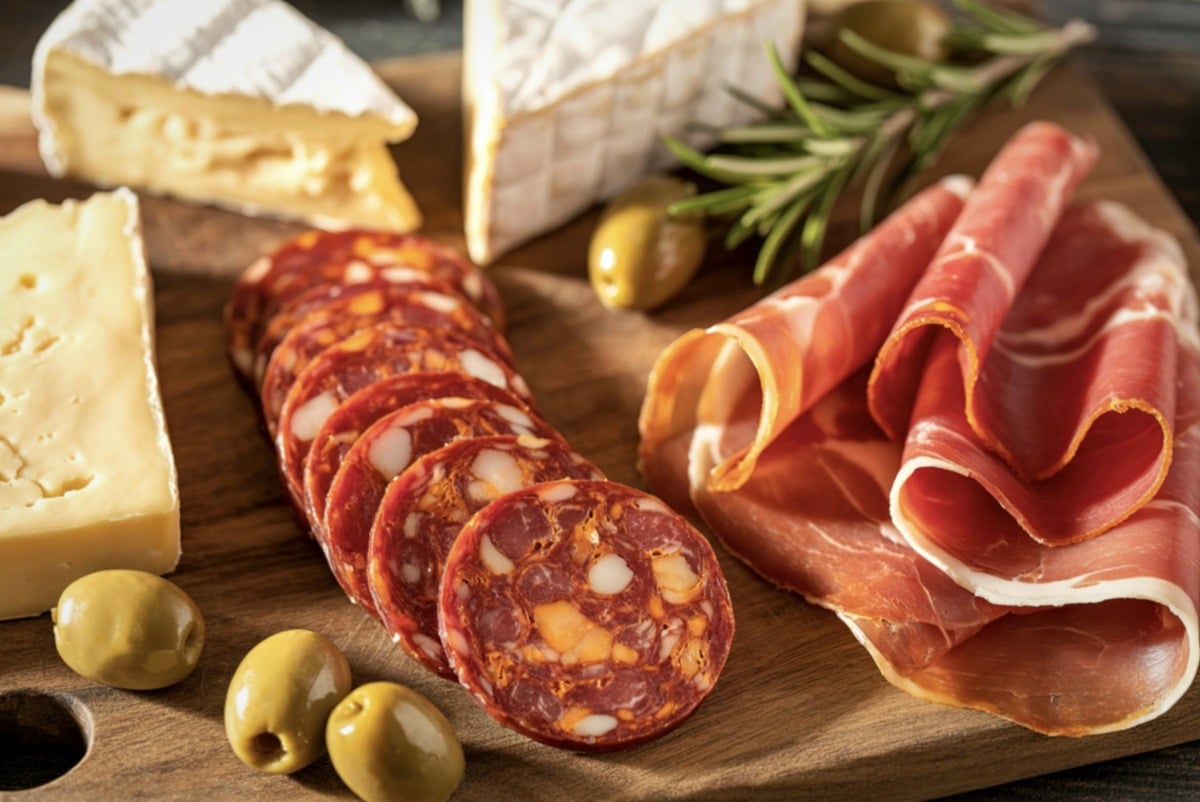
More Steak, More Whole Milk, Less Grain—That’s the Message
If you’ve been tuning into the nutrition buzz lately, you may have come across RFK Jr.’s recently proposed food pyramid. It’s making waves, and not just for what’s on it—but also for what’s deliberately missing. According to this model, red meat and full-fat dairy get top billing, while grains, fruits, and plant-based staples are pushed to the sidelines.
Let’s break down what this alternative pyramid actually promotes and why it’s raising more than a few eyebrows in the nutrition science community.
What’s Being Promoted — and What’s Being Left Behind
- High emphasis on red meat: Especially cuts like steak, which are prized in this model as nutrient-dense and central to optimal health. Saturated fats and animal proteins are touted as ‘foundational’ rather than occasional parts of the diet.
- Full-fat dairy, particularly whole milk: Long considered a category to moderate, whole milk is rebranded here as essential, nutrient-rich, and superior to skim or plant-based options.
- Limited grains and fruits: In stark contrast to decades of research-backed recommendations, grains and fruits are minimized—seen almost as optional rather than necessary.
And the underlying message? That a so-called “traditional American diet”—think 1950s-style dinner plates with steak, potatoes (maybe), and a glass of milk—is more aligned with optimal health than any modern food guidelines.
Pushing Back Against Governmental Guidelines
RFK Jr.’s pyramid isn’t just about what to eat—it’s a political statement pegged against current government-led dietary recommendations, such as those from the USDA’s Dietary Guidelines for Americans or the Harvard Healthy Eating Plate. The narrative suggests that these official guidelines are compromised or misled by lobbying interests, and claims that returning to a nostalgic, meat-heavy diet is the ‘natural’ path to health restoration.
As a nutritionist, I always welcome different perspectives—challenging the status quo can spark valuable discourse. But at Claudia’s Concept, we base our guidance on the weight of science, not on dramatic reversals. When a food pyramid rebuilds its foundation on full-fat dairy and red meat while flattening the pillars of plant-based nutrition, the claims must be met with critical thought and robust evidence.
Does tradition automatically equal truth? Are we better off ignoring decades of nutritional science in favor of nostalgia?
Let’s keep unpacking this idea, layer by layer, and see if this new pyramid really holds up under scientific scrutiny.
The Evolution of the Food Pyramid
How We Got Here: The Backdrop of Nutritional Guidance
Before dissecting the new food narratives emerging in public discourse, we need to understand where the original food pyramid came from—and why it mattered. In 1992, the United States Department of Agriculture (USDA) introduced the Food Guide Pyramid, aiming to provide simple, structured dietary advice to the general public. It wasn’t just a helpful chart—it was a national strategy to address rising concerns around obesity, heart disease, and nutrient deficiencies.
Designed with tiers representing food groups, the pyramid emphasized grains as foundational, encouraged moderate consumption of fruits and vegetables, and limited servings of fats, oils, and sweets. The intent? Balance. Moderation. Nutritional adequacy across socioeconomic groups. It reflected the best available evidence at the time, evolving from decades of research on nutrient requirements and chronic disease prevention.
Criticism Leads to a Better Plate
However, like all major public health frameworks, the original pyramid wasn’t perfect. By the early 2000s, researchers and health professionals—myself included—began identifying critical gaps. Too much emphasis on refined carbohydrates. Not enough clarity on the types of fats. The pyramid treated all proteins equally, failing to distinguish lean sources from processed meats.
These critiques weren’t just academic. In 2005, the USDA released a revised version called MyPyramid, but it lacked resonance with the public due to poor visual design and confusing recommendations. Finally, in 2011, MyPlate replaced the pyramid altogether—an image of a plate divided into portions for vegetables, fruits, grains, protein, and dairy. This shift wasn’t cosmetic; it reflected updated dietary guidelines shaped by decades of emerging science and global nutrition data.
Why Public Nutrition Messaging Must Evolve with Science
Government food guides impact everyone—from what children eat in school cafeterias to the training that dietitians receive. They help structure meals across institutions, public programs, and consumer choices. That’s why the evolution of the pyramid has been so closely tied to scientific rigor, not popular or political opinion.
At Claudia’s Concept, we stand with evidence-based dietary balance, using the principles of the revised food guidance as part of actionable lifestyle changes. The wheel of nutrition doesn’t need to be reinvented every time a public figure voices a new theory—it needs to be calibrated using real, peer-reviewed research.
Think about it: If the pyramid reflected science in 1992 and changed with science in 2011, shouldn’t any new guidance—including RFK Jr.’s—also pass through that same rigorous filter?
The original pyramid was never meant to be static. Like any scientific guideline, it’s built to evolve. The question we need to ask is: Are we evolving forward—or regressing into nutritional narratives that ignore decades of progress?
Science Speaks: What Global Experts Say About Healthy Eating
Global Nutrition Guidelines Agree More Than They Differ
Nutrition is both a science and an art, but when the world’s leading scientific institutions agree on the fundamentals of a healthy diet, we must listen. The RFK Jr. food pyramid promotes whole milk and red meat as staples for health — yet this dramatically contrasts with what international bodies such as the USDA and HHS, World Health Organization, and the Academy of Nutrition and Dietetics have been recommending for decades, based on thousands of peer-reviewed studies and health outcome data.
The USDA and HHS Dietary Guidelines: A Science-Based Approach
Every five years, the U.S. Department of Agriculture (USDA) and the U.S. Department of Health and Human Services (HHS) release the Dietary Guidelines for Americans — and their current guidance for 2020–2025 focuses on a balanced, nutrient-dense eating pattern. The recommended blueprint looks like this:
- Half your plate should be fruits and vegetables — rich in vitamins, minerals, and dietary fiber. Veggies of all colors and leafy greens are prioritized.
- Grains should make up a quarter of your plate, with at least half being whole grains like oats, quinoa, and brown rice.
- Protein should come from lean sources — poultry, legumes, soy products, fish, eggs, and small amounts of lean red meat if desired. Diversity here is key.
- Dairy should be low-fat or fat-free to manage saturated fat intake while still providing essential calcium, potassium, and vitamin D.
- Limit saturated fats, trans fats, added sugars, and sodium. The guideline puts saturated fat under 10% of total calories per day — steering clear of full-fat dairy and fatty cuts of red meat for daily consumption.
What the World Health Organization Recommends Globally
The World Health Organization (WHO) offers globally adapted dietary advice, consistent with U.S. guidelines in overall composition. WHO’s key healthy eating principles include:
- Base your diet on a wide variety of foods. Eat mostly plant-based sources — vegetables, legumes, fruits, and whole grains dominate the plate.
- Limit red and processed meat consumption. Studies from the WHO’s International Agency for Research on Cancer categorize processed meats as Group 1 carcinogens and red meat as “probably carcinogenic.” This directly contradicts RFK Jr.’s pyramid, which features red meat prominently.
- Restrict saturated fats to less than 10% and trans fats to less than 1% of total energy intake — echoing that low-fat dairy is a safer regular choice versus whole milk or cream.
- Reduce salt and sugar consumption. High intake is structurally linked to preventable chronic diseases, from hypertension to obesity.
Academy of Nutrition and Dietetics: A Professional Consensus
The Academy of Nutrition and Dietetics, the world’s largest organization of food and nutrition professionals, reaffirms a plant-heavy, varied diet based on updated science. They promote balanced meals with:
- Fiber-rich carbohydrates as a major energy source — vegetables, fruits, legumes, and whole grains at every meal.
- Healthy fats in moderation — especially unsaturated fats from avocado, olive oil, nuts, and seeds.
- Lean proteins, including fish, poultry, legumes, soy, and dairy — with minimal reliance on red or processed meats.
Here at Claudia’s Concept, we’ve worked with clients globally to align their meals with evidence-based practices that optimize metabolic health, heart function, and long-term vitality. The science is crystal-clear: saturated fats from full-fat dairy and fatty cuts of red meat should be limited, not promoted as dietary cornerstones. Rather than reinvent the pyramid, let’s refine it based on credible data.
Balanced Eating: The Common Denominator
Across continents and cultures, credible nutrition authorities converge on one theme: the most protective dietary pattern is plant-forward, diverse, and minimally processed. Whether it’s the USDA MyPlate, WHO policy matrices, or clinical guidelines from the Academy, trusted nutrition science supports:
- Fruits and vegetables making up at least 50% of your plate
- Whole grains as primary energy sources
- Low-fat dairy or fortified plant-based alternatives
- Lean, varied proteins — including seafood and legumes
- Minimal added sugars, salt, and saturated fat
A meat-and-dairy-heavy pyramid may appeal to nostalgia, but nutritionally, it falls flat. True wellness builds on what research shows — not retro ideals. And that’s exactly what we integrate into every personalized nutrition plan at Claudia’s Concept.
Whole Milk and Dietary Fats: What’s the Real Story?
Let’s shine a light on one of the boldest claims in RFK Jr.’s new food pyramid: the idea that whole milk should be a staple in your diet. With its full-fat nature and creamy texture, whole milk has stirred a fresh wave of debate in nutrition circles. But what does the science actually say, and how do these claims stack up against decades of research-backed recommendations? At Claudia’s Concept, we believe in using evidence—not nostalgia—to guide dietary choices.
Whole Milk vs. Low-Fat Dairy: More Than Just a Matter of Taste
Whole milk contains about 3.25% fat by weight, translating to roughly 8 grams of total fat and 5 grams of saturated fat per 240ml serving. In contrast, low-fat milk carries just 2.5 grams of total fat and 1.5 grams of saturated fat. That’s a substantial difference for those managing calorie intake and saturated fat consumption. The caloric load alone jumps from approximately 103 kcal in low-fat to 149 kcal in whole milk per glass.
While this may not sound dramatic serving to serving, compounding these choices daily, especially across multiple dairy products, can make a significant impact on your lipid profile and body weight management over time. That’s why global health bodies including the American Heart Association and the Dietary Guidelines for Americans recommend low-fat or fat-free dairy products for most adults.
Saturated Fats: A Known Risk Factor for Cardiovascular Disease
For decades, saturated fats have been linked to elevated LDL cholesterol—commonly known as “bad” cholesterol. A meta-analysis published in the journal Circulation found that replacing saturated fats with polyunsaturated fats significantly reduces the risk of coronary heart disease by up to 30%. That’s about the same risk reduction achieved by statins, one of the most prescribed medications in the world. That’s not a small outcome—it’s a game-changer.
Whole milk, butter, and other high-fat dairy products are significant sources of these saturated fats. When consumed frequently and in high volumes—as some alternative nutrition narratives promote—they elevate cardiovascular risk factors in a way that’s well-documented and hard to ignore. At Claudia’s Concept, we focus on small but consistent shifts in fat type consumption to dramatically improve heart health outcomes.
The Link Between Saturated Fats and Obesity
Obesity is multifactorial, but energy density plays a central role. Whole milk, with its higher fat content, delivers more calories than lower-fat options for the same volume consumed. Fats offer 9 calories per gram—more than double the energy provided by carbohydrates or protein.
Several longitudinal studies, such as those included in the Nurses’ Health Study and the Health Professionals Follow-up Study, have demonstrated a correlation between higher saturated fat intake and weight gain over time. When milk fat is not moderated or replaced with unsaturated fats from plant sources, the risk of long-term weight gain increases.
Not All Milk Fats Are Equal—But That Doesn’t Clear Whole Milk
Emerging research is exploring whether different saturated fats have different health effects. For instance, odd-chain saturated fats found in milk and certain dairy products (like pentadecanoic and heptadecanoic acids) may not be as harmful as even-chain saturated fats. This nuance has led some to reconsider the “one-size-fits-all” model of fat classification.
However, this does not mean whole milk is the optimal default. Large-scale reviews, such as one in The Lancet Planetary Health (2020), suggest that while moderate dairy intake can be part of a balanced diet, emphasis should still be placed on lowering saturated fat overall. Choosing low-fat yogurt or fortified plant-based milk alternatives helps maintain calcium and vitamin D intake without the unnecessary saturated fat load.
A Quick Word on Dietary Cholesterol
The narrative around dietary cholesterol has indeed shifted in recent years—foods like eggs have regained some nutrition credibility. However, the cholesterol in milk and other animal products still contributes to total cholesterol levels, especially when paired with a high saturated fat load. While the liver produces cholesterol internally, dietary sources do matter in individuals with genetic predispositions to hypercholesterolemia or those who consume high-fat animal products habitually.
Government Guidelines: Clear and Consistent
Both the U.S. Department of Agriculture and World Health Organization recommend low-fat or fat-free dairy as the standard for adults above the age of two. The goal is to ensure adequate calcium and vitamin D intake while preventing excess saturated fat and energy consumption. This isn’t about eliminating dairy—it’s about upgrading your choices within the category.
With Claudia’s Concept, we focus on evidence-led tweaks that accumulate into health wins over time. Switching from whole milk to 1% or even fortified almond milk is one such shift—it’s subtle in taste, major in benefit.
So next time you’re pouring milk into your morning coffee or smoothie, ask yourself: is this the best nutritional choice for long-term energy, heart health, and weight balance? The answer lies not in tradition, but in science.
Steak and Red Meat: Good Protein or Health Hazard?
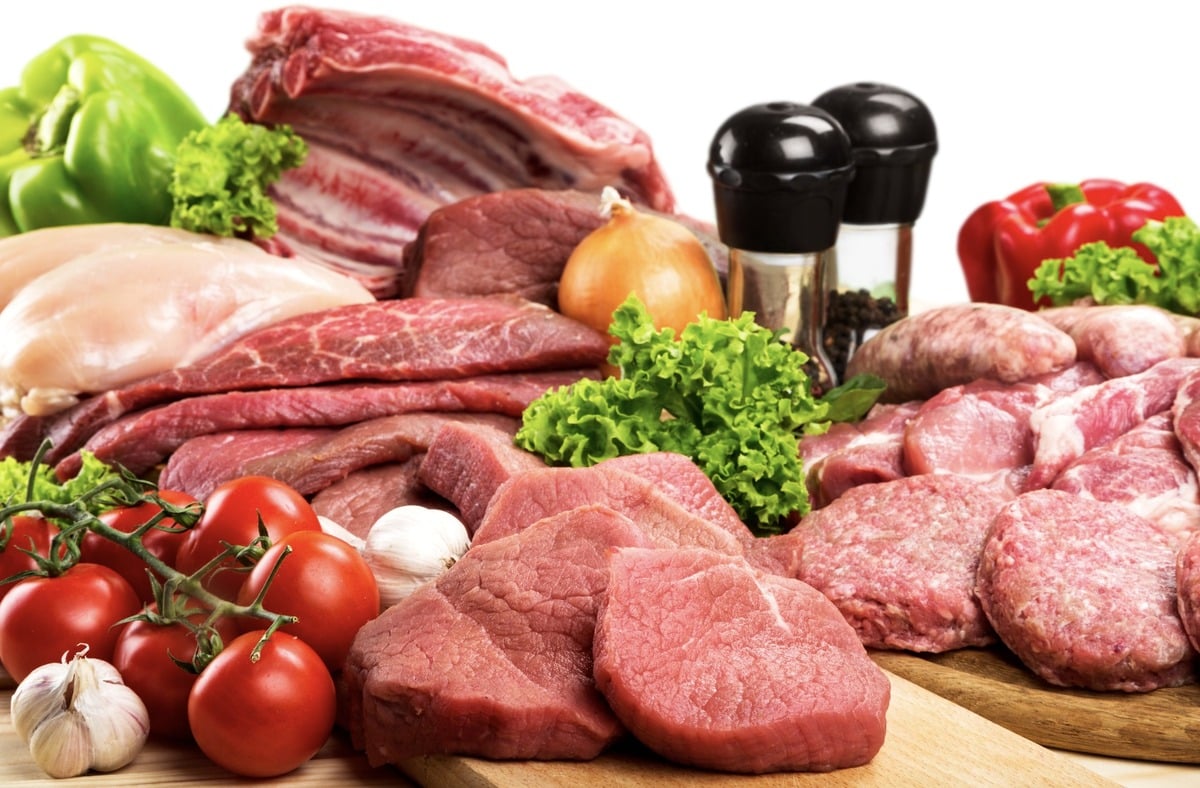
Red meat has long been the centerpiece of many traditional diets. Nutrient-dense, rich in flavour, and deeply embedded in cultural practices—it’s no surprise that RFK Jr.’s new food pyramid puts steak front and center. But in today’s biologically complex world, should that seat of honor still belong to red meat?
The Nutritional Face of Red Meat
Let’s start with the positives—it’s essential to understand the complete picture. Steak and other forms of red meat are celebrated for their robust nutritional profile. A 100-gram serving of cooked beef provides approximately:
- 26 grams of high-quality protein – great for muscle synthesis and repair
- 6 mg of heme iron – absorbed more efficiently than plant-based non-heme iron
- 5 micrograms of vitamin B12 – crucial for nerve function and red blood cell formation
These values explain why red meat has historically played a supportive role in combating iron-deficiency anemia and preserving lean body mass in certain populations. And yet, nutrition isn’t just about what a food contains—it’s about how it interacts with the body over time.
The Darker Side of Consuming Red Meat
Here’s where the science urges caution. While red meat is nutrient-dense, substantial evidence links high consumption to increased health risks. The World Health Organization (WHO) has classified processed meats as Group 1 carcinogens—placing them in the same category as tobacco in terms of certainty of carcinogenic potential. Unprocessed red meat, such as steak, has been labeled Group 2A—“probably carcinogenic to humans.”
This classification didn’t arise from isolated incidents. Large cohort studies, including the European Prospective Investigation into Cancer and Nutrition (EPIC), have shown that individuals with the highest red meat intake had:
- Up to a 20% higher risk for colorectal cancer
- Elevated LDL cholesterol levels—directly linked to cardiovascular disease
- Greater markers of systemic inflammation leading to chronic disease progression
Processed meats—think bacon, sausages, and deli cuts—worsen the picture. These undergo salting, curing, or smoking, introducing nitrates, nitrites, and other compounds that produce carcinogenic N-nitroso compounds in the digestive system.
Whole Steak vs. Processed Meat: Not the Same Story
It’s important to distinguish between unprocessed red meat and its processed counterparts. While both types raise long-term health concerns when consumed in excess, processed meats are significantly more dangerous. For example, analysis from the Harvard School of Public Health found that each daily serving (50 grams) of processed meat was associated with a 42% increased risk of heart disease.
Still, moderation is key with unprocessed red meats. Rather than eliminating steak entirely, the more strategic path is to consume it occasionally and diversify protein intake across a broader spectrum of whole-food sources.
Smarter Protein Swaps for Long-Term Health
At Claudia’s Concept, we encourage balance. Integrating alternative sources of protein doesn’t just help reduce health risks—it enhances the nutrient profile of your overall diet. Here’s what to prioritise instead of daily red meat:
- Poultry – lean chicken and turkey are lower in saturated fat and better for heart health
- Legumes – chickpeas, lentils, black beans offer fiber, protein, and phytonutrients
- Seafood – rich in omega-3 fatty acids that support cognitive and cardiovascular wellness
Rotating these proteins keeps meals interesting and biologically advantageous. At Claudia’s Concept, we always advocate for diversity and nutrient synergy. In other words, a little steak now and then isn’t the enemy—but making it the star of your food pyramid? That’s a risky narrative not grounded in prevailing nutritional science.
Why Vegetables, Whole Grains, and Plant-Based Foods Matter More Than Ever
When we talk about evidence-based nutrition, no conversation is complete without emphasizing the importance of vegetables, whole grains, and plant-based foods. Countless peer-reviewed studies have shown these food groups are not just healthy—they are foundational to preventing chronic disease, promoting longevity, and supporting sustainable health. And yet, RFK Jr.’s new food pyramid pushes them to the side, favoring a protein-heavy, dairy-centric model that simply doesn’t reflect the scientific consensus. At Claudia’s Concept, our nutritional guidance places these plant-based powerhouses at the center of every eating plan. Let’s explore why.
Vegetables: Nature’s Chronic Disease Shield
Think about this: a single cup of broccoli contains over 100% of your daily recommended vitamin C, nearly 15% of your recommended fiber, and a rich array of antioxidants like sulforaphane, which research in the journal Cancer Prevention Research links to lowered cancer risk. And that’s just broccoli.
Leafy greens like spinach and kale are loaded with folate, lutein, and nitrates that support cardiovascular health, reduce arterial stiffness, and lower systolic blood pressure, according to studies appearing in Hypertension and The American Journal of Clinical Nutrition. Across cultures and continents, plant-forward diets—from the Mediterranean to Okinawan—consistently correlate with longer, healthier lives.
Whole Grains: Fueling Metabolism and Blood Sugar Control
Whole grains do much more than fill you up—they activate your digestive system, feed your gut microbiota, and regulate blood glucose. A meta-analysis published in BMJ reviewed data from over 45 cohort studies and concluded that consuming at least three portions of whole grains per day reduces the risk of type 2 diabetes by up to 32% and coronary heart disease by 22%. That’s not marginal. That’s transformative.
- Oats contain beta-glucan, a soluble fiber that lowers LDL cholesterol and stabilizes blood sugar.
- Brown rice provides magnesium and lignans—essential for heart rhythm and cellular health.
- Quinoa, technically a seed, is uniquely rich in all nine essential amino acids.
Compared to refined grains, which spike insulin and add empty calories, whole grains deliver sustained energy and key micronutrients. Replacing ultra-processed carbs with intact grains is one of the easiest, cost-effective steps toward better health—and it’s one we promote regularly at Claudia’s Concept.
Plant-Based Proteins: Sustainable, Satisfying, Scientifically Superior
Beans, lentils, tofu, tempeh, nuts—these aren’t just meat substitutes; they are nutritional dynamos in their own right. Lentils pack almost 9 grams of protein per 100g while being cholesterol-free, low in saturated fat, and high in iron and folate. A cohort study in the journal JAMA Internal Medicine involving over 130,000 participants found that replacing just 3% of animal protein with plant protein reduces overall mortality risk by 10%.
Besides personal health, let’s talk planetary health. Producing 1 kg of legumes emits roughly 0.25 kg of CO₂-equivalent, while the same amount of beef emits nearly 27 kg—more than 100 times as much, according to the Food and Agriculture Organization. Choosing plant proteins is no longer just a dietary decision but a climate-conscious one too.
Why RFK Jr.’s Pyramid Misses the Mark
By relegating or ignoring these plant-based essentials, RFK Jr.’s food pyramid sends a harmful message. It promotes a skewed nutrition model that’s not aligned with decades of global dietary guidelines, including those from the WHO, USDA, and EFSA. Prioritizing red meat and full-fat dairy while minimizing vegetables, whole grains, and legumes amounts to excluding the most protective foods we have in our arsenal against metabolic, cardiac, and inflammatory diseases.
The science is clear: long-term health thrives on a colorful plate rich in plants. A pyramid without a solid plant-powered base simply can’t stand.
Misinformation and the “Traditional American Diet” – A Romantic Myth That Doesn’t Hold Up
Let’s be honest—diet advice that leans on nostalgia is everywhere. You’ll often hear phrases like “back in the day, people ate whole milk and steak and were just fine.” But were they really? This romanticized version of the “traditional American diet”—pre-1970s, filled with red meat, butter, cream, and few vegetables—simply doesn’t align with what long-term health data actually shows.
The Reality Behind the Retro Cookbook Fantasy
During the mid-20th century, the “All-American” plate started to feature enormous portions of meat, refined grains, sugar-laden desserts, and full-fat dairy products with barely a nod to fibre-rich vegetables or legumes. While this way of eating may evoke warm memories of family dinners, the correlations with skyrocketing rates of chronic illness are impossible to ignore.
By the early 1970s, when these eating patterns peaked, the United States was seeing a disturbing rise in obesity, heart disease, and type 2 diabetes. Data from the Centers for Disease Control and Prevention (CDC) shows that adult obesity in the U.S. more than tripled between 1975 and 2020, going from 11.9% to over 40%—a shift that began precisely during the so-called golden era of high-fat, high-meat diets.
Too Much Meat, Too Little Fiber: The Nutrient Imbalance
Studies from the Framingham Heart Study show that diets rich in saturated fat and animal proteins, when not counterbalanced by fibre, antioxidants, and unsaturated fats from plants, result in elevated LDL cholesterol and increased risk for coronary heart disease. Sure, steak offers protein and iron, but eating it frequently—especially in large portions—without countering its impact with fibre-rich foods disturbs metabolic balance and inflames cardiovascular pathways.
Meanwhile, whole milk—advocated heavily by proponents of RFK Jr.’s food pyramid—contains nearly 5 grams of saturated fat per cup. Replacing it with low-fat dairy, as recommended by the Dietary Guidelines for Americans, reduces chronic risk conditions without sacrificing important nutrients like calcium and vitamin D.
Nostalgia Isn’t Nutrition—And It’s Costing Public Health
Let’s reflect on this: why do people trust food advice tied to a specific era? The answer lies in emotion. There’s a psychological comfort in believing that what our grandparents ate must be inherently healthy. But emotion doesn’t equal evidence.
This myth of the good ol’ food days gets amplified through misleading memes, viral videos, and influencer hot takes. The rise of platforms like TikTok and Instagram has allowed visually compelling but nutritionally flawed messages to dominate the public conversation—often divorced from scientific research or context. A perfect storm for misinformation to become mainstream.
The Claudia’s Concept View: Backed by Evidence, Not Emotion
At Claudia’s Concept, we base food recommendations on robust, peer-reviewed, and up-to-date nutritional science. While cultural traditions can absolutely enrich a diet, health outcomes matter more than comfort food lore. A plate filled with colourful vegetables, balanced proteins, healthy fats, and whole grains beats nostalgia every single time when it comes to long-term wellbeing.
So, as you navigate dietary guidance that leans too heavily into “heritage,” ask yourself this: what’s more valuable—how it makes you feel in the moment, or how it will shape your vitality in the decades to come?
Takeaways: Why the RFK Jr. Food Pyramid Should Be Met With Skepticism
When a public figure steps into the arena of nutrition, the impact can be widespread—especially when it involves something as familiar as the food pyramid. But familiarity doesn’t equal validity. RFK Jr.’s revamped food pyramid has captured attention lately, mostly for the wrong reasons. At first glance, it might resonate with nostalgia or appeal to appetite, but the science tells a different story—one that demands discernment and not blind acceptance.
Straying Far from Scientific Consensus
Any credible nutrition framework draws from decades of rigorous research, peer-reviewed studies, and institutional guidelines shaped by consensus. The RFK Jr. pyramid does not. Instead of aligning with evidence from organizations like the World Health Organization, American Heart Association, and Harvard School of Public Health, it deviates significantly—highlighting red meat and full-fat dairy as dietary staples. This isn’t just different; it’s discordant with an overwhelming body of nutritional science.
Sidestepping Fruits, Vegetables, and Whole Grains
One of the most glaring omissions in this version of the pyramid is the lack of priority given to whole plant-based foods. Decades of research—including longitudinal studies like the Nurses’ Health Study and EPIC (European Prospective Investigation into Cancer and Nutrition)—consistently show that diets rich in vegetables, whole grains, and legumes lower the risk of heart disease, type 2 diabetes, and certain cancers.
When fiber isn’t on your plate, it’s your health that suffers. Fiber supports gut health, cholesterol management, and satiety—all of which are critical to managing weight and preventing disease. To leave whole grains and fiber-bearing foods on the margins is to ignore the cornerstone of long-term wellness. At Claudia’s Concept, we treat these plant staples as nutritional powerhouses—not optional extras.
The Health Price of Saturated Fats and Red Meat
Promoting whole milk and red meat as dietary essentials overlooks the significant links between these foods and chronic disease. According to data from the Global Burden of Disease Study (2019), a diet high in red meat and high-fat dairy contributes to increased all-cause mortality worldwide. The National Institutes of Health also found red meat consumption linked to higher risks of cardiovascular disease and colorectal cancer—particularly when processed forms like bacon and salami are consumed regularly.
Balanced fats matter. The emphasis at Claudia’s Concept is always on heart-healthy unsaturated fats—like those found in nuts, seeds, avocado, and olive oil—because they consistently outperform saturated fats in improving lipid profiles and reducing inflammation.
Ignoring Environmental Sustainability
Diet isn’t just personal—it’s planetary. RFK Jr.’s food pyramid lacks any consideration of how our dietary choices affect the climate. Producing red meat and dairy demands significantly more water, energy, and land compared to plant-based alternatives. The EAT-Lancet Commission’s 2019 report underscores the urgent need to reduce our meat intake to sustain global food systems through 2050 and beyond.
Choosing a low-impact diet that supports biodiversity and reduces carbon emissions is not only ethical but necessary. At Claudia’s Concept, sustainability and nutrition go hand-in-hand, because a healthy future depends on both individual health and planetary wellbeing.
Celebrity Prominence ≠ Nutritional Expertise
This may be the most critical point of all: charisma and political clout are not substitutes for evidence-based practice. Decisions about what belongs on your plate should not be shaped by stars, slogans, or stump speeches. Only credentialed experts—people trained to interpret data and understand biochemistry—should guide public dietary frameworks. Adopting advice from non-experts can lead to unbalanced nutrient intake, increased health risks, and confusion about what healthy eating actually means.
If you’re ever unsure about the quality of dietary advice, ask yourself: Does this come from a nutritionist, a registered dietitian, or a public health expert? Or is it coming from someone with fame, but without relevant training?
At Claudia’s Concept, every recommendation is built on scientific integrity—not trends. Nutrition isn’t about gimmicks; it’s about balance, credibility, and sustainability. Always demand more from your food pyramid.
What Should the “Real” Food Pyramid Look Like?
Let’s be clear—nutrition isn’t about trends or nostalgia, it’s about creating a food lifestyle that consistently supports energy, longevity, mental clarity, and disease prevention. When designing Claudia’s Concept, I based it on a straightforward idea: follow what science has confirmed over decades and personalize it to your unique lifestyle. So what should a truly balanced, evidence-based food pyramid look like today?
Start from the Base: Plants in Abundance
At the base of the pyramid, the dominant foods should be vegetables, fruits, and whole grains. These are nutrient-dense, rich in fiber, vitamins, and phytonutrients that regulate blood sugar, support digestion, and promote cardiovascular health.
- Vegetables: Aim for at least 5 servings daily with a rainbow of colors—spinach, broccoli, carrots, bell peppers, and squash. Each color signals unique antioxidant compounds like flavonoids, lycopene, and chlorophyll.
- Whole grains: Choose oats, brown rice, quinoa, and millets. According to a 2020 meta-analysis in The Lancet, higher whole grain intake is directly associated with reduced risk of heart disease, type 2 diabetes, and colorectal cancer.
- Fruits:Opt for whole fruits rather than juices. This way, you keep the fiber, which supports glycemic control and microbiome health.
In the Middle Layers: Quality Protein and Low-Fat Dairy
Protein is not just about muscle; it supports enzymes, hormones, and immunity. However, not all proteins function the same way in the body. The real pyramid must include a diversity:
- Plant-based proteins: Legumes, lentils, soy, and chickpeas offer amino acids along with fiber and micronutrients. In a 2019 study in JAMA Internal Medicine, replacing red meat with plant protein decreased premature mortality risk by up to 34%.
- Nuts and seeds: Walnuts, almonds, flaxseeds and chia bring healthy omega-3s, plant sterols, and anti-inflammatory benefits.
- Low-fat dairy:Opt for yogurt, cottage cheese, and milk alternatives like fortified soy milk. The American Heart Association confirms that lower-fat dairy helps maintain cholesterol balance without excess saturated fat.
- Lean animal protein: When included, poultry, fish, and eggs should be kept in moderate servings. Particularly, fatty fish like salmon provide important EPA and DHA, crucial for neurocognitive function.
Near the Top: Fats and Natural Sugar—With Intention
Fats aren’t the enemy, but their type and portion matter. Emphasize sources from plants and fish and avoid heavily processed options:
- Healthy fats: Extra virgin olive oil, avocado, nuts, and seeds provide monounsaturated and polyunsaturated fats that reduce inflammation and improve fat-soluble vitamin absorption.
- Sweets and added sugars: Keep them as occasional treats. According to the WHO, added sugar should make up less than 10% of total daily calories—ideally below 5%—to reduce risk of obesity and type 2 diabetes.
Adapt for Your Body, Your Life
One size never fits all in nutrition. The real food pyramid at Claudia’s Concept adjusts for age, activity level, health status, and even climate. A 65-year-old sedentary adult won’t thrive on the same breakdown as a 20-year-old athlete. Hormonal health, metabolic rate, and gut microbiota collectively tell a unique story, and that’s precisely why personalization is embedded into every nutrition plan we create.
Think about this: Are you eating based on your current energy needs, or outdated beliefs about ‘good’ and ‘bad’ foods? That’s where a truly personalized pyramid becomes transformative. When our bodies receive what they need, consistently and cleanly, performance—both mental and physical—soars.
At Claudia’s Concept, we use this modern, science-backed framework—not as a rigid scheme, but as a flexible foundation designed to nourish real life. Real food, real health, rooted in real science.