
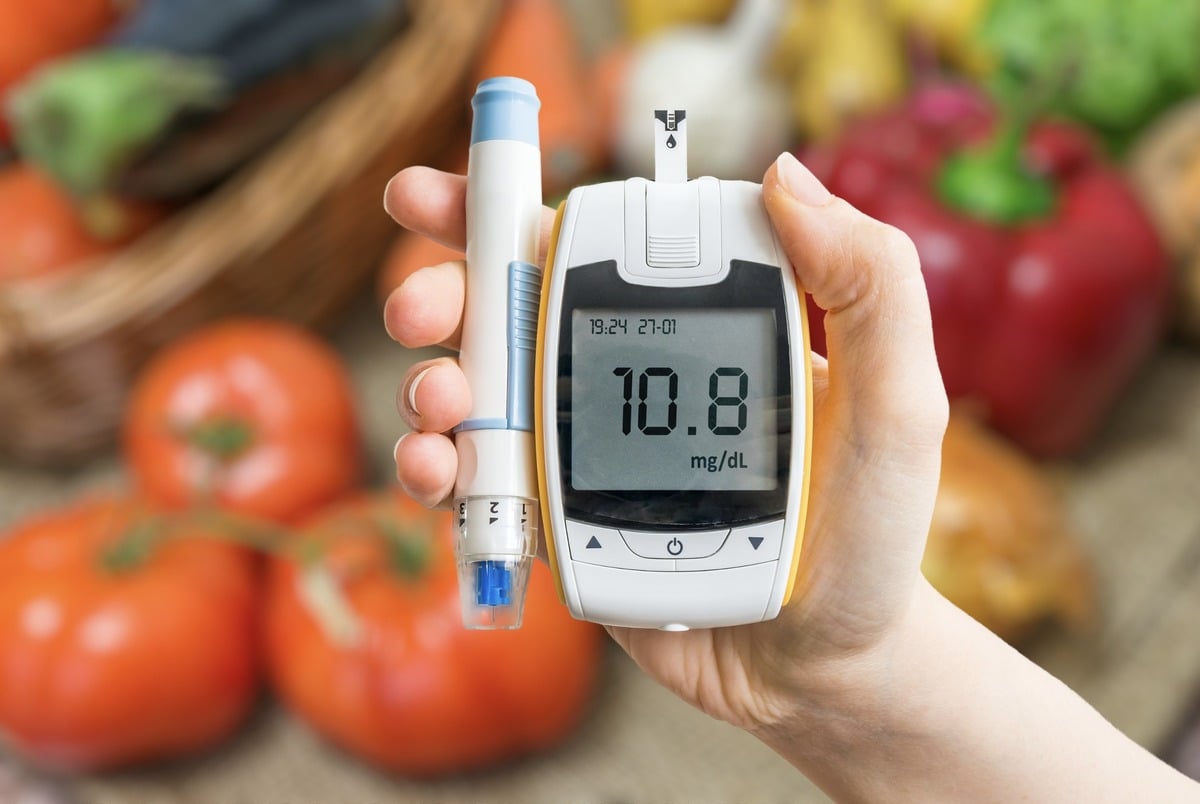
Living with diabetes isn’t just a medical condition—it’s a daily commitment to choices, routines, and habits that impact everything from your energy levels to your emotional well-being. The constant carb counting, medication schedules, blood sugar monitoring, and dietary vigilance can feel overwhelming. For many, even when following every instruction to the letter, results may plateau or progress may stall. That’s where the conversation about diabetes needs to go deeper.
Yes, conventional medicine plays an essential role. Medications like metformin, insulin therapy, or GLP-1 receptor agonists can help stabilize blood sugar levels and mitigate complications. However, these treatments often tackle symptoms without addressing the root lifestyle factors that drive insulin resistance or glycemic imbalances in the first place. That’s the limitation—medicine manages, but it rarely transforms.
Now, imagine stepping into a proactive space where healing isn’t just about prescriptions, but about powerful, intentional changes you make every day. This is the foundation of Claudia’s Concept: managing diabetes not just with medicine, but with small, strategic shifts in how you live, eat, move, and think. These shifts aren’t massive overhauls; they are practical, sustainable, and proven by science to influence your metabolic health in profound ways.
Let’s explore how integrating movement, nutrition, stress resilience, and quality sleep—anchored in evidence-based strategies—can empower you to go beyond medicine. Ready to take control from the inside out?
The Power of Small Lifestyle Changes
When people think of managing diabetes, the conversation almost always turns to medications and test results. But what if I told you the most transformative solutions often begin with the smallest steps? In my experience working with thousands of clients through Claudia’s Concept, I’ve seen how subtle lifestyle shifts—not massive overhauls—create the deepest impact.
Habits That Add Up Over Time
Let’s be clear: small changes are anything but insignificant. Take regular 10-minute walks after meals. A 2022 study published in Sports Medicine found that just 2 to 5 minutes of light post-meal activity significantly reduces postprandial blood glucose levels compared to prolonged sitting. When practiced consistently, this becomes a habitual glycemic buffer.
It’s not about perfect changes—it’s about consistent ones. Swap sugar-laden drinks for water infused with citrus. Opt for brown over white rice. Add a handful of raw nuts before meals to curb sharp glucose spikes. Tiny, daily actions like these activate a powerful chain reaction of metabolic benefits.
Energy, Stability, and Reduced Dependency
Clients who adopt small adjustments often report elevated energy levels within a week or two. Why? Because stable blood sugar translates into fewer crashes and more steady stamina throughout the day. Improved glucose control also means reduced cravings, better sleep, and a brighter mood—three underrated victories in diabetic self-management.
Even more compelling is this: These modest lifestyle patterns can lessen the need for pharmacological interventions over time. In a landmark research review from the American Diabetes Association, individuals with Type 2 diabetes who implemented targeted lifestyle changes—such as diet adjustments and moderate-intensity physical activity for at least 150 minutes a week—saw greater reductions in HbA1c than those relying on metformin alone.
Small Wins, Big Confidence
Change becomes sustainable only when it feels achievable. That’s why the approach at Claudia’s Concept is all about breaking massive goals into bite-sized victories. When a client sees progress—be it a drop in fasting glucose, fewer mood swings, or waking up with more energy—they naturally feel more motivated. Momentum builds, confidence rises, and what once felt overwhelming becomes second nature.
So, ask yourself this: What’s one small shift you can make today? Can you stand up every 30 minutes during your workday? Can you switch your breakfast from white toast to steel-cut oats topped with chia? Each of these seemingly minor moves is a powerful certificate of control over your wellness journey.
Nutrition & Diet: Eating Smarter for Sugar Control
When it comes to managing diabetes, food is not just fuel—it’s medicine in its purest form. The daily choices made on your plate will determine how effectively your body regulates blood sugar. At Claudia’s Concept, we’ve seen time and again how strategic nutrition transforms lives. The secret? It’s not about restriction; it’s about intention. Let’s dive into how smarter eating stabilises glucose, enhances energy, and supports a more vibrant you.
Choose Nutrient-Dense, Low-Glycemic Foods
Start with what truly nourishes. Prioritising low-glycemic index (GI) foods helps prevent sudden spikes in blood sugar. The GI ranks how fast carbohydrates elevate glucose levels—lower scores mean more stable energy. Unlike high-GI foods like white bread or instant rice, low-GI alternatives digest slowly, keeping sugar levels in check.
- Non-starchy vegetables: Spinach, broccoli, bell peppers, cauliflower.
- Whole fruits: Berries, apples, pears—always eaten with the skin.
- Legumes: Lentils, chickpeas, black beans—all excellent for fibre and satiety.
- Whole intact grains: Steel-cut oats, millets like bajra and jowar, and quinoa.
In one study published in The American Journal of Clinical Nutrition, individuals who regularly consumed low-GI carbohydrates experienced improved glycemic control and reduced HbA1c levels—critical markers in diabetes management.
Swap Processed Carbs for Natural Grains
Refined carbs, such as maida-based breads and sugary cereals, offer little nutritional value and rapidly spike blood sugar. Replacing them with whole grains is one of the simplest yet most impactful lifestyle tweaks.
At Claudia’s Concept, we recommend rotating ancient grains into your diet: try khichdi made with brown rice and moong dal, or breakfast upma using ragi. These swaps enhance fibre intake, support sustained energy, and naturally curb insulin resistance.
Build Balanced Plates for Blood Sugar Stability
The magic is in the mix. A meal isn’t complete unless it combines the following:
- Lean protein: Eggs, cottage cheese, tofu, or grilled fish slow glucose absorption.
- Healthy fats: Nuts, seeds, avocado, and cold-pressed oils enhance nutrient uptake and satiety.
- Fiber-rich carbs: Think sweet potato, oats, or whole fruit to maintain digestive balance.
Combining these groups ensures a lower post-meal glucose response. According to research from the Harvard School of Public Health, high-fiber, balanced meals significantly reduce insulin spikes and improve long-term glucose regulation.
Practice Mindful Eating and Portion Awareness
There’s strategy in slowness. Eating too fast or distracted often leads to overconsumption—especially of hidden sugars and refined carbs. Slow meals give the brain enough time to recognise fullness while enhancing digestive efficiency.
Want a tip that’s transformed hundreds of clients at Claudia’s Concept? Use smaller plates, chew thoroughly, and pause after every few bites. These tiny behaviour shifts result in improved portion control and better glucose management.
Hydrate Smartly – Say No to Sugary Beverages
Beverages are one of the most overlooked contributors to sugar overload. A single can of cola contains roughly 39 grams of sugar—that’s nearly 10 teaspoons. Instead, choose:
- Infused waters: Add cucumber, mint or lemon for a refreshing twist.
- Herbal teas: Chamomile, hibiscus or tulsi boost metabolism and soothe digestion.
- Coconut water: In moderation, it replenishes electrolytes naturally without added sugar.
Hydration fuels cellular function and assists the kidneys in eliminating excess glucose through urine. A study in Diabetes Care journal found that increased water consumption was associated with a significantly lower risk of developing high blood sugar levels.
Remember, every sip and bite is a choice towards a stronger, more balanced body. With the Claudia’s Concept approach, you’ll build lasting habits that support both physical vitality and peace of mind.
Physical Activity – Movement as Medicine
When we think about managing diabetes, our minds often go straight to food or medication. But let’s not forget a crucial player in the equation—physical activity. At Claudia’s Concept, I treat movement as a powerful therapeutic tool, not just a way to burn calories. Whether you’ve just been diagnosed or have been managing diabetes for years, moving your body strategically can dramatically improve how your body handles sugar.
Turn Movement into a Metabolic Ally
Moderate, consistent physical activity does more than just invigorate you—it has measurable effects on insulin sensitivity, weight control, and stable energy levels throughout the day. Scientifically speaking, even 30 minutes of moderate exercise per day can enhance glucose uptake in muscles by increasing GLUT-4 transporter proteins. This means improved cellular glucose absorption and less circulating blood sugar. For someone with type 2 diabetes, that’s game-changing.
Let’s break down what type of movement your body actually craves for optimal sugar regulation.
Smart Moves That Stabilize Blood Sugar
- Walking after meals: A 15-minute walk post-meal can lower blood glucose spikes more effectively than taking one long walk during the day. One study published in Diabetologia found that walking after meals reduced postprandial glucose by 12% compared to a single 45-minute walk. So next time you finish eating, resist the urge to sit—take a stroll instead.
- Yoga or tai chi: These mind-body practices activate the parasympathetic nervous system, reduce cortisol, and improve insulin sensitivity. They also sharpen your awareness of hunger and fullness cues. According to a meta-analysis in the Journal of Diabetes Research, regular yoga sessions led to significant HbA1c reductions over 3 to 6 months.
- Resistance training: Building muscle mass improves glucose disposal from the bloodstream. When your muscles grow stronger, they become hungrier for glucose. In fact, studies show resistance-exercised muscles can take in glucose independently of insulin for about 24 to 48 hours.
Intense Isn’t Always Better—Think Frequent, Not Fierce
One of the pillars of Claudia’s Concept is sustainability. You don’t need to punish yourself with extreme workouts. Instead, integrate short, frequent movement into your day. Every hour, stand up and stretch, do 10 air squats, or take a short walk. A study in Diabetes Care found that breaking up sitting time with 3-minute light walks every 30 minutes significantly improved glucose and insulin responses.
Movement can be joyful, gentle, and deeply healing. Whether you’re doing resistance band rows in your living room, dancing to your favorite playlist, or practicing mindful stretches before bed, every bit of movement brings you closer to balanced blood sugar. Once you experience how invigorating this feels, it becomes a habit you’ll crave—not just something you “should do.”
Weight Management: Finding a Healthy Balance
When working with individuals managing diabetes, one aspect I always highlight at Claudia’s Concept is the central role body weight plays in glucose regulation. Not because we’re chasing perfection, but because even modest improvements can trigger powerful metabolic changes.
The Link Between Weight and Insulin Resistance
Let’s get right into it — carrying excess weight, especially around the abdomen, directly impacts how the body handles insulin. Visceral fat, the stubborn kind stored deep in the abdominal cavity, releases inflammatory cytokines and free fatty acids. These substances interrupt the function of insulin receptors, reducing their sensitivity, and pushing blood sugar levels out of balance.
This isn’t theory — it’s measured and documented. A study published in Diabetes Care (2001) illustrated that belly fat poses a significantly higher risk for insulin resistance compared to fat distributed in other areas. The more visceral fat stored, the higher the fasting glucose levels observed — a key red flag.
No Need for Drastic Changes
Here’s the encouraging twist: dramatic transformations aren’t necessary. Science backs it — losing just 5% to 7% of your body weight leads to profound improvements in insulin sensitivity and fasting glucose levels. That’s not even a full clothing size, but it kickstarts a cascade of metabolic benefits.
According to the Diabetes Prevention Program (NEJM, 2002), participants who achieved a 7% weight loss reduced their risk of developing type 2 diabetes by nearly 58%. That’s a powerful incentive to keep goals realistic and within reach.
Build a Respectful Relationship with Food and Movement
Weight management isn’t about punishment. Instead of imposing strict dietary restrictions or hardcore fitness routines, focus on cultivating a balanced relationship with both food and movement. At Claudia’s Concept, I always guide clients to associate meals with nourishment, not guilt, and to view physical activity as a celebration of strength, not a chore.
- Swap restrictive diets with consistent, nutrient-rich meals.
- Practice mindful eating — chew slowly, savorflavors, listen to cues of fullness.
- Choose activities you enjoy — dance, brisk walking, strength training, yoga.
Why Belly Fat Deserves Special Attention
Not all weight is created equal. Central obesity — a higher waist circumference — holds a stronger correlation with complications in type 2 diabetes than BMI alone. Waist measurement matters: for women, under 35 inches; for men, under 40 inches signals lower risk.
The reason central fat is so problematic lies in its physiology. Unlike subcutaneous fat, visceral fat surrounds internal organs and like mentioned earlier, actively disrupts hormonal and metabolic health. Reducing waist circumference even slightly can shift lab results — including HbA1c and fasting insulin — in the right direction.
Sustainable Beats Extreme
Quick-fix diets promise fast results, but they rarely stick — and worse, they often cause rebound weight gain. A sustainable approach honors your body’s rhythm and grows with you over time. Small, consistent choices such as reducing sugary drinks, increasing fiber intake, walking daily, and sleeping well — these are the foundations of real and lasting weight balance.
In my programs at Claudia’s Concept, I champion a personalized path that makes space for your preferences, cultural habits, and schedule. Because health isn’t a race — it’s a relationship you build daily, with patience and compassion.
Ready to shift your focus from pressure to progress? The smallest commitment can create a ripple of transformation.
Beyond Medicine: Taming Stress to Balance Blood Sugar Naturally
The Hidden Connection Between Stress and Glucose
Stress is not just a mental experience—it has startlingly physical consequences, especially for anyone managing diabetes. When under stress, your body releases glucocorticoids, such as cortisol, which prepare you for fight or flight by increasing your blood glucose levels. This ancient biological response once helped our ancestors escape danger, but today it’s contributing to erratic sugar spikes and insulin resistance.
Multiple studies, including one published in Diabetes Care, have shown that chronic psychological stress increases both fasting glucose levels and HbA1c in people with Type 2 diabetes. The data is clear: if you’re overlooking stress, you’re missing a major piece of the glycemic puzzle.
Simple Shifts to Reclaim Calm and Control
At Claudia’s Concept, we believe you don’t need grand changes—just deliberate ones. It’s possible to shift your internal chemistry with small, science-backed actions that gently lower cortisol levels and create sustainable mental clarity. Here are easy-to-implement strategies that are already helping my clients create measurable change:
- Deep Breathing to Signal Safety Try this: inhale through your nose for 4 counts, hold for 7, exhale through the mouth for 8. Repeat it three times. This 4-7-8 breathing technique, developed by Dr. Andrew Weil and supported by research in the Journal of Korean Academy of Nursing, activates the parasympathetic nervous system—your body’s natural ‘rest and digest’ mode. The result? A noticeable drop in cortisol and a more stable blood sugar response during daily stressors.
- Journaling: A Mind-to-Paper Therapy Spend five minutes at night jotting down what’s on your mind or three things you’re grateful for. Studies, including work by psychologist Dr. James Pennebaker, have shown consistent journaling improves emotional regulation and lowers stress-induced inflammation. Lower inflammation means less insulin resistance—journaling becomes surprisingly therapeutic.
- Connection With Nature and Animals Just 20 minutes of being in a natural setting—whether walking through greenery, sitting by water, or tending plants—significantly reduces cortisol, according to a 2019 study published in Frontiers in Psychology. Even better? Time spent playing with a pet triggers oxytocin, which not only soothes the nervous system but also supports glucometabolic recovery after stress.
Joy: The Unsung Hormone Regulator
When was the last time you danced to your favorite song or laughed until your sides hurt? Joy isn’t frivolous; it’s chemistry. Oxytocin, dopamine, and serotonin—all released during moments of genuine pleasure—counteract the effects of cortisol. At Claudia’s Concept, we encourage daily doses of joy not as indulgence but as strategy. Whether you’re singing aloud in the car or watching your favorite comedy, that moment of lightness is actively supporting your pancreas.
Remember, emotional wellbeing is not separate from metabolic health; it is foundational to it. When you master your stress, you master your sugar.
Better Sleep, Better Sugar: The Overlooked Link Between Rest and Diabetes
Why Sleep Should Be a Priority in Diabetes Management
Most people associate diabetes management with diet, exercise, and medication. But there’s one silent player that directly affects blood sugar control, hunger cues, and even emotional balance — sleep quality.
Lack of sleep disrupts hormones like insulin, cortisol, leptin, and ghrelin. These are central to how your body regulates blood glucose, feelings of fullness, and fat storage. A 2015 study published in Diabetologia found that just one night of partial sleep deprivation reduced insulin sensitivity by up to 33% in healthy individuals—comparable to gaining 17 kg in body weight. That’s significant.
At Claudia’s Concept, I emphasize the importance of rhythm — not only in your meals and workouts but also in your sleep-wake cycle. Your lifestyle is a 24-hour ecosystem, not a menu of isolated habits.
Chronic Sleep Loss and Glucose Imbalance
Sleep debt drains your system. When you’re sleep deprived, your stress hormone cortisol stays elevated, which stimulates hepatic glucose output. That means your liver keeps pumping out glucose even when you don’t need it, pushing fasting blood sugar levels higher.
Moreover, reduced sleep boosts ghrelin — the hormone that sparks appetite — and suppresses leptin, which signals satiety. The result? Increased cravings, particularly for quick energy in the form of carbohydrates. That can push anyone off-track, especially when trying to manage blood sugar levels consistently. No willpower hack can override your biochemistry.
So, how do you improve sleep when you barely have time to rest?
You don’t need a full lifestyle overhaul. Start with small, strategic shifts. Here’s how:
- Keep a consistent sleep schedule — Go to bed and wake up at the same time daily, including weekends. This reinforces your circadian rhythm, improving sleep efficiency and metabolic coordination.
- Tame the tech glow — Blue light from screens suppresses melatonin, delaying sleep onset. Switch off devices at least 60 minutes before bed. Try reading a book or listening to calming sounds instead.
- Design your bedroom for rest — Keep your room cool, dark, and quiet. Invest in blackout curtains and eliminate noise pollution with earplugs or a white noise machine. Your environment should signal safety and calm to the brain.
When you sleep better, your days begin differently. You wake up with more stable energy, sharper mental clarity, and fewer sugar cravings. A 2021 study in Sleep Health showed that adults who averaged seven to eight hours of quality sleep had 23% lower fasting glucose levels than those getting five hours or less.
Inside Claudia’s Concept, we work with clients to personalise lifestyle rhythms that suit real people with real schedules. That includes working moms, CEOs, and everyone in between. Sleep is not a luxury, it’s metabolic leverage. Use it wisely.
Want to feel more stable, more in control, and less reactive through your day? Start by redefining your night. The answer to better sugar levels might just begin with turning off the lights—on time.
Beyond Medicine – Build Smarter Routines to Manage Diabetes Daily
Mastering the Rhythm: Why Structure Matters
Diabetes management responds remarkably well to structure. Consistency in your daily routine—when you eat, move, take medication, and check blood sugar—affects glucose control more than most realize. The body thrives on rhythm, especially when insulin sensitivity follows a predictable pattern.
Timing is everything. Studies from the International Journal of Diabetes in Developing Countries show that maintaining regular meal times stabilizes postprandial glucose spikes. For individuals with Type 2 Diabetes, aligning meals, activity, and medication schedules can reduce glycemic variability by as much as 27%.
At Claudia’s Concept, we coach clients to treat their calendars like nutrition tools—block out movement windows, set reminders for glucose checks, and treat meals like appointments. This level of intention doesn’t limit freedom; it increases metabolic flexibility.
Habit Stacking: One Change at a Time (That Actually Sticks)
Here’s a simple question: what existing habit can you link to a new, blood-sugar-friendly behavior?
That’s the idea behind habit stacking. It’s a neuroscience-backed strategy that makes new behaviors easier to adopt by attaching them to something you’re already doing automatically. For example:
- Finish your morning coffee? Follow it with a 2-minute journaling session to track fasting blood sugar.
- Brush your teeth after dinner? Take a 15-minute walk right after—that moderate movement helps glucose regulation overnight.
- After logging your lunch in your nutrition journal, spend 90 seconds prepping a healthy snack for later—this reduces chances of mindless snacking.
James Clear’s research in Atomic Habits supports this: coupling new habits with existing cues increases long-term adherence by over 60%. The science is clear. When your routine is intentional, lifestyle habits don’t require motivation—they rely on momentum.
Tools that Keep You Aligned (Without Taking Over Your Day)
Modern technology makes routine-building simple and even enjoyable. Whether you’re a pen-and-paper type or a tech lover, choose tools that reflect your rhythm. Here are proven strategies our clients use at Claudia’s Concept:
- Smartphone reminders for critical checkpoints—like a nudge 10 minutes before your evening walk or a post-lunch blood sugar check-in.
- Habit-tracking apps like Habitica or Streaks—they gamify healthy behavior without pressure, making progress visual and fun.
- Journals to reflect on patterns—the act of writing reinforces learning and keeps behavior intentional. It also increases accountability.
Pair these tools with consistent feedback. Review each week—what worked, what didn’t, what you’re proud of. That reflection builds self-efficacy, and self-efficacy creates lasting change.
Because real health transformation—especially for diabetes—happens in daily choices made consistently over time, not overnight. You don’t need a complete life overhaul. You need routines that respond to who you are, how your body behaves, and what motivates you day to day.
Start with one. Build the structure. Then let everything flow from there.
Start Small, Start Today: Your First Step Beyond Medicine
Managing diabetes doesn’t begin with a massive transformation. It begins with a single, confident step—exactly where you are today. That’s the beauty of lifestyle change: it doesn’t demand perfection, but it does thrive on consistency. At Claudia’s Concept, we work with clients every day who shift their health trajectory, not through sweeping changes, but through doable, sustainable habits that gently build over time.
You’ve read about the pillars of healthy living—food choices, physical activity for diabetes, stress management, quality sleep, emotional support, and weight control. All of these areas contribute to better sugar control and increased energy levels. But where should you begin?
Pick 1–2 Changes and Make Them Stick
Here’s your starting point: choose one or two of the suggestions we’ve explored. Not twenty. Not even five. Just one or two that resonate with your REAL life. Ask yourself:
- Could I add a 10-minute walk after dinner five nights a week?
- What might happen if I swapped sugar-sweetened beverages for infused water and stuck with it for a month?
- Am I ready to try a plant-forward plate at lunch—three times a week?
- Would 15 minutes of guided breathing practice each evening help frame my sleep better?
Every one of those habits can directly support better blood glucose levels, help with managing weight, and enhance your overall mental focus. The evidence is incredibly compelling!
For instance, a 2020 randomized controlled trial published in Diabetes Care demonstrated that incorporating just 150 minutes of moderate-intensity walking per week (only 21 minutes a day!) resulted in significant improvements in HbA1c among adults with type 2 diabetes. Habits don’t have to be flashy to be powerful—they just need to stick. And sticking is a lot easier when the commitment feels manageable.
Your Lifestyle Change Toolkit
To help you get started, I’ve created a beautifully designed, downloadable PDF habit tracker and checklist. This toolkit supports customizing your routine and tracking progress over 30 days. It’s a simple yet powerful accountability partner. If you’re ready to take action, download it here and make it part of your weeknight routine.
And if you’re feeling unsure which habit deserves your focus first, talk to someone about it. Your care provider, your partner, your support buddy—or tap into the Claudia’s Concept community. We’re built on sharing, guiding, and celebrating each other’s wins. Whether you start with nutrition upgrades or explore new therapies for diabetes, small repeated actions will move you in the right direction.
This is your invitation to take that first empowered step. Start small. Start today. And watch how different your tomorrow can be.