
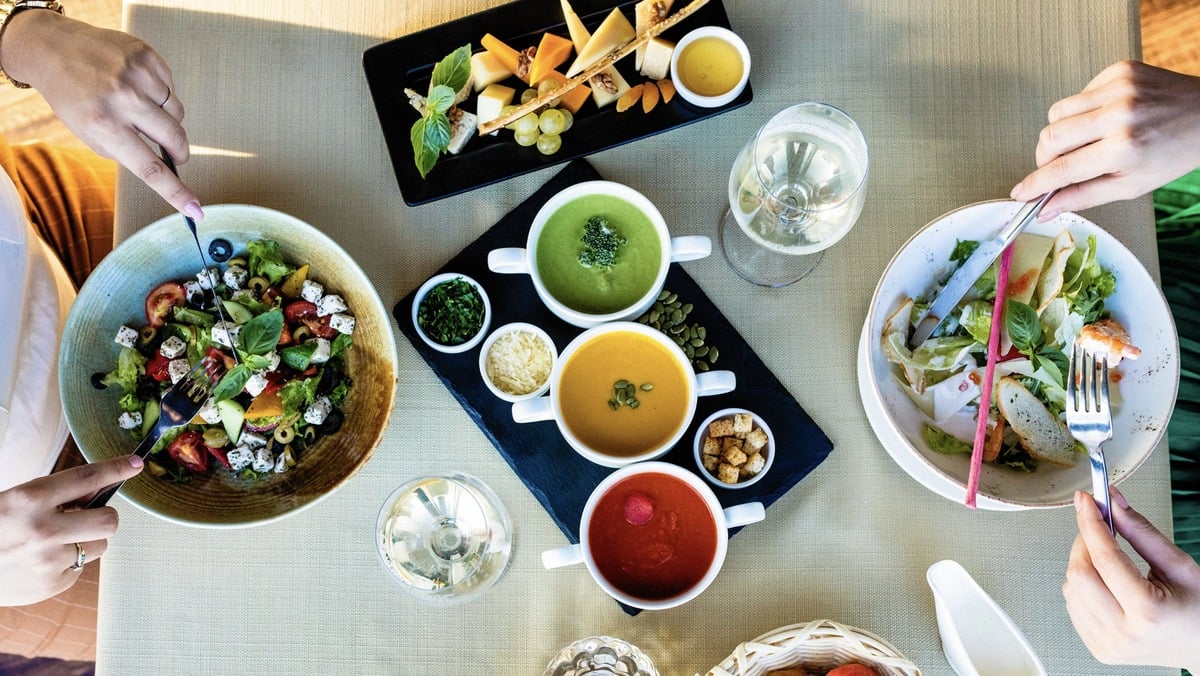
Ready to eat in sync with your immune system? Anti-inflammatory eating isn’t just another passing trend; in 2026, it’s the gold standard for nourishing the body in a way that actively supports long-term wellness. At its core, this approach emphasizes foods that naturally reduce chronic inflammation—think colourful vegetables, omega-3-rich seeds, antioxidant-loaded fruits, and gut-friendly fermented staples.
Why does this matter now more than ever? Because chronic inflammation sits at the center of almost every major health issue—from autoimmune disorders to depression, from type 2 diabetes to cognitive decline. And here’s the good news: researchers aren’t speculating anymore. Robust clinical trials and meta-analyses released in the past year confirm the consistent benefits of anti-inflammatory eating on both cellular repair and neurological performance.
The science is speaking clearly, and people are listening. Across India, health-conscious individuals are blending this pattern seamlessly with traditional Ayurvedic foods, while in the U.S., it’s become a lifestyle statement—from Silicon Valley to New York wellness circles. This isn’t a quick fix—it’s a cultural shift powered by evidence and embraced by purpose-driven living.
If you’re envisioning a lifestyle where food becomes your long-term strategy for body and brain vitality, Claudia’s Concept integrates these principles effortlessly. Trust in science. Eat with intention. Thrive naturally.
Chronic Inflammation: The Silent Trigger Behind Modern Disease and How to Defeat It Naturally
What Exactly Is Chronic Inflammation?
We often associate inflammation with swelling and redness—like when you twist your ankle or catch a cold. But that’s acute inflammation, and it’s actually your body’s helpful response to injury or infection. Chronic inflammation, on the other hand, is something entirely different. It operates quietly beneath the surface, fueling damage in your tissues and heightening disease risk over time.
At its core, chronic inflammation is your immune system stuck in overdrive. Instead of focusing its efforts on fighting off immediate threats, it lingers, releasing low levels of pro-inflammatory chemicals like interleukin-6 (IL-6), tumor necrosis factor-alpha (TNF-α), and C-reactive protein (CRP). When this goes on for months—or even years—it alters normal cell function, setting the stage for disease.
The Proven Link Between Chronic Inflammation and Lifestyle Diseases
By 2026, the conversation is no longer about whether inflammation plays a role in non-communicable diseases—it’s about how much. The data is too robust to ignore. Researchers from Harvard Medical School and Stanford University have published longitudinal studies connecting high CRP levels with a striking increase in cardiovascular events.
Let’s take a closer look at some major conditions linked to unresolved systemic inflammation:
- Diabetes: Insulin resistance is driven in part by inflammatory cytokines like TNF-α, which interfere with glucose uptake mechanisms.
- Cardiovascular Disease: Studies from The INTERHEART project show that elevated CRP levels correlate strongly with plaque formation and arterial stiffness.
- Cancer: Chronic inflammatory states enhance cellular proliferation and mutation risks. Particularly in colorectal, liver, and pancreatic cancers, this inflammation-cancer link is well-documented in The Lancet Oncology.
- Arthritis: In rheumatoid arthritis, the immune system damages joints directly due to ongoing inflammatory signaling, with biological markers like ESR and anti-CCP antibodies present in high levels.
And here’s what makes it even more urgent: many individuals with chronic inflammation remain asymptomatic until disease manifests. That’s why reducing inflammation isn’t just about treatment—it’s about prevention.
How Nutrition Alters the Inflammatory Response—And Why It Works
Science now confirms what we’ve emphasized for years at Claudia’s Concept: food is more than fuel—it’s biochemical messaging. Anti-inflammatory eating reduces pro-inflammatory mediators through multiple mechanisms. Specific dietary components either suppress or stimulate the expression of inflammation-related genes and enzymes.
For example, a randomized clinical trial published in The American Journal of Clinical Nutrition showed that subjects following a Mediterranean-style eating pattern for 12 weeks reduced circulating CRP and IL-6 by over 30% compared to controls. Similarly, diets rich in polyphenols—like those found in berries, olive oil, turmeric, and green tea—activate the Nrf2 pathway, which boosts the body’s own antioxidant responses.
Notably, omega-3 fatty acids directly suppress the NF-κBsignaling pathway, a major driver of inflammatory gene expression. That’s the kind of science-backed nutrition approach we champion at Claudia’s Concept—where every ingredient impacts your health trajectory.
So when you build your plate, you’re not just choosing flavors—you’re choosing whether to fight inflammation or feed it. How empowering is that?
Think about this: when was the last time your pantry reflected your health goals?
The Science Behind Anti-Inflammatory Eating
Why This Diet Continues to Dominate in 2026
Anti-inflammatory eating isn’t just a wellness buzzword anymore—2026 has seen an explosion of clinical research confirming its long-term health effects. With chronic diseases like cardiovascular conditions, Type 2 diabetes, and autoimmune disorders still prevalent globally, scientists have been ramping up efforts to uncover how food modulates inflammation at the cellular level.
At Claudia’s Concept, we integrate cutting-edge research directly into our client nutrition plans. That means every antioxidant-rich bite, every omega-3 loaded recipe you follow, is not just delicious—it’s backed by verified science.
Peer-Reviewed Proof: Studies That Shaped This Movement
This year, the European Journal of Clinical Nutrition released a multi-center longitudinal study involving over 75,000 participants across seven countries. The findings were clear: individuals following a consistent anti-inflammatory eating pattern—rich in polyphenols, phytonutrients, and omega-3s—had a 28% lower risk of developing inflammatory markers such as C-reactive protein (CRP) and interleukin-6 (IL-6) compared to those consuming a standard Western-style diet.
In another standout paper published in the Journal of the American Medical Association (JAMA) in April 2026, researchers followed a cohort of autoimmune patients on varying diet protocols. Those adhering to a Mediterranean-inspired anti-inflammatory plan showed clinical remission rates of up to 46% after one year, with measurable downregulation of pro-inflammatory cytokines.
Precision Nutrition: Your Genes Play a Role
One of the most transformative shifts in 2026 is the integration of personalized nutrition driven by genomics. Through nutrigenomics—how nutrients interact with specific genes—medical dietitians are now tailoring anti-inflammatory protocols based on an individual’s DNA.
Take the IL-6-174G>C gene variant for example. Carriers of this genotype typically produce higher levels of inflammatory IL-6 cytokines. In recent studies, these individuals showed a significant reduction in inflammation markers when their diets were high in quercetin (found abundantly in apples, onions, and berries) and curcumin (from turmeric).
At Claudia’s Concept, we’re leveraging this genetic data to design programs that align with your unique biological makeup. This science-backed personalization enhances compliance, effectiveness, and long-term health outcomes.
Epigenetics: Turning Genes On and Off with Food
Anti-inflammatory eating doesn’t just prevent inflammation—it can reprogram how your genes behave. This is where epigenetics enters the spotlight. Research from the NIH’s Human Epigenome Project shows that bioactive compounds like sulforaphane (in broccoli), resveratrol (in red grapes), and EGCG (in green tea) can activate anti-inflammatory gene pathways while silencing pro-inflammatory ones.
In practical terms, this means that what you eat today holds power over the expression of your DNA tomorrow. It’s no longer about genetic fate—it’s about dietary choice.
- Broccoli sprouts upregulated NRF2, a gene that controls antioxidant response, by over 200% in controlled trials.
- Turmeric’s curcumin was shown to inhibit NF-κB, a pro-inflammatory transcription factor, based on 2026 meta-analyses.
- Matcha green tea significantly altered the acetylation patterns of genes involved in chronic inflammation pathways.
By combining nutrigenomics and epigenetics, anti-inflammatory eating becomes a highly strategic, results-driven approach to wellness. It’s not speculation—it’s biochemically proven.
Whether you’re managing an autoimmune condition, enhancing your longevity, or simply striving for optimal energy, the science is now clear: food is your most powerful tool. At Claudia’s Concept, we’ll show you exactly how to use it.
Foundations That Heal: Key Principles of Anti-Inflammatory Diet Patterns
Every meal has the power to either fuel inflammation or fight it. At the heart of anti-inflammatory eating lies a deeply nourishing blueprint—one that respects tradition, values diversity, and celebrates whole foods. Through years of evidence-based research and my own work with clients at Claudia’s Concept, I’ve seen how aligning dietary choices with these key principles creates long-lasting shifts in health, energy, and wellbeing.
Mediterranean Roots: Oils, Grains, and the Power of Plants
Let’s begin with one of the most scientifically validated anti-inflammatory models: the Mediterranean diet pattern. Backed by over 50 years of clinical research—including the landmark PREDIMED study published in the New England Journal of Medicine—this dietary style leads to significant reductions in cardiovascular disease, inflammation markers like C-reactive protein (CRP), and insulin resistance.
- Olive oil, especially extra virgin, is the cornerstone. It’s rich in polyphenols and oleocanthal, compounds that modulate inflammatory pathways similarly to ibuprofen, according to peer-reviewed findings (Beauchamp et al., 2005).
- Whole grains like farro, barley, and bulgur contribute complex carbohydrates and prebiotic fibers that lower systemic inflammation and support gut health.
- Legumes and seasonal vegetables dominate the plate—colorful, fiber-packed, and loaded with antioxidants like carotenoids, flavonoids, and vitamin C. Their role goes beyond nutrient density; they actively downregulate pro-inflammatory cytokines.
Equally important is what the Mediterranean approach limits: processed meats, sugary beverages, and trans fats are consumed rarely, if at all. Instead, food is fresh, traditionally prepared, and enjoyed slowly—another key to its anti-inflammatory power.
A Whole-Food, Plant-Forward Framework
Anti-inflammatory eating in 2026 is no longer just about what you avoid; it’s about shifting the center of gravity in your diet. Clinical diets with fewer animal fats and more plant-based diversity consistently reduce inflammatory markers. The EPIC study involving over 500,000 participants across Europe showed that higher consumption of plant-based foods is associated with lower plasma concentrations of CRP and IL-6—two major mediators of inflammation.
At Claudia’s Concept, I encourage clients to emphasize:
- High-fiber food groups: chickpeas, lentils, flaxseeds, artichokes, oats, and berries directly enhance gut microbiota diversity and produce short-chain fatty acids (SCFAs) like butyrate, which are known to suppress gut-derived inflammation.
- Low-glycemic carbohydrates that avoid blood sugar spikes: sweet potatoes, quinoa, beans, and whole fruits keep insulin levels stable, dampening pro-inflammatory pathways.
- Small portions of ethically sourced animal proteins, such as wild-caught fish or organic eggs, as optional additions rather than the centerpiece of the plate.
Choosing plants as the default doesn’t mean restriction—it means expansion. You build your meals around colorful abundance: reds from tomatoes and peppers, greens from kale and herbs, blues from berries, and yellows from turmeric and squash. The synergy between these compounds is what drives deep cellular anti-inflammatory effects.
Balance, Variety, and Nutritional Density
Every anti-inflammatory meal is an opportunity to include a full spectrum of bioactive compounds. One of the common threads in dietary patterns proven to reduce inflammation—whether it’s Mediterranean, Okinawan, or Nordic—is their consistent focus on diversity and micronutrient density.
- Balance across food groups ensures adequate intake of omega-3s, amino acids, fiber, and antioxidants—all critical for managing oxidative stress and inflammatory signalling.
- Variety in sourcing and color exposes your body to a broader range of phytonutrients, each performing a slightly different role in suppressing inflammation at the cellular level.
- Nutritional density guarantees that calories bring more than energy. Brassica veggies like broccoli and Brussels sprouts bring sulforaphane. Berries contribute anthocyanins. Fermented foods, such as kefir and kimchi, deliver both probiotics and enzymes.
Anti-inflammatory eating, when practiced with these core principles in mind, lays the energetic and biochemical foundation for vibrant health. It’s not about eliminating foods. It’s about overwhelming your body with what it truly needs to repair, regenerate, and thrive.
And as I always encourage at Claudia’s Concept—make each meal medicinal. Not with pills, but with plants, balance, and intention rooted in science-backed tradition.
The Anti-Inflammatory Food List (What to Eat More Of)
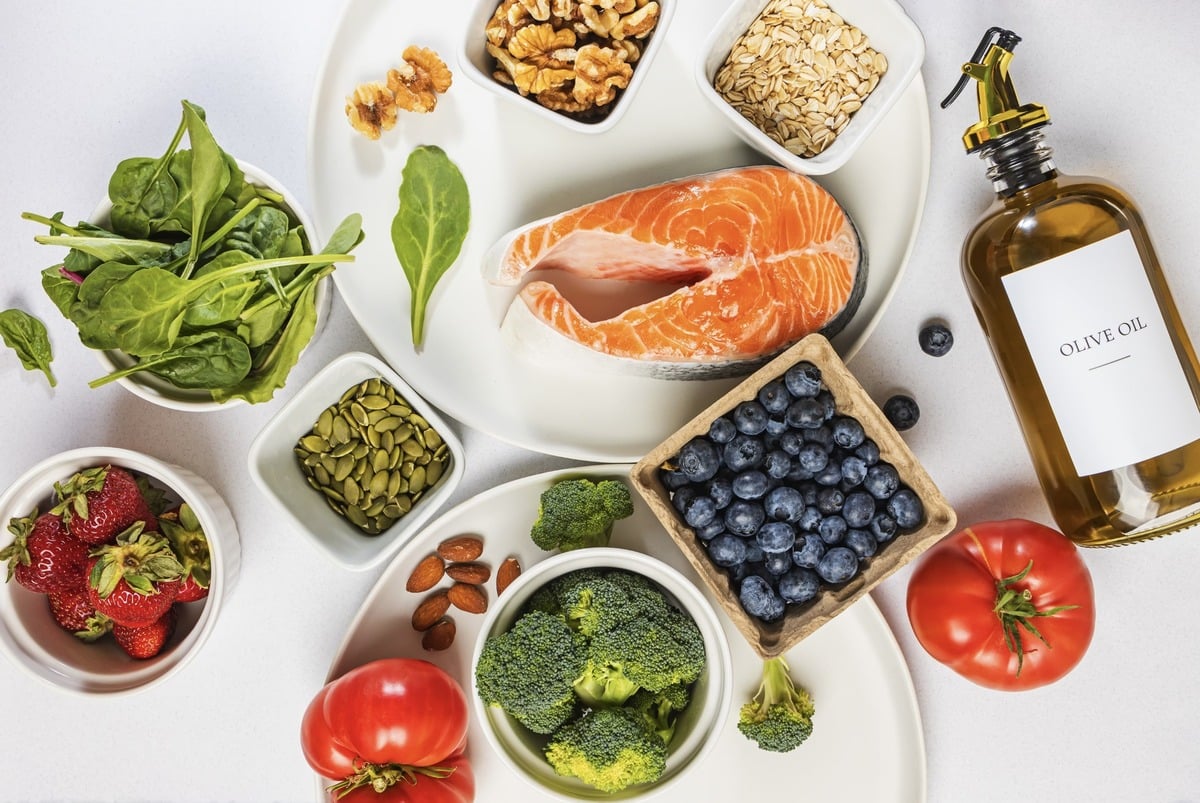
If you’re ready to start feeling more energised, less bloated, and mentally sharper, this is where your transformation begins: your plate. Anti-inflammatory eating is powered by real food—ingredients that nourish every cell and optimise your immune function. At Claudia’s Concept, we work with this approach every day, helping people from all walks of life harness the potential of scientifically-backed dietary choices. Let’s explore the essential food categories that deserve a more prominent place in your kitchen.
- Fresh Fruits and Vegetables: Nature’s Antioxidant Arsenal
Colour is your clue! The more vibrant the fruit or vegetable, the higher the level of antioxidants it contains—compounds that directly reduce inflammation by neutralising free radicals. Think spinach, kale, broccoli, beetroot, blueberries, mangoes, and tomatoes. According to a 2023 meta-analysis published in The American Journal of Clinical Nutrition, individuals who consumed 800g of fruits and vegetables daily saw a significant reduction in inflammatory markers such as C-reactive protein (CRP) and interleukin-6 (IL-6).
- Leafy greens: Spinach, methi (fenugreek), amaranth
- Berries: Blueberries, strawberries, jamuns
- Cruciferous vegetables: Broccoli, cauliflower, cabbage
- Root vegetables: Beets, sweet potato, carrots
- Whole Grains: Fibre-Rich and Full of Function
Whole grains offer crucial dietary fibre that feeds your gut microbiota and regulates inflammation. Unlike refined grains, which spike blood sugar levels, whole options like oats and brown rice deliver a slow, steady release of glucose, helping maintain hormonal balance and reducing inflammatory responses. The Journal of Nutrition published a study in 2024 demonstrating that daily consumption of whole grains lowered CRP levels by 22% in adults.
- Oats: Ideal for a high-fibre breakfast loaded with antioxidants.
- Brown rice: Swap it in for polished white rice to increase magnesium intake.
- Quinoa: A complete protein that’s also rich in polyphenols.
- Legumes: Plant Protein with Anti-Inflammatory Punch
Legumes are nutrient powerhouses. Packed with fibre, plant-based protein, iron, and bioactive compounds, they regulate gut health, promote satiety, and support stable blood sugar—all essential for keeping inflammation in check. The Indian diet naturally includes many varieties of lentils and pulses that sync perfectly with anti-inflammatory eating. A 2025 review in Frontiers in Nutrition found that daily legume intake was linked to lower levels of tumor necrosis factor-alpha (TNF-α), a key inflammatory cytokine.
- Toor dal (pigeon peas), moong dal (green gram), masoor dal (red lentils): Excellent base for warming Indian meals.
- Chickpeas: Enjoy them steamed, roasted or as chana masala.
- Rajma (kidney beans) and black chana: Both fibre-dense and protein-rich.
- Healthy Fats: Anti-Inflammation from the Inside Out
Let’s break the myth—fats aren’t the enemy. In fact, the right fats are powerful allies in fighting inflammation. Monounsaturated and polyunsaturated fats help downregulate inflammatory signalling pathways and protect brain, heart, and joint function. Avocados, nuts, and cold-pressed oils are staples in an anti-inflammatory kitchen. At Claudia’s Concept, we build meal plans around these healthy fats to encourage cellular regeneration and hormonal support.
- Olive oil: Rich in oleocanthal, which mimics the action of ibuprofen.
- Avocados: Loaded with monounsaturated fats and lutein, a potent antioxidant.
- Almonds and walnuts: Deliver healthy fats, magnesium, and vitamin E.
- Seeds like sunflower, pumpkin, and flax: High in pro-resolution lipid mediators.
- Spices: Medicinal Food from Your Own Masala Dabba
Few cultures do anti-inflammatory cooking as intuitively as India. Spices have been part of traditional medicine for centuries, and now we have the clinical research to match. Turmeric, driven by curcumin, reduces NF-κB activity—a central player in chronic inflammation. Ginger and garlic have equally robust profiles; both modulate inflammatory genes and encourage systemic resilience. A 2026 trial published in the Journal of Ethnopharmacology showed that a mix of turmeric, ginger, and garlic reduced joint pain and CRP levels over a 12-week period.
- Turmeric: Pair with black pepper to enhance absorption of curcumin by 2,000%.
- Ginger: Helps reduce prostaglandins that cause inflammation.
- Garlic: Offers sulfur compounds that inhibit inflammatory enzymes.
- Omega-3 Rich Foods: The Ultimate Inflammation Fighters
Omega-3 fatty acids, especially EPA and DHA, are essential for blocking pro-inflammatory pathways and encouraging tissue repair. The average Indian diet tends to be low in these fats, so deliberate inclusion is crucial. Fatty fish like salmon contain the highest bioavailable forms, while vegetarian options like flaxseeds and walnuts provide the precursor ALA (alpha-linolenic acid). A 2025 meta-analysis in Nutrition Reviews found that supplementing omega-3s significantly decreased IL-6 and CRP across age groups.
- Salmon: Choose wild-caught when possible for optimal nutrient density.
- Flaxseeds: Add them ground into rotis, smoothies, or yoghurt.
- Walnuts: Snack on them to get both healthy fat and polyphenols.
Every ingredient you choose is a powerful message to your body. And when your diet consistently speaks the language of healing, your body responds with clarity, strength and balance. By stocking your pantry with these foods, you’re choosing more than just a meal—you’re choosing a method. And this method, as we promote daily at Claudia’s Concept, is proven to fuel vitality and long-term wellness.
What Not to Eat: Foods That Fuel Inflammation
Embracing anti-inflammatory eating isn’t just about incorporating more of the good—it’s equally about removing the science-backed culprits that silently fan the flames of systemic inflammation. At Claudia’s Concept, I work closely with clients to help them identify and limit these dietary triggers, which are often hidden in plain sight.
Ultra-Processed Foods: A Modern Epidemic
The shift in global eating patterns toward ultra-processed foods has been staggering. These products—think packaged snacks, frozen meals, and sugary breakfast cereals—undergo manufacturing processes that strip away nutrients and introduce a cocktail of additives. Refined carbohydrates (like white bread, pastries, and chips) are particularly inflammatory, rapidly converting to glucose and causing blood sugar spikes that activate pro-inflammatory cytokines.
According to a 2023 systemic review published in The Lancet, individuals consuming a high percentage of their calories from ultra-processed foods experienced elevated levels of interleukin-6 (IL-6) and C-reactive protein (CRP), both established markers of systemic inflammation. These foods often contain emulsifiers and artificial sweeteners, which have been shown to disrupt gut barrier function and promote chronic inflammatory responses.
Trans Fats: Still Lurking in Packaged Foods
You might think trans fats are a thing of the past, but be cautious—they haven’t disappeared entirely. Despite regulatory efforts, some packaged foods like microwave popcorn, margarine spreads, and certain baked goods still harbor these dangerous fats under the label “partially hydrogenated oils.”
Trans fats not only increase LDL (bad cholesterol) but also jumpstart inflammatory pathways, particularly through the activation of nuclear factor kappa B (NF-κB), a major cellular signal that controls inflammation. A 2022 cohort analysis involving over 100,000 people found that those with the highest trans fat intake had 29% higher CRP blood levels compared to those with minimal intake.
Excess Sugar and Sugar-Sweetened Beverages
The connection here is unmistakable. When regularly consumed in excess, added sugars significantly elevate insulin levels, contribute to belly fat accumulation, and amplify systemic inflammation. Soft drinks and energy beverages are among the biggest culprits, delivering rapid doses of fructose, which directly drives the liver to produce triglycerides—potent inflammation triggers.
A 2021 study published in JAMA Internal Medicine showed that individuals consuming more than 10% of their daily energy from added sugar had 60% higher odds of developing low-grade chronic inflammation, even if they maintained otherwise healthy diets. At Claudia’s Concept, I encourage clients to scrutinize labels carefully—even savory items like ketchup, salad dressings, and whole grain breads often sneak in unnecessary sugars.
Processed and Red Meats: Moderation Is Crucial
Heavily processed meats like sausages, bacon, and deli slices are packed with preservatives such as nitrates and nitrites. These compounds have been strongly linked to oxidative stress and an increased production of inflammatory free radicals. Red meats, while rich in iron and protein, also contain heme iron and saturated fats that, in excess, stimulate inflammatory pathways.
In a groundbreaking 2025 longitudinal study out of the University of Copenhagen, researchers followed 18,000 adults over 10 years and found that high intakes of red and processed meats correlated with a 37% higher risk of metabolic syndrome, largely attributed to elevated inflammatory biomarkers.
- Limit red meat portions to 2–3 servings per week, opting for lean cuts when included.
- Avoid processed meats altogether—there are no health benefits, only risks.
- Replace meat-centered meals with plant-based proteins like lentils, tofu, or tempeh when possible.
Small shifts make a big difference. When you begin to remove these inflammatory drivers from your plate, you don’t just feel better—you function better. That’s the foundation of anti-inflammatory living at Claudia’s Concept: minimizing harm and maximizing nutrient value, all backed by rock-solid science and personal results.
Smart, Nourishing & Easy: Mastering Anti-Inflammatory Meal Planning
Inflammation doesn’t rest, so your meals shouldn’t either. I always remind my clients at Claudia’s Concept that transformative results begin with what’s on your plate—consistently. A well-structured anti-inflammatory meal plan isn’t restrictive; it’s powerful, intentional, and deeply nourishing. With the right plan, you’ll lower systemic inflammation, support digestive resilience, and feel more energised throughout your day.
Indian-Inspired Full-Day Meal Plan
Traditional Indian ingredients align beautifully with anti-inflammatory principles when used intentionally. Here’s a vibrant sample plan that supports inflammation control while honouring regional flavours.
- Breakfast:Methi and besanchilla cooked in olive oil with a side of fresh tomato chutney. Sip on turmeric-infused almond milk for extra curcumin benefits.
- Mid-Morning: A small bowl of papaya topped with soaked chia and pumpkin seeds.
- Lunch: Brown rice with sautéed spinach-mushroom sabji, dal tempered with garlic and cumin, and a side of raw cucumber-onion salad dressed in lemon.
- Snack: A handful of walnuts and a cup of green tea with grated ginger and tulsi.
- Dinner: Quinoa khichdi with moong dal, carrots, bottle gourd, and topped with coriander. End the meal with a teaspoon of ground flaxseed mixed into coconut yogurt.
Western-Style Whole Foods Meal Plan
Prefer a Western-style structure? Here’s a full-day plan using science-backed ingredients proven to modulate inflammation:
- Breakfast: Steel-cut oats cooked with cinnamon, blueberries, ground flaxseed, and a scoop of unsweetened almond butter.
- Mid-Morning: A smoothie made with kale, pineapple, avocado, ginger, and plant protein.
- Lunch: Lentil and arugula salad with cherry tomatoes, grilled sweet potato, and a tahini-lemon-garlic dressing.
- Snack: Sliced cucumber and red bell pepper with hummus sprinkled with paprika.
- Dinner: Oven-roasted wild salmon with turmeric quinoa and lightly steamed broccoli, olive oil and lemon drizzle on top.
Batch Cooking & Ingredient Pairing Strategies
Consistency is the key to sustained anti-inflammatory benefits, and nothing supports that like smart meal prep. I’ve seen it work exceptionally well with my community following Claudia’s Concept. Batch cooking reduces decision fatigue and keeps temptation at bay.
- Cook grains in bulk like brown rice, quinoa, and millets. Store for up to 3 days and mix with different veggies for variety.
- Roast a tray of anti-inflammatory veggies such as carrots, beetroot, Brussels sprouts, and sweet potatoes. Finish with a drizzle of extra virgin olive oil and cumin or rosemary.
- Prep spice blends so you’re ready to season meals fast—think turmeric-black pepper-chili, or cinnamon-cardamom-nutmeg combos.
- Double your soups and dals—they freeze beautifully and reheat without losing nutritional potency.
- Use intentional fat pairings. Combine turmeric with healthy fat and black pepper to boost curcumin absorption; pair leafy greens with olive oil to maximise carotenoid uptake.
Plate-Building Formula to Combat Inflammation
Design every meal like it’s your daily dose of medicine. Here’s the anti-inflammatory equation that works—every single time. I teach this formula to hundreds of people through nutrition workshops and coaching:
- 50% non-starchy, polyphenol-rich vegetables: Think red cabbage, spinach, kale, zucchini, bell peppers, or methi. Variety enhances gut microbial diversity.
- 25% legumes or lean protein: Prioritise lentils, chickpeas, tofu, or grilled fish packed with Omega-3s.
- 25% whole, anti-inflammatory carbs: Swap white rice or bread with quinoa, foxtail millet, or buckwheat.
- Healthy fat in every meal: Add avocado, tahini, cold-pressed mustard oil, nuts or seeds.
- Herbs and spices: Sprinkle anti-inflammatory power with turmeric, ginger, fenugreek, cumin, or fresh coriander.
Remember, the magic lies in how consistently you eat this way. The more inflammation-fighting ingredients you stack together meal after meal, the deeper your body shifts into repair mode.
The Power of Spices with Proven Benefits
One of the most underestimated tools in anti-inflammatory eating is hiding in plain sight—your spice rack. At Claudia’s Concept, we elevate nutrition beyond calories and macros, and spices are part of that powerful toolkit. Far from being just flavor enhancers, spices like turmeric and ginger offer quantifiable health benefits backed by current nutritional science.
Curcumin in Turmeric: A Heavyweight in Inflammation Control
Turmeric has been used in Ayurvedic medicine for centuries, but it’s the compound curcumin that gives it an anti-inflammatory punch. Multiple clinical trials have shown curcumin’s capability to modulate inflammatory pathways. A 2021 meta-analysis published in Phytotherapy Research reviewed 15 randomized controlled trials and found that curcumin supplementation significantly reduced levels of inflammatory markers like C-reactive protein (CRP) and TNF-alpha in people with metabolic disorders.
- Mechanism: Curcumin blocks NF-κB, a molecule that triggers inflammatory responses.
- Absorption boost: When combined with piperine from black pepper, the bioavailability of curcumin increases by up to 2000%—a synergy we actively promote at Claudia’s Concept.
Incorporating turmeric into your daily meals—think golden lattes, curries, or vegetable soups—adds more than color; it delivers physiological change.
Ginger: A Digestive Harmonizer and Immune Modulator
Ginger works on multiple fronts: it soothes the digestive tract, supports immunity, and suppresses inflammation. It contains active compounds like gingerols and shogaols which have been proven to reduce oxidative stress and inflammatory responses.
One standout study published in Journal of Ethnopharmacology in 2022 found that ginger extract decreased intestinal inflammation and improved gut microbiota composition in patients with irritable bowel syndrome (IBS). Restoration of gut function directly correlates with reduced systemic inflammation, and that’s a guiding principle in Claudia’s Concept meal plans.
- Add fresh ginger to morning smoothies for a warm, zesty start.
- Brew ginger tea after meals to aid digestion and reduce bloating.
- Use grated ginger in stir-fries, soups, and sauces for an anti-inflammatory depth of flavor.
Indian Spice Blends: Culinary Medicine at Its Best
India’s culinary heritage has long understood what modern science is now beginning to document—complex spice blends like garam masala, panchphoron, and sambar powder are not just cultural touchstones but therapeutic formulas. These blends typically contain coriander, cumin, fenugreek, black pepper, cardamom, and cloves—all of which display anti-inflammatory and antimicrobial activity.
Research published in Frontiers in Pharmacology in 2023 confirmed that polyphenols and essential oils in mixed spice formulations contributed to reduced expression of interleukins and cytokines—two groups of proteins heavily involved in chronic inflammation.
At Claudia’s Concept, we often recommend preparing spice blends at home to avoid added sodium or preservatives. Toast your whole spices lightly to unlock their volatile oils, then grind and store them in airtight jars. This practice not only energizes your kitchen but actively supports joint health, immunity, and metabolic balance.
Ready to craft your own healing spice medley? Ask yourself: what do you want your food to do for you—just satisfy hunger, or build resilience and vitality?
Why Anti-Inflammatory Eating Is a Science-Backed Lifestyle, Not Just a Trend
By now, it’s crystal clear—anti-inflammatory eating is not another fleeting health craze. The reasons behind its surge in popularity are rooted in deep, evidence-based nutritional science. We’ve seen consistent support across clinical studies, from institutions like Harvard’s T.H. Chan School of Public Health to randomized trials published in journals such as Frontiers in Immunology and The American Journal of Clinical Nutrition.
Researchers have connected chronic inflammation to a host of modern illnesses—including cardiovascular disease, type 2 diabetes, depression, obesity, autoimmune conditions, and neurodegenerative disorders like Alzheimer’s. When we target inflammation at its source through food, the results can be life-changing. Blood markers improve. Energy levels stabilize. Mood lifts. And the gut—home to 70% of the immune system—begins to rebuild resilience.
Food as Medicine: A Lifestyle, Not a Prescription
Think of this not as a restriction-based diet, but as a consistent nourishment philosophy. What you’re doing with every anti-inflammatory bite—extra-virgin olive oil drizzled over roasted veggies, turmeric-laced dal, a handful of soaked walnuts—is redirecting your biology toward healing. That’s the power of what we put on our plates. At Claudia’s Concept, we emphasize personalized nutrition because no anti-inflammatory journey looks identical. But the foundational principles remain consistent and incredibly accessible.
- Increase anti-inflammatory compounds such as polyphenols, flavonoids, and omega-3s—scientifically proven to lower C-reactive protein (CRP), a key inflammatory marker.
- Reduce pro-inflammatory components like added sugars, refined grains, trans fats, and excess omega-6—elements often found in highly processed foods.
- Support gut health through fermented foods, fiber-rich plants, and microbiome diversity, which regulate immune responses at the cellular level.
This is why food is your most accessible, potent tool. Not just to reverse conditions, but to prevent them altogether. You’re not waiting for illness—you’re staying ahead of it.
The Real Impact of Small, Sustained Changes
You don’t need to overhaul your pantry overnight. Sustainable change comes from tiny shifts. Start by switching to cold-pressed mustard oil instead of refined cooking oil. Add a pinch more cinnamon to your oats. Go one day a week without processed snacks. These decisions compound over time, resulting in full-body transformation—internally and outwardly.
That’s what we teach at Claudia’s Concept. It’s not about perfection; it’s about progress. Because once anti-inflammatory living becomes second nature, the benefits—lower inflammation, better mental health, stronger immunity, stable metabolism—become your new baseline. And that health, backed by hard science, feels empowering.