
India is witnessing a steady surge in diabetes cases, with over 101 million adults currently living with the condition, as reported by the Indian Council of Medical Research (ICMR) in 2023. These numbers are rising sharply, not just due to genetics or lifestyle, but also because of dietary patterns that favor high-glycemic foods throughout the day. For anyone managing Type 2 diabetes or working toward better metabolic health, one principle holds steady: keeping blood sugar levels within range is absolutely essential.
The way we snack plays a bigger role than most realize. Often, snacks are seen as quick bites or fillers between meals—grab-and-go options that are largely overlooked in nutrition planning. But here’s the truth: the wrong snack can trigger an unexpected spike in glucose, setting off a cascade of energy slumps, cravings, and insulin strain. That’s why getting serious about healthier snacking isn’t just a choice—it’s a strategy for sustained well-being.
At Claudia’s Concept, snacks are never an afterthought. We prioritise functional, nutrient-rich options that work with your body, not against it. The goal? To empower you with Indian snack ideas that not only stabilize blood sugar, but also delight your taste buds. Balanced, accessible, and rooted in both science and tradition—these options will let you snack smarter every single day.
Why Understanding Blood Sugar Spikes Matters for Smart Snacking in Diabetes
What Happens in the Body When You Have Diabetes?
Living with diabetes means your body either doesn’t produce enough insulin or can’t use it efficiently. Insulin is the hormone that allows glucose from the food you eat to enter your cells for energy. When that process doesn’t work properly, glucose accumulates in the bloodstream, leading to high blood sugar—or hyperglycemia. It’s this very dysfunction that turns simple foods into powerful metabolic influencers.
At Claudia’s Concept, we focus on personalized nutrition that addresses this pathway directly. Food isn’t just calories or taste—it’s a signal for hormonal and metabolic reactions.
The Real Reason Behind Those Unexpected Sugar Surges After Snacking
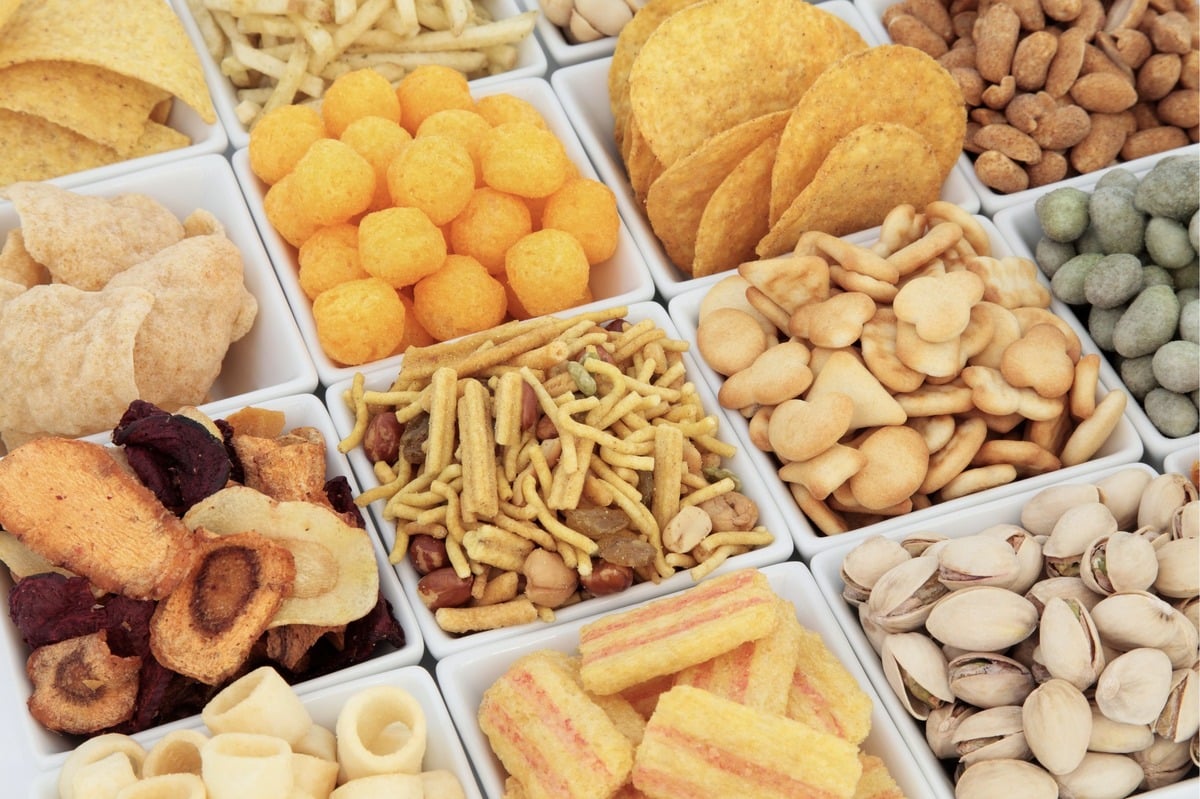
Ever felt fatigued or thirsty soon after enjoying a so-called “healthy” snack? That might be a blood sugar spike at play. In India, many snack foods—like packaged namkeens, biscuits, sweetened yoghurts, or even sugary chai—are overloaded with refined flour, added sugars, and simple carbs. These digest rapidly and cause a sudden rise in blood glucose.
Let’s break this down: when you consume foods with a high glycemic index (GI), the glucose from that food floods your bloodstream fast. In those moments, your insulin response gets overwhelmed, especially if you have insulin resistance or diabetes. According to a study published in the journal Diabetes Care, high postprandial (post-meal) blood sugar spikes are a major contributor to long-term complications in Type 2 diabetes, including nerve and kidney damage.
That 4 pm samosa or sugar-laced chai you thought was harmless? It might be creating invisible upheaval in your metabolism.
Why Low Glycemic Response Should Be Your Guiding Light
Snacks that promote a low glycemic response are the smartest weapon in maintaining glycemic balance throughout the day. What does that mean? Such foods enter the bloodstream slowly, leading to a gradual increase in sugar levels—no spike, no crash, no energy rollercoaster.
The science is crystal clear. A meta-analysis published in The American Journal of Clinical Nutrition found that individuals who consumed low-GI meals had significantly improved glucose control compared to those who ate high-GI meals. Not only that, but insulin sensitivity also improved with a steady intake of low-GI carbs.
At Claudia’s Concept, low GI principles are central to every snack solution we advocate. Ingredients are selected not just for their taste or convenience but for their impact on blood sugar. The result? Snacks that keep your energy balanced and your metabolism on your side.
- Choose snacks made with whole grains or millets to slow down glucose release.
- Add protein—like paneer, boiled eggs, or roasted chana—to blunt the glycemic impact.
- Favorfiber-rich foods like raw vegetables or sprouts that naturally delay digestion and absorption.
So next time you reach for a mid-meal bite, ask yourself: is this snack going to fuel me, or fog my brain with a sugar overload? Understanding the “why” behind ingredients is the first step toward mastering diabetes with confidence.
Principles of Healthy Snacking for Diabetics in India
Think Low Glycemic Index to Keep Sugar Levels Steady
Everyone managing diabetes knows the power of stable blood sugar levels. And yet, the secret to keeping that balance often comes down to something as simple as choosing the right snacks. When we talk about healthy snacking for diabetics, the first principle at Claudia’s Concept is always this: stick to low glycemic index (GI) foods.
The glycemic index assigns a number to carbohydrate-containing foods based on how quickly they raise blood glucose levels. The lower the GI, the slower the sugar enters your bloodstream—which means fewer glucose spikes. For example, whole moong (green gram) has a GI of just 25, while white bread spikes up around 75. You see the difference?
So, what should you reach for? Steamed sprouts chaat, boiled chickpeas tossed with lemon and masala, or roasted makhanas (fox nuts) all boast low GI scores and offer satiety without the sugar surge.
Choose Snacks Loaded with Fiber and Protein, Not Refined Carbs
In India, most quick snacks are unfortunately deep-fried and carb-heavy—samosas, mathris, biscuits—the usual temptations. But those same snacks can sabotage blood sugar levels. At Claudia’s Concept, we recommend a simple switch: go for high-fiber and high-protein ingredients that slow digestion and blunt the glucose response.
- A small bowl of boiled kala chana (black chickpeas) with grated coconut and green chilies
- Homemade moong dal chilla stuffed with paneer
- Greek yogurt topped with finely chopped cucumber, mint, and roasted jeera
Now combine that with the knowledge that gram flour contains around 22g of protein per 100g and nearly 11g of fiber, and you’ve got a powerful snack that keeps you full and balanced.
Include Healthy Fats from Nuts and Seeds
Add good fats into the mix. But not through heavy oils or butter—think natural, wholesome fats that also contribute nutrients. Nuts like almonds and walnuts, and seeds like flax, chia, and pumpkin, change the game for snacking.
A 30g serving of almonds, for instance, offers 13g of unsaturated fat and 3.5g of fiber, along with magnesium which plays a role in insulin sensitivity. That’s why at Claudia’s Concept, we love recommending portioned nut mixes or simple seed-trail blends as grab-and-go options.
Master Portion Control and Eat Mindfully
Even healthy snacks can cause problems when eaten in excess. Portion control is non-negotiable. This is where mindful eating shows up as a strong ally. Don’t snack distracted—bring your full attention to what you’re eating and how much.
A great way to control portions? Use smaller bowls, pre-portion nuts and seeds into jars, and avoid snacking straight from a packet. A handful (about 28–30g) of nuts or 1 katori of sprouted lentils goes a long way when eaten slowly and deliberately.
Personalise Your Snacks with Expert Guidance
In India, dietary needs vary dramatically—from genetics to regional food habits. That’s why consulting a nutritionist is a smart move. Each person’s blood sugar response to the same food can be very different. At Claudia’s Concept, we design snack plans that cater to both taste and glucose management—striking that essential balance.
The key takeaway? Healthy snacking isn’t about restriction. It’s about awareness, ingredient intelligence, and a bit of guidance. When the right foods meet the right strategy, your energy levels stay high and your sugar levels stay steady.
Powerhouse Essentials: Traditional Indian Ingredients That Help Regulate Blood Sugar
Traditional Indian cooking is rich with ingredients that naturally support blood sugar regulation. These aren’t just flavour enhancers or old wives’ tales—many of these staples have been validated by clinical studies and used in medical systems like Ayurveda for centuries. When included strategically in your snacks, they not only add taste but actively help manage glucose levels. At Claudia’s Concept, we incorporate these timeless ingredients when crafting blood-sugar-friendly snack strategies tailored for the Indian palate.
Fenugreek (Methi)
Fenugreek seeds are a goldmine of soluble fibre, which slows down digestion and carbohydrate absorption—two critical actions for controlling glucose response. A study published in the International Journal for Vitamin and Nutrition Research showed that daily ingestion of 10g of fenugreek seeds soaked in hot water produced a significant reduction in fasting blood glucose in patients with Type 2 diabetes. Add powdered methi to parathas or include the seeds in snack mixes to elevate both flavour and metabolic balance.
Cinnamon (Dalchini)
Just half a teaspoon of cinnamon per day can bring your blood sugar into better alignment. According to a 2003 study published in Diabetes Care, participants who consumed cinnamon daily for 40 days experienced drops in fasting blood sugar levels by 18–29%. This spice boosts insulin sensitivity and slows gastric emptying—especially beneficial when you’re reaching for something between meals. Try adding it to roasted chana or homemade protein laddoos for a sweet-savory twist.
Turmeric (Haldi)
Curcumin—the active compound in turmeric—acts as a potent anti-inflammatory agent and insulin sensitiser. Clinical evidence from the journal Phytotherapy Research highlights its ability to lower HbA1c and fasting blood glucose over an 8-week period in diabetic patients. Incorporate turmeric in your spice blends or mix a pinch into roasted seeds and nuts for a functional, healing snack.
Curry Leaves
Curry leaves are fragrant and functional. They influence carbohydrate metabolism by reducing blood sugar and cholesterol levels. Research from the Journal of Ethnopharmacology indicates that curry leaves help lower blood glucose by modulating enzymes involved in insulin secretion. Add them freshly sautéed to lentil-based snacks or blend into chutneys served with roasted khakhras.
Amla (Indian Gooseberry)
This vitamin C powerhouse works as a natural hypoglycemic agent. Amla enhances pancreatic function and insulin release. A 2011 clinical trial in the International Journal of Food Sciences and Nutrition demonstrated significant reductions in fasting and postprandial glucose among both healthy and diabetic individuals. Enjoy it pickled, dried, or as a tangy addition to murukku to balance spikes from other snack components.
Bitter Gourd (Karela)
Bitter gourd contains polypeptide-p, a plant insulin known for mimicking human insulin and reducing blood sugar. Studies published in the Asian Pacific Journal of Tropical Disease confirm karela’s ability to lower HbA1c levels when taken regularly. Dehydrate thin slices and lightly salt them for a crunchy chip alternative—perfect for mid-day cravings without the glucose aftermath.
Role of These Ingredients in Ayurvedic Blood Sugar Management
Ayurveda views diabetes as a result of impaired metabolism or ‘Agni’. Ingredients like methi, karela, haldi, and amla are revered for balancing excess ‘Kapha’ and improving digestion, both crucial for glucose regulation. At Claudia’s Concept, we integrate these plant-based wonders through snack planning that aligns with your dosha type and wellness goals. This isn’t about restriction—it’s about choosing ingredients that work in harmony with your body to ease cravings and maintain energy without compromising blood sugar control.
Whole Grains and Millets as Snack Foundations
In India, we’re blessed with a treasure trove of whole grains and millets that go beyond nutrition—they’re functional, blood sugar-friendly, and incredibly versatile. Leveraging these grains in snacks is a game-changer. At Claudia’s Concept, we’ve been integrating traditional wisdom with modern nutrition science to create snacks that nourish without causing glycemic chaos. When you build your snacks on a foundation of whole grains like ragi, jowar, bajra, oatmeal, or brown rice, you’re not just eating clean—you’re supporting steady energy levels, improved gut health and metabolic balance.
The Science-Backed Blood Sugar Benefits of Millets
Let’s look at why millets deserve a prime place in your pantry. These ancient grains are naturally high in dietary fibre, resistant starch, and polyphenols—nutrients that help slow down glucose absorption and keep your post-meal sugar levels stable. Several studies have highlighted this. A 2021 meta-analysis in Frontiers in Nutrition found that regular millet consumption reduced fasting and post-prandial blood sugar levels significantly in people with type 2 diabetes.
- Ragi (Finger Millet): Packed with calcium and complex carbohydrates, ragi has a glycemic index (GI) ranging between 54 and 68, depending on its form. When consumed as a flour-based snack or in sprouted form, ragi promotes satiety and provides slow-releasing energy.
- Jowar (Sorghum): Gluten-free and rich in insoluble fibre, jowar improves digestive health and slows carbohydrate digestion. It stabilises blood sugar by reducing insulin spikes after meals.
- Bajra (Pearl Millet): This grain is high in magnesium—a mineral involved in insulin regulation. Bajra-based snacks can help reduce insulin resistance and regulate blood glucose levels effectively.
Incorporating these grains into your snack prep—think baked ragi crackers, bajra bhakris, or jowar dhokla—transforms ordinary munching into a healthful habit. And these aren’t just bland ‘health foods’—when seasoned with Indian spices and paired with ingredients like curd or chutneys, they’re full of flavour.
Choose Brown Rice and Oats, Not Maida
Whole grains like brown rice and oats are equally smart bases for blood sugar-friendly snacks. Brown rice, with its intact bran and germ, retains more fibre and B vitamins, slowing down glucose absorption. Oats—especially steel-cut or rolled—are high in beta-glucans, a soluble fibre proven to lower both blood sugar and cholesterol.
Contrast that with white flour (maida) or other refined grains. These spike blood sugar quickly due to their high glycemic load and lack of fibre. Common in many packaged Indian snack items—be it biscuits, samosas, or bhujia—refined grains convert into glucose almost instantly, making them unsuitable for anyone looking to stabilise energy and manage weight or diabetes.
How You Prepare Makes All the Difference
It’s not just about choosing the right grain—it’s about how you prepare it. Roasting instead of frying, using minimal oil, and combining whole grains with proteins like paneer, seeds, or legumes will amplify the blood sugar-stabilising benefits. At Claudia’s Concept, we encourage portion-controlled, home-prepared snacks that taste indulgent but support your body’s natural balance.
Next time you feel like reaching for a processed snack, ask yourself: can this be made with ragi, jowar or bajra instead? More often than not, the answer is yes. So what snack are you rethinking today?
Power-Up with Protein: Indian Snacks that Fuel without Spiking Blood Sugar
Balancing blood sugar isn’t just about avoiding sugar — it’s about eating smart, with the right ratio of protein, fiber, and complex carbs. At Claudia’s Concept, we focus on snack solutions that support your hormonal balance and metabolic health, without compromising on flavor. If you’re looking for snack ideas rooted in Indian cuisine that deliver high protein and fiber — keep reading.
Roasted Chana: The Crunch That Packs a Punch
Roasted chana (whole black gram) is one of the most effective and accessible snacks for diabetics in India. Each 100g serving delivers approximately 17g of protein and 12-13g of dietary fiber. This combination slows glucose absorption and keeps energy levels steady for hours. That’s not all — it’s also rich in magnesium and phosphorus, minerals essential for insulin regulation and bone health.
- Affordable and locally available in every Indian grocery store.
- No preparation required — just portion and pack for an on-the-go nibble.
- Pair it with chopped raw vegetables for a fiber-boosted chaat-style snack.
Moong Dal Chilla: Light, but Loaded with Plant Protein
A staple in many Indian households, moong dal chilla is a pancake made from ground split green gram. With every serving, you’re fueling up with about 14g of protein and 7-8g of dietary fiber, depending on how thick you make the batter. What makes this snack so effective?
Its low glycemic index and slow-digesting carbs keep insulin requirements minimal. When incorporated into a planned snacking routine, this dish reduces mid-meal hunger and supports your blood sugar profile. Add fresh grated vegetables to the batter (like carrots or methi) for an added antioxidant boost.
Sprouted Moong Salad: Fresh, Fermented, Functional
Sprouting legumes enhances their nutritional quality dramatically. Sprouted moong, for instance, increases in antioxidant content and becomes easier to digest. A small bowl of this salad — tossed with lemon juice, salt, and black pepper — provides a refreshing crunch along with roughly 8g of protein and 5-6g of fiber. The lemon juice isn’t just for taste — the vitamin C helps your body absorb more iron from the moong.
- Make it in bulk and store it for 2-3 days for convenience.
- Top with seeds, cucumber, and onion to create a colourful, blood sugar-balancing bowl.
Besan-Based Snacks: From Dhokla to Pakoras (Air-Fried!)
Derived from chickpeas, besan (gram flour) has a naturally low glycemic index and is high in both complex carbs and quality plant protein. When used to prepare traditional dhokla or air-fried pakoras, it turns into a nutritious snack that keeps your satiety high and blood glucose in check. For instance, 100g of besan provides roughly 22g of protein and 10g of fiber.
Skip deep frying to keep fat content aligned with your goals. Instead, steam your dhokla or bake your pakoras — you’ll still enjoy the flavor without adding glycation stress.
Paneer Tikka: A Low-Carb Power Snack
Perfect for those looking for high protein with almost zero carbs, grilled paneer tikka makes a sophisticated and satisfying munch. Paneer is rich in casein, a slow-digesting milk protein that supports lean muscle and improves blood sugar response. A 100g serving provides 19g of protein and less than 1g of carbs.
Marinate paneer cubes in turmeric, ginger, garlic, and a mix of Indian spices to maximise its anti-inflammatory potential. Grill or air-fry it until golden, and you’ve got a protein-rich snack that stabilises your blood sugar rhythm naturally — a perfect fit for the Claudia’s Concept approach to snacking with purpose.
Ready to rewire your snack game? These options combine tradition with evidence-based nutrition. Which one will you incorporate into your routine first?
Nuts and Seeds: Powerful Portable Snack Allies
If you’re looking for a quick, nutritious bite that won’t send your blood sugar levels on a rollercoaster, nuts and seeds are your best friends. Their naturally low glycemic load, paired with a powerful pack of healthy fats, proteins, fiber, and antioxidants, makes them one of the smartest snack choices for managing blood sugar in India’s vibrant food culture.
Almonds and Walnuts: Nutrient-Dense Staples
Let’s start with almonds and walnuts—two all-stars in the diabetic snack world. Just 28 grams of almonds (about 23 whole nuts) offer 6 grams of protein, 3.5 grams of fiber, and nearly 15 grams of heart-healthy monounsaturated fats. What does that mean for your blood sugar? Slower digestion, reduced glucose absorption, and a steady energy release.
Walnuts, on the other hand, are prized for their omega-3 fatty acid content. One serving (around 7 whole walnuts) provides over 2.5 grams of alpha-linolenic acid (ALA), which helps reduce inflammation—a key factor tied to insulin resistance. Clinical research published in Diabetes Care found that regular walnut consumption improves endothelial function in people with type 2 diabetes, directly influencing vascular health and blood sugar stability.
Flaxseeds, Chia Seeds, and Sunflower Seeds: Tiny but Mighty
Don’t underestimate the smaller members of the seed family. Flaxseeds contain lignans and nearly 27 grams of fiber per 100 grams—most of it soluble. This slows carbohydrate absorption and keeps post-meal glucose levels in check. Ground flaxseed also supports hormonal and lipid balance, especially helpful in managing diabetic risk factors.
Chia seeds absorb almost 10 times their weight in water, creating a gel-like substance in the gut. This slows digestion dramatically. A randomized controlled trial from the European Journal of Clinical Nutrition revealed that chia consumption led to significantly lower postprandial glucose and appetite levels among type 2 diabetics within just 12 weeks.
Sunflower seeds, rich in vitamin E and selenium, act as powerful antioxidants. Their fiber and protein content keep your hunger at bay while delivering steady energy. Toss a small handful into your homemade trail mix, or sprinkle them over your evening salad for texture and nutrition.
Portion Control: The Key to Smarter Snacking
Here’s where intention meets nutrition. While nuts and seeds offer tremendous benefits, their energy density demands mindful portioning. A portion size of 28 grams (about a small handful) is optimal. It provides nutrients without tipping the calorie balance or inadvertently raising insulin response. This principle is central in Claudia’s Concept for diabetic meal structuring.
I always suggest pre-portioning the quantities at the beginning of the week. Store them in small containers or zip bags—grab and go, without the guesswork. This small habit greatly influences overall glycemic control.
Natural Is Best: Unsalted, Unflavored Versions Only
Always opt for raw or dry-roasted forms. Many commercial versions are deceptively loaded with sugar, refined oils, and sodium—ingredients that have no place in a diabetes-friendly pantry. Salted almonds or masala-flavored seeds may look harmless, but they often trigger thirst and bloating, not to mention hidden calorie loads that spike blood sugar subtly but surely.
Stick to nature’s version. Plain, unflavored, and unprocessed. This is a fundamental philosophy in Claudia’s Concept: real food over gimmicks, always.
Do you already consume nuts and seeds daily? If not, which ones are you curious to try? Start experimenting and let your taste buds—and your blood sugar—guide your preference.
Low Glycemic Index Indian Snacks That Satisfy Without Spiking Blood Sugar
When you’re trying to manage blood sugar levels, the glycemic index (GI) of your food matters. Choosing snacks that are low on the GI scale helps maintain steady energy, prolongs satiety, and most importantly, prevents sudden glucose spikes. At Claudia’s Concept, I always focus on pairing delicious, traditional Indian ingredients with science-backed nutrition strategies. Let’s explore some truly satisfying low-GI Indian snack options that align beautifully with a blood-sugar-conscious lifestyle.
- Khakhra Made from Whole Wheat or Millet
Crunchy, flavorful, and travel-friendly — khakhras are an excellent snack when prepared with the right ingredients. Swap the usual refined flour for whole wheat or millets like jowar or bajra to significantly reduce the GI. Both these grains have GI values below 55, which classifies them as low-GI foods.
- Whole wheat khakhra: Contains around 71% complex carbohydrates and high dietary fiber, promoting longer digestion time.
- Bajra and jowar versions: Rich in polyphenols and magnesium, both of which support insulin sensitivity.
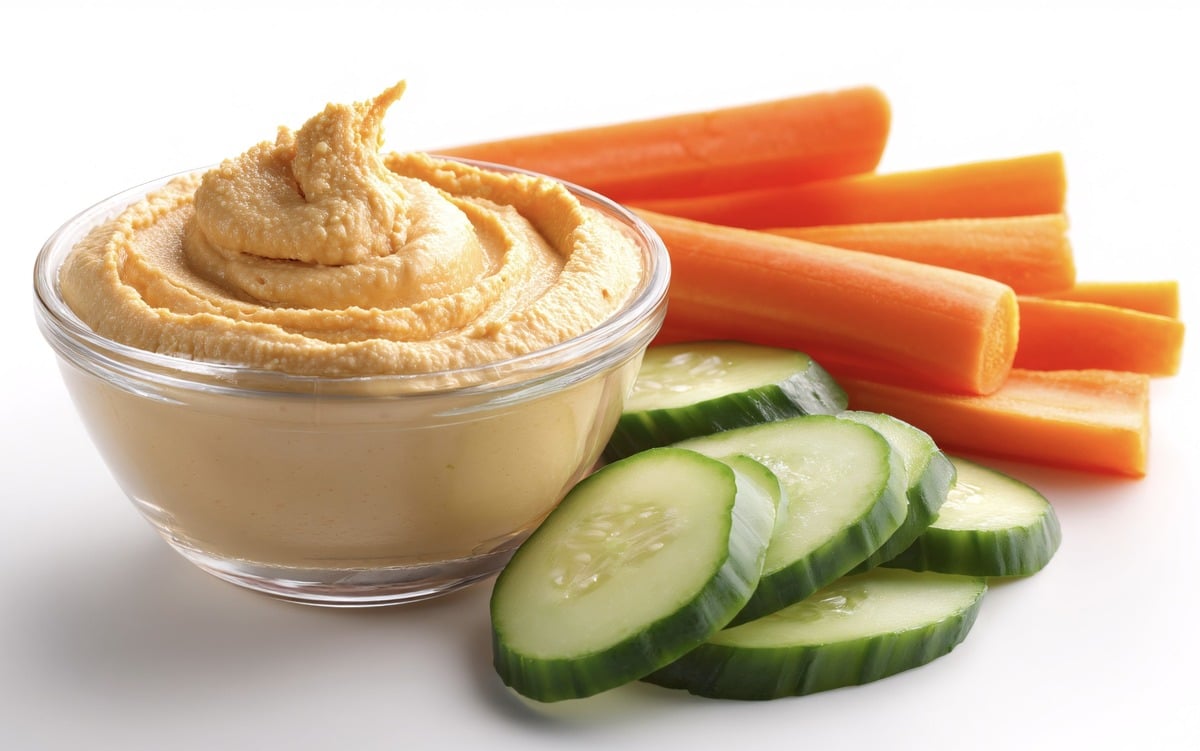
Pair these with a dip made from hung curd or homemade hummus, and you’ve created a snack that supports digestive health while keeping glucose levels stable.
- Baked Samosas with Vegetable Fillings
Who says you can’t enjoy your favorite treats while managing blood sugar? Traditional deep-fried samosas can be transformed into a diabetes-friendly snack simply by baking them and controlling the ingredients inside.
- Bake instead of fry: Eliminates excess oil that can impair insulin function and make the snack calorie-dense.
- Use wholewheat dough: Lowers the GI and adds fibre.
- Fill with low-GI vegetables: Think cauliflower (GI ~15), green peas (GI ~22), and methi — all of which reduce glycemic impact.
That’s exactly the kind of creative twist I love incorporating from Claudia’s Concept while preserving heritage Indian flavors.
- Stuffed Methi or Palak Paratha in Mini Portions
Leafy greens like methi (fenugreek) and palak (spinach) are rich in antioxidants and fibre. Turning them into mini wholewheat parathas makes for a balanced, low-GI option that feels indulgent without stepping over health boundaries.
- Use minimal fat for roasting: Ghee or cold-pressed mustard oil in moderation helps absorb fat-soluble vitamins while keeping glycemic load controlled.
- Pair with high-protein curd: Yogurt has a GI of only 14 and adds satiety.
Keeping the size small — roughly palm-sized — helps with portion control while still offering fullness and warmth that makes this snack so comforting.
- Idlis Made with Oats or Ragi Instead of Rice Batter
Rethink the humble idli. By replacing high-GI rice with ragi (GI ~64) or oats (GI ~44), you not only reduce blood glucose response but also improve mineral intake.
- Oats idli: Brings beta-glucans to the table, which slow glucose absorption and improve gut health.
- Ragiidli: Boosts calcium intake and contains tryptophan, which helps regulate appetite hormones.
Steam is your friend in low-GI cooking. It preserves nutrients and alters starch structure to lower glycemic response. Serve these with sambar — the lentils and spices lend even more glycemic control through protein and polyphenols.
Eating for blood sugar stability doesn’t mean giving up tradition. It means upgrading it strategically. The low-GI Indian snacks I’ve shared above are just the start of what’s possible when you understand your body and work with foods your culture already celebrates.
Sugar-Free Indian Snack Recipes You Can Try at Home
Looking to satisfy your hunger between meals without compromising your blood sugar levels? Here’s the good news — traditional Indian flavours can be enjoyed guilt-free, and I’ve crafted these recipes with that exact idea. At Claudia’s Concept, I always say: healthy doesn’t have to be bland. These recipes are full of robust spices, energising ingredients, and are naturally sweetened or entirely sugar-free — perfect for maintaining glycemic balance.
Homemade Sugar-Free Coconut Ladoos with Dates and Nuts
These luscious, no-sugar-added ladoos come together quickly and make a great post-meal treat or mid-morning bite. Rich in fibre, healthy fats, and minerals, dates provide natural sweetness without sharp blood sugar spikes. Almonds and walnuts pack protein and reduce the glycemic load of the snack.
- Ingredients: 1 cup grated fresh coconut, 8-10 soft Medjool dates (pitted), ¼ cup chopped almonds, ¼ cup chopped walnuts, 1 tsp cardamom powder
- Method: Blend dates into a sticky paste. Mix coconut, nuts, and cardamom powder into the paste. Roll into small balls. Refrigerate for 30 minutes before serving.
Clinical Nutrition Journal (2021) confirms that eating dates in moderate amounts does not lead to rapid glucose elevation, due to their low glycemic index and high fibre content.
Ragi Banana Pancakes Made Without Sugar
Ragi (finger millet) is a low glycemic, calcium-rich grain that’s excellent for sustained energy. Pairing it with banana means you’re using nature’s sweetness while reaping the benefits of potassium and prebiotic fibre.
- Ingredients: 1 cup ragi flour, 1 overripe banana, ¼ tsp cinnamon powder, ½ cup almond milk, pinch of salt, ½ tsp baking soda, ghee for cooking
- Method: Mash banana and mix with all ingredients to form a thick batter. Heat a pan with a few drops of ghee and pour ladlefuls of batter. Cook on both sides until golden.
According to a study published in the International Journal of Food Sciences and Nutrition, ragi’s polyphenol content helps in reducing postprandial blood sugars by slowing down digestion and carbohydrate absorption.
Sweet Potato Tikki with Chaat Masala
Sweet potatoes offer a delicate natural sweetness and come loaded with beta-carotene, soluble fibre, and complex carbohydrates. This makes them a wholesome alternative to starchy white potatoes. When seasoned with Indian spices, they become a delicious, low-GI snack.
- Ingredients: 2 medium boiled sweet potatoes (peeled), 2 tbsp chopped coriander, 1 finely chopped green chilli, 1 tsp cumin powder, 1 tsp chaat masala, pink salt to taste, 1 tbsp besan to bind
- Method: Mash all ingredients together and form small patties. Pan-sear on a non-stick skillet until crisp and golden.
Research from the University of Vienna illustrates how sweet potatoes induce a smaller rise in blood sugar post-meal compared to bread or rice, particularly when prepared with their skins and paired with fibre-rich spices and herbs like cumin and coriander.
Curd-Based Dips with Roasted Vegetables
Probiotic-rich curd not only supports gut health but also slows carbohydrate absorption when eaten with vegetables, keeping glycemic variability in check. Pairing it with roasted veggies turns it into a vibrant, nourishing snack.
- Dip Ingredients: 1 cup hung curd, 1 grated cucumber, mint leaves, roasted cumin powder, Himalayan salt
- Roasted Veggies: Carrot sticks, zucchini wedges, pumpkin cubes, and beetroot slices tossed in olive oil, salt, and pepper; baked at 180°C for 25 minutes
Data from the American Journal of Clinical Nutrition (2018) shows that adding probiotic dairy with fibre-rich vegetables significantly reduces insulin response to meals. Try having this in the late afternoon — it’s a Claudia’s Concept favourite to keep blood sugar steady through dinner.
Which of these snacks are you excited to try first? Remember, in the Claudia’s Concept way of living, food fuels vitality — it doesn’t have to restrict joy. Keep your snacks colourful, nutrient-dense, and rooted in mindful preparation. That’s the recipe for balance.
Smart and Healthy Snacking Habits to Keep Blood Sugar Stable
Smart snacking is one of the core principles I stress at Claudia’s Concept because it effortlessly bridges the gap between healthy eating and real-life cravings. In India, where food is deeply cultural and emotional, adopting a few strategic habits can transform the way you snack—without compromising on taste or tradition.
- Eat at Regular Intervals—Create Predictability for Blood Sugar
Timing is everything. Spacing your snacks and meals evenly across the day helps maintain insulin sensitivity and curbs unnatural blood sugar spikes. Aim for eating every 2.5 to 3 hours to ensure your body receives a steady supply of energy.
A 2019 study in the journal Diabetes Care showed that consistent meal timing improves both fasting glucose and glycaemic variability in type 2 diabetic patients. This means fewer post-snack sugar spikes and more balanced energy throughout the day.
- Hydrate Before You Reach for a Snack
Feel like snacking all the time? Sometimes what seems like hunger is actually dehydration in disguise. Before you reach for that bowl of roasted chana or makhana, drink a glass of water and wait ten minutes.
Science backs this habit. Research from the University of Washington suggested that even mild dehydration can cause a dip in concentration and a rise in cravings—especially for sugary, high-carb foods. At Claudia’s Concept, I often recommend starting each meal or snack decision with water first. Hydration is a silent hero in blood sugar regulation.
- Plan Ahead and Stock Smart
Think of your snack drawer as your first line of defense. Having healthy, low glycemic snacks within arm’s reach reduces the temptation to grab processed, sugar-laden options on a whim. Fill it with options like:
- Roasted Bengal gram in small sachets
- Portioned-out nut mixes with chia and pumpkin seeds
- Makhana tossed in turmeric and pink salt
- Homemade lentil chillas or oat-based energy balls stored in the fridge
When you’re prepared, you snack differently. You’re no longer reactive—you become intentional. And that shift is where the magic happens.
- Portion Like a Pro—Use Smaller Bowls and Plates
Visual cues influence how much we eat more than we realize. According to a study published in the journal Appetite, participants who used smaller plates served themselves roughly 22% less food without even noticing—they felt just as full.
In Indian households, where love is often measured in extra helpings, this tip becomes even more relevant. Use katoris instead of big bowls, and switch to medium-sized plates. Even for healthy snacks, portioning ensures you’re feeding your body without overwhelming your system with excess calories or carbs.
Healthy snacking is not a trend. It’s a daily ritual. With a few mindful tweaks—timing, hydration, planning, and portion control—you’ll feel the difference in energy, focus, and your glycaemic numbers. That’s what we aim for at Claudia’s Concept: practical strategies that honor both science and simplicity.
Diabetic-Friendly Doesn’t Mean Boring: Eat Smart, Live Fully
Whoever said living with diabetes means you have to give up on flavour, variety, or excitement in your food hasn’t explored the incredible range of healthy Indian snacks that are both nourishing and blood sugar-friendly. India’s culinary heritage is full of spices, textures, and ingredients that do more than just please your palate—they work in harmony with your body’s metabolism.
At Claudia’s Concept, we often remind our clients that choosing the right snacks isn’t about deprivation—it’s about empowerment. By turning to ingredients like roasted chana, sprouted moong, foxtail millet, and coconut flour, you not only regulate blood sugar but also get sustained energy without the crash. Just swap that namkeen packet for homemade roasted makhana tossed in ghee and turmeric, and you’ll feel the difference in your energy levels, mood, and even digestion.
Let Variety Be Your Secret Weapon
Bajra cutlets, soya tikki, spiced cucumber slices with flax seeds, or a handful of lightly salted almonds—your snack options are far from limited. Add to that fermented goodies like dosa made from mixed millets or besanchillas with paneer stuffing, and your snacking game moves beyond routine into gourmet territory. With India’s natural love for spices like cinnamon, fenugreek, and curry leaves—each with proven blood-sugar stabilising effects—your snacks can become daily acts of self-care.
Here’s a quick recap of snack choices we’ve discussed that keep blood sugar steady:
- High-fiber bases: Millets like jowar, rajgira, ragi
- Protein-rich choices: Boiled sprouts, paneer cubes, tofu skewers
- Healthy fats and crunch: Nuts, seeds, dry-roasted coconut
- Low-GI fruits and spices: Jamun, guava, cinnamon, turmeric
Build Smart Habits That Go Beyond the Plate
Balanced snacking is just part of the bigger picture. Your relationship with food improves dramatically when you combine smart food choices with mindful living. Regular movement, quality sleep, hydration, and stress management all play powerful roles in glucose control. This is exactly where holistic wellness, like we focus on in Claudia’s Concept, blends eastern traditions and modern science for real, sustainable change.
Before making any major dietary changes, always connect with your healthcare provider to align your personal health needs with your nutrition choices. Then dig in—because with the right foods in your kitchen, you’re not just managing diabetes, you’re thriving.
So, what’s your favourite guilt-free Indian snack? Try something new today and celebrate the vibrant side of healthy living.