
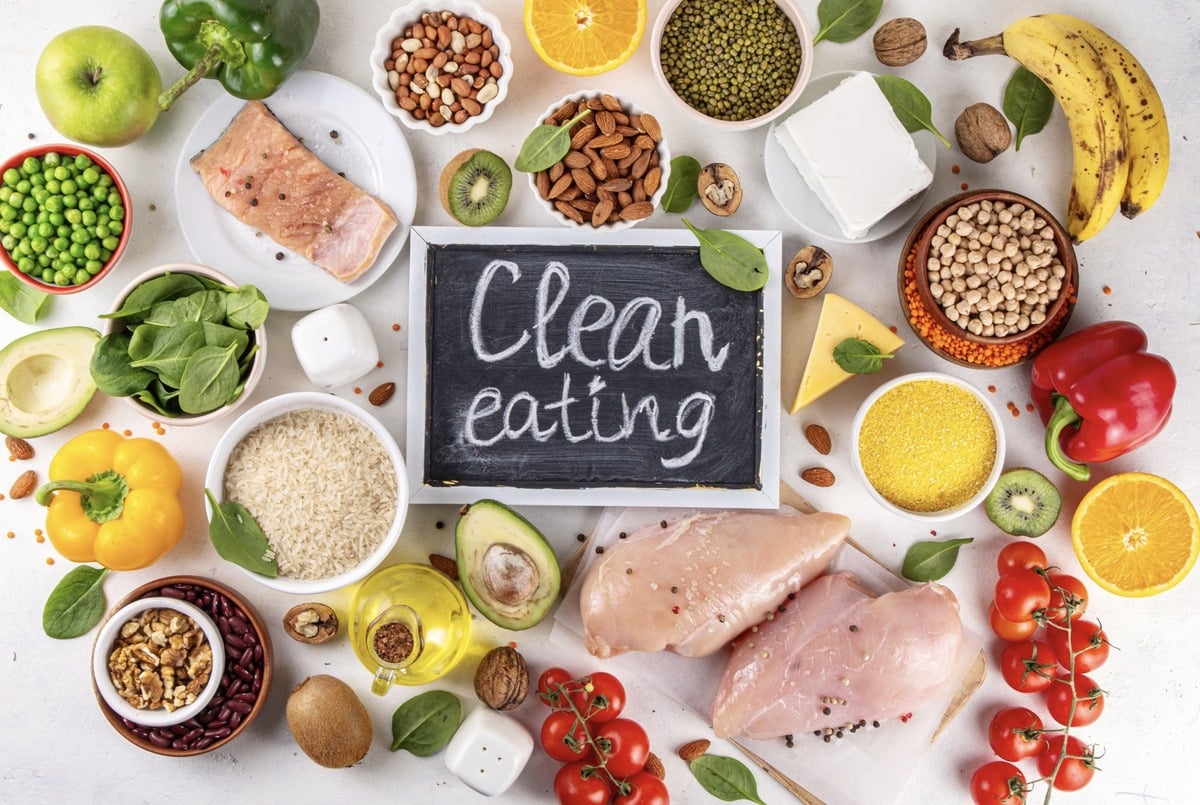
Ever picked up a menu promising “clean food” and wondered what that actually means? Clean eating isn’t just another buzzword tossed around in trendy cafes—it’s a mindful approach to nourishing your body, rooted in real food, transparency, and balance. At its core, clean eating means choosing whole, minimally processed foods, steering clear of artificial additives, and focusing on nutrient-rich meals that support long-term wellness. This isn’t about restrictive dieting; it’s about deeply respecting what you feed your body.
This concept first gained traction in the 1960s through the natural food movement, later evolving in the 1990s fitness circles where athletes began emphasizing unprocessed, high-performance nutrition. Over the past decade, social media has pushed clean eating into the mainstream—but at Claudia’s Concept, we’re bringing it back to basics. We look beyond the Instagram filters and dive into the real science behind making healthier, cleaner food choices that fuel your life rather than restrict it.
As health challenges like obesity, diabetes, and inflammatory diseases surge across urban populations, prioritising clean, nutrient-dense foods has never been more essential. Clean eating isn’t a luxury or a passing phase—it’s a foundational wellness strategy. With Claudia’s Concept, we show you exactly why eating clean produces better energy, clearer skin, improved digestion, and sharper focus. Ready to explore how clean eating can upgrade your life? Let’s begin.
The Core Principles of Clean Eating
Clean eating is not a trend—it’s a return to the basics. When you strip away the marketing noise and fancy packaging, you’re left with what’s real: whole, nourishing foods that fuel your body the way nature intended. At Claudia’s Concept, we believe that clean eating is the cornerstone of sustainable health. Let’s explore the core principles that make up this powerful approach to nutrition.
Emphasis on Whole, Minimally Processed Foods
The foundation of clean eating lies in choosing foods that are either in their natural state or have undergone minimal processing. A growing body of scientific evidence links ultra-processed foods with a higher risk of obesity, heart disease, type 2 diabetes, and even depression. According to a 2023 study published in BMJ, individuals who consumed the most ultra-processed foods had a 24% higher risk of cardiovascular events compared to those who consumed the least.
So what does “minimally processed” really mean? Think of fresh fruits, raw nuts, plain yogurt, or rolled oats—foods that haven’t lost their inherent nutrients. Choosing these ensures that you’re feeding your body with unaltered sources of vitamins, minerals, and fiber rather than chemicals and empty calories.
Focus on Fruits, Vegetables, and Whole Grains
Loading your plate with colorful vegetables, fresh fruits, and hearty whole grains is non-negotiable in clean eating. These foods are nutrient-dense, high in fiber, and bursting with antioxidants. For example, one cup of cooked quinoa contains more than 8 grams of protein and all nine essential amino acids. That’s a complete protein source from a plant—impressive, isn’t it?
Fruits and vegetables, especially when consumed raw or lightly steamed, contribute significantly to your daily intake of vitamins like C and K, as well as beneficial phytonutrients. Whole grains—such as brown rice, barley, millet, and buckwheat—support steady energy release and gut health. At Claudia’s Concept, we guide clients to rotate their grains weekly, not only for variety but to improve their microbiome diversity.
Avoidance of Artificial Ingredients and Preservatives
Chemical additives, synthetic dyes, artificial sweeteners, and preservatives have no place in clean eating. The goal is simple: if you can’t pronounce it, don’t eat it. Ingredients like butylated hydroxyanisole (BHA) and aspartame have raised red flags in scientific research. For instance, a report from the National Toxicology Program highlighted potential carcinogenic effects of BHA in high doses.
Clean eating chooses purity over preservation. Foods should nourish, not manipulate your taste buds or prolong unnatural shelf-life. Scan your pantry—do you know what’s in your snack bars or sauces? Real food doesn’t need to hide behind a long list of lab-made ingredients.
Balanced Meals Made from Nutritious, Natural Sources
Every meal is an opportunity to support your well-being. Clean eating doesn’t mean restriction—it means composition. Build your plate around quality sources of protein (like lentils, eggs, or grilled chicken), healthy fats (such as avocado, nuts, or cold-pressed oils), and complex carbohydrates (think sweet potatoes or whole rye bread). And remember: meals should also cater to satisfaction, not just satiety.
Balance is key. According to a comprehensive meta-analysis published in The Lancet, diets rich in unrefined plant foods and low in processed items led to a 22% reduction in all-cause mortality. That’s transformative data.
At Claudia’s Concept, we teach our clients how to create plates that are not only nutrient-rich but also visually appealing and flavorful. Because when food looks good and tastes great, eating clean feels like a luxury—not a chore.
So, are your meals clean, balanced, and vibrant? Or do they need an upgrade? Start by examining your next plate, and let your food be a reflection of your health goals.
The Real Benefits of Clean Eating You’ll Notice Right Away
Improved Overall Health and Wellness
When you shift to clean eating, the body undergoes a powerful transformation. You’re giving it whole, natural foods that deliver essential nutrients just the way nature designed them—uncompromised, unaltered, and free from chemical intrusions. At Claudia’s Concept, we focus on nutrition strategies grounded in real science, and clean eating is foundational for building long-term health.
Clinical research backs this up. A comprehensive 2018 review published in the British Journal of Nutrition found that diets built around whole foods—particularly fruits, vegetables, nuts, legumes, and lean proteins—correlate with significantly lower rates of cardiovascular disease and type 2 diabetes. Simply put, when your cells receive the right fuel, your immune system stabilizes, inflammation goes down, and organ function improves.
Boosted Energy Levels and Mental Clarity
Ever noticed how sluggish one feels after a processed meal? That foggy brain, the dip in energy—it’s often the result of refined sugars and unhealthy fats interrupting your body’s hormonal balance. Clean eating swaps these culprits for slow-digesting complex carbohydrates, omega-3s, and natural fibre, creating a steady flow of energy throughout the day.
In fact, studies in the journal Nutrients show that a diet rich in omega-3 fatty acids, B-vitamins, and antioxidants enhances cognitive function and improves mental performance. When you nourish your brain with the right combination of micronutrients, concentration sharpens, memory retention strengthens, and your mood becomes more stable.
Weight Management and Fat Loss
People often associate clean eating with weight loss—and that’s accurate when it’s approached correctly. By eliminating hidden sugars and highly processed foods, you remove the primary triggers of fat storage. Instead, you prioritise foods with high satiety indices—like oats, legumes, eggs, and lean meats—that naturally reduce hunger cues.
A landmark study published in Cell Metabolism in 2019 confirmed that individuals on unprocessed diets consumed approximately 500 fewer calories per day compared to those on ultra-processed diets. No calorie counting, no deprivation—just real food and solid results.
At Claudia’s Concept, clients frequently report consistent fat loss, even when they’re eating more volume of food. Why? Because clean eating shifts your hormonal landscape to favour fat burning.
Better Digestion and Absorption of Macronutrients
Digestion is not just about what you put in your mouth—it’s about how well your body breaks it down and absorbs it. Clean eating introduces high-fibre foods that feed your gut microbiome while reducing the intake of fibre-depleting preservatives and artificial agents.
Why does this matter? Fibre from natural sources like vegetables, legumes, seeds, and fruits promotes the growth of good bacteria, which regulate everything from stool consistency to nutrient absorption and even serotonin production. A 2020 study in the journal Gut Microbes found that increased dietary fibre improves microbial diversity, leading to better digestion and less bloating.
Reduced Risk of Chronic Diseases
One of the most compelling reasons people adopt clean eating is to protect their future health. Decades of epidemiological studies support this. Whole food diets, abundant in phytonutrients and antioxidants, are strongly linked to lower incidences of heart disease, stroke, hypertension, and type 2 diabetes.
Researchers in the Harvard School of Public Health concluded that people who adhere to a clean-style diet—including high intake of vegetables, nuts, whole grains, and healthy fats—reduced their risk of cardiovascular disease by 31% over 20 years. When you reduce oxidative stress and insulin resistance through dietary choices, this is the outcome you can expect.
Clean eating isn’t just about eating well today—it’s about ensuring vitality for years to come. That’s the lifestyle we aim to build through Claudia’s Concept.
Whole Foods vs. Processed Foods: Making the Right Choices for Clean Eating
Whole Foods: The Foundation of Clean Eating
Whole foods are the untouched heroes of clean eating. They come from nature, not from a factory, and they retain their original form without added chemicals or artificial processing. Think vibrant vegetables, juicy fruits, hearty legumes, unprocessed grains, lean cuts of meat, and pasture-raised eggs. These are foods rich in fibre, minerals, antioxidants, and phytochemicals — the elements your body thrives on.
When I talk about clean eating with my clients at Claudia’s Concept, we always start by anchoring their diets in whole foods. For example:
- Fruits and vegetables like spinach, apples, berries, and sweet potatoes are loaded with micronutrients that support cellular health.
- Legumes such as lentils, chickpeas, and black beans offer plant protein and stabilise blood sugar levels.
- Whole grains like quinoa, brown rice, and oats provide sustained energy and contribute to gut health through insoluble fibre.
- Lean proteins such as chicken breast, wild-caught fish, tofu, and eggs repair muscle tissue and support immunity.
These choices aren’t just nutritious — they empower you. Opting for real food bolsters your energy levels, sharpens your focus, and promotes long-term vitality.
What Are Processed Foods and How to Spot Them
Processed foods are those that have been altered from their natural state for convenience, shelf-life extension, or taste enhancement. While not all processed items are harmful (frozen peas still count as clean!), ultra-processed foods are the real concern. These include packaged snacks, sugary cereals, ready-made meals, and even many “diet” or “health” bars.
So how can you tell if you’re dealing with a processed product?
- Check the ingredient list — the longer and more unrecognisable it is, the more processed the item.
- Watch for added sugars, artificial sweeteners, preservatives, hydrogenated oils, and colour additives.
- Packaging itself can give clues — if it needs a flashy label to prove it’s “healthy,” take a closer look.
The Real Health Cost of Ultra-Processed Foods
Overconsumption of ultra-processed foods isn’t just a dietary issue, it’s a health crisis. A 2019 study published in BMJ tracked over 100,000 participants and found that every 10% increase in ultra-processed food intake was associated with a 12% higher risk of cancer. Another large-scale study in the journal Public Health Nutrition revealed a direct correlation between processed food consumption and obesity, metabolic syndrome, and cardiovascular disease.
Why does this happen? These products are usually energy-dense but nutrient-poor. They drive up inflammation, disrupt gut microbiota, spike blood sugar, and fail to provide satiety, leading to overeating. Unlike whole foods that work in harmony with your body, ultra-processed foods work against it.
Simple Clean Swaps You Can Start Today
At Claudia’s Concept, we don’t focus on restriction, we focus on smart, sustainable swaps. Here are some practical changes that align beautifully with clean eating principles:
- Substitute sugary breakfast cereals with a bowl of steel-cut oats topped with banana and cinnamon.
- Replace soda or packaged juice with infused water or cold-pressed vegetable juice.
- Swap white bread and pasta for 100% whole grain versions or try lentil pasta for added protein.
- Instead of packaged snacks, enjoy roasted chickpeas, raw nuts, or a boiled egg and fruit for clean fuel.
These transitions aren’t just subtle improvements. They create powerful momentum over time — reducing inflammation, stabilising insulin, and re-educating your taste buds to crave real, nourishing food. When you start making these changes consistently, your body remembers what it means to feel truly energised and balanced.
Want help building a clean eating structure that actually works in your daily life? Explore the customised programs at Claudia’s Concept — where long-term change meets real-world guidance.
Clean Eating Grocery List: What to Buy
Let the Grocery List Define Your Lifestyle
Clean eating doesn’t begin in the kitchen—it starts in the grocery store. What lands in your shopping cart will either nourish your body or derail your goals. I always say, your health is a direct reflection of your daily choices, and that includes how you shop. At Claudia’s Concept, we guide you to stock your home with ingredients that help you eat clean effortlessly, joyfully, and consistently.
Essential Clean Food Staples
Let’s walk through exactly what to buy. This list is your clean eating arsenal. Every item supports optimal health and fits seamlessly into recipes you’ll love preparing and sharing.

Fresh Fruits and Vegetables
These are the foundation of clean eating. Buy organic when possible, especially for produce on the Environmental Working Group’s Dirty Dozen list, like strawberries, spinach, and apples. For maximum nutrient variety, shop the rainbow:
- Dark leafy greens: kale, spinach, arugula, Swiss chard
- Cruciferous vegetables: broccoli, cauliflower, Brussels sprouts
- Root vegetables: carrots, beets, sweet potatoes
- Fruits: berries (high in antioxidants), citrus fruits, apples, bananas, and stone fruits
Fun fact: A 2020 review published in the British Journal of Nutrition confirmed that higher fruit and vegetable intake directly correlates with reduced risks of cardiovascular disease and improved mental wellbeing.
Whole Grains
Whole grains digest slowly, regulate blood sugar, and keep you full. Unlike refined grains, they retain the bran, germ, and endosperm—meaning they hold onto their fiber, B-vitamins, and essential minerals.
- Quinoa: rich in complete protein and magnesium
- Brown rice: low-glycemic and gluten-free
- Oats: high in beta-glucan, which supports cholesterol balance
- Millet and buckwheat: gluten-free and great for porridge or side dishes
Lean Proteins
Every cell in your body depends on protein for repair, hormone production, and immune defense. Clean sources matter because they carry fewer additives and retain more nutrients.
- Free-range chicken: lean and versatile
- Wild-caught fish: like salmon and sardines—rich in omega-3s
- Legumes: black beans, chickpeas, and lentils offer plant-based protein with fiber
- Organic tofu and tempeh: particularly good for vegetarians or vegans following Claudia’s Concept
Healthy Fats
Fat is not the enemy—processed fats are. Clean eating embraces fats that protect your brain and support glowing skin and hormonal stability. Choose sources that are close to their natural state:
- Avocados: potassium-rich and inflammation-fighting
- Nuts: almonds, walnuts, cashews (preferably raw and unsalted)
- Seeds: chia, flax, sunflower, and pumpkin seeds
- Extra virgin olive oil: best used cold or at low heat due to its delicate nature
Researchers at Harvard’s T.H. Chan School of Public Health showed that unsaturated fats from nuts and oils lower the risk of heart disease when they replace trans fats or refined carbs.
Clean Snacks and Pantry Staples
Your pantry should be prepared for quick bites and simple seasoning. These staples help you whip up clean meals without resorting to ultra-processed short cuts.
- Nut butters: check labels—there should be 1–2 ingredients, max.
- Dried beans and lentils: affordable, shelf-stable protein
- Whole grain crackers and rice cakes: opt for those made with whole ingredients and no preservatives
- Herbs and spices: turmeric, cumin, basil, cayenne—enhance flavor and fight inflammation
- Natural sweeteners: raw honey, maple syrup, and dates in moderation
How to Shop the Perimeter of the Grocery Store
There’s a simple strategy I teach clients at Claudia’s Concept: stay on the outer edge of the store. That’s where you’ll find produce, fresh meats, dairy alternatives, and eggs. The center aisles generally house processed foods, so dip into those only with purpose—say, to grab oats or dried beans.
Build your list before you go, shop with intention, and think like a clean eater before you even cook. What goes into your shopping bag shapes what ends up on your plate—and ultimately, how you feel in your own skin.
Hydration & Clean Eating: Why Water Is Your Ultimate Wellness Ally
When we talk about clean eating, hydration doesn’t always get the spotlight it deserves—but it absolutely should. At Claudia’s Concept, we’ve seen over and over again how staying well-hydrated amplifies the benefits of clean nutrition. It’s not just about drinking water—it’s about how fluids power your digestion, metabolism, energy, and even mood.
Hydration: The Unsung Hero of Digestion and Nutrient Absorption
Let’s start with the basics. Your body is over 60% water, and every system within it relies on hydration to function efficiently. Proper hydration is especially crucial when you’re eating whole, fiber-rich foods typical of a clean diet. Why? Because water helps break down that fiber and facilitates smooth digestion.
Scientific data backs this up. According to a study published in the European Journal of Clinical Nutrition, adequate water intake improves gastrointestinal transit and ensures effective nutrient absorption at the cellular level. Without this, even the cleanest food can’t deliver on its promises.
Think about this the next time you’re sipping a glass of water with your quinoa salad or green smoothie—you’re not just staying hydrated, you’re aiding every bite to do its job effectively.
Hydration Fuels Your Metabolism and Boosts Energy Levels
Clean eating enhances energy, but hydration is the gear that keeps your internal engine running smoothly. Even mild dehydration—losing as little as 1-2% of your body’s water—can negatively impact your metabolism, cognitive performance, and physical stamina.
A research piece in the journal Nutrition Reviews confirms that water-induced thermogenesis, or the body’s process of producing heat from water intake, can increase metabolic rate by up to 30% in healthy individuals. That’s an easy and effective way to support your weight management goals—just by hydrating regularly.
At Claudia’s Concept, we coach our clients to begin and end their day with water, not as a task, but as a form of internal renewal. This habit alone often changes how clients feel within days—more alert, less sluggish, and consistently energized.
Clean Hydration Choices: Beyond Plain Water
If you’re not a fan of plain water, don’t worry—clean hydration comes in beautiful, diverse forms. Let’s explore a few options that align with clean eating values and offer functional health benefits:
- Herbal teas: Naturally caffeine-free varieties like chamomile, peppermint, or rooibos support digestion and calm inflammation without any added sugars.
- Coconut water: Packed with potassium and electrolytes, this is a natural rehydration choice post-workout or during high-heat days.
- Infused water: Fresh slices of cucumber, mint, lemon, ginger, or berries add powerful antioxidants and encourage frequent sipping throughout the day.
Each of these options aligns with clean eating principles because they’re free from artificial colors, added sugars, or preservatives.
Curious to know if you’re actually drinking enough? Here’s a quick check-in: If you’re eating a high-fiber, plant-rich clean menu and still feeling tired, bloated, or experiencing cravings, it may be hydration calling for attention. Try tracking your daily intake for a few days and notice the change in your energy, digestion, and even mood.
Hydration isn’t separate from clean eating—it’s central to it. When water flows consistently through your day, every system receives the support it needs. At Claudia’s Concept, we treat hydration as a non-negotiable in any clean eating plan. Your body will thank you with clarity, vitality, and balance.
Sustainable and Mindful Eating Practices: A Conscious Approach to Clean Eating
Eating clean isn’t just about what’s on your plate—it’s about how it gets there, how much of it you really need, and how you engage with your food. At Claudia’s Concept, I guide clients not only toward nourishing food choices but also toward sustainable habits that support both personal well-being and planetary health. Let’s dive into the essential practices that make clean eating truly holistic.
Eating Locally and Seasonally: Know Your Farmer, Know Your Food
Choosing locally sourced and seasonal foods brings unmatched freshness and flavor, while reducing your carbon footprint. When produce travels shorter distances, it’s harvested closer to peak ripeness—meaning it’s more nutrient-dense. For instance, vitamin C in spinach can decrease by nearly 50% within just a week of harvest when it’s not stored properly during transport.
In India, eating seasonal also aligns with the Ayurvedic principle of living in sync with nature. Summer melons cool the body, monsoon greens flush out toxins, and winter root vegetables provide warmth. This natural cycle supports the body’s needs with remarkable precision. So visit your neighborhood farmer’s market, speak to producers, ask questions—your clean eating journey becomes richer when you connect with your food source.
Reducing Food Waste Through Smart Meal Planning
Nearly one-third of the food produced globally—around 1.3 billion tons annually—gets wasted, as reported by the Food and Agriculture Organization (FAO). Reducing this waste starts in our own kitchens. Meal planning is one of the most effective ways to prevent overbuying and underutilizing food.
- Start each week with a clear plan based on ingredients you already have.
- Repurpose leftovers creatively: last night’s roasted vegetables become today’s Buddha bowl.
- Use your freezer strategically—portion, store, and rotate to reduce spoilage.
At Claudia’s Concept, I encourage clients to treat their fridges like curated pantries—everything visible, fresh, and waiting to nourish. Being intentional reduces waste while saving time and money.
Mindful Eating: Slowing Down to Nourish Deeply
Mindful eating means being present during meals, tuning into hunger cues, and savoring every flavor and texture. It’s a practice rooted in psychology and physiology. In a 2014 study published in Appetite, participants who practiced mindful eating reduced their binge-eating episodes by over 60% in just six weeks.
Here’s how to introduce mindful eating into your day:
- Put down your phone—those emails can wait.
- Chew slowly. Pay attention to texture, aroma, and flavor shifts.
- Pause mid-meal to ask: “Am I truly still hungry?”
- Appreciate the story behind your food: where it came from, how it was grown, who prepared it.
This reconnection enhances satisfaction. When you eat with intention and attention, your body digests better, and you’ll find yourself more in tune with what truly nourishes you—physically and emotionally.
Eco-Friendly Choices That Align With Clean Eating
Making environmentally-conscious food choices doesn’t require complex changes—small shifts can have lasting impact. Plant-forward meals, for example, use fewer resources to produce, helping to lower greenhouse gas emissions. The EAT-Lancet Commission suggests increasing plant-based consumption to support both human health and environmental sustainability.
Here are everyday swaps that align clean eating with eco-conscious living:
- Choose legumes, nuts, seeds, and whole grains over processed animal products.
- Limit single-use plastics—opt for cloth produce bags and stainless-steel lunch boxes.
- Seek out brands and producers committed to organic, regenerative farming.
- Compost organic waste to return nutrients to the soil.
Through Claudia’s Concept, I work with clients to personalize sustainable routines that fit naturally into daily life. Clean eating is not just a diet—it’s a lifestyle that honors both body and planet, and it begins with conscious choices at every meal.
Ready to Start Clean Eating? Here’s How to Begin with Confidence
Start Small, Grow Steady
Clean eating isn’t about overhauling your entire kitchen overnight—it’s about building habits that stick. The most successful transformations begin with one simple step: a conscious choice to fuel your body with purpose. Maybe today you swap out refined snacks for a fresh fruit platter or replace sugary beverages with infused water. These small, deliberate decisions form the foundation of a lifelong wellness journey.
Through Claudia’s Concept, I consistently advocate for sustainable progress over perfection. A common question I hear is, “Where do I even begin?” My answer: right where you are. Look into your pantry, read a food label, visit a local farmers’ market, or cook one meal at home using fresh, whole ingredients. That’s already clean eating in motion.
Transitioning From Processed to Whole Foods
Rewiring taste preferences and upgrading kitchen staples might sound intimidating—but it’s absolutely achievable. Begin by gradually reducing ultra-processed foods that dominate the typical diet. According to a 2022 study in the BMJ, over 57% of the average adult’s caloric intake in developed countries comes from ultra-processed food sources. These include ready meals, packaged snacks, and high-sugar cereals—often engineered to promote overconsumption and long-term health issues.
To reverse that trend, focus on substituting rather than restricting:
- Swap white rice for quinoa, amaranth, or brown basmati rice.
- Replace sugary cereals with hand-mixed homemade muesli loaded with nuts and fruits.
- Choose nut butters with one ingredient—just nuts—over heavily sweetened spreads.
- Shift to plain Greek yogurt topped with berries and cinnamon, instead of flavored versions pumped with sugar and stabilizers.
This shift isn’t about deprivation—it’s about choice, awareness, and nourishment. And the body responds quickly to whole foods. Within weeks, clients tell me they begin to crave vibrant, fiber-rich meals instead of energy-draining processed picks. That’s the brilliance behind building habits the Claudia’s Concept way: aligned with science yet rooted in everyday reality.
The Essentials for Sustainable Success
If you remember just a few key principles for long-term clean eating success, let them be these:
- Prioritise plants: A colorful variety of fruits and vegetables should make up at least half of your plate, as recommended by the World Health Organization for disease prevention and optimal metabolic health.
- Focus on food quality: Choose ingredients with minimal or no processing. The fewer human-made additives, the better.
- Balance macros: Every meal should include a healthy mix of complex carbohydrates, protein (plant-based or lean animal sources), and healthy fats to promote stable energy and satiety.
- Hydrate with intention: Water supports every cellular function in your body. Aim for 30–35ml per kg of body weight—more if you’re active or live in a hot climate.
- Get organized: Weekly meal planning reduces decision fatigue, prevents random snacking, and keeps your nutritional goals on track.
Your Journey Starts Today
You don’t need a perfect plan before taking your first step. What you need is curiosity and a willingness to experiment. Clean eating is not a restrictive regime—it’s a powerful act of self-respect and care. Listen to your body. Tune in to how different foods make you feel throughout the day—energised, bloated, focused, or sluggish—these signals guide your personalized clean path.
If you’re ready to begin, explore our resources in the next section. We’ve included a printable clean grocery list, a daily checklist to keep you on track, and my top recommendations for books and websites that align with the evidence-based approach I follow at Claudia’s Concept. Let’s make clean nutrition not just a trend, but your trusted lifestyle for years to come.