
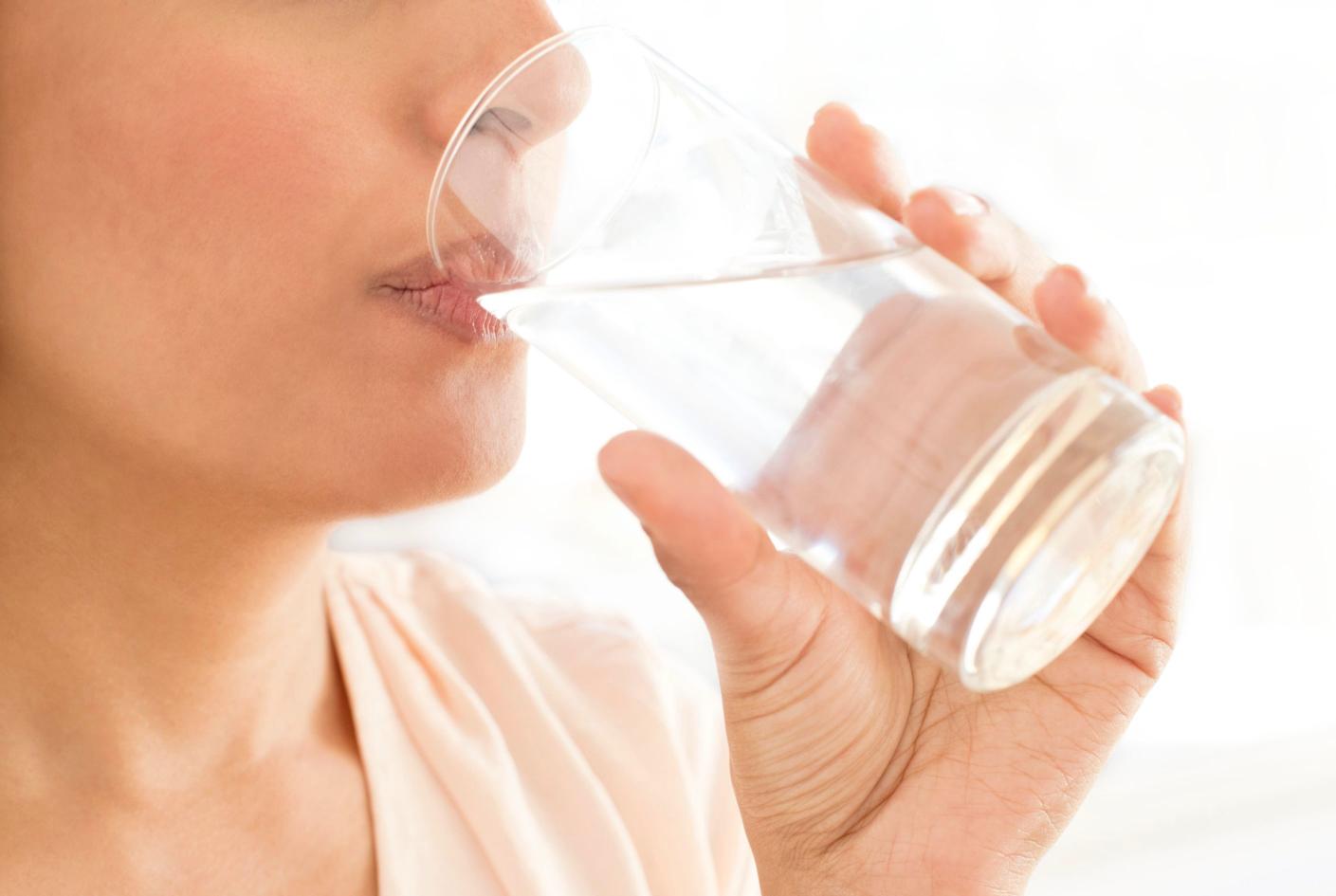
You’ve likely heard that water is life — and it’s not just a catchy phrase. Our bodies are made up of approximately 60% water, and this vital fluid powers nearly every function within us. From transporting nutrients and maintaining cellular structure to ensuring smooth communication between enzymes and hormones, hydration is the invisible engine that keeps your metabolism running efficiently. When I work with clients at Claudia’s Concept, I always emphasise that fat loss doesn’t begin with a fancy supplement or trendy diet — it starts at the cellular level, and water is central to that conversation. Hydrated cells function better. The liver, our key detoxifying organ, relies on enough water to metabolise fat efficiently, while kidneys need hydration to filter out toxins and regulate fluid balance. Even your muscles, which generate heat and burn calories during workouts, depend on water to sustain performance and recovery. So, how exactly does water influence fat burning and detoxification? Let’s dive into the science and discover how simply sipping more can lead to cellular-level transformations.
Hydration and Metabolism: The Foundation of Fat Loss
How Water Supports Metabolic Efficiency
Metabolism isn’t just a buzzword—behind every calorie burned lies a sophisticated network of chemical reactions, all of which begin with one critical element: water. At a cellular level, water acts as a transport medium, delivering nutrients into cells and filtering waste products out. But its role in energy production is even more fundamental. Inside our mitochondria—the cellular powerhouses—water is involved in hydrolysis reactions, which are essential for breaking down food into usable energy. Without adequate hydration, this energy conversion slows down, directly reducing the rate at which your body burns calories. A 2016 study published in Frontiers in Nutrition showed that even mild dehydration (about 2% loss in body weight from fluid) impairs metabolic function and physical performance, decreasing energy expenditure.
Connection Between Hydration Levels and Basal Metabolic Rate
Your basal metabolic rate (BMR) determines how many calories you burn at rest, and yes—hydration influences it. Researchers from the University of Utah found that individuals who were properly hydrated had higher BMRs compared to those mildly dehydrated. This is partly due to the thermic effect of water intake, which increases sympathetic nervous system activity and boosts calorie burn. According to a 2003 study in the Journal of Clinical Endocrinology & Metabolism, drinking 500 mL of water increased metabolic rate by approximately 30% within 10 minutes, peaking at 30–40 minutes after ingestion. The energy required to warm the water and facilitate cellular processes adds up, contributing to long-term fat loss when practiced consistently.
Role of Water in Cellular Energy Production
At Claudia’s Concept, we emphasise cellular health as the core of sustainable fat loss. Without water, cells struggle to maintain their internal machinery. ATP, the molecule responsible for energy transfer, is hydrolysed in water—no water, no energy. This directly impacts how effectively your body transforms macronutrients into fuel. Inside every cell, enzymes depend on optimal hydration to function. Enzyme activity drops drastically if cells are dehydrated, and this spells trouble not just for energy production but for overall metabolic rate. A well-hydrated cell is an energetic cell—this is the foundation of fat-burning physiology. Are you drinking enough to support your metabolism? When hydration becomes intentional, not just habitual, the body responds with more energy, faster fat utilisation, and efficient detoxification. That’s exactly the kind of metabolic reset we design at Claudia’s Concept.
How Water Supports Fat Breakdown: The Science Behind Lipolysis
Understanding Lipolysis: Turning Stored Fat into Usable Fuel
Fat loss isn’t just about counting calories—it’s a biochemical process. One critical step in that process is lipolysis, the body’s method of breaking down triglycerides stored in fat cells into usable energy. Here’s how it works: when your body senses an energy deficit, hormonal signals like epinephrine trigger enzymes (notably hormone-sensitive lipase) to initiate lipolysis. This reaction disassembles fat molecules into two main components—glycerol and free fatty acids—which then enter your bloodstream and fuel your organs, muscles, and even your brain.
Now, here’s the part most people miss—water is essential for this fat-splitting process. At Claudia’s Concept, we view hydration not just as a wellness ritual but as a biochemical necessity for effective fat loss. Without sufficient water intake, lipolysis can’t run optimally, no matter how perfect your diet is.
Water’s Direct Involvement in Fat Metabolism
Let’s break this down. During lipolysis, triglycerides react with water molecules in a process known as hydrolysis. Each fat molecule (triglyceride) needs to be hydrolyzed into glycerol and free fatty acids before your body can burn it for energy. That reaction quite literally requires water molecules to proceed. Without them, the chain stalls. No water, no fat breakdown.
- Chemistry of Lipolysis: Triglyceride + 3 H2O → Glycerol + 3 Fatty Acids
- Enzyme Activity: Lipase enzymes require a hydrated environment to function efficiently
- Cellular transport: Water supports the movement of free fatty acids through the bloodstream to mitochondria where they are oxidized
Dehydration—and the Silent Sabotage of Fat Burning
People often underestimate the metabolic consequences of mild dehydration. Even a 1–2% drop in body water can impair physical and cognitive performance, but there’s more—studies published in the Journal of Clinical Endocrinology and Metabolism show that suboptimal hydration also leads to lower rates of lipolysis. In dehydrated states, the hormonal environment shifts—cortisol may rise, and lipase activity slows down. The outcome? Fat remains locked in your adipose tissues, stored for another day that never comes.
At Claudia’s Concept, we focus on aligning hydration habits with metabolic goals. Consistent water intake doesn’t just keep you refreshed—it ensures that fat breakdown isn’t put on pause. No guesswork—just science-backed strategy supporting your healthiest body.
Think about your daily water habits. Are you supporting your body’s natural fat-burning mechanism? Or silently slowing it down?
How Water Intake Calms Cravings and Supports Satiety
Drinking Water Before Meals Reduces Calorie Intake
One of the simplest yet most effective strategies I recommend at Claudia’s Concept is drinking water 20–30 minutes before meals. Why? Because it helps prime the body and mind for proper portion control. A randomized controlled trial published in Obesity (2010) found that adults who drank approximately 500 ml of water before each main meal consumed 13% fewer calories compared to those who didn’t. Over a 12-week period, participants lost more weight—not because they restricted food groups or counted every bite, but because they harnessed the natural appetite-suppressing effects of water.
This isn’t just about filling the stomach—it’s about enhancing satiety signals. When the stomach stretches slightly from the water, pressure receptors send messages to the brain via the vagus nerve, promoting the sensation of fullness even before the first bite. That’s the power of hydration used intentionally.
When Thirst Masquerades as Hunger
Have you ever reached for a snack mid-afternoon, only to realize later it wasn’t true hunger but a craving? This confusion between thirst and hunger is more common than most people realise. The hypothalamus, the part of the brain that regulates both appetite and fluid balance, sometimes mixes up the body’s cues—especially when hydration is chronically low. As a result, what feels like “hunger” might simply be a request from your cells for more hydration.
At Claudia’s Concept, I help clients become more attuned to these internal cues. One effective habit: when you feel a craving, drink a full glass of water first and wait ten minutes. Clients are often amazed at how often the craving vanishes completely. Learning to decipher these signals helps you stay ahead of unnecessary snacking while supporting natural fat burning rhythms.
Scientific Evidence Backing Water’s Appetite-Suppressing Effects
The science is robust. A study in the journal Appetite (2014) demonstrated that people who consumed water before meals reported significantly lower hunger scores and reduced caloric intake at those meals. Moreover, another study published in The American Journal of Clinical Nutrition (2008) found that water-induced satiety works especially well in middle-aged and older adults, who may have diminished thirst cues but increased risk of overconsumption.
These findings are central to fat loss strategies that don’t rely on restriction but on recalibrating the body’s natural systems. When hydration is optimised, the hormone ghrelin—known as the ‘hunger hormone’—is better regulated, which supports effortless calorie moderation.
Enhancing Satiety with Water-Rich Foods
Incorporating more water-dense foods into your meals isn’t just good for hydration—it’s also a powerful appetite management tool. Foods like cucumbers, tomatoes, watermelon, oranges, zucchini, and leafy greens contain over 90% water. When included in meals, they increase meal volume without increasing calorie load. This gives you the psychological satisfaction of eating a full plate while physically supporting fullness through their high water content.
Research featured in the journal Nutrition Reviews (2009) confirms that meals rich in water-dense foods—like soups, salads, and fruits—lead to significantly reduced overall energy intake. That’s why structured meals following Claudia’s Concept never skip these essentials. They’re not fillers—they’re functional tools for natural appetite control.
Want to feel satisfied without feeling stuffed? Start your meals with a light broth-based soup or a salad packed with water-rich veg. Your body will absorb the hydration and respond with less hunger, enabling you to feel full with fewer calories and more nourishment.

How Proper Hydration Powers Kidney Detox and Fuels Fat Loss
Your Kidneys Are Your Body’s Filtration System—And Water Is the Key
Think of your kidneys as high-performance detox engines. Every minute, they filter around 120 to 150 quarts of blood, removing waste, balancing electrolytes, and regulating fluid levels. But these intricate organs don’t perform magic on their own. They need one essential fuel to function effectively: water.
When you’re well-hydrated, your kidneys flush out toxins like urea, creatinine, and excess minerals through urine. Studies confirm that increased fluid intake raises urine volume and dilution, which helps prevent buildup of harmful substances. In simple terms, water accelerates your detox channels.
Why Dehydration Disrupts Detox
The moment you under-consume water, your kidney function takes a hit. Less water means less urine, and that forces waste to stay longer in your body. Research by the National Kidney Foundation shows that even mild dehydration can reduce glomerular filtration rate (GFR), the benchmark metric for kidney performance.
Here’s what happens when you’re not drinking enough:
- Reduced Toxin Clearance: Waste compounds stay in the bloodstream longer, dragging your energy levels down.
- Increased Risk of Kidney Stones: Concentrated urine leads to crystal formation, which can escalate into full-blown stones.
- Acid-Base Imbalance: Without adequate fluids, kidneys struggle to regulate your body’s pH, creating cellular stress, which obstructs fat mobilization too.
And let’s not forget that efficient detox is the foundation of fat loss. When your system is burdened with toxins, your metabolism slows, and your body shifts focus from fat breakdown to survival mode.
Spot the Signs of Low-Water Detox Strain
Not sure whether your body is detoxing efficiently? Your symptoms will tell the story. Reflect for a moment: Do you experience these regularly?
- Dull headaches and persistent fatigue despite adequate sleep?
- Dark yellow urine with a strong odor?
- Swollen hands or feet from fluid retention?
- Dry, itchy skin or frequent breakouts?
- Bloating and sluggish digestion?
If you checked off multiple points, your detox system might be bottlenecked—likely from dehydration.
With Claudia’s Concept, we emphasize targeted hydration strategies that support not just detox but sustainable fat loss. This is more than just drinking 2 liters of water. It’s about timing, frequency, and integration—matching your water intake rhythm with your body’s natural filtration cycles.
Elevated hydration doesn’t just keep your kidneys happy. It sets the tone for a more efficient, lighter, and energized version of you. Let water do its work, and the results will follow.
Hydration Meets Metabolism: How Water Enhances Liver Function and Fat Processing
The liver is a powerhouse—performing over 500 vital tasks. Yet, two of its most crucial roles for fat loss are regulating lipid metabolism and filtering out toxins. Here’s the surprising truth: optimal hydration directly influences both. Understanding how water intake affects liver performance unveils a transformative approach to your wellness journey. Let’s explore how something as simple as water fuels fat mobilization at the cellular level.
The Liver’s Dual Role: Fat Metabolism and Detoxification
First, let’s look at what’s happening behind the scenes. Your liver metabolizes fats by converting dietary lipids into energy-rich molecules like ATP and ketone bodies. It initiates processes such as beta-oxidation and lipoprotein synthesis—critical for breaking down and transporting fats in the body.
At the same time, the liver constantly detoxifies blood coming from the digestive tract—breaking down harmful substances like alcohol, environmental toxins, and byproducts of metabolism such as ammonia. These detoxification processes depend heavily on enzymatic reactions.
And here’s the catch: every single enzymatic action in the liver demands water to function efficiently. Without adequate hydration, both fat processing and cleansing slow down dramatically.
How Water Powers Liver Enzymatic Activity
Imagine trying to wash a greasy pan without enough water—inefficient and incomplete. That’s your liver on dehydration. Water acts as a medium for all metabolic activity within hepatocytes (liver cells), allowing enzymes to function, bind to substrates, and carry out chemical conversions.
Scientific evidence supports this. A 2013 study published in Clinical and Experimental Pharmacology and Physiology demonstrated that hydration status altered liver enzyme efficiency in rats subjected to toxin exposure. Hydrated subjects had significantly faster Phase I and Phase II detox pathways, enabling quicker neutralization and elimination of toxins.
Enzymes like cytochrome P450 require aqueous environments to metabolize both fat-soluble toxins and endogenous fats. If the liver is operating in a deficient fluid state, the detox response weakens, and lipids aren’t metabolized as cleanly or efficiently.
The Consequences of Dehydration: Fat Retention and Detox Backlog
Chronic low water intake shifts burdens that should be handled by the kidneys onto the liver. With the kidneys unable to remove urea and nitrogen wastes effectively due to dehydration, the liver has to compensate. This unnecessary workload limits its capacity to metabolize fats.
More concerning is that underhydration promotes hepatic steatosis—fat accumulation in liver cells. A 2014 review published in World Journal of Gastroenterology found that inadequate hydration disrupted lipid metabolism, leading to excess triglyceride storage in the liver. This state not only inhibits fat loss—it contributes to metabolic disorders, including non-alcoholic fatty liver disease (NAFLD).
At Claudia’s Concept, we often see clients who unknowingly stall their fat loss progress simply due to not drinking enough water to support liver function. Once we increase structured hydration as part of our holistic nutrition protocol, their fat metabolism rebounds—because now the liver is no longer bottlenecked by toxic waste or enzymatic inefficiency.
- Fat breakdown accelerates when water optimizes enzymatic throughput in the liver.
- Detoxification is more efficient because harmful compounds are neutralized and excreted faster.
- The liver avoids unnecessary fat storage, supporting clean and sustainable fat loss.
If your fat loss is stalling despite clean eating and regular movement, ask yourself: Am I hydrating wisely—or missing the body’s most underestimated fat-loss strategy? At Claudia’s Concept, we treat hydration not as a background habit but as a frontline strategy for metabolic freedom.
The Hidden Roadblock: How Dehydration Sabotages Your Weight Loss Journey
Not seeing the results you’re working so hard for? You might want to take a closer look at what’s in your water bottle—or more precisely, how often you’re filling it. At Claudia’s Concept, I’ve seen countless clients overlook hydration, underestimating its direct impact on fat metabolism, energy levels, and overall well-being. Let’s break it down and see how dehydration can stall your fat loss in measurable ways.
Sluggish Metabolism & Sapped Energy
Dehydration doesn’t just make you thirsty—it slows down the very engine that burns fat: your metabolism. Water is a vital component of every metabolic reaction, particularly in helping enzymes function. A 2016 study published in Frontiers in Nutrition found that even mild dehydration (loss of just 1-2% body weight due to fluid loss) led to impaired cognitive functions and significant fatigue. That’s not just mental fog—fatigue reduces your body’s ability to be active, interrupting activity levels necessary for weight loss.
When your cells don’t receive enough water, energy production in mitochondria—the powerhouses of your body’s cells—declines. This directly affects how efficiently your body uses fuel, including stored fat. So, on days when you skimp on hydration, your energy dips, your workouts suffer, and your fat-burning potential nosedives.
Dehydration Slows Fat Oxidation
Fat oxidation—also known as fat burning—is the process where your body breaks down fatty acids for energy. Water is essential for two reasons here. First, water helps transport these fatty acids to the mitochondria. Second, it aids in enzymatic actions that convert fat into energy. Without enough hydration, this chain reaction slows dramatically.
A study conducted by the Journal of Clinical Endocrinology & Metabolism in 2003 demonstrated that drinking 500 mL of water increased metabolic rate by 30% within 10 minutes, with the effect peaking at around 30–40 minutes after water consumption. If you’re dehydrated, you’re not only missing out on this metabolic boost—you’re impairing the machinery required to oxidize fat effectively.
Electrolyte Imbalance: The Silent Disruptor
Water isn’t just about H2O—it’s also the medium through which electrolytes like sodium, potassium, calcium, and magnesium circulate. These minerals control muscle contractions, nerve function, hydration at the cellular level, and even hormone production. When you’re dehydrated, these electrolytes fall out of balance, making you feel sluggish, bloated, and unmotivated.
Think of electrolytes as your body’s communication network. Without water, the signals go haywire. Muscles don’t fire properly, recovery becomes slower, and you risk cramps or even muscle breakdown. In terms of fat loss, this means your training becomes less effective, your calorie burn lowers, and your body holds on to inflammation and waste products longer than it should.
At Claudia’s Concept, I always stress this: hydration isn’t a supplemental part of your weight-loss plan—it’s a core pillar. If you’re facing fatigue, plateaus, or inconsistent results despite consistent effort, reflect on how much water you’re truly drinking. Your fat burning isn’t just dependent on calories; it hinges on cellular function, and cells can’t function without adequate hydration.
Your Body Runs on Water: Elevate Your Fat Loss and Detox Naturally
Every function in your body depends on water, especially when it comes to fat metabolism, appetite control, detoxification, and physical performance. Across every section we’ve explored, one thing remains crystal clear—hydration isn’t just helpful, it’s essential. When you drink enough water consistently, your body becomes remarkably efficient at using stored fat for energy, curbing unnecessary hunger, flushing out toxins, and powering through fat-burning workouts.
At Claudia’s Concept, we approach fat loss from a cellular level. Water is one of your most powerful tools—without enough of it, your metabolism slows, your liver struggles with fat processing, and detoxification systems lag. With it, your body functions like a well-oiled machine—burning fat, releasing waste, and restoring hormonal balance.
Getting results doesn’t require magic pills or unsustainable cleanses. Start simple. Choose hydration.
Ready to Take Control of Your Progress?
- Download our free daily water tracker—a simple yet powerful tool to keep your hydration goals in check.
- Bookmark this article so you can revisit these hydration insights whenever your motivation needs a boost.
- Let’s get personal—share how you stay hydrated and what changes you’ve noticed. Has your hunger decreased? Energy levels spiked? Fat loss become easier?
Every drop counts. Combine strategic hydration with clean eating, consistent movement, and mindful habits—this synergy, promoted through Claudia’s Concept, delivers real and sustainable results.