
Creating a healthy plate isn’t about strict rules or deprivation—it’s about balance, color, and smart choices that fuel your body and mind. A well-rounded meal should include moderate portions of quality proteins, complex carbohydrates from whole grains, an abundance of fiber-rich vegetables, and a touch of healthy fats. This harmony of macronutrients supports stable energy levels throughout the day, keeps your metabolic functions running smoothly, and significantly reduces your risk for long-term illnesses like type 2 diabetes, hypertension, and cardiovascular disease.
As a nutritionist, I always encourage my clients to prioritize nutrient-dense, minimally processed foods. Why? Because these foods provide maximum nourishment in every bite, without overwhelming your system with empty calories. At Claudia’s Concept, I guide people to embrace variety—not only to excite the palate but also to ensure the full spectrum of vitamins, minerals, and antioxidants is being met. When your meals are rooted in real, wholesome ingredients and built with purpose, you’re not just eating—you’re investing in your long-term health and vitality. So, how do you build that ideal plate? Let’s break it down together.
Portion Control: Eating the Right Amounts
Do you ever feel like you’re eating healthy foods—but you’re still not seeing the changes you expect? You might be surprised how often the issue lies not in what’s on your plate, but how much. At Claudia’s Concept, we guide you to build better habits, starting with one essential foundation: portion control.
The Plate Method: Simple, Visual, Effective
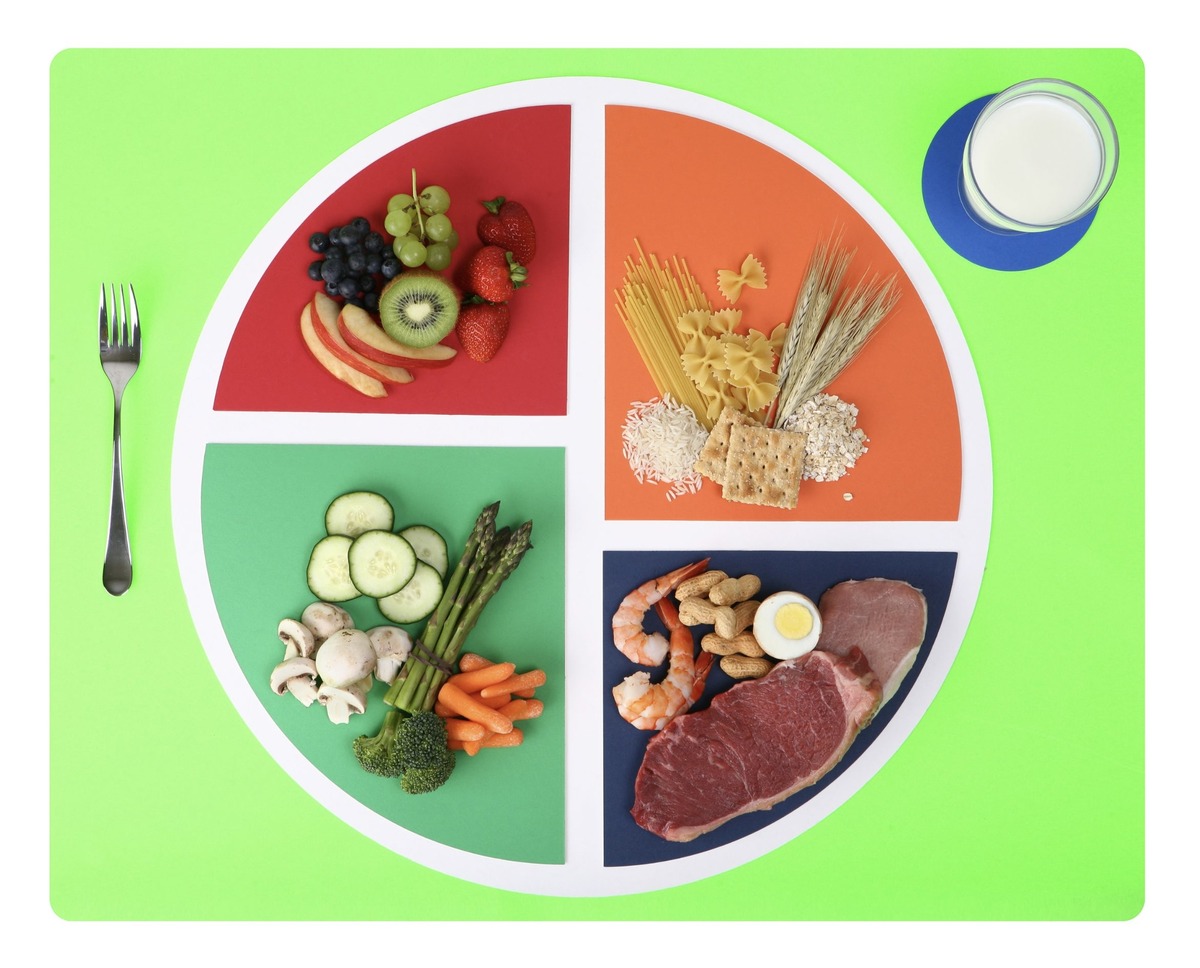
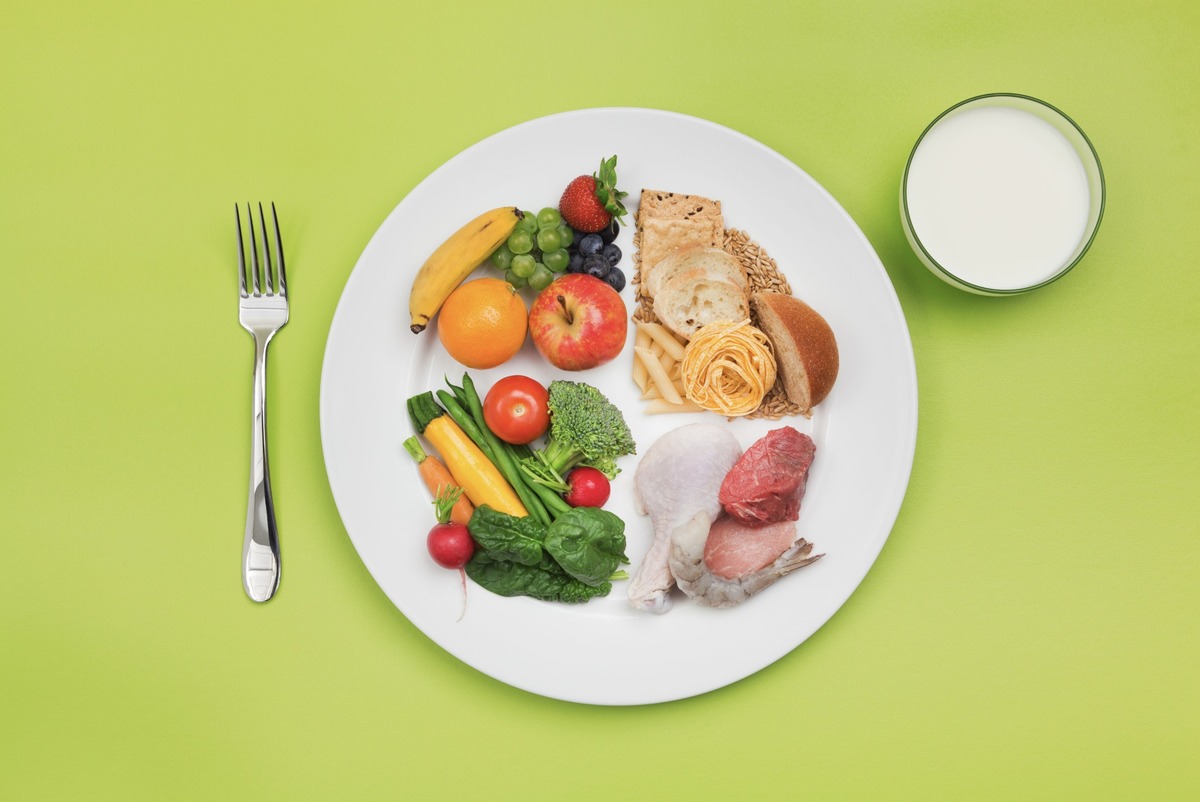
Instead of counting every calorie, the plate method provides a visual way to structure your meals for consistent results. It’s a science-backed strategy used by the CDC, Harvard School of Public Health, and dietitians worldwide—for good reason. Here’s how to section your plate:
- Half your plate: fill it with a colorful mix of non-starchy vegetables and fruits. Think leafy greens, carrots, bell peppers, broccoli, apples, or berries.
- One-quarter: reserve this space for a lean protein source like grilled chicken, paneer, tofu, fish, or lentils.
- One-quarter: dedicate it to whole grains like brown rice, quinoa, millet, or whole wheat roti.
This layout not only delivers balanced nutrition, but it also naturally encourages you to eat fewer refined carbs and more fiber, leading to better glycemic control and improved satiety.
Using Your Hand as a Portion Guide
Not carrying a measuring cup with you? That’s totally fine. Your hands are reliable, portable measuring tools. Here’s how to portion with precision:
- Protein: A palm-sized portion equals about 85–100 grams—ideal for one meal. This aligns with research from the Journal of Nutrition showing that 20–30 grams of protein per meal supports muscle synthesis and appetite control.
- Whole grains: A clenched fist represents roughly ½ cup of grains. This amount provides sustained energy without excessive caloric intake.
- Vegetables: No upper limit here. Non-starchy vegetables are high in volume and low in energy density, making them perfect for filling up without overloading on calories.
Why This Matters: More Than Just Weight
Getting your portions right doesn’t just trim your waist—it fuels your entire body more efficiently. By avoiding oversized servings, you reduce the burden on your digestive system, improve insulin sensitivity, and prevent post-meal sluggishness.
In a 2021 randomized control trial published in the American Journal of Clinical Nutrition, participants who learned portion control techniques lost over 25% more weight than those following general diet advice. More strikingly, they reported higher energy levels, better digestion, and reduced cravings.
At Claudia’s Concept, we don’t believe in deprivation—we believe in education and empowerment. When you learn to read your plate and understand your body’s rhythms, healthy eating becomes second nature.
So, next time you serve a meal, practice this mindful pause: glance at your palm, your fist, and your plate. Let your body—not the packaging or portion sizes at restaurants—set the standard.
Macronutrient Balance: Fueling the Body Efficiently
When we talk about fueling our body efficiently, we’re really talking about hitting the right balance of macronutrients: carbohydrates, protein, and fats. These are the three core components that provide us with calories—our body’s primary source of energy. Here’s the catch though: not all macronutrient intake is created equal, and how you combine them on your plate influences everything from energy levels to body composition to mental clarity.
What’s on Your Plate: A Quick Dive into Macronutrients
Start by understanding the roles each macronutrient plays:
- Carbohydrates are your body’s preferred energy source. Complex carbs—like whole grains, legumes, and vegetables—release glucose steadily, supporting stable blood sugar levels.
- Proteins repair tissues, build lean muscle, and support immune function. Sources like lentils, tofu, fish, eggs, and lean poultry are ideal for everyday meals.
- Fats are crucial for hormone production, brain health, and the absorption of fat-soluble vitamins (A, D, E, and K). Focus on unsaturated fats from nuts, seeds, olive oil, and avocado.
Each of these macronutrients works in synergy with the others. Think of your plate as a team—each player brings something essential to the game.
Balancing the Trio: Real-Life Meal Structuring
A balanced plate isn’t about counting grams obsessively—it’s about proportion and purpose. Here’s how to visualise your meal composition:
- Half of your plate: Mix of colorful vegetables and some fruit—carbs rich in fiber, antioxidants, and hydration.
- A quarter of your plate: Lean protein to help repair and build.
- Another quarter: Whole-grain or starchy vegetables for complex carbohydrates.
- Add healthy fats: A drizzle of olive oil, a few nuts, or creamy avocado slices are enough to round out the plate.
Here’s a tip I often share at Claudia’s Concept: Use your hand as a guide. A palm-sized portion of protein, a fist-sized serving of complex carbs, two handfuls of vegetables, and a thumb-sized portion of fat create a quick, reliable balance—no scale required.
Energy That Follows You Through the Day
When meals are built with a thoughtful mix of macronutrients, you experience a more stable blood glucose response. Science backs this up. A 2015 study in the American Journal of Clinical Nutrition found that individuals who consumed a balanced meal with carbs, protein, and healthy fats experienced lower post-meal blood sugar spikes and sustained satiety over a three-hour period compared to those who consumed high-carb only meals.
So what does that look like in your daily rhythm? When your blood glucose levels are stable, you avoid the typical energy dips mid-morning or late afternoon. That means sharper focus, better exercise performance, fewer mood swings, and less craving-driven snacking.
This is key to how I structure meal plans and consultations at Claudia’s Concept. It’s not about trends—it’s about crafting smart, sustainable strategies that keep your body nourished and your energy consistent from sunrise to bedtime.
Whole Grains: The Smart Carbohydrate Choice
Let’s talk carbohydrates—the good kind. The ones that don’t spike your blood sugar and leave you crashing an hour later. I’m talking about whole grains. At Claudia’s Concept, we don’t believe in cutting carbs; we believe in choosing smart carbs. Whole grains are exactly that: the intelligent choice your body thrives on.
What Exactly Are Whole Grains?
Whole grains are grains that retain all three parts of the original kernel: the bran, germ, and endosperm. Why does this matter? Because when grains are refined, they lose the most nutrient-rich parts—the bran and germ—along with essential fiber, B vitamins, and antioxidants.
Whole grains include:
- Brown rice: A nutrient-dense staple that keeps you full longer.
- Oats: Rich in beta-glucan, a type of soluble fiber that supports heart health.
- Quinoa: A complete plant-based protein and packed with magnesium and iron.
- Whole wheat pasta: A more nutritious alternative to traditional pasta that doesn’t compromise on taste.
Why Choose Whole Grains?
The fiber content alone makes whole grains a nutritional powerhouse. According to data from the USDA, one cup of cooked brown rice contains 3.5 grams of fiber versus less than 1 gram found in white rice. Fiber not only supports digestive health; it also slows digestion, which leads to more stable blood sugar levels and sustained energy throughout the day.
Choosing whole grains will:
- Support digestive health: Thanks to insoluble fiber that adds bulk and helps prevent constipation.
- Stabilize energy levels: Slow-release carbohydrates prevent spikes and crashes.
- Aid in weight management: High-fiber foods promote satiety and reduce the likelihood of overeating.
Harvard’s School of Public Health found that people who consistently eat whole grains have a 9% lower risk of chronic diseases and a significantly reduced risk of premature death. You’re not just eating better—you’re living longer.
Easy Swaps to Make Every Meal Count
Not sure where to start? Begin with simple, practical changes. Trade white bread for 100% whole wheat. Swap white rice with quinoa or brown rice in your lunch bowl. Try rolled oats instead of sugary cereals in the morning. These low-effort substitutions make a high-impact nutritional difference.
In Claudia’s Concept approach, whole grains are the foundation of a smart, energetic plate. They keep you fueled, focused, and full. So next time you’re reaching for carbs, ask yourself: is this helping my body perform its best? If it’s whole grain, the answer is yes.
Lean Protein Sources: Building Blocks for the Body
What powers muscle repair, keeps you fuller for longer, and drives essential hormone production? Protein. It’s not just about bulking up—it’s about building a resilient, well-functioning body. When we talk about how to build a healthy plate, lean protein is non-negotiable.
At Claudia’s Concept, we emphasize properly balanced nutrition, and protein sits right at the core of that balance. Let’s dive into why it matters and exactly what you should be putting on your plate.
Why Your Body Craves Protein
Your body uses protein to repair tissue, synthesize enzymes and hormones, and support immune health. One of protein’s most powerful benefits is satiety. Research from the American Journal of Clinical Nutrition shows that high-protein meals significantly reduce levels of ghrelin, the “hunger hormone,” helping you feel satisfied and less likely to snack mindlessly.
Additionally, during weight management or fat loss phases, a higher protein intake has been shown to preserve lean muscle mass even when reducing calorie intake. That’s key when you’re looking to burn fat without compromising strength or vitality.
Top Lean Protein Choices for a Healthy Plate
Not all protein sources are created equal. Lean options generally have less saturated fat and fewer calories, while still delivering the quality amino acids your body needs. Here are the standouts I recommend often to my clients at Claudia’s Concept:
- Chicken breast: Skinless and grilled, this is a low-fat, high-protein staple that fits perfectly into daily meals.
- Fish: Salmon, mackerel, and sardines provide omega-3 fatty acids, while white fish like cod and tilapia are lower in fat and just as protein-rich.
- Eggs: Whole eggs are a complete protein with essential vitamins like B12 and choline—ideal for brain and metabolic health.
- Greek yogurt: With double the protein of traditional yogurt, it also offers gut-supporting probiotics.
- Tofu and tempeh: These soy-based marvels are protein-dense, incredibly versatile, and rich in iron and calcium.
- Legumes: Lentils, chickpeas, and black beans not only pack a protein punch but also supply complex carbs and dietary fiber.
Don’t Overlook Plant-Based Proteins
Plant-based doesn’t mean protein-deficient. Integrating options like lentils, quinoa, tempeh, or edamame can diversify your plate with fiber, phytochemicals, and antioxidants. According to a 2019 review in Advances in Nutrition, diets rich in plant proteins are linked to lower rates of cardiovascular and metabolic diseases.
Want a real-world example? Swapping half your usual animal protein for beans and pulses just twice a week can improve heart health and digestion while keeping your plate exciting and sustainable.
Lean protein isn’t an afterthought—it’s a cornerstone of balanced wellness. By strategically layering these sources into your meals, you build a plate grounded in strength, energy, and long-term satiety.
Healthy Fats: Essential for Brain and Heart Health
Let’s talk about one of the most misunderstood components of a balanced diet — fat. Somewhere along the way, fat gained a bad reputation, but the truth is, your body depends on it more than you might think. At Claudia’s Concept, I always emphasize that the quality of fat matters more than the quantity. Choosing healthy fats transforms your plate from simply filling to truly nourishing.
Why Your Body Needs Healthy Fats
Fats do far more than add flavor. They’re critical for absorbing fat-soluble vitamins like A, D, E, and K. Without dietary fat, your body can’t access the full benefits of these nutrients, no matter how many greens you pile on your plate.
They’re also the cornerstone of hormone production. Every cell in your body needs fat to build membranes and regulate inflammation. Your brain? It’s nearly 60% fat, which explains why omega-3 fatty acids are directly linked to cognitive function and emotional wellness. According to a 2017 study published in Frontiers in Aging Neuroscience, higher blood levels of omega-3s are associated with larger brain volumes in older adults, particularly in regions connected to memory and learning.
And let’s not forget satiety. Fats slow digestion and keep you feeling satisfied longer. That’s why a drizzle of extra virgin olive oil or a few slices of avocado can turn a basic salad into a satisfying meal.
Where to Find the Good Fats
Not all fats are created equal. Here are powerhouse sources to include on your plate:
- Avocados – Packed with heart-healthy monounsaturated fats and nearly 20 vitamins and minerals.
- Olive Oil – The backbone of the Mediterranean diet, rich in anti-inflammatory phenolic compounds.
- Fatty Fish – Salmon, mackerel, sardines, and anchovies supply EPA and DHA, two potent omega-3s essential for heart and brain health.
- Nuts and Seeds – Almonds, walnuts, flaxseeds, and chia seeds offer fiber, protein, and a balance of healthy fats.
- Coconut – While higher in saturated fat, moderate intake of virgin coconut in whole food form can support metabolic health due to its medium-chain triglycerides (MCTs).
Smart Ways to Add Healthy Fats to Your Meals
Incorporating healthy fats doesn’t mean drenching everything in oil. Here’s how I guide my clients at Claudia’s Concept to use fats effectively and deliciously:
- Dress salads with purpose: A tablespoon of extra virgin olive oil blended with lemon juice and herbs enhances flavor and improves nutrient absorption from leafy greens.
- Try smart toppings: Sprinkle hemp seeds over smoothie bowls, add sliced almonds to roasted vegetables, or top your oats with flaxseeds for a nutrient-dense crunch.
- Cook with care: Use ghee or avocado oil for high-heat cooking, as they remain stable at higher temperatures, while keeping extra virgin olive oil for sautéing or drizzling.
- Snack intentionally: A handful of walnuts or a dollop of nut butter on apple slices gives you a sustaining energy boost without blood sugar spikes.
The beautiful part about healthy fats is how effortlessly they elevate both taste and nutrition. Balanced right, they amplify every other element on your plate. When designing your meals, think of fats as facilitators — they bind flavors, deliver nutrients, and keep your body supported on every level.
Powering Up with Fruits and Vegetables
Nothing energizes the body and mind quite like a plate brimming with vibrant fruits and vegetables. At Claudia’s Concept, I always encourage clients to use nature’s colors as their compass. The brighter and more diverse your plant-based choices, the wider the spectrum of nutrients you’re giving your body — and that’s not just a wellness mantra. It’s backed by science.
Why Fruits and Vegetables Are Non-Negotiable
Fruits and vegetables are more than just fiber fillers — although yes, dietary fiber is a wonderful digestive aid. These colorful powerhouses are rich in essential vitamins like C, K, A, and folate, abundant in minerals including potassium and magnesium, and loaded with antioxidants that protect your cells from damage and aging.
Consider this: a meta-analysis published in the International Journal of Epidemiology involving over 2 million participants globally showed that consuming 10 servings of fruits and vegetables per day was linked to a 24% reduced risk of heart disease, 33% lower risk of stroke, and 13% reduction in cancer risk. That’s the transformative power of plants.
Bring on the Color: Eat the Rainbow
One of my favorite principles from Claudia’s Concept is simple but transformative—your plate should look like a rainbow. Each color signals a different set of phytonutrients that offer targeted health benefits:
- Green: Think spinach, kale, broccoli – rich in chlorophyll, folate, and Vitamin K, these support bone health and aid detoxification.
- Red: Tomatoes, red bell peppers, strawberries – these are loaded with lycopene and anthocyanins, which support cardiovascular health and reduce inflammation.
- Orange and Yellow: Carrots, sweet potatoes, mangoes – an excellent source of beta-carotene, a precursor to Vitamin A crucial for eye health and immunity.
- Purple and Blue: Eggplant, blueberries, purple cabbage – packed with powerful anthocyanins that improve brain function and protect against free radicals.
- White: Cauliflower, mushrooms, garlic – often overlooked, yet potent for heart health and immune function due to compounds like allicin and quercetin.
Visual appeal aside, this color-based strategy ensures that you’re not missing out on any critical micronutrients. Make every bite count by turning your plate into a canvas of wellbeing.
Simple Habits to Maximize Daily Intake
Struggling to hit your daily target? You’re not alone, but you’re also not out of options. Let me share practical prep strategies from the Claudia’s Concept toolkit to make fruits and veggies an effortless part of your routine.
- Batch prep roasted vegetables like bell peppers, zucchini, and carrots on weekends. They keep beautifully in the fridge and reheat like a dream.
- Blend your breakfast—throw spinach, banana, berries, and chia into a smoothie. It’s nutritious, quick, and truly delicious.
- Store smarter: Wash and cut vegetables in advance, wrap herbs in a damp paper towel inside a zip bag, and always refrigerate sliced fruits in glass containers for extended freshness.
- Mix them into everything—from soups and stews to dals and curries. Yes, even your favorite pasta can carry a veggie upgrade.
Once you begin integrating these elements daily, the benefits follow quickly: better digestion, improved skin tone, increased energy, and sharper focus. It’s a shift not just in your diet, but in the way you experience food and nourishment.
Ready to reimagine your plate with nature’s palette? Trust the colors, trust the science, and let Claudia’s Concept guide your delicious transformation.
Staying Hydrated: The Forgotten Nutrient
Let’s talk about something most people unintentionally neglect—hydration. When creating a truly balanced diet, fluids deserve just as much attention as proteins or healthy fats. Water is not just a thirst-quencher; it plays an active and vital role in digestion, nutrient transport, metabolism, and cellular energy. At Claudia’s Concept, I always emphasize hydration as a core pillar of every personalised nutrition plan because without it, no eating strategy is complete.
Why Water is Essential for Your Body’s Daily Functions
Your body is made up of nearly 60% water. That staggering figure alone should highlight just how crucial proper hydration is. But let’s break it down further, from a functional perspective.
- Digestion support: Water dissolves nutrients and helps pass them through the intestinal walls into the bloodstream. It also keeps things moving comfortably through the digestive tract—helping to prevent bloating and constipation.
- Boosted metabolism: According to a study published in The Journal of Clinical Endocrinology & Metabolism, drinking 500ml of water increased metabolic rate by 30% within 10 minutes and peaked around 30–40 minutes after ingestion. That’s a simple yet effective way to give your metabolism a natural kickstart.
- Cellular energy production: Every cell in your body uses water to convert nutrients into energy. Without it, even the most nutrient-rich healthy plate won’t fuel your performance or recovery optimally.
Practical Ways to Stay Hydrated—Naturally
If you wait until you’re thirsty, you’re already behind. At Claudia’s Concept, I encourage establishing hydration habits just like meal routines. Small shifts create lasting change. Try these easy, effective strategies to stay on top of your water intake throughout the day:
- Begin meals with a glass of water. This not only initiates digestion but can also help regulate appetite, creating a more mindful eating experience without restricting portion size.
- Infuse water with natural flavor. Add slices of lemon, fresh cucumber, or a few mint leaves for a refreshing twist. These small touches make sipping water more enjoyable and instinctive.
- Carry a reusable water bottle. Make hydration convenient. Keep your bottle visible—on your desk, in your car, or in your bag. You’ll be surprised how often you’ll reach for it when it’s within arm’s length.
Better Alternatives to Sugary Beverages
Sugary sodas and juices are tempting, but they disrupt blood sugar levels and contribute empty calories. Instead, opt for metabolism-friendly choices like herbal teas, coconut water in moderation, or fruit-infused water. For example, hibiscus tea not only hydrates but also supports blood pressure regulation thanks to its rich antioxidant profile.
The key is making hydration intuitive—not forced. When you start feeling a dip in energy or focus, ask yourself: have I had enough water today? That simple question often unlocks a better mood, steady digestion, and a clear head. Helpful hydration is foundational. When your body is well hydrated, it becomes the perfect canvas on which every other nutritional enhancement can truly shine.
Limiting Added Sugars: Sweet but Strategic
Let’s be honest—sweetness is irresistible. It comforts, rewards, and sometimes even soothes. But when added sugars sneak into your meals, snacks, and even beverages, they start compromising your health goals without you noticing. At Claudia’s Concept, we guide you to make purposeful choices—not perfect ones—and this includes taking control over sugar, not the other way around.
Surprising Sugar Sources You Might Be Overlooking
When people think of sugar, desserts are the first to come to mind. Yet a major chunk of added sugars comes from everyday items hiding in plain sight:
- Sauces and dressings: Ketchup, barbecue sauce, and even ‘healthier’ vinaigrettes often have more sugar than you’d expect.
- Breakfast cereals: That innocent-looking granola or oat cluster mix can contain upwards of 12g of added sugar in a single serving.
- Baked goods: Even whole-grain muffins or ‘low-fat’ cookies can be loaded with refined sugars for shelf-life and flavor optimization.
- Packaged beverages: From iced teas and energy drinks to ‘vitamin waters’, these drinks can easily deliver 24–30g of added sugars per serving.
Now think about this: The American Heart Association recommends no more than 25 grams (6 teaspoons) of added sugar per day for women and 36 grams (9 teaspoons) for men. A single can of soda can contain 39 grams. That’s the day’s quota gone in one sitting.
How to Spot Added Sugars on Labels
If you’re serious about cutting down on added sugars, the label is your best friend. Don’t just rely on the front-of-pack claims—go straight to the ingredients list. Here’s what to look for:
- Words ending in “-ose”: Sucrose, fructose, maltose, dextrose—these are all different forms of sugar.
- Syrups and concentrates: High-fructose corn syrup, brown rice syrup, fruit juice concentrate—another red flag.
- Sweet-sounding names: Cane sugar, agave nectar, turbinado, and coconut sugar may sound healthier, but at the end of the day, they’re added sugars.
One trick I teach at Claudia’s Concept: count how many different sugar aliases appear. If you spot more than two, move on or reconsider your portion size.
Natural Sweetness: Flavor Without the Fallout
Reducing added sugar doesn’t mean eliminating sweetness. It means being strategic with it. There are ways to enjoy satisfying taste without damaging your health markers or energy levels:
- Fresh fruit: Use mashed banana or chopped dates in baking instead of white sugar. They offer not just sweetness, but fiber and antioxidants.
- Spices: A dash of cinnamon or cardamom in yogurt or oatmeal enhances sweetness perception without sugar.
- Natural extracts: A few drops of vanilla or almond extract can mimic a sweet profile beautifully, especially in smoothies and puddings.
Sugar is not the enemy—it’s about intention. Being mindful, reading your labels, and reaching for whole, natural sweeteners will completely shift your relationship with food. When sweetness becomes deliberate, not default, your energy levels stabilize, your cravings drop, and your plate becomes a partner in your wellbeing journey.
Beyond the Plate: A Lifestyle of Nourishment
Eating well doesn’t require giving up your favorite foods or spending hours in the kitchen. It’s about making intentional choices that align with your body’s needs and your personal goals. When you create meals using the principles we explored—portion control, macronutrient balance, and the powerful synergy of whole foods—you don’t just eat; you thrive.
At Claudia’s Concept, I’ve seen firsthand how consistent, balanced eating transforms energy levels, skin health, digestion, and even mood stability. One client, for example, minimized processed foods, added two servings of dark leafy greens to her lunch and dinner daily, and within four weeks noticed significantly increased energy and improved focus throughout her workday. That’s the power of food as fuel.
Building a healthy plate becomes second nature once you shift your mindset. It’s not about strict rules—it’s about nourishing your body consistently and joyfully.
- Layer your plate with color—think beets, spinach, carrots, berries. These colors indicate phytonutrients and antioxidants.
- Select whole grains like quinoa, millets, or steel-cut oats for sustainable energy.
- Choose lean proteins—paneer, tofu, lentils, wild-caught fish—that support cell repair and satiety.
- Incorporate healthy fats such as flaxseeds, olives, or avocado to enhance nutrient absorption and flavor.
Don’t underestimate the art of mindful eating. Slow down, chew thoroughly, connect with your food. This simple practice improves digestion and enhances satisfaction, helping you maintain portion control naturally.
Nutrition isn’t a short-term fix; it’s a relationship you cultivate. And just like any relationship, the more you nourish it, the stronger it becomes. With Claudia’s Concept guiding you, every plate is an opportunity to feel better, live stronger, and glow from within.
So next time you sit down to eat, ask yourself: How can I build a plate that respects and fuels my body today?