
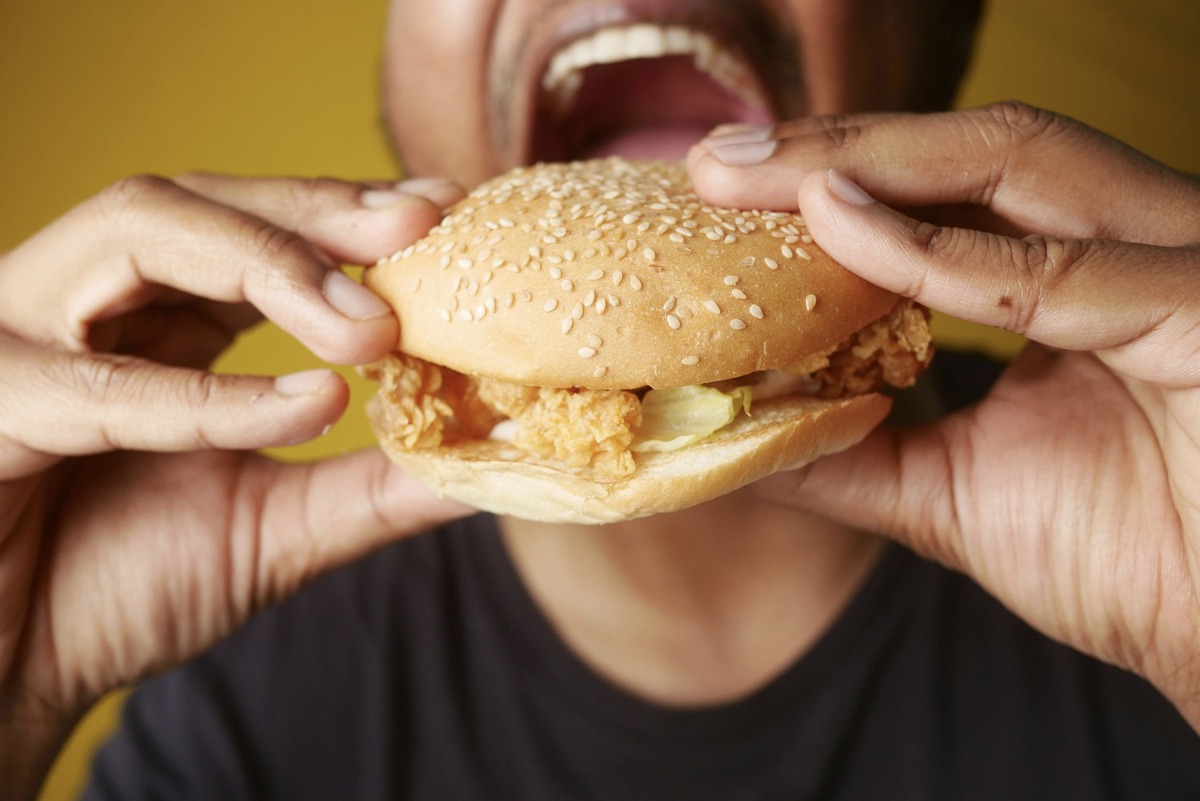
Ever wonder why that bag of chips disappears faster than you intended — even when you’re not truly hungry? You’re not alone, and you’re definitely not lacking willpower. The answer lies deep within the very biology that helped our ancestors survive. Thousands of years ago, Homo sapiens evolved with brains wired to seek out rich sources of energy. Back then, food was scarce, and calories were precious. The more we craved calorie-dense fuel like fats and sugars, the better our chances of survival.
Cravings allowed our early human ancestors to ignore monotony and continue hunting for that honeycomb, ripe banana, or roasted animal fat. These biologically programmed preferences gave us a real evolutionary edge. The brain’s reward circuits fired in response to high-calorie foods, reinforcing the desire to eat them again and again.
But here’s the twist: in today’s world, this once-life-saving mechanism has been hijacked. Supermarkets are stocked with ultra-processed, hyper-palatable foods — high in sugar, fat, salt, and additives — precisely engineered to overstimulate those ancient brain systems. We’re still operating on survival mode, but surrounded by abundance.
At Claudia’s Concept, we translate complex science into practical lifestyle nutrition that works with your biology, not against it. Let’s explore how your brain is being manipulated by modern food and what you can do to reset your natural hunger cues.
Craving Biology 101: Understanding the Brain Behind the Urge
Ever found yourself reaching for that cookie even though you just had lunch? You’re not alone—and there’s solid biology behind that impulse. At Claudia’s Concept, we decode these patterns not just to understand them but to empower you to change them.
Cravings vs. Hunger: Two Different Signals
Let’s clear up a common misconception: cravings and hunger are not the same. Hunger is your body’s physiological cue for energy, driven by an empty stomach and nutrient needs. Cravings, on the other hand, are driven by the brain’s reward system and emotional cues—not by nutritional necessity.
You might crave chocolate because you’re stressed, not because your body needs calories. A 2004 study in Appetite demonstrated that while hunger can lead to cravings, most food cravings occur without energy deprivation—highlighting the psychological and neural basis of these episodes.
The Brain’s Craving Command Center
Cravings begin in the brain, where a team of regions interacts to drive eating behavior. Three main players take center stage:
- Hypothalamus: This almond-sized structure orchestrates hunger and satiety by responding to hormones and nutrient signals. It’s the body’s metabolic command post, always monitoring your energy needs.
- Amygdala: Emotion lives here. This region ties emotional memories to food, explaining why comfort food exists. That childhood ice cream after a school win? The amygdala remembers it.
- Prefrontal Cortex: This is your decision-maker—the region responsible for impulse control and long-term planning. When it’s functioning optimally, you can resist cravings. Under stress or sleep debt, its power weakens, and cravings gain control.
When all three align under the influence of tempting stimuli, resistance fades. Think of a cinnamon roll’s smell: your hypothalamus registers its energy density, your amygdala recalls comforting memories, and your prefrontal cortex loses its grip. The result? You give in.
Hormones: Ghrelin and Leptin Tipping the Scale
Only when we talk hormones can we fully understand why cravings get so persuasive.
- Ghrelin: Often called the “hunger hormone,” ghrelin is secreted in the stomach and tells your brain when your body needs nourishment. Before meals, ghrelin levels rise; after eating, they fall. However, in chronic stress or sleep deprivation, ghrelin production spikes—intensifying cravings, especially for calorie-dense foods.
- Leptin: Produced by fat cells, leptin tells your brain when you’ve got enough energy stored. It’s the satiety signal. But here’s the catch: in individuals with excess body fat, leptin levels stay high, and the brain stops responding. This condition, known as leptin resistance, promotes overeating despite abundant energy reserves.
Scientific research supports this dynamic. A 2011 study from the Journal of Clinical Investigation showed that functional magnetic resonance imaging (fMRI) scans reflected decreased activity in brain reward regions when leptin injections were given to leptin-deficient individuals. This literally turned off their cravings.
At Claudia’s Concept, the strategy is simple but powerful: regulate hormones naturally through nutrition, movement, and rest. That’s how we tame the craving beast at its root.
So next time you feel a craving surface, ask yourself: Is this my body asking for fuel… or is it my brain chasing a feeling?
Dopamine and the Reward System: Why You Keep Reaching for That Cookie
Have you ever found yourself eating chips when you’re not even hungry, only to realize you can’t stop? Welcome to the neurochemical reality of your reward brain. At Claudia’s Concept, we dive deep into how you’re wired—not to blame yourself, but to understand and change the pattern.
How Dopamine Reinforces Food-Seeking Behavior
Dopamine is your brain’s motivation molecule. It doesn’t just make you feel good—it conditions you to repeat behaviors that triggered it in the first place. So when you bite into a sugary donut and your brain floods with dopamine, it remembers that experience. Next time you see a donut, dopamine fires again, pushing you to eat it, even if you’re full. It’s not about the donut. It’s about your brain shouting, “That felt amazing—do it again!”
This feedback loop is part of our evolutionary survival mechanism. Early humans who quickly learned to pursue energy-dense foods had a better chance of survival. Dopamine turned out to be a perfect learning tool, hardwiring us to repeat successful food-finding behaviors.
Inside the Reward Circuitry: VTA and the Nucleus Accumbens
Two major regions light up during food-related dopamine activity—the ventral tegmental area (VTA) and the nucleus accumbens. The VTA produces dopamine, then sends it to the nucleus accumbens, the center for motivation and reward processing. These pathways are activated when you anticipate or experience a “pleasurable” stimulus—like biting into that warm, gooey brownie.
Functional MRI studies have clearly shown increased activation in these regions when participants are shown images of high-calorie foods. According to a 2011 study published in the American Journal of Clinical Nutrition, viewing palatable foods lights up the reward system more than neutral images, demonstrating the brain’s selective sensitivity to anticipated food rewards.
What Dopamine Really Loves: Sugar and Fat
You don’t experience this pattern with plain broccoli for a reason. Dopamine spikes in response to foods high in simple sugars and saturated fats far more than those with balanced nutrients. Researchers from Yale School of Medicine found that when fat and sugar are combined—think pastries, ice cream, or fast food—the reward response is substantially amplified, even compared to high-calorie foods lacking that combo.
This hyperstimulation causes what’s known as a “supra-additive” effect. Your brain treats it not only as fuel but as an event worth repeating. At Claudia’s Concept, we refer to these moments as “craving catalysts”—not just emotional triggers, but deeply chemical signals urging you to eat more, even when your body doesn’t need it.
Here’s something to ponder: when was the last time you craved quinoa with the same urgency as fries? The difference isn’t just taste—it’s chemical. Dopamine doesn’t respond uniformly to all foods; it chooses favorites based on intensity and association. And that plays directly into the cycle of mindless eating.
- The reward loop is real: Dopamine teaches your brain to seek out high-reward foods again and again.
- The brain regions are mapped: VTA and nucleus accumbens orchestrate this biochemical concerto.
- Hyperpalatable foods win the race: Fat and sugar combinations hijack your reward circuit.
Challenging dopamine dominance isn’t about deprivation—it’s about redesigning the cues. At Claudia’s Concept, we use science-backed tools to retrain the reward loop so your brain stops screaming for sugar and starts craving balance.
Brain Chemistry and Eating Behavior: What Really Drives Your Cravings
Have you ever reached for a chocolate bar right after a stressful meeting, or craved chips while binge-watching your favorite show? You’re not just being ‘lazy’ or ‘undisciplined’. Your brain chemistry is hard at work — and it’s guiding your hand to that wrapper. Understanding these biochemical triggers is the key to reclaiming control. At Claudia’s Concept, we dive deep into how neurochemicals shape your eating habits and cravings.
The Brain’s Chemical Messengers: More Than Just Mood
Inside your brain, powerful molecules called neurotransmitters govern some of the most intense cravings you’ll ever experience. Among the most influential are serotonin, dopamine, and endorphins. These neurochemicals not only affect your mood and stress levels but also shape your desire to eat — and what you choose to eat.
- Serotonin: Often called the ‘feel-good hormone,’ serotonin stabilizes mood and regulates appetite. Low serotonin levels are associated with cravings for high-carb foods. Why carbs? Because carbohydrate consumption boosts tryptophan uptake in the brain, which increases serotonin synthesis. This is your brain seeking balance.
- Dopamine: This is your motivation molecule. When you eat foods rich in sugar or fat, your brain releases dopamine — the same chemical involved in pleasure and reward. The effect? You feel a temporary high that your brain wants to recreate. Repeated exposure builds a feedback loop that reinforces the behavior.
- Endorphins: Typically released during exercise, endorphins also surge when you eat palatable foods, especially those high in fat and sugar. They act as natural painkillers and mood enhancers, making eating feel comforting, even euphoric.
When Chemistry Falls Out of Balance
Cravings don’t appear out of thin air. They often reflect imbalances in these neurochemicals. When serotonin levels dip, especially during the shorter daylight months or stressful times, you may notice increased urges for comfort foods. If your dopamine system becomes overstimulated — for example, through frequent consumption of fast food — the receptors can become desensitized. That means larger quantities of food are required to get the same ‘high.’
At Claudia’s Concept, we’ve seen how strategic nutrition can support neurotransmitter health. Specific amino acids support serotonin production, while omega-3 fatty acids, magnesium, and B vitamins play a role in dopamine and endorphin regulation.
The “Feel-Good” Loop: A Biochemical Trap
There’s an undeniable reason why salty snacks, fatty fries, and sugary desserts feel irresistible. These foods activate multiple neurochemical systems — simultaneously increasing dopamine, endorphins, and even serotonin (indirectly). This forms what researchers call a ‘food reward system overload.’ In short, you’re not just craving the taste — you’re hooked on the chemical cascade it produces in your brain.
This loop reinforces itself. Every time you indulge, your brain remembers the pleasure. Neural pathways strengthen, and suddenly, every emotional cue — boredom, sadness, even celebration — starts linking with food. The process is well-documented in neuroscience literature, with brain imaging studies showing reward centers lighting up with anticipation, not just consumption.
Your next craving isn’t just about hunger — it’s brain biology. And knowing that empowers you. With the right approach — one that blends nutrition, behavioral science, and a deeper understanding of your unique body — you can rewire those neural responses. That’s the science-backed approach we follow at Claudia’s Concept.
Emotional Eating: When Feelings Hijack Hunger
Ever found yourself elbow-deep in a tub of ice cream after a stressful day, even though you weren’t physically hungry? Most people don’t just eat with their mouths—they eat with their emotions. At Claudia’s Concept, we help decode the science behind these behaviors so you can reconnect with food in a more conscious, empowering way.
The Hidden Triggers: Boredom, Stress, and Sadness
Emotional eating doesn’t stem from hunger in the stomach—it starts in the brain. Specific emotional states like boredom, stress, and sadness can mimic hunger signals, pushing you to reach for that chocolate bar or order in comfort food. A 2013 study published in Appetite showed that emotional eaters reported a 38% increase in food intake following stress-inducing tasks compared to neutral ones.
Boredom might seem harmless, but neurologically, it’s a powerful trigger. When the brain lacks stimulation, it seeks reward—and for many, that reward is food. Similarly, under stress, cortisol levels spike, increasing cravings for high-fat, high-sugar foods that offer quick dopamine releases. Sadness, often linked to lower serotonin levels, can drive people to use food as a temporary mood stabilizer. This isn’t weakness—it’s biochemistry.
The False Promise of Emotional Relief
What happens when you grab that comfort snack? For a brief moment, you’re rewarded. Dopamine floods the brain’s reward system, producing a sense of relief or pleasure. It’s not your imagination—food does soothe emotional distress, but only instantaneously. A key study in NeuroImage found that palatable food activated the same brain regions as social rewards, such as praise or affection. But here’s the twist: the relief fades fast, while guilt and physiological overload remain.
This short-term emotional regulation is what traps so many in a repetitive loop. The brain begins to associate emotional discomfort with eating, hardwiring a habit that’s difficult to break. Each bout of emotional eating strengthens those neural pathways, especially when such episodes are frequent and unchallenged.
When Emotions Imitate Hunger: The Brain’s Deceptive Logic
The human brain doesn’t always distinguish emotional need from nutritional necessity. It speaks in the language of neurochemicals and past experiences. So when you’re feeling down, your brain might not say, “I feel lonely.” Instead, it signals, “I need cake.” From a neurological standpoint, this confusion is perfectly logical.
Repeated emotional eating episodes stimulate the hypothalamus and activate memory-related regions like the hippocampus, creating a learned behavior. The more often emotional relief is paired with food, the more deeply etched that behavior becomes. Claudia’s Concept empowers you to break this cycle by increasing awareness, teaching the difference between real hunger and emotional cues, and offering science-based tools to rebuild new pathways.
Next time you find yourself opening the fridge after a rough day, pause and check in: Is it your body that’s hungry—or your heart?

Food Addiction: The Parallels with Drug Addiction
Ever wondered why you reach for another chip even when you’re not hungry? Or why that late-night ice cream feels oddly irresistible? You’re not alone—and no, it’s not a lack of discipline. Neuroscience reveals a deeper truth: certain foods trigger brain responses that mirror those seen in drug addiction.
Studies Comparing Food and Substance Addiction
Numerous scientific studies have drawn striking parallels between food addiction and substance use disorders. A 2011 study published in Archives of General Psychiatry used functional MRI scans to examine brain activity. When women anticipating a highly palatable milkshake were scanned, researchers observed a heightened activation of the same brain regions—particularly the nucleus accumbens—that light up in drug addicts when exposed to cues about cocaine or heroin.
In another landmark paper from The American Journal of Clinical Nutrition (2010), researchers linked the consumption of foods high in sugar, salt, and fat to dopamine surges in the brain that rival those seen in subjects addicted to narcotics. The conclusion? Ultra-processed food doesn’t just tempt—it changes your brain chemistry in measurable ways.
Brain Plasticity and Compulsive Eating
Your brain is not a static entity; it’s continuously reshaping itself based on your experiences, desires, and behaviors—a phenomenon known as neuroplasticity. However, when highly palatable foods are repeatedly consumed, especially in large quantities, the brain physically adapts to prioritize seeking out these foods. Dopamine receptor sensitivity decreases, desensitizing the brain’s reward system over time, similar to the tolerance built in chronic drug users.
According to research in Nature Neuroscience, prolonged exposure to high-fat and high-sugar diets induces compulsive overeating behavior in rats, alongside decreased levels of D2 dopamine receptors. These same neural adaptations have been observed in the brains of individuals addicted to drugs, resulting in an impaired ability to derive satisfaction from “natural” rewards like social connection or physical activity.
The Ultra-Rewarding Trio: Sugar, Salt, and Fat
At Claudia’s Concept, we look at food not just nutritionally, but neurologically. The combination of sugar, salt, and fat isn’t just tasty—it’s engineered to hijack your brain’s reward circuits. But why this particular trio?
- Sugar stimulates dopamine release in both the nucleus accumbens and the amygdala, areas responsible for pleasure and emotion.
- Salt activates the brain’s opioid system, generating euphoric responses akin to those produced by morphine.
- Fat, especially saturated fat, promotes endocannabinoid activity, the same pathway triggered by THC in cannabis.
When combined, these ingredients create a neurological “superstimulus,” effortlessly overriding the brain’s natural satiety signals. This is why resisting that second piece of pizza feels biologically harder than saying no to broccoli—you’re wired to crave it.
At Claudia’s Concept, we harness this science to empower behavioral change. Understanding that food can be addictive isn’t a license to lose control—it’s a catalyst for taking smarter, more strategic steps to regain it. The next time you feel your hand reaching for that bag of crisps, pause and consider: is this hunger… or is it just your brain demanding another fix?
Neural Pathways and Habit Formation: Why Your Brain Keeps Repeating Craving Cycles
Every time you act on a craving—whether it’s reaching for a sugar-laden snack at 4 p.m. or mindlessly munching chips while scrolling—you reinforce a neural pathway in your brain. These connections, once formed, don’t just disappear. They strengthen with repetition, carving out habitual behaviors that feel automatic. That’s how cravings evolve into full-blown routines.
How Repetition Builds the Brain’s Default Mode
Neuroscientists describe the brain as a “use-it-or-lose-it” organ. When you repeat an action consistently, the neurons involved in that action fire together more efficiently. This forms a process called synaptic plasticity. In simple terms: neurons that fire together, wire together. Over time, this leads to the creation of what’s called a ‘habit loop’—a brain-based mechanism that makes behavior feel effortless.
Research published in the journal Neuron demonstrates how the basal ganglia, a brain region tied to habit formation, becomes more active as behaviors are repeated. Specifically, once an action-reward cycle is burned into neural circuits, the decision-making part of the brain—the prefrontal cortex—begins to take a back seat. That’s why grabbing a cookie doesn’t always feel like a choice; the decision has already been made deep within your brain’s hardwiring.
Understanding the Habit Loop: Cue–Routine–Reward
The architecture of cravings often follows a predictable neural loop: a cue triggers a routine, and a reward cements it. Let me break it down for you:
- Cue: This is the trigger. It could be a time of day, emotional state, even a smell.
- Routine: The repeated behavior that follows. For instance, reaching for chocolate when stressed.
- Reward: The dopamine hit that makes your brain go, “Do that again!”
Over time, the brain begins to crave not just the food, but the predictability of the loop. You feel the need long before you’re even aware of it. A 2012 MIT study by neurologist Dr. Ann Graybiel shows how certain neurons spike in activity at the beginning and end of a habitual sequence—signaling a neural ‘bracketing’ of the routine. Once the habit loop is triggered, your brain prepares the whole chain of actions to unfold on autopilot.
Breaking the Loop Through Conscious Rewiring
So how do you stop the cycle from repeating itself day after day? It starts with awareness but it doesn’t end there. At Claudia’s Concept, we work on not just removing bad habits but actively replacing them with empowering ones. Here’s how that works neurologically:
- Interrupt the cue: Use mindfulness or environmental changes to avoid your usual triggers.
- Create a new routine: Replace the old craving response with a more nourishing action—like a 3-minute breathwork exercise or a handful of nuts instead of a candy bar.
- Redefine the reward: Train your brain to associate satisfaction with long-term goals, such as energy, better skin, or a deep sense of self-mastery.
Functional MRI studies reveal that when people consciously choose a different behavior in response to a cue, neural activity gradually shifts from the basal ganglia back to the prefrontal cortex. That’s where decision-making lives—right where you want to be when changing a pattern.
In other words, you’re not at the mercy of your cravings. Your brain can learn to crave differently. At Claudia’s Concept, we tailor strategies that align neuroscience with nutrition and behavior change. Why? Because when you understand how your brain wires habits, you gain the power to rewire them.
Sugar and Processed Foods – The Brain’s Trojan Horse
Let’s pull back the curtain on one of the most deceptive influencers of our eating habits—sugar and highly processed foods. These modern staples don’t just hijack your taste buds; they infiltrate your brain’s reward centers with almost surgical precision. They’re engineered for maximum palatability, but the real manipulation happens in your neural chemistry.
Why Refined Sugars and Processed Snacks Intensify Cravings
Ever felt a sudden compulsion to finish that entire packet of cookies or inhale a bag of chips without pause? This isn’t a willpower issue—it’s biology, and it’s deliberate. The food industry often crafts products with a specific combination of sugar, salt, and fat, referred to as the “bliss point.” This ratio drives an immediate dopamine surge, with a feedback loop that reinforces repeated consumption. You essentially become conditioned to seek out these foods, not just for pleasure, but due to a real, measurable change in your brain’s activity.
In a 2013 study published in The American Journal of Clinical Nutrition, researchers using fMRI scans showed that high-glycemic foods caused intense activation in the nucleus accumbens—the brain region linked with addiction and reward. This is the same neural circuitry that responds to substances like cocaine and nicotine. Refined sugars amplify your brain’s reward signal, reinforcing behaviors that lead to repeated overconsumption.
High Glycemic Index Foods and Blood Sugar Spikes
Here’s where the science gets even more compelling. Foods high on the glycemic index (GI)—think white bread, sugary cereals, processed snacks—rapidly elevate blood sugar levels. This triggers a significant insulin release, which, while necessary for glucose management, ends up causing a sharp dip or “crash” shortly after.
This drop in blood sugar levels doesn’t just sap your energy. It activates hunger hormones like ghrelin, pushing your brain into “craving mode.” You don’t just feel like eating—you feel like eating more of the same fast-acting carbs that caused the spike in the first place. It’s a vicious, predictable cycle—and your brain is driving the bus.
- Blood sugar spikes lead to quick energy surges.
- These are swiftly followed by insulin-driven crashes.
- Crashes stimulate hunger hormones and trigger rebound cravings.
- This loop perpetuates overeating of processed, nutrient-poor foods.
Reclaiming Control Through Smarter Choices
Here’s the truth: when you understand how certain foods manipulate brain chemistry, you take the first step toward real control. At Claudia’s Concept, I focus on helping clients build nutritional strategies that reduce exposure to artificial reward loops. By shifting to balanced foods—those rich in fiber, healthy fats, and protein—you regulate blood sugar more effectively and weaken the grip of compulsive cravings.
Simple swaps, like choosing steel-cut oats over sugary granola or fresh fruit over processed dessert bars, disrupt that toxic cycle. And the beauty lies where neuroscience meets everyday choices: your brain is always rewiring based on behavior. Feed it the right signals consistently, and it will stop sending SOS calls for sugar-laden fixes.
Smart nourishment isn’t about restriction—it’s about outsmarting the deception. And when you do that with purpose, the cravings lose their power.
The Stress Factor: Cortisol and Cravings
Ever wondered why stress almost always seems to lead us straight to the fridge? You’re not imagining things—your brain and body are hardwired to seek comfort through food during stressful periods. Understanding the role of cortisol, the primary stress hormone, gives us a clearer picture of how cravings hijack our hunger in moments of emotional turbulence.
What Happens in Your Body When You’re Stressed?
Stress activates the hypothalamic-pituitary-adrenal (HPA) axis. This complex signaling system floods your bloodstream with cortisol, preparing your body for “fight or flight.” Cortisol’s role isn’t inherently bad—it helps regulate blood pressure, metabolism, and blood sugar. But here’s the kicker: when cortisol is elevated chronically, it quietly nudges you toward food choices that sabotage your health goals.
Cortisol’s Hungry Side
Cortisol doesn’t just keep you alert—it also influences your appetite. Research published in the journal Appetite found that elevated cortisol increases motivation to eat, particularly calorie-dense foods high in sugar and fat. These are not random cravings. Cortisol enhances the brain’s sensitivity to insulin and affects neuropeptide Y, a powerful appetite stimulant. The result? You reach for that chocolate bar even though you’re not physically hungry.
This hormone amplifies the activity in brain regions associated with habit formation and reward, particularly the amygdala and the striatum. That’s why stress eating becomes a pattern—it’s neurochemistry reinforcing behavior looped through repeated reward. At Claudia’s Concept, we often explore lifestyle rhythms in clients that reveal just how often “stress snacking” occurs unconsciously.
Why Chronic Stress Packs on the Pounds
One particularly striking study published in Obesity showed that participants with high cortisol reactivity consumed significantly more sweets and snack foods after a stressful event compared to individuals with lower cortisol responses. Over weeks and months, this kind of behavior leads to real metabolic consequences—insulin resistance, fat accumulation (especially visceral fat), and disrupted leptin and ghrelin signaling, which further distorts hunger cues.
- Increased blood sugar levels: Cortisol elevates glucose in the bloodstream, leading to spikes and crashes that trigger more cravings.
- Altered fat storage: It encourages fat to deposit around the abdomen, a pattern linked with hormonal disruption and risk of metabolic syndrome.
- Suppressed satiety hormones: Chronic cortisol blunts leptin effectiveness, so you feel less full despite eating enough.
At Claudia’s Concept, we help clients understand how their personal stress patterns influence physiological hunger. It’s not just about willpower—it’s about biochemistry that’s screaming for balance.
Reflect for a moment: when was the last time you reached for comfort food in the middle of a tight deadline or after an emotional disagreement? The food may soothe you in the moment, but the real shift happens when you start observing the why.
Managing Cortisol to Manage Cravings
Learning to regulate cortisol through techniques like meditation, breathwork, quality sleep, and proper nutrition doesn’t just reduce stress—it directly weakens the brain’s craving circuits. That’s why inside Claudia’s Concept programs, we don’t just focus on food; we design restorative routines that target cortisol from multiple angles.
The science is clear: cortisol connects stress and cravings with a powerful feedback loop. Break the loop, and you start reclaiming control over your eating behavior. Simple as that.
Gut-Brain Axis – The Second Brain’s Role in Cravings
Ever get a gut feeling you just needed chocolate? That’s not just a figure of speech. Your gut has its own intelligence, and yes—it talks to your brain constantly. This network of communication is what scientists call the gut-brain axis. And when it comes to cravings, this “second brain” plays a powerful, surprisingly active role.
Your Microbiome: Tiny Architects of Mood and Hunger
The human gut is home to roughly 100 trillion microorganisms, collectively called the gut microbiota. These microbes are anything but passive. They produce neurotransmitters like serotonin and gamma-aminobutyric acid (GABA), which modulate mood, anxiety, and even food preferences. In fact, about 90% of the body’s serotonin is made in the gut.
Fascinatingly, certain strains of bacteria can influence which foods you crave. Lactobacillus and Bifidobacterium, for example, are associated with stable mood and reduced appetite, while microbial imbalances can heighten cravings for sugar and fat. These bacteria thrive or dwindle based on the foods you eat—which means cravings are not just about willpower, but also about internal biological feedback loops.
How you feed your body directly alters this microbial landscape. The right nutritional choices empower your gut to send calming, satisfaction-inducing signals to the brain. That’s why at Claudia’s Concept, every tailored plan begins with nurturing a healthy microbiota foundation.
The Vagus Nerve: Your Gut’s Hotline to the Brain
Your vagus nerve is a bidirectional superhighway, sending signals from your gut to your brain and vice versa. When your gut is inflamed, imbalanced, or influenced by poor nutrition, the vagus nerve transmits distress signals that your brain can misinterpret as hunger or emotional needs—hello, late-night snack attack.
On the flip side, when your gut is nourished with the right nutrients, the vagus nerve communicates satiety, calmness, and emotional balance. This is why cravings often reduce dramatically once the gut ecosystem is in balance. Studies like the 2013 review published in Best Practice & Research Clinical Gastroenterology reveal that modulating vagus nerve activity may even help treat obesity and binge-eating behaviors.
Nutrition That Talks Back
If the gut-brain axis is such a potent driver of cravings, then what you feed your gut is the conversation starter. Diets rich in protein and fiber nourish beneficial bacteria and regulate appetite hormones like GLP-1 and peptide YY, both of which enhance satiety. Here’s how:
- Protein slows gastric emptying and activates satiety-related hormone release. Meals that include eggs, legumes, lean meats, or Greek yogurt can help reduce overall calorie intake.
- Fiber, especially fermentable fiber like in oats, flaxseed, and apples, becomes food for gut bacteria. As they ferment it, they produce short-chain fatty acids (SCFA) such as butyrate, which has been shown to influence brain chemistry and appetite regulation.
Want a real-world example? A study in the journal Cell (2019) showed that participants who increased dietary fiber over the course of 10 weeks saw a measurable shift in the gut microbiota—correlated with reduced cravings and more consistent moods.
At Claudia’s Concept, we craft food plans that speak to your gut—and through it, your brain. Managing cravings starts from the inside, with a thriving microbiome and a well-fed vagus nerve laying the groundwork for emotional and hormonal balance.
Next time you get that “gut feeling,” consider what your microbiota might be asking for. What you feed them today will shape what you crave tomorrow. Intriguing, isn’t it?
Mindful Eating Strategies – Rewiring Your Brain to Resist Cravings
Break the Cue-Reaction Loop with Mindfulness
Every bite you take is a message to your brain. And if you’re constantly grabbing food in response to stress, boredom, or even just visual triggers, you’re reinforcing neural loops that drive future cravings. Here’s the game-changer: mindfulness interrupts this cycle. By becoming aware of these unconscious responses, you give your brain space to form new, healthier reactions.
At Claudia’s Concept, I guide clients to observe their thoughts and sensations around food without judgment. This single shift — from reacting to noticing — sparks a cascade of changes in brain circuitry. Functional MRI scans show that mindfulness practices reduce activation in the amygdala (the brain’s fear and emotion center) and increase prefrontal cortex activity, which governs rational decision-making. That’s real neural rewiring.
Three Impactful Mindfulness Tactics To Try Today
- Pause Before You Bite: When you’re reaching for that cookie or extra helping, stop. Close your eyes. Take a deep breath. Ask yourself: “Am I actually hungry?” This micro-moment of awareness creates a powerful shift in impulse control and decision-making.
- Check Your Emotional State: Scan your inner environment. Are you anxious? Lonely? Tired? Your emotional state influences your food choices more than you may realize. By identifying emotions, you disarm their hidden influence on eating behavior.
- Savor Each Bite: Put down your fork between bites. Notice flavors, textures, and sensations. The brain registers satiety about 20 minutes after your first bite—so when you eat slowly, you give your gut-brain axis time to signal fullness. This simple act consistently reduces calorie intake without deprivation.
Reinforce Mindfulness With Nutrition that Supports Brain Balance
When we talk about cravings, we’re talking about brain chemistry. Blood sugar spikes, dopamine hits, neurotransmitter imbalances—what you eat feeds or starves those patterns. That’s why resisting craving doesn’t start with control; it starts with nourishment.
I always emphasize a foundational principle at Claudia’s Concept: balance your plate to retrain your brain. Prioritize lean protein such as lentils, eggs, or chicken to stabilize blood sugar and prolong satiety. Choose whole foods—bright vegetables, whole grains, nuts and seeds—for fiber, micronutrients, and a gentle glycemic impact. Include healthy fats like avocados, walnuts, and olive oil that fuel neuronal health and anti-inflammatory pathways.
The result? A brain that responds to food with clarity instead of compulsion. You’re no longer a passenger to cravings—you’re back in the driver’s seat.