
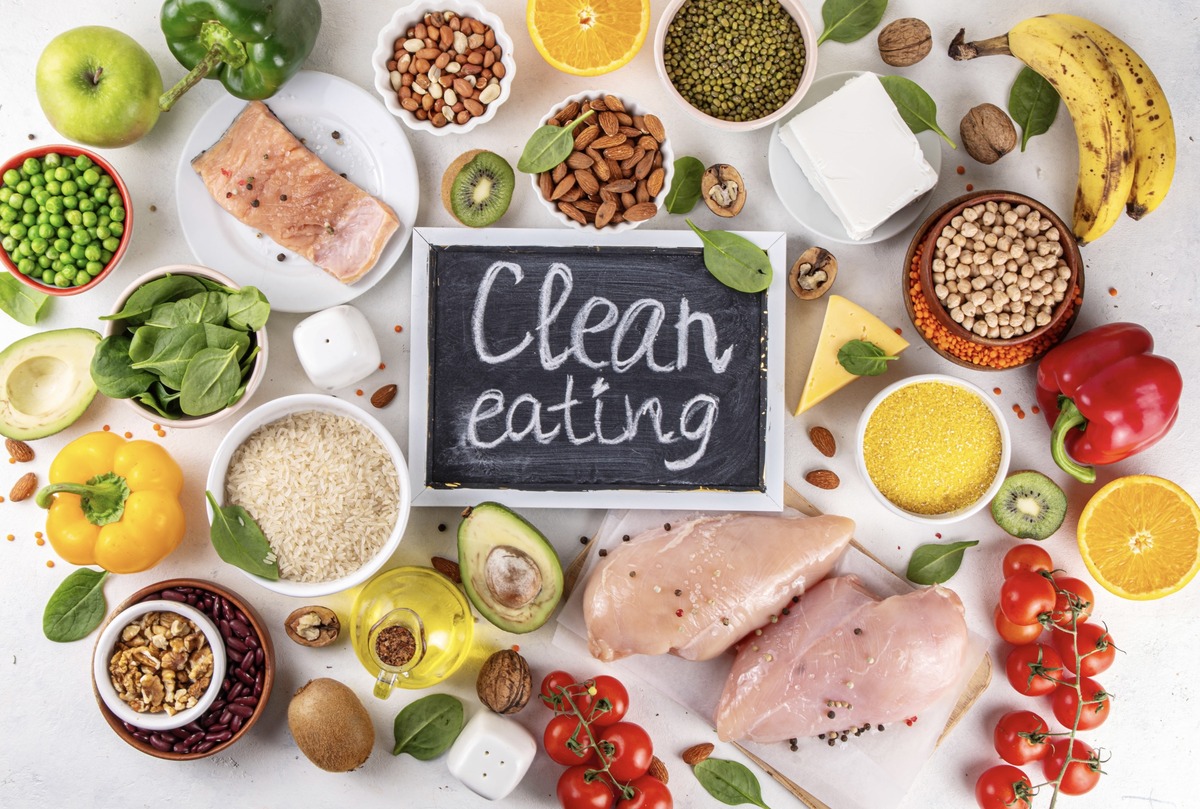
Across India, a powerful shift is underway—one that’s reshaping kitchens, supermarket shelves, and plates. Health-conscious living is no longer a trend reserved for fitness buffs or celebrities. It has become a priority for everyday individuals who are seeking energy, confidence, and longevity through nutrition. These days, more and more people are reading food labels, turning to natural ingredients, and questioning the impact of their diets on both body and mind.
Clean eating stands at the heart of this lifestyle transformation. Unlike restrictive fad diets that promise quick fixes and deliver frustration, clean eating focuses on nourishment. This approach encourages fresh, unprocessed, and wholesome food choices that fuel the body, stabilise energy, and promote sustainable weight loss. It’s not about deprivation—it’s about eating with awareness.
And what better time to embark on this journey than the New Year? A season of fresh starts and personal promises, the beginning of the year carries an unmatched momentum for change. For first-timers and those returning to mindful nutrition alike, Claudia’s Concept offers a reliable, Indian-context-based path to clean eating that actually works. Ready to leave behind crash diets and embrace a plan that supports your body and goals?
Let’s dive into how to begin clean eating the right way—and make this year your healthiest one yet.
What is Clean Eating? – The Foundation of Healthy Weight Loss
As we welcome the new year with new fitness goals, understanding the foundation of clean eating is the smartest step anyone can take. At Claudia’s Concept, I guide clients through this powerful approach—not as a restrictive diet, but as a nourishing lifestyle that naturally leads to sustainable weight loss.
Clean Eating in the Indian Context
Clean eating means consuming foods in their most natural form, free from artificial additives, refined sugars, and unhealthy fats. But it’s not about abandoning your cultural plate. In India, clean eating beautifully blends with traditional wisdom—home-cooked meals made with fresh spices, regional grains, and seasonal produce already align with its principles when done right.
For example, replacing packaged snacks with roasted makhanas or using cold-pressed mustard oil instead of refined oils instantly upgrades your nutrition game. When you follow clean eating, you’re not counting calories; you’re making each calorie count.
Principles of Clean Eating That Support Weight Loss
- Eat Whole, Unprocessed Foods: Choose fresh vegetables, fruits, pulses, legumes, whole grains, nuts, and seeds. A study published in the journal Cell Metabolism (2019) showed that people eating unprocessed foods consumed nearly 500 fewer calories per day naturally—without even trying to restrict themselves.
- Eliminate Processed and Junk Foods: Packaged foods often contain trans fats, high sodium, and sugar. Removing them reduces inflammation and water retention, leading to visible results. After just one week of eliminating these, many of my clients report less bloating and better energy levels.
- Stay Hydrated: Water aids digestion, suppresses false hunger cues, and improves metabolism. Ancient Indian texts always emphasized sipping warm water or herbal infusions during meals—something I strongly promote at Claudia’s Concept.
- Balance Macronutrients: Include proteins, healthy fats, and complex carbs in every meal. Balanced meals prevent insulin spikes, which directly supports fat loss and stabilises energy throughout the day.
Clean Eating and Calorie Control—A Natural Connection
The beauty of clean eating lies in its ability to create a natural calorie deficit without deliberate restriction. Whole foods are nutrient-dense and have fewer calories per gram compared to processed items. For instance, 100 grams of raw vegetables might contain just 25–40 calories, while an equal portion of fried snacks can shoot up to 300+ calories.
When you swap processed roti with homemade multigrain roti and sugar-laden drinks with coconut water, you begin to crowd out empty calories. The result? Fat loss without feeling deprived. This is why clean eating is not a trend. It’s a time-tested lifestyle that aligns with India’s traditional food heritage and offers solid, measurable results over time. Trust me—countless success stories at Claudia’s Concept have started right here.
Indian Vegetarian Diet – A Clean Eating Framework
In India, the vegetarian lifestyle is not just a cultural choice—it’s a powerful path to both wellness and sustainable weight loss. When guided by clean eating principles, a well-balanced vegetarian diet can transform your metabolism, elevate your energy levels, and help you shed excess fat with consistency. At Claudia’s Concept, I’ve seen countless clients succeed with this approach, especially when the framework aligns with both tradition and evidence-based nutrition.
Why Vegetarianism Works for Weight Loss in India
Vegetarian diets, when planned properly, are inherently lower in calories and saturated fat while being rich in essential nutrients and fiber. Numerous studies have shown a correlation between plant-based diets and lower body mass indexes (BMIs). A 2013 study published in the journal Nutrition Reviews found that people following vegetarian diets had significantly lower BMI and waist circumference compared to meat-eaters.
In the Indian dietary landscape, this becomes even more effective. Our meals naturally incorporate spices that boost metabolism, and we rely heavily on grains and legumes that—when chosen wisely—promote satiety and digestive health. Clean eating amplifies these benefits by removing processed foods and refined sugars, allowing plant-based meals to support fat loss and hormone regulation.
Achieving Nutritional Balance with Indian Ingredients
A balanced vegetarian plate needs more than just sabzi-roti. Diversity is key. Let’s look at how to assemble your ideal clean-eating thali:
- Whole Grains: Rotate between millet (bajra, jowar), brown rice, quinoa, and whole wheat for sustained energy and fiber.
- Legumes and Pulses: Include rajma, moong dal, chana, masoor, and black-eyed peas to provide complete plant proteins, complex carbs, and iron.
- Vegetables: Fill half your lunch and dinner plate with a variety of seasonal greens, gourds, roots, and cruciferous veggies. Cook lightly in cold-pressed oils or steam to retain nutrients.
- Fruits: Choose whole fruits like guava, papaya, apple, citrus fruits, and pomegranate to load up on antioxidants, fiber, and natural electrolytes.
For example, combining whole wheat roti with methi sabzi and masoor dal ensures you get fiber, protein, iron, and Vitamin C—all in one meal. This not only supports fat metabolism but also keeps blood sugar levels stable and cravings in check.
Dairy Done Right – Mindful Inclusion for Protein and Calcium
Dairy is a revered part of many Indian vegetarian diets. The goal is not to eliminate it, but to mindfully choose high-quality, low-fat sources that complement your clean eating goals. Look to include:
- Homemade curd or dahi: Rich in probiotics and calcium, helps strengthen the gut microbiome, which influences weight regulation and nutrient absorption.
- Paneer (cottage cheese): Opt for grilled or stir-fried preparations using minimal oil. It’s a reliable protein source that also prevents mid-day fatigue.
- Low-fat milk: Use it in moderation in smoothies or as a recovery drink after workouts, especially when combined with high-protein ingredients like soaked almonds or flaxseeds.
In Claudia’s Concept personalised diet plans, we often rotate dairy intake based on individual needs, accounting for digestion, activity level, and protein requirements. This custom balance supports lean muscle development while enhancing the thermogenic effect of food (TEF), which boosts fat burn.
Embracing this clean vegetarian framework means rethinking the familiar thali in a fresh, strategic way. You’re not giving up your culture—you’re refining it for maximum health and weight loss efficiency.
Portion Control – Eating the Right Quantity for Your Body
If you’ve embraced clean eating to kickstart your weight loss journey, congratulations — you’re already making one of the most powerful changes possible. But here’s the truth many overlook: no matter how nutritious your food choices are, eating too much of a good thing will still slow your progress. That’s where portion control enters the picture as a game-changer.
Why More Isn’t Always Better — Even When It’s Healthy
Take almonds, for example. Rich in healthy fats, protein, and fiber — they’re a clean eating staple. But pop a handful every time you walk by the kitchen, and you could be clocking 300–500 extra calories daily without even noticing. That’s enough to stall fat loss entirely. Studies consistently confirm this — energy balance is non-negotiable. A 2013 study published in the “New England Journal of Medicine” showed that sustained weight loss correlated more with portion management than food quality alone.
At Claudia’s Concept, we focus on sustainable, whole-food approaches that respect your hunger, but we also emphasize the importance of regulating quantity per your body’s needs. Clean eating should energize and satisfy you — not send your calorie intake sky-high unintentionally.
Tap Into Indian Wisdom: The Traditional Thali Method
Long before calorie apps and diet charts, Indian households mastered portion control with the traditional “thali” approach. This method effortlessly balances macronutrients and keeps portions under control — without any weighing or counting.
- ½ of the plate: Seasonal vegetables — cooked dry or lightly sautéed, ensuring a fiber-rich, low-calorie base.
- ¼ of the plate: Plant-based protein such as dal, paneer, rajma, or chana — these support muscle maintenance during fat loss.
- ¼ of the plate: Whole grains like brown rice, jowar, bajra, or whole wheat roti — slow-digesting and nourishing.
This centuries-old framework is inherently clean eating in its essence. It offers portion guidance while keeping meals satisfying and diverse. At Claudia’s Concept, I often recommend clients return to this model during their initial transition — it simplifies meal planning and deeply respects Indian culinary heritage.
Reduce Mindless Eating with Strategic Meal Timing
Another overlooked aspect of portion control is when you eat. Erratic eating patterns often lead to impulsive snacking and second helpings — both of which derail your calorie goals. By building consistency, you regulate appetite and drastically reduce cravings.
Try this structure:
- Three set meals — breakfast, lunch, and dinner — spaced 4 to 5 hours apart.
- One or two snacks only if necessary, planned around activity levels or hunger patterns.
- No mindless eating post-dinner — this is the time most people overconsume, often out of habit, not hunger.
According to research published in Appetite (2016), subjects who practiced consistent meal timing consumed fewer calories overall than those with erratic patterns — without any formal portion size restrictions. That’s powerful evidence.
At Claudia’s Concept, I often ask clients to journal their meal times for just three days. This single action often reveals invisible patterns — from emotional eating to late-night snacking — that once corrected, shift the entire weight loss equation in your favor.
So pause, reflect, and ask yourself: Are you eating more than your body truly needs — even if it’s clean food? With thoughtful portioning and structured timing, you’ll see better, faster, and more sustainable results.

Whole Grains – A Better Carb Choice for Weight Loss
Carbs often get a bad reputation in weight loss conversations, but the truth is not all carbs are created equal. At Claudia’s Concept, I always encourage individuals starting out on their clean eating journey to distinguish between refined carbohydrates and whole grains. That single shift has a transformative impact on energy levels, satiety, and long-term weight management.
Refined vs Whole Grains – What’s the Difference?
Refined grains like white rice, white bread, and maida are stripped of their bran and germ during processing. This means they lose most of their fiber, B vitamins, antioxidants, and trace minerals. What remains is a high-glycemic, fast-digesting carbohydrate that rapidly spikes blood sugar, leading to energy crashes and increased hunger shortly after meals.
Whole grains, on the other hand, retain all parts of the grain kernel – including the bran, germ, and endosperm – preserving their fiber and nutrients. This composition ensures slower digestion and more stable blood sugar levels, which is crucial for sustainable weight loss.
Why Are Whole Grains Better for Weight Loss?
- Sustained Energy: Whole grains release glucose into the bloodstream gradually, supplying the body with consistent energy for hours. You won’t feel that post-meal slump you’d typically experience with refined carbs.
- Enhanced Satiety: Fiber from whole grains plays a key role in keeping you full. A meta-analysis published in the journal Obesity Reviews (2020) confirmed that participants consuming higher dietary fiber intake experienced greater satiety and significant reductions in body weight and fat mass.
- Better Digestion: Fiber not only supports bowel health but also feeds beneficial gut bacteria. A well-nourished gut microbiome contributes to improved metabolism and reduced fat storage.
- Lower Inflammation: Whole grains provide phytonutrients and antioxidants that decrease chronic inflammation often linked to obesity. A study in The American Journal of Clinical Nutrition showed that whole grain consumption reduced markers of systemic inflammation in overweight individuals.
Top Indian Whole Grains to Include in Your Diet
India’s agricultural diversity offers plenty of whole grain choices that align beautifully with a clean eating plan. At Claudia’s Concept, I often recommend these traditional grains for their superior nutrient profile and versatility in Indian cooking:
- Brown Rice: A staple transformation from polished white rice, it maintains the outer bran layer, offering more magnesium, phosphorus, and fiber.
- Millets: Ragi (finger millet), bajra (pearl millet), and jowar (sorghum) are gluten-free, rich in micronutrients and high in soluble fiber. Ragi, for example, provides over 3g of dietary fiber per 100g and has a low glycemic index, making it excellent for blood sugar control.
- Whole Wheat: Opt for atta made from 100% whole wheat and not refined or enriched flours. Rotis made from chakki atta are nourishing and filling, especially when paired with hearty dals or vegetables.
- Oats: Rich in beta-glucans, a unique soluble fiber known to reduce LDL cholesterol and improve insulin response. Choose rolled or steel-cut varieties over instant oats for better quality.
- Quinoa: Though not indigenous, quinoa is gaining popularity in Indian kitchens. It’s a complete protein – containing all nine essential amino acids – and delivers over 5g of fiber per cup. Ideal as a base for salads or steamed like rice.
Replacing refined carbs with these whole grain options doesn’t mean sacrificing flavor or cultural preferences. It’s about modernizing your plate with intention. Small shifts like swapping white bread for roti made from bajra flour or choosing a bowl of oats over sugary cereals can deliver measurable changes in your energy and weight within weeks.
This is precisely what we advocate at Claudia’s Concept—nourishment that is rooted in science, made possible by smart Indian ingredients. Are you ready to switch your staples and feel the difference?
High-Fiber Food Choices to Keep You Full
One of the most underrated strategies for weight loss? Choosing high-fiber foods. Fiber does more than support digestion—it plays a vital role in appetite control, blood sugar regulation, and, yes, fat loss. When you incorporate fiber-rich choices into your daily diet, satiety increases and cravings naturally reduce. That means fewer urges to snack and more control over your meals.
Let’s break this down with a little science. Soluble fiber, found in many fruits and legumes, forms a gel-like substance in the stomach, slowing down digestion and helping you feel full for longer. Insoluble fiber, abundant in vegetables and whole grains, adds bulk to your stool and speeds up intestinal transit, improving gut health and regularity. According to a 2015 study published in Annals of Internal Medicine, simply aiming to eat 30 grams of fiber daily can lead to significant weight loss—even without other dietary changes.
So, how do you make fiber a conscious and delicious part of your daily clean eating plan? Here are your best Indian options, recommended as part of Claudia’s Concept to keep you full, energised, and on track throughout your weight loss journey.
Fiber-Rich Indian Fruits to Add to Your Diet
- Guava: With about 5.4 grams of fiber per 100 grams, guava supports digestive health and boosts fullness. Eat it with the peel for maximum benefit.
- Papaya: Not only gentle on your gut, but papaya also helps with constipation and provides 1.7 grams of fiber per 100 grams.
- Apple (with peel): An apple a day offers roughly 4 grams of fiber. Its pectin content helps curb hunger and support fat metabolism.
- Banana (in moderation): A medium banana offers about 3 grams of fiber. Perfect post-workout or for a mid-morning boost, pair it with nuts for better satiety.
Vegetables That Power Your Plate with Fiber
- Spinach: Rich in insoluble fiber and micronutrients like iron and chlorophyll, this green helps promote fullness and improve digestion.
- Broccoli: A cruciferous powerhouse, broccoli provides about 2.6 grams of fiber per 100 grams and promotes gut-friendly bacteria.
- Carrots: Crunchy, naturally sweet and easy to carry—carrots offer 2.8 grams of fiber per 100 grams and make an excellent snack alternative.
- Beans (French beans, cluster beans): High in both fiber and antioxidants, they help lower cholesterol levels and promote digestive wellness.
Don’t Forget the Legumes and Pulses
This is where Indian food truly shines. From your humble dal to more complex chana varieties, pulses are fiber-rich staples that fuel your body and nourish your gut. A cup of cooked rajma (kidney beans) brings in nearly 13 grams of fiber! The soluble fiber in lentils and beans also supports stable blood sugar levels—critical when you’re pursuing fat loss.
At Claudia’s Concept, we often integrate classic Indian lentils like moong, masoor, and urad into meal plans not just for protein but for their fiber density. Combine them with whole grains like brown rice or millet, and your meals become balanced, fulfilling, and perfectly fit for weight loss goals.
Are you getting enough fiber? Keep a food diary for a week—track how many plant-based elements make it to your plate. Minor tweaks like leaving the peel on your fruits or choosing whole beans over extracts can create massive impact over time. Start small, and stick with it. Feeling full never felt so good.
Seasonal Fruits and Vegetables in India – Eat Clean, Eat Local
Nothing aligns better with clean eating than embracing foods grown in sync with nature’s calendar. Choosing seasonal produce not only amplifies nutritional value but also helps your body align with the climate naturally. At Claudia’s Concept, I always recommend sourcing what’s fresh and local—it’s the first simple action that builds consistency and delivers real results on your clean eating journey.
Winter: Nature’s Immunity Prescription
As the air gets crisp, the markets fill up with vivid colours and sturdy greens. Winter is the season to fill your plate with power-packed nutrients.
- Carrots: Rich in beta-carotene, which gets converted to vitamin A in the body. This helps improve vision, support immunity, and promote skin health. A 100g serving provides over 300% of an adult’s daily recommended intake of vitamin A.
- Oranges: Loaded with vitamin C, oranges act as immune boosters and aid in collagen production. With 53.2 mg of vitamin C per 100g, they fulfill almost 90% of daily requirements.
- Spinach: A powerhouse of iron, folate, and magnesium. One cup (about 30g) of raw spinach delivers 56% of daily vitamin A and significant antioxidants without adding more than 7 calories.
The high fiber and low calorie density of these veggies make them ideal for fat loss. Besides, winter produce is economical due to abundant supply, reducing grocery bills while enhancing diet quality.
Summer: Cool, Hydrating and Light
Heat demands hydration, and Indian summer fruits and vegetables naturally help your body stay cool. Hydrating foods form the healing core of Claudia’s Concept summer cleanse plans.
- Watermelon: Composed of over 90% water, this fruit helps maintain hydration. It’s also a source of lycopene—a powerful antioxidant linked with reduced oxidative stress.
- Cucumbers: Another water-dense vegetable that also offers trace minerals like potassium and magnesium. Eat them raw, juiced, or in curd-based raitas for a refreshing crunch.
- Mango (in moderation): Often misunderstood, one medium mango contains around 50% of recommended vitamin C and one-third of the daily vitamin A needs. Limit to half a mango post-lunch to enjoy the benefits without the sugar spike.
These options, apart from cooling the body, assist in digestion and reduce fatigue—two key issues during the Indian summer.
Monsoon: Light and Alkalising Choices
The rains bring humidity and digestive challenges, making it crucial to focus on foods that are easy to digest and support gut health. At Claudia’s Concept, monsoon clean eating focuses on anti-inflammatory, alkaline vegetables.
- Lauki (bottle gourd): Aids in digestion, is rich in soluble fiber and contains over 90% water. Incorporate as soups or lightly spiced sabzi to keep meals gentle on your system.
- Tinda (apple gourd): Known for its easy digestibility and low-calorie profile, tinda contains flavonoids that may protect the stomach lining and enhance gut health.
- Bhindi (okra): Packed with mucilage, which soothes the digestive tract and balances blood sugar. A good source of magnesium and vitamin C as well.
Monsoon vegetables are often overlooked, yet they cost less and provide greater nourishment when compared to out-of-season alternatives. Nature knows exactly what your body needs each season.
Every Quarter Has Its Own Heroes
If you’re starting a new clean eating lifestyle this New Year, explore seasonal produce not just for better results, but also for variety and excitement. Each quarter offers unique textures, flavours, and nutrients—making your meals naturally balanced, vibrant, and cost-effective. At Claudia’s Concept, we design every plan with the season in mind because when you eat in harmony with nature, clean eating isn’t just healthy—it’s sustainable, energising, and deeply satisfying.
Mindful Eating Practices – Reset Your Relationship with Food
Food nourishes more than just our bodies—it fuels our thoughts, emotions, and energy levels. But somewhere between our screens, packed schedules, and quick meals on-the-go, we’ve lost the ability to truly connect with our food. In the context of clean eating for weight loss in India, embedding mindful eating practices creates an unshakable foundation. Let’s explore how you can reset your relationship with food using simple, science-backed strategies.
Slow Down & Chew More – Taste Every Bite, Digest Better
Chewing thoroughly isn’t just an old-school tip—it directly supports weight loss. When you slow down, two powerful things happen: your brain gets the time it needs to register fullness, and your digestive system gets a head start on nutrient absorption. A randomized controlled trial published in the Journal of the Academy of Nutrition and Dietetics found that healthy adults who chewed each bite 40 times consumed nearly 12% fewer calories than those who chewed only 15 times. That’s measurable impact with zero extra effort.
Try this: during your next meal, set your fork down between bites. Focus on the texture, aroma, and flavor of each component—especially when enjoying a traditional Indian thali. Let the sambar, sabzi, or dal guide your senses, not just your appetite.
Eliminate Distractions – Eat With Awareness, Not Autopilot
If you’ve ever polished off a bowl of popcorn only to wonder where it disappeared, you’re not alone. Eating with distractions—typically screens—disconnects you from your body’s hunger signals. A 2020 meta-analysis published in Physiology & Behavior showed that distracted eating increases food intake significantly, by as much as 15% during meals and up to 25% later in the day.
To create a more focused eating experience, choose a calm spot. Leave your phone out of reach. Turn off the TV. Even during a busy workday lunch, pause for five silent minutes to simply be with your meal. At Claudia’s Concept, this small act of presence is a core recommendation—it helps you form a more intentional relationship with your plate and body.
Listen to Hunger & Fullness Cues – Eat Intuitively, Not Emotionally
Your body has a remarkable ability to communicate its needs—when you’re genuinely hungry, when you’ve had enough, and when it’s just boredom or stress nudging you toward the fridge. The trouble? We often override those cues out of habit. A clinical study in Appetite Journal demonstrated that encouraging mindful eating awareness reduced emotional eating episodes and led to lower BMI among participants after weeks of practice.
Start observing: are you eating because your stomach signaled hunger, or because the clock struck 6 PM? Create a hunger scale from 1 to 10—eat when you’re truly around a 3 or 4, and stop around a 7. When practiced consistently, this technique prevents both bingeing and unnecessary snacking. And yes, this approach fits perfectly into the Indian food routine, where meals are rich in variety and easy to enjoy slowly.
Think of mindful eating as your personal anchor—it prevents overeating, respects your body’s signals, and makes clean eating effortless. At Claudia’s Concept, we use noise-free, gratitude-infused meal rituals to promote this mindset at every level. With consistency, you’ll start choosing quality over quantity, nourishment over numbness, and intention over impulse.
What’s one mindful habit you’ll add to your next meal?
Clean Eating? Start Strong by Saying No to These Foods
Clean eating isn’t about dieting or depriving yourself—it’s about making empowering food choices that nourish your body from the inside out. As someone who has lived and breathed nutrition for years, I’ve seen firsthand how small changes can lead to powerful results. At Claudia’s Concept, clean eating is our foundational principle, helping people across India achieve sustainable weight loss and better health. To kick-start your clean meal journey, it’s crucial to know what needs to go off your plate right away.
Why Certain Foods Work Against Your Goals
When you’re just beginning your clean eating transition, identifying the right foods is only half the battle—the real game-changer lies in spotlighting what you should weed out. Certain ingredients are loaded with hidden sugars, excess salt, poor-quality fats, and artificial additives. These not only stall weight loss but also drain energy and impact metabolic health. Here’s what to avoid if you’re serious about rewiring your habits this New Year.
- Deep-Fried Indian Snacks: A Crunch That Costs Your Health
- Samosas, pakoras, kachoris—these may be cultural staples, but they’re also calorie bombs. A single medium samosa contains around 250-300 calories, mostly from trans fats used in deep frying.
- The oil often used for frying is reheated multiple times, producing harmful compounds like acrylamide and advanced glycation end products (AGEs), both linked with inflammation and weight gain.
- Instead of frying, shift to air-frying or baking your favourite snacks. You’ll cut fat content by more than half while keeping flavour intact.
- Sugar-Laden Beverages and Sweets
- Packaged fruit juices, sodas, energy drinks, and traditional mithai like gulab jamun or jalebi are all packed with simple sugars that spike insulin levels and promote fat storage, especially around the abdomen.
- One 300ml bottle of cola contains approximately 33g of sugar—that’s over 8 teaspoons in a single drink.
- Frequent sugar consumption leads to leptin resistance, making it harder for your body to signal fullness, which means you keep eating more.
- Make a clean swap with naturally sweetened herbal drinks, coconut water, or jaggery-sweetened versions of your favourite mithai, all available in Claudia’s Concept clean recipe ideas.
- Refined Carbohydrates: The White Villains
- Maida (refined white flour), white bread, and polished white rice undergo heavy processing, stripping away fiber, B-vitamins, and essential minerals.
- These carbs are digested quickly, leading to a sharp rise in blood sugar and subsequent crash, often followed by hunger cravings.
- Harvard’s School of Public Health confirms that higher intake of refined carbohydrates increases the risk of metabolic syndrome and obesity-related conditions.
- Replace white carbs with nutrient-dense alternatives—multigrain rotis, brown rice, millets, or quinoa. These stabilize blood sugar and keep you fuller longer.
- Packaged Foods and Instant Mixes: The Hidden Offenders
- Even ‘healthy-sounding’ instant oats, curry mixes, and snack bars are often laced with added sugar, sodium, and preservatives that derail your clean journey.
- Ready-to-eat soups, frozen parathas, and masala mixes may contain MSG, sodium benzoate, and hydrogenated fats—ingredients that promote water retention, bloating, and weight gain.
- Research from the BMJ (British Medical Journal) shows that high ultra-processed food intake leads to a 12% higher risk of overall obesity.
- Instead, build your pantry with real, single-ingredient staples: rolled oats, fresh masalas, whole grains, and freshly chopped vegetables—your allies for creating real, clean meals.
Every bite you take either nourishes your body or taxes it. If your goal this New Year is a leaner, stronger, more energised you, begin by removing these high-risk, high-impact foods. You’ll notice the difference—not just on the scale, but in your energy, skin, digestion, and overall wellbeing.
At Claudia’s Concept, clean eating isn’t a trend, it’s a way of life. Let’s make your weight loss journey delicious, authentic, and transformative—starting with what you leave off your plate.
Fuel Your Goals, One Clean Bite at a Time
Starting a clean eating journey doesn’t mean overhauling your entire lifestyle overnight. In fact, small, consistent improvements — like swapping refined grains for millets in your lunch or simply increasing your water intake — can create powerful momentum. With time, these seemingly minor adjustments compound into habits that naturally steer you toward a healthier, leaner, and more energetic version of yourself.
At Claudia’s Concept, I’ve seen firsthand how these incremental changes shape long-term results. One client simply began by removing sugar from her evening chai and added a handful of soaked almonds in the morning — six months later, she’d lost 4 kg without ever feeling restricted or deprived. This is what clean eating is all about: realistic, sustainable progress.
Remember, this journey is not a short race. It’s a lifestyle. Your goal isn’t perfection, but consistency. You don’t need exotic ingredients, nor do you have to cook elaborate meals. Clean eating in India is flavorful, local, and deeply nourishing. Instead of chasing fad diets or overcomplicating your plate, return to Dal, Sabzi, Roti — but with better choices. Choose whole wheat, include more seasonal greens, and savor every bite with awareness.
Whenever the road feels overwhelming, pause and ask: “What’s one clean choice I can make right now?” That question can be your compass.
Need help kicking off the New Year with a clear plan? Explore the Claudia’s Concept Clean Eating Starter Templates — crafted to be culturally aligned, nutrient-dense, and achievable for busy beginners.
Your Clean Eating Challenge
- Start tomorrow with a clean homemade breakfast — it could be vegetable poha with flax seeds or moong dal chilla with mint chutney.
- Write down three processed foods you’ll cut out this week: biscuits, sugary drinks, or packaged noodles.
- Add one new vegetable to your plate you haven’t had in a while — perhaps kundru, red amaranth, or turnip.
- Carve out 15 minutes each Sunday to plan and prep your weekday meals.
Ready to turn intention into action? Begin today. Commit to just one upgrade. I’ll leave you with this thought that fuels every clean plate at Claudia’s Concept:
“You don’t need a new year to start clean; you just need a new mindset today.” — Claudia Ciesla
You’ve got this. Let your plate be your power.