
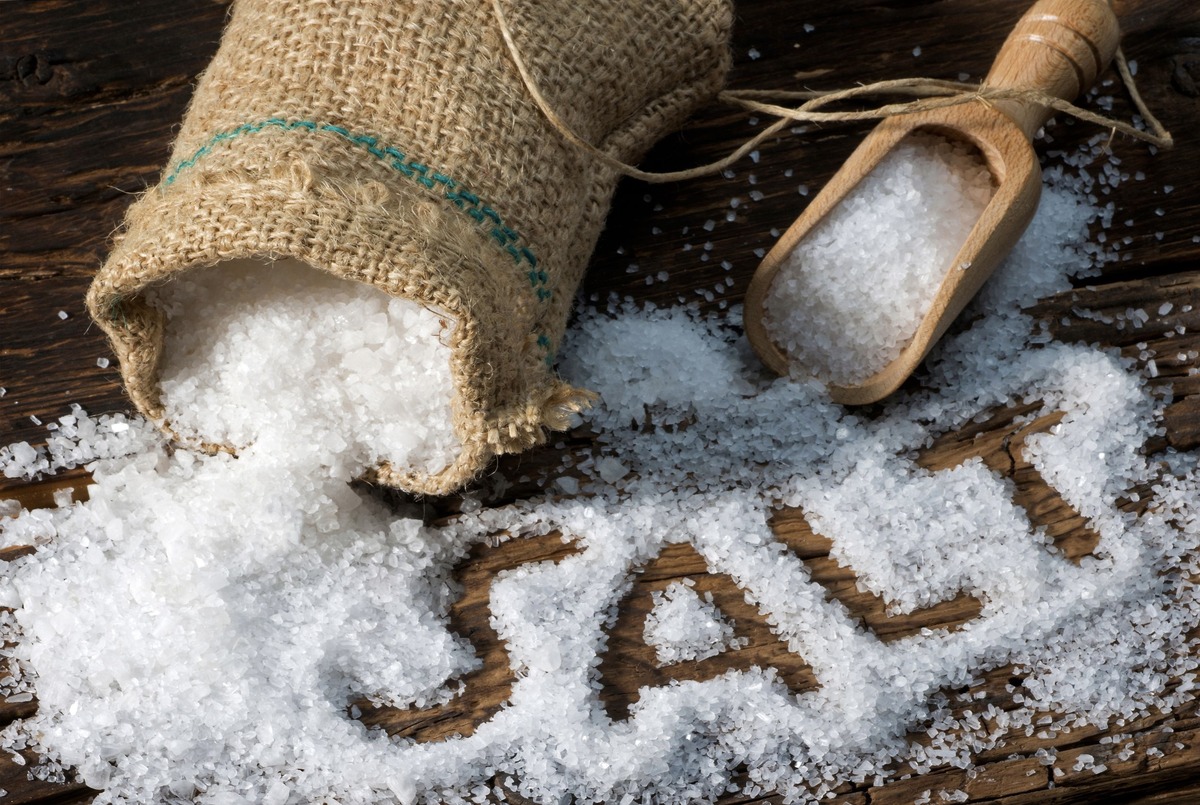
Your body needs sodium—but how much is just right?
Sodium, a naturally occurring mineral and an essential electrolyte, plays a critical role in your health. It regulates your body’s fluid balance, supports nerve signal transmission, and enables muscle contractions—including your heartbeats. In fact, every moment you move, think, or breathe, sodium is working behind the scenes to keep essential physiological processes running smoothly.
But here’s the question I’m asked all the time during Claudia’s Concept consultations: “How much sodium should I actually be eating each day?” As a certified nutritionist with years of experience helping clients decode their daily nutritional needs, I understand that sodium intake isn’t just about numbers—it’s about the quality of life, energy levels, and even long-term heart health.
Health authorities like the Centers for Disease Control and Prevention (CDC) and the World Health Organization (WHO) have set standard intake recommendations, but the truth is, real-life application depends on several individual factors. Understanding your sodium requirement is key to optimizing everything from blood pressure control to energy production, and yes—even your daily performance.
Let’s explore how sodium affects the blood, the body, and overall wellbeing—and exactly how much of it you should be consuming as part of a balanced daily meal plan.
How Much Sodium Should I Eat Per Day? Nutritionist Reveals the Facts
Recommended Daily Sodium Intake: What Nutrition Experts Say
When it comes to sodium intake, precision matters. This mineral plays critical roles in your body’s physiology — from regulating fluid balance to enabling nerve and muscle function. However, consuming too much of it throws your system off balance, and that’s where informed dietary decisions become powerful tools for long-term health.
So, how much sodium should you really eat per day? Let’s get straight to the point with evidence-backed recommendations from health authorities and nutrition science.
Trusted Guidelines from Global Authorities
Both the United States Department of Agriculture (USDA) and the World Health Organization (WHO) agree on limiting daily sodium intake to no more than 2,300 milligrams (mg) for the average healthy adult. To put it visually, that’s about one teaspoon of table salt, which contains roughly 2,325 mg of sodium.
The World Health Organization suggests going even lower — below 2,000 mg daily — to gain additional cardiovascular health benefits, particularly for middle-aged and older populations. Claudia’s Concept embraces these global benchmarks as a foundation for building sustainable, heart-smart dietary habits.
Breakdown by Age Group
- Healthy Adults (19–50 years): The cap remains at 2,300 mg/day, but adults with active lifestyles and higher sweat loss may adjust slightly under guidance.
- Teens (14–18 years): Keep it below 2,300 mg/day. Adolescents are especially vulnerable to developing lifelong taste preferences, and early limits shape better habits.
- Children (9–13 years): Recommended limit is 1,800–2,200 mg/day, depending on growth rate and activity.
- Children (4–8 years): Aim for 1,200–1,500 mg/day. Sodium sensitivity begins early, so the lower range supports long-term kidney and heart health.
- Toddlers (1–3 years): The ideal intake is 1,000 mg/day. Salted snacks and processed meals can easily exceed this, so mindful portions matter.
- Seniors (51+ years): The safe threshold drops to 1,500–2,000 mg/day. As kidney function slows with age, sodium retention increases, raising the risk for hypertension.
When Lower is Better: Managing Health Conditions
If you’re dealing with chronic conditions such as high blood pressure, kidney disease, diabetes, or have risk markers for heart disease, aiming for the 1,500 mg/day limit rather than the general guideline is not only safe — it’s necessary. This isn’t speculation — it’s backed by robust data.
The Dietary Approaches to Stop Hypertension (DASH) study, funded by the National Heart, Lung, and Blood Institute, showed that participants who followed a lower-sodium diet significantly reduced both systolic and diastolic blood pressure within weeks. By reinforcing reduced sodium intake with nutrient-rich foods, Claudia’s Concept helps you tap into nature’s way of restoring internal balance.
At a Glance: Recommended Daily Sodium Intake
- 1–3 years: 1,000 mg/day
- 4–8 years: 1,200–1,500 mg/day
- 9–13 years: 1,800–2,200 mg/day
- 14–50 years: up to 2,300 mg/day
- 51+ years or hypertensive individuals: 1,500–2,000 mg/day
What does this look like practically? Just one slice of processed cheese can contain around 400 mg. A fast-food burger? Upwards of 900 mg. That’s why strategies from Claudia’s Concept are designed not only to educate but also to empower change — with real food, informed choices, and a clear understanding of nutritional balance.
In the next section, we’ll unpack how sodium functions inside your body and why getting the balance right is essential to everything from cardiovascular health to cognitive clarity. Are you ready to rethink your salt habits?
Sodium and Your Body: Essential, Powerful, and Often Misunderstood
When we talk about nutrition, sodium often gets a bad reputation. Yet sodium isn’t the villain it’s sometimes made out to be. In fact, this essential mineral plays a critical role in maintaining physiological balance. At Claudia’s Concept, we don’t demonize sodium. Instead, we help you understand how to use it wisely, aligned with your body’s unique needs.
What Exactly Does Sodium Do in Your Body?
Sodium is far more than just a seasoning tucked away in your spice rack. Once ingested, it quickly dissolves in your bloodstream and takes on the role of a vital electrolyte. Here’s what it does:
- Fluid balance: Sodium regulates fluid volume both inside and outside of your cells. Without it, cells can’t function properly.
- Blood pressure maintenance: It helps control blood volume, directly influencing blood pressure.
- Nerve and muscle function: Through its role in electrical signaling, sodium is essential for nerve impulse transmission and muscle contraction, including the most crucial muscle—your heart.
Think of sodium like an internal traffic controller, intelligently guiding water and nerve messages where they need to go.
The Dance of Electrolytes: Sodium, Potassium, and Magnesium Working in Sync
Your body isn’t relying on sodium alone. It works in close partnership with other minerals—especially potassium and magnesium—to regulate hydration, nerve impulses, and muscle performance. This is what’s often called “electrolyte balance.”
- Potassium
- Magnesium
When sodium intake exceeds the capacity of this trio to keep balance, that’s when problems begin. But if each is calibrated properly—which is exactly what we do at Claudia’s Concept—your body thrives.
Too Little or Too Much: Why Balance is Non-Negotiable
Both sodium deficiency and excess can trigger serious consequences. When sodium drops too low—a condition known as hyponatremia—you might experience headaches, fatigue, confusion, or even seizures. This often results from excessive sweating combined with too much water intake and inadequate sodium replenishment.
On the flip side, chronic high sodium intake—regularly consuming over 3,400 mg per day, which is common in many diets—disrupts fluid retention and blood pressure regulation. This can lead to stiff arteries, increased cardiac workload, and eventually vascular damage.
Balance is the key—not restriction, not overload. At Claudia’s Concept, we personalize meal planning to ensure sodium and its partner electrolytes are working harmoniously for your body’s needs.
The Hydration Connection: Sodium’s Role in Water Absorption and Protein Metabolism
Hydration isn’t just about drinking water—it’s about your body absorbing and utilizing that water. Sodium plays a direct role here. Without enough sodium, the small intestine can’t efficiently absorb fluids, which can lead to dehydration at the cellular level despite high water consumption.
There’s also a surprisingly intimate link between sodium and protein absorption. Sodium-dependent transporters help amino acids cross intestinal cells into your bloodstream. So if you’re fueling up on protein post-workout, yet chronically skimping on sodium, your muscle recovery could be less effective.
This is precisely why sodium isn’t just a cardiovascular concern—it’s a full-body performance factor, linked to digestion, metabolism, and cellular hydration. And that’s the level of awareness we bring to every client at Claudia’s Concept.
Think You’re Eating Low Sodium? Here’s Where It’s Hiding
You might assume your sodium intake is under control because you don’t add extra salt at the table. But did you know that over 70% of the sodium consumed in the average diet doesn’t come from the salt shaker?
It’s the hidden sodium in everyday foods that quietly adds up—stepping far beyond what your body needs. At Claudia’s Concept, I always remind my clients: awareness is the first step to change. So let’s uncover the common culprits stealthily raising your sodium levels.
Bread and Baked Goods: High Sodium in Disguise
Most people don’t expect bread to contribute significantly to sodium intake. Yet, a single slice can contain anywhere from 120 to 230 mg of sodium. That means your morning toast or sandwich could be delivering 20–25% of your daily recommendation if you’re not careful. Even sweet treats like muffins, pancakes, and bagels aren’t innocent; they often contain sodium-based leavening agents like baking soda or baking powder.
Condiments, Sauces, and Dressings: The Flavor Bombs You Didn’t Suspect
You drizzle a little ketchup, dip into soy sauce, or toss your salad with vinaigrette. Individually, they seem harmless. But together, they pack a sodium punch. Here’s a quick snapshot:
- Soy sauce: 1 tablespoon contains around 900–1000 mg
- Salad dressings: 2 tablespoons can range from 300 to 400 mg
- Ketchup: 1 tablespoon has about 150–190 mg
Multiply those by a few meals, and suddenly your sodium load has skyrocketed before the main dish even hits the table.
Deli Meats and Cheeses: Savoury Staples with a Salty Secret
Processed meats like ham, turkey slices, sausages, and salami aren’t just rich in protein—they’re saturated with sodium. A typical 2-ounce serving of deli turkey can contain up to 600 mg. Likewise, popular cheeses such as feta, processed American, and even mozzarella add between 200 to 400 mg per ounce. When combined in a sandwich, these ingredients alone can push you closer to a full day’s limit.
Restaurant Meals and Fast Food: Where Sodium Takes Over
Dining out is a delightful experience, but it comes at a cost to your sodium budget. Restaurant chefs season not just for flavour but for addictiveness—and sodium plays a significant role in that. One fast-food burger can contain 900 to 1,200 mg of sodium, and if you pair it with fries and soda, you might hit the 2,000 mg mark in a single meal. Chain restaurants often list sodium levels online—make it a habit to check before ordering.
The Overlooked Truth: Sodium Comes from the Whole Plate, Not Just One Item
It’s easy to focus on the main dish and assume that’s where the bulk of sodium is found. However, in reality, it’s the collective sodium from sides, condiments, and beverages that quickly adds up. At Claudia’s Concept, one of the most empowering tools we give clients is the habit of checking every component of a meal. It’s not just about the grilled chicken—it’s the marinade, the bun, the pickles, and the sauce that elevate sodium levels.
The next time you plate your food, pause for a moment. Think beyond the obvious. That’s how you take real control over your sodium—and, more importantly, your health.
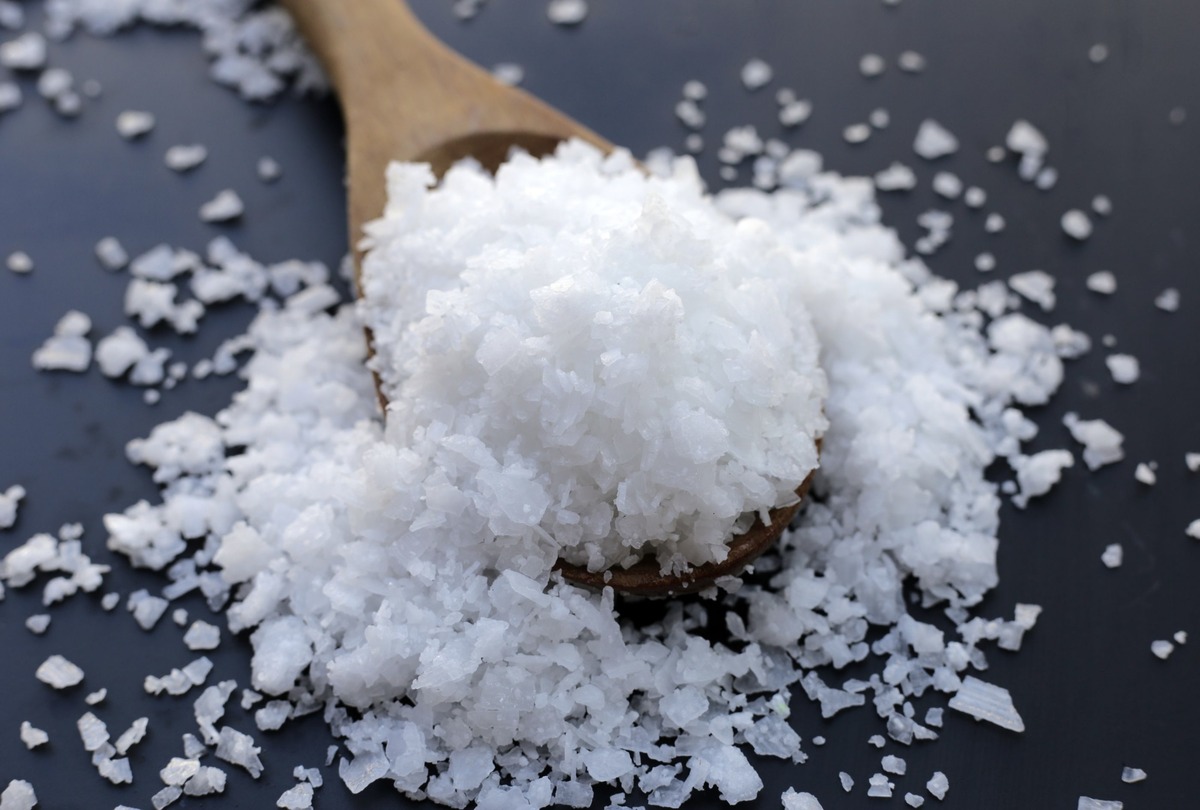
Sodium in Processed and Packaged Foods: What’s Lurking Behind the Flavor
Have you ever wondered why your instant noodles taste so good or why that frozen dinner seems to last forever in the back of your freezer? The answer often lies in sodium — not just the salt shaker variety, but the kind deeply integrated into the food processing chain. At Claudia’s Concept, I focus on building nutritional awareness with facts, not fear. Let’s look closely at how sodium sneaks into our diets through processed and packaged foods and what you can do to take back control.
Why Manufacturers Add Sodium: It’s Not Just About Taste
Sodium isn’t just there for taste — although it does play a huge role in enhancing flavor. In processed foods, sodium-containing additives like sodium nitrite, sodium benzoate, and monosodium glutamate (MSG) serve multiple functions. They preserve shelf life by inhibiting microbial growth, stabilize texture, and improve palatability. The food industry relies heavily on these functional benefits, which explains why so many pre-packaged foods contain high levels of sodium — even ones you wouldn’t expect, like breakfast cereals or flavored yogurt.
Processed Foods vs. Whole Foods: A Stark Sodium Contrast
The contrast between processed and whole foods in sodium content is staggering. According to the U.S. Centers for Disease Control and Prevention (CDC), over 70% of the sodium in the average diet comes from packaged and restaurant foods — not from salt added during home cooking. For example, a medium-sized baked potato contains just about 20 mg of sodium, while a serving of instant mashed potatoes can have upwards of 500 mg. That’s 25 times the amount, all due to processing.
Examples of High-Sodium Packaged Foods
Let’s look at popular products that contribute to excessive sodium intake — often without you noticing:
- Instant noodles: One packet can contain between 800–1800 mg of sodium, typically from seasoning powders and sauces.
- Canned soup: Even “low-fat” or “light” versions often carry 700–1400 mg per serving, depending on the brand.
- Potato chips: A standard 30g serving can deliver 180–250 mg — and that’s if you stop at one serving.
- Frozen meals: Convenience comes at a cost — many frozen entrees pack around 900–1500 mg per serving, with some climbing as high as 2000 mg.
When you add it up, a typical processed meal could quickly exceed the World Health Organization’s recommended maximum of 2000 mg of sodium per day — all in one sitting.
How to Reduce Your Intake Without Sacrificing Flavor
Reducing your reliance on processed and packaged foods doesn’t mean you need to eat bland or boring meals. Here are actionable strategies I always recommend at Claudia’s Concept for real-world nutritional change:
- Cook more meals at home. This gives you full control over the ingredients, especially salt and sauces.
- Choose whole foods. Fresh fruits, vegetables, legumes, and grains are naturally low in sodium and packed with essential nutrients.
- Flavor creatively. Herbs, spices, citrus, vinegar, and garlic add depth and excitement to meals — no sodium needed.
- Shop smart. Look for “no salt added” or “low-sodium” alternatives when purchasing staples like canned beans or broths.
Next time you reach for a quick fix from the freezer or pantry, pause and consider how much sodium is tagging along. Remember, the goal isn’t to eliminate sodium completely — it’s to become more selective about where it comes from. By favoring real, nourishing food and keeping an eye on sodium-heavy processed items, you’ll see a notable shift in energy, digestion, and even skin clarity.
Reading Nutrition Labels: Sodium Savvy Shopping Tips
You walk into a grocery store with wellness in mind—but navigating those nutrition labels? It can feel like decoding a foreign language. If managing sodium is part of your healthy lifestyle goals, learning to read food labels with confidence is key. At Claudia’s Concept, we teach clients to make informed decisions that align with their health goals, starting with the very first step: your food choices.
How to Spot Sodium Content on Nutrition Labels
The nutrition facts panel holds the truth—but you need to know where to look. Sodium is listed per serving, not per package. That matters. A product might appear low in sodium, but if the serving size is tiny and you’re eating double or triple that amount, your intake skyrockets.
For example, if a soup label indicates 490 mg of sodium per serving, and the serving size is 1 cup—but you’re consuming the whole can (which might be 2.5 servings)—you’re actually ingesting 1,225 mg of sodium in one sitting. That’s over half the daily limit recommended by the World Health Organization, which advises less than 2,000 mg per day to reduce risk of hypertension and cardiovascular disease.
Understanding Sodium Claims on Packaging
Food labels use terms like “low sodium” or “reduced sodium”—but what do they really mean? These aren’t marketing fluff; they follow FDA-regulated definitions:
- Low sodium: 140 mg of sodium or less per serving
- Very low sodium: 35 mg or less per serving
- Reduced sodium: At least 25% less sodium than the regular version of the food
- No salt added / unsalted: No salt is added during processing, but the food may still contain natural sources of sodium
So when you see “reduced sodium,” don’t assume it’s low. A reduced-sodium soy sauce, for instance, still contains around 500–600 mg per tablespoon—that’s still substantial.
Compare Similar Products for Smarter Choices
Let’s make it practical. Next time you’re in front of the pasta sauce shelf, pick up two jars. Go straight to the sodium line. You might find one has 420 mg per ½ cup, while the other has 250 mg. That simple switch saves you nearly 200 mg of sodium with no compromise on flavour. And consistently making these swaps? That accumulates into major benefits over weeks and months—just the kind of impact we aim for with clients at Claudia’s Concept.
Red Flags for Hidden Sodium: Ingredients to Watch
Beyond the obvious “salt,” there’s a list of sodium-containing compounds that often fly under the radar. Manufacturers use these as preservatives, flavour enhancers, or leavening agents. Here are key sodium sources to keep an eye on:
- Monosodium glutamate (MSG) – common in flavour-packed snacks, instant noodles, frozen meals
- Sodium phosphates – used in processed meats, cheese spreads, and baking mixes
- Baking soda (sodium bicarbonate) – found in baked goods and some canned vegetables
- Sodium nitrate / nitrite – most often in cured meats like salami, bacon, and hot dogs
Scan ingredient lists just below the nutrition facts panel. Anything starting with “sodium” deserves a second look. Even better: choose whole-food options where you control how much salt goes in.
Sodium awareness starts at the store. With every label you read accurately, you gain more control over your intake—and that brings you closer to sustainable, energised health. Ready to take ownership of your food choices? That’s the power we unlock together at Claudia’s Concept.
How Sodium Affects Blood Pressure and Heart Health
What if the salt you’re sprinkling on your salad is quietly raising your risk for serious heart issues? Most people don’t make the connection, but sodium plays a central role in how your heart behaves and how high your blood pressure climbs. At Claudia’s Concept, we dig deep into science-backed nutrition to ensure you’re empowered with facts—not fears—so let’s explore exactly why sodium commands attention when it comes to your heart health.
The Sodium-Hypertension Connection: Not a Myth, But a Mechanism
Here’s what actually happens inside your body: When you consume too much sodium, your kidneys struggle to maintain the proper balance. Excess sodium starts to pull more water into your bloodstream. That extra fluid increases the volume of blood in your vessels, pushing against artery walls like a rising tide in a narrow river.
This surge directly elevates blood pressure—a condition medically known as hypertension. And we’re not talking minor numbers here. According to a meta-analysis published in the BMJ in 2020, reducing sodium intake by just 2 grams (equivalent to 5 grams of salt) per day leads to a significant drop of 5.39 mmHg in systolic blood pressure and 2.82 mmHg in diastolic pressure—especially in individuals with high blood pressure to begin with.
Soaring Sodium, Soaring Risk: Cardiovascular Disease and Beyond
High blood pressure places undue strain on your heart, arteries, and organs. Over time, this strain stiffens blood vessels, accelerates plaque buildup, and can trigger serious cardiovascular consequences including heart attacks, strokes, and heart failure. The World Health Organization (WHO) has labelled high sodium consumption as one of the leading dietary risk factors for death worldwide.
A particularly telling study in The New England Journal of Medicine (2014) tracked over 100,000 individuals across 18 countries. The researchers found a direct correlation: higher sodium intake (particularly when exceeding 5 grams per day) resulted in proportionally higher cardiovascular event risk.
What’s more, this isn’t just a statistic; it’s something I witness consistently in clients at Claudia’s Concept. People who transition from a high-sodium diet to a balanced, mindful sodium intake often experience notable improvements—not just in blood pressure readings, but in overall energy, heart rhythm stability, and mental clarity.
The Sodium-Water Retention Cycle: Understanding Blood Pressure Mechanics
Your body is incredibly adaptive, but it thrives in balance. Sodium’s job is to help regulate fluid volume and nerve function. However, when sodium tips the scale, water follows. This is what’s called the sodium-water retention cycle.
- High sodium leads to water retention.
- More water in the bloodstream increases blood volume.
- Increased blood volume raises blood pressure.
- Elevated pressure taxes the heart and damages arteries over time.
Imagine inflating a balloon just a little too much every day—eventually, that tension causes wear, weakening the structure. The same principle applies to your cardiovascular system. Long-term strain can pave the way for chronic heart conditions.
Let’s not forget a key point here: some individuals are “salt-sensitive,” meaning their blood pressure responds more sharply to sodium. Genetics, age, and underlying health conditions can amplify this sensitivity. Tailoring your intake isn’t just smart—it’s essential. That’s why, at Claudia’s Concept, we design customized nutrition plans that respect biochemical individuality and provide optimal cardiovascular protection.
Have you ever considered how something as simple as a handful of salted snacks could impact the pressure within your arteries? Start paying attention. The difference between 3,000 mg and 1,500 mg of sodium per day could literally save your heart from an uphill battle.
Smart Swaps & Savvy Choices: Practical Tips for a Low-Sodium Diet
If you’re reading this, you’re likely motivated to take charge of your sodium intake—and that’s a powerful first step. As a celebrity nutritionist passionate about long-term wellness, I’ve worked with clients all over the world who’ve seen remarkable results just by making subtle, yet impactful changes to the way they eat. With these practical tips from Claudia’s Concept, you’ll see how easy—and delicious—it is to enjoy food without overloading on sodium.
Simple Swaps That Make a Big Difference
- Season with flavor, not salt. Herbs like basil, rosemary, thyme, and spices like cumin and paprika can easily replace salt in home cooking. Brighten up your dishes with lemon juice, lime zest, or a splash of apple cider vinegar—they provide freshness and depth without sodium.
- Choose fresh meats over deli options. Deli meats, bacon, sausages, and pre-marinated protein options often contain over 800 mg of sodium per serving. Opt for lean cuts of fresh chicken, fish, or tofu. You’ll control the seasoning and dramatically lower your sodium intake.
Balanced & Low-Sodium Without Losing Flavor
Many people think cutting sodium means sacrificing taste, but Claudia’s Concept proves that’s just not the case. The secret lies in natural ingredients and smart cooking techniques. Sauté onions and garlic in olive oil to build a flavorful base. Roast vegetables to bring out their natural sweetness. Use ripe cherry tomatoes, nuts, and unprocessed grains to create satisfying textures and umami-rich meals.
Prioritizing Protein Without Excessive Sodium
You can absolutely keep protein high while keeping sodium low—it just takes a little awareness. For instance, a 100g portion of grilled chicken breast contains about 70-90 mg of sodium, while the same amount of teriyaki-marinated chicken shoots up to over 600 mg due to the sweet-salty sauce. Focus on grilling, steaming, baking or stir-frying your proteins with natural herbs and no added sauces.
Meal Planning Ideas That Work
- Breakfast: Greek yogurt (unsweetened, low-sodium) with fresh berries, chia seeds and a drizzle of honey. Or try oatmeal with banana slices and cinnamon.
- Lunch: Quinoa salad with roasted vegetables, olive oil, lemon juice and grilled tofu or chickpeas. Add avocado for creaminess and potassium-balancing benefits.
- Dinner: Grilled salmon with steamed broccoli, garlic mashed sweet potatoes and a citrus-herb vinaigrette. For a vegetarian option, try lentil stew with turmeric and coriander.
Watch Out: Hidden Sodium in Protein Foods
Even seemingly healthy protein options can harbor unexpected sodium. Marinated chicken, rotisserie meats, protein bars, and jerky often rank high in sodium content. A single ounce of beef jerky, for example, can contain over 500 mg of sodium. Always read nutritional labels, and when in doubt, stick to whole, unprocessed sources. Claudia’s Concept emphasizes sourcing quality ingredients—because when food is naturally flavorful, you won’t need to rely on salt for taste.
Empowering yourself with this knowledge is the first step—now it’s time to put it into action. Transform your plate with mindful swaps, creative cooking and purposeful preparation. Sodium-smart living doesn’t just support better health—it tastes amazing too.
Final Thoughts: How Much Sodium Should You Really Eat?
After diving deep into sodium’s multifaceted role in our health, one thing becomes crystal clear—your daily intake matters more than most people realize. Sodium isn’t just seasoning; it’s a regulator of blood pressure, a nerve activator, and a muscle function assistant. Yet, too much of it—especially from processed sources—can gradually destabilize your cardiovascular health and blood pressure balance.
According to extensive data from the Centers for Disease Control and Prevention (CDC), the average adult consumes more than 3,400 mg of sodium per day, which far exceeds recommended levels. The Dietary Guidelines for Americans suggest keeping it under 2,300 mg a day—that’s about one teaspoon of salt. And if you’re managing high blood pressure or cardiovascular concerns, the American Heart Association recommends cutting it even further to 1,500 mg daily.
So, where does that leave you? Trust your body, but also trust science. Feeling bloated, unusually thirsty, or having elevated blood pressure readings? Your sodium intake might be playing a quiet—but powerful—role. At Claudia’s Concept, we believe that good nutrition advice starts with awareness. And sodium awareness starts with you reading those labels, asking the right questions, and making mindful choices in the kitchen and at the grocery store.
Think about yesterday’s meals: how much of it came from fresh, whole foods, and how much from ready-to-eat or delivery options? That moment of reflection alone can uncover so much. Every swap—whether it’s seasoning with herbs instead of salt, or choosing plain over flavored packaged items—can bring you closer to that optimal sodium balance your body thrives on.
Claudia’s Tip: One Plate, Many Messages
Your plate should speak health fluently. And sodium is just one dialect in the rich language of good nutrition. Balance it with enough potassium, fiber, healthy fats, and lean proteins to create meals that support long-term health. Listen to your body, and if you’re still uncertain, check in with your healthcare provider to pinpoint your individual sodium needs.