
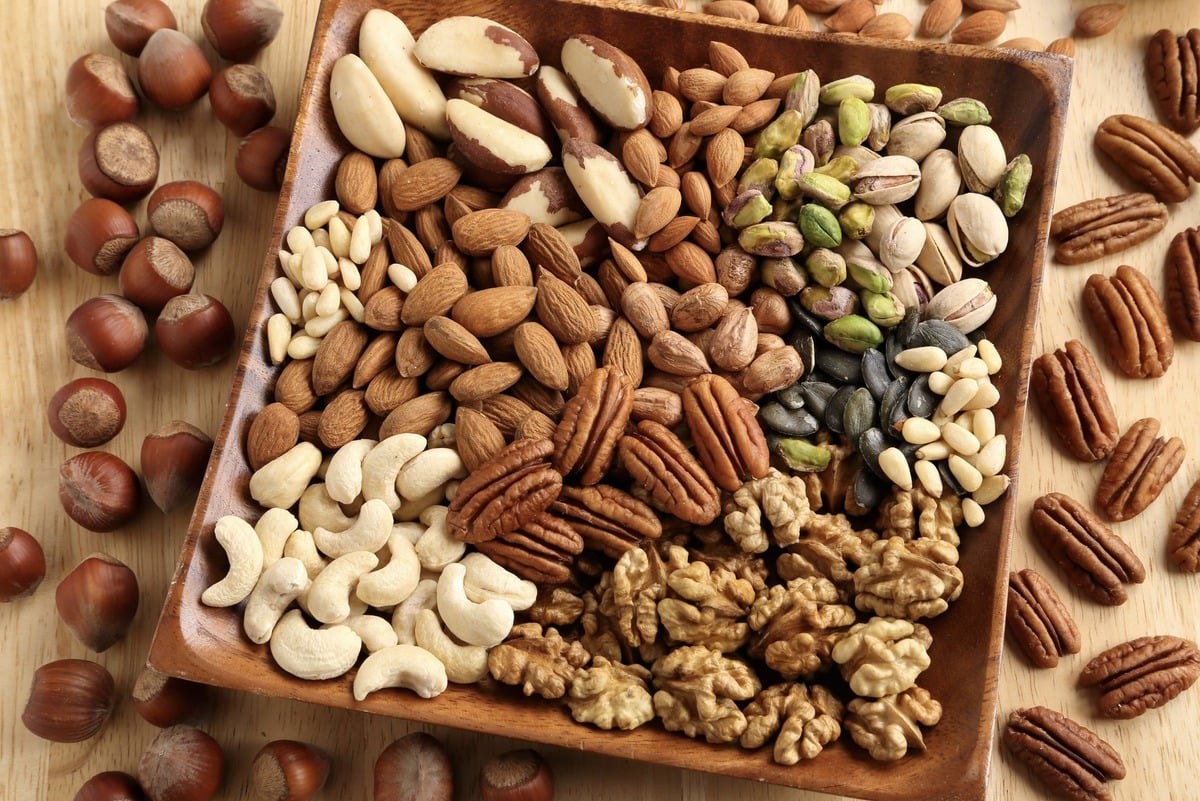
In recent years, more people than ever are prioritising heart health, and it’s not just about adding years to life—it’s about adding life to those years. Conversations around cardiovascular wellness now dominate personal wellness goals, with food choices at the very core of the transformation.
As a certified nutritionist and the founder of Claudia’s Concept, I’ve seen how small dietary changes create powerful shifts in heart health. Nutrition is not just support—it’s a guide, a tool, a direct pathway to better cardiovascular function and longevity. Among the nutritional powerhouses making waves in this landscape? Nuts. Compact, crunchy, and irresistibly satisfying, nuts have evolved from snack-time staples to science-backed heart-health boosters. Their rise isn’t a trend—it’s a nutritional awakening.
So, how exactly do nuts nourish your heart? Let’s dive into the science, spotlight the benefits, and discover how to make this tiny superfood a big player in your daily routine.
The Power of Food: How Nutrition Shapes Your Heart Health
Think of your heart as a finely-tuned engine—it requires the right fuel to run efficiently over time. When I work with clients at Claudia’s Concept, I make it clear that eating well isn’t only about slimming down; it’s about thriving. Nutrition is your body’s first line of defence, especially for your heart. So let’s shift the focus from calorie counting to nourishing with purpose.
Why Eating for Wellness Replaces Dieting for Results
When we eat with health in mind rather than a short-term weight goal, the benefits extend beyond appearance. Real food choices rooted in whole ingredients can regulate your internal functions, stabilise your mood, and support lifelong cardiovascular health. You don’t diet your way to a stronger heart—you nourish it with intention.
Nutrition’s Role in Cardiovascular Function
Every bite you take sends biochemical signals throughout your body. Meals packed with trans fats, sodium, and sugar ignite inflammation and harden arteries. In contrast, meals rich in nutrients like potassium, fibre, and healthy fats lower health markers tied to heart risks.
- Blood Pressure: Magnesium- and potassium-rich foods relax blood vessels and balance sodium levels. Studies published in the Journal of Clinical Hypertension show that consistent intake of potassium can lower systolic blood pressure by up to 7 mmHg.
- Cholesterol: Dietary strategies high in plant sterols, unsaturated fats, and soluble fibres—like those found in nuts—have been proven to cut LDL (“bad”) cholesterol without affecting HDL (“good”) cholesterol.
- Blood Sugar Stability: Meals high in complex carbohydrates and natural fats slow digestion, preventing glucose spikes. A 2018 clinical trial in The American Journal of Clinical Nutritiondemonstrated that consuming mixed nuts daily improved glycaemic control in individuals with type 2 diabetes.
- Fat Metabolism: Instead of avoiding fats, focus on integrating the right kinds. Unsaturated fats, particularly monounsaturated fats found in almonds and cashews, promote better lipid profiles and enhance nutrient absorption.
Nuts: Nature’s Cardioprotective Snack
This is where nuts come into the spotlight. At Claudia’s Concept, we celebrate them as a staple in any heart-supportive nutrition plan. Why? Because they naturally address the root causes of cardiovascular strain. Rich in healthy fats, antioxidants, amino acids, and minerals, they offer a compact package of preventative support. Plus, they satisfy hunger in a way that sugary snacks or processed crackers simply can’t.
Curious about what makes specific nuts so effective for heart health? Let’s take a closer look at their individual nutritional profiles and understand how each variety supports your cardiovascular system in practical, powerful ways.
The Nutritional Powerhouse: Why Your Heart Loves Nuts
Packed with Protein to Keep You Full and Strong
One of the most underrated advantages of nuts is their impressive protein content. Whether it’s almonds, pistachios, or peanuts, most varieties offer between 5 to 7 grams of protein per ounce. This protein not only supports lean muscle mass but also contributes to satiety, helping you feel full and energized throughout the day. At Claudia’s Concept, we include nuts as part of our heart-focused meal plans because plant-based proteins like these help reduce the reliance on saturated fat-heavy animal products.
Healthy Fats That Fuel Heart Protection
Nuts are incredibly rich in monounsaturated and polyunsaturated fats—the very fats that consistently show cardiovascular benefits in scientific studies. A comprehensive analysis in the Journal of the American College of Cardiology (2020) found that individuals who consumed more nuts had significantly lower risks of coronary heart disease, thanks largely to replacement of saturated fats with these heart-healthy fats. When we recommend dietary upgrades at Claudia’s Concept, this swap is one of the first—and most effective—changes we make.
- Monounsaturated Fats: Help reduce LDL cholesterol without lowering HDL (good) cholesterol.
- Polyunsaturated Fats: Especially omega-6 and omega-3 fatty acids, support arterial flexibility and reduce triglyceride levels.
Dietary Fiber: A Friend to Digestion and Cholesterol Control
Fiber plays a dual role that most people overlook. On one hand, it supports gut health by feeding your beneficial bacteria. On the other, and even more crucial for your heart, soluble fiber binds to bile acids and cholesterol in the gut, reducing overall levels in the bloodstream. For instance, almonds deliver around 3.5 grams of fiber per ounce—with more than 25% of that being soluble. Nutritional strategies from Claudia’s Concept always prioritize fiber-rich foods, particularly for clients managing cholesterol.
Micronutrient Power: More Than Just Calories
Looking beyond macronutrients, nuts come loaded with heart-supporting micronutrients. Take magnesium: known for its role in muscle relaxation and blood pressure regulation, this mineral is found in high levels in cashews and Brazil nuts. Or potassium—abundant in pistachios and hazelnuts—which balances sodium levels and supports healthy blood flow. And let’s not forget vitamin E, present in abundance in almonds, acting as a potent antioxidant that reduces arterial inflammation. These vitamins and minerals don’t just appear in lab reports—they bring measurable improvements in cardiovascular function, which is why they’re staples in our Claudia’s Concept nutrition protocols.
So, next time you’re reaching for a snack, ask yourself: is it nourishing your heart? If you choose nuts, the answer is yes—powerfully, deliciously, and scientifically proven.
Healthy Fats in Nuts: The Good Fat Story
Think fats are your heart’s enemy? Not so fast. When we explore what actually supports cardiovascular health, healthy fats emerge as powerful allies. The type of fat you consume shapes how your body responds—especially when it comes to heart function, cholesterol levels, and blood sugar control. At Claudia’s Concept, I always emphasize choosing the right kind of fats, and nuts deliver them in abundance.
Not All Fats Are Created Equal
Fats fall into different categories, each with a distinct effect on your body:
- Saturated fats are commonly found in animal products and certain tropical oils. They tend to raise LDL (bad) cholesterol, which can lead to plaque buildup in arteries.
- Trans fats, mostly industrially produced, significantly increase the risk of heart disease and are best eliminated from your diet entirely.
- Unsaturated fats, found in nuts, seeds, avocados, and oily fish, improve heart function and blood profile.
When you focus on unsaturated fats—especially monounsaturated fats and polyunsaturated fats like those found in almonds, pistachios, and walnuts—you actively support your cardiovascular system. These are what we refer to at Claudia’s Concept as “functional fats.”
Monounsaturated Fats: Your Cholesterol Regulators
One of the standout properties of monounsaturated fats is their role in modulating cholesterol. These fats decrease LDL cholesterol and simultaneously promote higher HDL (good cholesterol) levels. A meta-analysis published in the American Journal of Clinical Nutrition reported that replacing saturated fats with monounsaturated fats consistently reduced LDL cholesterol without harming HDL. This dual action creates a healthier lipid profile and lowers the risk of atherosclerosis—a major contributor to heart disease.
It’s more than just numbers. Elevated HDL helps remove excess cholesterol from circulation and transports it to the liver for excretion. By including a handful of nuts—like hazelnuts or macadamias—you shift the balance in your favor, promoting arterial flexibility and improved endothelial function.
How Fat Influences Energy and Blood Sugar
Beyond heart health, the fat in nuts also plays a pivotal role in energy balance. Unlike refined carbohydrates, which can spike glucose levels and crash soon after, fats provide slow-burning fuel. This leads to prolonged satiety, reduced cravings, and stable energy throughout the day.
Here’s the science: dietary fats trigger the secretion of cholecystokinin (CCK) and peptide YY (PYY)—hormones that promote satiety. And because fats slow gastric emptying, they help delay glucose absorption into the bloodstream. As a result, you experience fewer blood sugar spikes, which is crucial for protecting cardiovascular health long term.
Claudia’s Concept integrates these insights into daily meal planning strategies, helping you choose foods that not only taste great but provide physiological benefits. When you incorporate nuts rich in healthy fats, you’re literally fueling both your heart and your metabolism from the inside out.
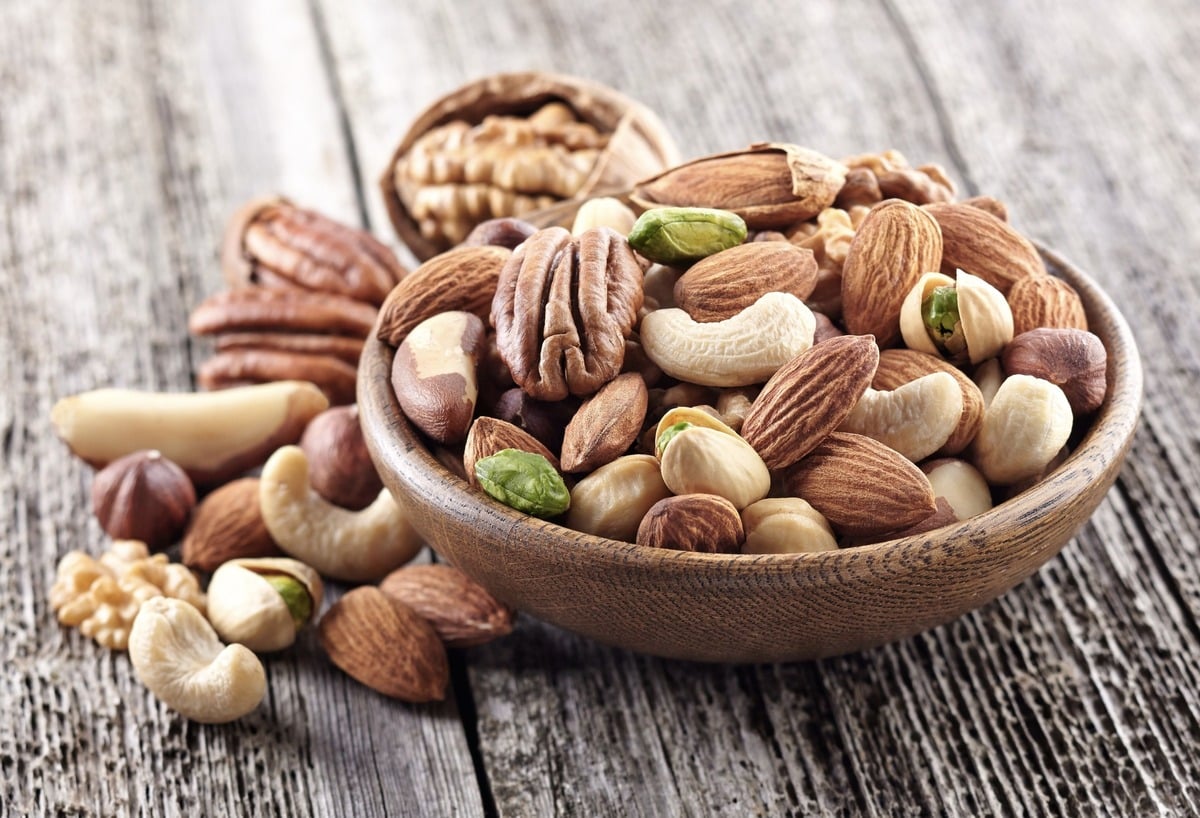
Nutritionist Reveals How Good Are Nuts for Your Heart: Types of Heart-Healthy Nuts
When it comes to nurturing your heart, not all snacks are created equal. In fact, some can be powerful allies in keeping your cardiovascular system in peak condition. Over the years at Claudia’s Concept, I’ve guided clients to make choices that support long-term heart wellness, and one recommendation keeps surfacing—nuts.
Let’s take a closer look at specific types of nuts that deliver a concentrated dose of heart-loving nutrients. Each variety brings its own unique blend of healthy fats, vitamins, minerals, and antioxidants. Here’s the breakdown:
Almonds: Nutrient-Dense and Heart-Smart
Almonds pack a powerful trio—vitamin E, magnesium, and calcium. These nutrients play synergistic roles in reducing oxidative stress, regulating blood pressure, and strengthening blood vessel function. A handful of almonds delivers about 7.27 mg of vitamin E (48% of the daily value) which actively helps protect cells from damage, including those in your arteries.
Walnuts: Your Go-To Source of Plant-Based Omega-3s
Walnuts are uniquely high in alpha-linolenic acid (ALA), the plant form of omega-3 fatty acids. Just one ounce offers approximately 2.5 grams of ALA. Studies published in Circulation journal confirm that regular walnut consumption improves endothelial function and reduces inflammation, key factors for maintaining arterial health. Their brain-like shape is no coincidence—they nourish both the heart and the mind.
Pistachios: Cardio-Boosting and Cholesterol-Lowering
Don’t let their size fool you. Pistachios are tiny dynamos of health. They’re rich in phytosterols, compounds that help lower LDL (bad) cholesterol. A two-week study in the American Journal of Clinical Nutrition demonstrated that participants who consumed two servings of pistachios per day significantly reduced both systolic blood pressure and LDL cholesterol levels. Their vibrant green and purple hues are thanks to antioxidants like lutein and zeaxanthin.
Cashews: Mineral-Rich with a Soft, Buttery Punch
Cashews provide iron and zinc—two minerals essential for oxygen transport and immune function, both crucial for sustaining heart health. Per ounce, cashews offer roughly 1.89 mg of iron and 1.64 mg of zinc. These nutrients assist your cardiovascular system by supporting optimal blood and cellular function, reducing vulnerability to fatigue and compromised circulation.
Macadamia Nuts: Small in Size, Rich in Monounsaturated Fats
High in monounsaturated fats—nearly 80% of their fat profile—macadamia nuts play a starring role in improving lipid profiles. Research in the journal Lipids has shown that incorporating macadamias into a heart-conscious diet lowers LDL cholesterol without reducing HDL (good cholesterol). Their mild flavor and luxurious texture make them an indulgent way to protect your arteries.
Pecans: Antioxidant Powerhouses with a Friendly Fat Profile
Pecans are high in ellagic acid, a potent polyphenol antioxidant that combats oxidative stress—a leading cause of atherosclerosis. Their fat content is predominantly monounsaturated, which assists in lowering bad cholesterol. According to the USDA ORAC (Oxygen Radical Absorbance Capacity) database, pecans rank among the highest antioxidant-rich nuts, mirroring their potential to reduce inflammation and lipid oxidation.
At Claudia’s Concept, I always remind my clients that eating a variety of these nuts provides a more comprehensive range of nutrients. Each one offers something special—so why choose just one?
Unlocking the Power of Omega-3: How Nuts Safeguard Your Heart
When people hear “omega-3 fatty acids,” their minds usually jump to fatty fish like salmon or mackerel. But did you know some nuts—especially walnuts—offer a potent, plant-based form of omega-3 that directly benefits your cardiovascular system? At Claudia’s Concept, I always remind clients that nutrition is a science-backed pathway to vibrant heart health, and omega-3 plays a starring role in that journey.
Omega-3s: Your Molecular Heart Protectors
Omega-3 fatty acids are essential, meaning your body cannot produce them on its own. These fats are crucial in regulating the heart’s rhythm, reducing chronic inflammation, and supporting optimal vascular function. Specifically, the heart thrives when inflammation is kept in check, and omega-3s are known to serve this exact anti-inflammatory function.
The particular type of omega-3 found in nuts is alpha-linolenic acid (ALA). While ALA is structurally different from the EPA and DHA found in fish, research shows that ALA still exerts significant heart-protective effects. A 2021 review in the journal Advances in Nutritionconcluded that higher dietary intake of ALA is associated with a 10% lower risk of cardiovascular disease. That’s not theory—it’s measurable impact.
Walnuts: A Plant-Based Powerhouse of ALA
Among tree nuts, walnuts are the gold standard for omega-3 content. Just one ounce (about 28 grams) provides 2.5 grams of ALA. This is not a trivial amount—it represents more than double the daily ALA intake recommended to support cardiovascular health.
- Heart rhythm: Omega-3s help stabilize the electrical system of the heart, reducing the incidence of arrhythmias.
- Inflammation control: ALA impacts inflammatory markers like C-reactive protein (CRP), helping lower systemic inflammation—a key driver of heart disease.
- Arterial function: Research published in the Circulation journal demonstrated that ALA enhances endothelial function, improving blood vessel flexibility and promoting smoother blood flow.
Bringing more ALA into your daily meals doesn’t mean overhauling your diet. A small handful of raw or lightly toasted walnuts added to your salad, yogurt, or oatmeal instantly delivers omega-3 punch in the most accessible way. At Claudia’s Concept, I integrate these easy, nutrient-dense additions into personalised meal plans to elevate both taste and health outcomes.
If you’re thinking beyond fish and looking for heart-supporting omega-3s from plants, nuts—especially walnuts—are a smart, science-backed choice. They’re delicious, versatile, and potent allies in cardiovascular protection.
Managing Cholesterol with Nuts: Real Changes You Can Count On
When we’re talking about heart health, cholesterol management takes front and center. But what if your snack could double as a powerful tool to balance those levels? According to extensive clinical evidence, nuts are not just heart-friendly—they actively contribute to reducing total cholesterol and triglyceride levels. This isn’t anecdotal; this is clinical science.
What Research Says: Proven Impact on Cholesterol
In a 2015 pooled analysis published in the American Journal of Clinical Nutrition, researchers reviewed 61 controlled intervention trials and found that eating an average of 67 grams of nuts per day significantly lowered total cholesterol and LDL (the “bad” cholesterol), while also reducing triglycerides. The largest effects were observed in participants with higher baseline LDL cholesterol levels, reinforcing how effective nuts can be for those most at risk.
Furthermore, a 2019 randomized controlled trial in the journal Circulation examined the role of walnuts in people with elevated cholesterol. Participants who ate walnuts daily saw a significant reduction in LDL cholesterol—without any change to calorie intake or weight.
How Nuts Make It Happen: The Science Behind the Effect
- Soluble Fiber: Some nuts, like almonds and pistachios, contain soluble fiber that binds to cholesterol in the digestive tract. This process prevents the cholesterol from being absorbed into the bloodstream, effectively lowering total blood cholesterol.
- Healthy Fats: Unsaturated fats in nuts replace saturated fats in the diet. This substitution has a positive effect on lipid profiles, helping to lower LDL cholesterol and raise HDL (the “good” cholesterol).
- Phytosterols: Naturally found in many nuts, phytosterols compete with cholesterol for absorption in the intestines, which lowers overall cholesterol absorption.
- Antioxidants: Vitamin E and polyphenols found in walnuts, pecans, and hazelnuts, for instance, combat oxidative stress that can lead to damaged blood vessels and promote plaque formation.
Small Habit, Big Difference: A Handful of Nuts a Day
Just 28 to 42 grams a day—roughly a small handful—is enough to trigger measurable improvements in your lipid profile. Regular consumption fits seamlessly into a cholesterol-lowering diet, and you’ll notice the benefits without overhauling your entire routine. That’s one of the core goals behind Claudia’s Concept: making transformative wellness practical and sustainable.
Incorporating nuts doesn’t mean sacrificing flavor or convenience. Whether sprinkled over salads, blended into smoothies, or simply enjoyed on their own, they become an easy—and enjoyable—part of your routine. At Claudia’s Concept, we often integrate nuts into our clients’ nutritional plans for their functional benefits as much as for their taste and versatility.
Been tracking your cholesterol? Consider this your cue to measure the impact of adding nuts, because numbers don’t lie—and in this case, they tend to go down in all the right ways.
Smart Ways to Incorporate Nuts into Your Diet
Nutritious, flavor-packed, and incredibly versatile—nuts are more than just a good-for-you snack. They fit beautifully into your daily routine in ways that delight the palate and protect your heart. At Claudia’s Concept, I always recommend strategic inclusion over mindless munching. Ready to explore how easily you can make nuts a part of your lifestyle?
Wholesome Snacks That Work for Your Heart
One of the simplest ways to enjoy the heart-health benefits of nuts is through smart snacking. Think about what you’re reaching for between meals. Are your snacks providing real nourishment?
- Raw almonds: A handful (about 23 almonds or 28 grams) delivers 6 grams of protein and 3.5 grams of fiber. Perfect for holding off hunger while stabilizing blood sugar.
- DIY trail mix: Mix unsweetened dried cranberries, raw walnuts, pumpkin seeds, and pistachios. Avoid added sugars and sodium—stick to natural ingredients to support your cardiovascular system.
- Lightly roasted pistachios: Choose those dry-roasted without oils and salts. Pistachios offer both monounsaturated fats and a meaningful dose of vitamin B6, vital for accurate nerve signaling and proper red blood cell production.
Transform Your Meals with Heart-Smart Upgrades
Incorporating nuts into meals not only enriches the flavor profile but boosts the dish’s nutritional density. It’s a simple tweak with powerful outcomes.
- Sprinkle chopped walnuts over oatmeal or blend them into your morning porridge. Walnuts contain polyunsaturated fats, especially alpha-linolenic acid (ALA), which has strong anti-inflammatory effects beneficial to heart tissue.
- Add cashews to stir-fries—their subtle sweetness and creamy texture bring balance to savory dishes. As part of a high-fiber, plant-forward plate, these nuts help optimize cholesterol ratios.
- Garnish salads with sliced almonds or pecans to introduce crunch, depth, and prolonged fullness from the added healthy fats.
Get Creative with Nut Butters
Nut butters—provided they’re free from added sugar and salt—offer the same benefits as whole nuts in a smoother, more versatile form. Whether you’re blending, spreading, or drizzling, they make nutrition seamless.
- Smoothies: Blend a teaspoon of almond or peanut butter with banana, oats, and plant-based milk for a nourishing post-workout recovery that supports vascular health.
- Whole-grain toast topper: Swap butter for unsweetened hazelnut or cashew spread and top with fresh fruit.
- Sauces and dips: Nut butters form a delicious base for satay sauces or tahini dressings that offer both flavor and functional heart support.
What to Watch For Without Compromising Satisfaction
Nuts are a heart-smart powerhouse, but how you select them matters. At Claudia’s Concept, I focus on clean, whole-food formulations that support health outcomes. Here’s how to do the same in your kitchen:
- Skip added salt: Sodium can dampen the cardiovascular benefits of nuts. Opt for raw or dry-roasted varieties without salt.
- Avoid sweet coatings: Glazed or honey-roasted nuts might sound healthy but often come with syrups and sugars that work against your heart goals.
- Portion control is key: Even good fats are energy-dense. Stick to recommended amounts (about 28–30 grams per day) to maintain balanced energy intake.
When you know how to choose and use them wisely, nuts become a cornerstone of daily nourishment. They add texture, elevate nutritional status, and deliver long-lasting impacts on heart health—all while tasting fantastic.
What Nutritionists Say: The Final Word on Nuts and Heart Health
Nuts have earned their place in the spotlight, and for very good reason. As a nutritionist, I see first-hand how incorporating the right foods—especially whole, nutrient-dense options like nuts—can dramatically influence cardiovascular health. At Claudia’s Concept, we don’t rely on fleeting trends. We focus on sustainable habits built around real, functional foods—and nuts are one of those pillars.
The Power of Consistency and Moderation
Let me be very clear: eating nuts in the right portion every day can significantly improve your heart health. Multiple large-scale studies support this. The Adventist Health Study found that individuals who consumed nuts at least five times a week had a 48% lower risk of fatal coronary heart disease compared to those who ate nuts less than once per week. That’s not a small margin—that’s a transformational difference you can achieve through consistency.
However, the keyword here is balance. Integrating nuts doesn’t mean overhauling your entire diet overnight. Instead, it means introducing a small handful—about 28 grams—of mixed nuts daily into your routine. This quantity delivers robust health benefits without tipping the caloric balance.
Listen to Your Body—And Your Nutritionist
Every body is unique. That’s why having one-on-one guidance is so valuable. For those managing chronic conditions like diabetes, hypertension, or high cholesterol, personalized advice matters more than ever. Some may need to monitor their sodium intake or avoid certain roasted or seasoned nuts. And at Claudia’s Concept, I often tailor nut recommendations based on lifestyle, metabolism, and even genetic markers.
Whole food diversity is critical. While nuts are incredible, they work best as part of a varied, anti-inflammatory diet rich in fresh produce, whole grains, legumes, and healthy fats. You wouldn’t build a house with one material—likewise, don’t build your wellness strategy on one superfood alone.
Final Thought
Want your heart to love you back? Treat it to what it truly needs. Reach for unsalted almonds, creamy walnuts, or crunchy pistachios, and make them part of a diet that’s as diverse and full of life as you are. Curious what your heart-focused food plan should look like? Let’s start that conversation. Book a session through Claudia’s Concept and get a plan crafted just for you.
Snack Smart, Live Strong: Let Your Heart Thrive with Nuts
They’re crunchy, satisfying, and brimming with the kind of nutrition your heart craves. When you choose nuts as part of your daily nutrition, you’re not just snacking — you’re investing in metabolic balance, vascular protection, and long-term wellness.
Science doesn’t leave room for doubt on this one. Nuts provide a powerful combination of omega-3 fatty acids, fiber, essential protein, and protective antioxidants. These elements work synergistically to reduce inflammation, manage cholesterol levels, and optimise vascular health. Multiple large-scale studies — including those published in The New England Journal of Medicine — consistently confirm that people who consume nuts regularly experience a lower risk of cardiovascular disease and all-cause mortality. Not just marginally lower — we’re talking about up to a 30% reduction in heart disease risk with regular nut intake.
The fat content in nuts? It’s the good kind. Monounsaturated and polyunsaturated fats replace harmful trans fats and refined saturated fats often found in ultra-processed snacks. And unlike sugar-laden treats, nuts don’t spike your blood glucose — in fact, their fiber and protein help keep it stable. That’s why every nutrient-dense handful moves you one step closer to optimal heart health and whole-body wellbeing.
At Claudia’s Concept, we guide people to sustainable food habits that feel good and deliver results. And yes, we proudly recommend making heart-smart nuts part of your lifestyle, every single day. Roasted or raw, combined with fresh fruit or sprinkled into a power bowl, they don’t just elevate flavour — they offer measurable cardiovascular support.