

When your liver begins to lose its resilience, your entire body feels the impact. Liver cirrhosis—scarring of the liver caused by long-term damage—marks the final phase of chronic liver disease. The transformation is often silent at first, but as scar tissue replaces healthy liver cells, its function deteriorates. You might feel fatigue, notice swelling in the abdomen or legs, experience a poor appetite, or even develop jaundice. These aren’t just random signs—they’re your body waving red flags that demand lifestyle change.
What causes this breakdown? In most cases, it’s tied to chronic alcohol consumption, untreated hepatitis B or C infections, or non-alcoholic fatty liver disease (NAFLD)—a condition increasingly linked to modern diets and metabolic disorders. Regardless of the underlying cause, once cirrhosis develops, dietary habits become absolutely critical in managing symptoms and slowing progression.
Managing liver cirrhosis goes beyond medicine—it’s about living with intention. While medical treatments can address infections, reduce inflammation, and manage complications, what truly shifts the course of the disease is a tailored, supportive diet. And that’s where the principles behind Claudia’s Concept offer real transformation. By understanding exactly what to eat and what to avoid, you give your liver a fighting chance to regain balance.
With the right guidance and disciplined nutrition choices, you can dramatically improve your energy, reduce discomfort, and support overall liver function. Think tailored proteins, sodium awareness, and key vitamins that directly support hepatic health. In this guide, I’m sharing the most effective, science-backed diet strategies for managing liver cirrhosis—plus practical tips rooted in the Claudia’s Concept philosophy that brings clarity and ease to your daily routine.
Why a Liver-Friendly Diet Matters More Than Ever
When I work with clients dealing with liver cirrhosis at Claudia’s Concept, one of the first and most effective lifestyle shifts I recommend is creating a liver-supportive diet. What you consume directly impacts how your liver performs and how your body copes with symptoms. This isn’t just about eating better—it’s about enabling your body to function in harmony despite a burdened liver.
Confronting Common Symptoms Through Nutrition
Liver cirrhosis disrupts your system in ways that are deeply interlinked with your nutrient intake. Fatigue, for instance, is not just “feeling tired”—it’s a cascade effect stemming from impaired protein metabolism. A nourished body rebuilds energy stores more efficiently. Confusion, commonly linked to hepatic encephalopathy, can intensify when ammonia levels rise due to incomplete detoxification. Strategic protein intake can reduce ammonia production in the gut, improving mental clarity over time.
Another common struggle? Fluid accumulation and swelling. Sodium leads to water retention, so reducing it helps minimise discomfort and lowers the chances of ascites—one of the most debilitating symptoms. Even subtle changes, such as adjusting seasoning choices, have a measurable impact within weeks.
Supporting What’s Left of Liver Function
The liver doesn’t stop working entirely—it just can’t perform at full capacity. That’s where a liver-smart diet steps in. Every nutrient placed on your plate influences enzyme activity, regeneration, and toxin balance. For instance, antioxidants like vitamin E, selenium, and glutathione precursors can reduce oxidative stress on hepatocytes (liver cells), slowing disease progression if consistently present in the diet.
Moreover, keeping blood sugar stable with complex carbohydrates reduces the frequency of hepatic stress. Foods that cause blood sugar spikes force the liver to over-function, making symptoms worse.
Preventing Malnutrition and Secondary Complications
In cirrhosis, the liver’s ability to store and mobilise nutrients weakens—this means even standard calorie intake may not be enough. Research published in The American Journal of Clinical Nutrition shows that up to 60% of people with cirrhosis are at risk of malnutrition. And when nutrient availability drops, the progression of the disease accelerates.
By building a high-quality, nutrient-dense diet, you actively guard against muscle wasting and vitamin deficiencies. This is crucial for immune resilience and tissue repair. Several of my clients at Claudia’s Concept have reversed early-stage sarcopenia purely through smart food choices and tailored meal structuring.
Reducing the Liver’s Workload, One Meal at a Time
The liver filters everything—so needless to say, every overly processed, sugar-laden, or high-fat item puts it under pressure. Choosing whole, clean foods means fewer toxins for the liver to neutralise and easier metabolic processing.
- Opting for steamed over fried translates into fewer trans fats and free radicals for the liver to combat.
- Selecting legumes and oats instead of red meat reduces ammonia production in the gut.
- Incorporating naturally diuretic foods like cucumber or asparagus helps manage water retention without pharmacologic dependence.
This ongoing diet strategy is not a temporary fix—it becomes a cornerstone of living well with liver cirrhosis. At Claudia’s Concept, we treat food as active, therapeutic care—not just fuel.
Have you reassessed your plate lately? Every bite is an opportunity to heal, energise, and protect what’s left of your liver’s powerful capacity.
Smart Nutrition Strategies: Recommended Diet Tips for Liver Cirrhosis
When navigating the complexities of liver cirrhosis, your diet becomes more than just a lifestyle choice—it transforms into a vital part of your healing toolkit. At Claudia’s Concept, I guide clients through practical, science-backed strategies that support liver function and help them live better, nourished lives. Let’s explore how small shifts in your daily meals create powerful changes in your liver health.
Make Peace with Small, Frequent Meals
Instead of loading up on two or three large meals, aim to eat smaller portions spaced evenly throughout the day. Why? With cirrhosis, the liver’s ability to store glycogen—our short-term energy reserve—is reduced. This makes it difficult for the body to maintain stable energy levels, leading to quick drops in blood sugar.
Eating every 3-4 hours helps maintain blood glucose levels and prevents muscle breakdown. Studies published in the Journal of Hepatology confirm that short fasting periods in people with liver cirrhosis accelerate muscle catabolism. So, don’t skip that mid-morning or late evening snack—it’s essential.
Never Skip Meals—Seriously
You may not always feel hungry, but avoiding meals does more damage than good. A prolonged fasting state forces the body to use muscle tissue for energy, worsening the already heightened risk of sarcopenia (muscle loss).
Include a late evening snack rich in complex carbohydrates—like oatmeal or a banana with peanut butter. Research from the European Association for the Study of the Liver (EASL) suggests that this specific strategy reduces overnight muscle protein breakdown in cirrhotic patients, particularly those with low muscle mass.
Aim for Calorie and Protein Sufficiency
People living with liver cirrhosis often struggle with protein-calorie malnutrition—which leads to fatigue, weakness, and slower healing. But don’t let outdated myths fool you—protein is not harmful for most people with cirrhosis. In fact, it’s crucial.
Here’s what works:
- Caloric intake: Aim for 30–35 kcal per kg of body weight per day. This ensures your body gets sufficient energy to repair and function.
- Protein intake:2–1.5 grams of protein per kg of body weight per day. Opt for high-quality protein sources such as eggs, lentils, tofu, lean meats, and Greek yogurt.
If hepatic encephalopathy is a concern, shift to more plant-based protein, which is gentler on the body and less likely to cause ammonia build-up. At Claudia’s Concept, I tailor protein sources individually based on metabolic needs and tolerance levels.
Don’t Overlook Your Fluid Intake—Track It
Fluid balance in cirrhosis is delicate. For some, especially with ascites or edema, limiting fluid might be necessary. For others, maintaining adequate hydration supports nutrient transport and liver function.
Start by:
- Monitoring total fluid intake—including soups, smoothies, and juicy fruits.
- Staying within fluid recommendations if advised by your doctor or dietitian.
- Balancing fluid intake with sodium control to avoid retention and bloating.
Use a journal or mobile app to track both liquids and foods with high water content. This habit gives you insight into patterns that may be keeping you from feeling your best.
Your dietary habits have direct power over how your body copes with cirrhosis. Even subtle changes—like switching to structured eating times or boosting your protein—translate into meaningful improvements. Make your meals count, and let nutrition become your daily act of self-care.
Foods to Eat: Building a Nutrient-Dense Diet
When living with liver cirrhosis, every bite plays a critical role in healing. Food isn’t just energy—it’s information your body uses to repair, rebuild, and rebalance. Many clients at Claudia’s Concept see a significant shift in energy, digestion, and even lab reports once their diet is adjusted with purpose. Let’s explore exactly what your plate should look like to support your liver while nourishing the rest of your body.
High-Quality Protein Sources
Protein helps your body repair tissues, keep muscles strong, and regulate enzymes. But not all proteins are created equal—digestibility and ammonia load matter especially for those with compromised liver function.
- Lean Poultry and Fish: Skinless chicken, turkey, and soft-textured fish like cod or tilapia supply essential amino acids without overwhelming your liver.
- Eggs: A complete protein and rich in choline, eggs support liver detox pathways. Stick with poached or boiled to avoid added fats.
- Tofu and Legumes (as tolerated): Plant-based proteins like tofu, lentils, and cooked beans provide fiber and iron. Some individuals with cirrhosis may need to limit legumes based on how well they tolerate fiber and fermentable carbohydrates.
Healthy Carbohydrates
Complex carbs provide a steady energy source and are vital for preventing protein breakdown in cirrhosis. Don’t avoid carbs—just choose smart ones.
- Whole Grains: Oats, brown rice, and whole wheat bread are rich in B-vitamins and fiber. Oat beta-glucans, for example, have shown liver-protective and anti-inflammatory properties in recent studies (Journal of Functional Foods, 2021).
- Fruits and Vegetables: Go for color and variety—berries, broccoli, carrots, and beets offer antioxidants like vitamin C, beta-carotene, and polyphenols that actively protect liver cells from oxidative damage.
Healthy Fats and Fatty Acids
Fats are not enemies—they’re essential allies when chosen wisely. Omega-3s and monounsaturated fats fight inflammation and support cell structure, two critical factors in liver care.
- Omega-3 Rich Foods: Include salmon twice per week when possible. Add ground flaxseed to smoothies or yogurt, and grab a handful of walnuts for a mid-morning snack. Clinical Nutrition journal (2020) linked omega-3 supplementation with improved liver enzyme profiles in cirrhosis patients.
- Olive Oil and Avocados: A teaspoon of cold-pressed olive oil or a few avocado slices add creaminess while delivering vitamin E and heart-healthy fats. These fats are easier on the liver and support bile production.
Vitamin and Mineral-Rich Foods
Your liver relies heavily on micronutrients to activate detox enzymes and maintain electrolyte balance. Every vitamin-rich meal is a step toward better resilience and lower inflammation.
- Leafy Greens: Spinach, kale, and Swiss chard are packed with vitamin K (essential for blood clotting) and folate, which supports methylation—a necessary detox function.
- Bananas and Sweet Potatoes: High in potassium, they help regulate fluid balance and reduce the risk of muscle cramps associated with cirrhosis. Bananas are also naturally easy to digest, making them a go-to morning option for my clients at Claudia’s Concept.
Every decision at the dining table can be an act of healing. Combining strategic proteins, vibrant vegetables, whole grains, and restorative fats creates more than just a pretty plate—it builds a fortified body. And that’s precisely the goal at Claudia’s Concept: nourishing well with conviction and clarity.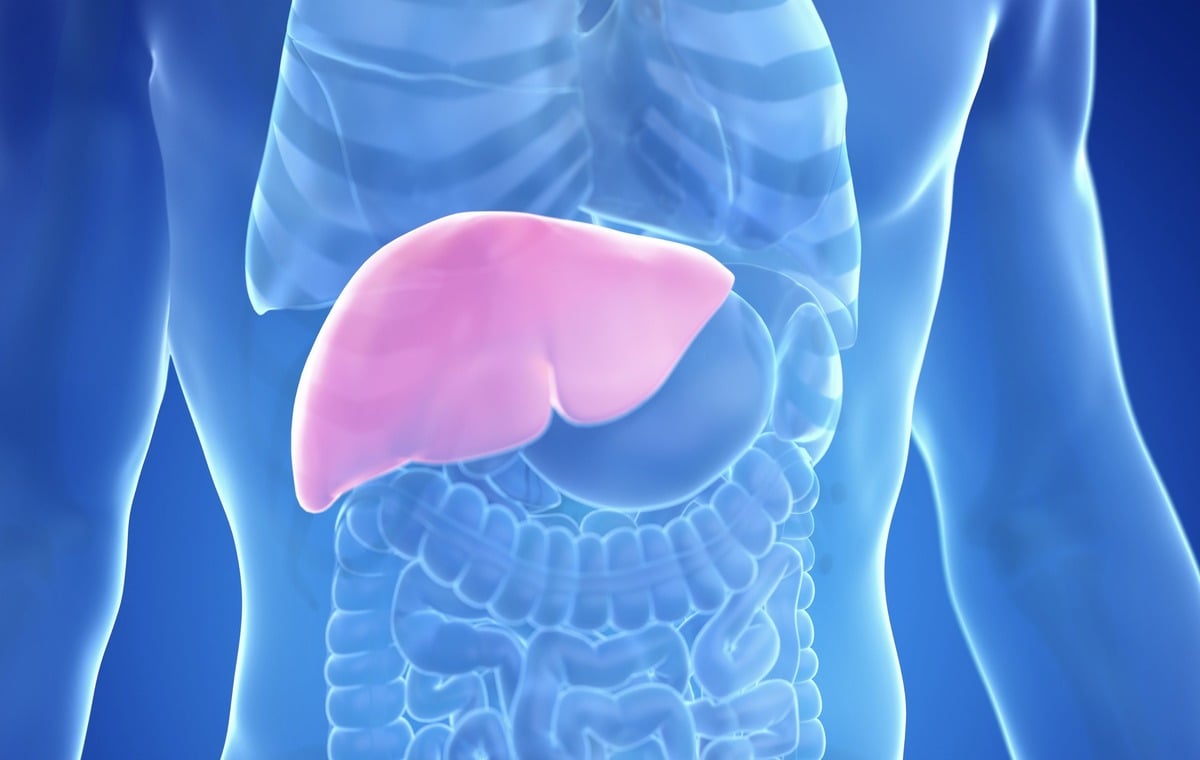
Foods to Avoid: Protecting Liver Health
A healthy liver doesn’t just rely on what you eat — it also depends on what you consciously avoid. When dealing with liver cirrhosis, certain foods and substances can accelerate liver damage, contribute to complications, and hinder your recovery. At Claudia’s Concept, we build every nutritional plan with this strategic elimination in mind. If you’re ready to give your liver the best shot at healing, pay close attention to the choices you keep off your plate.
High-Sodium Foods
Excess sodium causes fluid retention, increases blood pressure, and can worsen ascites in those with cirrhosis. Some culprits are obvious, others hide behind labels and processing.
- Canned soups and ready-to-eat meals: A single serving often contains over 600 mg of sodium — nearly one-third of the daily limit recommended for cirrhotic patients.
- Cured meats like bacon, sausages, and deli slices: These can pack over 1,000 mg of sodium in just a few ounces.
- Chips, crackers, and salty snacks: Dehydrating and inflammatory, these offer nothing your liver needs and much it doesn’t.
- Fast food and packaged meals: Processed with preservatives and sodium-laden fillers, they make portion control and nutritional accuracy nearly impossible.
Clinical guidelines from the European Association for the Study of the Liver (EASL) recommend limiting sodium intake to below 2,000 mg per day in patients with cirrhosis to reduce ascites risk. That starts with keeping processed salt-heavy foods out of your kitchen.
High-Fat and Fried Foods
Fatty liver and hepatic inflammation are often exacerbated by dietary fat — the wrong kind, that is. Trans fats and saturated fats overload your liver, forcing it to work harder to metabolise lipids and leading to further scarring.
- Red meats and butter: Rich in saturated fat, these should be sharply limited. Just 100 grams of cooked beef can contain over 9 grams of saturated fat, crossing 45% of the daily limit suggested in cirrhosis care.
- Deep-fried foods: Nuggets, fries, pakoras and more — high in oxidized fats, these worsen liver inflammation and increase triglyceride levels. They have no place in a cirrhotic liver diet, and at Claudia’s Concept, we recommend complete exclusion.
Instead, aim for monounsaturated fats in moderation — think avocado, olive oil, nuts — which assist in absorption of fat-soluble vitamins without compounding liver strain.
Sugary and Refined Foods
High sugar intake is directly associated with insulin resistance and fat deposition in the liver. In cirrhotic individuals, managing blood sugar levels becomes crucial not just for diabetes prevention but for controlling hepatic fat accumulation.
- Sodas and energy drinks: Loaded with glucose and high-fructose corn syrup, they disturb liver enzyme levels and contribute to metabolic syndrome.
- Pastries, cakes, and candy: Often high in both sugar and fat, these ultra-processed desserts lead to high calorie intake with minimal nutrient value.
- Refined grains like white bread and pasta: Lacking fiber, these spike blood sugar levels quickly and do nothing to support liver repair.
According to a 2021 study published in Hepatology, reducing simple sugar intake improves hepatic steatosis and delays fibrosis progression. So yes, cutting back on dessert does more than shrink your waistline — it actively supports your liver’s healing.
Alcohol in All Forms
This cannot be stated enough — alcohol must be completely eliminated if you have liver cirrhosis. Regardless of the type — wine, beer, spirits, even “non-alcoholic” versions containing trace ethanol — every sip damages cells that are already struggling to function.
Studies confirm that ongoing alcohol intake, even in minimal amounts, accelerates decompensation in liver cirrhosis and significantly reduces five-year survival rates. The liver prioritizes alcohol metabolism over every other nutrient, depleting its energy reserves and igniting inflammation.
At Claudia’s Concept, “zero” isn’t a suggestion — it’s a protocol, and it works.
Over-the-Counter Supplements and Herbs
Not all that’s natural is safe. Many herbal products and unregulated supplements tax the liver or interact dangerously with medications needed for cirrhosis management.
- Kava and comfrey: Known for their sedative effects but linked with severe liver toxicity.
- Green tea extract (in high doses): Concentrated catechins can induce liver failure, especially in already compromised patients.
- Vitamin A megadoses: Stored in the liver, excess intake has been connected with hepatotoxicity.
Unless prescribed by a qualified healthcare provider, supplements should never be self-initiated. Your liver’s capacity to detoxify is reduced in cirrhosis, making even “harmless” remedies potentially dangerous.
Food exclusion is not about rigidity — it’s precision. With accurate guidance from proven systems like Claudia’s Concept, you’ll stop feeding the disease and start fueling recovery. Ready to shift your plate in the right direction?
Managing Fluid Retention and Ascites through Diet
When dealing with liver cirrhosis, your diet becomes more than just nutrition—it becomes a core therapy. One of the most challenging complications of cirrhosis is ascites, the accumulation of fluid in the abdomen. This condition not only causes discomfort but also indicates an advanced stage of liver dysfunction. Managing this fluid retention starts with smart dietary strategies, and I’m here to guide you through them.
Why Sodium Makes a Critical Difference
Sodium acts like a magnet for water. When sodium intake goes up, the body retains more fluid. In cirrhotic individuals, this effect compounds significantly due to impaired kidney function and changes in hormone regulation. That leads to ascites, swelling in the legs (edema), and unnecessary strain on the liver.
To manage this, the daily sodium intake needs to stay below 2,000 mg. That’s not just a suggestion—it’s a standard therapeutic guideline followed in clinical hepatology. According to the American Association for the Study of Liver Diseases (AASLD), strict sodium restriction is linked to a faster reduction in ascitic fluid and fewer hospital stays.
Mastering Fluid Control
Besides cutting sodium, you may also need to limit fluid intake—but only as advised by your physician. When sodium drops, the brain mistakenly triggers thirst, yet the body can’t handle the excess volume. That’s why controlling your drinking habits is essential. Focus on monitoring your weight daily. An increase of more than 0.5 kilograms (around 1.1 pounds) per day might indicate fluid buildup.
Claudia’s Concept encourages mindful hydration. Use measured bottles, herbal infusions, or chilled watermelon slices to stay refreshed without overloading your system.
Salt-Free Doesn’t Mean Taste-Free
Rethinking your flavor profile is key. When you remove salt from your meals, replace it with fresh herbs, spices, and natural acidity. Here are some chef-approved tricks I recommend to my clients at Claudia’s Concept:
- Use aromatics like garlic, onions, ginger, and scallions as flavor bases.
- Experiment with spices—turmeric, black pepper, coriander, cumin, smoked paprika, and fennel deliver depth without sodium.
- Add acidity using lemon juice, vinegar, or tamarind to brighten dishes.
- Toasted seeds or nuts can introduce crunch and richness, especially when unsalted.
Your palate will adjust within two weeks, and your kidneys will thank you immediately.
Potassium and Diuretics: A Balancing Act
Many individuals with ascites are prescribed diuretics like spironolactone or furosemide. These medications shift electrolyte balances. While furosemide can lead to potassium loss, spironolactone retains it. That’s why potassium monitoring becomes non-negotiable. Too little can lead to muscle cramps and irregular heartbeat, while too much can affect nerve function and impair heart rhythms.
That’s where Claudia’s Concept focuses on bio-individuality. Based on lab values, I help clients adjust potassium sources safely. For those who need more, we include foods like:
- Bananas and oranges (in moderation depending on fluid restriction)
- Sweet potatoes and carrots
- Spinach, beets, and avocados
When levels get too high, we pivot to low-potassium alternatives and incorporate herbal teas that support kidney drainage safely.
Every forkful matters. By managing sodium, fluids, and potassium intelligently, you’re not just reducing ascitic fluid—you’re actively shaping a more functional internal environment that supports your liver’s remaining capacity. And with the right approach from Claudia’s Concept, meals become both therapeutic and enjoyable.
Protein-Calorie Malnutrition: A Major Risk in Cirrhosis
Liver cirrhosis doesn’t just affect how your liver filters toxins or processes nutrients—it profoundly disrupts your body’s ability to maintain muscle mass and energy stores. One of the most critical yet often overlooked complications is protein-calorie malnutrition (PCM). This condition affects up to 90% of people with advanced liver disease, according to research published in Hepatology. Ignoring it leads to muscle wasting, immune dysfunction, and poor clinical outcomes—even liver transplant results are compromised by malnutrition.
What Causes Malnutrition in Cirrhosis?
Several factors converge to make PCM a real threat in cirrhosis. Let’s look at the main contributors:
- Reduced appetite: This is common due to fluid retention, early satiety, and changes in metabolism. When the stomach is compressed by ascitic fluid, the urge to eat diminishes dramatically.
- Nausea and dysgeusia: Constant nausea and altered taste, driven partly by metabolic imbalances and medications, make eating a chore rather than a pleasure.
- Vitamin and mineral deficiencies: Many patients have deficiencies in zinc, magnesium, and B-vitamins, all of which are necessary for proper digestion, metabolism, and appetite regulation.
- Increased energy needs with reduced nutrient intake: The cirrhotic body enters a hypermetabolic state. Studies show that resting energy expenditure can increase by 20–40%, even though food intake often drops, causing rapid muscle loss.
At Claudia’s Concept, we don’t simply count calories—we focus on nutrition that heals and sustains. We make every nutrient count, especially when the body’s own reserves are working against you.
Strategies to Combat Malnutrition
The good news? There are clear, science-backed strategies that reverse protein-calorie malnutrition effectively—not just supportively. With the right approach, the body can regain strength, immunity, and better treatment outcomes.
- Integrate nutrient-dense meals: Choose foods rich in both energy and high-quality protein. Think soft-cooked eggs, paneer, lean poultry, blended legumes, and omega-3-rich fatty fish like salmon. A small katori of mixed dal with rice can be more powerful than several empty-calorie snacks.
- Add protein shakes or supplements: When meals aren’t enough, supplemental shakes designed for liver patients are a game-changer. Studies in the Journal of Nutrition confirm that branched-chain amino acid (BCAA)-rich supplements significantly improve muscle mass and reduce hospital stays in cirrhotic patients.
- Include late-night snacks: Here’s a practical trick. The body in cirrhosis continues to break down muscle overnight due to depleted energy stores. So, a complex-carb snack before bedtime—like moong dal chilla or a banana with almond butter—helps maintain glycogen levels and reduce muscle catabolism.
Every meal and snack is an opportunity to support your liver’s compromised function. And at Claudia’s Concept, we customize realistic meal plans that fight malnutrition without overwhelming your digestion or palate. Have you considered how your body feels after your last meal of the day? That alone may reveal whether your body is rebuilding or breaking down overnight.
Simple Solutions for Appetite Loss and Nausea in Liver Cirrhosis
Loss of appetite and the burden of persistent nausea are two of the most frustrating symptoms people with liver cirrhosis deal with daily. They make consistent, nutrient-dense eating feel like a chore rather than nourishment. Fortunately, there are effective, science-backed strategies to navigate this uneasy terrain. At Claudia’s Concept, we start by focusing on practical nutrition tactics that feel comforting, not overwhelming. Let’s explore how to revive your relationship with food, one soothing bite at a time.
Tips to Gently Boost Appetite
When the desire to eat vanishes, forcing down large meals won’t help. Instead, smaller, manageable steps often make all the difference.
- Eat Small, Frequent Meals: Aim for five to six small meals daily. This way, you’re never too full or too hungry. It keeps blood glucose more stable and gives your liver manageable work per digestion cycle.
- Engage in Light Physical Activity: A short walk, even 10 to 15 minutes, can help stimulate digestive hormones. A 2009 study published in Appetite found a moderate increase in ghrelin — our body’s ‘hunger hormone’ — after short bouts of aerobic movement.
Have you tried taking your meals outdoors or in a well-lit room? Natural light and fresh air also subtly influence appetite regulation by syncing the body’s circadian rhythm and mood-related neurotransmitters like serotonin.
Comforting Meals that Go Down Easily
The texture and temperature of your meals matter more than you’d think. Foods that feel ‘heavy’ can worsen nausea, especially during flare-ups. That’s why soft, hydrating options work well when your stomach says “not today.”
- Soups and Broths: Clear vegetable broth, rice-based soups, and lentil soups offer minerals, light protein, and hydration in an easy-to-digest format.
- Smoothies: Blend bananas, oats, soft berries, and plant-based milk to create calorie-rich, nutrient-dense sips. Add a spoonful of nut butter or soaked chia seeds for extra energy booster.
- Steamed Vegetables and Mashed Grains: Soft-cooked carrots, zucchini, and mashed sweet potatoes are gentle on the stomach and loaded with liver-supportive antioxidants like beta-carotene.
Keep meals lukewarm – that means not too hot and certainly not cold – as extreme temperatures can intensify nausea.
Reducing Food-Related Triggers
Sometimes, it’s not what you eat, but how the sensory experience feels around food. If cooking aromas make your stomach churn, you’re not alone. It’s a common effect of altered liver function on your sensory nerves.
- Ventilate Your Kitchen: Keep windows open or use a kitchen chimney exhaust to disperse strong odors quickly.
- Avoid Greasy or Fried Foods: Rich meals often sit longer in the stomach, intensifying bloating and discomfort. Instead, opt for grilled or steamed methods that retain flavors without heavy oil usage.
- Keep Your Plate Visually Appealing: Yes, even if eating feels like a task, attractive plating influences cues of satiety and pleasure. Light, bright meals often feel more inviting than dark, dense preparations.
At Claudia’s Concept, we tailor these strategies into daily meal calendars so that nutrition becomes your ally, not your obstacle. Remember, even the smallest appetite-friendly adjustment can have a tremendous impact on your nutrient intake across the day.
Which of these tactics resonates most with you right now? Try it during your next mealtime — your liver and tastebuds might both thank you.
Decoding Labels: Your Smart Shopping Guide on a Liver Cirrhosis Diet
Every bite you take plays a role in liver health, especially when you’re managing cirrhosis. But what happens when the foods that seem harmless are packed with ingredients that slow down liver recovery? This is where label literacy makes all the difference. At Claudia’s Concept, we guide our clients to become conscious consumers—not just of calories, but of everything that actually enters their healing system.
Why Food Labels Matter So Much
If you’re living with liver cirrhosis, avoiding just the “obvious” culprits like alcohol or fried food isn’t enough. Processed and packaged foods often contain hidden elements—excess sodium, preservatives, unhealthy fats, and sugars—that silently burden your liver. By learning to decode food labels, you empower yourself to make choices that align with your restorative journey every single day.
What to Zero In On: Sodium and Fat Content
Your liver isn’t just a detox powerhouse—it’s also deeply affected by your salt and fat intake. Why? Because sodium promotes fluid retention and ascites, while unhealthy fats strain liver cells that are already inflamed or fibrotic. Here’s what to check:
- Sodium: Aim for less than 140 mg per serving—this qualifies as “low sodium” according to FDA guidelines. Anything higher? It deserves a second thought.
- Total Fat: Choose products that list less than 3 grams of total fat per serving. Focus especially on the saturated fat, keeping it below 1.5 grams whenever possible.
- Trans fats: These are always a no-go. Even if a label says “0g”, scan the ingredient list for partially hydrogenated oils — their presence means trans fats are lurking.
Hidden Offenders: Alcohol, MSG, Sugars, and Additives
Some ingredients don’t shout their names but still sabotage liver wellness quietly. Do you know where they hide? Let’s uncover them together:
- Alcohol: Found not only in beverages but surprisingly in certain cooking extracts (like vanilla), sauces, and even coolers labeled as “low-alcohol.” If you see ethyl alcohol, ethanol, or any liquor derivative—leave it on the shelf.
- Monosodium Glutamate (MSG): Enhances flavor at the expense of your liver’s energy. It often hides under aliases like hydrolyzed vegetable protein, autolyzed yeast extract, or natural flavorings. At Claudia’s Concept, we always recommend minimal MSG exposure when planning healing meals.
- Added Sugars: Check carefully—sugar can hide behind names like maltose, fructose, dextrose, corn syrup, and even “evaporated cane juice.” More than 5g of added sugar per serving? That product isn’t doing your liver any favors.
- Artificial Additives and Preservatives: Look out for nitrates, benzoates, and food dyes. Their long-term metabolic effects pose serious risks for individuals with reduced liver detox capacity.
The Claudia’s Concept Approach to Smart Grocery Shopping
When you look at a label, think beyond calories. Ask yourself: will this food support my body or challenge it?
- Check the ingredients list first. Fewer items, recognizable names, and no chemical jargon—those are good signs.
- Don’t be fooled by packaging claims. “Low fat,” “natural,” or “fortified” doesn’t always equal liver-safe. Only the label tells the truth.
- Prioritize whole, single-ingredient foods. Fresh or frozen fruits and vegetables, legumes, whole grains, and lean proteins need no label explanation—they’re your allies.
Remember, change doesn’t start in the kitchen—it starts in the grocery aisle. Every food label you read, every better decision you make, builds toward a liver that can heal, rejuvenate, and protect. With Claudia’s Concept, you’re not just following a diet. You’re embracing precision nutrition tailored for cirrhosis recovery.
How Supplements and Nutrient Monitoring Strengthen the Liver Cirrhosis Diet
If you’re living with liver cirrhosis, every nutrient counts. Your liver isn’t just responsible for detoxifying the body—it plays an active role in metabolizing vitamins and minerals. So, when liver function declines, nutrient levels can fall dramatically, even with a balanced diet. That’s why monitoring micronutrients and supplementing wisely becomes a key part of the journey toward better health. At Claudia’s Concept, we always say: nutrition without monitoring is guessing, and guessing has no place in managing cirrhosis.
Micronutrient Deficiencies You Can’t Afford to Ignore
Scientific evidence confirms that several micronutrient deficiencies are frequently seen in patients with cirrhosis. Let’s dive into the major ones:
- B-Complex Vitamins: Deficiencies in vitamins B1 (thiamine), B6 (pyridoxine), and B12 (cobalamin) are extremely common. These vitamins are crucial for energy metabolism, nerve function, and DNA synthesis. In fact, thiamine deficiency can lead to Wernicke’s encephalopathy, a serious neurological disorder particularly in alcoholic liver disease.
- Zinc: Zinc supports immune function, protein synthesis, and wound healing. In cirrhotic patients, plasma zinc levels are often low due to poor intestinal absorption and increased urinary loss. A 2020 review in Hepatology Research concluded that zinc supplementation improves hepatic encephalopathy symptoms and overall liver function scores.
- Vitamin D: The liver hydroxylates Vitamin D into its active form. Poor liver function diminishes this process, leading to deficiencies. Low vitamin D levels are associated with weakened bones, muscle pain, and even suppressed immunity. Studies show that up to 92% of cirrhotic patients are vitamin D deficient.
- Magnesium: Often overlooked, hypomagnesemia (low magnesium levels) contributes to muscle cramps, fatigue, and even arrhythmias in advanced liver disease. It’s a nutrient that’s lost through diuretic therapy, commonly used to treat fluid retention in cirrhotics.
Fat-Soluble Vitamins: A Tough Balancing Act
When bile production slows due to liver damage, fat-soluble vitamins—A, D, E, and K—are poorly absorbed. While deficiencies are dangerous, blind supplementation isn’t the answer. For instance, excessive vitamin A can be hepatotoxic. At Claudia’s Concept, we prefer to test blood levels and work step-by-step, increasing intake only when needed and under precise guidance.
- Vitamin A: Essential for vision, immunity, and skin repair, but toxic in high doses. The margin between deficiency and toxicity is narrow in cirrhosis.
- Vitamin E: A potent antioxidant; levels are often low in cholestatic liver disease. Supplementing may reduce oxidative stress, but only when confirmed deficient.
- Vitamin K: This vitamin supports blood clotting. Prolonged deficiency can lead to easy bruising and internal bleeding. If prothrombin time is elevated, vitamin K stores should be checked.
Why You Need a Customised Supplement Plan
Supplementation is not one-size-fits-all. Different stages of cirrhosis, underlying causes, and co-existing conditions will influence your specific needs. Working with your healthcare provider—or better yet, a nutrition team that incorporates Claudia’s Concept—to track nutrient levels is the smartest path forward. Regular lab assessments allow targeted interventions that nourish the body without overloading the liver.
Consider this: a standard multivitamin might contain iron, which is potentially harmful in hereditary hemochromatosis or advanced cirrhosis. Similarly, indiscriminate use of herbal liver tonics can do more harm than good. Scientific precision, not hearsay, leads to real results.
Next Step: Partner with a Knowledgeable Nutrition Expert
Nutrient monitoring isn’t about guesswork. It’s about precision, frequency, and tailoring your supplements to exactly what your body needs—and nothing more. At Claudia’s Concept, we offer comprehensive nutrition evaluations and wellness strategies designed specifically for individuals with liver complications. You won’t just get a food chart—you’ll get a forward-moving strategy supported by cutting-edge nutrition science.
Think it might be time to review your supplement routine? Ask yourself: when was the last time your B12 or zinc levels were checked? Are you taking fat-soluble vitamins without monitoring serum levels? Let’s correct that. Because when the liver struggles, precision nutrition isn’t optional—it’s essential.
How Carbohydrates Influence Liver Health: Smart Choices for Cirrhosis Diets
When you’re working to support liver function during cirrhosis, one macronutrient plays a more critical role than most realize — carbohydrates. These aren’t just about energy. The right kind of carbs can actively support liver repair, improve metabolic stability, and reduce hepatic fat buildup. At Claudia’s Concept, we emphasize using food as functional medicine, and carbohydrates are one of your most powerful tools.
Why Glucose Matters in a Cirrhotic Liver
In cirrhosis, the liver struggles to maintain consistent blood glucose levels. As liver function deteriorates, glycogen storage decreases, which impairs the body’s ability to manage blood sugar during fasting. The result? People with cirrhosis are at higher risk of hypoglycemia — particularly late at night and early in the morning when there’s no fuel coming in. Maintaining steady glucose levels becomes vital.
Carbohydrates are the body’s fastest and most efficient source of glucose, and they help prevent protein from being broken down for energy. By providing a consistent supply of glucose, we support hepatic metabolic function without compromising muscle mass. That’s why Claudia’s Concept always integrates carbs strategically in every meal plan for those managing cirrhosis.
Simple vs. Complex Carbohydrates: The Right Choice Makes All the Difference
Not all carbohydrates are created equal. Choosing the right ones can reduce the metabolic burden on the liver and slow disease progression. Complex carbohydrates, rich in fiber and slow-digesting starches, are always the superior option. Here’s why:
- Stabilize Blood Glucose: Complex carbs release glucose gradually, helping avoid damaging spikes and drops in blood sugar that challenge the liver.
- Lower Fat Accumulation: A diet rich in whole grains and legumes has been shown to decrease hepatic steatosis — or fat buildup in the liver — especially when replacing refined carbs.
- Feed Gut Microbiota: Fibrous carbs serve as prebiotics, supporting a balanced gut microbiome and reducing intestinal permeability — one of the hidden contributors to liver inflammation.
- Suppress Inflammation: Oats, barley, and sweet potatoes contain beta-glucans and antioxidants, compounds clinically linked to improved liver enzyme profiles.
On the other end, diets high in simple sugars — like glucose, fructose, and sucrose — lead to increased de novo lipogenesis, the process by which your liver converts excess sugar into fat. Clinical data from The Journal of Hepatology (2020) confirmed that excess fructose consumption exacerbates hepatic fat deposition and fibrosis. Avoiding sugary beverages, pastries, and candies is non-negotiable if your goal is liver recovery.
Best Carbohydrate Sources for a Liver Cirrhosis Diet
- Steel-cut oats and old-fashioned rolled oats
- Brown rice, quinoa, and millet
- Sweet potatoes and beets
- Lentils, chickpeas, and black beans
- Vegetables like spinach, carrots, and bell peppers
- Fruits with low glycemic indexes such as apples, pears, and berries — but in moderation
Every meal at Claudia’s Concept is carefully balanced to incorporate these high-value carbohydrates. Even snacks can be optimized, like a small bowl of barley khichdi in the evening or a warm besan roti with vegetable sauté. This approach ensures sustained glucose supply, reduced oxidative stress, and fewer metabolic fluctuations.
So when you think carbohydrates, don’t think restriction — think precision. Used the right way, carbs are less the enemy and more your liver’s ally in recovery.
Eliminating Alcohol: A Non-Negotiable Rule to Restore Liver Health
There’s one rule I never bend when guiding clients with liver cirrhosis through a nutritional healing journey: no alcohol, in any form or quantity. The liver is a powerful organ—with its ability to regenerate and repair—but the toxic impact of alcohol strips away that superpower rapidly. When dealing with cirrhosis, every sip adds fuel to the fire, accelerating liver cell death and deepening the scarring process.
Scientific evidence is decisive here. Continuous alcohol intake in people with cirrhosis increases the risk of mortality significantly. According to a study published in Hepatology, continuing alcohol consumption in individuals with alcoholic cirrhosis raised one-year mortality rates by up to 36%, compared to 7% in those who abstained. That’s not just a difference. It’s a game-changer.
Why Alcohol Is the Worst Offender
Alcohol wreaks havoc on an already compromised liver. The enzymes responsible for breaking down alcohol—like alcohol dehydrogenase and cytochrome P450 2E1—generate toxic by-products such as acetaldehyde and reactive oxygen species. These compounds inflame liver tissue and accelerate fibrosis. In cirrhosis, the liver’s ability to detoxify is already impaired, making even small amounts harmful.
More than damage, alcohol affects nutrition on multiple levels. It interferes with the absorption of essential nutrients like thiamine, folate, and vitamin B12. It also suppresses appetite, displaces nutrient-dense foods from the diet, and leads to muscle wasting—all situations we work hard to reverse at Claudia’s Concept.
Getting Support: Tools to Help You Quit for Good
Total abstinence isn’t just a phrase; it is your lifeline. Fortunately, you don’t have to navigate sobriety alone. A multi-layered approach offers the most sustainable change—and I often introduce clients to several effective support mechanisms:
- Counseling or therapy: One-on-one sessions with trained professionals to address emotional triggers and develop healthy coping mechanisms.
- Support groups like Alcoholics Anonymous (AA): Peer support plays a powerful role in long-term sobriety. Shared experiences bring accountability and encouragement.
- Medical support: Certain medications like naltrexone or acamprosate may reduce cravings, and liver specialists may recommend them in specific cases.
These tools, combined with a nutrient-forward diet from Claudia’s Concept, work together to not only reverse nutritional deficiencies but to accelerate a return to liver balance and systemic vitality.
Replacing Alcohol-Based Meals… Deliciously
Ever relied on wine sauces, rum cakes, or beer-braised meats to boost flavor? It’s time to reimagine your kitchen. Channeling richness and depth into your meals without alcohol is not just possible—it’s exciting.
- Swap red wine in sauces with unsweetened pomegranate or tart cherry juice. Their polyphenols add antioxidant power, too.
- Use herbal infusions or vinegar reductions to add complexity to marinades or glazes.
- Try slow-roasting with fresh herbs, garlic, and bone broth to build layers of flavor naturally and nutritiously.
Start detoxing your menu, not your memories. Embrace new ingredients. Experiment with textures and spices. The path to a revitalised liver is as much about discovering exquisite, alcohol-free food as it is about healing physically.
So, raise your glass—to hydrating infusions, gut-friendly teas, and the resilient health of your liver. One change, one decision, fuels the next. Complete abstinence from alcohol isn’t merely a guideline—it’s a foundation for recovery.
Smart Meal Planning Strategies and Delicious Liver Cirrhosis-Friendly Recipes
Planning meals with liver cirrhosis in mind doesn’t mean settling for bland or boring dishes. At Claudia’s Concept, we believe in making nutritional support enjoyable, practical, and sustainable. With the right strategy and a little creativity, your diet can support healing while still delivering satisfaction at every bite.
Weekly Meal Planning Template
A structured meal plan can reduce decision fatigue, minimize nutrient gaps, and help you stay consistent with your liver health goals. Here’s a flexible weekly rotation to get you started:
- Breakfast: Oats soaked overnight in almond milk with chia seeds and sliced apple. Rotate with high-protein Greek yogurt smoothies.
- Mid-Morning Snack: Handful of unsalted almonds or a banana with a tablespoon of natural peanut butter.
- Lunch: Grilled protein (like salmon or tofu), half a plate of steamed or roasted non-starchy veggies, and a small portion of whole grains like quinoa or brown rice.
- Afternoon Snack: Low-sodium hummus with cucumber and carrot sticks or a boiled egg with sliced cucumber.
- Dinner: Light soup (lentils or vegetable broth-based), lightly sautéed greens, and millet or buckwheat on rotation.
- Evening Beverage: Herbal tea with a splash of lemon or a warm turmeric-almond milk drink for anti-inflammatory benefits.
Meal timing also matters. Aim for smaller, more frequent meals to support metabolism and manage symptoms like bloating and nausea.
Three Cirrhosis-Friendly Recipe Ideas
- Low-Sodium Lentil Soup
This nourishing soup delivers plant-based protein and fiber while avoiding overloading the liver with salt.
- Ingredients: Green or red lentils, carrots, celery, garlic, onion, cumin, turmeric, black pepper, low-sodium vegetable broth.
- Preparation: Sauté onion, garlic, and spices in minimal olive oil. Add diced vegetables and lentils. Pour in broth and simmer until tender. Blend if a smoother consistency is preferred.
This recipe gives you iron, B-vitamins, and antioxidants without stressing your liver with additives or saturated fats.
- Grilled Salmon with Quinoa and Steamed Broccoli
Omega-3 fatty acids from salmon help combat inflammation, while quinoa adds complete protein, and broccoli boosts glutathione – a critical antioxidant in liver detoxification.
- Ingredients: Wild-caught salmon filet, quinoa, broccoli florets, lemon, garlic powder, black pepper, extra virgin olive oil.
- Preparation: Grill salmon with lemon and spices. Steam broccoli until vibrant green. Cook quinoa as directed and drizzle with olive oil and lemon.
Quick to make, bursting with flavor, and completely liver-friendly.
- Greek Yogurt Berry Smoothie
A perfect breakfast or snack option loaded with protein and antioxidants, supporting energy and healing during cirrhosis management.
- Ingredients: Plain Greek yogurt, frozen mixed berries, spinach, chia seeds, half a banana, and a splash of almond milk.
- Preparation: Blend all ingredients until smooth. Add more liquid to adjust consistency.
This smoothie fuels your day without excess sugar or saturated fats, which aligns with the liver-supporting principles at Claudia’s Concept.
Smart Cooking Tips to Cut Down Sodium, Fat, and Sugar
- Use herbs and spices like turmeric, basil, rosemary, and cumin instead of salt to enhance flavor.
- Choose healthy fats such as olive oil or avocado in moderation instead of butter or ghee.
- Sauté instead of frying and steam or bake foods whenever possible.
- Puree cooked vegetables like roasted bell peppers or carrots to create natural sauces and dips – free from added sugars or preservatives.
- Enhance sweetness naturally with fruit, cinnamon, or a drop of pure vanilla extract rather than refined sugar or honey.
Meal preparation with a purposeful approach turns nutrition into a powerful tool. By integrating these liver-supportive strategies into your kitchen routine, you’re not just eating for nourishment – you’re building resilience. In line with everything we promote at Claudia’s Concept, it’s about living well, every single day.
Staying Hydrated the Right Way
Hydration plays a fundamental role in liver cirrhosis management—but it’s not as simple as just drinking more water. When your liver function is compromised, fluid balance requires careful monitoring to prevent complications such as ascites (accumulation of fluid in the abdomen) and dangerously low sodium levels. At Claudia’s Concept, we focus on helping you hydrate wisely and intentionally—because the right kind of hydration can support liver recovery while avoiding undue stress on the body.
When to Limit Fluids: A Strategic Approach
Let’s get specific. For those dealing with moderate to severe ascites or hyponatremia (low blood sodium levels), unrestricted fluid intake can worsen swelling and increase discomfort. In fact, clinical guidelines suggest that when serum sodium drops below 125 mEq/L, daily fluid intake should be restricted to 1,000–1,500 ml. That’s around 4 to 6 cups per day. These aren’t arbitrary numbers—they’re based on robust evidence linking fluid overload with increased hospitalisation and poorer outcomes in cirrhosis patients.
So, how do you know whether you fall into this category? Monitoring your blood tests and tracking fluid retention symptoms such as sudden weight gain, abdominal bloating, or shortness of breath provides clear direction. Work closely with your hepatologist and make hydration decisions based on real-time physiological needs—not guesswork.
Preferred Fluids: Quality Over Quantity
When your fluid intake has to be moderated, every sip counts. That’s why the quality of what you drink becomes just as important as how much. Here’s what you should reach for:
- Filtered Water: Always the gold standard—hydrating, detoxifying, and free from sugar, additives, or preservatives.
- Low-Sugar Electrolyte Drinks: Especially valuable during hot weather, after mild exercise, or during periods of vomiting or diarrhea. Choose versions with sodium and potassium, but low or no added sugars. Coconut water (unsweetened) can also be beneficial.
- Infused Waters: Add cucumber, mint, or a slice of lemon to make hydration more enjoyable without compromising its benefits.
Drinks to avoid completely include sugary sodas, energy drinks, and alcoholic beverages—each of these adds metabolic stress and can worsen liver inflammation. Fruit juices, even when labeled “natural,” contain concentrated sugars that can spike your blood glucose and contribute to fatty liver, so they’re best kept for occasional use.
Dehydration vs. Overhydration: How to Know Where You Stand
Monitoring for both under- and overhydration is crucial when managing cirrhosis. Your body communicates clearly—if you know what to listen for. Signs of dehydration include:
- Dark yellow urine or decreased urine output
- Fatigue, dizziness, or dry mouth
- Constipation and poor skin turgor
On the flip side, overhydration might show up as swelling in your ankles or abdomen, confusion, shortness of breath, or sudden increases in weight over a day or two. Neither situation should be ignored.
At Claudia’s Concept, one of the key elements of our liver-friendly protocol is teaching clients to observe these bodily cues and adjust fluid intake accordingly. We guide you not by rigid rules, but through intuitive hydration tailored to your body’s current state. Use tools like daily weight tracking, urine color charts, and sodium level monitoring to keep hydration in the therapeutic zone.
Hydrating the right way isn’t a side note in liver cirrhosis care—it’s an essential chapter in your healing journey. Master it, and you’ll dramatically improve metabolic balance, energy, and comfort throughout the day.
Healing Through Healthy Eating: Your Role in Liver Cirrhosis Recovery
Healing from liver cirrhosis doesn’t just happen through clinical treatment—it flourishes with daily food choices. Every meal can either support or strain your liver. And when those choices align consistently with a cirrhosis-specific diet, you create real, measurable progress toward better health. At Claudia’s Concept, we’ve seen exactly how nutritional strategies can slow disease progression, improve symptoms, and increase one’s energy and quality of life.
Think about the journey you’ve taken so far: understanding the role of healthy fatty acids, eliminating alcohol, reducing sodium, addressing protein-calorie malnutrition, and managing symptoms like fluid retention and appetite loss through carefully tailored dietary changes. This is not fringe theory—this is proven, science-backed nutrition therapy in action.
For example, a study published in Hepatology (2019) demonstrated that cirrhosis patients who followed a high-protein, energy-dense diet had significantly better survival outcomes after one year compared to those with inadequate intake. The researchers emphasized the vital role of personalized nutrition in liver disease management. The difference? Understanding which foods fit your health strategy—and applying that understanding consistently.
Every bite counts. From choosing unsaturated fats over saturated ones, picking low-sodium options to control ascites, or simply learning to read nutrition labels accurately, these are decisions within your control. Caregivers, this applies to you too. Your support can transform a challenging diagnosis into an empowered lifestyle shift.
More than willpower, it’s about committing to knowledge. Understanding why omega-3 fatty acids are therapeutic or how complex carbs stabilize blood sugar in cirrhotic individuals equips you to act. And acting on knowledge, meal after meal, is how healing begins. Or continues. Or accelerates.
I encourage you to build a rhythm. Plan meals ahead with purpose. Stay consistent in hydration strategies. Monitor symptoms and energy levels daily. And most importantly, stay connected with your healthcare team—especially a registered dietitian who can personalise your plan based on lab values, symptoms, and treatment stages.
Claudia’s Concept thrives on this very philosophy: targeted nutrition, structured support, and guidance that evolves with your needs. Because managing cirrhosis isn’t about restriction—it’s about smart, nourishing abundance. You’re not just avoiding certain foods; you’re choosing those that actively restore balance and promote healing.