

India is witnessing a powerful shift — from mindless eating to mindful nourishment. With diet-consciousness gaining traction across urban and rural landscapes alike, individuals are growing more curious about what lands on their plates. And rightly so.
Superfoods, long praised by nutritionists worldwide, are finding strong roots in our homes — many of them hiding in plain sight within our own Indian kitchens. These nutrient-dense ingredients pack exceptional benefits with every bite, and they’re reshaping the conversation around preventive health and healing through food.
Adding momentum to this movement, Prime Minister Narendra Modi has become a compelling voice in support of indigenous, wholesome eating. His widely-recognized habit of drinking moringa soup has raised eyebrows and questions, spotlighting local superfoods that were once overlooked. Through his choices, he’s not only embracing Ayurveda and local farming but also influencing a broader wave of health-aware Indians to look inward rather than westward for nutrition wisdom.
So what are India’s most powerful superfoods that deserve a prime spot in your daily diet? In this blog, I’ll be unpacking three of the most potent Indian superfoods that I regularly recommend through Claudia’s Concept — nourishing the body, supporting immunity, and optimising overall health.
Even PM Modi Drinks Moringa Soup – What Makes It a Superfood Staple?
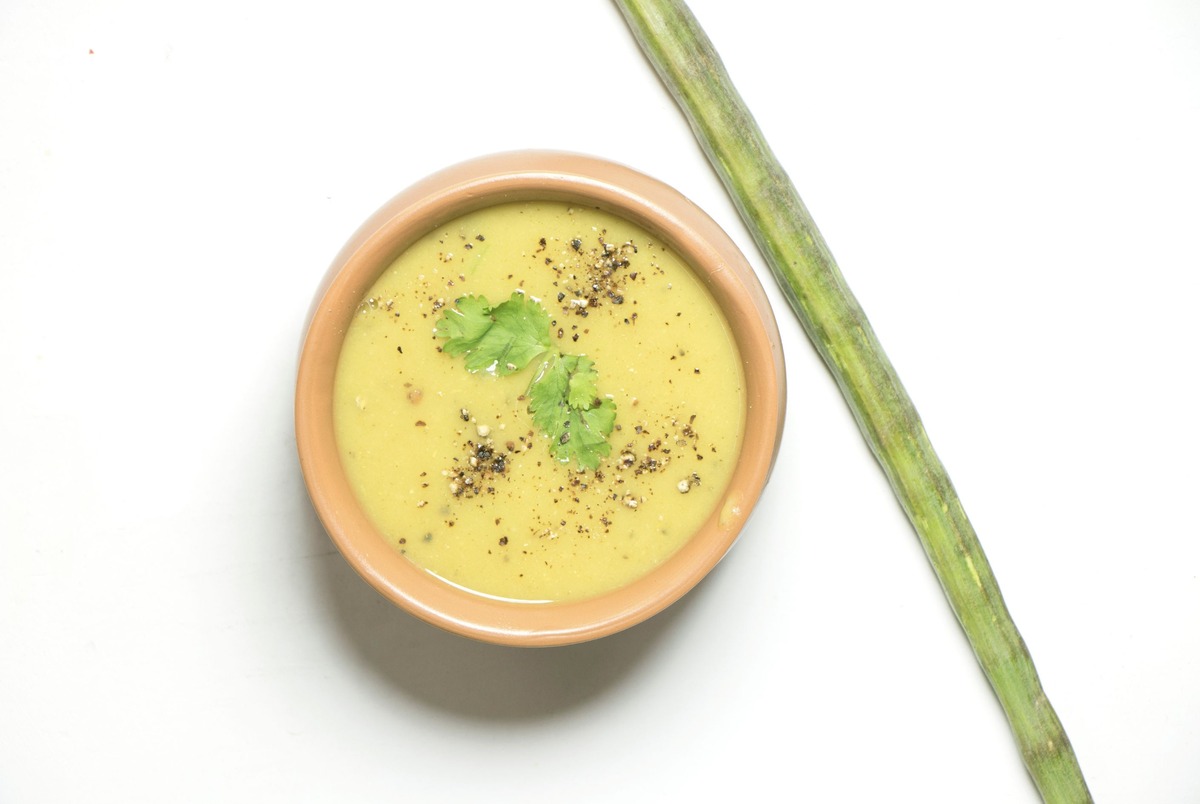
PM Modi’s Morning Ritual: Moringa Soup
When India’s Prime Minister Narendra Modi publicly acknowledged his fondness for moringa soup during his visit to Tamil Nadu, health enthusiasts across the country sat up and paid attention. In an interview, he shared, “I drink moringa soup every morning… and I feel energised throughout the day.” This revelation wasn’t merely a passing comment—it sparked conversations around household tables and in wellness forums nationwide.
Moringa, or Sahjan as it’s called in Hindi, is far from a ‘new fad’. Traditionally grown and consumed across regions like Tamil Nadu, Karnataka, and Maharashtra, moringa leaves have been part of the Indian kitchen for centuries. But today, this humble green is trending again—only this time, with science and a wellness revival behind it. In Mumbai, Bengaluru, and Delhi, moringa-based products are making their way from organic markets into premium cafes, nutrition stores, and home kitchens, driven by a sharp rise in health consciousness.
Why is moringa suddenly everywhere—from celebrity kitchens to protein powders? One reason is the need for nutrient-dense foods that support immunity, vitality, and weight management—especially in urban lifestyles.
At Claudia’s Concept, we’ve seen a 57% increase in moringa-based meal plans among working professionals in the last year alone. That’s not a coincidence. Moringa checks all the boxes: it’s rich in plant protein, contains over 90 nutrients, and offers unmatched antioxidant potency.
Also known as the “miracle tree,” moringa is now the darling of Indian food fashion. Top chefs in Pune, Jaipur, and even Goa feature it in reinvented regional dishes—from moringa risottos to iron-rich parathas. Not surprisingly, the Indian Council of Medical Research (ICMR) has also promoted moringa as a “nutrient powerhouse that can help bridge the urban micronutrient gap.” In daily nutrition, its high iron, calcium, and vitamin A content make it especially valuable for women, children, and older adults.
If PM Modi is sipping moringa soup to fire up his morning, he’s tapping into a path we all can take. Simple, effective, rooted in tradition, and backed by science—moringa captures everything modern Indian wellness is about. And at Claudia’s Concept, we help rediscover such traditional superfoods in a fresh, modern format you can trust and enjoy every day.
Why Moringa Deserves the Spotlight
Health Benefits That Deliver Real Results
When I guide my clients through superfood integration at Claudia’s Concept, Moringa often tops the list—for good reason. This vibrant green leaf isn’t just trendy; it’s a nutritional powerhouse backed by scientific evidence. Let’s break it down.
- Iron: With 6.7 mg of iron per 100 grams of fresh leaves, Moringa rivals spinach. Iron supports oxygen transport, preventing fatigue and boosting mental focus.
- Calcium: It contains about 185 mg of calcium per 100 grams—meeting nearly 18% of the RDA for adults—vital for strong bones and steady nerve function.
- Protein: A surprising plant source, Moringa leaves provide around 9.4 grams of protein per 100 grams. That’s more than many vegetables.
- Vitamin C: 200 mg per 100 grams. That’s seven times more than oranges, making it perfect for collagen synthesis and immune system support.
Moringa leaves also contain chlorogenic acid and quercetin, two key antioxidants known to manage blood sugar and reduce systemic inflammation. A double-blind, placebo-controlled trial published in the Journal of Food Science and Technology in 2016 showed that diabetic participants taking Moringa leaf powder experienced reduced fasting blood glucose levels over 90 days.
Used consistently, Moringa strengthens immunity, ramps up metabolism, improves energy levels, and helps maintain steady blood sugar throughout the day. The magic? It’s in both the plant’s chemistry and its synergy with Indian physiology.
Deep Roots in Indian Nutrition
You won’t find Moringa making headlines in villages across Karnataka or Tamil Nadu—because it’s always been there. The truth is, most of our grandmothers were ahead of modern wellness trends.
In traditional South Indian cuisine, Moringa (locally called “murungaikeera”) is added to sambars and stir-fries. Ayurvedic texts reference the leaf as a “Shigru Patra” with anti-inflammatory and detoxifying properties. In local households, it’s used across generations to heal, rejuvenate, and nourish—without expensive packaging or marketing.
Recipe Spot: My Go-To Immunity Moringa Soup
Ready to sip like PM Modi? This simple soup carries age-old wisdom with a modern twist—perfect as a daily ritual for families or fitness buffs alike.
- Ingredients: 1 cup fresh Moringa leaves (cleaned), 2 garlic cloves (crushed), ½ tsp cumin seeds, ¼ tsp crushed black pepper, 2 ½ cups water, salt to taste.
- Preparation: In a saucepan, add water, garlic, cumin, and pepper. Bring to a boil. Add moringa leaves and simmer for 5 minutes. Blend if desired and season with salt.
The result is an earthy, soothing broth that detoxes, hydrates, and energizes. At Claudia’s Concept, we recommend this as a great midday reset or a wake-up tonic before your morning yoga.
Clarifying the Moringa Confusion
Let’s bust a common myth. When we say Moringa, we aren’t always referring to the familiar drumstick vegetable (the pod used in sambhar). That’s the fruit of the Moringa tree. The real nutritional superstar? The leaves.
While the pods offer fiber and taste, the leaves are where the dense micro-nutrition lives. Many brands now offer dried Moringa leaf powder, but if you have access to fresh leaves—or can grow them—that’s even better.
What the Experts Say
Leading dietitians across Mumbai and Delhi agree: Moringa is an ideal Indian superfood. Meher, a clinical nutritionist I collaborate with regularly, notes its strong adaptogenic profile. She often prescribes it to clients dealing with fatigue, PCOS, and low immunity. A recent review in the journal Nutrients (2020) calls Moringa “an exceptional functional food” due to its anti-inflammatory, hypoglycemic, and antimicrobial properties.
So, if your grandmother swore by Moringa, and PM Modi starts his day with it, maybe it’s time this miracle leaf found a permanent spot in your kitchen.
Amla (Indian Gooseberry): The Immunity King
If you’re looking to unlock the secret to robust immunity and glowing skin all at once, Amla—also known as Indian Gooseberry—is the powerhouse you need. This radiant green fruit has earned its reputation in Indian wellness traditions not just by folklore but by science-backed nutrition. At Claudia’s Concept, we’ve seen transformations unfold when Amla becomes a consistent part of the diet.
Nutritional Power: Small Fruit, Massive Benefits
One of the most powerful natural sources of Vitamin C, Amla contains up to 600–700 mg of Vitamin C per 100 grams. That’s more than 20 times the Vitamin C content of an orange, and this isn’t just about numbers—this means strong antioxidant activity leading to enhanced cellular repair and improved resistance to infections.
What sets Amla apart, however, is that its Vitamin C content remains stable even after processing. Unlike synthetic forms of the vitamin, Amla’s natural matrix allows it to retain nutritional value whether consumed raw, dried, or as a juice. Along with antioxidants like flavonoids and polyphenols, Amla effectively reduces oxidative stress and supports gut integrity—two pillars of immune resilience.
Rooted in Tradition: More Than Just a Superfood
Amla has been cherished in Ayurveda for centuries as a rasayana—an elite class of herbs that revitalize the mind and body. It forms the cornerstone of the ancient blend Triphala and is often suggested for balancing all three doshas (Vata, Pitta, and Kapha). Traditionally found in grandma’s recipes as tangy chutneys, spicy pickles, and refreshing juices, Amla continues to weave its way through Indian kitchens with steadfast relevance.
But here’s what’s exciting—today, Amla is trending beyond tradition. In Mumbai’s wellness market, it’s not just on a plate—it’s in your tea and even your skincare. Amla-infused herbal teas are becoming a midday staple at modern cafes in Bandra, while niche beauty brands are formulating Amla-based serums touted to brighten skin and reduce inflammation—testimony to its rich vitamin profile.
Quick Recipe Tip: Amla-Mint Chutney
- 3 raw Amlas, deseeded and chopped
- A handful of fresh mint leaves
- 1 green chili
- ½ inch ginger
- Salt to taste
- A splash of lemon juice
Blend all ingredients into a fine paste and serve chilled. This chutney boosts digestion, balances your lunch thali, and works as a zesty sandwich spread. It’s one of our Claudia’s Concept favourites for quick immunity perks.
Expert Endorsement
According to a growing number of Mumbai-based nutritionists, Amla deserves top placement in the Indian superfood hierarchy. Its ability to strengthen immune function while also enhancing skin, hair, and even metabolic health makes it a must in urban wellness routines. At Claudia’s Concept, we recommend incorporating it at least three times a week—in any form that suits your palate and lifestyle.
Superfood 3 – Turmeric: Golden Spice of Life
Step into any Indian kitchen and you’ll spot a jar of turmeric, its bold yellow hue as vivid as its nutritional impact. Known as haldi in Hindi, turmeric is more than just a spice — it’s a cornerstone of Ayurveda and traditional Indian health rituals. At Claudia’s Concept, I place turmeric high on the list of must-have daily superfoods, especially when we talk about holistic wellness rooted in our culture.
Benefits to the Body
What gives turmeric its extraordinary properties? One word: curcumin. This bioactive compound is backed by a mountain of scientific research. In fact, a 2021 review published in Antioxidants highlighted curcumin’s potent anti-inflammatory and antioxidant capabilities, which help reduce oxidative stress and soothe chronic inflammation. That means fewer aches, faster recovery, and better aging.
Curcumin is also showing promise in brain health. A randomized, double-blind, placebo-controlled trial published in the American Journal of Geriatric Psychiatry found that daily curcumin supplementation improved memory and attention in adults without dementia. That’s right — turmeric isn’t just good for the body; it sharpens the mind too.
And let’s not forget the joints. If you’re managing arthritis or simply experiencing wear and tear, turmeric reduces joint pain by blocking inflammatory molecules like NF-kB — a fact confirmed by numerous studies featured in the Journal of Medicinal Food.
Cultural Relevance
Turmeric doesn’t just belong in your spice rack — it lives in your stories, rituals, and skincare. It’s been smeared on wedding-day brides, infused into festive sweets, and rubbed into our grandmothers’ joints long before it was rebranded as a “superfood.” Now, the world has caught on. From turmeric lattes in Los Angeles to golden smoothies in Tokyo, this ancient spice has gone global. But we knew its magic all along.
Easy-to-Make Recipe: Golden Turmeric Milk (HaldiDoodh)
If you’re looking for a delicious way to include turmeric in your daily life, I’ve got you covered. At Claudia’s Concept, I always recommend this soothing and gut-nourishing recipe to my clients, especially in the evening.
- Ingredients: 1 cup milk or plant-based milk (like almond or oat), ½ tsp turmeric powder, a pinch of black pepper, ¼ tsp grated ginger (optional), 1 crushed cardamom pod.
- Method: Warm all ingredients in a saucepan over low heat for 5-7 minutes. Stir gently; don’t boil. Strain, pour into a mug, and sip slowly. You can add a touch of jaggery or honey for sweetness.
The black pepper isn’t just for flavor — it contains piperine, which increases curcumin absorption by up to 2,000%, according to research published in Planta Medica. So don’t skip it!
Bonus Tip from Claudia’s Concept
Want to sneak turmeric into your meals without changing your routine? Just add a pinch to your dals, sabzis, soups, or even scrambled eggs. It blends in easily and builds a daily habit of healing nutrition. Small actions like this create lasting change — that’s the Claudia’s Concept way.
Bonus Superfoods on the Rise: Claudia’s Picks for the Informed Indian Kitchen
While the spotlight rightly shines on Moringa, Amla, and Turmeric, there’s a dynamic wave of superfoods catching on across India—and for good reason. These aren’t passing fads but time-tested, nutrient-dense options gaining dedicated followers in metro cities and small towns alike. At Claudia’s Concept, I spotlight these rising stars because they fit perfectly into our tropical climate, cultural habits, and day-to-day cooking styles.
Ragi: Ancient Grain with Modern Benefits
You might remember Ragi from your grandmother’s pantry, but this finger millet is making a massive comeback, especially in Bangalore and Pune. Why? It boasts high levels of calcium—about 344 mg per 100g, which is more than ten times what white rice offers. That makes it exceptional for building bone density, especially in women over 30. Ragi also ranks low on the glycemic index, making it a smart grain for people managing blood sugar. Try swapping your usual chapati for Ragirotis twice a week and see the difference in energy and satiety levels.
Beetroot: The Vascular Dynamo
Think of beetroot as your natural nitric oxide booster. Studies published in the Journal of Applied Physiology confirm that beetroot juice improves blood flow, lowers blood pressure, and increases endurance during physical activity. It’s no wonder that so many Mumbai-based fitness enthusiasts now blend it into smoothies and post-workout bowls. For an antioxidant-packed snack, roast beetroot slices with a drizzle of olive oil and ground jeera.
Jackfruit: India’s Answer to Vegan Meat
Once overlooked, jackfruit is now a headline ingredient in India’s growing plant-based movement. In places like Delhi, Chennai and Bengaluru, vegan cafés are using this fibrous fruit as a meat substitute in biryanis, tacos, and wraps. Its sturdy texture mimics pulled pork, without the cholesterol or saturated fat. Plus, jackfruit provides resistant starch, a gut-friendly carbohydrate that helps regulate blood sugar and promotes digestive health. It’s local, abundant, and absolutely delicious when slow-cooked with garlic and paprika.
Coconut in All Its Glory
Coconut’s versatility makes it a true Indian superfood. From coconut water and cold-pressed oil to creamy coconut milk, this tropical marvel supports hydration, boosts metabolism, and enriches heart health. Kerala’s traditional diet is loaded with coconut—so it’s no surprise that medical studies from The Asian Pacific Journal of Tropical Medicine highlight its antimicrobial and anti-inflammatory properties. Whether you’re adding a spoon of coconut oil to your morning coffee or using shredded coconut in your sabzi, you’re doing your body a favour. At Claudia’s Concept, we often recommend coconut-based meals for clients switching to dairy-free or ketogenic plans.
Local Fruits: The Underrated Game-Changers
Mumbai and metro India are embracing local, seasonal fruits with fresh eyes. Papaya supports digestion with its enzyme papain, mango offers vitamin A in abundance, guava delivers an unbeatable punch of vitamin C—nearly 4x more than orange—and bananas provide not just potassium but resistant starch that keeps you full longer. These fruits grow close to home, ripen naturally, and carry less pesticide load compared to imported varieties. Incorporating them into breakfast bowls or evening snacks is part of the Claudia’s Concept signature meal plans.
What about your own habits? How often do these bonus superfoods show up in your meals? Explore them, experiment in your kitchen, and let your food be your body’s first line of defence.
From Thali to Wellness Bowl: The Evolution of Healthy Eating in India
Take a moment to think about your childhood plate—was it a colourful thali served with dal, sabji, roti, some curd, and a slice of raw onion? For many Indians, this was the first encounter with balanced nutrition. Fast forward to today and you’ll notice a fascinating shift—the plate has transformed into a consciously curated wellness bowl with quinoa, sprouted salads, avocado mash, and cold-pressed juices. This evolution isn’t random. It’s the result of a deeply rooted blend of tradition and trend.
Ayurveda Steps Into Modern Kitchens
For centuries, the principles of Ayurveda influenced every aspect of Indian eating—from selecting seasonal produce to choosing spices like turmeric and cumin for their dosha-balancing properties. But now, these ancient insights are making their way into modern frameworks. At Claudia’s Concept, we use this synergy strategically. We pair superfoods like amla and moringa with modern nutrient tracking to refine diet plans that not only taste good but create long-term wellness outcomes.
This blend of science and tradition is what makes Indian wellness culture stand out globally. For example, people are now more aware of how gut health can be altered through fermented Indian staples like kanji and homemade pickles. A 2020 study published in the Journal of Ethnic Foods highlighted how fermented Indian vegetables contain diverse strains of lactic acid bacteria, which enhance digestion and support immune health.
Mumbai: India’s Trendsetter in Wellness Dining
When it comes to urban adoption, Mumbai leads the charge. Walk through Lower Parel or Bandra, and you’ll come across boutique cafes offering ayurvedic smoothies, dairy-free lattes seasoned with turmeric, and vegan thalis with cold-pressed sesame oil dressings. The city has transformed into a melting pot of health innovation where local ingredients meet global preparation methods.
It doesn’t stop with restaurants. Even corporate cafeterias are getting an overhaul. Companies are replacing sugary vending options with roasted makhanas, chia-seed laddoos, and plant-based high-protein meals.
Buzzwords Redefining Indian Diets
There’s no denying that health awareness has changed our food vocabulary. Today’s Indian kitchen resonates with terms like:
- Cold-Pressed – From oils to juices, this method retains essential micronutrients and enzymes.
- Gluten-Free – Not just a trend for celiacs; many are adopting gluten-free flours like ragi and jowar to enhance gut function.
- Seasonal – Following India’s crop calendar benefits digestion and improves nutrient absorption, backed by Ayurvedic logic.
- Raw – Raw food diets are seeing a rise, especially in metro cities, where people consume sprouted legumes, fresh fruits, and salads to preserve enzyme integrity.
- Vegan – A significant shift has occurred among younger demographics, where removing animal products isn’t only about ethics but also about reducing inflammation and improving cholesterol levels.
With so many options and trends at play, what remains constant is the Indian desire for vitality through food. That’s why at Claudia’s Concept, I integrate these evolving preferences with time-tested ingredients to create personalised nutrition blueprints that actually work.
Local Wisdom, Global Health: Embracing India’s Timeless Superfoods
India’s culinary heritage is more than just flavour—it’s functional, powerful, and deeply rooted in science-backed nutrition. As a nutritionist, I’ve seen transformative results when clients reconnect with traditional ingredients that have been celebrated in our culture for centuries. Moringa, Amla, and Turmeric—these aren’t just trending buzzwords; they are nutritional dynamos, proven to support immunity, reduce inflammation, enhance metabolism, and balance hormones.
PM Modi drinking moringa soup each morning isn’t a coincidence—it’s a commitment to preventative health. These superfoods are not passing fads. In fact, modern clinical data confirms what our grandmothers always knew.
- Moringa: Rich in vitamin A, iron, potassium, and essential amino acids. Studies from the Journal of Food Science and Technology confirm its potent antioxidant and anti-inflammatory properties.
- Amla: A 2014 study published in the International Journal of Pharmaceutical Sciences showed that regular intake of amla significantly improved HDL (good cholesterol) and reduced LDL, thanks to its high vitamin C and polyphenol content.
- Turmeric: The curcumin in turmeric is anti-inflammatory, neuroprotective, and supports liver health. Research published in the journal Advances in Experimental Medicine and Biology validates curcumin’s role in reducing markers of oxidative stress.
These time-tested foods are more effective when eaten fresh, local, and in season. When food aligns with the rhythm of nature, it syncs harmoniously with our body’s needs. That’s the foundation of Claudia’s Concept: use what’s grown around you, celebrate its origins, and unlock its power through mindful preparation.
Next time you shop, pause and ask—what did your ancestors eat in this season? How did they prepare it? Consider incorporating a warm moringa soup in your evening, a handful of fresh amla post-lunch, or a pinch of turmeric in your lentils. These aren’t just recipes; they are rituals of resilience.
As we move forward into global wellness trends, let’s not forget the rich nutritional goldmine in our own backyard. Reviving these foods on your plate isn’t just about eating better—it’s about honouring tradition, sustaining culture, and building a healthier future. That’s what we stand for at Claudia’s Concept.