
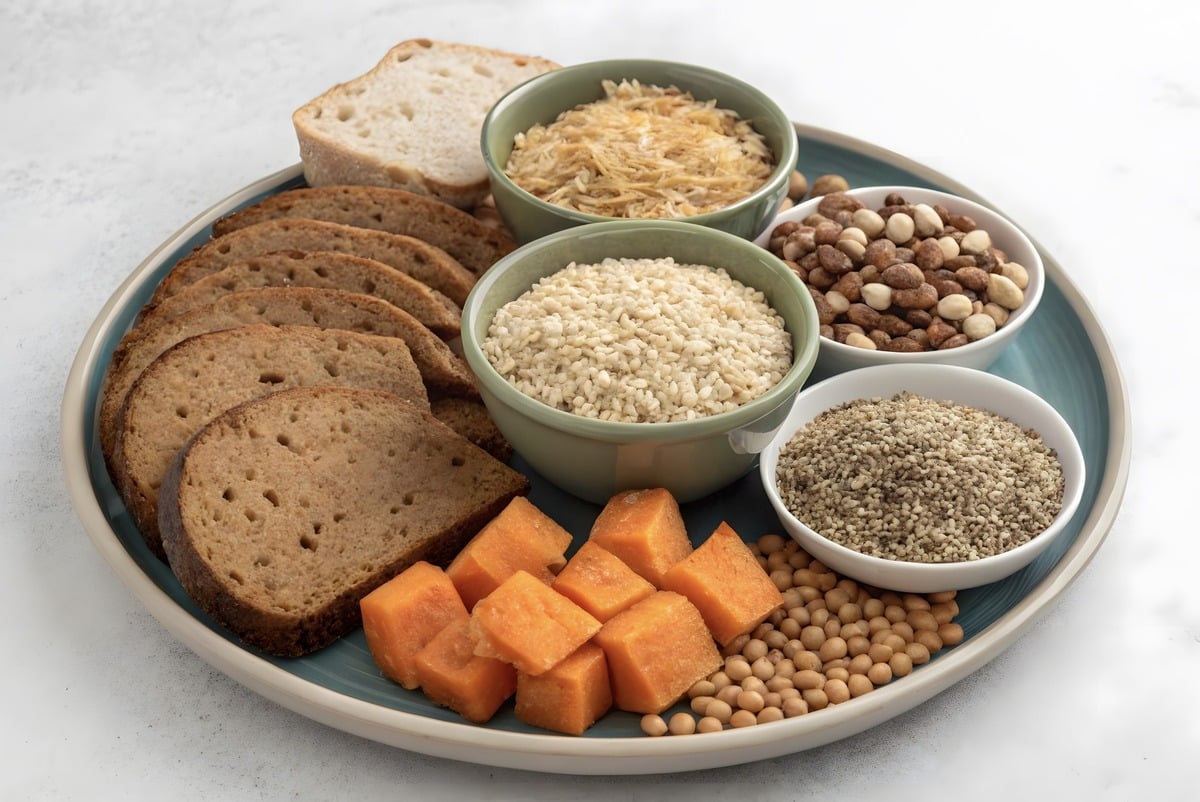
Fiber isn’t just “good for digestion”—it’s essential for longevity, metabolic health, and disease prevention. Yet, a staggering statistic continues to make headlines: 95% of people fail to meet their daily fiber requirements, according to recent assessments by dietary researchers. This isn’t just a minor nutritional slip. It reflects a massive public health gap that’s contributing to chronic inflammation, sluggish metabolism, and increasingly common gut-related issues. Fiber plays a vital role in regulating everything from blood sugar levels to LDL cholesterol, bowel regularity, and even hunger management. So when daily intake falls short, consequences ripple throughout the body. Nutrition experts at Wockhardt Hospitals and numerous clinical nutrition studies consistently point toward low fiber intake as a common—and correctable—dietary flaw. As a nutritionist and founder of Claudia’s Concept, I’ve seen firsthand how radically fiber can change the game—not just for digestion but for energy, weight regulation, and disease prevention. If your body feels sluggish, your skin has lost its glow, or your meals don’t satiate you, fiber might be your missing link. Let’s explore what that 95% are missing—and more importantly, how you can reclaim your nutritional balance.
Understanding Dietary Fiber: Nature’s Digestive Powerhouse
What exactly is dietary fiber?
Dietary fiber is the indigestible part of plant foods that moves through your digestive system, absorbing water along the way and helping everything run smoothly. Unlike proteins, fats, or carbohydrates that are broken down and absorbed by your body, fiber remains more or less intact. And that’s exactly why it’s powerful.
There are two main types of fiber: soluble and insoluble. Each plays a distinct role in your gut health, and both deserve a permanent place in your meals.
Soluble vs Insoluble Fiber: What’s the Difference?
- Soluble Fiber dissolves in water and forms a gel-like substance in your gut. It slows digestion, helps manage blood sugar levels, and reduces bad cholesterol (LDL). You’ll find it in oats, apples, flaxseeds, and legumes.
- Insoluble Fiber doesn’t dissolve. Instead, it adds bulk to your stool and moves waste more efficiently through your digestive tract. Think whole wheat, brown rice, nuts, and fibrous vegetables like spinach or cauliflower.
Soluble fiber is especially effective in slowing digestion and stabilizing post-meal blood glucose levels. Clinical studies, including data from the National Institutes of Health (NIH), confirm that beta-glucan (a key soluble fiber in oats) can lower total cholesterol by 5-10% when consumed regularly.
Fiber’s Role in Digestion and Metabolic Health
Every meal that includes fiber supports the trillions of bacteria in your gut—the microbiome that drives so much of your health. Soluble fibers double as prebiotics, feeding beneficial gut bacteria like bifidobacteria, which in turn ferment these fibers to produce short-chain fatty acids (SCFAs) such as butyrate. Why should you care about SCFAs? Because they reduce inflammation, strengthen your intestinal barrier, and improve insulin sensitivity.
Insoluble fiber, on the other hand, gives structure to the stool and promotes regularity. This reduces the risk of constipation, hemorrhoids, and even diverticulitis. At Claudia’s Concept, we place a heavy emphasis on balancing both fibers in your plate—not just for smooth digestion, but to influence metabolic stability, hormone balance, and detoxification processes.
How is Fiber Different from Other Nutrients?
Unlike carbohydrates, which get converted to glucose, or fats, which provide dense energy, dietary fiber doesn’t provide calories in the traditional sense. It isn’t digested or absorbed in the small intestine. Instead, fiber’s real power lies in its mechanical and biological influence on the gut environment. It enhances satiety, buffers blood sugar spikes, regulates cholesterol metabolism, and even helps bind and sweep out toxins.
Most importantly, dietary fiber is the only nutrient that consistently supports both microbial health and mechanical digestion. That’s a dual-action function we simply can’t replicate with other nutrients. And yet, as I often tell my clients through Claudia’s Concept, more than 95% of people still aren’t getting enough of it. The question is—can your body afford not to?
The Missing Nutrient: How Fiber Fuels Every System in Your Body
More Than Just Roughage: Fiber’s Role in Complete Nutrition
When people think of nutrition, they often focus on carbs, proteins, or fats. But fiber? Often sidelined or misunderstood. The reality is, fiber is a foundational pillar of optimal health. At Claudia’s Concept, we look at nutrition holistically—and fiber earns its place right at the center of the plate.
Dietary fiber is not just a digestive helper; it’s a key modulator in nearly every major body system. It doesn’t provide calories, but its impact is anything but empty. By interacting with enzymes, gut bacteria, and hormonal responses, fiber plays a vital role in balancing blood sugar, reducing inflammation, and even calming your nervous system.
What’s striking is how interconnected fiber is with everything from your microbiome to your heart health. Ignoring it leaves a gap not just in your diet, but in your body’s ability to function at its best.
Supporting the Digestive System—Where Fiber Shines Bright
Here’s where fiber naturally stands out. It forms the bedrock of a healthy gastrointestinal environment. Soluble fiber, found in foods like oats, legumes, and apples, absorbs water and forms a gel-like substance—slowing down digestion and stabilizing glucose absorption. Insoluble fiber from sources such as wheat bran, flaxseeds, and vegetables bulks up stool and supports regular bowel movements.
The real magic happens in the colon. When fiber ferments, it produces short-chain fatty acids (SCFAs), such as butyrate, acetate, and propionate—compounds central to colon health. According to a study published in The American Journal of Clinical Nutrition, SCFAs demonstrate anti-inflammatory properties, boast anti-cancer functions, and even influence immunity by improving intestinal barrier function.
Fiber’s Impact on Cardiovascular and Metabolic Health
Let’s go beyond the gut. When you incorporate a sufficient amount of dietary fiber into your daily meals, you’re helping your heart work more efficiently. Fiber binds to LDL cholesterol in the digestive tract, which reduces overall cholesterol absorption. A 2020 meta-analysis in JAMA Network Open revealed that every additional 7 grams of fiber per day correlates with a 9% reduction in cardiovascular disease risk.
Metabolically, fiber is indispensable. It reduces insulin spikes by slowing glucose absorption—a crucial mechanism for both diabetes prevention and energy regulation. In a clinical insight published by the New England Journal of Medicine, participants with higher fiber diets saw a 33% lower risk of type 2 diabetes compared to those eating minimal fiber.
At Claudia’s Concept, we view fiber not as a supplement but as a consistent companion in your meals. The body knows how to thrive—it just needs the right kind of fuel. And fiber acts like the slow-burning wood in your internal fire: steady, resilient, and metabolically intelligent.
The Hidden Ally of the Nervous and Immune Systems
While the link between fiber and gut health is well-known, its influence reaches much farther. Did you know that 70% of your immune cells reside in your gut? This is where fermented fiber’s SCFAs support regulatory T cell function, enhancing immune tolerance and reducing unneeded inflammation.
Beyond immunity, there’s a fascinating link between fiber, gut health, and brain chemistry. The enteric nervous system (your “second brain” in the gut) communicates constantly with the central nervous system. Soluble fiber feeds beneficial microbes that produce serotonin precursors which, in turn, affect your mood and cognitive health.
Functional nutritionist Rachel Stockle, M.S., describes this as “gut-brain entanglement”. She says, “When your microbiota thrives on fiber, your neurotransmitters align naturally—they communicate stability to your nervous system.” Balanced eating leads to balanced thinking. That’s real nourishment.
Your body doesn’t ask for extreme changes—it calls for consistency. Including fiber daily will transform not just how you move food through your body, but how energy flows within you. Your systems respond with resilience, and your body performs with clarity. Isn’t that what we all want?
The Benefits of Fiber: More Than Just Digestion
When people hear the word “fiber,” they instantly think of digestion. While that’s certainly one of its strengths, the power of fiber extends far beyond bathroom regularity. At Claudia’s Concept, I educate my clients to treat fiber as a proactive health tool—not just a digestion fix.
Supports Metabolism and Stabilizes Blood Sugar Levels
Soluble fiber slows the absorption of sugar, which helps stabilize blood glucose levels and prevents insulin spikes. This is especially crucial for managing or preventing type 2 diabetes. In fact, a systematic review published in the American Journal of Clinical Nutrition found that increasing dietary fiber intake significantly improved glycemic control in people with diabetes, particularly when soluble fibers like beta-glucans and psyllium were incorporated.
When glucose levels are stable, your energy remains consistent, your cravings diminish, and your overall metabolism functions more efficiently. Fiber fuels the good bacteria in your gut, which, in turn, produces short-chain fatty acids—metabolically active compounds that influence hunger hormones and fat burning. At Claudia’s Concept, we focus on this gut-fiber connection to reset metabolic health from the inside out.
Prevents Constipation and Promotes Regular Bowel Movements
We can’t overlook the obvious benefit—fiber keeps things moving. Insoluble fiber, found in foods like wheat bran, brown rice, and most vegetables, acts like a natural broom for your intestines. It increases stool bulk and helps it pass more smoothly through the gut.
But there’s more to regularity than comfort. When the colon clears waste efficiently, harmful toxins have less chance to be reabsorbed into the bloodstream. This contributes to a cleaner internal environment and supports your body’s natural detoxification pathways.
Aids in Weight Management
Fiber helps you feel full—longer. Unlike simple carbs that burn quickly, fiber slows gastric emptying, which means you stay satisfied and reduce your desire to snack mindlessly. A randomized trial published in the journal Annals of Internal Medicine revealed that simply increasing fiber was as effective for weight loss as implementing a complex diet plan. Just imagine what can happen when you combine smart planning with fiber-rich meals at Claudia’s Concept.
More satiety means fewer blood sugar crashes, reduced overeating, and greater control over portion sizes. This naturally leads to healthy, sustainable weight management without deprivation.
Reduces Risk of Cardiovascular Disease and Type 2 Diabetes
Heart health gets a major boost from fiber. According to a 2019 meta-analysis published in The Lancet, individuals who consume the highest amounts of dietary fiber have a
15% to 30% lower risk
of cardiovascular events and all-cause mortality compared to those who eat the least.
How does it work? Soluble fiber binds to LDL cholesterol—the “bad” kind—and removes it from the body through your digestive tract. Simultaneously, fiber-rich foods like oats and legumes help reduce blood pressure and systemic inflammation, both of which are precursors to heart disease.
For people on the borderline of type 2 diabetes, introducing 25–35 grams of fiber daily can serve as a natural form of metabolic alignment, improving insulin sensitivity and lipid profiles. That’s why I emphasize grain-legume pairing meals so often in our high-fiber meal plans at Claudia’s Concept.
- Fiber balances hormones that influence fat storage and appetite.
- It limits absorption of dietary cholesterol and moderates inflammatory markers.
- The gut microbiota thrives in a fiber-rich environment, improving immunity and overall health.
So yes, digestion gets a well-deserved spotlight. But to stop the fiber conversation there is to miss out on its full array of life-enhancing benefits. Think of fiber as your body’s built-in regulator—not just for digestion, but for energy, heart health, weight, and even mood. Make it intentional. Make it daily. Make it part of your lifestyle—because at Claudia’s Concept, food isn’t just fuel; it’s function.
Feeling Off? These Are the Common Signs You’re Not Getting Enough Fiber
What your gut—and your whole body—might be trying to tell you
When 95 percent of people fall short of meeting their daily fiber needs, we’re not just dealing with a number; we’re looking at a widespread nutritional gap with real symptoms. At Claudia’s Concept, I often see clients who are experiencing discomforts they don’t even realize are linked to a fiber-deficient diet. Let’s dive into the symptoms your body may be using as signals.
- Bloating, Irregular Bowel Movements, and Constipation
If you’re struggling with irregularity, your plate may be missing something crucial. Fiber, especially the insoluble kind, adds bulk to stool and speeds up its passage through the colon. Without enough of it, your digestive tract slows down, leading to constipation or incomplete emptying. Bloating often follows, caused by fermentation of unprocessed food in the gut. According to a 2012 study published in Alimentary Pharmacology & Therapeutics, increasing fiber intake significantly improved stool frequency and consistency in individuals with chronic constipation.
- Persistent Fatigue and Low Energy
Ever feel sluggish, even after a full night’s rest? Fiber regulates the release of glucose into the bloodstream, preventing the energy crashes that come from blood sugar spikes. Soluble fiber slows digestion, leading to more stable energy throughout the day. A study in the American Journal of Clinical Nutrition found that participants who consumed high-fiber diets had better glycemic control and reported improved vitality. Energy isn’t just about calories—it’s also about the quality of the foods you consume.
- High Cholesterol or Blood Sugar Levels
Soluble fiber, found in foods like oats, flaxseeds, and legumes, binds to cholesterol particles in the digestive system and helps remove them from the body. This leads to measurable reductions in LDL cholesterol. In fact, the Journal of the American Medical Associationpublished a meta-analysis demonstrating that dietary fiber intake was associated with a 10% reduction in LDL cholesterol levels.
The same form of fiber slows the absorption of sugar, preventing insulin spikes. A consistent shortfall in fiber can fast-track metabolic disruption, particularly in individuals already at risk for diabetes or cardiovascular disease.
- Long-Term Disorders: Colon Complications and More
Ignoring fiber deficiency today could lead to chronic issues tomorrow. A low-fiber diet has been strongly correlated with an increased risk of diverticulosis—a condition where pouches form in the colon wall. Over time, this can lead to inflammation and infection, a condition known as diverticulitis. The British Medical Journal published findings from a 2011 cohort study showing that those with the highest fiber intake had a 41% lower risk of diverticular disease than those with the lowest.
In metabolic health, inadequate fiber intake increases the risk of obesity, type 2 diabetes, and non-alcoholic fatty liver disease. Fiber helps regulate appetite by increasing satiety, thereby reducing total caloric intake—a pivotal factor in long-term weight control and metabolic balance.
At Claudia’s Concept, we look beyond calorie counts and macros. True wellness begins with nutritional quality, and fiber plays a foundational role in that journey. So, what is your body telling you today?
How Much Fiber Do You Actually Need Every Day?
Let’s set the record straight — most people barely come close to the fiber their bodies need. According to data from the Indian Council of Medical Research and corroborated by global nutrition bodies like the Institute of Medicine (IOM), the average Indian adult consumes only 15–19 grams of fiber per day. That’s just half of what’s recommended. This chronic shortfall is one reason behind rising numbers of metabolic and digestive issues in urban populations.
Recommended Daily Fiber Intake: The Numbers You Need to Know
Here’s what the experts say, and these aren’t just random figures. Decades of clinical studies and dietary assessments inform these numbers. The IOM — now part of the National Academies of Sciences, Engineering, and Medicine — recommends the following daily fiber intakes, widely accepted in clinical nutrition worldwide, including at Wockhardt Hospitals:
- Adult men (ages 19–50): Approximately 38 grams of fiber per day
- Adult men (50+): Recommended intake drops slightly to 30 grams daily, due to reduced caloric needs
- Adult women (ages 19–50): Approximately 25 grams daily
- Adult women (50+): Target is at least 21 grams per day
Healthcare experts at Wockhardt Hospitals emphasize that in both preventive and therapeutic diet plans, fiber plays a non-negotiable role — whether it’s managing blood sugar or supporting gut health post-gastrointestinal surgery. Their internal data from outpatient nutrition coaching shows that those who meet recommended fiber goals reduce their digestive complaints by over 40% within eight weeks.
Why Does It Matter So Much?
Here’s a thought worth sitting with: when 95 percent of people consistently fall short of these fiber targets, it doesn’t just impact digestion. It quietly influences everything from cholesterol levels to inflammation markers. At Claudia’s Concept, we make it effortless to customise meal plans that meet these precise fiber goals — no guesswork, no generic advice, just science-backed, personalised guidance.
Ask yourself — are you hitting 25 to 38 grams daily? If not, what changes could you begin today?
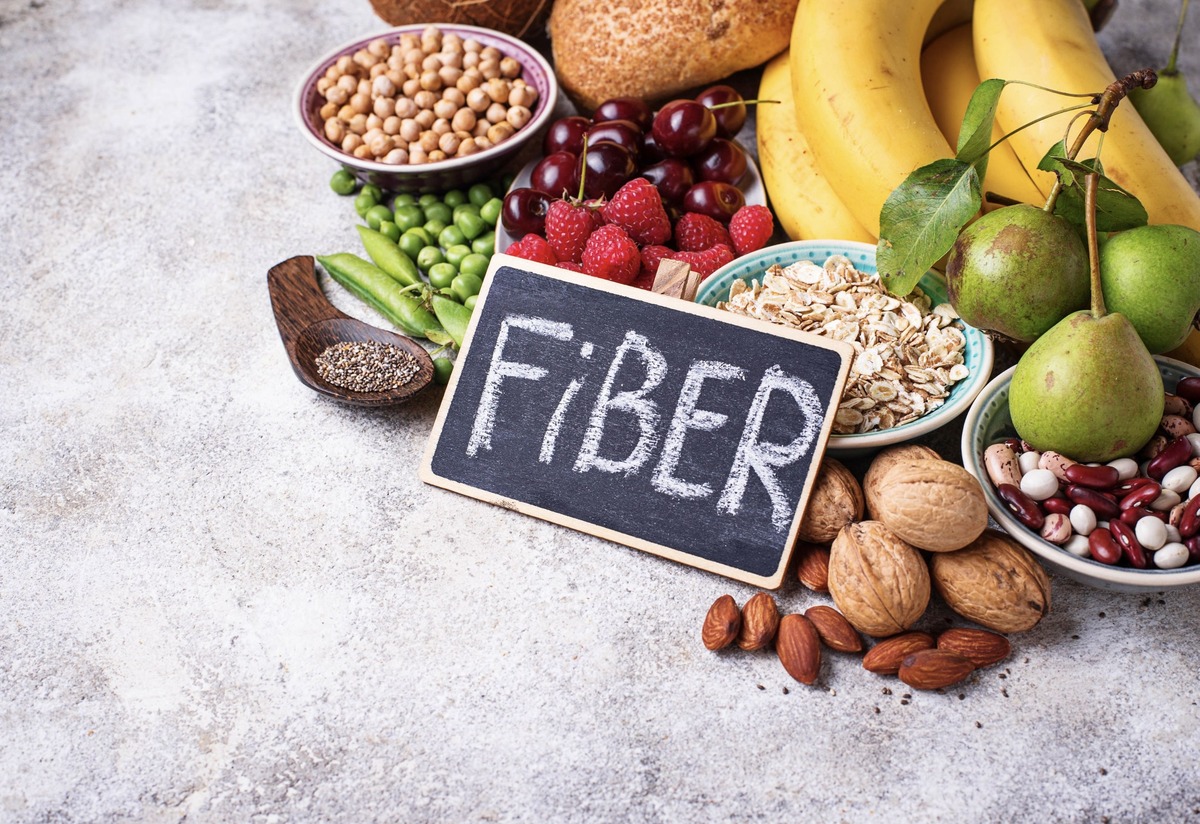
High-Fiber Foods You Should Be Eating
Let’s get right to the most delicious part of solving the fiber gap: food. Knowing that 95 percent of people don’t get enough fiber is one thing—changing that reality begins on your plate. At Claudia’s Concept, I always remind my clients that fiber-rich eating doesn’t mean boring meals. In fact, whole foods naturally high in fiber are bursting with flavor, texture, and nutrients. Want to know what should be making a regular appearance in your meals? Let’s unpack the essentials.
Whole Grains: Simple Swaps, Major Impact
Start with your staples. Whole grains are an easy and powerful way to upgrade your fiber intake. Refined grains lose the bran and germ—where most of the fiber lives. So when you make the switch from white rice to brown rice or quinoa, you’re choosing not just better flavor, but better health.
- Oats: Just one cup of cooked oats delivers about 4 grams of fiber. They contain beta-glucan, a soluble fiber that supports heart health and helps manage cholesterol levels.
- Quinoa: A complete protein and fiber-rich grain, quinoa packs around 5 grams per cooked cup and is incredibly versatile.
- Brown rice: With roughly 3.5 grams of fiber per cup, it makes for an excellent base for fiber-rich meals while keeping you fuller for longer.
Use these grains in salads, soups, breakfast bowls, or even baked dishes. The texture and nutty flavor elevate any recipe, and your gut will love you for it.
Legumes: The Fiber Powerhouses
Legumes are often underrated, yet they are among the most fiber-dense foods available. At Claudia’s Concept, legumes feature prominently in my personalized meal plans—not only are they high in fiber, but also naturally packed with plant-based protein, resistant starch, and essential minerals.
- Lentils: A cup of cooked lentils delivers about 15.6 grams of fiber—more than half the daily recommended intake for women.
- Chickpeas: These versatile gems have roughly 12.5 grams of fiber per cup and can transform into hummus, curries, or roasted snacks.
- Black or kidney beans: Both varieties provide around 13–15 grams of fiber per cooked cup and offer a rich, creamy texture that works in everything from stews to salads.
The science? A review in the journal Advances in Nutrition (2017) confirmed that regular legume consumption improves overall fiber intake and contributes to lower LDL cholesterol and better glycemic control.
Fruits and Vegetables: Nature’s Daily Essentials
Vibrancy on your plate often means vitality in your gut. Every fruit and vegetable contains some fiber, but a few stand out thanks to their impressive content and nutrient synergy.
- Apples: Particularly with the skin, one medium apple provides around 4.4 grams of fiber in a hydrating, crunchy package.
- Berries: Raspberries contain an impressive 8 grams per cup. Blueberries and blackberries are not far behind, offering antioxidant benefits alongside fiber.
- Broccoli: Cruciferous green vegetables like broccoli deliver 5 grams per cup, plus sulforaphane, a compound that supports detoxification.
- Carrots: Raw or cooked, a cup of chopped carrots contains roughly 3.5 grams of fiber and beta-carotene that supports vision and immune health.
Make it a habit to include colorful produce in every meal. Not only will it boost your fiber intake, but you’ll gain the benefits of thousands of phytonutrients that work synergistically to enhance overall well-being.
Nuts and Seeds: Small Size, Big Fiber
The beauty of nuts and seeds is their portability and versatility. Whether you’re tossing them into a smoothie or sprinkling them over your morning oats, these tiny nutrient bombs make a big impact.
- Almonds: A 28-gram serving (about 23 almonds) provides 3.5 grams of fiber and also contributes healthy fats and magnesium.
- Chia seeds: With a massive 10 grams of fiber per two tablespoons, these hydrophilic seeds can swell to 10 times their weight in water, aiding satiety and digestive regularity.
- Flaxseeds: Ground flaxseeds offer 3 grams of fiber per tablespoon, along with lignans that act as powerful antioxidants.
Here’s a tip I often use in Claudia’s Concept meal plans: mix ground flaxseeds into yogurt, or pre-soak chia seeds overnight with almond milk for an easy grab-and-go breakfast the next morning.
With this variety of fiber-rich foods in your daily routine, closing that fiber gap becomes second nature. So, what’s the first swap you’re ready to make today?
The Power of Whole Grains and Legumes: Nature’s Fiber Superstars
Why Whole Grains and Legumes Belong in Every Fiber-Rich Diet
Within Claudia’s Concept, I always emphasize eating foods that nourish you deeply and support long-term metabolic health. Whole grains and legumes are perfect examples—natural, nutrient-dense, and packed with dietary fiber. They bring the kind of functionality that your body craves, especially if you’re among the 95 percent of people who aren’t getting enough fiber daily.
The key lies in their structural integrity. Unlike refined grains, whole grains retain the bran, germ, and endosperm—where most of the fiber, B vitamins, and antioxidants live. Legumes, which include beans, lentils, chickpeas, and peas, are equally powerful. They are rich in both soluble and insoluble fiber, which perform distinct yet equally impactful roles in your digestive system.
Nutritional Profile That Drives Results
Let’s break that down with real numbers.
- Cooked lentils (1 cup): Around 15.6 grams of fiber
- Cooked black beans (1 cup): Approximately 15 grams of fiber
- Quinoa (1 cup, cooked): Delivers 5.2 grams of fiber, along with all nine essential amino acids
- Whole oats (1 cup, cooked): Offers close to 4 grams of fiber, including beta-glucan—a type of soluble fiber with proven cholesterol-lowering benefits
These numbers aren’t just nutritional trivia. They represent building blocks for sustainable energy, balanced blood sugar, and improved bowel regularity. Clinical data from the American Journal of Clinical Nutrition shows that diets rich in whole grains can significantly improve insulin sensitivity, reduce systemic inflammation, and lower the risk of cardiovascular disease.
Fiber That Does More Than Fill You Up
When you include more whole grains and legumes in your meals, you’re not just preventing constipation. You’re altering your body’s gut microbiome landscape. Soluble fiber from legumes ferments in the colon, producing short-chain fatty acids like butyrate. These compounds strengthen gut lining, reduce inflammatory markers, and boost immune response.
Meanwhile, the insoluble fiber found in grains like bulgur and brown rice acts like a sweeping brush—moving food through your digestive tract with greater ease, minimizing bloating, and enhancing nutrient absorption. At Claudia’s Concept, I love helping clients design meal plans that pair these with fresh vegetables and healthy fats, creating vibrant bowls that spark satiety and gut harmony.
Incorporating Whole Grains and Legumes into Daily Meals
Think beyond the usual rice and beans combo. Whole grains and legumes are incredibly versatile:
- Swap white rice with fiber-rich barley, bulgur, or farro
- Blend cooked lentils into soups, stews, and even burger patties
- Create overnight oats loaded with chia seeds and fruit for a morning fiber kick
- Try chickpea flour to make protein-rich flatbreads or socca
- Toss quinoa into salads for texture and nutrient diversity
Have you tried a lentil and quinoa pilaf topped with roasted veggies and a drizzle of tahini? This kind of meal delights the palate, stabilizes blood sugar, and meets over half your daily fiber goal in one plate.
Adopting these ingredients as staples rather than occasional add-ons transforms your gut resilience and boosts metabolic efficiency. And it doesn’t have to feel like a diet—it’s simply a move toward clean, intelligent eating. That’s the kind of lifestyle we foster at Claudia’s Concept every day.
Embracing a Plant-Based Diet for Better Digestive Health
Most people don’t realize just how deeply our digestive wellness is tied to the choices we make on our plates. When I say that 95 percent of people don’t get enough fiber, it’s not just a statistic—it’s a call to action. A predominantly plant-based diet is one of the most effective ways to address this shortfall, restore gut harmony, and bring your entire system into balance.
Why Fiber-Rich, Plant-Forward Eating Works Wonders
Plants are nutritional powerhouses packed with the kind of fiber your gut ecosystem thrives on. Fruits, vegetables, legumes, whole grains, nuts, and seeds offer soluble and insoluble fiber, prebiotics, antioxidants, and a broad spectrum of micronutrients. This diverse intake doesn’t just promote digestion—it transforms your microbiome, energizes your metabolism, and builds long-term resilience.
Plant-based diets have been shown to enhance microbial diversity in the gut. According to a landmark 2019 study published in The Lancet, increased consumption of dietary fiber was associated with a 15–30% decrease in all-cause and cardiovascular-related mortality. That’s not just impressive—it’s life-changing.
- Soluble fiber (found in oats, beans, and fruits) forms a gel-like substance that slows digestion and stabilizes blood sugar levels.
- Insoluble fiber (present in whole grains, cauliflower, and leafy greens) adds bulk to stool, promoting regular bowel movements.
- Both types work synergistically to optimize digestive function and reduce inflammation—key outcomes of a plant-forward approach.
Real-Life Results From Diet-Based Interventions
In clinical nutrition programs I’ve been involved with through Claudia’s Concept, we’ve helped numerous individuals reverse years of digestive distress by reprogramming their diets plant-first. One standout example is a client who suffered from chronic bloating, irregularity, and fatigue. Within six weeks of increasing her fiber intake through lentils, whole grains, and greens, her digestive discomfort subsided completely. Her energy levels soared.
Another case from a hospital-based therapy program showed that participants who adopted a Mediterranean-style plant-based diet experienced significant improvements in bowel movement regularity and reported less abdominal pain and bloating compared to those on standard low-fiber diets. These aren’t isolated results—they’re replicable outcomes driven by sound nutritional science.
Tackling Chronic Disorders Through Plants
What happens when you give your body the fibrous fuel it actually needs? You create a biological environment that can prevent or even reverse chronic conditions like type 2 diabetes, obesity, and diverticular disease.
Research from the Yale-Griffin Prevention Research Center has consistently shown that a high-fiber, plant-based diet improves insulin sensitivity, lowers LDL cholesterol, and supports healthy weight management. Fiber doesn’t just support digestion—it actively fights disease.
At Claudia’s Concept, we guide you through making these impactful changes feel doable. From delicious recipes to structured meal plans that work with your lifestyle, embracing a plant-focused diet becomes less of a challenge and more of a transformation.
So ask yourself: if your diet could shape your digestion, energy, and longevity—why not let plants lead the way?
Simple, Effective Tips to Increase Your Daily Fiber Intake
Surprised to hear that 95 percent of people don’t get enough fiber? You’re not alone. At Claudia’s Concept, I see this nutrient being overlooked more often than any other. But here’s the good news — getting more fiber into your diet doesn’t require an overhaul. It just takes smart, consistent choices throughout the day.
Transition Gradually for Gentle Digestion
Let’s start with a gentle reminder: your digestive system needs time to adapt. When you boost fiber too quickly, bloating and gas may show up uninvited. Increase your intake gradually over a week or two, and most of the discomfort disappears as your microbiome adjusts. Think of it as training your gut — not throwing it into a marathon without any prep.
Start Your Day with Fiber Power
Breakfast is a perfect moment to sneak in a high-fiber win. Choose a bowl of steel-cut oats topped with berries and crushed flaxseeds, or rye toast with smashed avocado. Want statistics? According to the Journal of Nutrition, people who eat high-fiber breakfasts consume up to 30% more fiber throughout the day than those who don’t. A strong start sets the tone for your metabolism, satiety, and blood sugar control all day long.
Make Whole Grains Your Go-To
White rice, white bread, white pasta — these refined grains pack very little fiber. Switch them for their whole counterparts and you’ve instantly upgraded your intake. Go for brown rice, quinoa, millet, or whole wheat pasta. Every swap counts. Just one cup of cooked barley, for example, gives you 6 grams of fiber — that’s nearly 20% of your daily needs in a single serving.
Let Legumes Do the Work
Beans are nature’s fiber bombs, and they’re incredibly versatile. Toss chickpeas into your salad, blend black beans into your soups, or stir kidney beans into a warm stew. A half-cup of cooked lentils contains 7.8 grams of fiber — not to mention a great plant-based protein boost. Your gut flora will thank you, and if you’re following Claudia’s Concept, you already know how crucial legumes are for hormonal balance too.
Snack Smart: Nature Knows Best
Think outside the chip bag. Snack on almonds, walnuts, or pumpkin seeds, paired with a crisp apple or a few dried figs. A small pear with skin delivers about 5.5 grams of fiber, while two tablespoons of chia seeds can provide more than 10 grams. Combine both for a fiber-rich pudding or energy balls. Snacks are strategic moments — use them to your advantage.
Drink Up and Let Fiber Do Its Magic
Fiber only works well when paired with adequate hydration. Without water, fiber can slow digestion rather than facilitate it. Aim for at least 2 to 2.5 liters a day — more if you’re active. Herbal teas, infused waters, or water-rich foods like cucumber and watermelon can all contribute. Think of fluid as the vehicle that helps fiber function efficiently throughout your gut.
Healthy choices become habits when they’re rooted in awareness and ease. At Claudia’s Concept, I always recommend starting small and choosing consistency over perfection. What’s one fiber-friendly upgrade you can make today?
Take Control: Your Body, Your Fiber, Your Responsibility
Here’s the truth—fiber isn’t optional. It’s essential. Over 95% of people fall short of their daily dietary fiber requirements, and that statistic speaks volumes about our collective nutritional habits. When you’re not getting enough fiber, your body lets you know—slow digestion, fluctuating blood sugar, persistent hunger, and even skin breakouts can be the subtle cries for help. As a clinical nutritionist, I’ve seen how consistent fiber intake rewrites the story of someone’s health.
Let’s be clear—monitoring your fiber intake isn’t just about avoiding problems, it’s about optimising performance. Fiber regulates digestion, supports cardiovascular health, fuels the microbiome, balances hormones, and plays a vital role in metabolic stability. This biochemical symphony doesn’t play itself; it needs active participation from you. That’s where mindfulness and self-responsibility step in.
How do you begin taking charge? Start by making conscious choices during your grocery trips. Read food labels beyond calories and sugars—look at dietary fiber content per serving. Choose whole, minimally processed foods and avoid those where fiber is stripped away. Think of your meals like an investment portfolio: diversify. Load your day with vegetables, fruits, legumes, whole grains, seeds, and nuts. Balance your plate; balance your body.
Make Action a Habit
- Start meal planning with fiber as a key nutrient goal—not an afterthought.
- Schedule routine nutrition check-ins with a trusted clinical therapist or registered dietitian. These conversations often reveal hidden dietary gaps and offer data-driven strategies for improvement.
- Track progress using a trusted app or handwritten journal—it makes fiber intake visible and measurable.
- Stay informed through credible sources. Integrate nutritional science into your self-care toolkit. Claudia’s Concept offers resources to deepen your understanding of what your gut and body really need to thrive.
In my consultations and within Claudia’s Concept, I’ve seen remarkable transformations simply by tweaking fiber intake. People didn’t overhaul their lifestyles; they made consistent, informed changes. That’s the power of habitual eating, not random health kicks. And that’s your responsibility—to lead with intention, backed by science.
Your body is capable of extraordinary health; fiber is part of that foundation. Make this personal, because no one else can do it for you.