
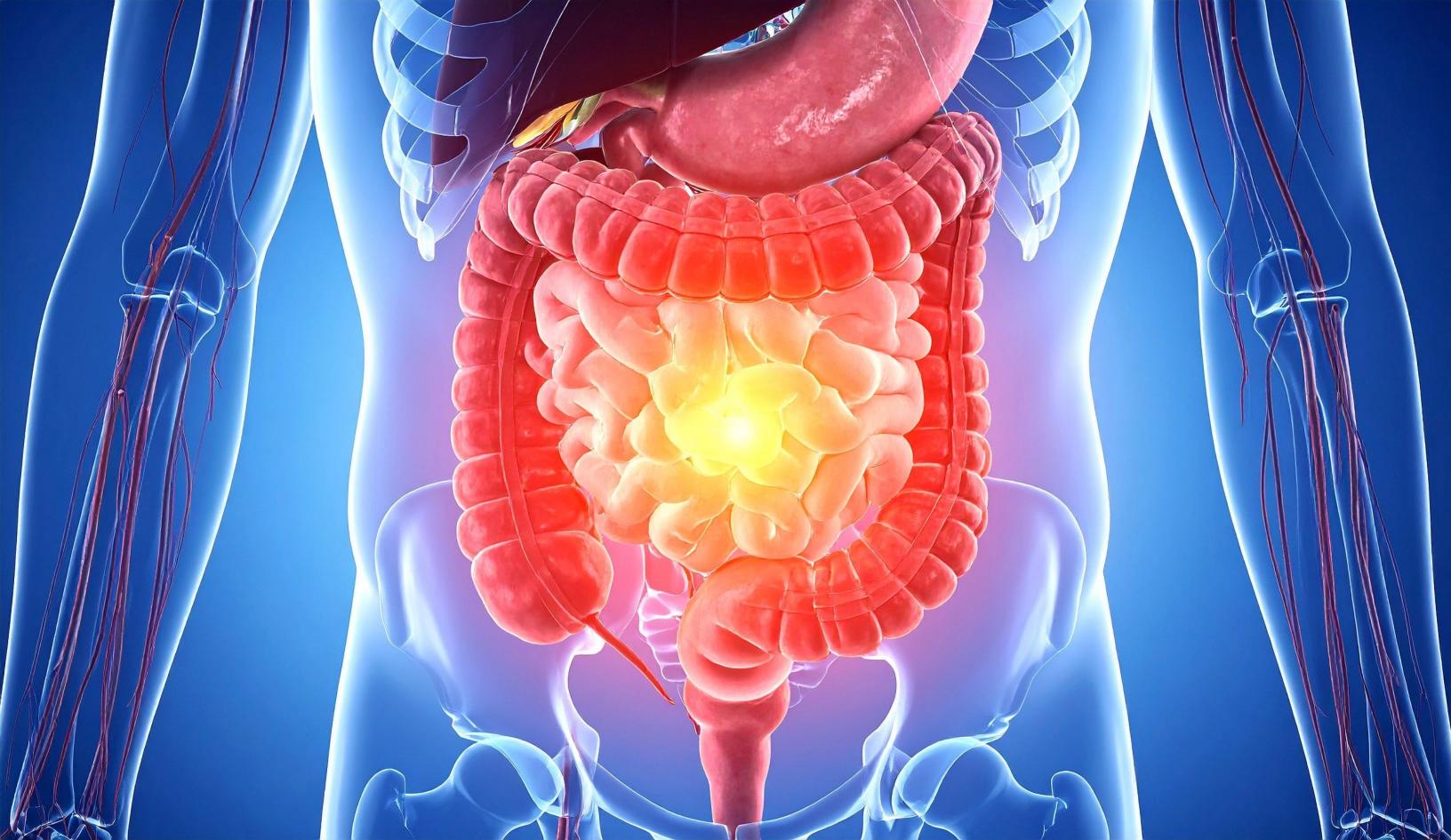
Osteoporosis is more than just a diagnosis; it’s a silent progression that weakens bones over time, making them fragile and prone to fractures. Affecting over 200 million people worldwide, this chronic condition is no longer confined to advanced age—lifestyle, diet, and inflammation play increasingly influential roles. At the heart of bone health lies a dynamic process called bone remodeling, where bone tissue is continuously broken down and rebuilt. When this balance is disturbed, density declines and osteoporosis sets in.
Now, what does your gut have to do with your bones?
Plenty. The gut microbiota—trillions of microorganisms residing in your digestive tract—doesn’t just help digest your meals. It regulates immune function, synthesizes key vitamins, manages inflammation, and even influences distant organs. Recent science now confirms a powerful interaction between your gut and skeletal system, a bi-directional network known as the Gut–Bone Axis. This interdependency is shaping how we at Claudia’s Concept approach holistic nutrition for bone health and systemic vitality.
In this deep dive, we’ll uncover how your gut bacteria can either protect or jeopardize your bone density, using cutting-edge research and strategies grounded in science and real-world results.
The Gut–Bone Axis: How Gut and Bone Health Are Interconnected
Decoding the Gut–Bone Axis: A Revolutionary Framework
Most people don’t typically pair gut health with bone strength—but the relationship is far more profound than commonly imagined. Thanks to a growing body of scientific research over the last decade, the concept of the gut–bone axis has redefined how we view osteoporosis prevention and treatment.
The gut–bone axis is an integrative physiological framework showing that the intestinal microbiota, immune system, endocrine signals, and bone tissue are in constant communication. When your gut is diverse and balanced, your bones benefit from enhanced nutrient absorption, regulated immune responses, and sustained osteogenesis. But the moment your gut falls into dysbiosis, the ripple effects impact skeletal resilience.
Gut Microbes: Orchestrating Bone Homeostasis
Within the gut, trillions of microbes work symphonically—not just to digest food but also to modulate bone homeostasis. Certain bacteria produce bioactive compounds that affect the life cycle of osteoblasts and osteoclasts, the cells responsible for bone formation and resorption respectively.
Take for example, Lactobacillus reuteri. In a 2013 study published in Journal of Cellular Physiology, supplementation with this beneficial bacterium increased trabecular bone density in mice by reducing systemic inflammation, a known inhibitor of bone formation. That’s not anecdotal—it’s molecular biology in action.
Another key microbiome player, Faecalibacteriumprausnitzii, is associated with lower levels of systemic inflammation due to its robust production of butyrate, a short-chain fatty acid with anti-inflammatory properties. This improved inflammatory profile sets the stage for healthier bone metabolism and mineralisation.
Bridging Systems: Hormones, Immunity, and Microbial Metabolites
Bone and gut health are linked not only through direct microbial effects but also via complex systemic messengers. These include hormones, immune cells, and metabolites—channels through which the gut influences endocrine and skeletal functions. One of the standout examples is the interaction between the microbiota and the parathyroid hormone (PTH), which regulates calcium levels in the bloodstream and influences bone remodeling.
Researchers at Emory University demonstrated in 2017 that continuous PTH administration combined with an intact gut microbiome led to an anabolic effect on bone mass. When mice were treated with antibiotics to wipe out gut microbes, PTH lost its bone-building effects. The magic? Gut microbes enhanced PTH activity by increasing IGF-1 (Insulin-like Growth Factor-1), a potent growth factor for bones.
The immune system also acts as a conduit in this axis. An imbalanced gut microbiota can prime Th17 cells in the intestine—which then migrate systemically and trigger inflammation in bone tissue. Chronic inflammation, as we observe in rheumatoid arthritis, directly increases osteoclast activity and bone erosion.
Then there’s serotonin, most of which is produced in the gut. Peripheral serotonin (distinct from brain serotonin) inhibits osteoblast proliferation. Gut microbes regulate this production, particularly through modulating the expression of Tph1, the enzyme involved in serotonin synthesis. When gut microbiota composition shifts, it can either protect or harm bone-forming activity.
Claudia’s Concept: Aligning Gut Balance with Bone Strength
At Claudia’s Concept, we integrate these scientific insights into customized wellness plans, because gut health is not optional—it’s foundational. Through targeted nutrition, probiotics, and lifestyle practices, we ensure that your gut–bone axis functions harmoniously. The result? Stronger bones and a vibrant, resilient you.
Next time you’re sipping a probiotic-rich smoothie or enjoying a fibre-dense salad, think about more than digestion. Think about structure. Think about density. Think bones. Want to dive deeper into your gut–bone connection? Stay with me—there’s more coming up.
Gut Microbiota Composition and Diversity: A Foundation for Bone Health
Have you ever considered that your bone strength might be influenced by the trillions of microbes in your gut? As surprising as it sounds, the balance and variety of these microorganisms play a foundational role in determining how resilient your bones are over time. At Claudia’s Concept, I focus on integrative nutrition that supports bone health from the inside out — beginning with the gut.
Why Microbial Diversity Is Essential
The human gut hosts more than 1,000 distinct bacterial species, and their diversity is more than just a biological trivia point. Higher microbial diversity directly correlates with more robust physiology, particularly when it comes to immune modulation, nutrient metabolism, and systemic inflammation — all of which impact bone remodeling.
According to a comprehensive metagenomic study published in Nature (2018), individuals with a broader range of gut bacteria had higher levels of circulating micronutrients, including vitamin D and calcium — both critical for bone mineralization. A diverse gut flora also limits the growth of pathogenic species, reducing chronic low-grade inflammation that impairs osteoblast activity and stimulates bone-resorbing cells (osteoclasts).
Balanced Microbial Communities Support Bone-Maintaining Functions
A healthy gut maintains homeostasis by communicating with bone-regulating pathways. One of the key mechanisms involves the suppression of inflammation via tight-junction integrity and immune signaling. When the gut flora is balanced, it reinforces the lining of the intestinal wall, preventing endotoxins such as lipopolysaccharides (LPS) from entering the bloodstream.
Why does LPS matter for your bones? Elevated circulating LPS levels are linked with increased cytokine expression (particularly IL-6 and TNF-α) — known triggers for bone degradation via osteoclast activation. So, simply put, when your gut flora is functioning smoothly, it actively guards your bones against both inflammation and excessive mineral loss.
Lactobacillus, Bifidobacterium, and Bone Strength
Certain probiotic strains have a direct hand in fortifying your skeletal system. Two notable bacterial genera — Lactobacillus and Bifidobacterium — have demonstrated bone-protective effects in both clinical and animal studies.
- Lactobacillus reuteri has proven effective at preserving bone density by reducing systemic inflammation and increasing osteoblast expression. A 2016 study in the Journal of Clinical Investigation found that mice treated with L. reuteri experienced a significant increase in trabecular bone volume.
- Bifidobacterium longum enhances calcium absorption and modulates gut pH, creating an environment favorable for both nutrient uptake and microbial balance. In human trials, supplementation with B. longum improved bone markers and reduced markers of bone resorption over a period of just eight weeks.
These bacteria aren’t just passengers in your system — they are active biological allies. That’s why, at Claudia’s Concept, I often incorporate safe, targeted probiotics along with fiber-rich foods that nourish these beneficial species to establish resilient gut and bone health concurrently.
Now, take a moment to reflect: is your lifestyle encouraging these microbes to thrive, or are you unknowingly weakening the foundation of your bone health?
Dysbiosis and Bone Health: When Gut Microbes Become Imbalanced
Have you ever felt that something just isn’t right in your gut after a stressful week, a round of antibiotics, or a few days of poor eating? That invisible shift — known as dysbiosis — may be doing more than just upsetting your digestion. It could be quietly weakening your bones.
What Exactly Is Dysbiosis — And What Causes It?
Dysbiosis refers to a disruption in the natural balance and diversity of the gut microbiota. Think of your gut as a rich ecosystem of microbes working in harmony — over 100 trillion bacteria, fungi, and viruses — each with a role to play. But when harmful or less beneficial species take over and the good ones dwindle, trouble brews.
Several factors trigger dysbiosis:
- Poor dietary choices — high in refined sugars, ultra-processed foods, and low in fiber — can strip the gut of beneficial bacteria.
- Antibiotic use — while lifesaving, indiscriminate antibiotic usage can wipe out not only pathogens but also your friendly gut microbes.
- Chronic stress — proven to alter microbial composition, favoring pathogenic strains.
- Lack of physical activity — associated with lower microbial diversity and metabolic balance.
- Environmental toxins — including certain food additives and pesticides, interfere with microbial functioning.
At Claudia’s Concept, I always emphasize that microbiome balance is not a fringe wellness topic — it is a clinical cornerstone for lifelong bone health.
When Gut Imbalance Begins to Affect the Skeleton
The gut and bones engage in constant, silent conversation. Dysbiosis disrupts this dialog. Scientific literature has consistently illustrated that microbial imbalance significantly affects the bone remodeling process.
Under healthy conditions, the gut microbiota supports nutrient absorption, modulates the immune system, and produces metabolites crucial for inhibiting bone resorption. But when dysbiosis emerges, the scales tip toward inflammation, impaired absorption, and accelerated bone degradation.
Evidence Showing the Connection Between Dysbiosis and Osteoporosis
Let’s look at what the science says.
A pivotal 2017 study published in Frontiers in Cellular and Infection Microbiology found that mice with induced gut dysbiosis showed increased osteoclast activity — the bone-breaking cells — and a clear reduction in bone mineral density (BMD). How? Through gut-driven immune system changes, especially elevated levels of pro-inflammatory cytokines like TNF-α and IL-6, which speed up bone resorption.
Another striking example: research in Nature Communications in 2018 demonstrated that antibiotic-induced dysbiosis in mice led to significant bone loss within just 4 weeks. The absence of beneficial microbial strains like Lactobacillus and Bifidobacterium, both of which thrive in a fiber-rich diet, was directly associated with decreased trabecular bone volume.
Even in human studies, the pattern holds true. Postmenopausal women with lower microbial richness — an indicator of dysbiosis — were shown to have decreased lumbar spine BMD, according to data from the Göteborg Osteoporosis and Obesity Determinants (GOOD) study.
This is why at Claudia’s Concept, we center our bone health protocols around gut-first strategies. Addressing dysbiosis isn’t a hopeful tactic — it is a science-based requirement.
Think about it this way: if your gut microbiome is the soil, then your skeleton is the plant. Depleted soil won’t nourish strong roots. So, what’s growing inside your gut?

How Gut Microbes Influence Inflammation, Immunity, and Bone Loss
When clients approach me with concerns about bone loss or early signs of osteoporosis, they rarely connect it to their gut health. Yet, the gut microbiota silently orchestrates immune function and systemic inflammation—two central players in the development and progression of osteoporosis. At Claudia’s Concept, we use a gut-first approach to support long-term bone health, and it starts by understanding this crucial link.
The Gut’s Role in Regulating Inflammation
The intestinal lining isn’t just a barrier for digestion. It’s a dynamic immune interface that interacts directly with microorganisms to regulate systemic inflammation. A healthy gut microbiota produces molecular signals, like short-chain fatty acids (SCFAs), that reinforce epithelial integrity and suppress pro-inflammatory pathways. When these microbial signals are well-regulated, the gut environment remains balanced, leading to lower levels of systemic inflammatory mediators.
Conversely, when the gut barrier becomes permeable—a condition often called “leaky gut”—bacterial endotoxins such as lipopolysaccharides (LPS) cross into the bloodstream. LPS are potent immunostimulants. Once in circulation, they trigger an overproduction of inflammatory cytokines like IL-6, TNF-α, and IL-1β, all of which accelerate bone resorption. Research published in Nature Reviews Endocrinology (2017) confirms that elevated LPS levels are strongly associated with increased osteoclast activity, which directly contributes to bone loss.
Chronic Inflammation as an Engine of Osteoporosis
Chronic low-grade inflammation doesn’t stay localized. It systemically alters the way bones remodel. Pro-inflammatory cytokines inhibit osteoblasts—the cells responsible for building bone—while simultaneously fueling osteoclast differentiation and function. Over time, this shifts the balance toward bone resorption.
For example, TNF-α and IL-1β upregulate RANKL (Receptor Activator of Nuclear Factor Kappa-B Ligand), a molecule necessary for osteoclast development. At the same time, they suppress osteoprotegerin (OPG), which normally acts as a decoy receptor to inhibit RANKL. This dual action leads to accelerated bone breakdown. Clinical data—from longitudinal cross-sectional studies such as those in the Journal of Bone and Mineral Research—shows that individuals with elevated pro-inflammatory markers have significantly lower bone mineral density over time.
Immune Cells Meet Microbes: A Story of Bone Turnover
The gut-associated lymphoid tissue (GALT) forms more than 70% of the body’s immunological network. This is where immune cells directly sample and respond to microbial antigens. Through this interaction, gut microbes educate regulatory T cells (Tregs), which are critical for moderating immune responses. Tregs release anti-inflammatory cytokines like IL-10 and TGF-β, which not only reduce inflammation but also enhance osteoblast differentiation and bone formation.
However, in dysbiosis, there’s often a reduction in Tregs and a concurrent rise in Th17 cells. Th17 cells produce IL-17, a cytokine that worsens inflammation and strongly stimulates osteoclast formation. Findings from mouse models published in Immunity (2015) underscore that altering gut flora shifts the Th17/Treg balance, directly affecting bone turnover rates.
Understanding these immune dynamics has been central to the way we build gut-friendly strategies at Claudia’s Concept. Targeted nutrition, microbiota modulation, and lifestyle optimization are not just wellness buzzwords—they’re scientifically supported paths to preserving both immune balance and skeletal integrity.
- SCFAs reduce inflammation and promote bone growth by influencing Treg cells.
- LPS and chronic cytokine release suppress bone-building osteoblasts.
- Microbial impact on RANKL/OPG ratio drives resorption and mineral loss in bones.
The gut isn’t just about digestion. It’s your immune headquarters, your body’s inflammation meter, and yes, your bone’s silent partner. When you care for your microbiota, you directly influence how your bones repair and renew. Isn’t that incredible?
Hormones, Microbes, and Bones: Exploring Estrogen’s Gut Connection in Osteoporosis
Estrogen’s Role in Bone Maintenance: More Than a Female Hormone
Estrogen plays a vital part in maintaining bone density throughout a person’s life, particularly in women. By regulating osteoclast activity—cells that break down bone—estrogen helps to maintain a healthy balance between bone resorption and bone formation. When estrogen levels are optimal, bones stay strong, dense, and resilient.
The hormone exerts its influence on bone by inhibiting the production of pro-inflammatory cytokines like interleukin-6 (IL-6) and tumor necrosis factor-alpha (TNF-α). These cytokines, when overexpressed, drive osteoclastogenesis, the formation and activation of osteoclasts. With balanced hormone levels, this inflammatory cascade is kept in check, preserving skeletal strength.
Menopause and the Onset of Osteoporosis: What Changes?
As women transition through menopause, estrogen levels decline dramatically, triggering a cascade of biological changes. One of the most prominent consequences is the rapid loss of bone mass. According to longitudinal data from the Study of Women’s Health Across the Nation (SWAN), women can lose up to 20% of bone density within 5 to 7 years after menopause.
This bone loss isn’t just about declining estrogen in isolation—it’s a systemic shift impacting multiple physiological systems, including the gut. Traditional osteoporosis treatments often focus on calcium, vitamin D, or bisphosphonates. But emerging science points toward another powerhouse player: gut microbiota.
The Gut Microbiota–Estrogen Axis: A Two-Way Street
Here’s where things get fascinating. Gut microbiota help regulate circulating estrogen levels by conducting a crucial function: deconjugation. Certain gut bacteria possess the enzyme β-glucuronidase, which reactivates estrogen compounds excreted by the liver into the gut, allowing them to be reabsorbed into the bloodstream rather than eliminated. This microbial-mediated process is known as the estrobolome.
When gut diversity is compromised—a condition we explore deeply at Claudia’s Concept—the estrobolome weakens. With fewer microbes expressing β-glucuronidase, estrogen reabsorption drops. As a result, systemic estrogen levels decline further, aggravating bone loss.
Scientific evidence amplifies this interaction. A 2021 study published in Frontiers in Endocrinology demonstrated that estrogen-deficient mice with healthy gut diversity retained significantly more bone mass than germ-free or dysbiotic counterparts. The presence of specific microbial consortia effectively modified systemic hormone activity, reducing osteoclast-driven bone degradation.
Optimizing Gut Microbiota for Hormonal Balance: The Claudia’s Concept Approach
At Claudia’s Concept, we align gut diversity with hormonal health—because sustaining a rich microbiome translates to better estrogen recycling and, by extension, stronger bones. The strategy integrates targeted prebiotic fibers, probiotic-rich fermented foods, and phytoestrogen sources like flaxseeds and fermented soy to support the estrobolome.
This isn’t alternative medicine—it’s precision nutrition guided by cutting-edge science. Enhancing beneficial strains such as Bacteroides, Lactobacillus, and Bifidobacterium has been shown to improve both microbial β-glucuronidase activity and regulate systemic estrogen levels, stabilizing the hormonal environment needed for optimal skeletal architecture.
Have you considered how gut health may be silently influencing your hormones and bones? The connection runs deeper than you think. And it’s something we actively support and personalize at Claudia’s Concept, bringing together the realms of microbiome science and endocrine balance into one powerful, bone-saving protocol.
Short-Chain Fatty Acids (SCFAs): Microbial Metabolites Protecting Bone
Microbial Metabolites That Matter
Let’s talk about one of the gut’s unsung heroes—short-chain fatty acids, or SCFAs. These remarkable metabolites, specifically butyrate, acetate, and propionate, are produced when beneficial gut bacteria ferment dietary fibers. At Claudia’s Concept, we always emphasize fiber-rich nutrition for good reason—SCFAs are proof that what you feed your microbiome directly shapes your systemic health, bones included.
Butyrate, in particular, is attracting attention within the fields of both gastroenterology and orthopedics. It doesn’t just maintain a healthy colon; it also acts systemically, influencing bone metabolism. Research published in Nature Communications (2018) demonstrated that butyrate can stimulate regulatory T cells, which in turn promote osteoblast differentiation via Wnt10b signaling. Osteoblasts, as you may know, are the cells responsible for building new bone.
The Bridge Between SCFAs and Bone-Forming Cells
How do gut microbes link directly to osteoblast activation? Through fermentation byproducts like butyrate. Once absorbed into the bloodstream, SCFAs can travel to the bone marrow. There, they impact mesenchymal stem cells, pushing them toward osteogenesis—the process of forming bone—while limiting their transformation into adipocytes (fat cells).
A 2020 study in Cell Reports highlighted how butyrate can increase bone mass in mice by modulating the immune microenvironment, specifically by encouraging an increase in CD8+ regulatory T cells, which indirectly enhance osteoblast activity. That’s a potent intersection of microbiology and immunology, right under your skin.
Anti-Inflammatory Armor for the Skeleton
We know inflammation accelerates bone resorption and inhibits bone formation. That’s where SCFAs offer a second line of defense. Butyrate and propionate have been shown to inhibit NF-κBsignaling, a key pathway in chronic inflammation. When NF-κB activity remains suppressed, inflammatory cytokines like TNF-α and IL-6 stay in check, reducing osteoclast activation—the cells that break down bone.
Moreover, SCFAs modulate the local and systemic immune responses, keeping the immune system balanced. In essence, these metabolites create a favorable cytokine environment for bone maintenance. That’s a physiological alliance you want on your side—one encouraged every day at Claudia’s Concept through mindful nutrition.
Thinking Bigger About Your Gut–Bone Synergy
Have you ever considered how a bowl of oats with fresh berries or a plate of sautéed greens could be safeguarding your bone density? These plant-based fibers are pure fuel for SCFA-producing microbiota. The relationship between what you eat, what your microbes make, and how your bones stay strong isn’t coincidental—it’s one of the most promising frontiers in functional health today.
Backed by both clinical evidence and experience at Claudia’s Concept, feeding your microbiota to boost SCFA production delivers measurable benefits. Bone resilience, moderated inflammation, and improved overall bone turnover—these are all achievable outcomes.
- Acetate: The most abundant SCFA, supports energy metabolism and gut barrier integrity.
- Propionate: Modulates lipid metabolism and supports anti-inflammatory pathways.
- Butyrate: Enhances bone formation, supports T-cell regulation, and acts as a powerful anti-inflammatory agent.
When looking at osteoporosis prevention through the lens of gut health, SCFAs are not optional—they’re essential. And creating a microbiome environment where they thrive is a daily commitment, one that Claudia’s Concept integrates into every personalized nutrition plan.
Calcium and Vitamin D Absorption: A Gut-Mediated Process That Builds Stronger Bones
Strong bones don’t just come from supplements or dairy-rich diets. They originate in the gut — the command center for nutrient absorption. As someone who works closely with clients at Claudia’s Concept, I’ve seen again and again how transforming gut health accelerates calcium and vitamin D uptake, reshaping the foundation of bone integrity from within.
The Essential Role of Calcium and Vitamin D in Bone Mineralization
Calcium and vitamin D function like a collaborative duo. Calcium is the primary mineral in bone structure, while vitamin D is responsible for guiding calcium into the bloodstream and then into the bones. Without sufficient vitamin D, even high calcium intake won’t translate into better bone density. Yet, neither of these nutrients can support bone health efficiently if the gut is compromised.
Research from the National Institutes of Health indicates that chronic deficiencies in calcium and vitamin D can lead to a significant reduction in bone mineral density, increasing susceptibility to fractures and osteoporosis. But what ensures these nutrients are absorbed effectively in the first place? That’s where our gut microbiota steps in.
Your Gut Bacteria: Microscopic Powerhouses Behind Nutrient Bioavailability
Inside the small intestine, specific strains of beneficial gut bacteria — particularly from the genera Lactobacillus and Bifidobacterium — help optimize the solubility and transport of calcium ions. These microbes lower the intestinal pH by producing organic acids like lactic acid. A lower pH environment enhances calcium ionization, improving its absorption across the intestinal mucosa.
According to a 2018 study published in Frontiers in Endocrinology, mice supplemented with gut-friendly probiotics showed a marked increase in calcium bioavailability, even when dietary calcium wasn’t significantly raised. It wasn’t the amount of intake — it was the improved absorption that made the difference.
Probiotics Trigger the Gut’s Expression of Vitamin D Receptors (VDRs)
What’s even more fascinating? Certain probiotics actually stimulate the gut lining to express more vitamin D receptors. These receptors are critical because they regulate how much dietary vitamin D is absorbed. Higher VDR expression means more vitamin D is pulled into the body, promoting better calcium utilization and stronger bone remodeling.
- Lactobacillus reuteri has been shown in human trials to increase VDR expression in intestinal epithelial cells.
- Another study in the Journal of Clinical Endocrinology & Metabolism revealed that probiotic supplementation enhanced circulating vitamin D levels in individuals with subclinical deficiency.
- Prebiotic fibers — like inulin and fructo-oligosaccharides — further serve as fuel for beneficial microbes, indirectly supporting calcium absorption through optimal microbial ecology.
All these developments reaffirm one clear fact: a healthy gut is non-negotiable for proactive bone health. At Claudia’s Concept, we focus on synergizing personalized nutrition with microbiome support to help your body extract more value from every bite — especially the nutrients that your bones rely on the most.
If you’ve ever wondered why your calcium supplement didn’t seem to be doing much, it’s time to shift focus from what you eat to how well your gut can process it. What’s happening in your gut today will shape your bone strength for decades.
Holistic Strategies for Gut and Bone Health: Food, Therapy, and Lifestyle in Harmony
Fueling Health from the Inside Out with Diet
Gut and bone health thrive on a foundation of thoughtful nutrition. At Claudia’s Concept, I teach that the synergy of probiotics, prebiotics, and nutrient-rich foods unlocks the full potential of the gut–bone axis.
To support microbial diversity and enhance nutrient absorption, start with:
- Fermented foods — like kefir, sauerkraut, kimchi, and tempeh — which introduce beneficial bacteria into the gut and stimulate immune-balancing metabolites.
- Prebiotic fibers — found in Jerusalem artichoke, chicory root, onions, garlic, and bananas — selectively feed beneficial microbes, such as Bifidobacteria and Lactobacilli, which support mineral absorption and gut integrity.
- Calcium- and magnesium-rich foods — including leafy greens, sesame seeds, almonds, and sardines — to supply essential building blocks for bones that work in tandem with gut-mediated uptake mechanisms.
- Vitamin D–enhancing ingredients — such as mushrooms exposed to UV light and fatty fish like salmon — critical for calcium transport and bone matrix mineralization via active vitamin D receptors in the gut epithelium.
Integrating these into daily meals, not sporadically but consistently, shifts the microbial composition and activates gut-brain-bone signaling in your favor. It isn’t just about adding a few superfoods; it’s about realignments at every meal.
Anti-Inflammatory Foods: The Bone-Gut Connection
Chronic, low-grade inflammation—often born in the gut—is a silent saboteur of bone integrity. Elevated systemic levels of TNF-α and IL-6 stimulate osteoclasts, increasing bone resorption.
Combat that with foods that actively suppress inflammatory cascades:
- Omega-3–rich foods such as flaxseeds, chia seeds, and fatty fish; EPA and DHA directly downregulate pro-inflammatory prostaglandins and cytokines.
- Colorful vegetables and berries — like kale, beetroot, blueberries, and pomegranate — filled with polyphenols that modulate oxidative stress and help maintain microbial homeostasis.
- Turmeric and ginger — spices supported by robust clinical data showing suppression of NF-κB activity, a key regulator of inflammation and bone breakdown.
These foods do more than nourish — they intervene. The right plate recalibrates the immune system, cools inflammation, and restores both gut barrier function and skeletal strength. That’s functional eating, not trend chasing.
Therapeutic Lifestyle Tools to Strengthen the Gut–Bone Axis
Nutritional strategies set the stage, but optimal gut and bone synergy also depends on daily habits and self-regulation. Here’s what I recommend at Claudia’s Concept for long-term, evidence-backed resilience:
- Regular, weight-bearing exercise: Activities like walking, resistant band workouts, and yoga increase bone density while enhancing microbial diversity. A study in Frontiers in Microbiology (2017) showed that physically active individuals have significantly higher microbial richness and short-chain fatty acid producers.
- Mindful stress management: Chronic stress disrupts gut microbial balance and increases cortisol, which inhibits bone formation. Practices such as deep diaphragmatic breathing, guided meditation, or even forest walks recalibrate the HPA axis and lower both gut and skeletal inflammation.
- Deep sleep: Poor sleep reduces both Bacteroidetes abundance and melatonin secretion. Melatonin supports osteoblast activity and calcium metabolism, so restorative sleep is non-negotiable.
- Avoid gut-disruptive medications: Long-term use of NSAIDs and proton pump inhibitors (PPIs) damages the mucosal barrier, impairs vitamin absorption, and increases fracture risk. Exploring alternatives with professional guidance makes a decisive difference.
Healthy bones do not begin in the skeleton—they begin in the gut, with every bite, breath, and behavior. Holistic practice must be integrative to be effective. When the microbiota flourishes, bones gain fortitude. Let that be your daily mantra.
How Your Gut Talks to Your Bones: A Powerful Connection You Can Strengthen
There’s no denying it anymore — your gut and your bones are in constant conversation, and what you feed your microbiota shapes how your body protects, preserves, and renews your bone density. Through the extensive interplay known as the gut–bone axis, the balance of microbial life in your digestive system influences everything from calcium absorption and immune system modulation to hormonal regulation and inflammation control. This isn’t theoretical; it’s proven biology.
If we zoom out, a clear pattern emerges: a healthy, diverse microbiota supports strong, resilient bones. When the microbial balance shifts — a state known as dysbiosis — bone loss accelerates, often silently. Clinical studies have shown that germ-free mice tend to exhibit lower bone mass, while replenishing specific strains like Lactobacillus reuteri improves bone density by reducing gut-derived inflammation and increasing beneficial microbial metabolites such as butyrate.
What does this mean in daily life? Harmony within your gut microbiome isn’t just about digestion; it’s laying the foundation for skeletal longevity. When the gut is nourished with the right mix of fibers, fermented foods, probiotics, prebiotics, and anti-inflammatory nutrients, bones stay stronger, longer. And when personalized gut nourishment is integrated into your lifestyle — an approach we follow meticulously at Claudia’s Concept — the effects are long-lasting and sustainable.
All signs point to a singular truth: building a diversified gut ecosystem is one of the most effective ways to safeguard your skeletal integrity. Consistent, conscious choices like consuming gut-friendly whole foods, reducing processed intake, managing stress, and maintaining physical activity don’t just nourish your microbiota. They create the ideal internal environment for your body to maintain optimal bone structure and functionality.
After working with thousands of individuals through Claudia’s Concept, I’ve seen firsthand how prioritizing gut microbiota health delivers far-reaching wellness benefits — with stronger bones being one of the most compelling outcomes. When you nourish your microbes, they return the favor by protecting your structure from the inside out. Isn’t it time your nutrition plan reflected that?