
Blueberries often get the spotlight as the ultimate superfood—and for good reason. These tiny berries deliver a powerful dose of antioxidants known to protect our cells and slow down aging. But here’s the twist: they’re not at the top of the antioxidant leaderboard.
In recent years, antioxidant-rich diets have become more than just a trend—they’ve emerged as a cornerstone of long-lasting wellness strategies. From improved skin tone to better hormonal balance, people are turning to nutrient-dense foods to support their everyday vitality.
So, what exactly are antioxidants? These are molecules that neutralise free radicals—unstable atoms known to cause oxidative stress, which plays a direct role in accelerating brain aging, weakening the immune system, and triggering persistent inflammation. The body naturally produces some antioxidants, but the rest must come from your diet.
Now, here’s something unexpected: several lesser-known superfoods contain significantly higher levels of antioxidants than blueberries. At Claudia’s Concept, we dive deep into scientific research to uncover foods that deliver measurable impact—not just popular reputation. Ready to reshape your antioxidant game?
The Power of Antioxidants in a Healthy Lifestyle
Antioxidants play an extraordinary role in how our bodies fight, heal, and age. You’ve probably heard about them in the context of inflammation or skin health, but their benefits go far beyond the surface level. Through Claudia’s Concept, I guide my clients to elevate their wellness by integrating antioxidant-rich foods in a purposeful way, and here’s why.
What Exactly Are Antioxidants—and How Do They Work?
Antioxidants are molecules that neutralise free radicals—unstable atoms lurking in your body that, in excess, damage cells and accelerate aging. These free radicals arise from pollution, UV exposure, unhealthy diets, and even metabolic processes. When antioxidants meet free radicals, they donate electrons and stabilise them without becoming harmful themselves.
To break it down: imagine your cells as a bustling city. Free radicals are like rogue sparks flying through the streets. Antioxidants are the firefighters, rushing in to extinguish those sparks before they start fires. No exaggeration—this is happening inside your body every single day.
Sharper Minds & Stronger Bodies—Antioxidants and Cognitive & Immune Function
Research consistently backs the link between antioxidant status and brain health. A 2014 review published in Oxidative Medicine and Cellular Longevity showed that antioxidants such as flavonoids and vitamin E significantly improve memory and learning by reducing oxidative damage in the brain.
In addition, antioxidants enhance immune function by preserving the integrity of white blood cells. Vitamin C, for instance, strengthens cells that target and destroy pathogens. It’s not just about fewer colds—it’s about building a body that defends itself efficiently.
Powerful Protection: Antioxidants & Chronic Disease Prevention
One of the strongest arguments for introducing more antioxidant-rich foods is their proven link to lower risk of chronic illness. For heart health, studies published in the Journal of the American College of Cardiology show that diets high in antioxidants—particularly polyphenols—reduce LDL oxidation, improve endothelial function, and lower blood pressure.
In cancer prevention, carotenoids and flavonoids have drawn attention for their ability to hinder tumour growth and support DNA repair mechanisms. Notably, researchers at the National Cancer Institute have explored how antioxidants interfere with cancer cell proliferation, especially in early stages.
When it comes to brain health, antioxidants like resveratrol and lutein help preserve cognitive function, reduce neuroinflammation, and slow neurodegeneration. We’re not just talking small effects—longitudinal studies show significant outcomes in aging populations.
Younger Skin, Naturally—Antioxidants in Anti-Aging
Ever wondered why some people seem to resist the passage of time? Antioxidants could be part of their secret. Vitamin C stimulates collagen production and reduces skin roughness and fine lines, while vitamin E offers photoprotection and repairs skin cells post UV-exposure.
And it’s not just about slathering creams on your skin—the real transformation comes from within. Through Claudia’s Concept, many clients begin to notice brighter, firmer skin after making antioxidant-rich foods a regular part of their meal plans.
So, How Much Is Enough? Antioxidant Intake Guidelines
There’s no universal RDA (Recommended Dietary Allowance) for antioxidants as a category, but there are daily goals for individual compounds:
- Vitamin C: 90 mg/day for men, 75 mg/day for women
- Vitamin E: 15 mg/day for adults
- Beta-Carotene: 3–6 mg/day, based on dietary equivalents
- Selenium: 55 μg/day for adults
These nutrients work best when consumed through whole foods. Berries, dark leafy greens, nuts, seeds, and spices like turmeric and cinnamon deliver a symphony of bioactive compounds that supplements alone can’t replicate.
In my experience, when people begin to consciously increase their antioxidant intake, they don’t just feel better—they gain resilience. More energy, sharper focus, improved digestion, and radiant skin are just the beginning. That’s the true essence of wellness that Claudia’s Concept strives to achieve.
The Blueberry Benchmark: Benefits and Limitations
Let’s talk about blueberries. These tiny fruits have become almost iconic in the realm of nutritional science—often the poster child of antioxidant-rich eating. Why? Because they’re not just delicious, they’re also densely packed with bioactive compounds that make a real difference in how the body fights oxidative stress.
Why Blueberries Stand Out in the Antioxidant Game
Blueberries are exceptionally high in anthocyanins—purple-blue pigments that aren’t just pretty to look at. These flavonoids help reduce free radical damage by neutralizing reactive oxygen species (ROS). A 2016 paper published in Advances in Nutrition confirmed that anthocyanins from blueberries improve endothelial function and lower blood pressure, both big wins for cardiovascular health.
This same class of compounds extends its influence to brain health. A randomized controlled trial in the European Journal of Nutrition reported that consuming wild blueberry juice daily for 12 weeks improved memory function in older adults. That’s not just anecdotal chatter—it’s measurable cognitive boost from a food source.
And let’s not forget the anti-inflammatory effects. Chronic low-grade inflammation is tied to nearly every modern lifestyle disease—from arthritis to diabetes. The polyphenols in blueberries modulate cytokine release, helping to reduce systemic inflammation. That alone makes them effective allies in long-term wellness strategies, something we always integrate at Claudia’s Concept.
But They’re Not Perfect: Recognizing The Limitations
Despite their impressive profile, blueberries aren’t the be-all and end-all. First, let’s talk availability. True, you can now find them frozen throughout the year, but nothing quite compares to the fresh ones, and those are undeniably seasonal. During off-peak months, prices skyrocket, limiting accessibility for many households.
Here’s something else to consider—diversity of phytonutrients. While blueberries shine for anthocyanins, their overall phytochemical spectrum isn’t as broad as other lesser-known superfoods, which means you’re getting more of a certain kind but missing out on others. A 2010 comparative analysis in the Journal of Agricultural and Food Chemistry found that spices like cloves and oregano showed a wider range of antioxidant activities than berries, including blueberries.
Another drawback? Commercial farming. Unless you’re buying organic or wild varieties, commercial blueberries may contain pesticide residues according to data reported by the Environmental Working Group, which ranks them high on its annual “Dirty Dozen” list.
So while blueberries are a powerful benchmark—and there’s a solid reason they’ve earned that status—they’re not without their drawbacks. That’s why at Claudia’s Concept, we focus on creating a more expansive antioxidant profile by incorporating a variety of potent foods into your daily routine. Curious to know which ones outperform blueberries on the antioxidant scale? Let’s explore those next.
6 Superfoods With More Antioxidants Than Blueberries, According to Nutrition Expert
Blueberries may sit on a glossy pedestal when it comes to antioxidants, but they have serious competition. At Claudia’s Concept, I work with real, science-backed strategies to elevate wellness—without following buzzwords blindly. So when I say these six superfoods outshine blueberries in antioxidant capacity, I mean precisely that: they bring more to your plate in terms of measurable antioxidant content and broader nutritional impact. Ready to meet your new pantry heroes?
Açaí Berries
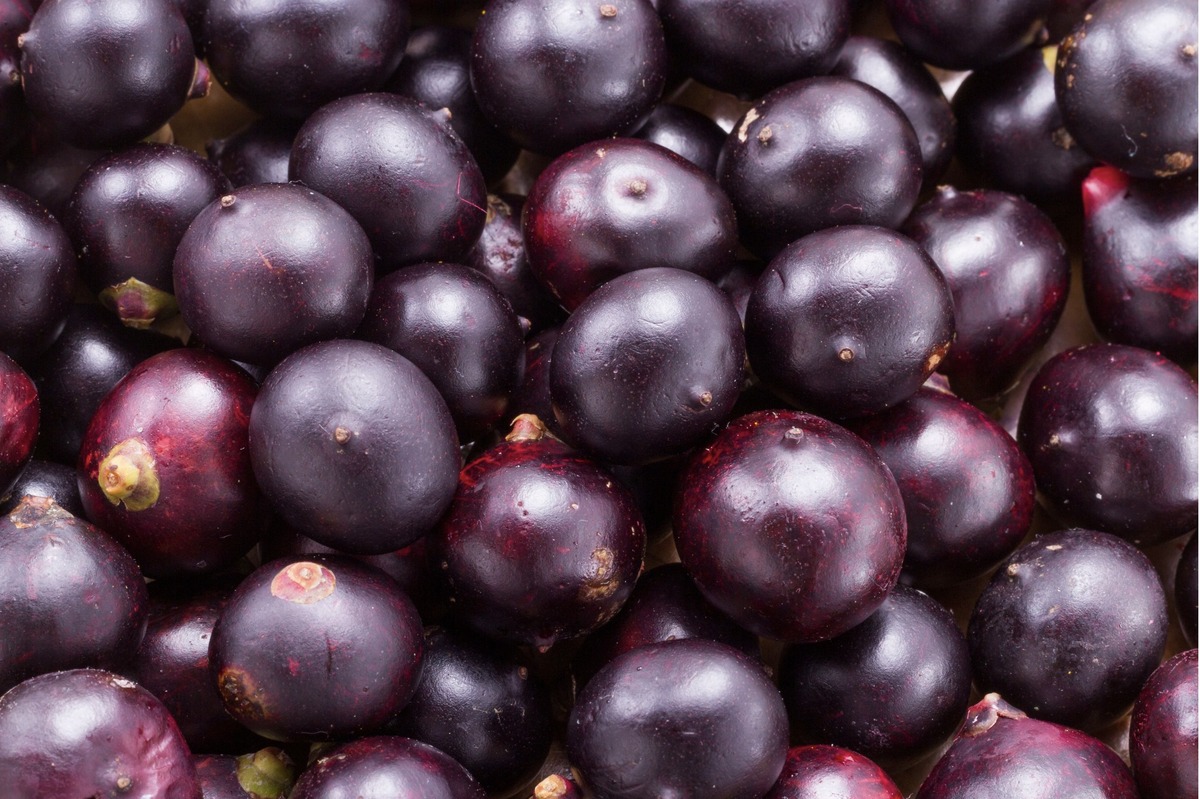
Let’s start strong. Açaí berries rank among the highest foods on the ORAC (Oxygen Radical Absorbance Capacity) scale, clocking in at approximately 102,700 µmol TE/100g for freeze-dried powder—nearly 20 times more than raw blueberries.
- Rich in anthocyanins and flavonoids, these Amazonian berries help neutralize oxidative stress at the cellular level.
- They support immune resilience and cognitive sharpness, thanks to their anti-inflammatory compounds.
- One tablespoon of frozen açaí purée added to your morning smoothie delivers an antioxidant punch without spiking blood sugar.
At Claudia’s Concept, we often use açaí in post-workout recipes for nutrient timing. Think smoothie bowls topped with chia, seeds, and a drizzle of almond butter—delicious and functional.
- Goji Berries
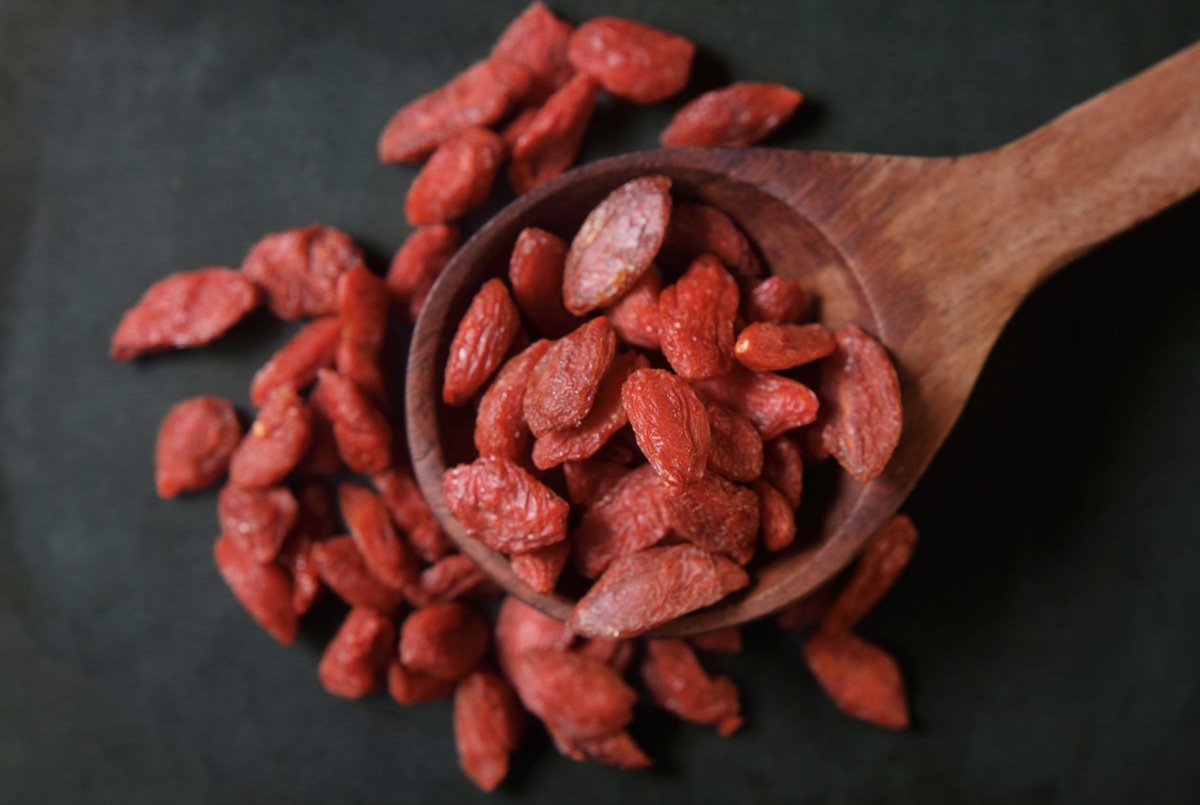
Revered in Traditional Chinese Medicine for over 2,000 years, goji berries don’t just have history—they’ve got the science to back it up. These brightly colored gems score up to 25,300 µmol TE/100g and are loaded with zeaxanthin, carotenoids, and vitamin C.
- They enhance ocular health by protecting the retina against oxidative damage, shown in The American Journal of Clinical Nutrition.
- They also serve as neuroprotectants, reducing age-related decline linked to free radical activity in the brain.
- Sprinkle them into warm oatmeal, bake into homemade granola bars, or steep into herbal teas. A small handful daily does the trick.
- Dark Chocolate (85%+ Cocoa)
Yes—chocolate, when kept pure and dark, deserves a place on this list. Cocoa powder scores up to 55,653 µmol TE/100g, thanks to a dense concentration of flavanols and theobromine.
- It improves endothelial function, lowering blood pressure and enhancing circulation, according to a 2017 meta-analysis in Frontiers in Nutrition.
- The antioxidant activity supports focus and reduces cognitive fatigue during mentally intense days.
- A square or two of 85% dark chocolate with green tea in the afternoon is a stabilizing, antioxidant-rich ritual I often recommend to my clients.
- Pecans
Not just a crunchy afterthought on desserts—pecans are elite in antioxidant capacity. With nearly 17,940 µmol TE/100g, they rival many fruits and vegetables in free radical-fighting compounds.
- Their polyphenols and plant sterols support cardiovascular health, reduce LDL cholesterol, and promote neurological protection.
- As a plant-based fat source, they align perfectly with the macronutrient balance promoted at Claudia’s Concept.
- Toss into salads, pair with berries for snacking, or blend into pesto with fresh herbs and lemon—unpretentious, yet luxuriously nutritious.
- Artichokes
Often overlooked, artichokes offer more antioxidants than many berries, with an ORAC score of around 9,400 µmol TE/100g when steamed.
- They’re rich in silymarin, quercetin, and rutin—compounds that support liver detoxification and digestive health.
- Artichokes also promote prebiotic activity, feeding the friendly gut bacteria vital to immune and metabolic function.
- Grill them with lemon and garlic, blend into Mediterranean dips, or slice into warm grain salads for added fiber and flair.
- Cloves
Surprise your spice rack. Cloves take the antioxidant crown with a staggering ORAC score of over 290,000 µmol TE/100g, making them one of the most potent foods by weight.
- They contain eugenol, a compound with profound anti-inflammatory and antimicrobial benefits.
- Regular intake supports immune balance and gastrointestinal ease, particularly in the case of sluggish digestion or seasonal shifts.
- Simmer cloves in herbal tea, add to roasted vegetables, or elevate your lentil soups with just a pinch. A little goes a long way.
Every superfood on this list not only offers more antioxidants than blueberries but also contributes to a deeper level of nourishment. Whether you’re fueling high performance, managing oxidative stress, or simply upgrading your diet—I give these a green light at Claudia’s Concept for their transformational potential.
Functional Foods and Plant-Based Nutrition: A Path to Wellness
When you look closely at the rising popularity of superfoods like baobab, moringa, and acerola—all richer in antioxidants than blueberries—you’ll notice they fit seamlessly into the modern movement toward plant-based and functional nutrition. This shift isn’t just trendy; it’s rooted in powerful, peer-reviewed science. At Claudia’s Concept, we see how these whole foods naturally elevate nutrient density and support vibrant living, especially when strategically woven into daily meals.
These Superfoods Fit Perfectly into Plant-Based Lifestyles
Each food featured on our top six antioxidant-rich list—such as camucamu and amla—is entirely plant-based. That matters. A 2022 systematic review published in Frontiers in Nutrition affirmed that plant-based diets are associated with higher intake of health-promoting phytonutrients, including flavonoids and polyphenols, major contributors to cellular regeneration and oxidative stress reduction.
Think about it: when you reach for raw cacao over a blueberry muffin, or stir powdered moringa into your smoothie instead of flavored yogurt, you’re not just switching ingredients. You’re embracing an approach that crowds out processed additives and welcomes pure, bioactive compounds. This plant-forward shift fosters lower inflammation and better gut microbiota—both crucial for long-term vitality.
Whole Foods as a Strategy for Maximum Nutrient Absorption
Claudia’s Concept focuses on optimizing nutrient efficiency through real, recognizable foods. Superfoods like goji berries and astaxanthin-rich microalgae fit right into this method—why? Because they deliver antioxidants in their most unadulterated form. A study published in Antioxidants (2021) showed that whole foods offer enhanced absorption of polyphenols compared to isolated supplements, thanks to naturally occurring fiber and synergistic compounds.
So when you opt for fresh turmeric root rather than a curcumin pill, or snack on dried amla fruit instead of downing capsules, you’re giving your body superior biochemical harmony. This is evolutionary nutrition in action—nature designed these foods to deliver maximum benefit together.
Functional Foods: Nature’s Tools for Prevention
Adding antioxidant-rich superfoods to your meals isn’t about chasing the latest craze—it’s about stacking the deck against chronic conditions. Functional foods, by definition, go beyond basic nutrition. They actively modulate physiological systems. In other words, they work like food-based medicine.
- Moringa contains quercetin and chlorogenic acid, compounds proven to reduce blood sugar and cholesterol levels.
- Camucamu delivers 2,800 mg of vitamin C per 100g—supporting immune modulation, collagen synthesis, and stress hormone regulation.
- Astaxanthin, from red algae, protects mitochondria from oxidative stress—vital for energy metabolism and cognitive endurance.
Emerging research published in Critical Reviews in Food Science and Nutrition revealed that polyphenol-rich functional foods significantly lower biomarkers of inflammation, such as CRP and IL-6—both risk factors for cardiovascular disease and metabolic disorders. This is why functional foods are central to the Claudia’s Concept methodology; they provide clinically relevant benefits that align with daily habits.
Modernizing Traditional Diets with Antioxidant-Rich Alternatives
Incorporating these superfoods doesn’t mean abandoning cultural or culinary heritage. Quite the opposite—it enhances it. Add goji berries to ancient grain bowls. Spoon amla chutney alongside traditional lentil dishes. Stir raw cacao into your morning chai instead of sugar. The goal isn’t reinvention—it’s elevation.
At Claudia’s Concept, we guide clients to marry these potent plant-based ingredients with familiar textures and flavors. That’s where real, sustainable change happens. When foods you recognize become more powerful versions of themselves, transformation is not only possible—it becomes intuitive.
How Antioxidants, Lifestyle, and Habits Shape Lifelong Vitality
Antioxidant-rich foods are only one piece of the wellness puzzle. To truly harness their power, we must frame them within a larger, intentional lifestyle. When antioxidants work in alignment with targeted habits—like stress management, dietary diversity, hydration, and restorative sleep—their effects are amplified, not just added.
Step Away from Processed Choices
Here’s a truth I emphasize often in Claudia’s Concept: Removing processed foods from the daily routine isn’t just about avoiding additives. It creates space for nutrient-dense, whole foods to do their job. Processed foods typically come with a high oxidative burden. They introduce trans fats, excessive sodium, and added sugars that spike inflammation and oxidative stress, which directly counteract antioxidant efficacy.
A 2019 study published in BMJ revealed that individuals consuming the most ultra-processed foods had up to a 62% increased risk of all-cause mortality compared to those with the lowest intake. That’s not a minor statistic—it’s direct evidence that what we subtract from our plate matters just as much as what we add.
Water: The Medium Where Nutrients Thrive
Your body processes antioxidants more efficiently when hydration is optimal. Why? Many antioxidant compounds—like polyphenols and flavonoids—go through kidney and liver pathways that demand proper fluid balance. Dehydration slows down metabolism and cellular exchange, reducing nutrient availability where it’s needed most.
So, how much is enough? According to the European Food Safety Authority (EFSA), women should aim for about 2 liters of fluids per day, and men approximately 2.5 liters. And no, coffee doesn’t count for all of it—think water, infused herbal teas, or antioxidant-rich options like rooibos.
Stress and Sleep: Your Antioxidants Need Support
The most potent antioxidant foods won’t combat oxidative stress if cortisol is consistently running high due to chronic mental strain. High cortisol levels increase the production of reactive oxygen species (ROS), placing a heavier burden on the body’s antioxidant defenses.
Deep sleep replenishes the antioxidant enzyme glutathione, often called the “master antioxidant.” But consistent sleep deprivation disrupts this regeneration cycle. A study in PLoS One found that sleep deprivation led to a 30% reduction in antioxidant capacity in healthy adults. Incorporating relaxation techniques—meditation, breath work, or forest bathing—shouldn’t be optional; it’s strategic.
Rethink Food Variety: It’s a Nutritional Multiplier
Diversity on the plate translates to broader protection on a cellular level. Turmeric, camucamu, amla, and moringa all offer antioxidants, but each targets different physiological processes. Some assist in repairing DNA, others in reducing lipid peroxidation or promoting detoxification pathways. A rotating diet ensures your antioxidant army includes all ranks and specialties.
That’s why Claudia’s Concept always recommends rotating your produce and protein sources every few days—your immune system will thank you, and your taste buds will approve too.
Personalized Nutrition = Precision Power
One of the most overlooked components of antioxidant effectiveness is actually personalization. Your genetic profile, gut microbiota, hormonal balance, and age influence how you process and absorb phytonutrients. In practice, I’ve seen daily matcha work wonders for some, while others respond far better to beetroot or spirulina.
Simple tools like food sensitivity tests or microbiome assessments offer game-changing insight. When you tailor your nutrition according to your individual blueprint, antioxidants don’t just protect—they elevate.
At Claudia’s Concept, we don’t believe in restrictive health formulas. We champion flexibility guided by science. A high-antioxidant lifestyle becomes most potent when it’s about synergy—what you eat, how you live, and the awareness behind each choice.
Why Chasing ‘Superfoods’ Can Miss the Bigger Picture – A Nutrition Expert’s Perspective
Let’s rethink the obsession with individual foods
There’s something thrilling about discovering the “next big thing” in nutrition. Goji berries, acai, matcha — we’ve all been there, hunting for the next superfood miracle. And yes, blueberries are often the crown jewel, celebrated for their high antioxidant content. But here’s what needs to be said loud and clear: no single food, no matter how nutrient-dense, can carry your health on its own. At Claudia’s Concept, I always encourage my clients to look beyond sensational claims and focus on building a diet rooted in diversity, balance, and harmony.
Diversity, not dependency
When you eat the same so-called superfood day after day, you might be limiting your nutrient intake rather than expanding it. Antioxidants come in many forms — flavonoids, polyphenols, carotenoids, and more — and different plant foods offer different types and ratios. A study published in Nutrition Journal (Carlsen et al., 2010) analysed over 3,100 foods and found significant variations in antioxidant content across food types. That deeply pigmented red grape? Packed with resveratrol. The artichoke? It’s surprisingly rich in polyphenols. The synergy of variety enhances resilience, immune function, and long-term vitality.
Why synergy trumps singularity
Instead of spotlighting one nutrient or one food, think about nutrient synergy — how vitamins, minerals, fibre, and bioactives interact. For example, vitamin C helps regenerate oxidized vitamin E, while polyphenols can enhance nitric oxide production when consumed with nitrate-rich vegetables. These interactions occur naturally when you eat a balanced, whole-food-based diet. Isolating a single antioxidant from a food source rarely replicates the health benefits associated with the whole food. That’s why salads with diverse greens, a dash of seeds, some citrus twist, and fermented foods create an internal environment that’s far more supportive than any one “super” berry alone.
What do nutrition experts really recommend?
Registered dietitians and clinical nutritionists across the globe — myself included — consistently encourage variety, moderation, and seasonal eating. In fact, the Journal of the Academy of Nutrition and Dietetics highlighted that dietary patterns rich in plant-based variety are more protective against chronic disease than diets anchored on a few repeated items, no matter how high their antioxidant score.
At Claudia’s Concept, we follow the science, not the fads. We teach people how to design a lifestyle where superfoods are part of a thriving ecosystem — not the central pillar. Because when garlic, ginger, kale, turmeric, pomegranates, and yes, blueberries all play a role on your plate, they do something extraordinary. They work together.
Incorporate, don’t isolate
- Rotate your fruits and veggies weekly to ensure a spectrum of phytonutrients.
- Combine different food groups — grains, legumes, nuts, herbs — for full nutrient coverage.
- Trust in the cumulative power of minimally processed, plant-forward meals rather than single items with high ORAC values.
- Notice how you feel daily. Energy, digestion, sleep — all reflect nutritional harmony more accurately than any trend report.
So the next time someone claims a new food is “better than blueberries,” ask a deeper question: how does it fit into the broader pattern of what you eat every day? That’s where the magic — and real science — lives.
Superfood Rankings Reimagined: Expand Your Antioxidant Arsenal
Blueberries have worn the antioxidant crown proudly for years — and it’s well earned. But now that we’ve explored six superior contenders, it’s clear that the antioxidant landscape is both broader and more vibrant than most people expect.
Six Oxidative Stress-Fighting Powerhouses You Need
Let’s take a moment to recap the standout rivals that beat blueberries on the antioxidant chart:
- Clove – No spice matches its ORAC value. A tiny pinch transforms dishes and delivers unmatched eugenol-powered antioxidant potency.
- Goji Berries – These nutrient-dense power berries support immunity and age-defying cellular health with zeaxanthin and polysaccharides.
- Dark Chocolate (85%+ Cacao) – Flavanol-rich and deeply satisfying, it stabilizes oxidative damage while promoting cognitive and cardiovascular wellness.
- Artichokes – A fibre-packed digestive champion loaded with chlorogenic acid that helps lower LDL oxidation and support liver detoxification.
- Pecans – A heart-smart, antioxidant-rich snack bursting with gamma-tocopherol and healthy fats your body will thank you for.
- Sumac – Highly underappreciated in modern kitchens, this Middle Eastern spice brings anthocyanins and quercetin to the table, enhancing both flavor and cellular defense.
Integrate Them Thoughtfully — Let Nutrition Work for You
At Claudia’s Concept, I always encourage a holistic lens over hype. Antioxidants aren’t magic bullets — they’re tools your body uses to slow damage, support repair, and enhance resilience. But they only work when they’re part of a larger picture: balanced meals, mindful stress management, active living, and consistent hydration. That’s the Claudia’s Concept approach — rooted in science, structured around your real life.
If you’ve been relying on blueberries alone, here’s your invitation to diversify. Start small: add a spoonful of ground cloves to smoothies. Swap standard chocolate treats with a few squares of high-cacao dark chocolate. Toss pecans into your leafy greens with a sprinkle of sumac. The flavors will surprise you, and your cells will recognize the difference.
Think Beyond Food — Aim for Lifestyle Synergy
Nutrition doesn’t stand alone. These antioxidant-rich foods are most effective when they align with your broader wellness habits. Whether you’re focused on boosting immunity, improving skin health, or supporting cognitive longevity, solutions aren’t found in isolated “superfoods” — they’re created through personalized routines that target your specific needs. That’s where individualised wellness guidance becomes transformative.