
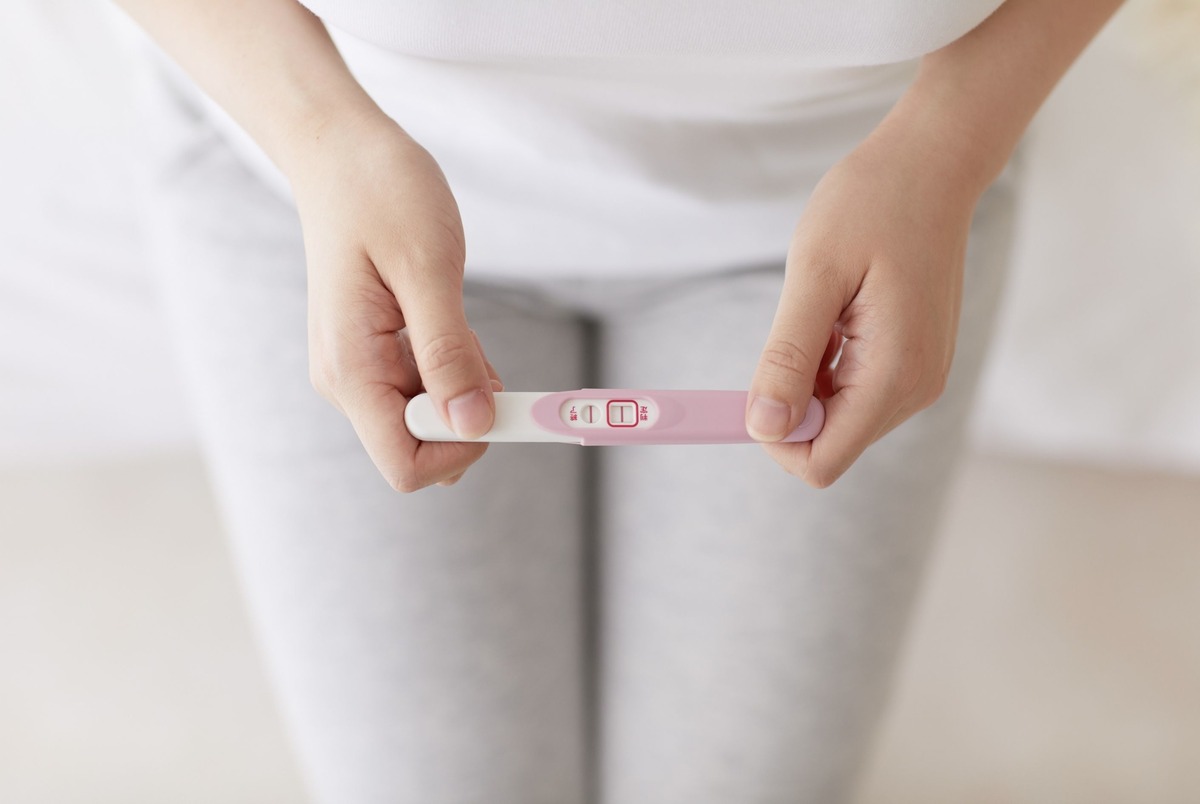
How Body Weight Shapes Women’s Fertility: What Every Woman Should Understand
What Does Fertility Really Mean in Biological Terms?
Fertility refers to a woman’s ability to conceive and support a pregnancy to term. It’s a complex interaction of the reproductive organs, hormones like estrogen and progesterone, and the intricate timing of ovulation. When any of these areas become imbalanced—especially due to weight-related issues—fertility can be affected in measurable and often reversible ways.
How Weight Influences Hormones and Ovulation
Your body weight is not just a number on a scale—it reflects your internal metabolic and hormonal landscape. Research published in the journal Human Reproduction shows that both underweight and overweight women often experience disruptions in their hypothalamic-pituitary-gonadal (HPG) axis, which directly influences ovulation and overall fertility. The HPG axis produces hormones that trigger the release of eggs. If its function is impaired due to weight extremes, ovulation can become irregular or even stop entirely.
For instance, women with a higher percentage of body fat often have elevated levels of leptin—a hormone produced by fat cells—which can prevent the normal function of gonadotropin-releasing hormone (GnRH). Conversely, being underweight can suppress GnRH production altogether. In both cases, the hormonal signals needed for ovulation are disrupted.
Balanced Body Fat: The Silent Architect of Estrogen and Menstrual Health
Here’s something many women don’t realize: body fat isn’t just insulation—it’s an active endocrine organ. One of its key roles? Producing estrogen. Yes, your fat cells actually help regulate your hormone cycles. Women need a minimum level of body fat—somewhere between 17% and 22%—just to maintain normal menstrual cycles. This is backed by findings from the American Journal of Clinical Nutrition, which correlates low body fat with the onset of amenorrhea (loss of menstruation).
Too little body fat means insufficient estrogen, leading to longer cycles, unpredictable ovulation, or no ovulation at all. On the flip side, excess body fat can convert adrenal androgens to estrogen through aromatization, creating an overload that can suppress fertility hormones like luteinizing hormone (LH) and follicle-stimulating hormone (FSH).
At Claudia’s Concept, we prioritize helping women find their body’s unique equilibrium—the weight where hormonal harmony meets optimal health. Understanding these biological truths is the first step toward unlocking your fertility potential. Ask yourself: is your current weight supporting your hormones, or silently sabotaging them?
Waist-to-Hip Ratio: A Window into Reproductive Health
What is Waist-to-Hip Ratio (WHR)?
Waist-to-hip ratio, commonly referred to as WHR, is an insightful and simple calculation. You measure the circumference of your waist at its narrowest point and divide it by the circumference of your hips at the widest point. This metric gives us more than just a number—it offers a glimpse into your hormonal landscape and reproductive well-being.
Unlike general weight or even Body Mass Index (BMI), WHR zeroes in on fat distribution. And here’s the vital link: where your body stores fat—especially around your waist—can strongly influence your fertility potential.
Ideal WHR Ranges for Women’s Reproductive Health
Science clearly outlines the optimal WHR for women aiming to support reproductive health. Research published in the Journal of Human Reproduction suggests that a WHR between 0.67 and 0.80 is considered ideal for peak fertility. This range is linked to hormonal balance, healthy ovulation, and favorable conditions for conception.
Women with WHR values outside this optimal zone—either higher or lower—often experience disruptions in their endocrine and reproductive systems. In simple terms, too much visceral abdominal fat or a lack of critical hip fat storage can throw your fertility off-track.
WHR and Its Correlation with Ovulatory Fertility and Chances of Pregnancy
Think of waist-to-hip ratio as a fertility barometer. Multiple studies, including one from the Evolution and Human Behavior journal, reveal that women with a WHR of 0.70 are perceived as more fertile—not just visually more attractive, but biologically more capable of conceiving. Why? This ratio aligns with optimal estrogen levels, regular ovulation, and healthier menstrual cycles.
In contrast, a higher WHR—above 0.85—tends to correlate with increased risk of insulin resistance, elevated cortisol, and lower estradiol levels. These hormonal imbalances can lead to anovulation, polycystic ovarian patterns, and lower implantation success rates.
At Claudia’s Concept, I regularly assess clients’ WHR as part of their comprehensive preconception wellness plans. A woman may have a “normal” BMI, but if her waist circumference is creeping into the danger zone, her body may be signaling distress well before symptoms show up on lab results or ovulation trackers.
- According to the American Society for Reproductive Medicine, excess abdominal fat in women—even without high body weight overall—can impact ovulation quality.
- A study in Fertility and Sterility journal found that fat distribution is a stronger predictor of fertility disruptions than total body fat percentage.
- Even modest improvements in WHR through targeted movement and nutrition can restore menstrual regularity and improve IVF success rates.
So ask yourself this: when did you last measure your WHR? Numbers empower us to take action. Whether you’re actively trying to conceive or simply preparing your body for the future, this single measurement can open up conversations worth having—about hormones, cycles, and the kind of health that brings life into the world. And yes, we always integrate WHR tracking into our holistic wellness plans at Claudia’s Concept, because real results begin with real awareness.
Why Your BMI Matters More Than You Think—Especially for Your Fertility
Ever wondered how your body weight affects your ability to conceive? You’re not alone. Many women focus on diet and exercise for overall health but often overlook how closely body mass index (BMI) ties into reproductive function. At Claudia’s Concept, we stress the importance of a balanced BMI not only for general wellness but particularly for preserving and enhancing fertility.
What Exactly Is BMI and How Is It Calculated?
Your Body Mass Index is a number calculated using your height and weight. The formula is straightforward: divide your weight in kilograms by your height in meters squared (kg/m²). For example, a woman who weighs 60 kg and is 1.65 m tall would have a BMI of 22.04—considered within the healthy range.
- BMI under 18.5: Classified as underweight
- 5 to 24.9: Healthy weight range
- 25 to 29.9: Overweight
- 30 or above: Obese
This simple metric gives powerful insight into your body composition. While it’s not a perfect measurement—for instance, it doesn’t differentiate between muscle and fat—it remains one of the most accessible and widely used indicators in reproductive medicine.
When BMI Plummets: The Fertility Fallout Below 18.5
A BMI below the healthy threshold signals more than just a slender figure—it suggests a body potentially lacking the essential fat stores required for ovulation. Female hormones like estrogen and progesterone are synthesized, in part, from fat. When body fat becomes too low, the endocrine system senses an energy deficit.
The result? Your brain reduces the secretion of gonadotropin-releasing hormone (GnRH), which in turn suppresses luteinizing hormone (LH) and follicle-stimulating hormone (FSH). These hormones are essential for regulating the menstrual cycle and triggering ovulation. Without them? Ovulation becomes irregular—or can even stop entirely, a condition known as hypothalamic amenorrhea.
In a large cohort study published in the journal Human Reproduction, women with a BMI under 20 had a significantly higher risk of prolonged time to pregnancy. The lower the BMI, the greater the delay.
When BMI Rises Above 25: Ovulation Delays and Lower Conception Rates
On the other end of the spectrum, elevated BMI levels can set off a cascade of disruptions in reproductive function. High adipose tissue in the body leads to excess estrogen production. While estrogen is needed, too much of it throws off the balance between LH and FSH, distorting the normal ovulatory pattern.
Excess fat also contributes to insulin resistance—a condition that affects ovulation particularly in women with polycystic ovary syndrome (PCOS). In fact, research from the Fertility and Sterility journal found that women with a BMI over 35 took more than twice as long to get pregnant compared to women with a BMI in the healthy range. And it’s not just about time; the quality of eggs and the thickness of the endometrium can also be compromised in women carrying excess weight.
Another compelling insight: a study by the Nurses’ Health Study II involving over 18,000 women revealed that even modest weight loss—around 5-10% of body mass—improved ovulatory function and fertility outcomes. What’s promising is that these effects are reversible. With proper guidance, targeted nutrition, and lifestyle shifts, you can make remarkable improvements.
This is where Claudia’s Concept builds from science to solution. By using personalised nutrition strategies and BMI recalibration, we help women reclaim hormonal balance and reproductive vitality that feels natural and sustainable.
Now think about your own BMI—where does it land, and how could adjusting it open new doors for your fertility journey?

Too Thin for Fertility? Unpacking the Risks of Low Body Weight on Reproductive Health
Low body weight is often misinterpreted as universally healthy, especially in cultures where slimness is glorified. But when weight drops beneath a critical threshold, especially in women of reproductive age, the body perceives it as a stressor, triggering a cascade of hormonal changes that can directly interfere with fertility. Through my work with Claudia’s Concept, I’ve seen how important it is to understand the silent signals your body sends when it’s underweight—and how restoring balance can reignite natural reproductive function.
Hormonal Disruptions Triggered by Being Underweight
Let’s start at the core—the hypothalamic-pituitary-ovarian (HPO) axis. Extreme thinness inhibits this delicate hormonal loop. The hypothalamus reduces its pulsatile secretion of gonadotropin-releasing hormone (GnRH), which directly suppresses luteinizing hormone (LH) and follicle-stimulating hormone (FSH). Without these hormones, ovulation stalls.
Scientific literature confirms this: a BMI below 18.5 is commonly associated with hypothalamic amenorrhea, where periods stop due to insufficient hormonal signaling. According to a study published in the Journal of Clinical Endocrinology & Metabolism, low weight-related menstrual dysfunction stems from inadequate leptin—a hormone secreted by fat cells that serves as a critical indicator of energy sufficiency to the brain.
Anovulation and Amenorrhea: Early Red Flags
If you’re not ovulating, conception becomes biologically impossible. And among underweight women, anovulation becomes a chronic concern. In a 2004 study conducted at Harvard, women who were underweight were at a 72% higher risk of experiencing ovulation disorders compared to women of normal weight.
In many cases, prolonged anovulation leads to amenorrhea—the absence of menstruation altogether. This condition is frequently observed in athletes, professional dancers, and women with eating disorders, all of whom often maintain very low body fat percentages. No cycles mean no eggs released, and no eggs means no fertilization. It’s that simple—and that serious.
Pregnancy Risks When Below Optimal Weight
Even when pregnancy does occur in low-weight individuals, the journey is often marked by complications. Data from the American Journal of Obstetrics and Gynecology highlight a significant rise in miscarriage rates among women with low pre-pregnancy BMIs. The underweight group showed a 32% increased risk of miscarriage before the 20-week mark.
Other complications include:
- Preterm delivery: Underweight mothers are at a statistically higher risk of delivering before 37 weeks gestation.
- Intrauterine Growth Restriction (IUGR): Limited maternal fat reserves can impair nutrient transfer to the fetus.
- Low birth weight: Defined as less than 2,500 grams, it often signifies inadequate intrauterine development.
These aren’t abstract medical terms—they’re real outcomes that directly impact both maternal and neonatal health, and they’re preventable by reaching a healthy weight range.
At Claudia’s Concept, I work closely with women to create strategic nutrition and lifestyle plans designed to gently increase body weight while promoting hormonal harmony. It’s not about “gaining weight” for the sake of numbers. It’s about restoring metabolic resilience and preparing the body to support new life.
Now ask yourself—are you paying close enough attention to what the scale, your cycle, and your energy levels are trying to tell you?
Is Your Body Fat Too Low? How It Disrupts Ovulation and Fertility
Have you ever wondered why, despite maintaining a highly active lifestyle and eating “clean,” your menstrual cycle becomes irregular—or disappears altogether? Ovulation is closely tied to energy availability. When your body doesn’t have enough fat stores or the calories you consume are consistently too low, your reproductive system responds swiftly. This isn’t just about missed periods—it’s a message that your body can’t afford to conceive right now.
The Energy-Ovulation Equation
One of the most well-established findings in reproductive endocrinology is the link between energy balance and ovulation. Your hypothalamus, the command center of your brain, monitors energy availability constantly. When there’s a deficit—meaning you’re burning more calories than you’re eating—your brain may reduce or shut down gonadotropin-releasing hormone (GnRH). That single decision has a domino effect: low GnRH suppresses luteinizing hormone (LH) and follicle-stimulating hormone (FSH), which are essential for ovulation.
In practice, even a moderate energy deficit over time can halt ovulation. A study published in The Journal of Clinical Endocrinology & Metabolism found that women who exercised regularly but consumed inadequate calories experienced a condition called functional hypothalamic amenorrhea (FHA)—a diagnosis characterized by the absence of menstrual cycles and suppressed reproductive hormones. Ovulation didn’t just become sporadic; it stopped altogether in these women.
Exercise, Diet, and Ovulation: Finding the Balance
Fitness culture often promotes intense training schedules paired with calorie-controlled diets. While these practices may seem health-enhancing on the surface, they can critically deplete your body’s energy reserves. When fat mass drops below about 22%—widely considered the minimum threshold for menstrual function—your brain will often respond by pausing reproductive efforts to conserve energy for survival.
At Claudia’s Concept, we see this pattern often in athletic women and those following restrictive diets. They’re highly tuned into physical performance but disconnected from the signs of hormonal imbalance creeping in. If ovulation ceases, fertility potential drops dramatically—not in theory, but in reality.
Red Flags You Should Never Ignore
So how do you know if you’re at risk? These warning signs are your body’s built-in sensors, telling you something’s not right:
- Menstrual irregularities: Periods become lighter, less frequent, or disappear entirely.
- Cold intolerance: Feeling chilly even in mild weather suggests metabolic adaptation to low energy.
- Thinning hair: Decreased estrogen and thyroid hormones can cause hair to shed faster than it grows.
- Fatigue and poor recovery: Constant tiredness, even with ample sleep, often signals hormonal suppression.
- Low libido: Reduced interest in sex typically accompanies dips in estrogen and testosterone.
If these symptoms sound familiar, it’s time to re-evaluate both your diet and fitness strategy. Ensuring adequate fat intake, moderating exercise, and introducing hormonal-supportive foods can restore ovulation and maintain fertility. At Claudia’s Concept, we craft bespoke wellness plans that respect your body’s need for energy balance without compromising on strength or beauty.
Fertility isn’t just about avoiding extremes—it’s about optimizing your hormonal environment so that your body feels safe enough to support a potential pregnancy. Prioritising sufficient body fat and nourishing your endocrine health are not just essential—they are non-negotiable.
How Hormonal Imbalances Sabotage Fertility—What Your Body Fat Has to Do With It
Let’s talk about something that every woman deserves to understand deeply: the delicate hormonal dance behind fertility. This intricate biological performance depends not only on the presence of key hormones like estrogen and progesterone but also on how body fat contributes to their production and balance. Surprisingly, too little of it can silence the cues needed for conception to even begin.
Estrogen and Progesterone: The Fertility Power Duo
Estrogen helps mature the egg and prepare the uterine lining, while progesterone maintains that lining in case implantation occurs. If either hormone is insufficient, the body struggles to ovulate and sustain a pregnancy. When fat stores are too low—commonly due to underweight status or sudden weight loss—the production of estrogen can plummet. That’s because adipose tissue isn’t just passive storage; it actively participates in the synthesis of estrogen. Without enough body fat, the hormonal signals needed for ovulation can taper off entirely.
Leptin: The Silent Hormone That Signals Fertility Readiness
Produced by fat cells, leptin acts like a messenger—letting the brain know there’s enough nutritional reserve to support a pregnancy. When body fat dips below healthy levels, leptin secretion drops. According to a 2015 study published in the journal Fertility and Sterility, low leptin disrupts the hypothalamic-pituitary-ovarian (HPO) axis. This axis is the control center for reproductive hormones, and once it’s out of sync, ovulation may cease entirely.
That’s not a minor bump in the road. Low leptin leads to reduced gonadotropin-releasing hormone (GnRH), which in turn lowers the levels of luteinizing hormone (LH) and follicle-stimulating hormone (FSH). These two are non-negotiables for menstruation and ovulation.
Brain-Ovary Signaling Breakdown
Here’s where the central nervous system steps in. The hypothalamus in your brain constantly analyzes the body’s internal energy state. When there’s insufficient fat to signal energy abundance, it tells the ovaries to stand down. That’s called hypothalamic amenorrhea. The brain literally stops instructing the body to reproduce because the resources aren’t sufficient. This isn’t guesswork—clinical findings confirm that even lean athletes with healthy diets can stop ovulating if their fat percentage gets too low.
So where does Claudia’s Concept fit in? My signature approach always includes testing for hormonal balance alongside body composition analysis. We don’t just look at the numbers on the scale; we assess how those numbers influence your entire hormonal network.
Every element—from balanced progesterone to optimal leptin levels—relies on sustaining adequate energy stores through food and lifestyle. And with Claudia’s Concept, we craft solutions that enhance hormone function naturally, from gut health to micronutrient support.
If you’ve been tracking your fertility without success, or if subtle symptoms like irregular cycles are showing up, ask yourself one thing: is your body fat working for or against your hormones?
Polycystic Ovary Syndrome (PCOS): A Weight-Fertility Connection
PCOS affects around 1 in 10 women of reproductive age globally and is one of the most common causes of infertility. At Claudia’s Concept, we look at PCOS not merely as a hormonal condition but as a complex metabolic imbalance where weight—both excess and deficit—plays a crucial role in fertility outcomes.
Understanding the Ovulation Disruption in PCOS
In PCOS, multiple tiny cysts form on the ovaries, often disrupting the regular release of eggs, a process known as ovulation. This disruption is primarily caused by hormonal imbalances—namely elevated androgens (male hormones) and insulin irregularities. According to a 2020 study published in the journal Endocrine Reviews, over 70% of women with PCOS experience anovulation, the absence of ovulation, making natural conception difficult without intervention.
PCOS also brings along a spectrum of symptoms such as irregular periods, acne, excessive hair growth, and weight gain—especially around the abdominal region. And here’s where waist measurement becomes more than a cosmetic concern: elevated waist circumference is strongly linked to insulin resistance, a core driver of PCOS pathology.
Weight Gain, Weight Loss—Both Sides of the Scale Matter
Too often, the advice stops at “just lose weight,” but this mantra oversimplifies a layered issue. While even a 5% reduction in body weight can significantly improve ovulatory function in overweight women with PCOS, weight loss must come from a strategic, well-designed plan—physiologically nourishing and hormonally balancing. At Claudia’s Concept, I emphasize metabolic healing, not just calorie restriction.
On the other end of the spectrum, excessive weight loss or maintaining a BMI below 18.5 can aggravate PCOS symptoms by disrupting estrogen levels further and delaying ovulation. The view that “thinner is always better” is not only outdated but also misleading when it comes to managing PCOS.
Effective PCOS Management Through Lifestyle Strategy
Scientific evidence underscores that diet, movement, and stress management are non-negotiables in treating PCOS-related infertility. Here are a few evidence-based strategies we practice at Claudia’s Concept:
- Prioritize Low-Glycemic-Index Foods: A 2019 meta-analysis in Human Reproduction Update concluded that a low-GI diet improves insulin sensitivity and menstrual cyclicity in PCOS patients.
- Include Omega-3 Fats: Rich sources like flaxseeds, walnuts, and fatty fish regulate inflammation and improve hormonal profiles.
- Strength Training: Engaging in resistance workouts 2-3 times a week enhances insulin response and supports sustainable fat loss, particularly visceral fat.
- Mindful Eating: Stress-induced eating spikes cortisol, which exacerbates insulin resistance and promotes belly fat accumulation. Techniques like breathwork and guided meals can transform hormone metabolism.
Every client I work with at Claudia’s Concept receives a plan that aligns her metabolic rhythm with her reproductive goals. Because with PCOS, the goal isn’t only to manage symptoms—it’s to restore the natural equilibrium so the body can do what it’s brilliantly designed to do: conceive and thrive.
Nutritional Deficiencies That Jeopardize Fertility
Let’s cut through the noise—fertility isn’t just about hormones and cycles. It’s also deeply affected by the nutrients you put into your body. If you’ve ever questioned whether being underweight could impact your fertility, the answer is yes. And much of that risk stems from nutritional imbalances.
The Power of Micronutrients in Reproductive Health
Every cell involved in reproduction—whether it’s an egg follicle or hormonal receptor site—relies on a steady supply of micronutrients to function properly. Several of these nutrients are especially crucial for women trying to conceive:
- Iron: A deficiency in iron has been linked to anovulation—a condition where the ovaries don’t release an egg—according to research published in Obstetrics &Gynecology. In fact, women who supplement with non-heme iron reduce their risk of ovulatory infertility by up to 40%.
- Folate: Beyond its role in preventing neural tube defects, folate supports healthy ovulation. A study from Harvard T.H. Chan School of Public Health showed that women with higher folate intake had significantly higher pregnancy rates.
- Vitamin D: This vitamin acts more like a hormone and plays a role in ovarian follicle development. Deficiency is common, particularly in lean women. One study published in Human Reproduction highlighted that women with optimal Vitamin D levels had a higher chance of conception within six months of trying.
- Calcium: More than just a bone-builder, calcium regulates the release of hormones like estrogen and LH (luteinizing hormone) which are vital for ovulation and menstrual regularity.
Why Underweight Women Are More Vulnerable
If your body fat is too low, you have fewer reserves to store fat-soluble vitamins like Vitamin D and K. What does this mean for your fertility? Essential nutrients may be flushed from the body too quickly or simply underproduced. This puts underweight women at a higher risk of deficiencies that impact hormone synthesis and ovulation patterns.
Body composition plays a central role in energy balance. When your caloric intake doesn’t meet your metabolic demands, your body enters conservation mode—redirecting nutrients away from reproductive functions. I’ve seen this repeatedly at Claudia’s Concept. Women struggling to conceive often show deficiencies in the very nutrients that drive hormonal stability, egg quality, and uterine receptivity.
Balance Your Plate, Boost Your Chances
Bringing the body back to nutritional harmony doesn’t require complicated protocols—just strategic, whole food-based changes. Prioritize foods rich in bioavailable iron like grass-fed red meat, lentils, and leafy greens combined with vitamin C sources for better absorption. If you’re missing out on sunshine, fatty fish like salmon and fortified plant milks can give your Vitamin D levels the boost they need.
Folate-rich foods such as asparagus, chickpeas, and avocado can seamlessly integrate into everyday meals. And for calcium, it’s not just about dairy—almonds, sesame seeds, tofu, and dark leafy greens are excellent plant-based options.
At Claudia’s Concept, we always say: nourish to flourish. Your fertility journey deserves more than just calorie counting—it calls for mindful nutrition, one balanced plate at a time. If you’re feeling unsure where to begin, reflect on your current habits. Are they empowering your hormones—or undermining them?
Exercise and Fertility: Striking the Right Balance
Let’s talk balance. When it comes to optimizing fertility, physical activity plays a vital role — but more isn’t always better. The right type and amount of exercise can enhance ovulation and hormonal health, yet going overboard, especially with one form of training, can send the reproductive system into disarray.
The Downside of Doing Too Much: Excessive Cardio and Hormone Disruption
Cardiovascular exercises, like running, cycling, and HIIT, are fantastic for heart health and stress relief. But here’s the issue — intensity and duration matter when it comes to female fertility. Engaging in high volumes of endurance training, especially without adequate caloric intake, suppresses the hypothalamic-pituitary-ovarian (HPO) axis, the very system that governs reproductive hormone production.
According to a study published in the journal Fertility and Sterility, women who reported vigorous physical activity for more than five hours per week were 42% more likely to experience anovulatory cycles compared to those who exercised moderately. Why? Prolonged cardio can lower estrogen and Luteinizing Hormone (LH), delaying or entirely disrupting ovulation.
At Claudia’s Concept, I help clients recalibrate their exercise routines to suit their fertility goals — syncing training intensity with ovulation cycles and nutrient intake supports better hormone balance, and results speak for themselves.
Supportive Movement: Encouraging Ovulation Through Smart Training
Movement should energize, not deplete. Moderate exercises like brisk walking, gentle cycling, flow-style yoga, and light resistance training promote regular ovulation by enhancing insulin sensitivity and reducing cortisol levels. The American College of Obstetricians and Gynecologists recommends at least 150 minutes of moderate-intensity exercise weekly for women of reproductive age — enough to support optimal reproductive and metabolic health without sending your body into ‘stress mode.’
Women trying to conceive often see improved cycle regularity when their fitness routines focus on consistency, not intensity. The emphasis should be on restoring balance: not burning calories for weight loss, but moving for vitality, hormone harmony, and physical awareness. That’s the shift we incorporate into client programs at Claudia’s Concept — fitness that fuels fertility.
Female Athletes and Fertility: Understanding and Reversing the Risk
Elite and amateur athletes often experience a condition called Functional Hypothalamic Amenorrhea (FHA), where the menstrual cycle stops due to intense training coupled with energy deficit. This isn’t a rare occurrence. Data from the International Journal of Sports Physiology and Performance shows that approximately 25% to 50% of female athletes may experience menstrual dysfunction during peak training phases.
What’s happening here? Continuous physical stress lowers GnRH pulses from the hypothalamus, which in turn reduces FSH and LH — vital hormones responsible for ovulation. It’s the body’s natural way of conserving energy for survival when intake doesn’t match output. However, recovery is entirely possible.
- Increase caloric intake to match energy expenditure, ensuring adequate macronutrient and micronutrient coverage.
- Adjust training volume to include rest days and substitute intense cardio sessions with restorative movement.
- Reintroduce mindful eating without restrictions, particularly around carbohydrates — a key player in hormone synthesis.
Several of my clients, former professional dancers and long-distance runners, regained menstrual regularity within three to six months by implementing these shifts through Claudia’s Concept. Nutritional rehabilitation and smart training go hand-in-hand — and fertility restoration always follows when the internal stressors are eased.
If your exercise routine isn’t aligned with your reproductive goals, it’s worth pausing to reassess. What do your current training habits say about your relationship with your body? Are they helping you conceive or holding you back?
Remember, the most fertile body is one that’s well-fed, well-rested, and moved with care — not punishment.
Hormonal Red Flags Every Woman Should Know to Protect Fertility
Hormones don’t whisper—they speak loud and clear when something’s off. If you’re trying to conceive or simply want to stay on top of your reproductive health, understanding your hormonal profile is non-negotiable. At Claudia’s Concept, we focus on decoding these hormonal signals so you can act early, make confident decisions, and boost your fertility potential.
FSH, LH, Estrogen, and Progesterone—Your Fertility Commanders
Each menstrual cycle is orchestrated by a finely-tuned balance of hormones. When this balance is disrupted, fertility suffers. Here’s what optimal hormone levels typically look like:
- Follicle-Stimulating Hormone (FSH): On day 3 of the menstrual cycle, levels should be between 3–9 IU/L. High levels (>10 IU/L) can suggest diminished ovarian reserve.
- Luteinizing Hormone (LH): Also tested on day 3, optimal LH is around 1.9–14.6 IU/L. Significantly elevated levels might point to polycystic ovary syndrome (PCOS).
- Estrogen (Estradiol): On day 3, healthy levels range from 25–75 pg/mL. Values above 80 pg/mL can indicate ovarian aging or hormonal imbalance.
- Progesterone: Mid-luteal phase (about day 21) levels should be above 10 ng/mL, confirming successful ovulation.
These benchmarks aren’t just numbers on a report. They’re your fertility feedback system—especially when you’re planning pregnancy. Regular imbalances—like high FSH or low progesterone—impair egg development, disrupt ovulation, and reduce implantation success.
How Hormonal Imbalance Disrupts Fertility
When estrogen rises unchecked, or FSH spikes too early in the cycle, it sends confusing signals to your ovaries. The result? Poor follicle quality and inconsistent ovulation patterns. Low progesterone, one of the most frequent causes of infertility, can prevent the uterine lining from adequately supporting a fertilized egg, leading to early pregnancy loss.
Research published in Human Reproduction confirms this: women with luteal phase progesterone deficiencies are significantly more likely to experience difficulties conceiving and maintaining pregnancy. Another prospective cohort study in the Journal of Clinical Endocrinology & Metabolism found that women with high LH:FSH ratios had greater chances of anovulatory cycles, especially common in cases of insulin resistance or PCOS.
Tracking and Testing—The Smartest Way to Stay Ahead
If you’re thinking, “How do I even know if my hormones are out of sync?”—start with testing. Blood tests taken at specific points in your cycle bring real clarity. At Claudia’s Concept, we guide clients on timed hormone assessments that reveal the entire landscape, including:
- Day 3 panels to assess ovarian reserve and early follicle development.
- Mid-cycle LH surges to predict ovulation timing.
- Day 21 progesterone checks to confirm luteal adequacy.
Beyond static bloodwork, tracking your cycle with fertility monitors or apps can give additional insights. Drop in morning temperatures, fluctuating cervical mucus patterns, or missed ovulation strips might all point toward underlying hormonal issues that need attention.
Think of hormones as the directors behind the curtain, pulling the strings. They’re not just important—they are essential. And when you embrace testing and hormone literacy, you’re already one step closer to preserving and optimizing your fertility.
Stress and Its Impact on Fertility: A Hidden Disruptor
One of the most underestimated but powerful influencers of a woman’s reproductive health is stress. Most women are well aware of how diet, body weight, and hormones affect fertility. But when it comes to emotional wellbeing—especially chronic stress—many overlook its profound physiological impact on the ability to conceive and sustain a pregnancy.
How Cortisol Disrupts Reproductive Hormone Signals
The key player in the stress-fertility connection is cortisol. This hormone, released by the adrenal glands during times of physical or emotional stress, directly interacts with the hypothalamic-pituitary-gonadal (HPG) axis—the hormone system that governs reproductive function.
Cortisol inhibits the release of gonadotropin-releasing hormone (GnRH), a pivotal hormone that triggers the secretion of luteinizing hormone (LH) and follicle-stimulating hormone (FSH). These two are essential for ovulation and menstrual regularity. When cortisol levels are persistently elevated, as seen in chronic stress, this cascade is disrupted—leading to cyclical irregularities, anovulation, and even amenorrhea.
A study published in the journal Fertility and Sterility found that women with higher salivary alpha-amylase—a biomarker of stress—had a 29% lower chance of conception per cycle compared to women with lower stress markers. The physiology behind this is not just theoretical; it is measurable and persistent in real-world scenarios.
Chronic Stress and Reduced Fertility Potential
Long-term stress doesn’t just interfere with ovulation. It also compromises the uterine environment. Prolonged cortisol exposure can alter blood flow to reproductive organs, lower progesterone production, and increase the risk of inflammation—all of which reduce the likelihood of successful implantation or pregnancy maintenance.
Women under significant psychological stress often face challenges at every stage of conception—from hormonal regulation to embryo development. Elevated levels of cortisol and adrenaline can disturb the immune system, creating an environment hostile to a fertilized egg.
Effective Coping Mechanisms to Restore Balance
Fortunately, the effects of stress on fertility aren’t irreversible. Building healthy habits that calm the nervous system and promote hormonal balance is what I coach through Claudia’s Concept. Here are evidence-backed strategies:
- Mindfulness Practices: Just 10 minutes daily of mindfulness meditation can lower cortisol levels significantly, as shown in a 2016 study published in Psychoneuroendocrinology.
- Cognitive Behavioral Therapy (CBT): Women undergoing CBT not only report decreased anxiety but also improved ovulation regularity, especially those confronting infertility-associated stress.
- Sleep Optimization: Prioritizing 7–9 hours of restorative sleep modulates cortisol rhythm and balances reproductive hormones.
- Regular Physical Activity: Intentionally moderate exercise like yoga or walking helps reset the stress response without tipping into overtraining, which can have the opposite effect.
- Proper Nutrition: The Claudia’s Concept approach focuses on nourishing the nervous system with B-vitamins, magnesium, and omega-3 fatty acids—key modulators of psychological resilience and hormonal health.
Emotional balance is not a luxury; it is a necessity if you’re on the journey toward conception. Creating that inner harmony might just be the missing piece—and knowing that stress is not just ‘in your head’ but deeply rooted in your biochemistry is the first step to taking back control.
What Your Menstrual Cycle Is Telling You About Your Fertility
Why Menstrual Regularity Matters
When working with women to optimise fertility at Claudia’s Concept, one of the very first conversations we have revolves around the menstrual cycle. A regular menstrual cycle—typically between 21 to 35 days—isn’t just about predictability; it’s a visible cue from your body that your reproductive system is operating in sync.
Regular ovulation is central to conception. If your cycle is consistent, it usually means your ovaries are releasing eggs in a predictable rhythm. This synchronicity between the brain, ovaries, and uterus becomes the cornerstone of fertility. Research from the American Society for Reproductive Medicine shows that irregular cycles are associated with a 42% reduction in fertility rates compared to women who menstruate regularly.
On the other hand, irregular periods can signal ovulation problems or hormonal imbalances, both of which can compromise fertility. It’s your body’s way of alerting you that something is out of balance—and it often ties back to body weight, body fat, stress, or nutritional status.
Fluctuations in Weight Can Disturb the Cycle
Whether due to weight loss or weight gain, sudden fluctuations in body composition send powerful signals to the endocrine system. Here’s how:
- Excess Weight: Increased adipose tissue boosts estrogen levels, which can disrupt the hypothalamic-pituitary-ovarian axis and suppress ovulation.
- Underweight: Low body fat reduces the production of leptin, an essential hormone that facilitates the release of gonadotropin-releasing hormone (GnRH), critical for triggering ovulation.
In a study published in the journal Fertility and Sterility, women with a BMI below 18.5 had significantly higher rates of amenorrhoea and cycle irregularities. Conversely, women with very high waist circumference (≥88 cm) also experienced anovulatory cycles more frequently.
That’s why at Claudia’s Concept, we prioritise body composition assessments alongside hormonal profiling. You can’t rely solely on weight or BMI; menstrual health tells a story you need to listen to.
When Should You Seek Medical Input?
If your cycles consistently exceed 35 days, fall below 21 days, or vanish altogether, don’t wait for answers to come on their own. Skipping periods or experiencing unusually heavy or painful menstruation can point to several underlying causes—from hypothalamic amenorrhoea to PCOS or thyroid dysfunction.
Ask yourself: Have my cycles recently changed in length or intensity? Is my premenstrual experience different—mood swings, bloating, spotting? Noting shifts over several months will help your healthcare provider find patterns. And when paired with metabolic markers, these patterns offer deep insight into your reproductive potential.
Fertility isn’t something to guess at. Your cycle is a reliable monthly progress report—use it. And if you’re unsure how to interpret the signs, let experts like us at Claudia’s Concept guide you with precision and care.
Final Thoughts: Protecting Your Fertility Today for a Healthy Baby Tomorrow
Every woman deserves the opportunity to experience a healthy pregnancy—and understanding how body metrics influence fertility is the first step. Over the years, I’ve seen how often low body weight, increased waist circumference, and hormonal imbalances quietly interfere with a woman’s ability to conceive. These aren’t abstract concerns; they’re real, measurable, and actionable.
Your waist size, for example, isn’t just a fashion detail—it’s a potent indicator of your metabolic and hormonal profile. Waist circumference above 35 inches (88 cm) in women is strongly associated with elevated levels of visceral fat, which can disrupt ovulatory function and insulin sensitivity. The science is unequivocal: studies published in the Journal of Clinical Endocrinology & Metabolism consistently show that abdominal obesity is linked to decreased fertility due to its impact on reproductive hormones.
Then there’s low body weight—something many expect to be harmless, or even beneficial. But when your BMI dips below 18.5, the body’s reproductive system begins to shut down. The hypothalamus lowers gonadotropin-releasing hormone (GnRH) signals, leading to fewer or absent ovulations. Data from Harvard University’s Nurses’ Health Study, involving over 18,000 women, confirms that underweight women experienced higher infertility rates compared to those at a healthy BMI.
Several signs show when something may be off. Skipped periods. Changes in skin and hair. Low energy levels. These symptoms aren’t just annoyances—they’re red flags pointing to internal imbalances that could make conception difficult. And the earlier they’re addressed, the greater the likelihood of correction and success.
Here’s the good news: there is immense power in early intervention and daily choices. Through personalized nutrition, conscious weight management, hormone support, and stress reduction, many women restore natural fertility. Programs like Claudia’s Concept are designed exactly for this reason—to help women align their lifestyle with their body’s reproductive blueprint. With the right diet, realistic fitness goals, and supportive guidance, your fertility potential can be optimised.
Imagine yourself not just conceiving—but doing it from a place of strength, energy, and hormonal harmony. Your daily habits—what you eat, how you move, and how you sleep—are shaping your maternal future right now. You don’t have to wait until something goes wrong.
Holistic health isn’t just a wellness buzzword. It’s the foundation for sustaining life—yours and your future baby’s. If you’ve been unsure where to start, tune into your body, listen to its signals, and trust that change is possible. Claudia’s Concept has helped hundreds of women reclaim their health and fertility—many who once thought a baby was out of reach.
Are you wondering if your weight is affecting your chance of becoming a mother?
Speak with a healthcare provider to assess your fertility status and start your journey to a healthy pregnancy.
Embarking on the journey to parenthood, many couples find themselves confronting the heartache of infertility—a challenge that silently affects approximately 15% of couples globally. Within this landscape of longing and uncertainty, we unearth a powerful truth: the causes of infertility are shared nearly equally between men and women. This pivotal insight shatters the enduring myth that infertility is predominantly a woman’s burden.
Delving into the specifics, male factor infertility is a critical piece of the puzzle, accounting for about half of all infertility problems encountered by couples. Sperm abnormalities, obstruction of sperm delivery, hormonal imbalances, and even genetic factors are just some of the myriad causes sitting under the umbrella of this often-overlooked issue. In a society that tends to fixate on female reproductive health, shining a light on male infertility is not only timely but necessary.
Today’s conversation invites you to explore the intricacies of male reproductive health, where acknowledging the significance of sperm quality and quantity is just the beginning. Focused attention on male factors not only promotes a more informed approach to conception but also fosters an environment where men can seek and receive support with dignity and hope. Let’s venture together into understanding how all pieces, including those contributed by men, fit into the complex fertility puzzle.

Understanding the Roots of Male Infertility
When we peel back the layers of male infertility, it becomes clear that this issue, often shrouded in silence, impacts a significant number of couples trying to conceive. Initiating this conversation is crucial, as understanding can lead to empowerment and action.
Male infertility typically stems from problems that affect either sperm production or sperm transport, with a variety of underlying causes. Take hormone imbalances, for example. Hormones regulate nearly every function in the body, including sperm production. Hormonal imbalances, including those related to the thyroid or adrenal glands, can significantly reduce sperm count or affect sperm motility, essentially the ability of sperm to move efficiently.
Disorders are another contributing factor. Varicocele, a condition characterized by enlarged veins within the scrotum, remains one of the most prevalent causes of reduced sperm quality and quantity. Similarly, infections can lead to scarring and interfere with sperm transportation, blocking the passage of sperm. Examples include sexually transmitted infections (STIs) like gonorrhea or HIV, urinary tract infections, and prostatitis, an inflammation of the prostate gland.
In addition, injuries or surgeries related to the testicles can impede sperm production and health. Even conditions such as retrograde ejaculation, where sperm is directed backwards into the bladder instead of out of the penis, play a role in fertility struggles.
- Hormonal imbalances — Such as disorders of the thyroid or adrenal glands that impact sperm production.
- Physical blockages — Resulting from conditions like varicocele or due to surgical scars.
- Infections — STIs, UTIs, and prostatitis can all impact sperm transportation and quality.
- Structural abnormalities — Physical injuries or conditions like retrograde ejaculation or undescended testicles.
Mutations or chromosomal abnormalities can be a silent saboteur of fertility, along with exposure to certain chemicals and radiation. Such intrinsic and extrinsic factors can severely diminish sperm production, leading to what we define as male factor infertility.
In unraveling the complexities of male infertility, it’s important to approach the subject with sensitivity and a commitment to education. By doing so, we pave the way for advancements in diagnosis and treatments, improving the prospects for many couples yearning to start a family.
Understanding Sperm Production and Its Impact on Fertility
When we explore the intricate world of male fertility, the quantity and quality of sperm emerge as pivotal players. Sperm production occurs in the testicles, specifically in the coiled tubes known as seminiferous tubules, and is a marker of fertility health. The significance of both aspects — quantity and quality — cannot be overstated; each plays a crucial role in the ability to conceive.
For instance, a healthy ejaculation typically contains millions of sperm. The quantity is vital because it increases the odds of one sperm reaching and fertilizing the egg. But it’s not just a numbers game; the quality — encompassing sperm motility, structure, and genetic integrity — is equally important for successful fertilization. Sperm with optimal mobility move swiftly and purposefully toward the egg, and those with the correct structure have a better chance of penetrating it.
Factors Leading to Suboptimal Sperm
Diving deeper, various conditions can negatively impact these sperm characteristics. Varicocele, an enlargement of the veins within the scrotum, is one such condition known to impede sperm production and function, possibly due to the higher temperatures resulting from poor blood flow.
Hormonal imbalances can also take their toll. For example, testosterone, the driving force behind sperm production, when found in inadequate levels, can lead to reduced sperm production, thereby diminishing fertility potential.
Beyond the realm of lifestyle, genetic disorders assert their influence on male fertility. Klinefelter syndrome, characterized by an extra X chromosome, often results in low sperm count and other reproductive issues. Other genetic anomalies can lead to missing or blocked reproductive structures, directly affecting the journey sperm must take to reach their destination.
While these conditions present formidable challenges, they also offer avenues for potential treatments and interventions, alleviating some of the hurdles faced by couples striving to conceive. By understanding the biological underpinnings that govern sperm production and quality, we pave the way for more tailored and effective fertility support.
Lifestyle and Environmental Factors Affecting Male Fertility
Understanding how lifestyle and environmental factors influence male fertility is pivotal for any individual or couple facing infertility challenges. These factors, often within our control, can significantly sway reproductive outcomes. Let’s delve into these influences and how they can affect male fertility.
Lifestyle Choices and Their Impact on Fertility
Have you ever considered that your day-to-day habits could directly influence your fertility? Choices such as smoking, excessive alcohol consumption, and recreational drug use have been consistently linked to lower sperm counts and reduced sperm function. We know that quitting smoking can improve sperm parameters, reflecting the body’s remarkable capacity to heal. Similarly, moderate-to-heavy alcohol intake is correlated with alterations in hormone levels that govern sperm production, encouraging an urgency to assess one’s consumption pattern. And when it comes to drugs, including anabolic steroids or cocaine, the negative consequences on sperm quality and count are unequivocal and prompt a need for immediate cessation.
Environmental Toxins and Fertility
It’s not just what we put into our bodies, but also what we’re exposed to that matters. Environmental toxins are a growing concern, with research shedding light on how exposure to certain chemicals and heavy metals can contribute to reduced male fertility. For instance, pesticides and bisphenol A (BPA), found in some plastics, can interfere with hormone function, adversely affecting sperm production. Moreover, individuals working with solvents, paints, or in heavy industry might encounter occupational hazards that impede their reproductive capabilities.
Recognizing these dangers plays a crucial role in both prevention and the pursuit of a successful reproductive journey. As a nutritionist committed to your well-being, I draw on the latest scientific evidence to guide you toward healthy lifestyle choices and improved fertility outcomes.
- Are you examining your environment for potential fertility hazards?
- What steps can you take to mitigate exposure and optimize your reproductive health?
Unlocking the Genetic Puzzle Behind Male Infertility
Grasping the complexity of male infertility necessitates a deep dive into the genetic underpinnings that can play a significant role. The truth is, while couples often experience challenges when trying to conceive, a substantial portion of these cases involves male factor infertility, with genetics providing a critical piece of the puzzle. So, let’s unfold the layers of chromosomal defects and gene mutations that often go unnoticed yet play a pivotal role in fertility issues among men.
Chromosomal Defects Shaping Male Infertility
Chromosomal abnormalities are more than just a glitch; they are significant roadblocks in the path to parenthood. Certain conditions, like Klinefelter syndrome — where a man is born with an extra X chromosome — hinder the body’s ability to produce enough healthy sperm. Another culprit, Y chromosome microdeletions, subtly erases bits of genetic code essential for sperm production. These are not mere anomalies; they directly correlate with diminished fertility in men, fundamentally altering their reproductive landscape.
Gene Mutations: Tiny Changes with Huge Impacts
While chromosomal issues often steal the spotlight, gene mutations should not be underestimated. Single-gene mutations can wreak havoc on the male reproductive system. Take cystic fibrosis transmembrane conductance regulator (CFTR) mutations, for instance — these can lead to congenital absence of the vas deferens, essentially blocking the transport of sperm. It’s the minute changes at the molecular level that can have profound effects on a man’s ability to father children.
When we consider the role of genetics in sperm production, conditions like azoospermia (the absence of sperm in ejaculate) and oligospermia (low sperm count) often have a genetic origin. Picture the intricate process of sperm production — a symphony of genes working in concert. A misstep in this delicate dance, caused by a genetic disorder or mutation, can bring the entire process to a halt.
But it’s not all a foregone conclusion. With advancing technology and research, genetic testing has become a beacon of hope. It illuminates the path to not only diagnosis but also personalized treatment options. Knowledge is power, and understanding the genetic factors allows one to navigate the journey of infertility with far more precision.
Are you aware of your genetic blueprint and its impact on your reproductive health? Reflect on the immense power that genes hold, often the invisible architects of our fertility, and ponder on the advances that bring solutions to light. Stay tuned for our next exploration into diagnosing male infertility, where understanding meets action.
Unveiling the Path to Understanding Male Infertility: Diagnosis Strategies
Embarking on the journey towards fatherhood can sometimes involve unexpected detours, especially when faced with fertility challenges. Recognizing the critical role that an early and precise diagnosis plays in this scenario is paramount. Let’s delve into the methodologies that specialists deploy to diagnose male infertility effectively.
Comprehensive Physical Examination: The First Step
Every investigation begins with a thorough physical examination. This initial step allows healthcare providers to identify any physical anomalies that may contribute to infertility. During this examination, medical history is reviewed to uncover potential hereditary conditions, past health issues, or surgeries that could affect fertility.
Decoding the Mysteries: Semen Analysis
Semen analysis stands as the cornerstone of male fertility testing. By evaluating sperm count, shape (morphology), and movement (motility), this test can reveal if low sperm production or abnormal sperm function is at play. Health professionals often recommend multiple tests over time to confirm results, as sperm levels can fluctuate.
Peering into Hormonal Health: Hormone Testing
Hormones are the silent conductors orchestrating the symphony of fertility. Measuring the levels of testosterone and other hormones can shed light on potential issues that may hinder sperm production. Hormone testing is a critical component, providing insights essential for pinpointing and addressing fertility complications.
DNA’s Role: Genetic Testing
When semen analysis indicates a very low sperm count or the absence of sperm, genetic causes may underlie the condition. Genetic testing can identify specific defects affecting fertility, such as Y chromosome microdeletions, offering a more nuanced understanding of male infertility and guiding treatment options.
By employing these diagnostic tools, healthcare practitioners can craft a tailored approach to treatment, increasing the chances of successful conception. The path to parenthood, although sometimes winding, is navigable with the right map and compass in hand—early detection and accurate diagnosis being instrumental in this quest.
Navigating Treatment Options for Male Infertility
Welcome to a vital segment of our series, where we delve into the remedies for overcoming male infertility. If you or your partner are grappling with this challenge, knowing the array of medical interventions and technological aids can be your beacon of hope.
Medical Interventions
Confronting male infertility begins with a precise diagnosis, upon which treatments are tailored. Hormonal imbalances, often detectable through simple blood tests, can sometimes be corrected with medication. Drugs such as gonadotropins can stimulate testosterone production and sperm generation, offering a non-invasive solution for certain conditions.
When obstructions or varicoceles are the culprits, surgical options come into play. Microsurgery can repair varicoceles and enhance sperm count and function, while transurethral resections might be employed to remove blockages in the ejaculatory ducts. Remarkably, many men witness a significant improvement in fertility following these surgeries, broadening their family-building prospects.
Advanced Reproductive Technologies
In cases where surgery and medication don’t yield the desired results, assisted reproductive technologies (ARTs) become invaluable allies. In vitro fertilization (IVF) invites the possibility of combining sperm and egg outside the body, circumventing many natural barriers to fertilization. Intracytoplasmic sperm injection (ICSI), an ART technique, involves injecting a single sperm directly into an egg, dramatically enhancing fertilization prospects for men with very low sperm counts or suboptimal sperm function.
With IVF and ICSI, even severe male infertility can be addressed, opening doors to parenthood that were once closed. These technologies are not only transformative but also align with the delicate, personalized nature of fertility treatments.
- Have you considered how ARTs might change your journey to parenthood?
- Are lifestyle changes a viable first step before exploring these treatments?
- Could a discussion with a fertility specialist shed light on the best path forward for you and your partner?
Reflecting on these questions can be a potent starting point in your exploration of fertility treatments. Each step brings you closer to understanding the breadth of options and making informed decisions about your reproductive health.
Promoting Vigor: Safeguarding Male Reproductive Health
Embarking on the journey to maintain and enhance one’s reproductive well-being is an indispensable aspect of men’s health. Fostering a healthy lifestyle not only supports overall vitality but is crucial to reproductive health. Let’s explore effective strategies to preserve and promote male fertility.
Nourishment for Fertility: Eating Right
First and foremost, a balanced diet rich in key nutrients lays the foundation of reproductive health. Antioxidants, such as vitamins C and E, can be particularly beneficial in protecting sperm DNA from damage. Including a broad spectrum of colorful fruits and vegetables ensures a plethora of these essential molecules. Moreover, foods containing zinc and selenium, like seeds and nuts, play a pivotal role in sperm development and motility.
Regular Health Assessments
Maintaining routine medical check-ups with a healthcare provider is a proactive measure to detect any underlying issues that could impair fertility. These evaluations may include regular screenings for sexually transmitted infections (STIs) which, if untreated, can have serious consequences for reproductive health.
Staying Active for Sperm Quality
Engaging consistently in physical exercise not only boosts overall health but also increases testosterone levels and sperm quality. Whether it’s hitting the gym, jogging in the park, or even adopting a more active lifestyle, like opting for the stairs instead of the elevator, every bit helps. Incorporating physical activity into your daily routine can be a game-changer.
Mastering Stress Reduction Techniques
Stress can be a silent adversary when it comes to fertility. The hormonal imbalances caused by chronic stress can impair sperm production. Adopting stress reduction techniques, such as mindfulness, yoga, or even hobbies that relax the mind and body, can support reproductive function.
Stay Informed and Monitor Your Health
Knowledge is a powerful tool in the preservation of male reproductive health. Stay abreast of the latest research and health information. If needed, seek out a specialized reproductive endocrinologist to discuss personal health concerns and develop a plan that caters to your individual requirements.
Engross yourself in the process; take dedicated steps towards a healthier lifestyle. Regular check-ups, a nutrient-dense diet, consistent exercise, and effective stress management are not just individual actions but intertwining elements that shape the fabric of your fertility’s future.
Understanding the Significance of Male Factor in Fertility Challenges
The journey to conceive can be complex and deeply personal, with male infertility playing a pivotal role in half of all cases. Recognizing the intricate nature of male reproductive health is not only about acknowledging statistical realities; it also underscores the need for awareness, support, and ongoing medical innovation. As we strive to better understand and address infertility, the importance of male factors cannot be overstressed.
Advancements in reproductive technology offer a beacon of hope to many, yet the cornerstone of progress lies in education and open dialogue. By shedding light on this topic, we empower men to engage more actively in fertility discussions and, importantly, to seek assistance without reservations when confronted with reproductive challenges.
Whether you are personally navigating these waters or know someone who is, the role of male health in conception is as significant as it is treatable. With an array of diagnostic tools and treatments at our disposal, the path to parenthood, though sometimes wrought with obstacles, is increasingly illuminated with guidance and support from the medical community.
So, let’s bring male infertility to the forefront of fertility discussions. Encourage your friends, loved ones, and your own network to consider both partners’ health in their family planning. If this article resonated with you, share it to spread the crucial message that when it comes to infertility, it’s a shared journey.
If you’re seeking more in-depth information or specialized assistance, do explore the resources below:
- American Society for Reproductive Medicine (https://www.asrm.org)
- Centers for Disease Control and Prevention – Reproductive Health (https://www.cdc.gov/reproductivehealth)
- National Infertility Association (https://www.resolve.org)
- International Journal of Andrology (https://onlinelibrary.wiley.com/journal/13652605)
Together, we can navigate the complexities of reproductive challenges with compassion, knowledge, and a shared goal of fostering supportive environments for all affected.