
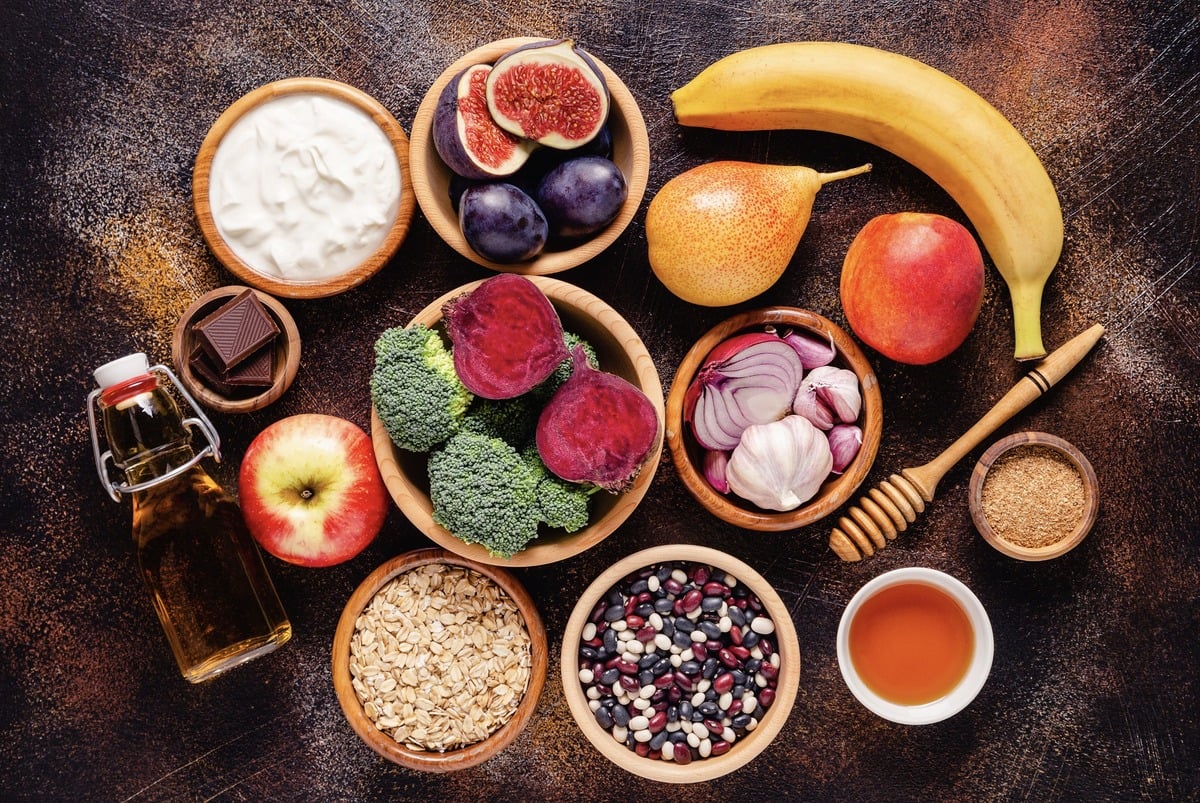
Ever feel like your gut is trying to tell you something? Trust it—because that intuition is backed by science. The female body is intricately connected, and the gut sits right at the heart of it all. From hormone regulation to mood balance and even your body’s ability to fight off infections, your gut microbiome is the backstage manager you didn’t know you needed. At Claudia’s Concept, we dive deep into these life-altering connections to help you reset your nutrition in a way that’s intelligent and intuitive.
Let’s talk hormonal harmony first. Your gut plays a critical role in metabolizing estrogen. When the microbial balance shifts—due to stress, antibiotics, poor diet, or a sedentary lifestyle—it can spell trouble. Think worsening PMS, unexpected fatigue, and erratic mood swings. Balancing the gut supports a more stable estrogen cycle, which translates to sharper energy, less bloating, and emotional steadiness.
Then comes mood and mental health. Did you know your gut produces close to 95% of your body’s serotonin? This feel-good neurotransmitter influences everything from mood to appetite to sleep quality. When the gut’s microbiome is thriving, serotonin flows smoothly—helping to ease anxiety, reduce stress, and elevate your general sense of wellbeing.
Let’s not forget immunity and digestion. Around 70% of your immune system resides inside your gut. A healthy gut lining acts as a protective barrier, training your immune cells, neutralizing toxins, and reducing chronic inflammation. When your gut flora is well-nourished, not only is digestion seamless, but your body begins to fend off immune threats with precision and resilience.
Curious to know what kind of foods can help you activate this gut-powered transformation? Stick with me. I’m about to introduce four nutrient-dense, microbiome-loving foods every woman should be adding to her daily plate—straight from my Claudia’s Concept approach.
Is Your Gut Crying Out for Help? Here’s How to Tell
Our gut acts as a powerful command center for countless systems in our bodies—from digestion and immunity to mood and hormone regulation. And when things go off-balance, it speaks up loud and clear. At Claudia’s Concept, I work with women in every stage of life, and I can confidently say this: your gut never suffers in silence. It always sends signals. The trick is learning how to listen to them.
Digestive Issues You Can’t Ignore
If you’re regularly feeling bloated after meals, struggling with constipation, or noticing irregular bowel patterns, your gut microbiome could be struggling. These symptoms often point to an imbalance of beneficial bacteria. Research from the American Journal of Clinical Nutrition shows that a diverse gut microbiome improves bowel regularity and digestion by influencing peristalsis—the wave-like muscle contractions that move food through the digestive tract.
In my clinic, I’ve seen first-hand how women who switch to a gut-supportive diet, as part of the Claudia’s Concept approach, experience relief from these issues within weeks. A healthy gut restores rhythm to your digestive system and leaves you feeling lighter, energized, and more in sync with your natural rhythms.
Falling Sick Too Often? Your Gut Might Be the Culprit
A weak immune system is often tied to an unhealthy gut. Nearly 70% of the immune system resides in the gut lining. When the microbiome loses its balance, the body struggles to mount a strong defense against pathogens. A recent study published in Nature Reviews Immunology confirmed that gut bacteria directly regulate immune cell activity and inflammation control.
If you’ve noticed that colds linger longer, wounds take more time to heal, or you’re simply too familiar with your pharmacist, your gut is likely asking for attention.
That Mood Swing Isn’t All in Your Head—It Might Be in Your Gut
Many women are surprised to learn the gut produces 95% of the body’s serotonin—the “feel-good” neurotransmitter. When the microbiota is imbalanced, serotonin levels drop, directly impacting mood, energy, and motivation. A 2020 clinical review in the journal Frontiers in Psychiatry connected dysbiosis (gut imbalance) to higher rates of anxiety and depression, particularly in women, due to the gut-brain axis disruption.
So when you experience sudden fatigue or mood swings for no apparent reason, your gut might be pulling the strings behind the scenes. Through targeted dietary changes that support gut health—like those found in Claudia’s Concept—you can restore mental clarity and emotional stability naturally.
Skin Breakouts or Hormonal Chaos? Look Inward
Our skin, often referred to as a mirror of internal health, reflects what’s happening in our gut. A compromised gut barrier allows toxins and pathogens to “leak” into circulation, triggering systemic inflammation. This leads to breakouts, redness, and those stubborn flare-ups that topical treatments can’t touch.
Hormones are also heavily influenced by gut health. The gut helps metabolize estrogen through the estrobolome—a collection of gut bacteria that governs hormonal balance. When this system falters, it can result in estrogen dominance, contributing to acne, irregular cycles, and PMS. A study in the Journal of Clinical Endocrinology & Metabolism showed that women with a diverse gut microbiome maintain healthier estrogen profiles and fewer hormonal fluctuations.
If your skin isn’t clear or your cycle feels chaotic, start with your plate. The right foods, strategically chosen, can restore harmony—and it starts within your gut.
4 Gut-Friendly Foods Every Woman Should Eat
When it comes to women’s health, gut microbiota isn’t just a trendy topic—it’s a powerful cornerstone of wellness. The trillions of microbes residing in the digestive tract influence everything from digestion and energy levels to hormone regulation and mood stability. To help you nourish your inner ecosystem, I’ve selected four science-backed, gut-friendly foods that I routinely recommend at Claudia’s Concept.
- Yogurt – Probiotic-Rich Superfood
Let’s start with a classic: yogurt. It’s not only versatile and delicious but also densely packed with live cultures that can transform your digestion. When you consume yogurt containing strains like Lactobacillus acidophilus and Bifidobacterium bifidum, you’re introducing good bacteria into your gut—the kind that crowd out the bad guys and help maintain balance.
Clinical evidence supports this: a 2021 meta-analysis published in the journal Nutrients found regular yogurt consumption significantly increased populations of beneficial gut bacteria, reduced intestinal inflammation, and promoted smoother bowel movements. Choose unsweetened, plain Greek or natural yogurt for the highest concentration of probiotics, or go for cultured plant-based yogurts with similar strains.
- Leafy Greens – Prebiotic Powerhouse
Leafy greens like kale, spinach, and Swiss chard do far more than just bulk up your salad. They feed your gut bacteria with their high levels of dietary fiber—acting as potent prebiotics. Unlike probiotics, prebiotics aren’t bacteria themselves; they’re the food that your beneficial bacteria thrive on.
Remarkably, a 2016 study published in Nature Chemical Biology discovered that leafy greens contain a unique sugar molecule called sulfoquinovose (SQ), which only gut bacteria can digest. This sugar not only increases the diversity of your microbiota but also fosters the growth of anti-inflammatory microbes.
Adding a handful of leafy greens to your daily routine—think smoothies, soups, or stir-frys—will directly enhance your microbial health. At Claudia’s Concept, I often suggest a rotation of greens to ensure a range of fibers and phytonutrients.
- Fermented Foods – Digestive Boosters
If you’ve ever tried kimchi, sauerkraut, miso, or kombucha, you’ve already dipped into the world of fermentation. These traditional foods result from a process where natural bacteria feed on sugar and starch, creating lactic acid—preserving the food and creating a powerhouse of probiotics in the process.
Studies published in Cell in 2021 found that consuming a diet rich in fermented foods increased microbiome diversity and reduced inflammation within just 10 weeks. It’s not a minor shift—diverse microbiomes are linked to better immune health, improved mood (thanks to the gut-brain axis), and even more balanced estrogen metabolism.
Try small daily servings: add sauerkraut to your sandwich, sip kombucha in the afternoon, or mix a spoonful of miso into your soup. These micro-doses work consistently, supporting digestion naturally over time.
- Fiber-Rich Fruits & Seeds – Gut + Hormone Friendly
Maybe one of the most overlooked dietary miracles? Fiber. But not just any fiber—think of fruits like apples, blueberries, and bananas, and seeds like chia and flax. These are rich in soluble fiber, which feeds gut bacteria, forms short-chain fatty acids (SCFAs), and helps lower gut inflammation. SCFAs like butyrate are crucial—they nourish intestinal cells and support optimal barrier function.
Research published in the British Journal of Nutrition emphasizes how a fiber-rich diet regulates estrogen levels by assisting in the proper elimination of excess hormones through the stool. This is particularly important for women dealing with PMS, menopause symptoms, or hormonal imbalances.
- Add flax seeds to your breakfast bowl for hormone balance and digestion.
- Mash half a banana into your smoothie for gentle prebiotic fiber.
- Snack on a handful of blueberries—low in sugar, rich in antioxidants and fiber.
These foods aren’t just filling; they work synergistically to enhance gut flora diversity and hormonal health. It’s something I emphasize often in personalised nutrition plans at Claudia’s Concept.
Which of these gut-loving foods are already part of your daily meals—and which ones are you excited to try? Nourishing your microbiome is a daily choice, and it starts one meal at a time.
Yogurt: A Probiotic-Rich Superfood Your Gut Will Thank You For
Picture this: a creamy, satisfying spoonful of yogurt—not just delicious, but packed with millions of live bacterial cultures that help nourish the microbiome inside you. This isn’t just food; it’s functional nourishment, especially powerful for women looking to support gut health and hormonal balance. At Claudia’s Concept, yogurt is a key player in our gut-friendly meal planning because of its scientifically proven benefits.
Replenishes Good Gut Bacteria
Let’s dive into the microbiological magic. Yogurt is made through fermentation by adding live bacterial cultures like Lactobacillus bulgaricus and Streptococcus thermophilus to milk. These live and active cultures increase the number of beneficial bacteria in the gut. A 2021 meta-analysis published in the Journal of Nutrition highlighted that daily consumption of yogurt with these specific strains boosts intestinal microbial diversity and enhances gut barrier function, especially in women aged 25–55.
Why does that matter? Because a diverse microbiome helps reduce inflammation, improve nutrient absorption, and strengthen immunity. Every spoonful is like a tune-up for your digestive engine.
Supports Smooth Digestion & Microbiome Stability
Digestive discomfort, bloating, irregularity—sound familiar? Yogurt directly addresses these issues by aiding the breakdown of lactose and proteins. Probiotic-rich yogurt increases the body’s supply of enzymes like lactase, making it easier to digest overall. This is particularly valuable for women with mild lactose intolerance or sensitivity.
In fact, studies from Frontiers in Microbiology found that probiotic yogurt consumption over just two weeks improved stool frequency and consistency in 87% of women in the trial. It’s not just food; it’s your gut’s personal assistant.
Balances Hormones Naturally
Hormonal health is deeply tied to the gut because over 90% of serotonin is produced in the gastrointestinal tract. A balanced microbiome helps regulate estrogen metabolism through what scientists call the “estrobolome”—a collection of gut bacteria that metabolize estrogen. When this system is disrupted, hormonal imbalances, mood swings, and even PMS symptoms can worsen. Incorporating probiotic yogurt into your diet on a regular basis will promote a healthier estrobolome, leading to more stable hormones and improved emotional well-being.
From teenage years to menopause, yogurt supports hormone stability. And as part of the Claudia’s Concept approach, it’s a daily go-to for hormone harmony from the inside out.
Choose Wisely: Not All Yogurts Are Created Equal
To tap into these benefits, quality matters. Choose plain, unsweetened yogurt with “live and active cultures” clearly labeled. Aim for varieties with at least 1 billion CFUs (colony forming units) per serving—Greek, skyr, or plant-based options like coconut yogurt can work too, as long as they’re fermented with live probiotics.
- Read the label: Look for key strains like acidophilus, B. bifidum, and L. rhamnosus.
- Skip added sugars:Flavored yogurts can have more sugar than a soda can—nix them.
- Go organic when possible: Fewer pesticides and additives mean better microbiome support.
- Try DIY: Making yogurt at home ensures total control over ingredients and bacterial richness.
Ready to turn your daily spoonful into a gut-transforming ritual? With the right yogurt on your plate, you’re not only feeding yourself—you’re fueling a vibrant, balanced ecosystem inside that empowers every aspect of your health.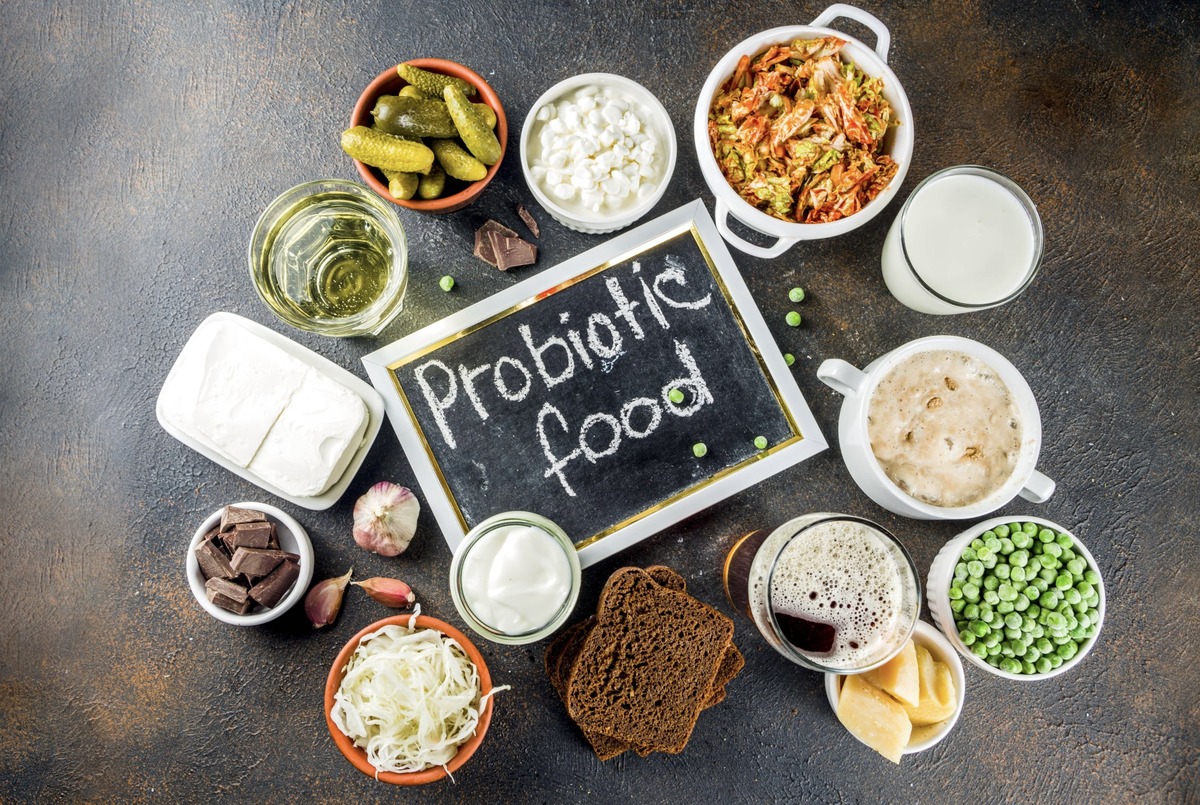
Leafy Greens: The Prebiotic Powerhouse Every Woman Needs
When it comes to supporting long-term gut health, few foods deliver as much impact as leafy greens. These vibrant, fibrous vegetables act as powerful prebiotics—fueling the growth of good bacteria and keeping your digestive ecosystem thriving. Every woman looking for lasting wellness should prioritize greens like kale, spinach, collards, and arugula.
Feeding Your Microbiome the Right Way
The key to gut health isn’t just adding probiotics—it’s feeding the ones that are already helping you digest, balance hormones, and fight off inflammation. Leafy greens are naturally rich in a type of fiber that can’t be broken down by human enzymes. Once this fiber reaches your colon, it becomes the main source of energy for your beneficial bacteria.
Scientific evidence backs it. A 2016 study published in Nature Chemical Biology identified a unique sugar molecule called sulfoquinovose (SQ) in green vegetables like spinach that’s exclusively eaten by good gut microbes, helping them dominate harmful strains. This means that eating your greens can biologically shift your gut flora toward a healthier balance.
Micronutrients That Make Leafy Greens a Hormonal Ally
There’s more to greens than fiber. They’re jam-packed with micro-nutrients critical for women’s wellness:
- Folate plays a vital role in methylation—the process your body uses to detox estrogen and maintain hormonal balance.
- Magnesium supports the nervous system, reducing stress-related cortisol spikes that can compromise gut lining integrity.
- Iron is especially crucial for menstruating women and helps support healthy red blood cell production, ensuring optimal oxygen flow and energy levels.
The Anti-Inflammatory Edge
Dark leafy greens also deliver a powerful hit of polyphenols—antioxidant compounds proven to reduce inflammation throughout the body, including the gut lining. Chronic low-grade inflammation is often behind bloating, fatigue, and irregularity. Adding greens into meals daily helps keep inflammation in check at the root level, not just the symptoms.
Greens to Add into Your Daily Intake
Spinach blends seamlessly into smoothies and sautés. Kale adds a satisfying crunch to salads or stir-fries. Collard greens bring earthy richness to soups. And arugula? Peppery, fresh, and perfect to top off grain bowls or wraps. At Claudia’s Concept, we often guide women to rotate greens for more diverse gut support and nutrient coverage.
Start simple—add a fistful of spinach into your omelette or swap iceberg for arugula in your lunch salad. These small shifts create a ripple effect in how your gut functions, how your hormones behave, and ultimately, how energetic and balanced you feel each day.
Want structure built around these choices? This is exactly what we offer at Claudia’s Concept—tailored plans that blend scientific insight with your lifestyle, helping you heal the gut and energize from within.
Fermented Food Favorites: The Digestive Boosters Your Gut Will Thank You For
Let’s talk fermentation. Not the kind happening in a vineyard — the kind that strengthens your digestion, brightens your skin, and balances your mood from the inside out. Fermented foods are powerful, live digestive boosters, and as a woman, they belong on your plate for one simple reason: they shift your gut‘s microbiome in the right direction.
More Microbes, Better Gut: Why Fermentation Works
Fermentation is a natural process where beneficial bacteria break down sugars and starches in food. This microbial magic doesn’t just preserve foods — it enhances them. Fermented foods are rich in probiotics, those living organisms that line your gut, crowd out harmful bacteria, and increase microbial diversity. And here’s the kicker — a more diverse gut microbiome is linked with improved digestion, better immunity, increased energy, and even hormonal balance.
Research from Stanford University found that individuals who ate a variety of fermented foods daily increased the diversity of their gut microbes within just 10 weeks. The effect was tangible — decreased levels of 19 different inflammatory markers throughout their systems. This isn’t fringe science. These are measurable results, and they align with the principles we promote at Claudia’s Concept: Eat smart, feel vibrant, live balanced.
Top Fermented Foods to Boost Your Digestive Strength
Ready to stock your kitchen with gut-loving staples? These fermented favorites should be on your radar:
- Kombucha: This fizzy, tea-based beverage is teeming with probiotics and polyphenols. It not only supports digestion but helps curb sugar cravings naturally.
- Kimchi: This Korean classic is a spicy mix of napa cabbage and radish fermented with garlic, ginger, and red pepper. Its probiotic content (especially Lactobacillus plantarum) supports enzyme production and eases bloating.
- Sauerkraut: Tangy and versatile, sauerkraut is more than a condiment. It delivers live cultures and boosts vitamin C — a combo your immune system will love, especially during hormonal shifts.
- Tempeh: A fermented soybean cake that’s richer in protein than tofu and packed with prebiotic fibers. The fermentation increases its bioavailability, so your body can absorb more minerals like zinc and iron effortlessly.
- Miso: Derived from fermented soybeans, miso isn’t just for soup — it’s a powerful source of probiotics and has been linked to improved gut barrier function and mood regulation due to its GABA content (gamma-aminobutyric acid).
Your Gut–Brain–Mood Connection
Your gut isn’t just influencing how you digest — it’s deeply intertwined with how you feel. Around 90% of serotonin, the hormone that regulates mood, lives in the gut. When you nourish your gut microbes with fermented foods, you’re indirectly supporting serotonin production and the entire gut–brain axis.
Women struggling with IBS or recurrent bloating often notice significant relief simply by incorporating fermented foods into their routine. Studies suggest that probiotic strains from kimchi and fermented dairy products may reduce abdominal discomfort and regulate bowel movements within a few weeks.
In Claudia’s Concept, I always guide women toward food choices that bring body systems into harmony. Fermented foods are an effortless, delicious way to elevate your gut health daily — whether you’re sipping ginger kombucha post-yoga, tossing kimchi into your salad, or stirring miso into a warm lunch broth. Your gut will respond with more energy, balanced moods, and efficient digestion.
Fiber-Rich Fruits & Seeds Every Woman Should Be Eating
Let’s talk about the deeply underrated champions of gut and hormone health—fiber-rich fruits and seeds. These aren’t just Instagrammable smoothie toppings; they’re powerful nutritional tools that every woman needs in her daily diet routine. At Claudia’s Concept, we focus on building a strong gut foundation with smart, delicious, and hormone-supportive foods—and these little superstars deliver on every front.
Why Fiber Isn’t Just About Digestion
Fiber does far more than keep your bowel movements regular (although that’s an essential benefit). For women, certain types of fiber play a key role in balancing hormones, especially estrogen. Soluble fiber binds with excess estrogen in the digestive tract and helps eliminate it efficiently—this is essential for reducing estrogen dominance, a common driver of hormonal imbalance that can manifest in everything from bloating and PMS to fatigue and mood swings.
Research published in The Journal of Clinical Endocrinology & Metabolism shows that dietary fiber intake is inversely associated with circulating estrogen levels. Simply put: more fiber, better hormone balance.
Boosting the Gut-Brain Connection
Fiber also directly supports your gut microbiome—the trillions of bacteria living in your digestive system. Some kinds of fiber act as prebiotics, feeding the good bacteria that regulate everything from digestion to mental clarity. When your gut bacteria are well-fed, they produce short-chain fatty acids like butyrate, which has been shown to reduce inflammation and support neurotransmitter production, including serotonin (your natural mood stabilizer).
Feeling foggy, anxious, or irritable? Supporting your gut with the right fiber could bring clarity and calm you didn’t realize you were missing.
What to Add to Your Cart Today
- Chia Seeds: These tiny seeds pack in over 9 grams of fiber per 28-gram serving. Their unique gelling ability helps regulate bowel movements and hydrate the colon. Just a tablespoon blended into a smoothie can make a major difference over time.
- Flaxseeds: Rich in insoluble fiber and lignans—natural compounds shown to modulate estrogen metabolism—flaxseeds are a top choice for any woman aiming for hormonal harmony. One randomized study in Nutrition and Cancer demonstrated that flax may help reduce menstrual cycle-related estrogen peaks.
- Apples: Source of pectin, a soluble fiber that acts as a prebiotic, improving gut flora composition. Make them your go-to snack and watch your digestion improve. Granny Smith apples, in particular, have been linked to a higher diversity of gut bacteria.
- Berries: Blueberries, strawberries, raspberries—they’re not just low in sugar and full of antioxidants. Their fiber content helps stabilize blood sugar, improve satiety, and fuel beneficial gut organisms. Plus, anthocyanins (the antioxidants found in deeply colored berries) have been connected to improved cognitive performance.
If you’re already following Claudia’s Concept, you know we don’t do trendy restrictive diets. We build smart, sustainable eating habits, and adding these fiber-rich foods is an action step that actually pays off. One that brings daily improvements you can feel—in your digestion, energy, focus, and hormone balance.
So, what will you sprinkle on your breakfast tomorrow—chia or flax? And which juicy berries will find their way into your bowl?
Simple Shifts That Transform Your Gut: Making Healthy Food Choices Daily
Every small choice adds up. When it comes to gut health, consistency is the real game-changer. I always say this at Claudia’s Concept: it’s not just about what you eat once in a while—it’s what you do every day that builds lasting wellness. Let’s explore how to create daily habits that nurture your microbiome and keep your digestion and hormones in harmony.
Integrate Gut-Loving Foods into Every Meal
Building meals around gut-friendly ingredients doesn’t need to be complicated. Here’s how to do it with intention:
- Start your morning with purpose: A probiotic-rich yogurt parfait layered with chia seeds, berries, and a drizzle of honey is a powerful way to energize your gut right from the start. The probiotics support a healthy microbiota, while the prebiotic fibers in the fruits and seeds help beneficial bacteria thrive.
- Lunch that powers you through the day: Toss a handful of spinach or kale into a quinoa bowl or blend it into a smoothie with banana and flaxseed. Leafy greens like these encourage the production of short-chain fatty acids, known to lower inflammation and improve intestinal barrier function.
- Dinner with a fermented flair: Add a side of kimchi, sauerkraut, or miso to your evening meal. These fermented foods have been shown in studies such as the Cell Press publication from 2021 to increase gut microbiota diversity, which directly supports immune regulation and mental clarity.
Stay Present: Managing Stress for Gut Resilience
Daily stress reduction is not a luxury—it’s a necessity for a balanced gut. Chronic stress can compromise the gut lining, increase permeability (commonly known as “leaky gut”), and disrupt microbial balance. That’s why at Claudia’s Concept, we approach nutrition with a holistic mindset that includes emotional well-being.
- Practice breathwork: Just five minutes of deep, diaphragmatic breathing activates the parasympathetic nervous system, calming the gut-brain axis and aiding digestion.
- Carve out reflective time: A short journaling session or mindful walk can stabilize cortisol levels, which in turn helps maintain a strong gut barrier and reduces bloating or discomfort.
- Incorporate gentle movement: Low-impact workouts like yoga or Pilates help stimulate the digestive organs and promote regularity while also alleviating stress hormones that can disrupt gut flora.
Hydrate Like You Mean It
Hydration is more than just drinking water—it’s about optimizing how your gut processes food. Water acts as a transport system, moving nutrients efficiently and helping fiber ferment properly to feed the good bacteria in your colon. The result? Improved bowel movements, better nutrient absorption, and less bloating.
Aim for at least 2.2 to 2.7 liters daily—women’s recommended intake by the National Academies of Sciences—and more if you’re active. Sip steadily through the day rather than chugging. You can also hydrate through foods: cucumber, watermelon, celery, and soups all count.
Cut Back on Sugar and Processed Triggers
Gut-friendly living means being mindful of ingredients that disrupt digestive harmony. Refined sugars and ultra-processed foods feed the very bacteria and yeasts that throw our microbiome out of balance. These choices lead to an overgrowth of harmful species, exacerbate bloating, and disturb hormonal rhythms by increasing insulin resistance and inflammation.
Go for natural sweetness from whole fruits or nutrient-dense snacks like roasted chickpeas or dark chocolate with 80% cocoa content. Real food nourishes more than just your meals—it fuels your system with clarity and control.
When daily habit meets gut wisdom, powerful change happens. And with Claudia’s Concept guiding your choices, the journey toward vibrant health becomes an empowering lifestyle—not just a diet.
Final Thoughts: A Holistic Approach to Women’s Gut Health
Women’s bodies operate as a finely-tuned system where gut health plays a powerful role—not just in digestion—but in hormone balance, energy levels, skin clarity, mental clarity, and even immunity. When your gut thrives, so do you. And the science supports that.
Research published in Frontiers in Neuroscience confirms the gut-brain axis: a dynamic communication pathway between your digestive tract and your brain. That fluttery feeling before a big meeting? That’s your gut talking. And studies from Harvard Medical School also underline how a well-functioning gut microbiome helps regulate estrogen, serotonin, and cortisol—key hormones that shape every woman’s overall wellbeing.
Adding gut-friendly foods like yogurt, leafy greens, fermented delights, and fiber-rich fruits and seeds is one piece of the puzzle. But the magic truly happens when you connect those nutrition choices with the bigger picture of your lifestyle.
Your Body, Your Guide
There’s no one-size-fits-all when it comes to health. Pay close attention to how your body reacts after meals, monitor energy dips, mood fluctuations, or skin changes. These are all messages your gut is sending. At Claudia’s Concept, I teach women how to read those signs and respond with intention—building sustainable systems instead of spiraling into rigid dieting cycles.
You don’t need to overhaul your kitchen in one weekend. Commit to a small starting point. Choose to hydrate better. Add a handful of spinach to today’s smoothie. Swap your usual afternoon snack with a probiotic-rich yogurt. These shifts add up—they create consistency, which fuels change.
Gut Health Is Hormonal Health. It’s Mental Health. It’s Immunity. It’s You.
Think about your life rhythm—your work, your sleep, your cycle, your stress levels. Everything feeds into your gut environment. When you prioritize your microbiome, you’re investing directly into your quality of life. That’s why Claudia’s Concept promotes a nourishing, rather than restrictive, approach. Food isn’t the enemy; it’s your most intimate medicine.
Ready to give your gut a glow-up? Try adding these four foods to your grocery list this week and observe how your body—and mind—respond! You’ll be amazed at the difference one thoughtful change can create.
To make your journey easier, download our beautifully designed Gut-Friendly Grocery Checklist or explore the 7-Day Healthy Gut Meal Plan—available now at Claudia’s Concept.