
“Superfood” isn’t just a buzzword designed to sell you exotic produce with a fancy label — it signals nourishment that packs a punch. Superfoods are powerhouses of essential nutrients, dense in antioxidants, vitamins, minerals, and phytochemicals that help promote long-term vitality and disease resistance. Think blueberries, kale, green tea, and acai berries. These foods matter because they support immune function, combat oxidative stress, and often deliver anti-inflammatory benefits that the body craves in our fast-paced, stress-filled lives.
But lately, a familiar fruit has entered the scientific spotlight. Grapes — yes, the same juicy purple or green berries you toss into lunchboxes or wine glasses — are gaining momentum in nutrition studies that seek to place them among the elite class of superfoods. A recent body of research is pointing to their exceptional polyphenolic content and targeted health effects that extend well beyond what many previously assumed.
In this blog, I’ll guide you through the exciting findings that are challenging how we think about this everyday fruit. We’ll explore the specific compounds that make grapes stand out, dive into the latest clinical evidence supporting their role in cardiovascular and cognitive health, and examine how they could integrate effortlessly with strategies from Claudia’s Concept for balanced, functional
Grapes at a Glance: Nutrition and Benefits
The Vibrant Spectrum of Grape Varieties
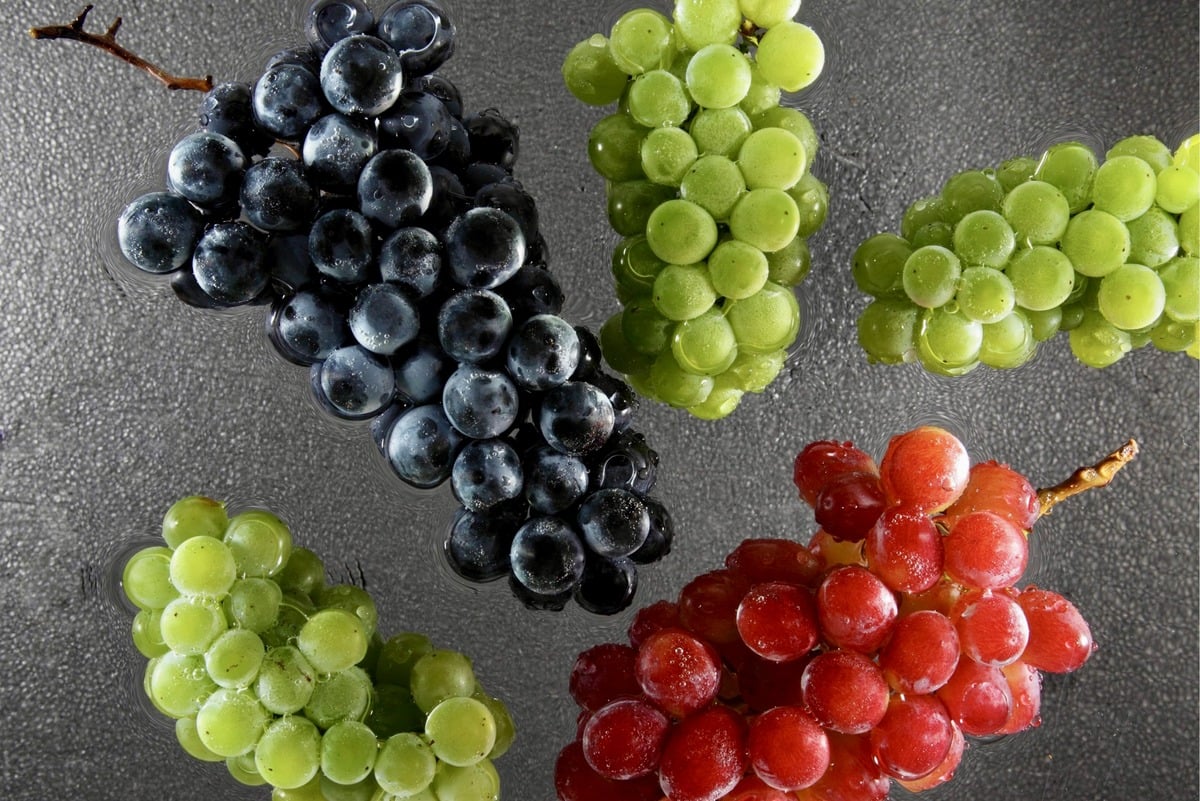
Grapes come in a stunning array of colors and flavors—each with its own unique nutritional package. The most commonly consumed types are red, green, and black grapes. Red grapes are famous for their resveratrol-rich skins. Green grapes tend to be less sweet and slightly crisper, making them a popular snacking choice. Black grapes, with their deep, dark hue, are often celebrated not just for their intense sweetness but also for their anthocyanin content—a potent class of antioxidants.
Each variety brings more than just color to your plate—they pack diverse health-promoting nutrients critical for vitality, immunity, and metabolic efficiency. Let’s explore what makes grapes a likely candidate for superfood status according to countless nutrition researchers and food scientists.
A Dense Portfolio of Nutrients Packed in a Small Bite
Grapes may look unassuming, but beneath their thin skin lies a treasure trove of complementary nutrients that contribute directly to cellular health, immune function, and metabolic performance.
- Vitamin C: Essential for collagen synthesis, iron absorption, and immune defense, vitamin C is present in modest yet impactful quantities in grapes. A cup of fresh grapes contains about 4–5 mg of vitamin C, providing roughly 6% of the recommended daily intake—enough to support antioxidant activity alongside other food sources.
- Vitamin K: Crucial for proper blood clotting and calcium regulation in the bones, vitamin K is abundant in grapes, especially in the skin. One cup delivers between 17% to 22% of the daily requirement depending on the grape type.
- Potassium: Each serving of grapes supplies around 280 mg of potassium, an electrolyte needed for stable blood pressure, nerve function, and hydration balance.
- Dietary Fiber: Grapes provide nearly 1.4 grams of fiber per cup, helping to regulate digestion and slow sugar absorption, which is essential for balanced energy fluctuations throughout the day.
Natural Sugars: Energy With a Hydrating Bonus
Grapes contain natural monosaccharides—mainly glucose and fructose—that are rapidly absorbed and used by the body for instant energy. Unlike processed sugars, the sugars in grapes come with fiber and phytonutrients that modify their glycemic effect.
Another surprising fact? Grapes are about 81% water. This high water concentration supports hydration, aids satiety, and contributes to skin suppleness and thermoregulation—especially beneficial during warmer months or post-workout recovery.
Caloric Value and Influence on Metabolism
One cup (approximately 150 grams) of fresh grapes offers about 104 calories, predominantly from carbohydrates. As part of a balanced diet like what I recommend in Claudia’s Concept, this caloric content supports metabolic flexibility—the body’s ability to efficiently shift between burning carbohydrates and fats for energy, a hallmark of optimal metabolic health.
The presence of dietary fiber and polyphenols in grapes plays a synergistic role by decelerating glucose absorption and stimulating gut microbiota. According to a 2022 analysis published in Frontiers in Nutrition, polyphenol-rich fruits like grapes improve insulin sensitivity and lipid metabolism, factors that directly influence basal metabolic rate and protect against metabolic disorders.
Integrating Grapes Into a Balanced Routine
Whether tossed in a midday salad or added to a morning smoothie, grapes provide a nutrient-dense energy boost without overwhelming caloric load. In Claudia’s Concept, incorporating fruit the right way sustains energy while keeping insulin levels stable—a strategic move for those interested in vitality, focus, and fitness.
So next time you reach for a snack, consider those radiant little grapes—they might just be the smartest small bite on your plate.
The Hidden Strength of Grapes: Antioxidant Powerhouses That Redefine Superfoods
Why Antioxidants Are Essential to Your Health
Every cell in the body battles daily with oxidative stress—a condition triggered by free radicals that disrupt cellular stability. This process accelerates aging, impairs immunity, and increases the risk of chronic diseases. What’s the countermeasure? Antioxidants. These are substances that neutralize free radicals and help restore biochemical balance. Including antioxidant-rich foods in your diet isn’t just beneficial—it’s strategic health defense.
At Claudia’s Concept, I often describe antioxidants as internal bodyguards. They don’t just support cellular longevity; they actively reduce your risk of degenerative conditions. A robust antioxidant profile in your food will translate into improved skin texture, sharper memory, and reduced inflammation across all systems.
Grapes Carry a Unique Antioxidant Arsenal
What makes grapes special is not merely their taste or convenience—it’s their potent biochemical cocktail of antioxidants that work at multiple cellular levels. When you bite into a grape, you’re delivering a medley of powerful compounds that include the star players: resveratrol, a suite of flavonoids, and an ample dose of vitamin C.
- Resveratrol: Found predominantly in red and purple grapes, particularly in the skin, resveratrol is a polyphenol that’s been studied closely for its ability to mimic the effects of calorie restriction and promote cellular repair. According to a study published in Cell Metabolism (2018), resveratrol activates the SIRT1 gene, a regulator of metabolic and mitochondrial health, which plays a key role in longevity and reduced oxidative load.
- Flavonoids: Grapes boast a complex mix of flavonoids, including quercetin, catechins, and anthocyanins. These polyphenolic compounds exhibit strong antioxidant activity by trapping reactive oxygen species (ROS) and suppressing the pro-oxidative enzymes that contribute to cellular damage.
- Vitamin C: While commonly associated with citrus, grapes offer a surprising amount of vitamin C—especially in red and black varieties. This water-soluble antioxidant works synergistically with polyphenols, regenerating oxidized vitamin E and further stabilizing cellular membranes against lipid peroxidation.
Each of these natural substances plays a distinct role, but their combined action creates a broad-spectrum defense system against oxidative damage—and that’s what positions grapes as serious contenders in the superfood category.
Oxidative Stress: The Silent Agitator, Diminished by Grapes
Unchecked oxidative stress is implicated in at least 80% of modern chronic conditions, including cardiovascular disease, diabetes, Alzheimer’s disease, and even certain cancers. By integrating antioxidant-rich foods like grapes into your daily meal plan, you introduce a consistent supply of protective agents that can reverse and neutralize this damage.
A compelling clinical trial published in the journal Nutrition (2020) demonstrated that individuals who consumed 250g of red grapes daily for four weeks showed a statistically significant decrease in plasma malondialdehyde (MDA) levels—an established marker of oxidative stress—by nearly 20%. The same group exhibited increased glutathione peroxidase activity, a core intracellular antioxidant enzyme.
Another double-blind study featured in Free Radical Biology and Medicine found that grape-derived polyphenols increased the antioxidant capacity of the blood by over 15% within 60 minutes of consumption. These aren’t small shifts—they are measurable, meaningful alterations in how your body manages oxidative challenges.
Claudia’s Concept: Turn Antioxidant Richness Into Lifestyle
Including grapes in your daily routine doesn’t need to be complicated. Whether they’re tossed over a fresh breakfast bowl, freeze-dried into a smoothie booster, or eaten whole as a snack—grapes create an easy way to elevate your daily antioxidant intake. At Claudia’s Concept, we often recommend pairing grapes with a source of healthy fats like walnuts or Greek yogurt. This pairing enhances the bioavailability of fat-soluble antioxidants, giving you even better results.
Your long-term vitality hinges on the choices you make today—and reaching for grapes is one of the simplest, most flavorful decisions with the highest payback.
Polyphenols in Grapes: The Secret Weapons
What Are Polyphenols and How Do They Strengthen the Body’s Defenses?
Polyphenols are naturally occurring phytochemicals found in many plant-based foods, but grapes – particularly their skins and seeds – are uniquely rich in them. These compounds act as potent antioxidants and actively support our body’s defenses by neutralizing harmful free radicals, regulating cell signaling pathways, modulating inflammation, and influencing gene expression related to metabolism and cellular repair.
Among the thousands of polyphenolic compounds, grapes contain powerful subtypes like flavonoids, phenolic acids, stilbenes (notably resveratrol), and tannins. These compounds not only protect the grape from environmental stressors like UV light and pathogens, but they also provide critical support to our cells when consumed regularly. Every glass of red grape juice or handful of fresh black grapes contains a dose of these health-enhancing molecules that begin working almost immediately after digestion.
Grape Skin and Seeds: The Unsung Heroes
The skin and seeds of grapes are polyphenol powerhouses. Whether it’s black, red, or blue grapes, it’s the outer layer and inner kernel that house the highest concentrations. This is precisely why grape-derived products like seed extract or skin powder are making waves in clinical nutrition strategies, including several solutions at Claudia’s Concept.
- Grape Skins: Rich in anthocyanins – pigments that give red and purple grapes their deep color – these flavonoids are linked to reduced oxidative stress and improved vascular function.
- Grape Seeds: Contain proanthocyanidins, which are 20 times more powerful than vitamin C and 50 times stronger than vitamin E in neutralising free radicals, according to published comparative antioxidant studies.
When grapes are turned into wine or concentrated extracts, the fermentation process begins to unlock the higher bioavailability of these polyphenols. However, even raw consumption provides substantial benefits. The skin’s protective compounds survive the digestive process and are absorbed through both the stomach lining and the small intestine, showcasing their systemic reach.
The Science Behind the Polyphenols
Peer-reviewed studies have illuminated the biological impact of grape polyphenols with remarkable clarity. A foundational Harvard study published in Nature reported that resveratrol – a stilbene polyphenol found predominantly in grape skin – activates SIRT1, a protein that promotes cellular longevity and mitochondrial function. This same protein regulates how our cells age and how efficiently they convert energy.
In another double-blind, placebo-controlled trial published in the Journal of Nutrition, subjects who took grape seed extract for 4 weeks demonstrated a 15% improvement in blood vessel dilation and blood flow markers. These cardiovascular markers are early indicators of long-term heart health, reinforcing the systemic importance of polyphenols.
Research from the University of Montpellier confirms that the total phenolic content in grape skin can exceed 1800 mg/kg, with flavonoids making up over 60% of the total. That’s a dense concentration of disease-fighting compounds in such a modest fruit – proof of the superfood label being more than just a trend.
Another landmark paper in BMC Medicine tracked a Mediterranean diet group with high grape intake for five years. The results showed a 30% reduction in cardiovascular incidents, tied directly to high intake of grape-derived polyphenols. In this context, polyphenols act as biological reinforcements – not just to the heart, but to neuroprotection, immune regulation, and inflammation modulation.
Unlocking the Full Spectrum at Claudia’s Concept
At Claudia’s Concept, we integrate grape polyphenols into specific wellness protocols that aim to enhance cellular defense, increase metabolic flexibility, and elevate antioxidant performance. Whether introduced via nutrition coaching, curated recipes, or tailored supplementation plans, these grape-derived scores form an essential part of our longevity and performance matrix.
So the next time you’re snacking on grapes, take a closer look at the skin and seeds – those tiny structures hold a vast universe of protective polyphenols ready to strengthen your resilience from within.
How Grapes Support Cardiovascular Health: What Science Says About Their Impact on Heart Function
More Than Just Sweet Snacks — Grapes and Heart Health
Surprising as it may be, something as small and sweet as a grape carries immense potential for supporting cardiovascular health. At Claudia’s Concept, we advocate a food-first approach that spotlights nutrient density and functional benefits — and grapes absolutely fit the bill here. When explored through the lens of heart health, their role becomes even more compelling.
Regulating Blood Pressure and Promoting Circulation
Grapes provide substantial support for maintaining healthy blood pressure, primarily because of their high content of potassium and the presence of bioactive compounds that promote endothelial function. The endothelium — the thin layer of cells lining our blood vessels — plays a significant role in vascular tone and blood flow.
A study published in the Journal of the American College of Nutrition demonstrated that consuming 1.5 to 3 cups of grapes daily over eight weeks significantly improved endothelial function in participants with metabolic syndrome. Improved endothelial function translates into better arterial relaxation and blood flow, simultaneously reducing blood pressure and the risk of hypertension-induced cardiovascular events.
What’s particularly interesting is how grape polyphenols enhance nitric oxide bioavailability. Nitric oxide helps relax blood vessels, thereby reducing systemic blood pressure. This vasodilatory effect isn’t just theory — it’s been observed in both in vitro and in vivo studies.
- Potassium assists in balancing sodium levels, reducing tension in the blood vessel walls.
- Polyphenols increase arterial flexibility, helping blood circulate smoothly.
- Anthocyanins in red grapes further contribute to vascular protection.
Including grapes regularly in your diet means actively supporting better blood flow and stabilising your blood pressure. At Claudia’s Concept, we integrate these science-backed principles into everyday nutrition strategies.
Lowering LDL Cholesterol — The Grape Effect
One of the most studied benefits of grapes for heart health involves their impact on cholesterol levels, specifically the reduction of LDL (low-density lipoprotein) cholesterol, often dubbed the “bad” cholesterol. Elevated LDL levels narrow your arteries and increase the likelihood of heart attacks and strokes.
A notable randomized controlled trial from the University of California, Davis found that subjects who consumed Concord grape juice daily for 12 weeks had a marked decrease in oxidized LDL levels. Oxidised LDL is particularly harmful because it triggers inflammatory processes and accelerates atherosclerotic plaque formation.
The mechanism is straightforward but powerful: polyphenols in grapes act as antioxidants, preventing LDL particles from oxidizing. Less oxidation equals less damage. The effect is measurable and can have a lasting impact when grapes become a dietary staple.
- Flavonoids bind to LDL particles, preventing free radical-induced damage.
- Regular grape consumption is linked to a 9-13% decrease in LDL oxidation, based on human clinical trials.
- Grape seed extract, in particular, has shown promise in lowering total LDL cholesterol by enhancing hepatic LDL clearance.
This isn’t just about number games on your blood test — it’s about function and longevity. Keeping LDL cholesterol in check is one of the most strategic moves in cardiovascular health, and grapes provide a delicious, natural way to do it.
Resveratrol and Atherosclerosis Prevention
If you’re familiar with grapes in the context of heart health, you’ve likely heard of resveratrol. This polyphenolic compound, found predominantly in grape skins — especially red grapes — has captured scientific interest for its powerful cardioprotective properties.
So how does resveratrol protect the heart? It actively inhibits the progression of atherosclerosis, a condition where plaque builds up inside arteries. One of the key actions of resveratrol is that it suppresses vascular inflammation and proliferation of smooth muscle cells in arterial walls — both of which are central to the development of arterial plaque.
In animal models, resveratrol reduced atherosclerotic lesion formation by up to 40%, and in human observational studies, populations with high dietary intake of resveratrol-rich foods exhibited lower incidence of coronary artery disease.
- Resveratrol inhibits LDL oxidation, a primary contributor to plaque formation.
- It activates the SIRT1 gene, which improves mitochondrial function and endothelial health.
- Affects platelet aggregation, reducing the likelihood of blood clots and improving arterial flexibility.
We often incorporate resveratrol-rich ingredients into custom meal plans at Claudia’s Concept precisely because of this multi-targeted approach to cardiovascular protection. It’s not about isolated benefits — it’s about building a layered defense system through food science.
Grapes as a Daily Heart Ally
Imagine something as accessible as a bunch of grapes delivering such a robust matrix of heart-supporting compounds. Every bite contributes to reduced oxidative damage, improved lipid profile, dilated blood vessels, and healthier arterial linings. With frequent, consistent consumption, grapes function as an effective — and natural — ally for better heart health.
That’s what makes grapes so powerful within Claudia’s Concept: not just their nutritional density, but how seamlessly they integrate into a heart-conscious lifestyle without compromise. For anyone looking to protect their heart with nature’s own pharmacopoeia, starting with grapes is a smart, science-backed first step.
Cognitive Boosters: Effects on Brain Health and Memory
Unlocking the Brain-Enhancing Power of Grapes
When brain health becomes a priority—as it should at every stage of life—adding the right foods to your lifestyle begins to matter more than ever. At Claudia’s Concept, I constantly seek ways to connect everyday nutrition with performance-driven wellness. Grapes, especially red and purple varieties, emerge as a quiet but powerful ally in supporting cognitive function, memory, and even longevity of brain performance. Their contribution to brain metabolism and neuroprotection has prompted researchers to look much closer. And now we know: there’s real science to back it.
Grape-Derived Nutrients and Brain Metabolism
Grapes contain a rich profile of polyphenols—particularly flavonoids like resveratrol, quercetin, and catechins—which directly influence brain cellular metabolism. Resveratrol, for instance, has demonstrated the ability to cross the blood-brain barrier, where it activates sirtuin-1 (SIRT1), a protein that plays a vital role in mitochondrial function and cellular energy. This directly impacts ATP production in the brain, driving better neuronal communication and supporting brain plasticity.
What does that mean in everyday terms? A more responsive mind. Quicker recall. Improved focus. For clients seeking mental clarity due to aging or career demands, I routinely incorporate antioxidant-rich fruits like grapes into their meal plans at Claudia’s Concept. The brain, just like muscles, responds to fuel—and grapes provide clean, potent nourishment.
Enhanced Memory & Reduced Neuroinflammation: What the Research Shows
A controlled clinical trial published in the journal Experimental Gerontology followed 12-week grape supplementation in older adults with mild cognitive decline. Those consuming daily grape powder equivalent to 2 ¼ cups of grapes showed significantly improved verbal recall and spatial memory. Neuroimaging also revealed increased functional connectivity in brain regions responsible for cognition, particularly the posterior cingulate cortex—a hub of mental processing.
Another groundbreaking study from UCLA found that older adults who added 500 ml of grape juice daily to their diets improved memory function within 12 weeks compared to a placebo group. The brain scans? They revealed improved blood flow to the hippocampus, the region primarily responsible for learning and memory encoding.
Defense Against Brain Aging and Dementia
Oxidative stress and neuroinflammation are two of the biggest culprits in cognitive aging and neurodegenerative diseases like Alzheimer’s. Here’s where grapes step up as truly extraordinary. The resveratrol they contain not only scavenges free radicals but also modulates microglial activity—those immune cells in the brain that can either protect or damage neurons depending on their activation state.
A long-term study published in Alzheimer’s & Dementia journal assessed resveratrol supplementation in Alzheimer’s patients over 12 months. The outcome? Slowed cognitive and functional decline. MRI scans revealed a reduction in hippocampal atrophy, which is a hallmark feature of Alzheimer’s progression. Researchers attributed these protective effects to reduced neuroinflammation, which grape polyphenols appear particularly adept at suppressing.
In another study, chronically aged mice were supplemented with concord grape juice. They not only exhibited improved working memory and decision-making in maze tests, but there was also a measurable upregulation of brain-derived neurotrophic factor (BDNF) —a key protein for neurogenesis and cognitive resilience.
This is one reason I emphasize in my coaching programs that nutrition isn’t just about external transformation; it must encompass brain wellness. The cognitive boost from grapes is not theoretical—it’s observable in clinical results, and tangible in daily performance. Whether you’re a student looking to optimise learning or an executive managing stress and mental bandwidth, grapes can be part of an effective brain-boosting approach.
Integrating Grapes into a Smart Eating Strategy
To activate the brain-boosting benefits of grapes, focus on regular, moderate intake—not megadoses. Real impact comes with consistency. For example:
- Add half a cup of red grapes to your morning smoothie or overnight oats.
- Snack on frozen grapes during work breaks for a refreshing brain-nourishing fix.
- Pair grapes with a handful of walnuts—the double whammy of polyphenols and omega-3s enhances cognitive function further.
- Include fermented grapes (think: pure grape juice or wine in moderation) in your weekly meals for variation.
At Claudia’s Concept, I’ve seen intelligent dietary practices make a measurable difference—cognitive sharpness, emotional balance, and creativity often follow physical transformation. Never underestimate what a humble fruit like grapes can unlock when used purposefully and repeatedly.
Crushing Inflammation: How Grapes Help Protect Against Chronic Disease
Inflammation: The Silent Agitator Behind Chronic Illness
When most people think of inflammation, they picture a swollen ankle or a sore throat. But chronic, low-grade inflammation works very differently—it operates silently within the body and has been directly linked to many serious ailments including arthritis, cancer, type 2 diabetes, and cardiovascular diseases. Studies published in the Journal of Internal Medicine have confirmed that persistent inflammation alters cellular function, contributes to tissue damage, and fuels the development of degenerative conditions.
This long-standing inflammation isn’t the body doing its job—it’s a glitch in the healing process that fuels disease progression over time. Fortunately, certain foods have proven to be natural disruptors of this negative cycle. Among them, grapes show remarkable promise.
Nature’s Bioactive Arsenal: The Anti-inflammatory Agents in Grapes
Grapes—especially red and black varieties—contain bioactive compounds with potent anti-inflammatory properties. The leading players? Resveratrol, quercetin, catechins, and anthocyanins. These compounds directly inhibit pro-inflammatory markers such as tumor necrosis factor-alpha (TNF-α), interleukin-6 (IL-6), and C-reactive protein (CRP). A 2021 study in the Frontiers in Nutrition journal showed that resveratrol downregulates the NF-κB pathway, a major signaling mechanism that triggers inflammation within immune cells.
Polyphenols in grapes work by halting oxidative stress-induced inflammation. They act like a reset button for immune response, keeping it balanced rather than overactive. This doesn’t just reduce inflammation on paper—it translates to real clinical benefits, from joint flexibility improvement in osteoarthritis patients to slowed tumor progression in certain cancers.
Targeting Age-Related Diseases With Precision
The aging process brings with it an increase in pro-inflammatory markers, often described as “inflammaging.” It’s a key driver behind many age-related illnesses. But here’s where grapes show extraordinary potential. Researchers at the University of Milan found that elderly participants who consumed grape-derived polyphenolic extracts experienced a significant reduction in inflammation biomarkers over a 12-week period—and reported improved cognitive alertness and joint function as a bonus.
In cancer prevention, resveratrol has a dual-axis approach. First, it scavenges free radicals that might damage DNA. Second, it inhibits pathways like COX-2 and STAT-3, which are critical in tumor development and progression. Controlled trials in cell cultures and animal models, as published in Cancer Letters, demonstrate that regular intake of grape constituents can reduce not only tumor size but also the chance of proliferation.
Disease Interception Starts on Your Plate
By routinely incorporating grapes into your diet, you provide your body with precision-acting molecules that can intercept inflammation before it spirals into disease. This is where my nutritional philosophy at Claudia’s Concept stands firm—we don’t wait for symptoms to appear, we intervene at the cellular level with food as our tool. Grapes, given their biochemical profile, absolutely belong in this daily preventive approach.
The connection between grapes and inflammatory disease management isn’t speculative—it’s evidence-backed. Randomized controlled trials, including one cited in the American Journal of Clinical Nutrition, confirmed decreased levels of CRP after 8 weeks of daily grape consumption in adults with metabolic syndrome. What does this mean in real terms? Reduced risk of heart disease, better insulin sensitivity, and lower likelihood of plaque buildup in arteries.
Your Small Daily Ritual for Big Disease Prevention
Incorporating a handful of grapes into your daily meals or snacks isn’t just enjoyable—it’s strategic. At Claudia’s Concept, we emphasize low-inflammation lifestyles powered by intentional food choices. Grapes combine nature’s engineering with clinical performance. They do more than fight free radicals—they help quiet inflammation at its core and protect your vitality as you age.
So next time you savor those plump, juicy berries, know this: every bite is a calculated step toward protecting your health from the inside out.
Glowing from Within: Grapes and Skin Health
When it comes to skincare, the focus often starts with what goes on the outside — lotions, serums, and oils. But enduring skin health begins with what you put inside your body. Adding grapes to your daily diet is one way to nourish your skin from within, thanks to their rich hydrating qualities and antioxidant density. At Claudia’s Concept, we look beyond surface-level fixes and dive deep into nutrition-based wellness. Here’s what makes grapes a skin-loving superfood.
Hydration & Antioxidants: The Dynamic Duo for Skin Elasticity
Skin thrives on hydration, and grapes contribute generously to maintaining moisture levels. Containing roughly 82% water, grapes help keep skin cells plump and hydrated, reducing dryness and improving elasticity. This foundation of hydration prepares skin to better absorb topical treatments and resist premature wrinkles.
Beyond hydration, grapes are packed with powerful antioxidants—especially vitamin C, resveratrol, and flavonoids. These compounds combat oxidative stress, which is one of the primary causes of aging skin. Oxidative stress leads to collagen breakdown, uneven skin tone, and dullness. Antioxidants in grapes halt this process by neutralising free radicals before they do damage.
According to a study published in Dermato-Endocrinology (2012), oxidative stress contributes significantly to the aging process of human skin. By increasing your intake of grape antioxidants, you slow this degeneration and maintain a more youthful appearance. Consistent consumption, supported by Claudia’s Concept meal strategies, can directly enhance the skin’s resilience over time.
The Grape Seed Extract Advantage
Grape seed extract has become a breakout star in skincare formulations—and for good reason. It’s a rich source of oligomeric proanthocyanidin complexes (OPCs), which are 20 times more potent than vitamin C and 50 times stronger than vitamin E in antioxidant activity. That’s immense cellular protection for your skin from within.
These OPCs support wound healing, reduce redness, increase skin firmness, and improve overall tone. Incorporating grape seed extract into your skincare supplements or topical routine enhances these effects. A 2010 study published in Phytotherapy Research found that oral supplementation of grape seed extract over six weeks showed measurable improvement in skin hydration and elasticity among women aged 40 to 60. When integrated through Claudia’s Concept programs, this compound becomes a strategic tool in your anti-aging routine.
Collagen Production & UV Protection: Building and Guarding the Skin Barrier
Your skin’s firmness and youthful structure largely depend on collagen. Grapes support natural collagen production through two essential components: vitamin C and highly active plant polyphenols—especially in the skins and seeds of red and black grapes.
Vitamin C is critical for the production of hydroxyproline and hydroxylysine, two amino acids that stabilize collagen structures. Without sufficient vitamin C, the process stalls. Grapes deliver this vitamin in a natural, bioavailable form that sustains collagen integrity over time. Combined with polyphenols, you get dual action—support and protection.
Here’s where grape-derived polyphenols really impress. They not only prevent collagen breakdown but also offer photoprotection. A 2019 clinical trial conducted at the University of Alabama at Birmingham indicated that participants who consumed grapes daily for two weeks had increased resistance to UV-induced sunburn. Skin biopsies taken post-exposure showed reduced markers of UV damage and inflammation.
Incorporating grapes regularly, as advised at Claudia’s Concept, gives your skin a natural shield against environmental stressors while reinforcing its structure from within. That’s skin science working in your favor—simple, effective, and delicious.
Make It Practical: Grapes in Your Skin Health Routine
- Toss a handful of red grapes into your morning smoothie to start the day with hydration and antioxidants.
- Massage store-bought cold-pressed grape seed oil onto your face at night for extra firmness and glow.
- Add grape seed extract supplements to your wellness routine for a targeted skin repair approach.
- Freeze grapes and enjoy as a low-sugar dessert that delivers skin-boosting nutrients.
The skin restores itself best when it’s consistently fueled from the inside. By pairing the topical benefits of grape-derived products with the deep nourishment of whole grapes in your diet, you’re creating a comprehensive skin health routine that goes far beyond aesthetics. With Claudia’s Concept, you don’t just care for skin — you activate it.
Summary: Do Grapes Belong Among Superfoods?
After everything we’ve explored—deep-dives into cardiovascular protection, cognitive sharpening, cellular repair, even skin radiance—it’s clear grapes aren’t simply a sweet snack or fruit bowl filler. Their biochemical richness, notably in antioxidant compounds like resveratrol and flavonoids, places them in confident standing among nutrient-dense elite foods. Grapes don’t whisper health benefits—they deliver them.
Grapes Light Up Multiple Pillars of Wellness
Let’s decode it simply. Grapes:
- Protect your heart by enhancing endothelial function and reducing oxidized LDL, thanks to high polyphenol content. The Journal of Nutrition published a controlled trial in 2013 showing that participants who consumed grape extract experienced significant reductions in blood pressure and inflammatory markers.
- Sharpen your brain by increasing cerebral blood flow and modulating neuroinflammatory pathways. A 2017 UCLA double-blind, placebo-controlled study revealed that grape powder helped preserve metabolic activity in the Alzheimer’s-vulnerable areas of the brain over six months.
- Support metabolism by influencing fat metabolism and insulin sensitivity. Studies have identified that resveratrol can activate SIRT1 and AMPK, enzymes known to regulate lipid and glucose homeostasis. This effect mimics some of the metabolic benefits of calorie restriction.
- Glow up your skin through UV protection and collagen integrity. Researchers from the University of Alabama found that participants who consumed grape-derived compounds had increased resistance to sunburn after just two weeks—thanks to condensed tannins and anthocyanins that modulate skin’s inflammatory response.
That’s holistic health activation—internal to external, cellular to systemic.
The Science Isn’t Suggestive—It’s Compelling
The true hallmark of a superfood is not just one-off results or trendy media mentions. It’s replicable, peer-reviewed research across multiple populations and models—and grapes meet the mark. We’re talking about over 200 studies in the last two decades alone examining grape-derived compounds. Clinical trials, in vivo animal studies, longitudinal population data—published in journals like Free Radical Biology & Medicine, Clinical Nutrition, and The American Journal of Clinical Nutrition.
And beyond the lab, there’s the logic of diversity. White, red and black grapes offer unique profiles—richer resveratrol in reds, higher quercetin in green. Eat the skin. Drink the juice. Dry them into raisins. There are multiple formats, yet consistent grapey goodness.
Why Your Daily Diet Needs Grapes
Incorporating grapes into your daily intake isn’t just a wellness flex, it’s a science-backed strategy for cellular defense and long-term vitality. At Claudia’s Concept, we coach clients to layer grapes into breakfast smoothies, snack plates, warm salads, and even adapt them into guilt-free desserts via frozen bites. The goal is simple: make functional nutrition habitual, not occasional.
So, do grapes deserve a spot among superfoods? Not as an underdog, but as a front-row fixture. With undeniable antioxidant power, clinical credibility, and metabolic support, grapes are not just health food—they are elite fuel.
Keep your body in rhythm and your cells in harmony. Add grapes to your plate—and let nature’s own formula elevate your every day. At Claudia’s Concept, we’re not just recommending trends, we’re decoding science into your lifestyle.