
It’s no longer a secret: gut health shapes almost every aspect of well-being, from immunity and digestion to mental clarity and even mood stability. This complex ecosystem, often dubbed the “second brain,” influences how we absorb nutrients, how resilient we are to infections, and even how we feel emotionally. A thriving gut isn’t just about avoiding discomfort — it’s the core of optimal performance for body and mind.
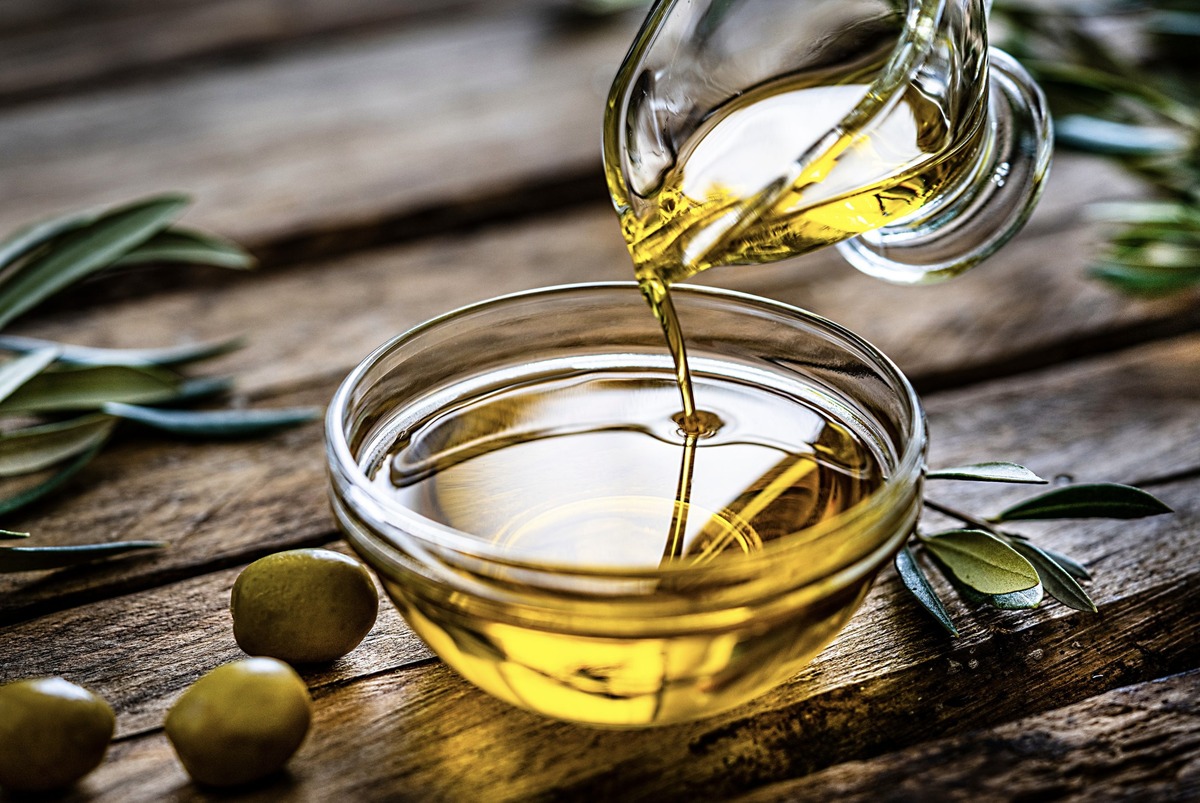
Meanwhile, Extra Virgin Olive Oil (EVOO) has risen from a humble kitchen staple to a celebrated wellness elixir. Found at the heart of the Mediterranean diet and increasingly featured in modern nutrition protocols, it’s gaining recognition not only for heart health but for its surprising effects on the gut environment. More and more, it’s becoming part of the daily rituals of health-conscious individuals — and that’s not by chance.
So, how exactly does EVOO interact with our gut? Here’s what we’ll explore: its soothing influence on inflammation, its ability to support smoother digestion, how it enhances nutrient absorption, and its role in cultivating a balanced gut microbiome.
As the European Journal of Clinical Nutrition states, “dietary patterns rich in extra virgin olive oil have been linked to a significant positive shift in gut microbial diversity,” suggesting that the power of EVOO extends far beyond taste.
Backed by science and inspired by a holistic view of health, Claudia’s Concept dives deep into why this golden oil can be a game-changer for your gut. Are you ready to unlock its full potential?
What Science Says: Olive Oil and the Gut Microbiome
We’ve all heard about the importance of the gut microbiome – but do you truly understand what it means for your overall health? As someone who’s worked with clients across the globe and founded Claudia’s Concept, I’ve seen firsthand how dramatically your gut ecosystem can affect your energy, skin, weight, and mental clarity. So let’s explore what current scientific research says about how olive oil fits into that picture.
Your Inner Ecosystem: Why Gut Microbes Matter
Trillions of microorganisms – including bacteria, viruses, fungi, and protozoa – live in your digestive tract. Collectively, they form your gut microbiome, and they’re not just passive houseguests. These microscopic citizens actively regulate your immunity, metabolism, mental health, and even disease risk. Studies published in journals like Nature Microbiology and Cell have clearly shown that microbial diversity, meaning a wide variety of gut bacteria, correlates strongly with reduced chronic inflammation and better metabolic health.
Olive Oil: Fuel for a Balanced Microbiome
Extra virgin olive oil doesn’t just enhance taste – it’s loaded with compounds that nourish your beneficial microbes. One standout is oleic acid – a monounsaturated fat that directly supports growth of bacteria like Lactobacillus and Bifidobacterium. These strains are well-known in scientific literature for improving gut lining integrity, reducing inflammation, and enhancing overall microbiota diversity.
In a 2018 study published in Frontiers in Nutrition, researchers observed that people who consumed a Mediterranean diet rich in olive oil experienced a remarkable increase in Firmicutes and Bacteroidetes – two microbial phyla associated with leaner body weights and improved glucose sensitivity. Participants also reported fewer digestive issues and less bloating after just 4 weeks.
The Indian Context: Traditional Meets Scientific
Adapting those findings to Indian diets, researchers from the Indian Council of Medical Research analysed how incorporating olive oil into traditional recipes influenced microbial profiles. Guess what? Gut flora diversity increased significantly, especially when olive oil replaced refined oils in long-term dietary plans. Spices like turmeric and cumin, when combined with olive oil, showed synergistic effects, further nurturing probiotic strains and reducing pathogenic bacteria.
Why Claudia’s Concept Emphasizes Olive Oil for Microbial Health
At Claudia’s Concept, we don’t hand out generic plans. Instead, we look at the microbiome as the foundation for long-lasting vitality. By integrating olive oil into personalized nutrition strategies – through salads, sautés or even traditional tadkas – we’ve seen clients improve their digestive resilience and mood within weeks. The science backs it, and the results prove it, every single time.
So, if you’re wondering whether a simple change like switching your cooking oil can reshape your internal ecosystem – the evidence says yes, absolutely. Are you ready to give your gut what it truly needs to thrive?
Fighting Inflammation From the Inside
Here’s something to think about: most chronic health issues begin where you least expect — your gut. Inflammation, one of the most common precursors to disease, often originates right there in the intestinal tract. When the gut lining is irritated or damaged, it triggers an immune response. This state of chronic, low-grade inflammation doesn’t just stay put — it spreads silently, affecting everything from your skin to your brain health.
So, how do we tackle this invisible fire from within? Let’s talk about olive oil — not just any kind, but extra virgin olive oil (EVOO), packed with compounds that actively reduce gut-originated inflammation. At Claudia’s Concept, this isn’t just a food swap; it’s a foundational shift in how we support the body’s natural immune balance.
Natural Anti-Inflammatory Compounds at Work
When you drizzle EVOO over your salad or use it to sauté your veggies, you’re doing more than adding flavor. You’re delivering an anti-inflammatory punch to your system. Two key compounds found in high-quality olive oil do the heavy lifting here: oleocanthal and oleuropein.
- Oleocanthal works in ways strikingly similar to ibuprofen. A 2005 study published in Nature found that oleocanthal inhibits cyclooxygenase (COX) enzymes — the same ones ibuprofen targets. This directly reduces inflammatory responses in the body, including those arising from the gut lining.
- Oleuropein, found primarily in the olive skin and leaves, enhances anti-inflammatory performance by reducing the production of pro-inflammatory cytokines like interleukin-6 and tumor necrosis factor-alpha (TNF-α).
Antioxidant-rich and pharmacologically active, these compounds work synergistically to reduce both acute and chronic inflammation. And this isn’t coming from folk wisdom — it’s rooted in robust biochemical research and clinical trials.
Monounsaturated Fats: Protecting the Gut Lining
Another reason why olive oil is a staple at Claudia’s Concept? It’s loaded with monounsaturated fatty acids (MUFAs). These healthy fats don’t just help with better cholesterol levels — they actively support gut integrity. MUFAs help to stabilize cell membranes in the gut lining, preventing them from becoming overly permeable, a condition commonly referred to as “leaky gut.”
According to a 2018 study published in the journal Gut, individuals who consumed higher amounts of MUFAs—particularly from olive oil—had significantly reduced biomarkers of inflammation, including C-reactive protein (CRP). Lower CRP levels mean the immune system is not overactivated, and the gut lining is less inflamed.
Olive Oil Versus Chronic Disease: The Clinical Proof
Research consistently shows a link between olive oil consumption and lower risk of inflammatory diseases such as Type 2 diabetes, cardiovascular disease, and even some autoimmune conditions. A 2020 study in Clinical Nutrition observed that just 25ml of daily EVOO intake lowered inflammatory markers in metabolic syndrome patients over a six-month period. This strongly implicates gut-healing as one of the mechanisms of action.
At Claudia’s Concept, we use this science to shape personalized strategies. Incorporating olive oil into daily meals isn’t only about reducing symptoms—it transforms the gut environment, making it more resilient to stress, pathogens, and dietary fluctuations. When the inflammation dies down, everything from nutrient absorption to mood stability improves noticeably.
So, next time you reach for a cooking oil, ask yourself — is this choice helping my gut stay calm and balanced? With olive oil, the answer will always be a resounding yes.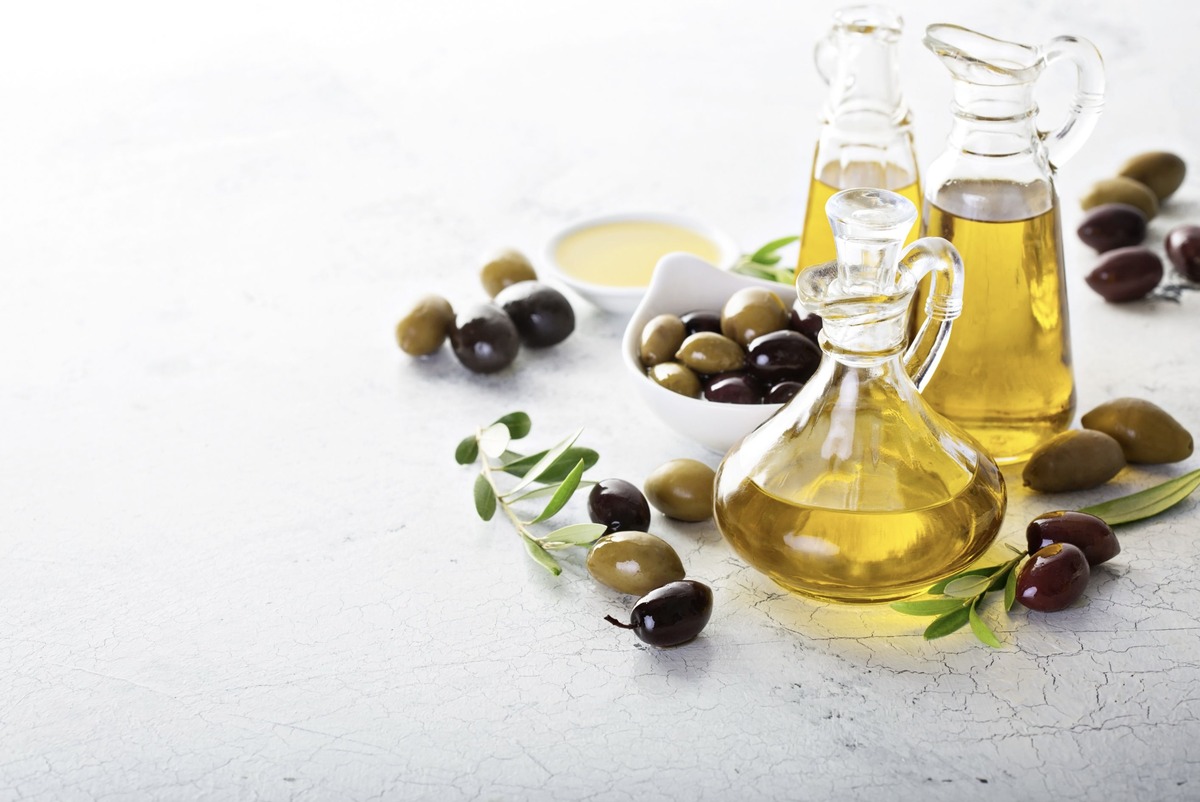
Polyphenols: The Microbial Miracle Workers
If you’ve ever wondered what makes high-quality olive oil such a superstar in nutrition circles, let’s talk about its hidden heroes—polyphenols. These naturally occurring compounds are abundant in extra virgin olive oil, and they do far more than add bold flavor. They’re biochemical game-changers for your gut.
What Are Polyphenols & Why Should You Care?
Polyphenols are powerful plant-based micronutrients with antioxidant properties. In extra virgin olive oil, they arrive in a rich concentration—mainly hydroxytyrosol, tyrosol, and oleuropein. Now, this isn’t just chemistry for the sake of it. These compounds directly influence your gut microbiota composition, creating a thriving and balanced environment down there.
To give you real numbers: a high-quality extra virgin olive oil contains anywhere between 50 to over 500 mg/kg of polyphenols, according to the European Journal of Lipid Science and Technology. That’s a substantial punch—and your beneficial gut bugs absolutely love it.
Polyphenols Feed the Good Guys
Here’s where it gets fascinating. Polyphenols work as prebiotics. That means they don’t just passively coexist in your digestive system—they step in and actively support the growth of healthy gut bacteria like Lactobacillus and Bifidobacterium. These bacterial strains play a major role in digestion, nutrient synthesis, and immunity.
At Claudia’s Concept, we treat polyphenol-rich foods as foundational building blocks in gut-supportive meal plans. Why? Because the right polyphenols shift the microbial balance in your favor. Studies from the American Journal of Clinical Nutrition confirm that polyphenols increase microbial diversity—one of the clearest indicators of good gut health.
From Polyphenols to SCFAs: Fuel for Your Gut Lining
Ever heard of butyrate? It’s one of three crucial short-chain fatty acids (SCFAs) produced when your gut microbiota breaks down polyphenols and fibers. Among all SCFAs, butyrate stands out because it’s the primary fuel for the cells lining your colon. When your gut bacteria are well-fed with polyphenols, they return the favor by producing more butyrate.
Why is that important? A healthy gut lining equals better nutrient absorption, reduced inflammation, and stronger immunity. A 2020 study in Frontiers in Nutrition found that individuals with higher levels of SCFAs showed significantly lower markers of gut permeability and inflammation. That’s not a coincidence—it’s cause and effect.
Pairing Indian Polyphenol-Rich Foods with Olive Oil
Indian cuisine offers a treasure trove of polyphenol-packed foods that beautifully complement olive oil. Think vibrant spices and beautifully colored vegetables. Here are a few powerful ingredients to keep in your pantry:
- Turmeric: Contains curcumin, a polyphenol known for anti-inflammatory and gut-enhancing properties.
- Cloves and Star Anise: These spices are bursting with polyphenols that support microbial equilibrium.
- Jamun (Indian blackberry): Rich in anthocyanins, they work synergistically with oily fats to boost absorption and effectiveness.
- Spinach and Methi (fenugreek) leaves: Excellent sources of flavonoids—another subcategory of polyphenols.
Try this: drizzle cold-pressed extra virgin olive oil over a methipalak stir-fry seasoned with turmeric and cloves. Not only does this elevate flavor, but it optimizes your polyphenol intake for superior gut support. Small adjustments like this bring the Claudia’s Concept philosophy—eating smart with intention—into everyday practice.
Polyphenols and microbiota are in constant conversation. When you make olive oil part of that dialogue, your gut listens, adapts, and thrives.
Olive Oil as a Prebiotic Ally: The Unsung Hero Your Gut Will Thank You For
Every conversation around gut health eventually leads to the microbiome—that vast, intricate community of trillions of bacteria that live inside your digestive tract. What truly determines their health and diversity? Consistently feeding them the right foods. And that’s where olive oil steps up as a powerful, natural ally, especially when cold-pressed and extra virgin like we use in the Claudia’s Concept approach.
What Is a Prebiotic, and Why Should You Care?
Let’s first get clarity on the term. Prebiotics are non-digestible food components that selectively stimulate the growth and activity of beneficial microorganisms, primarily in the colon. Prebiotics are not probiotics—while probiotics are live bacteria, prebiotics are the nourishing fibers and compounds that help good bacteria flourish. The result? A well-fed microbiome that supports immunity, metabolism, and mental clarity.
Extra Virgin Olive Oil: More Than Just Monounsaturated Fat
High-quality extra virgin olive oil (EVOO) doesn’t just provide healthy fats. It also contains bioactive compounds like polyphenols, oleuropein, hydroxytyrosol, and oleocanthal. Emerging research from the European Journal of Nutrition shows that these compounds behave similarly to traditional prebiotics by modulating the composition of intestinal microbiota.
In a 2020 study published in the journal Antioxidants, daily consumption of EVOO for just three weeks led to a significant increase in Bifidobacteria and Lactobacillus species—two of the most beneficial bacterial genera in the gut. These microbes are known to improve nutrient extraction, lower inflammation markers, and enhance the gut barrier.
Restoring Balance: Reducing Dysbiosis Naturally
Dysbiosis refers to a microbial imbalance where bad bacteria outnumber the good. This condition often manifests through bloating, constipation, skin issues, or brain fog. But EVOO, thanks to its phenolic content, helps flip the script. By selectively fueling commensal (beneficial) bacteria over opportunistic pathogens, it sets the foundation for a more resilient digestive ecosystem. These bacteria, in turn, produce short-chain fatty acids like butyrate, which strengthen gut lining integrity and regulate immune responses.
EVOO vs Traditional Indian Prebiotics
Common Indian kitchen staples like garlic, onions, and unripe bananas are well-known natural prebiotics. They’re rich in inulin and fructooligosaccharides (FOS), which are well-studied for supporting Bacteroidetes and Firmicutes populations in the gut. Olive oil brings something additional to the table—
- Synergistic polyphenols that not only act as prebiotics but also possess antibacterial properties to regulate unfriendly microbes.
- Lipophilic compounds that linger longer in the intestinal tract, providing sustained microbial nourishment.
- Anti-inflammatory benefits that complement microbial maintenance efforts, reducing the need for the ecosystem to constantly defend itself.
By combining EVOO with Indian prebiotic foods, meals become microbiome-smart. In my Claudia’s Concept programs, I often recommend sautéing onions and garlic in a spoonful of EVOO—it’s a symphony of prebiotic power in one pan.
Curious yet? Think about your last meal. Did it nourish you—or just fill you? Making EVOO a regular part of your cooking routine doesn’t just change your flavor palette—it upgrades your internal ecology.
Choosing the Right Olive Oil for Gut Health
Not all olive oils are created equal—especially when it comes to gut health. Selecting the right one can significantly influence the effectiveness of your gut-healing journey. At Claudia’s Concept, I always emphasise quality first. Why? Because the polyphenols and monounsaturated fats that make olive oil so powerful for your microbiome are only preserved in specific types of olive oil, and only under specific conditions.
The Golden Standard: Extra Virgin Olive Oil
If you’re nurturing your gut, cold-pressed Extra Virgin Olive Oil (EVOO) must be your go-to. This oil is made from the first pressing of olives and extracted without heat or chemicals. As a result, it retains the highest levels of bioactive compounds—especially polyphenols. These antioxidant-rich molecules actively support beneficial gut bacteria like Lactobacillus and Bifidobacterium, which play a key role in digestion, immunity, and mood regulation. Research from the Journal of Nutritional Biochemistry (2020) confirms that EVOO polyphenols act as antimicrobial agents, reducing pathogenic bacteria while fuelling commensal microbes.
Know What to Avoid
Reading labels matters. Many products marketed as ‘olive oil’ are often refined blends with little nutritional benefit. Here’s what to watch out for:
- Light Olive Oil: Despite the name, this isn’t lower in calories—it’s actually a refined version with significantly reduced antioxidants.
- Blended Oils: These are diluted with cheaper seed oils like soybean or sunflower, which disrupt the anti-inflammatory balance you’re aiming for.
- Flavoured Olive Oils: Where there’s no transparency on the ingredient source or process, it’s better to skip. Many lack any real polyphenol content.
The gut microflora is delicate. Only high-quality EVOO will offer the microbiome-supportive benefits you’re looking for. Remember, refined or blended versions may taste similar, but they don’t nourish the gut or protect its lining.
Protecting the Potency: Storage Matters
Exposure to light, heat, and air will degrade even the best olive oil faster than you think. Here’s how to maintain the oil’s gut-healing properties:
- Choose dark glass bottles—they limit harmful light penetration which breaks down antioxidants.
- Keep it cool—store the bottle in a pantry, away from stoves or windows.
- Always seal the cap tightly to prevent oxidative damage from air exposure.
Storage is not just about preserving flavour—it’s about protecting the microbiome-supportive compounds. At Claudia’s Concept, I always remind clients: your olive oil should be treated like any other superfood—kept safe to stay potent.
Spotting Authenticity in the Indian Market
Particularly in India, the olive oil market has grown rapidly—and with that, so has the influx of subpar and adulterated products. Don’t be misled by imported packaging alone. Take a closer look:
- Check for certification: Look for IOC (International Olive Council) or EU organic seals.
- Verify harvest and expiry dates: Fresh oil (less than 18 months from harvest) ensures active polyphenols.
- Transparency from brands: Reputable brands clearly mention the country of origin, exact grade, and processing details.
Gut health depends on consistency and quality. Whether you’re drizzling it over a salad or mixing it into your sabzi, take the time to know what your spoon is delivering. Choose wisely, and your microbiome will thank you. After all, it’s the cornerstone of all nutrition work we do at Claudia’s Concept.
Healing Meals Begin with Smart Choices
Every bite you take either strengthens or strains your gut. And when olive oil becomes the fat of choice in your kitchen, you’re choosing to nourish, protect, and balance from within. The science is clear, the tradition is rich, and the results are transformative.
From reducing gut inflammation through potent antioxidants to supporting smooth digestion and promoting the growth of beneficial gut bacteria with polyphenols and prebiotic action — olive oil delivers targeted benefits that go far beyond taste. These aren’t vague promises; these effects are consistently supported by high-quality studies. For instance, research published in the journal Frontiers in Nutrition (2021) found that daily consumption of extra virgin olive oil improved microbiota diversity and enhanced gut barrier function in just three weeks. That’s measurable impact you can feel.
And we experience these results every day at Claudia’s Concept. Our gut-focused wellness plans consistently include olive oil as a daily staple — not as a trend, but as a core ingredient for sustained wellbeing. When clients make this change, they often notice better digestion, more energy, and significantly fewer bloating episodes within the first few weeks.
So take a moment — reflect on your own meals. Is your cooking oil working for your health, or merely filling the pan? This could be the simplest yet most powerful upgrade to your nutrition. Swap out refined seed oils for cold-pressed extra virgin olive oil and feel the difference not just in digestion, but in mood, skin clarity, and overall vitality.
Healthy fats like olive oil nurture more than your gut — they fuel your entire lifestyle. And when they become a daily habit, your meals stop being just food. They start being medicine, energy, and joy. That’s exactly why we build your wellness journey carefully at Claudia’s Concept — one smart, science-backed choice at a time.