
At Claudia’s Concept, we address this contradiction head-on. Why are we getting sicker when our grocery store aisles have never been fuller? Because prosperity doesn’t feed nutrition — knowledge and mindful choices do. Let’s explore why economic growth doesn’t automatically deliver dietary quality and what we can do to change the narrative starting today.
Understanding the Global Nutrition Paradox
Let’s talk about a paradox that challenges everything we thought we knew about prosperity and nutrition. It’s called the global nutrition paradox — a confusing reality where calorie sufficiency or even surplus coexists with malnutrition, both in underdeveloped and wealthier countries. From bustling urban centers to remote farming villages, people across the globe fill their plates daily, yet millions still lack essential nutrients. The truth isn’t always visible on the outside, but the consequences are long-lasting and deeply rooted in our food systems.
Calories in Abundance, Nutrients in Deficit
Across continents, we’re seeing the same pattern: diets are becoming more energy-dense but less nutrient-dense. This means more refined sugars, industrial fats, and processed starches — and fewer vitamins, minerals, fiber, and antioxidants. According to the Global Nutrition Report 2021, one in three people globally suffers from some form of malnutrition, even though global food production provides more than enough calories per person per day.
In developing countries, economic limitations often force families to rely on cheap staples like rice, maize, or wheat, which provide calories but lack diversity. Meanwhile, in high-income nations, convenience and marketing drive excessive consumption of ultra-processed foods — think sugar-laden breakfast cereals, packaged snacks, and sugary beverages — that are heavy on energy but light on essential nutrients.
This imbalance leads to both visible and invisible health conflicts. While undernourishment may appear as stunted growth or wasting in low-income regions, nutrient deficiencies in wealthier populations often remain hidden behind normal or even overweight appearances. Low iron, vitamin D, B12, and calcium levels continue to rise, silently compromising immunity, brain function, and long-term well-being.
Examples from Contrasting Economies
Let’s compare. In India, the National Family Health Survey 2019-21 revealed that over 57% of women aged 15–49 are anemic, despite increasing access to food. Ironically, many of them consume enough or even excess calories daily — a result of inexpensive but nutrient-poor staples forming the bulk of daily diets.
Now look at the United States. Despite being one of the most food-secure nations in the world, a 2022 CDC report indicated that nearly 10% of Americans are deficient in vitamin B6, 8% in iron, and 35% in vitamin D. These gaps are not from lack of food — they stem from poor food quality and misguided dietary choices. Convenience continues to trump nourishment.
The Silent Impact: Deficiencies You Can’t See
Here’s why this matters. Nutrient deficiencies don’t always announce themselves overtly. You won’t necessarily see scurvy or beriberi, but you’ll feel fatigue, experience frequent infections, struggle with concentration, or observe developmental delays in children. These symptoms often get misdiagnosed or ignored — a troubling oversight in both underprivileged and privileged settings.
At Claudia’s Concept, I focus on identifying these hidden imbalances early, because you must nourish beyond just the numbers on a nutrition label. True prosperity demands nutritional adequacy, not just full plates.
So the next time your plate looks full, ask yourself — is it fueling vitality, or just filling space?
It’s this shift in perspective — from calorie-counting to nutrient-seeking — that will truly transform public health and redefine prosperity. And that’s exactly what we aim for at Claudia’s Concept.
Hidden Hunger: A Silent Epidemic
Understanding the Unseen Deficiency Behind Full Plates
When we think about hunger, the image that typically comes to mind is that of an empty plate. But what if I told you that hunger can hide in plain sight—even on a plate brimming with food? This is what we call hidden hunger: a chronic lack of essential vitamins and minerals, or micronutrients, that undermines health even when caloric intake seems sufficient or excessive.
At Claudia’s Concept, we focus not just on how much people eat, but on what they eat. Because when the body is starved of micronutrients, physical and intellectual performance suffers—regardless of how many calories are consumed. And the effects are far more widespread than most people realize.
How Hidden Hunger Steals Potential
Micronutrient deficiencies operate quietly—no stomach growling, no dramatic weight loss, just subtle changes that often go unnoticed until damage is done. These deficiencies compromise immune function, brain development, energy levels, and disease resistance. Iron deficiency alone, for instance, remains one of the top ten contributors to the global burden of disease according to the World Health Organization.
Let’s dig into two powerful examples rooted in science:
- Iodine Deficiency: Essential for normal thyroid function and neurological development, iodine deficiency affects about 2 billion people worldwide. In pregnant women, this directly impairs fetal growth and lowers IQ in children. Studies published in The Lancet show that even mild iodine deficiency during pregnancy can reduce a child’s IQ by as much as 13.5 points.
- Zinc Deficiency: Though less talked about, zinc plays a critical role in cell growth and repair. A study in the American Journal of Clinical Nutrition highlighted how zinc-deficient children suffer from stunted growth, delayed puberty, and higher infection rates.
The Most Vulnerable Shoulders: Who Bears the Weight?
Children during their formative years, women of reproductive age—especially pregnant or lactating—and the elderly face the highest risk. These three demographic groups require a higher density of nutrients per calorie due to rapid growth, hormonal shifts, or declining absorption capacity.
Let’s take children, for example. The first 1,000 days of life—from conception to age two—are a critical window for human development. Vitamin A deficiency alone contributes to poor vision and increased child mortality, and yet it remains prevalent in households that consume heavily processed and seemingly “plentiful” diets. Women, on the other hand, often juggle multiple nutritional demands without meeting even the basics—iron and folate deficiencies in pregnancy continue to cause low birth weight and maternal complications, even in high-income areas.
When Supermarkets Are Full and Diets Are Empty
Perhaps the most striking aspect of hidden hunger is that it frequently occurs in food-rich surroundings. Yes, even in urban centers filled with supermarkets, restaurants, and doorstep deliveries. The illusion of a well-fed society crumbles under the microscope when we examine the absence of bioavailable nutrients in everyday diets dominated by refined carbohydrates, sugary beverages, and low-fiber packaged snacks.
This disconnect is what makes the nutrition paradox so perplexing but equally urgent. You may eat three meals a day, snack in between, and still suffer from hidden hunger that chips away at your long-term vitality—slowly, persistently, absolutely.
So the question isn’t, “Are we getting enough to eat?”—but rather, “Are we getting what we truly need?” At Claudia’s Concept, we address this gap by designing meal protocols that don’t just fill your stomach, but fortify your body and fuel your mind.
Now take a moment—look at your last few meals. Full plates? Yes. But were they full of what matters?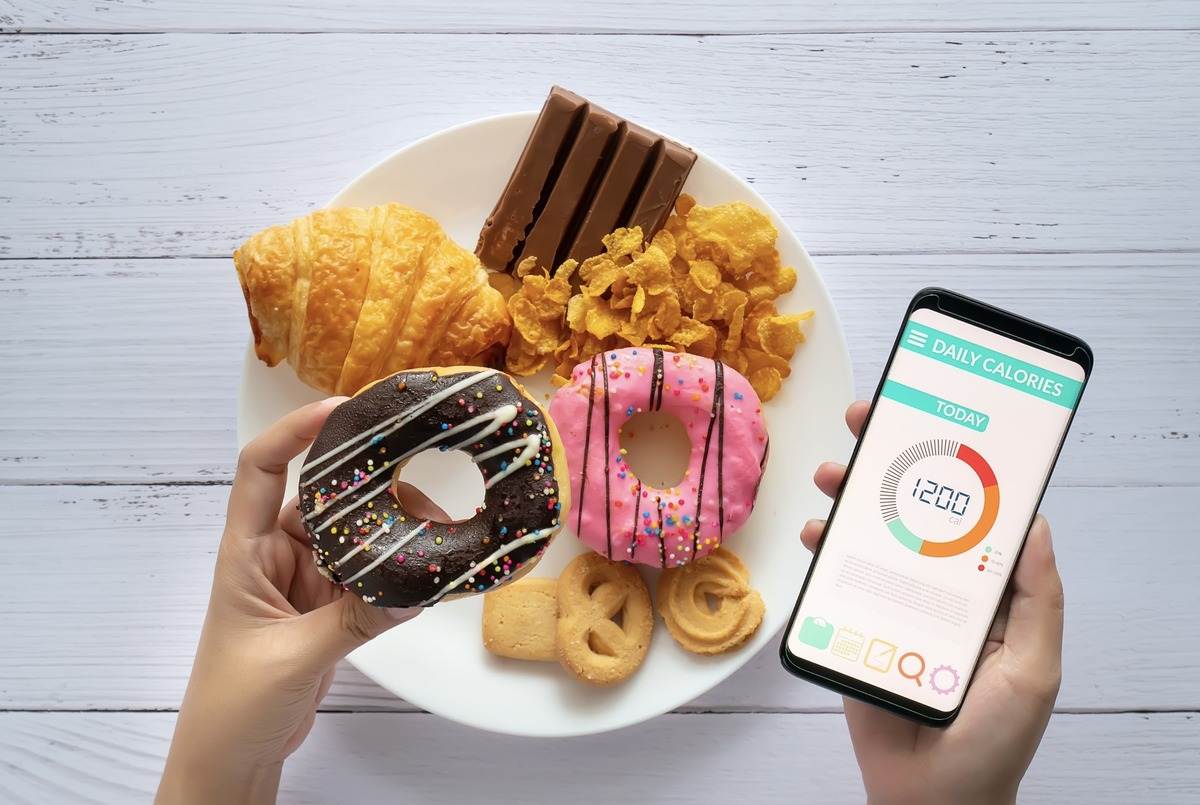
Malnutrition in Developed Countries: A Hidden Health Crisis Amid Affluence
When most people hear the word “malnutrition,” they picture undernourished children in war-torn or impoverished regions. Rarely does the term conjure up images of a well-stocked supermarket or a bustling café in a modern city. And yet, data reveals a startling truth—malnutrition is thriving in some of the world’s wealthiest nations, hiding in plain sight behind full plates and expanding waistlines.
Revealing the Numbers Behind the Myth
Let’s start with the facts. According to the Global Nutrition Report 2021, one in three people globally is malnourished. But here’s what’s rarely acknowledged: over 88% of countries face serious burdens related to either undernutrition, overweight, or both—and this includes high-income nations like the United States, the United Kingdom, and Germany.
In the United States specifically, more than 34 million people, including 9 million children, live in food-insecure households, as reported by the USDA. At the same time, the Centers for Disease Control and Prevention (CDC) states that over 41.9% of U.S. adults are obese. Obesity, often misunderstood as a problem of abundance, is increasingly recognized as a spectrum of malnutrition, rooted not in excess calories alone—but in the absence of essential nutrients.
Obesity: The Face of Modern Malnutrition
Think of a typical ultra-processed meal: calorie-packed, yet alarmingly light on fiber, vitamins, trace minerals, and quality protein. When the body constantly demands nutrients that remain missing from the plate, a paradox sets in: people overeat without ever feeling truly nourished. This leads to what I refer to at Claudia’s Concept as “micronutrient famine in a land of macronutrient surplus.”
Scientific data backs this. A major study published in The Lancet in 2019 identified poor diet quality—not limited caloric intake—as the leading risk factor for mortality globally. Diets low in whole grains, fruits, vegetables, nuts, and omega-3 fatty acids but high in sodium, sugar, and trans fats are driving this crisis at an unprecedented scale.
Poverty Pockets in Wealthy Cities
Even within affluent countries, malnutrition strikes unequally. Low-income urban communities often reside in what we call food deserts—zones with little or no access to fresh, nutrient-rich foods, but an overwhelming supply of convenience stores and fast-food chains. In London, a 2022 report from The Food Foundation revealed that one in four (25%) low-income households struggle to afford the food they need. The story is similar across Europe and parts of North America.
Ironically, the high cost of eating healthy—paired with aggressive marketing of nutritionally barren products—makes processed foods the default for many families. This creates an environment where malnutrition thrives alongside modern infrastructure.
Reshaping Prosperity Through Nutritional Empowerment
This narrative must shift. At Claudia’s Concept, we emphasize that wealth is meaningless without health, and health cannot exist without nutrition. It’s time to recognize that plates overflowing with calories but lacking in vital nutrients do not signify abundance—they signify imbalance. The modern health dialogue must include all dimensions of malnutrition, especially in the most unexpected places—our own kitchens.
When Full Plates Miss the Mark: Food Security vs. Nutritional Security
Let’s pause for a moment and reflect: does a full plate really mean a nourished body? At first glance, it might seem so. But dig deeper, and a different story unfolds—one where quantity often eclipses quality. This is the critical distinction between food security and nutritional security, a divide that lies at the heart of the global nutrition paradox.
Quantity Isn’t Quality
Food security ensures that people have access to sufficient calories. On paper, that may seem like progress. But consider this: while a family may have three square meals a day, those meals could be dominated by white rice, fried snacks, and sugar-laden beverages. Calories? Yes. Vital nutrients? Not quite.
This is where nutritional security enters the conversation. It’s not just about having food—it’s about having the right kind of food. Diets must supply essential vitamins, minerals, proteins, and healthy fats for our bodies to thrive. Without them, health consequences appear as fatigue, weakened immunity, and long-term chronic diseases—even in those who never skip a meal.
A System Focused on Volume, Not Value
Global food systems have made measurable strides in producing large volumes of food. Yet, the metric of success often ends at total output. This focus on bulk rather than balance is misleading. Why? Because it doesn’t account for food’s biochemical impact on the human body.
- In many countries, national policies fixate on calorie sufficiency to combat hunger, sidelining micronutrient adequacy.
- Farm subsidies disproportionately favor staple crops—like corn, wheat, and soy—over nutrient-dense options like legumes, vegetables, and fruits.
- Food aid programs often distribute refined, shelf-stable products instead of nutrient-retaining fresh foods.
As a result, prolific harvests fill storage silos, but not necessarily human nutritional needs. The food supply seems abundant, yet the health of populations continues to deteriorate. This imbalance between what we prioritize growing and what humans actually need creates an invisible crisis obscured behind full plates.
The Role of Processed Food in the Paradox
Let’s not ignore the role of the processed food industry here. In its mission to solve the hunger problem at scale, it has managed to flood markets with affordable, convenient, calorie-dense products. But these foods are often stripped of fiber, antioxidants, and essential micronutrients during manufacturing.
- Pre-packaged snacks may provide energy on the go but offer little nutritional value.
- Sugar-sweetened beverages satisfy thirst and calories but accelerate metabolic dysfunction.
- Refined grains fill bellies without fulfilling cellular health requirements.
Scientific data confirms these imbalances. According to a 2019 study published in The Lancet, over 11 million deaths globally were linked to poor diet—in other words, not from lack of food, but from lack of nutritious food. These numbers don’t lie. They reflect a world chasing satiety while abandoning vitality.
At Claudia’s Concept, we’re shifting that lens. We champion not just feeding the population, but truly nourishing it. Because real prosperity isn’t about empty calories—it’s about vibrant health, energy, and longevity. It’s about transforming the conversation from “Are we eating enough?” to “Are we eating what we actually need?”
Processed Foods and Public Health: Unpacking the Modern Epidemic
Take a stroll through any supermarket aisle and you’ll see shelves lined with brightly packaged meals, snack bars, breakfast cereals, sugary beverages, and instant noodles. Convenience, flavour, and extended shelf life have turned ultra-processed foods into dietary staples across income levels and borders. What many people don’t realise is that behind this convenience lies a major driver of the global nutrition paradox—full plates, yet empty calories.
The Health Consequences of Ultra-Processed Food Consumption
There’s no ambiguity here: ultra-processed foods are strongly associated with a rise in non-communicable diseases (NCDs), including obesity, type 2 diabetes, cardiovascular diseases, and certain cancers. This connection is well documented in epidemiological studies conducted over the past decade.
A landmark 2019 French cohort study published in BMJ followed over 100,000 adults for more than five years. The results were startling—every 10% increase in consumption of ultra-processed foods was linked to a 12% increase in the risk of developing cancer. Cardiovascular health tells a similar story. Data from the US National Health and Nutrition Examination Survey (NHANES) showed that individuals consuming the highest proportion of ultra-processed foods (>70% of total calories) had significantly higher rates of obesity and metabolic syndrome.
At Claudia’s Concept, I consistently see clients whose dietary habits—though calorically sufficient—leave them nutrient-deprived and inflammation-prone. Rebalancing their intake away from ultra-processed and towards whole, nutrient-dense foods initiates visible improvements in their energy levels, weight, and overall metabolic health.
How Food Marketing and Policy Loopholes Shape Choices
Why do so many people gravitate toward what’s harming them? Marketing plays a huge role. With billions spent annually, the food industry uses emotional messaging, endorsements, and attractive packaging to position ultra-processed foods as acceptable—even aspirational—choices, especially among children and adolescents.
- According to WHO data, children are exposed to over 10,000 food advertisements per year, most promoting products high in sugar, salt, and unhealthy fats.
- Front-of-pack labeling often creates the illusion of health—products labelled “low fat” or “high fibre” might still be heavily processed and loaded with additives.
But that’s not all. Policy loopholes allow companies to bypass regulations intended to protect public health. For example, the absence of universal definitions for “natural” or “wholesome” lets brands slap pseudoscientific claims onto processed snacks. Meanwhile, lobbying efforts by food conglomerates consistently dilute regulations intended to restrict marketing to vulnerable groups or mandate clearer nutrition labels.
The Industry’s Grip on Consumer Preferences and Misinformation
The processed food industry doesn’t just sell products; it shapes belief systems. Through funding scientific research and sponsoring health organisations, corporations influence what consumers see as nutritional “truth.” Peer-reviewed studies have revealed that industry-funded research is more likely to draw favourable conclusions about specific products or ingredients.
For instance, a 2016 review in the journal JAMA Internal Medicine exposed how the sugar industry sponsored research in the 1960s that downplayed sugar’s role in heart disease and shifted the blame onto saturated fats. These manipulations didn’t just steer public perception—they informed dietary guidelines for decades.
At Claudia’s Concept, transparency drives every nutrition plan and coaching session. I help individuals strip away the noise and reconnect with whole-food, plant-focused meals. When people unlearn the marketing messages, they reconnect with their health.
Think about your pantry. How many labels read like chemistry formulas? How many products are positioned as healthy yet lack the fibre, protein, or essential micronutrients your body truly needs to thrive? If this sounds familiar, you’re not alone—you’re also at a great starting point for change.
Micronutrient Deficiencies in a World of Plenty: The Unseen Gap
How is it possible that, in a world brimming with food, millions still suffer from micronutrient deficiencies? This is the core of the paradox we address at Claudia’s Concept. Being full does not mean being nourished. In fact, diets today are often abundant in calories yet alarmingly deficient in essential nutrients—especially iron, vitamin A, iodine, and zinc—crucial elements that regulate everything from immunity to cognitive development.
The Hidden Shortfall: Iron, Vitamin A, Iodine, and Zinc
Micronutrient deficiencies don’t only plague low-income regions. They are widespread, affecting people across all demographics and geographies. Let’s dive into four of the most commonly lacking nutrients, each a cornerstone of metabolic and physiological health:
- Iron: Iron-deficiency anemia remains the most prevalent nutritional disorder worldwide, affecting over 1.6 billion people according to the WHO. It saps energy, impairs cognitive performance, and increases maternal mortality risk.
- Vitamin A: Deficiency in this fat-soluble vitamin is the leading cause of preventable childhood blindness and drastically compromises the immune system. The Global Nutrition Report found that 140 million children under five are affected globally.
- Iodine: Despite iodized salt campaigns, iodine deficiency still persists in Europe and Southeast Asia, manifesting in impaired cognitive function, reduced IQ, and thyroid-related illnesses. The Lancet reports over 2 billion people are at risk.
- Zinc: Critical for immune function and cellular repair, zinc deficiency contributes to stunted growth, especially in young children. Nearly 17% of the global population is inadequately supplied, particularly in regions where staples lack diversity.
The Impact: Immunity, Intelligence, and Industry
Micronutrient gaps are not silent—they leave a trail. Immune system efficiency drops noticeably. Infection rates climb in populations low in zinc and vitamin A. Children fall behind in school due to iron deficiency-induced cognitive delays. Workplace productivity suffers as fatigued, undernourished workers clock hours without capacity. At Claudia’s Concept, we see this pattern winning against prosperity unless targeted correction becomes non-negotiable.
Real Solutions: Fortification Programs That Work
Science has already provided some surprisingly effective tools. Let’s look at how smart public health strategies have addressed these silent deficits:
- Iron and Folic Acid Fortification: In countries like India and South Africa, mandatory fortification of wheat flour with iron and folic acid has significantly reduced anemia rates in women of reproductive age.
- Vitamin A Supplementation: Biannual high-dose vitamin A capsules have cut child mortality rates by up to 24% in regions of Sub-Saharan Africa, according to randomised controlled trials published in the British Medical Journal.
- Universal Salt Iodization: This is arguably one of the most successful nutrition policies globally. Within a decade of implementation, iodine deficiency was virtually eliminated in many parts of Latin America.
- Zinc-Enriched Crops: Biofortification of staple crops like rice and wheat through selective breeding has helped increase zinc intake in rural areas of Bangladesh and Rwanda. These programs demonstrate how agriculture and nutrition can align for better public health outcomes.
Despite breakthroughs, we must ask ourselves—why are these measures not universal? The answer lies in awareness, execution, and policy will. At Claudia’s Concept, we believe that a holistic approach that marries education, science, and real food sourcing can close this nutrient gap for good.
The New Double Burden: Obesity and Undernutrition Coexisting
Picture this: a family struggling with daily food decisions, where the mother is overweight due to a high-calorie, processed diet while her child, clinging to her hand, suffers from stunted growth and iron deficiency. This is not a rare anomaly—this is the new face of malnutrition. Known as the “double burden” of malnutrition, it is one of the most ironic and complex challenges facing global health today.
What Is the Double Burden of Malnutrition?
Traditionally, malnutrition evoked images of starvation and emaciation. In today’s world, we must expand that image to include excess body fat, compromised metabolism, and diet-related chronic diseases. The double burden of malnutrition refers to the coexistence of undernutrition (such as stunting, wasting, and micronutrient deficiencies) and overnutrition (overweight and obesity) within the same population, household, or even individual.
Yes, a person can be both overweight and malnourished if their diet lacks essential nutrients while exceeding caloric needs. This paradox disrupts our conventional view that economic growth naturally leads to better nutrition. Instead, it signals a breakdown between food quantity and food quality.
Real-World Examples: One Household, Two Nutritional Extremes
Let’s ground this concept in reality. In urban areas of Latin America, studies have consistently shown a growing number of households where overweight mothers live with undernourished children. According to research published in The Lancet Global Health, over 18% of these households in countries like Guatemala and Brazil exhibit this double burden. The mother consumes calorie-dense, nutrient-poor convenience foods, while the child—lacking both proper nutrition and caloric sufficiency—struggles with growth and development.
It’s not uncommon in South Asia either. In India, a country with rising obesity alongside pervasive child malnutrition, families are caught between two worlds: economic transition brings quick access to processed foods, but not necessarily the knowledge or structure to ensure nutrient diversity. As per data from the National Family Health Survey (NFHS-5), 24% of Indian women are overweight or obese, while 35.5% of children under five are stunted. The co-occurrence is no coincidence—it’s the nutritional consequence of unbalanced development.
Implications for Healthcare and Policy
This double burden doesn’t just complicate nutrition—it overwhelms health systems. Obesity contributes to increased rates of type 2 diabetes, cardiovascular disease, and certain cancers. Undernutrition causes developmental delays, weakened immunity, and poor academic performance. When these co-exist, their effects multiply—not just across generations but across budgets and infrastructure.
- Healthcare expenditures escalate as systems must treat both ends of the malnutrition spectrum—from malnourished children to diabetic adults.
- Public health messaging becomes splintered since it must now address both food scarcity and food excess within the same demographic.
- Policy-making becomes tangled since conventional food aid often prioritizes calorie delivery over nutrient balance, potentially perpetuating the very problems it seeks to solve.
We must move from calorie-centric to nutrient-smart strategies. That’s why at Claudia’s Concept, we deeply integrate micronutrient profiling into our dietary planning—whether we’re supporting an athlete on a high-performance plan or a mother caring for a growing child. A full plate should mean a nourished body, not just a filled stomach.
The bottom line? Feeding people isn’t enough. We must nourish them intelligently, mindfully, and holistically. As the world battles the dual burden, the need for tailored, education-driven, nutrient-dense food systems has never been more acute. Through Claudia’s Concept, we’re not just tackling nutrition—we’re redefining it.
Redefining Prosperity: Nutrition Beyond the Full Plate
Here’s a truth we need to spotlight: prosperity measured by the fullness of our plates is no longer enough. At Claudia’s Concept, we’ve seen firsthand how even overflowing pantries can hide dangerous micronutrient deficiencies, leading to populations both overfed and undernourished. This paradox isn’t confined to any one country—it’s global and it’s persistent. And it must be addressed head-on.
Food Isn’t the Finish Line, Nutrition Is
Far too often, national success stories showcase economic growth by citing increased food access or reduced hunger rates. But take a closer look. According to the Global Nutrition Report (2021), one in three people worldwide suffers from some form of malnutrition, even in high-income countries. That’s not success. That’s misalignment between policy, production, and public health.
Calories are abundant. Nutrients are not. And this misbalance shapes health trajectories long before symptoms are visible. Children might meet their calorie needs on school meals laden with refined carbs and processed snacks, but still face developmental delays tied to deficiencies in iron, zinc, omega-3s, and vitamin D. Adults may feel full, while their cells remain starved for vital micronutrients.
A Call to Action: Aligning Stakeholders to Heal the Nutrition Divide
- Policymakers must redefine food security metrics to prioritize nutrient density over caloric volume. Substantial progress comes not from GDP alone, but from GND—Gross Nutrient Delivery.
- Consumers hold power with every purchase. Demand transparency, support local producers of whole foods, and lean into nutrient-savvy shopping—even on a budget. Our downloadable guide can help kickstart that journey.
- Food manufacturers and retailers need to invest in reformulating products, rethinking marketing practices, and rebalancing supply chains to center health, not just shelf-life.
At Claudia’s Concept, we center every plan, every bite, on bioavailability and nutrient synergy—not just filling you up, but fuelling you fully. When you begin to treat your plate as your most powerful health tool, transformation follows—on the individual level, yes, but also across economies, cultures, and generations.
“Prosperity isn’t just a matter of what sits on our plates—it’s the invisible nutrients within them that shape entire societies.” – Claudia Ciesla
Change Begins with Awareness—and Turns Into Empowerment
We have never possessed more data, more technology, or more food than we do today. And yet, the paradox persists. The good news? Solutions exist and are within reach. With knowledge, we begin to reclaim control. The moment we shift the question from “Are we eating enough?” to “Are we truly nourished?” we open the door to real wellbeing.
Empowered choices—from school lunches to national dietary guidelines—can rebalance the global nutrition equation. Let’s all take the lead in reshaping not just our plates but the future they feed.
Ready to dig deeper?Download our guide to nutrient-rich eating on a budget or Read more about how policy can reshape our plates.