
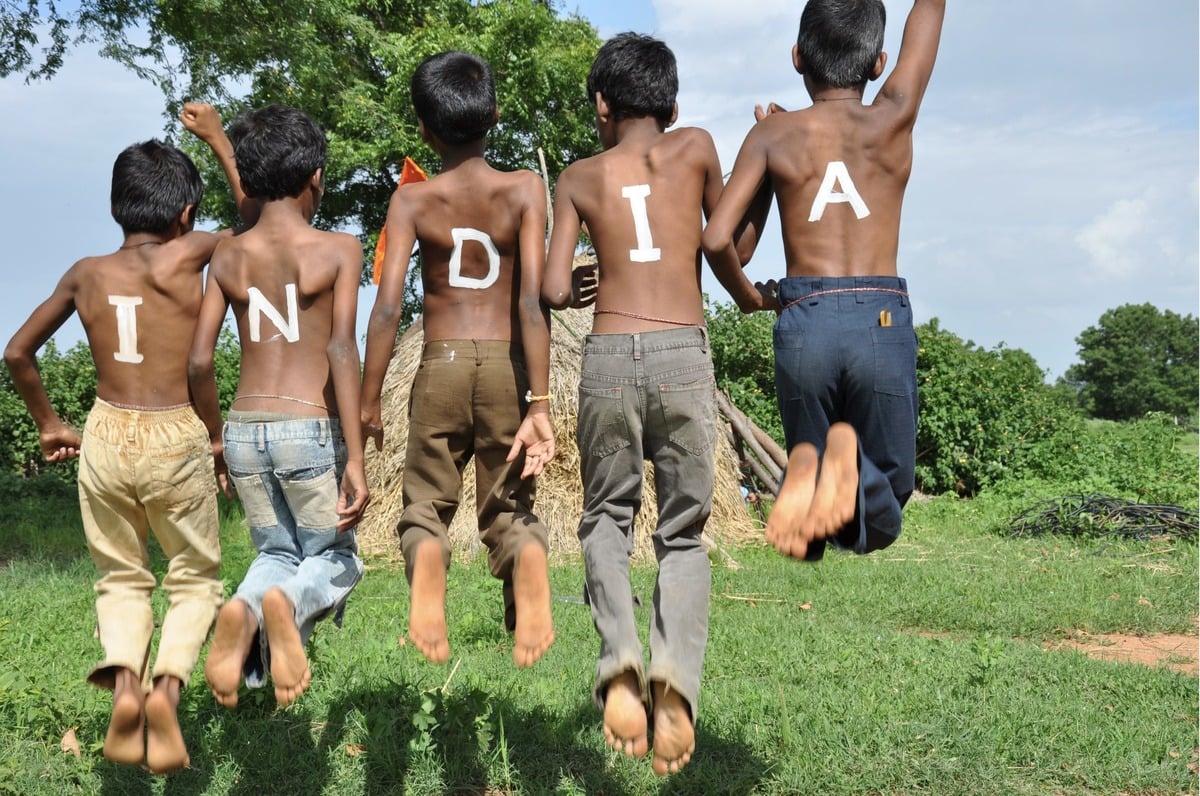
India’s dietary habits are undergoing a significant transformation, driven by urbanization, rising incomes, and greater health awareness. But are these changes leading to better nutrition—or just different food choices? According to the 2025 National Nutrition Survey, while calorie intake has improved in urban regions, undernourishment and micronutrient deficiencies persist in rural and marginalized communities. This blog takes a closer look at the mixed trends revealed in the newest nutrition data and explores whether India is truly embracing healthier eating habits or facing new dietary challenges in disguise.
The State of India’s Diet in 2025: Progress and Persistent Gaps
As the global conversation around nutrition intensifies, new insights into India’s dietary health are prompting both optimism and concern. In 2025, fresh datasets from open government sources, Right to Information (RTI) filings, and regularly updated platforms like POSHAN Tracker and the National Family Health Survey (NFHS) are giving researchers a deeper look into what Indians are really eating — and what it means for the country’s future.
Latest Nutrition Data: What the Numbers Show
According to the recently released statistics from the Ministry of Health and Family Welfare and curated datasets on India’s open data portal, there has been measurable progress in certain nutrition KPIs. For instance:
- Protein intake has improved in urban populations, particularly among the middle class and younger adults.
- Micronutrient deficiencies, like Vitamin A and iron, have reduced in key states due to targeted interventions.
- Diversity of food consumption has slightly increased nationwide, according to POSHAN’s updated District Nutrition Profiles.
Mixed Outcomes: What’s Working — and What’s Not
While data points towards several successes, the overall picture remains uneven. The “Eat Right India Scorecard” released earlier this year highlights that some regions are showing regressions in basic dietary indicators. High-profile newsletters such as India Nutrition Watch and coverage by The Hindu and Scroll.in have spotlighted several emerging concerns:
- Rural diets are still heavily dependent on carbohydrates, with limited access to fruits, vegetables, and proteins.
- Processed food consumption has seen a notable rise among adolescents, even in Tier 2 and Tier 3 cities.
- The data also reflects increased nutrition inequality between states, particularly between the North-Eastern and Southern regions.
Key Findings Making Headlines
Newsletter headlines summarizing pivotal findings include:
- “NFHS-6 Warns: Stunting Declines Not Uniform”
- “Food Security Improves, But Quality Remains Questionable”
- “RTI Data Exposes Nutrition Mission Gaps in Tribal Areas”
All of this highlights a critical truth: while India is making strides toward better nutrition, the journey is far from over — and new data is our most valuable guide forward.
Trendwatch: Emerging Nutrition Patterns in India
As India moves further into 2025, the way its people eat is evolving at an unprecedented pace. With urban lifestyles driving change, and awareness about health and wellness at an all-time high, new dietary movements are shaping how food is consumed across metro cities. But are these trends pushing the nation toward better nutrition—or simply creating a more complex food narrative?
Urban India’s Appetite for Health Trends
India’s urban populations are increasingly turning to specific dietary lifestyles in pursuit of better health, improved fitness, and overall wellness. Among the most prominent trends taking root in metropolitan areas are:
- Plant-based diets: From ethical vegans to health-first flexitarians, more Indians are reducing their meat intake and turning to plant proteins, dairy alternatives, and fruit-heavy diets. The rise of plant-based startups has made accessing these options easier than ever.
- Clean eating: With an emphasis on whole, unprocessed foods, clean eating is finding favor among health-conscious professionals and millennials. Labels like “organic,” “chemical-free,” and “farm-to-table” are strongly influencing food purchases.
- Keto and low-carb lifestyles: Popularized by fitness influencers and medical professionals alike, these diets are praised for their potential weight-loss and energy-boosting benefits. However, they often remain accessible mainly to urban mid- and high-income groups.
The Influence of Digital Media and Health Startups
Social media platforms—from YouTube to Instagram—are playing a pivotal role in shaping public perceptions around food. Influencers, especially certified nutritionists and lifestyle coaches, are leveraging their platforms to promote everything from intermittent fasting to ancient grains like millets.
Meanwhile, health-focused startups are capitalizing on this momentum by offering personalized diet plans, smart nutrition tracking apps, and meal subscription services tailored to specific fitness goals or medical needs. These innovations are driving accessibility, yet they largely cater to tech-savvy urban consumers.
Visualizing the Shift
Explore the Data: View our exclusive infographic capturing the most popular food trends in India for 2025, broken down by age group and city. From smoothie bowls to sattvic thalis, see what’s cooking across India’s top metros.
[Infographic Placeholder – “Top Urban Nutrition Trends in India, 2025”]
Despite the excitement around these shifts, critical questions remain. Are these trends creating a healthier India overall, or are they only benefiting those with access and privilege? The next sections explore how these trends compare with rural consumption and the broader national picture.
Changing Plates: Shifting Food Consumption Patterns in India
As India’s food landscape evolves, so do the habits of its people. The year 2025 reveals some intriguing trends as traditional eating patterns make way for modern lifestyles. Shifts in consumption, especially among urban and younger populations, are reshaping what — and how — Indians eat.
Home-Cooked Meals vs. Outside Food: A Changing Balance
Home-cooked meals have long been the backbone of Indian nutrition. However, recent nutrition data shows a gradual yet noticeable decline in their dominance, especially in urban households. Factors such as busier schedules, increased disposable incomes, and changing family structures are influencing meal preparation and consumption.
- Urban areas: Up to 38% of weekly meals are now sourced from outside the home—an increase from 28% in 2020.
- Rural areas: Home-cooked meals still dominate, but weekend eating out and street food consumption have risen by 12%.
While convenience is a key driver, there’s growing concern about the nutritional balance and calorie density of commercial food options.
Processed and Fast Food: A Youth-Led Surge
The influence of Western fast food chains and the expanding presence of convenience foods have led to an increased appetite for processed options—particularly among youth aged 16 to 30. This demographic is most affected by aggressive marketing campaigns and time constraints driven by education and work demands.
- Instant meals: Sales of packaged noodles, ready-to-eat curries, and frozen snacks have surged by 42% since 2022.
- Fast food culture: 1 in 3 urban youths reports eating fast food at least twice a week.
While these choices offer speed and taste, they often come at the cost of essential micronutrients and increased intake of unhealthy fats and sugars—an issue dietitians are increasingly raising alarms about.
Digital Delivery and Evolving Lifestyles
The rise of digital food delivery platforms has revolutionized access to food across Indian metros. The convenience of apps like Swiggy, Zomato, and Blinkit means that a diverse range of cuisine is available at the tap of a screen. However, this digital ease has also brought unintended nutritional consequences.
- On-demand dining: Weekly food deliveries have grown by 60% in the past three years among working professionals.
- Impulse ordering: 45% of users report ordering based on discounts or cravings rather than nutritional value.
Coupled with sedentary routines and reduced meal planning, these shifts highlight the growing disconnect between convenient food access and nutritional awareness. As India redefines its plate in 2025, the focus must turn toward balance — combining modern convenience with mindful, health-conscious choices.
Urban vs Rural Dietary Disparities: Two Nations on One Plate
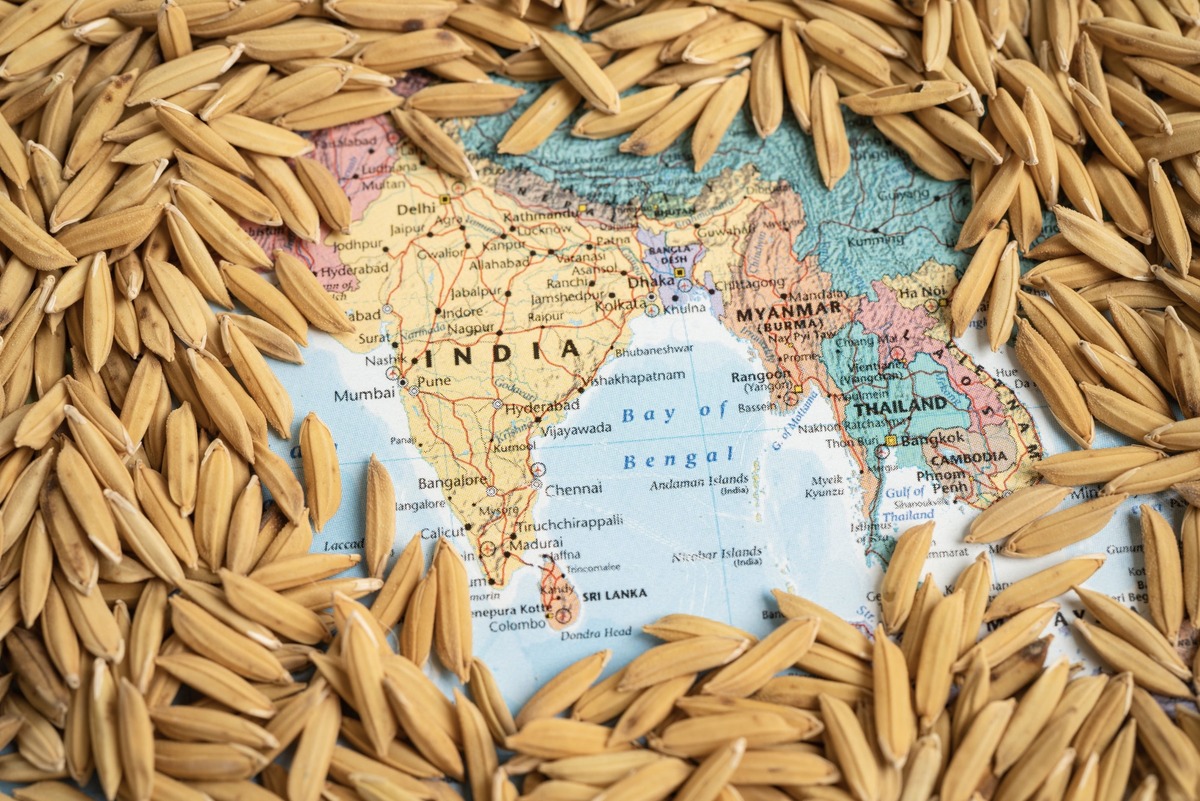
As India steps into 2025 with evolving nutrition trends, a stark divide remains clear—urban and rural populations aren’t eating the same, nor are they eating equally well. The question “Is India Eating Better?” can’t be answered without acknowledging the contrast between city dwellers and their rural counterparts.
Access to Nutrition: A Story of Contrasts
Urban India benefits from improved infrastructure, better logistics, and a wider availability of diverse foods. Supermarkets, organic options, and fortified products are within reach for many city consumers. Meanwhile, in many rural regions, access to even basic fruits and vegetables often remains limited. Supply chain gaps, poor storage facilities, and low-income levels add layers of difficulty to achieving dietary adequacy.
- Urban Areas: Increased access to processed and packaged foods, growing awareness of health trends, but also higher rates of sedentary lifestyles.
- Rural Areas: Heavily reliant on seasonal produce and local grains; protein and micronutrient deficiencies more common.
Food Quality and Affordability
While urban consumers may have more choices, affordability remains a limiting factor—especially in low-income city neighborhoods. On the other hand, rural households often fall back on inexpensive, carbohydrate-heavy staples due to cost constraints, resulting in imbalanced meals.
The intersection of food quality and cost highlights a quiet crisis: better food often comes with a higher price tag that many can’t afford—regardless of geography.
Local Efforts: The Role of NGOs in Rural Nutrition
Despite hurdles, there is hope on the horizon. Local NGOs and grassroots initiatives are actively working to bridge the urban-rural dietary gap. Through community kitchens, mobile nutrition clinics, and awareness toolkits, these organizations bring practical change to the dining tables of rural India.
- Toolkits developed in local languages educate families on balanced diets using available resources.
- Video interviews with field workers showcase successes in introducing iron-rich crops like millets and green leafy vegetables into daily diets.
Closing the nutrition gap between urban and rural India isn’t a quick fix—but understanding the disparity is the first step toward a more equitable food future. As we continue to assess whether India is eating better, this divide will remain a critical marker.
The Double Burden of Malnutrition: A Nation at a Nutritional Crossroads
India in 2025 finds itself grappling with a complex nutritional paradox — the rise of obesity and diet-related diseases in urban centers, alongside persistent undernutrition in many rural areas. This dual challenge, known as the “double burden of malnutrition,” underscores the uneven progress in the country’s dietary evolution.
Two Extremes, One Country: Obesity and Undernutrition Side by Side
Traditionally, malnutrition in India was synonymous with undernutrition — not getting enough calories, protein, or essential nutrients. But the latest nutrition data from 2025 paints a more nuanced and concerning picture. As economic growth and urbanization continue to shift lifestyles, many Indians are now overfed but undernourished, consuming high-calorie diets low in nutritional quality.
- In cities: Families are seeing increased rates of overweight individuals, especially among children and working adults. Excess consumption of processed and convenience foods has led to spikes in diabetes, cardiovascular diseases, and other lifestyle ailments.
- In rural regions: Children under five still face high levels of stunting, wasting, and micronutrient deficiencies. Inadequate access to diverse and nutritious foods remains a major barrier.
2025 Insights: Disparities Across Indian States
Data released this year by the National Institute of Nutrition reveals wide state-wise variations in malnutrition patterns:
- Maharashtra and Gujarat report increased childhood obesity rates in urban districts, with 1 in 5 children classified as overweight.
- Bihar and Odisha continue to report alarming rates of underweight children, with over 30% still below ideal weight-for-age standards.
- Karnataka presents a case of contrast, with Bengaluru showing high dietary diversity and rural districts registering persistent hunger indicators.
In the Headlines: A Tale of Two Realities
A recent article making headlines across national dailies — titled “Urban Families Fighting Obesity While Villages Still Battle Hunger” — captured this disparity vividly. It told the story of a Bangalore family adjusting their teenager’s diet after a pre-diabetes diagnosis, juxtaposed with a report from rural Chhattisgarh where tribal children go to bed hungry.
This snapshot reflects the broader narrative of where India stands in 2025 — caught between progress and persistent inequality. As we continue exploring whether India is truly eating better, the double burden of malnutrition remains one of the most critical challenges to overcome.
Undernutrition and Malnutrition: The Ongoing Challenge
The nutrition landscape in India has seen improvement in some areas, but undernutrition and malnutrition remain troubling, persistent issues. Despite advancements, not all communities have been able to access or afford balanced, nutrient-rich diets. Major national health surveys underline this reality—it’s time we address it head-on.
Wasting, Stunting, and Micronutrient Deficiencies: What the Data Says
The most recent data from the National Family Health Survey-5 (NFHS-5) and Global Nutrition Report 2024 tells us a deeply concerning story:
- Wasting—or low weight-for-height—affects 3% of children under five, putting India among the highest globally in this critical nutrition marker.
- Stunting—low height-for-age, an indicator of chronic malnutrition—impacts 5% of children in the same age group.
- Micronutrient deficiencies are widespread. Iron deficiency anaemia affects 57% of women of reproductive age and a staggering 67% of children aged 6–59 months.
These figures speak for themselves—basic nutritional needs are still not being met for large sections of the population, despite economic and technological progress.
Who’s Most at Risk?
Malnutrition doesn’t distribute itself evenly. Specific groups continue to be hit the hardest. Among the most vulnerable:
- Infants and young children: Their rapid growth makes them highly susceptible to the effects of nutrient deficiencies. Poor maternal nutrition before and during pregnancy worsens the outcome.
- Pregnant and lactating women: Their nutritional needs increase significantly, and deficiencies in this period are associated with a higher risk of birth complications and low birth weight.
- The elderly: Often overlooked in nutrition programs, older adults face issues such as reduced appetite, absorption difficulties, and lack of access to diverse foods, leading to deficiencies in vitamin B12, calcium, and protein.
In my work at Claudia’s Concept, I’ve seen how often societal norms and economic pressures silently deepen these inequities. Whether it’s teens skipping meals, mothers eating last, or elders being left out of nutrition decisions—these practices reflect more than just poverty; they reflect priorities that need to shift.
Government Response: Efforts and Gaps
India’s response to undernutrition has been layered and ambitious. Programs like POSHAN Abhiyaan, the National Nutrition Mission, and Integrated Child Development Services (ICDS) continue to play pivotal roles. These initiatives aim to improve nutrition through awareness, fortified foods, direct supplementation, and behavioural change communication campaigns.
However, challenges in implementation reduce impact. Field surveys reveal gaps in delivery of Take Home Rations at Anganwadi centres, stockouts in Iron and Folic Acid tablets, and underutilised growth monitoring tools. A 2023 audit by NITI Aayog suggested that only 30–40% of intended beneficiaries receive consistent services.
So here’s a question I often ask my clients and readers: Are we aiming for availability, or are we strategising for accessibility and adoption? There’s a big difference. At Claudia’s Concept, we’re working to bridge this gap through personalised nutrition education and sustainable habit formation—because policies are powerful, but behaviour decides outcomes.
Let’s not underestimate this challenge. Undernutrition isn’t a rural issue. It’s not an education issue. It’s a widespread issue of food systems, access, priorities, and knowledge. One that we can—and must—transform together.
Rising Obesity and Lifestyle Diseases: A New Health Crisis in India
As India’s nutritional landscape evolves in 2025, a troubling pattern is emerging alongside positive dietary shifts—an alarming spike in obesity and lifestyle-related diseases. New data reveals that while undernutrition remains a concern, overnutrition is quickly becoming a national health hazard, particularly in urban populations.
Soaring Numbers: The Growth of Non-Communicable Diseases
Recent nutrition and health reports highlight the steady rise in non-communicable diseases (NCDs) linked to poor diets and sedentary lifestyles. These include:
- Diabetes: Over 100 million Indians are currently living with diabetes, a figure that has doubled in the last decade.
- Hypertension: One in four urban adults now suffers from high blood pressure, often undetected and untreated.
- Cardiovascular Disease: India accounts for nearly one-fifth of global cardiovascular deaths, many preventable through better nutrition and exercise.
Urban Lifestyles and Their Health Fallout
India’s rapid urbanization has brought profound changes in daily living. Fast food, work-related stress, irregular eating habits, and screen-heavy routines contribute significantly to weight gain and metabolic disorders.
- Stress and lack of sleep are directly related to hormonal imbalances that promote fat storage.
- Reduced physical activity in urban centers—thanks to commuting, sedentary jobs, and limited recreational spaces—has created a nation less likely to burn excess calories.
- Consumer behaviorfavors convenience over nutrition, fueling the rise of ultra-processed foods in household diets.
Public Awareness and Digital Health Tools on the Rise
The good news? Public awareness around obesity and preventive health is showing signs of progress. An increasing number of Indians are turning to digital tools to track and manage their well-being.
- BMI calculators are helping individuals take the first step in assessing their weight status.
- Nutrition tracking apps are empowering people to make informed food choices and monitor caloric intake.
- Wearable devices and smart watches now allow users to keep tabs on physical activity and sleep—two key factors in obesity prevention.
However, these tools remain more prevalent in tier-1 and tier-2 cities, highlighting a gap in preventive healthcare infrastructure across rural regions.
The key takeaway: India’s rising rates of obesity and non-communicable diseases underscore the urgent need for nationwide lifestyle education and healthier, more accessible food systems. Nutrition is no longer just about preventing hunger—it’s also about preventing health risks tied to abundance.
Unequal Plates: Socioeconomic Factors and Food Inequality in India’s 2025 Nutrition Landscape
Behind the surface of national data and headline-grabbing statistics lies a more complex truth about India’s nutritional progress in 2025. Socioeconomic factors continue to dictate who eats well and who struggles to meet basic dietary needs. While some Indians are exploring superfoods and plant-based proteins, millions still rely on calorie-dense, nutrient-poor staples just to survive.
How Income and Education Shape Food Choices
Income remains one of the strongest determinants of dietary quality in India. Households in higher income brackets are better positioned to diversify their meals, incorporating fruits, vegetables, dairy, and proteins regularly. In contrast, low-income families often prioritize quantity over quality due to economic constraints, leading to unbalanced and repetitive diets.
Education also plays a critical role. Individuals with higher levels of education are more likely to understand nutritional information, interpret food labels, and make informed dietary choices. This knowledge gap is directly reflected in varied diet diversity between different educational and occupational classes.
The Influence of Caste and Social Hierarchies
Caste-based inequality still impacts access to food programs and resources in 2025. Marginalized communities, particularly scheduled castes and tribes, frequently report discrimination in mid-day meal schemes and public distribution systems. These systemic issues result in lower diet quality and higher rates of malnutrition among disadvantaged groups.
Changing Cultural Norms and Eating Practices
India’s vast cultural diversity brings a wide range of traditional diets. However, economic development and urbanization are rapidly reshaping these eating habits. While this evolution introduces nutritional opportunities, it can also mean the erosion of once-healthy local practices in favor of processed, convenience foods.
Still, many traditional diets—especially those rooted in regional pulses, millets, and fermented foods—are being re-embraced, spurred by a growing awareness of their health benefits. The revival of these ancestral foodways often depends on access to information and community-level nutrition education.
When Information is Power: Exposing Inequities Through Legal Action
In recent years, Right to Information (RTI) applications have played a transformative role in spotlighting food program shortcomings. Citizens and activists have used RTIs to uncover lapses in nutrition schemes, such as expired rations, meals failing to meet calorie standards, and missing food deliveries in remote areas.
- One 2025 RTI revealed that over 30% of anganwadicenters in a northern state lacked basic kitchen facilities.
- Another exposed ration stockpile discrepancies between official records and ground realities in tribal districts.
These disclosures not only hold institutions accountable but also push the conversation forward on how to address systemic inequality in food distribution and access.
The bottom line? India may be progressing toward improved national nutrition averages, but beneath those numbers lie deeply entrenched disparities. Socioeconomic status still largely determines who gets to thrive and who struggles to survive in the country’s shifting nutritional landscape.
Government Nutrition Programs and Policy Updates: Progress and Pitfalls in 2025
As India strives to answer the question “Is India Eating Better?” in 2025, government-led nutrition programs remain central to this national effort. From large-scale schemes like the Integrated Child Development Services (ICDS) to initiatives like the Mid-Day Meal Scheme and POSHAN Abhiyaan, these programs are both foundational and under constant scrutiny.
Revamping Core Nutrition Schemes
- ICDS (Integrated Child Development Services): In 2025, ICDS has expanded its reach, now covering over 90% of children under the age of six in rural areas. New data shows modest improvements in stunting and wasting rates among beneficiaries.
- Mid-Day Meal Scheme: With nutritional menus revised to include local, iron-rich produce, school enrollment and regular attendance in government schools have improved, especially among girls.
- POSHAN Abhiyaan: Though ambitious in its goal to reduce malnutrition by 2% annually, 2025 assessments reveal mixed results. Tech-based monitoring tools improved data collection, but on-ground implementation varies widely across states.
Budget Allocations and Transparency in 2025
The 2025 budget for central nutrition programs witnessed a 12% increase compared to the previous year. However, experts stress that funding is only part of the solution. Efficient utilization and reduction of leakage continue to be key areas of concern.
- Funding Priorities: A higher percentage of funds were earmarked for training Anganwadi workers and updating food storage infrastructure.
- State-Level Disparities: Resource allocation and usage transparency vary starkly between states, with southern states showing better outcomes due to stronger governance and monitoring.
Policy Accountability and Public Data Access
One of the defining features of nutrition governance in 2025 has been the increasing push for accountability. Civil society and digital activists are pressing for more open data and review mechanisms.
- Public Dashboards: New dashboards for POSHAN and ICDS data offer real-time updates on program implementation, though technical glitches remain a challenge.
- RTI and Social Audits: Right to Information (RTI) applications and domain-specific social audits have helped uncover inefficiencies and redirect policies in real time.
As programs evolve and adapt, the success of India’s nutrition strategy will depend not only on better policy design, but on more consistent enforcement, inclusive participation, and transparent reporting.
Revolutionizing Nutrition: Innovations and Tools Changing the Way India Eats
As India grapples with complex dietary challenges in 2025, innovation is stepping in to offer transformative solutions. From tech-driven diet tracking to AI-powered public health tools, the landscape of nutrition is evolving rapidly. These developments are not just trends — they’re instrumental in bridging the gap between awareness and action for millions of Indians.
Smartphone Apps and Digital Platforms: Nutrition at Your Fingertips
The proliferation of smartphones has enabled a surge in mobile apps designed to support healthier eating habits. These tools empower users with real-time feedback, custom meal plans, and nutritional insights tailored to Indian diets.
- HealthifyMe: A leading app that offers personalized nutrition coaching, calorie tracking, and fitness plans rooted in Indian food habits.
- MyFitnessPal (India edition): Though international, its tailored Indian interface now includes popular local foods, making calorie tracking more accurate.
- YuDi (Your Dietician): An emerging AI-based chatbot offering free diet consultations in regional languages to expand access across diverse communities.
Community Kitchens and Localized Nutrition Support
Beyond apps, grassroots initiatives like community kitchens are playing a vital role in addressing nutrition gaps, particularly in underserved rural and semi-urban regions.
- Amma Canteens and Indira Canteens: Low-cost meal programs in Tamil Nadu and Karnataka providing nutritionally balanced meals to low-income families.
- NGO-led Feeding Programs: Organizations like Akshaya Patra are scaling up tech-enabled logistics to serve mid-day meals with improved dietary value.
AI and Big Data in Nutrition Research
Cutting-edge academic research and policymaking are getting a high-tech boost in 2025 through AI and data collaboration. These tools are enabling deeper insights into consumption patterns across regions and demographics.
- Nutrition Atlas India: A government-supported AI platform analyzing vast dietary data to flag malnutrition hotspots and predict risk zones.
- Agri-nutrition Labs: Academic institutions are developing AI-powered food labs that analyze nutrient loss from farm to plate, informing better supply chain decisions.
- Behavioral Dashboards: Policy teams use real-time dashboards updated with consumer food behavior to design smarter interventions at scale.
Driving Collaboration: Academia Meets Policy
India’s fight for better nutrition is increasingly supported by partnerships between universities, public health experts, and government bodies. These cross-sector collaborations are advancing nutrition science and making policy more responsive.
- IITs and NIN (National Institute of Nutrition): Joint research projects are exploring culturally relevant superfoods to integrate into public feeding programs.
- NITI Aayog-Food Tech Think Tanks: This partnership is turning academic findings into actionable dietary policy and startup ideas, fostering innovation at scale.
The road to a healthier India may still be long, but with technology and innovation leading the charge, the future of nutrition is promising—and more inclusive than ever before.
So, Is India Truly Eating Better?
The answer isn’t a simple yes or no—it’s more nuanced, layered with progress, contradiction, and potential. India in 2025 sits at a nutritional crossroads, where promising advancements coexist with deeply rooted challenges. Some lights are green, others still flashing red. So, what does the data and daily reality reveal?
Signs of Encouragement That Deserve Applause
There’s plenty to celebrate. Dietary diversity has expanded in urban centers. According to NFHS-5 and the latest National Nutrition Monitoring Bureau reports, more Indians now eat micronutrient-rich foods like dairy, fruits, and pulses than they did five years ago. Urban grocery baskets, especially in metro cities, showcase greater inclusion of whole grains, millets, and lean proteins. That’s a real shift driven by both awareness and accessibility.
India’s policy innovations have also stepped up. The introduction of the Eat Right India movement and digital tracking tools under POSHAN Abhiyaan have nudged both citizens and food businesses toward more informed nutritional practices. At Claudia’s Concept, we’ve seen increased engagement among families ready to replace refined snacks with wholesome alternatives. This trend shows that when practical tools and education come together—action follows.
But the Warning Signs Are Loud Enough Not to Ignore
Rural households continue to face substantial obstacles—limited food variety, insufficient calorie intake, and lack of nutrition-centric healthcare access. Findings from the Global Nutrition Report and FAO suggest nearly 14.6% of India’s population is undernourished in 2025. That’s not just a number; it’s children missing cognitive milestones and adults suffering weakened immunity.
Meanwhile, India’s urban wellness wave has started revealing cracks. Obesity is rising at an alarming annual growth rate of 5.2% among adults. Non-communicable diseases, linked directly to poor dietary choices like high sugar and saturated fat consumption, are accounting for over 60% of premature deaths. So, while we’ve become more ‘health-aware’, we’re still battling the ‘quick-fix nutrition’ culture rampant on social media and pushed by marketing overload.
Nutrition Questions That Deserve Your Voice
- Are fortified foods truly reaching low-income households regularly or just being reported on paper?
- How do we close the urban-rural nutrition gap without relying only on centralised policy mechanisms?
- Can we shift the national mindset from weight obsession to wellness-focused eating?
- When do we finally tackle junk food promotion in children’s entertainment platforms?
These aren’t rhetorical; they need your engagement, your questions, and your choices. The truth is: India’s nutrition graph has both peaks and potholes. We’re eating some things better and skipping what still matters most.
So here’s where you come in. Amplify the conversation. Read labels. Support transparent food brands. At Claudia’s Concept, we’re constantly developing personalised, microbiome-friendly plans tailored to the Indian palate—and rooted in real science. Join us in giving nutrition the prime-time attention it deserves.
Because change won’t only come from policies or apps—it will emerge from a collective rethinking of what’s on our plate, who has access to it, and how it’s shaping our nation’s health story.