
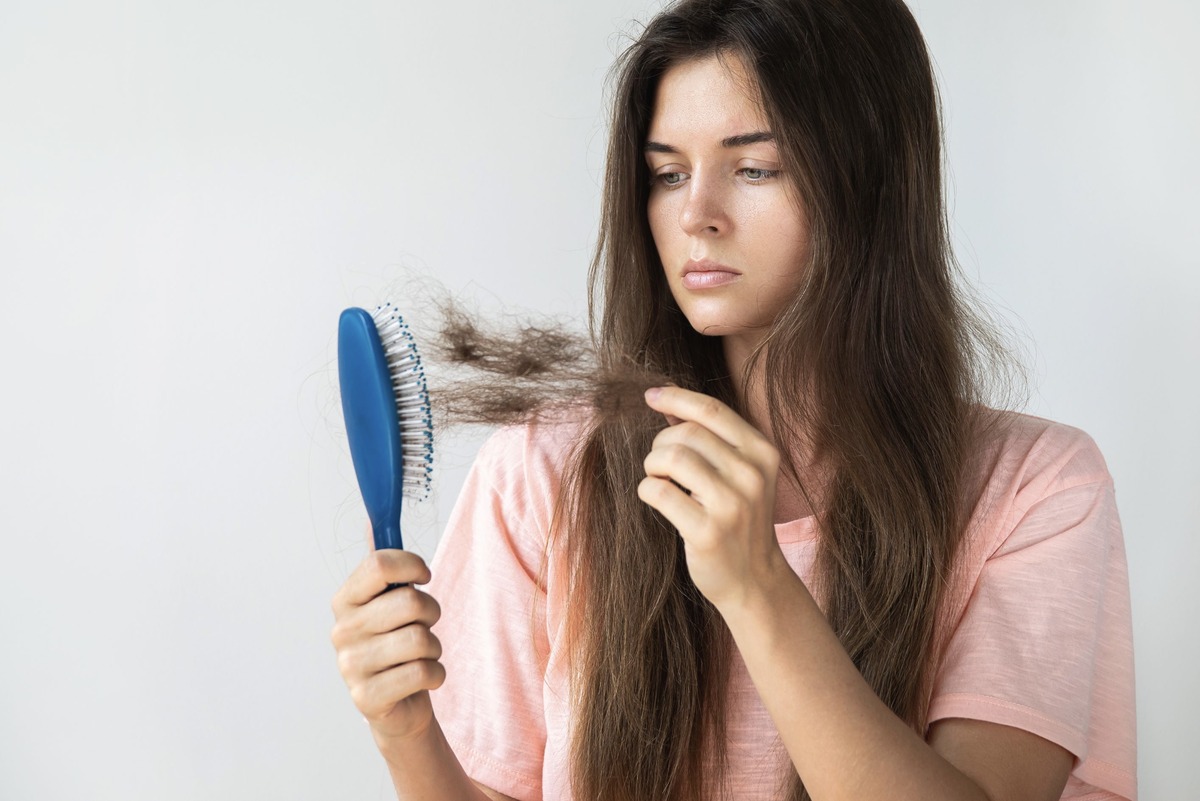
Luckily, protein isn’t hard to come by when you’re making mindful choices. Think lean chicken, fatty fish like salmon, protein-packed legumes, dairy, tofu, and eggs. When these foods become regulars in your meals, your hair responds. Over time, restoring your protein levels can reduce hair fall, strengthen the strands you have, and promote healthier growth cycles.
Ready to find out what other dietary mistakes could be sabotaging your hair health? Let’s unravel the science behind the strands you’re trying to save.
Iron Deficiency: Starving Your Hair Follicles of Oxygen
Let’s talk about one of the most underestimated causes of hair loss—iron deficiency. It’s not just about feeling tired or looking pale. When you’re low on iron, your hair follicles literally struggle to breathe. That might sound dramatic, but here’s the truth: iron is essential for transporting oxygen throughout your body, and your scalp is no exception. Without adequate oxygen, those hair follicles can’t function at their best—and weak follicles mean more strands in your brush and fewer on your head.
Iron: The Oxygen Courier for Your Scalp
Iron is a major component of hemoglobin, the protein in red blood cells that shuttles oxygen to every cell in your body. This includes the cells that make up your skin and hair follicles. When iron levels drop, oxygen delivery becomes compromised. And hair follicles—being energy-hungry structures—feel the impact first.
In one study published in the Journal of Korean Medical Science, researchers discovered significantly lower serum ferritin levels (a marker of iron stores) in women experiencing chronic hair loss compared to those with no hair issues. The takeaway? Iron deficiency and hair thinning are closely linked, especially among women of reproductive age.
Recognizing the Symptoms
Could iron deficiency be silently sabotaging your strands? Here are signs to look for:
- Chronic fatigue or unexplained tiredness
- Pale or sallow skin
- Brittle nails or ridges on the nail surface
- Noticeable hair thinning or shedding, particularly on the crown or temples
If these symptoms sound familiar, it’s time to take a closer look at your diet—and possibly your ferritin levels.
Eating for Iron—and for Lush Hair
The good news? Nourishing your body with iron-rich foods is straightforward. Depending on your dietary preferences, both plant-based and animal-based sources can do wonders. At Claudia’s Concept, we recommend integrating a variety of iron-loaded options like:
- Spinach – Surprisingly iron-rich and versatile, perfect for smoothies, stir-fries, or salads.
- Red meat – One of the most bioavailable iron sources, especially beef and lamb.
- Lentils – A fantastic protein-iron combo for vegetarians and vegans.
- Fortified cereals – Easy to include in the morning routine, offering a steady source of non-heme iron.
Boosting Absorption: The Power Duo of Iron and Vitamin C
Here’s something crucial I always emphasise at Claudia’s Concept: eating iron-rich foods is only half the formula. You also need to supercharge your body’s ability to absorb that iron. Enter vitamin C. When consumed together, vitamin C converts iron into a form that’s easier for your intestines to absorb.
Add bell peppers to your lentil curry. Pair your spinach salads with orange segments. Squeeze lemon over your grilled meats. These aren’t just tasty hacks—they’ll unlock more iron for your hair to thrive on.
Remember, your hair reflects your inner vitality. Feed your follicles with the oxygenation they crave by maintaining optimal iron levels, and you’ll see the results—less breakage, fuller volume, and lasting strength.
Crash Dieting: A Shortcut That Costs Your Hair
Tempted by the promise of rapid results, many people turn to crash diets hoping to shed pounds quickly. But what’s often ignored is the invisible cost—hair loss. Yes, that shiny magazine-cover shortcut can disrupt your body’s delicate nutritional balance and trigger a cascade of hair issues that aren’t quite as easy to reverse.
Crash diets typically involve severe caloric restriction and the elimination of entire food groups. While the scale may drop fast, so does the intake of essential nutrients—vitamins, minerals, and amino acids your scalp relies on for healthy hair function. Hair is composed primarily of keratin, a protein requiring consistent supply of amino acids from your diet. When those sources are suddenly cut off, your hair pays the price.
The Body’s Survival Response: Hair Growth On Hold
When you crash diet, your body perceives it as a threat—a form of physiological stress. In this survival mode, your system prioritizes vital organs like the heart, brain, and liver, while deeming non-essential functions such as hair growth expendable. As a result, hair follicles shift prematurely from the growth phase (anagen) to a resting phase (telogen), eventually leading to hair shedding. This type of hair loss, known as telogen effluvium, often appears two to three months after the initial diet shock.
Scientific evidence supports this. A study published in the Dermatology Practical & Conceptual journal in 2021 traced telogen effluvium to dietary imbalances—particularly crash diets and extreme weight loss—where nutrient storage becomes depleted, specifically of biotin, zinc, and fatty acids. Another study in Clinical and Experimental Dermatology highlights that caloric restriction disrupts hair growth cycles in both men and women by flattening metabolic performance and hormone distribution.
Sustainable Nutrition, Sustainable Hair
Extreme dieting may give you a temporary high, but trust me—it’s not a lifestyle, and certainly not sustainable for your body or your hair. At Claudia’s Concept, we focus on food as fuel, healing, and empowerment. A sustainable weight loss plan includes adequate protein, healthy fats, complex carbohydrates, and micronutrients. This isn’t a suggestion—this is the foundation for long-term health, vitality, and yes, glowing hair.
- Instead of cutting calories dramatically, focus on reducing empty calories from processed foods while nourishing your body with whole, nutrient-rich options.
- Incorporate plant and animal proteins consistently, ensuring your hair strands are supplied with the essential building blocks they need.
- Pair weight-loss goals with wellness strategies that protect hormone balance, metabolic health, and follicle function.
So next time you’re tempted by a “miracle” detox plan, ask yourself: are you sacrificing your hair for a short-lived number on the scale? Real transformation begins when you fuel your body rather than deprive it. The freedom from reckless dieting is the doorway to freedom from preventable hair problems. Let’s choose nourishment over numbers.
And remember, with Claudia’s Concept, the goal isn’t just a thinner you; it’s a thriving, radiant, whole you.
Vitamin D Deficiency: The Sunshine Vitamin You Can’t Skip
Ever noticed how your hair feels thinner after long winters or months spent indoors? That’s no coincidence. As a celebrity nutritionist and founder of Claudia’s Concept, I’ve worked closely with countless clients who struggled with hair loss, only to discover that a simple nutrient—vitamin D—was missing from their routine.
Why Vitamin D Matters for Your Hair
Vitamin D plays a fundamental role in hair follicle cycling and regeneration. It acts as a signaling agent for hair follicle differentiation, which means it can actually “wake up” dormant follicles. According to a 2019 review in the journal Dermato-Endocrinology, vitamin D receptors in the scalp are essential for creating new hair shafts and initiating the growth (anagen) phase of the hair cycle.
In simpler terms: without adequate vitamin D, hair follicles struggle to function properly, leading to thinning and even permanent hair shedding over time. This isn’t a vague correlation — it’s a direct biochemical link backed by scientific evidence.
Are You Getting Enough?
Vitamin D deficiency is more widespread than many realise. With modern lifestyles, many of us spend most of our time indoors. Combine that with sunscreen use, air pollution, and skin pigmentation — which influences cutaneous synthesis of vitamin D — and getting enough of this nutrient from sunlight alone becomes challenging.
The body naturally produces vitamin D when exposed to sunlight, but you need roughly 15 to 20 minutes of direct sun exposure daily — ideally on bare skin, without sunscreen, between 10 AM and 3 PM. Unfortunately, that’s often more fantasy than reality in many busy schedules.
Telltale Signs of Deficiency
Hair thinning is only one piece of the puzzle. If you experience any of the following symptoms alongside hair changes, it’s time to take a closer look at your vitamin D levels:
- Persistent fatigue, especially with no clear cause
- Aching bones or frequent muscle weakness
- Decreased immunity and sluggish recovery from illness
A 2013 study in the Skin Pharmacology and Physiology journal observed that vitamin D levels were significantly lower in individuals experiencing hair loss compared with healthy controls. Several other studies reaffirm that low vitamin D levels are conspicuously common in patients with telogen effluvium and alopecia areata.
How to Rebuild Your Levels
Now here’s the empowering part — restoring your vitamin D status doesn’t demand monumental change. You can start small:
- Soak in the sun mindfully: Prioritise 15 minutes of sun exposure daily, especially on arms, legs, or face.
- Add fortified foods: Look for cereals, plant-based milks, and juices labeled “vitamin D fortified.”
- Include fatty fish: Salmon, mackerel, and sardines offer some of the highest natural vitamin D content.
- Use supplements wisely: If needed, a physician-guided vitamin D3 supplement — often cholecalciferol — can quickly restore levels.
Through Claudia’s Concept, I often guide clients in crafting a tailored lifestyle plan that integrates sun care, nutrient-dense foods, and targeted supplementation. The results? Stronger roots, fuller volume, and a visible shift in scalp health within weeks. Hair that previously felt dull and lifeless begins to regain shine and strength — and it all starts with this powerful, often-overlooked vitamin.
Look at your day — where can you make space to reconnect with the sun and nourish your body’s vitamin D stores? The answers tend to be simpler than we think.
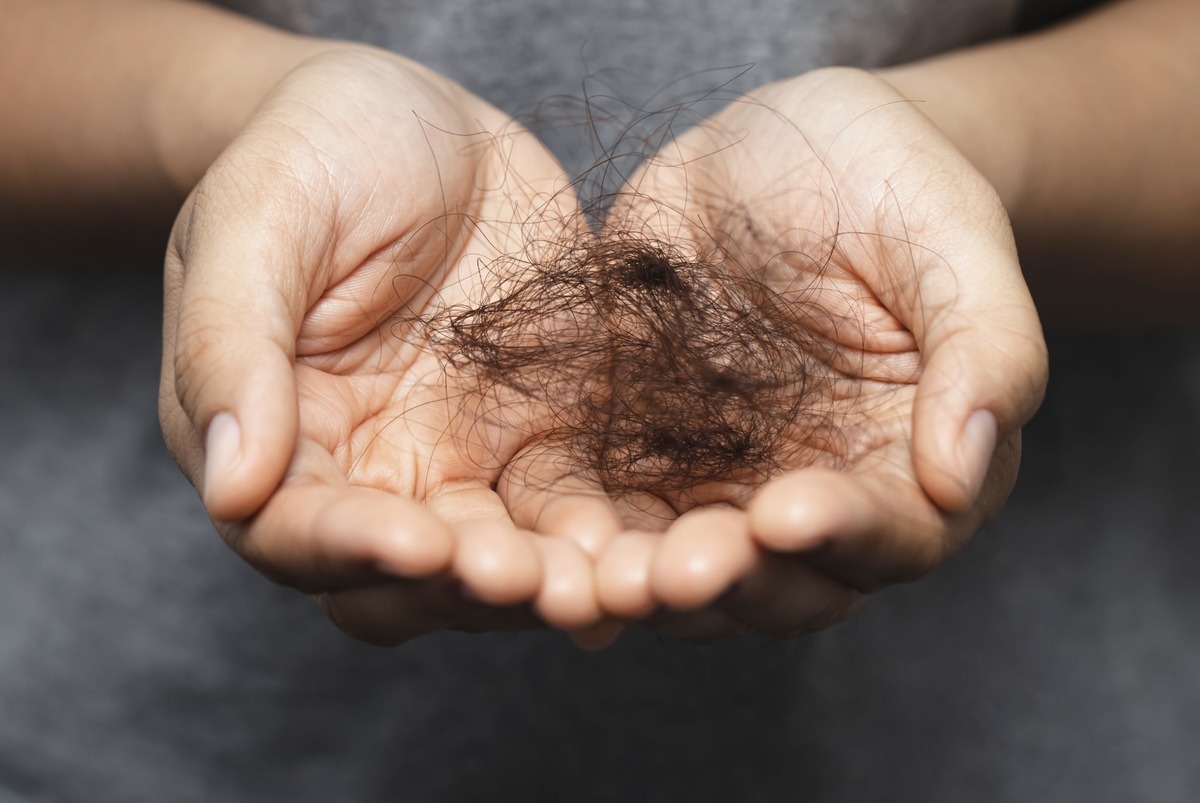
Poor Hydration: Dry Hair and Dry Scalp Go Hand-in-Hand
Ask yourself this — do you pay as much attention to your hydration as you do to your meals? If the answer is no, you’re not alone. Many people focus heavily on what they eat but overlook what they drink, and that silent oversight can wreak havoc on hair health. In my work with Claudia’s Concept, I see this surprisingly often: beautifully planned diets that fall short simply because water wasn’t made a priority.
Here’s the science of it. Water serves as the primary transport medium in the body — it delivers vital nutrients to every cell, including the ones in your scalp and hair follicles. Proper hydration ensures that hair roots receive amino acids, minerals, and vitamins efficiently. When you’re dehydrated, that transport system slows, and your hair is among the first casualties.
Research published in the International Journal of Trichology highlights the correlation between chronic dehydration and damaged hair structure. Hair fibers tend to become more brittle, split ends appear sooner, and the scalp’s natural oil balance is disrupted. Without adequate moisture, the skin on your scalp can flake, itch, and become more prone to inflammation — which ultimately compromises growth.
Here’s a breakdown of what happens when you don’t keep your fluid intake on track:
- Brittle Strands: Dehydrated hair lacks natural elasticity, making breakage far more common during brushing or styling.
- Flaky Scalp: Reduced sebum production leads to dryness and dead skin buildup — a clear sign you’re not hydrating enough.
- Stunted Growth: Your follicles go into energy-saving mode, slowing down new strand formation due to reduced nutrient delivery.
The mistake? Thinking good nutrition begins and ends with your plate. In reality, what fills your glass matters just as much. At Claudia’s Concept, hydration is integrated into every wellness plan because no nutrient will reach its target effectively if the highway — your bloodstream — is dry.
So, how to fix it? Start with mindful tracking. Aim for at least 2.2 to 3 liters of fluids per day, but let your personal needs, activity levels, and environment guide the final number. Add water-rich foods like cucumber, zucchini, tomatoes, oranges, and watermelon to your meals — they act as delicious add-ons to your liquid intake. Cut down on diuretics like caffeine and alcohol that dehydrate your system more than they hydrate it.
And pay attention to how you feel. Are you constantly tired mid-day? Is your skin looking a little lackluster? Are there more hairs in your brush than you’re used to seeing? These subtle signs often point back to one thing: inadequate water intake.
The truth is this — when hydration levels rise, energy improves, skin glows, and hair starts behaving the way it was always meant to: strong, smooth, and radiantly healthy. Hydrate first. Your follicles will thank you for it.
Excessive Vitamin A: Too Much of a Good Thing
Vitamin A plays a role in maintaining a healthy scalp and supporting the function of skin glands that produce sebum – the natural oil conditioning your scalp and strands. But here’s the twist: more isn’t always better. When consumed in excess, vitamin A doesn’t amplify its benefits – it disrupts your body’s balance and can trigger sudden hair loss.
Let’s unpack how that happens.
The Surprising Link Between High Vitamin A and Hair Thinning
Excessive intake of vitamin A – medically termed hypervitaminosis A – can send your hair follicles into overdrive initially, pushing them into the shedding phase (telogen) prematurely. This results in increased hair fall, sometimes quite noticeable and distressing. The more the imbalance builds, the more it impacts your scalp’s health and follicle activity.
In most cases, this excess stems from over-supplementation. High-dose multivitamins, prescription medications like isotretinoin (commonly used for acne), or uninformed use of concentrated capsules can push your intake far beyond the recommended daily allowance (RDA). According to the National Institutes of Health (NIH), the adult upper intake level for preformed vitamin A (not beta-carotene) is 3,000 mcg RAE (10,000 IU) per day. Surpassing this threshold consistently increases the risk of adverse effects, including hair loss.
Recognising the Telltale Signs
How do you know if you’ve crossed the line from helpful to harmful? The early symptoms of vitamin A toxicity include:
- Nausea or digestive upset
- Persistent headaches
- Dry, peeling skin
- Unexplained, sudden hair thinning
If these symptoms sound familiar and you’re taking supplements without professional guidance, it’s time to pause and reconsider.
Claudia’s Concept: Trusting Food First, Always
At Claudia’s Concept, I encourage a food-first approach. Your body absorbs and utilises nutrients more efficiently when they come from natural sources rather than synthetics. For vitamin A, that means incorporating foods rich in beta-carotene – the plant-based precursor to vitamin A your body converts safely. Think sweet potatoes, carrots, spinach, and cantaloupe. These give your body control, as it only converts what it needs, preventing overload.
If a supplement is necessary, perhaps due to a diagnosed deficiency, always make that decision in consultation with a certified nutritionist or healthcare provider. Being proactive about your dosing will protect more than your hair – it safeguards your internal systems and hormonal balance.
Remember, balance is beauty – inside and out. And when in doubt, turn to real food, guided science, and trusted wellness frameworks like those at Claudia’s Concept.
Processed Foods Are Damaging Your Hair More Than You Think
If you’ve been feeling frustrated by dull strands, thinning edges, or an uncomfortable dry scalp, it’s time to inspect what’s really on your plate. A diet high in processed foods and low in healthy fats quietly sabotages your hair from the inside out. And the consequences show up strand by strand. At Claudia’s Concept, we look at every layer of nutrition—because strong, radiant hair begins deep within your cells, not just at the root.
Why Processed Foods Hurt Your Hair
Let’s speak plainly—processed foods aren’t just empty calories. They are often overloaded with refined sugars, trans fats, and excessive sodium. These components trigger systemic inflammation and oxidative stress, both of which disrupt healthy blood flow and nutrient delivery to the scalp. The result? Starved follicles that can’t sustain growth.
Research published in the journal Cell Reports (2021) found that high-sugar and high-fat diets led to a reduction in hair follicle stem cell activity in mice, causing hair thinning and increased shedding. That’s not theory—it’s biology in action. When we feed our body inflammatory compounds, the scalp reacts swiftly through redness, itching, dryness, and poor follicular health.
- Refined Sugars: Cause insulin spikes, which influence androgen hormones known to shrink hair follicles.
- Trans Fats: Lower HDL (good) cholesterol and raise triglycerides, reducing circulation to the periphery, including the scalp.
- High Sodium: Dehydrates cells, leading to dry, brittle strands prone to breakage.
Healthy Fats: The Silent Superpower for Lush Hair
Now, let’s pivot to nourishment. At Claudia’s Concept, we emphasize delicious, nutrient-dense meals that enhance natural beauty—including your locks. Omega-3 fatty acids, found abundantly in fatty fish like mackerel and salmon, as well as in walnuts, flaxseeds, and chia seeds, deliver a dual benefit: they reduce inflammation and support the scalp’s lipid barrier.
A clinical trial published in Journal of Cosmetic Dermatology (2015) tracked 120 women with hair thinning over six months. The group receiving omega-3 and omega-6 supplementation saw a 62% increase in hair density and a 71% drop in active hair loss episodes compared to placebo. Isn’t that fascinating?
When healthy fats are consistently part of your diet, you nourish the skin on your scalp, boost sebum production for natural hydration, and ensure each strand reflects a natural, healthy shine. This isn’t indulgence—it’s targeted, smart nutrition that makes a difference you can see in the mirror.
It’s Time to Free Yourself
Just imagine this shift: moving away from processed, packaged fare to whole foods like smashed avocados on seeded sourdough, a crunchy almond snack, or grilled salmon with roasted beets. That’s how you liberate not only your body—but your hair—from the grip of inflammation and imbalance. Better hair. Better life. That’s the promise of nourishing transformation at Claudia’s Concept.
So, what’s one processed food you’re ready to ditch today? And what healthy fat will you nourish your scalp with instead? Your hair is waiting.
Nourish Your Body, Protect Your Hair: A Fresh Start for Lasting Hair Health
Pause for a moment and think—could your diet be sabotaging your hair growth without you even realizing it? Through my work at Claudia’s Concept, I’ve seen countless clients unknowingly fall into the same nutrition pitfalls. These seemingly harmless habits slowly chip away at your hair health until, one day, the thinning becomes too obvious to ignore.
You’ve made it through the list. Let’s quickly revisit the seven dietary missteps that could be standing between you and lush, healthy hair:
- Low protein intake deprives hair follicles of the very building blocks—keratin—they need to grow strong.
- Iron deficiency hinders oxygen delivery to the scalp, literally starving your follicles and halting growth.
- Crash dieting suddenly changes your nutritional intake, putting your body into stress mode and triggering hair fall.
- Lack of vitamin D interferes with the hair cycle and weakens the follicles.
- Inadequate water intake contributes to a dry, flaky scalp and brittle strands.
- Too much vitamin A can push hair follicles into a shedding phase far too early.
- A diet heavy in processed foods and poor in healthy fats triggers inflammation and weakens the scalp environment.
Hair isn’t separate from the rest of your body—it responds directly to your nutrition. When your cells are nourished, your skin glows, your energy soars, and yes, your hair thrives. You can’t separate inner health from outer beauty, and at Claudia’s Concept, we emphasize this connection every single day.
Take a moment today and assess your eating habits. Are you unintentionally skipping iron-rich meals? Have processed snacks pushed out nutrient-dense foods from your daily plate? Awareness is the first step to transformation. When you make better food choices, you don’t just support your hair—you energize your entire system.
Consistent nutrient intake leads to consistent hair growth. As simple as that. When your body doesn’t need to fight deficiencies, it can redirect energy toward repair, regeneration, and balance. Even small adjustments—like adding an egg to breakfast or switching from soda to coconut water—can produce visible results within weeks.
Your reflections now can shape your confidence tomorrow. Imagine brushing your hair without seeing strands in the sink. Imagine feeling radiant, from roots to tips. That reality begins with decisive, informed steps—starting today.
Ready to take action? Download your free “Hair-Friendly Foods Cheat Sheet” to simplify grocery shopping. And if you’re looking for regular nuggets of inspiration, nutrition facts, and hair care insights, subscribe to Claudia’s Concept monthly newsletter. Let your hair mirror the wellness within.