
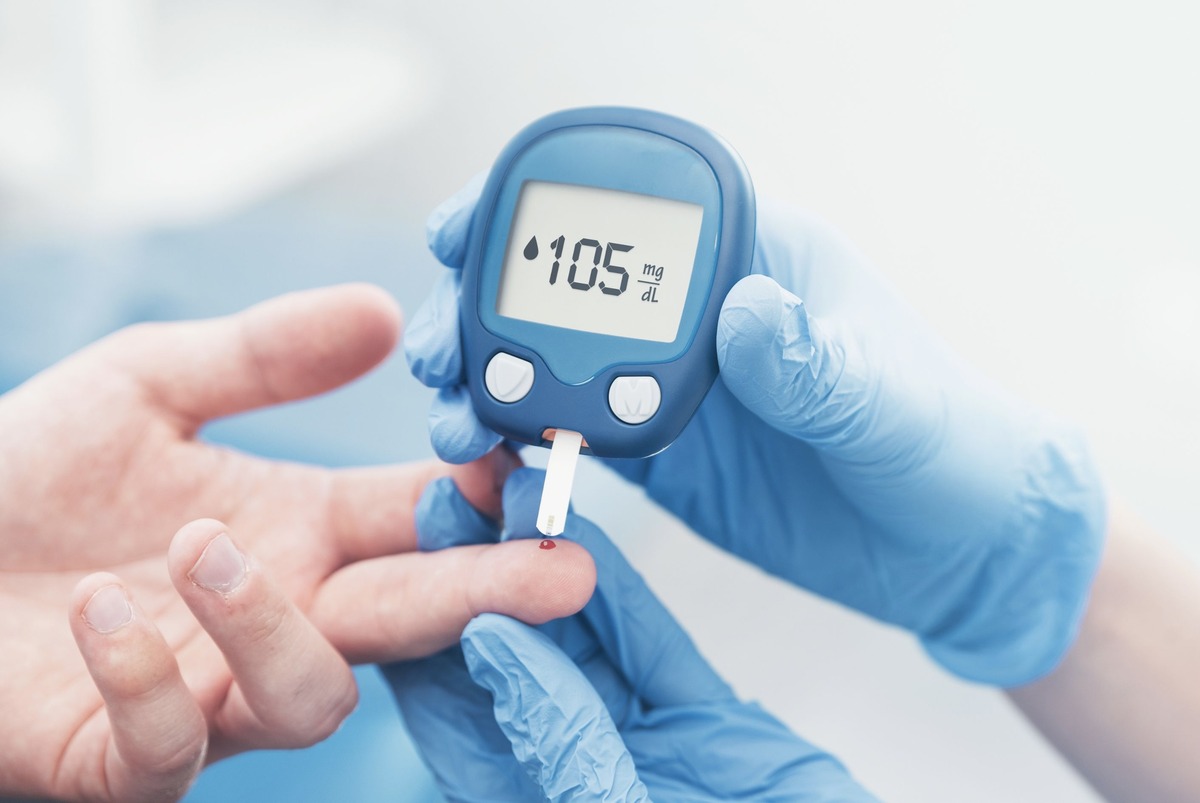
Why does this matter? Because in countries like India — where rapid urbanisation, fast food culture, and malnutritive diets intersect — this form of diabetes is becoming alarmingly common. The connection between micronutrient depletion and disrupted insulin function can no longer be ignored.
In today’s post, I’m breaking down the science-backed insights behind this growing concern. We’ll explore how overlooked deficiencies in vital nutrients are fuelling this new diabetes subtype, and how we at Claudia’s Concept can help reverse this trend with evidence-driven, nutrient-focused strategies. Is your modern diet working for you — or against you? Let’s unravel the truth.
Understanding Type 4 Diabetes: An Emerging Subtype
What Exactly Is Type 4 Diabetes?
For decades, we’ve classified diabetes according to three primary categories — Type 1, Type 2, and Type 3 (the latter associated with Alzheimer’s disease). But now, a fourth type has officially entered the spotlight. Type 4 diabetes is a newly recognized subtype that shifts our understanding of how metabolic disorders take root, especially in individuals who don’t fit the traditional risk profile.
Unlike Type 2 diabetes, which typically links insulin resistance with obesity, Type 4 diabetes emerges in lean individuals. Yes, you read that right. People who are not overweight and maintain a seemingly healthy BMI can still develop insulin resistance under this category. This makes Type 4 diabetes uniquely challenging to diagnose under standard protocols, as practitioners often overlook diabetes in the absence of obesity.
“Lean Diabetes”: A Deceptive Presentation
One of the striking characteristics of Type 4 diabetes is what researchers now call “lean diabetes.” This term refers to individuals who appear slim but exhibit clear markers of insulin resistance, glucose dysregulation, and systemic inflammation. How does this happen? The answer lies deeply embedded in chronic physiological processes rather than external body fat alone.
Type 4 diabetes highlights that metabolic dysfunction can exist independently of body weight. At Claudia’s Concept, we focus heavily on these hidden biomarkers and encourage people to stop relying solely on weight as a measure of wellness. Internal inflammation, micronutrient levels, and insulin sensitivity are far more telling indicators of metabolic health.
Inflammation and Aging as Root Causes
Two primary culprits drive the onset of Type 4 diabetes: chronic low-grade inflammation and the biological progression of aging. A growing body of evidence identifies that as people age, their cells lose sensitivity to insulin even in the absence of overt disease. This is especially true when chronic inflammation is present. Aging tissues respond less effectively to insulin, and inflammatory cytokines exacerbate this resistance.
A 2015 study published in Nature Medicine described how an accumulation of certain T-cells in adipose tissue (even in lean individuals) leads to persistent inflammation and disrupts glucose metabolism. These findings give us strong reason to widen the clinical lens and also reinforce the unique approach we use at Claudia’s Concept, where inflammation is treated with equal seriousness as blood sugar levels.
The Journey to Recognition: Global Consensus and Indian Research
The path to formally recognizing Type 4 diabetes has been a global, multi-decade effort. Endocrinologists in Europe, the United States, and Japan began observing diabetes-like symptoms in non-obese elderly populations as early as the 1990s. But it was in India that crucial evidence began taking shape in a structured manner.
In 2017, a pivotal paper from the All India Institute of Medical Sciences (AIIMS), New Delhi, spotlighted a consistent pattern of insulin resistance in older individuals with a healthy BMI. Collaborations with the Indian Council of Medical Research (ICMR) followed, eventually leading to classification of Type 4 diabetes as a formal subtype in journals such as The Lancet Diabetes & Endocrinology by 2020.
This recognition has profound implications. For Indian clinicians and nutrition specialists like myself, it validated what we had long observed — a growing number of ‘non-traditional’ diabetic cases among our aging, non-obese population. At Claudia’s Concept, we’ve continuously advocated for a rethinking of metabolic risk factors in lean individuals, pushing for tailored nutrition solutions that reflect this updated framework.
Time to Rethink Risk and Redefine Wellness
So, what does this mean for you? If you consider yourself healthy because you’re slim, it’s time to look deeper. Type 4 diabetes teaches us an important lesson: wellness isn’t skin deep. Our lifestyle, food habits, and even low-level inflammation are far more indicative of long-term health than outward appearance.
As diagnostics evolve and clinicians widen their criteria, the earlier we act, the better. And that action begins with holistic, personalized lifestyle strategies rooted in scientific nutrition — exactly what we focus on at Claudia’s Concept.
Now that we understand what Type 4 diabetes is, let’s explore how nutritional deficiencies can ignite it from within.
The Overlooked Connection: Nutritional Deficiencies Fuelling Type 4 Diabetes
Nutritional Deficiencies in High-Risk Groups: A Silent Catalyst
In clinical practice and research, one striking observation has emerged across populations vulnerable to Type 4 diabetes: chronic micronutrient deficiencies. Among the most prevalent are deficiencies in vitamin D, vitamin B12, magnesium, and iron. These nutrients aren’t auxiliary — they are central to metabolic harmony. Low intake or poor absorption has been repeatedly linked to disruptions in glucose metabolism, insulin signalling, and immune regulation.
Let’s consider vitamin D. It’s more than a bone-health vitamin. Studies published in the Journal of Clinical Endocrinology & Metabolism show that individuals with serum 25(OH)D concentrations below 50 nmol/L had a 49% higher risk of diabetes progression. Vitamin D receptors are found in pancreatic beta cells, and low levels derail both insulin secretion and sensitivity. Similarly, vitamin B12 deficiency—which affects up to 40% of vegetarians according to a 2021 study in the Indian Journal of Medical Research—can impair mitochondrial function. This results in elevated homocysteine levels, which disturb glucose transport and increase oxidative stress. These are not theoretical pathways; they are disruptions I regularly see in clinical assessments at Claudia’s Concept.
Micronutrients Directly Influence Pancreatic Function
The pancreas is exquisitely sensitive to nutrient status. For instance, magnesium — required for over 300 enzymatic reactions — plays a pivotal role in insulin receptor function. Research in Diabetes Care found that even marginal magnesium deficiency reduces insulin sensitivity by up to 25%. Magnesium’s role doesn’t stop at glucose uptake. It supports the phosphorylation reactions that activate insulin receptors, maintaining glucose transport across cellular membranes.
Iron, paradoxically, is another dual-edged nutrient. While deficiency can impair ATP synthesis in insulin-producing cells, excess iron contributes to beta-cell toxicity through oxidative mechanisms. The key? Balance. At Claudia’s Concept, our tailored protocols ensure optimal levels—not just supplementation.
Cellular-Level Impacts That Set the Stage for Type 4 Diabetes
On the cellular level, nutrient deficits disturb homeostasis long before glucose irregularities appear on a lab report. Deficiencies in B-vitamins, magnesium, and vitamin D increase oxidative stress, reduce mitochondrial efficiency, and activate pro-inflammatory gene pathways. These mechanisms collectively trigger what endocrinologists term “metaflammation”: a constant, low-grade inflammatory state tied specifically to metabolic dysfunction. One fascinating study from Nature Reviews Endocrinology illustrates how a deficiency in magnesium modulates cytokine production—leading to chronic inflammation and signaling pathways that desensitize insulin receptors. The impact isn’t transient. It’s progressive, and when combined with sedentary lifestyles and processed diets, it paves a clear path toward Type 4 diabetes manifestation. Here’s the reality: Nutritional deficiencies aren’t just side-effects. They are root causes. And in our work at Claudia’s Concept, addressing these deficiencies with precision is transforming outcomes for those at risk of this newly recognized diabetic subtype.
Key Nutrients at the Center of the Crisis
When people think of diabetes, sugar often dominates the conversation. But in recent developments, science is pointing not just to what we’re eating too much of — like refined carbs — but also what we’re lacking entirely. At Claudia’s Concept, I emphasize that holistic health isn’t just about what you eliminate from your plate; it’s about what you restore. And in the case of the newly recognized Type 4 Diabetes, several nutrient deficiencies are emerging as contributing factors. Let’s take a closer look at the nutrients steering this crisis.
Magnesium: The Forgotten Powerhouse in Insulin Function
Magnesium is quietly running the show in numerous metabolic processes, yet an estimated 50–60% of adults in India do not meet the recommended dietary intake, according to ICMR-NIN guidelines. Why does this matter for diabetes? Because magnesium directly affects insulin secretion and sensitivity. It acts as a cofactor for enzymes involved in carbohydrate metabolism and insulin signal transduction.
In a 2021 meta-analysis published in Diabetes Care, individuals with higher magnesium intake had a 22% lower risk of developing Type 2 Diabetes. With Type 4 Diabetes, driven by micronutrient inadequacies, this mineral becomes even more critical. Low levels disrupt insulin receptor activity, impair glucose uptake in cells, and lead to elevated blood sugar over time.
Magnesium-rich foods like pumpkin seeds, leafy greens, legumes, and whole grains should be regular staples. At Claudia’s Concept, I often recommend including soaked almonds and chia seeds to bridge common magnesium gaps with ease.
Vitamin D: A Hormonal Regulator, Not Just a Bone Protector
Vitamin D is another player whose role extends far beyond calcium absorption. It functions like a hormone and binds to vitamin D receptors (VDRs) present in pancreatic beta cells and immune cells. These VDRs directly influence insulin secretion and inflammation modulation — two processes central to the onset and progression of Type 4 Diabetes.
A 2020 report in The Journal of Clinical Endocrinology & Metabolism found a significant inverse association between serum 25(OH)D concentrations and the risk of developing diabetes. Individuals with a deficiency had markedly higher insulin resistance. This is particularly concerning in India, where over 70% of urban populations are estimated to be vitamin D deficient despite ample sunlight. Why? Lifestyle changes, indoor work environments, pollution, and a lack of dietary sources all contribute.
Salmon, egg yolks, and fortified foods are good sources, but targeted supplementation may be necessary in certain cases — something we tailor personally at Claudia’s Concept after nutrient profiling.
Iron and B Vitamins: Fueling the Mitochondria
Type 4 Diabetes doesn’t unfold overnight. It’s often a metabolic unraveling that begins at the cellular level — specifically inside the mitochondria. Iron and B vitamins (particularly B1, B6, B9, and B12) are linchpins in mitochondrial energy metabolism.
Iron facilitates oxygen transport to cells and aids in energy production. Without adequate iron, glucose oxidation slows down, leading to inefficient energy use and elevated blood glucose. At the same time, B vitamins play essential roles as enzymatic co-factors in the Krebs cycle, glucogenesis, and ATP synthesis.
In a 2018 study published in Frontiers in Endocrinology, individuals with low levels of B vitamins, especially B12, demonstrated a higher risk of impaired fasting glucose and insulin resistance, compounded by low iron stores. The interplay is complex but clear: these nutrients directly affect how the body processes and utilizes glucose at the cellular level.
- Vitamin B1 (thiamine): Crucial for carbohydrate metabolism; low levels have been linked to increased oxidative stress in diabetic patients.
- Vitamin B6: Supports amino acid metabolism and maintains nerve health, often compromised in diabetes.
- Vitamin B9 (folate) and B12: Together, they regulate homocysteine levels — an inflammatory marker elevated in metabolic disorders.
We can’t overlook this synergistic deficiency pattern. At Claudia’s Concept, we include micronutrient testing as part of a comprehensive metabolic assessment to design therapeutic diets that replenish what the body is lacking.
The Link Is Clear
Scientific correlations are now undeniable. Deficiencies in magnesium, vitamin D, iron, and B vitamins aren’t just nutritional footnotes — they are central to the narrative of Type 4 Diabetes. The body doesn’t malfunction spontaneously; it breaks down when its essential components are consistently under-supplied.
So ask yourself: Are your cells being nourished or merely being fed? It’s time we looked beyond calories and macros. Nutrients are messengers, catalysts, and guards at the gate of metabolic health. Once you begin to address these hidden imbalances, healing isn’t just possible — it’s inevitable.
India’s Unique Vulnerability: Nutrition and Lifestyle Factors
India stands at a critical junction when it comes to diabetes—and the newly recognized Type 4 diabetes intensifies this concern. The country faces a distinctive challenge that goes beyond genetics or sedentary behavior. The problem lies deeper, rooted in complex shifts in culture, diet, urbanization, and socioeconomic disparity. Understanding these layers is key to meaningful interventions.
Why Are Non-Obese Indians Developing Diabetes?
One of the most compelling features of Type 4 diabetes is its prevalence among non-obese individuals—something that has confounded traditional diagnostic assumptions. In India, the phenomenon is not rare but widespread. According to the Indian Council of Medical Research–India Diabetes (ICMR–INDIAB) study, roughly 20% of diabetes cases occur in individuals who are not obese by global standards. This suggests that body mass index (BMI) alone is an unreliable marker for metabolic health in the Indian population.
The underlying reason? A high degree of visceral adiposity—fat stored around internal organs—not always reflected in external body weight. This is compounded by micronutrient deficiencies that silently impair cellular metabolism and insulin signaling, pushing even lean individuals toward metabolic dysfunction.
The Shift Away from Traditional Diets
Let’s talk food—and more importantly, what’s missing from today’s plates. Across both rural and urban India, traditional, nutrient-dense meals are fading. In their place? Packaged snacks, sugary drinks, and convenience foods that are energy-rich but nutrient-poor. This nutritional displacement isn’t just a change in flavor; it carries measurable, damaging consequences.
- In Mumbai and New Delhi, a 2022 study from the National Institute of Nutrition found that ultra-processed food consumption has doubled among adolescents in the past 10 years.
- Across all age groups, average intake of critical micronutrients like magnesium, vitamin D, and zinc falls below RDA levels.
- Traditional fermented foods, sprouted grains, and local greens—which once powered gut health and glucose control—have largely vanished from urban kitchens.
At Claudia’s Concept, we constantly advocate for a return to whole, unprocessed ingredients—not just for weight management but to actively support insulin sensitivity and endocrine resilience.
The Dual Burden: Malnutrition and Obesity in Urban India
It’s paradoxical but accurate—India, particularly in metropolitan areas, is battling both ends of the nutritional spectrum. On one side lies undernutrition, often invisible yet critical, caused by low intake of essential vitamins and minerals. On the other, rising obesity rates drive inflammation and glucose dysregulation.
Consider this: data from the NFHS-5 (2021) reports that more than 30% of urban women aged 15–49 are overweight or obese, while over 50% suffer from anemia and vitamin B12 deficiency. These conflicting states of poor nutrition coexist within the same households, and often the same individuals.
Such a metabolic paradox accelerates the onset of Type 4 diabetes because both extremes—excess and deficiency—create internal oxidative stress and compromise insulin action.
Socioeconomic Struggles and Micronutrient Access
Beyond individual choices, systemic issues also dominate this landscape. Poverty, food insecurity, and the soaring cost of fresh produce mean that nutrient-rich foods remain inaccessible to a large portion of the population.
- Micronutrient-rich foods like almonds, spinach, and whole grains are often priced out of reach compared to packaged alternatives.
- A 2023 FAO report estimated that around 74% of Indians cannot afford a healthy diet as defined by global standards.
- As a result, diets center around staple carbohydrates, lacking the diversity required for metabolic health.
At Claudia’s Concept, we design personalized nutrition protocols that are both realistic and inclusive, balancing affordability, accessibility, and nutritional richness—ensuring no one is left behind in the journey toward metabolic balance.
The emergence of Type 4 diabetes underscores a deeper truth: health is not merely the absence of disease but the presence of balance—chemical, cultural, and culinary. India’s path forward lies in reclaiming that balance, one nutrient, one meal, and one mindful choice at a time.
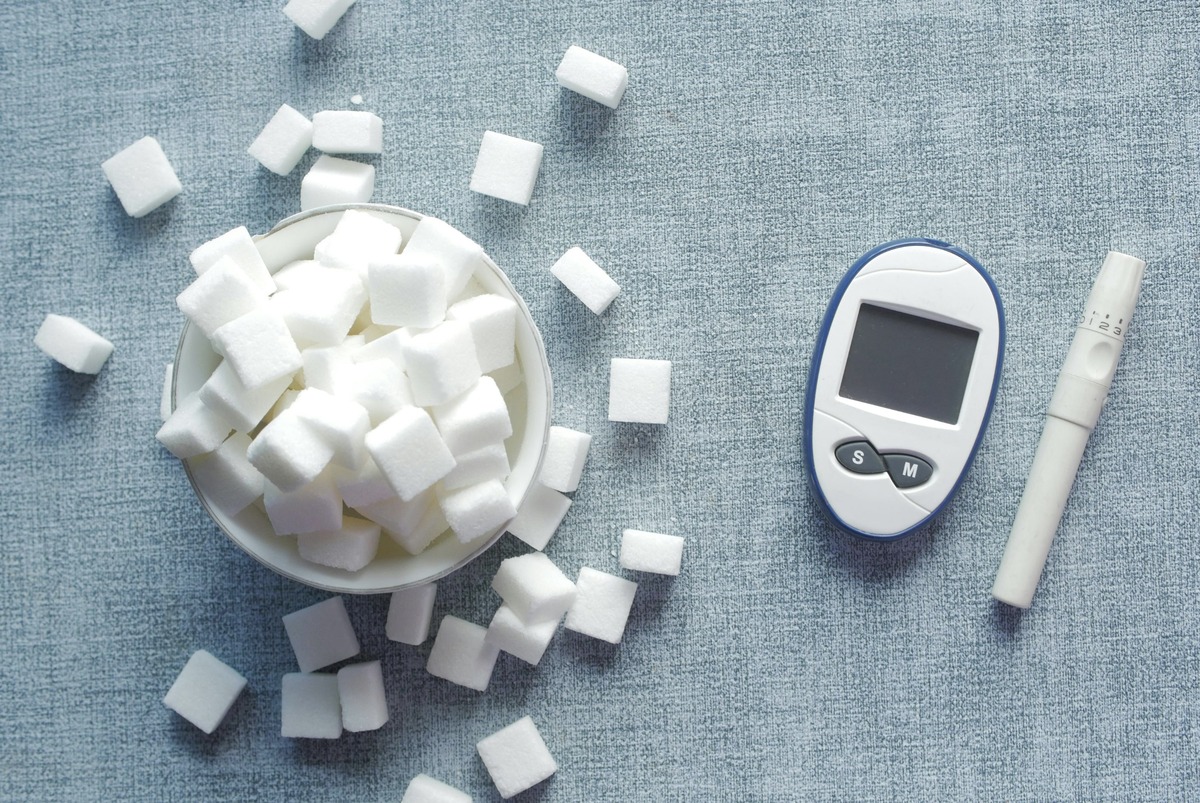
The Food-Diabetes Nexus: Modern Diets and Their Health Implications
Let’s pause and take a look at what’s really on our plates today. Across the world, modern eating habits have shifted dramatically in just a few decades—and not in a direction that supports metabolic health. With the official recognition of a new type of diabetes now linked directly to nutritional deficiencies, the spotlight is on what we’re eating and, equally important, what we’re not.
Modern Diets: High in Energy, Low in Nutrients
The global food environment has transformed into one where energy-dense, ultra-processed foods dominate. According to a 2023 report by the World Health Organization, more than 60% of daily calorie intake in urban populations now comes from processed foods. These products are often rich in fats and sugars but alarmingly poor in essential micronutrients like magnesium, zinc, and vitamin D—nutrients directly implicated in insulin signaling and glucose metabolism.
Low-nutrient, high-energy diets may leave the body in a state of nutrient hunger despite caloric satiety. This phenomenon, known as ‘hidden hunger’, creates the perfect storm for metabolic dysfunction. Even when daily calorie requirements are met—or exceeded—the body lacks the raw materials it needs for healthy cellular operation and hormonal regulation. Over time, this triggers complex biochemical imbalances that contribute to the onset of diabetes, particularly the emerging Type 4 subtype.
Sugar, Refined Carbs, and Processed Foods: The True Disruptors
Sugar doesn’t just spike glucose; it hijacks metabolism. Refined sugars and carbohydrates cause rapid fluctuations in insulin levels. Studies published in the Journal of Clinical Endocrinology & Metabolism have linked these spikes to increased insulin resistance, which is a critical component of all forms of diabetes. But here’s where the Type 4 distinction becomes evident—the underlying problem isn’t just glucose overload; it’s also what’s missing from these foods.
- Refined grains lose up to 70% of their mineral content during processing, stripping away key elements like chromium and magnesium that are vital for insulin sensitivity.
- Processed meats and snack foods are high in sodium and preservatives but contain minimal levels of antioxidants and essential vitamins.
- High-fructose corn syrup, commonly used in packaged beverages and desserts, disrupts liver metabolism, compounding insulin resistance over time.
When these foods dominate your plate, you’re feeding your body energy but starving it of essential functional nutrients. And that’s the crux of the modern metabolic crisis.
Eating More, Getting Less: The Illusion of Abundance
Let’s confront a paradox: Many people today are overfed and undernourished. The rise in diabetes, particularly Type 4, isn’t just about eating too much—it’s about eating too much of the wrong things. According to data from the Global Nutrition Report 2022, nearly 3 in 5 individuals with obesity are simultaneously micronutrient-deficient. This means that nutritional insufficiency is not confined to underweight individuals—it’s widespread across weight categories.
At Claudia’s Concept, we address this disconnect head-on. Through evidence-based, nutrient-first meal planning, we help people correct deficiencies without restrictive dieting. It’s not about eating less—it’s about eating right.
The Indian Plate: Tradition Replaced by Convenience?
India’s rich culinary heritage once offered superb nutritional balance—whole grains, pulses, seasonal vegetables, dairy, and a biodiversity of spices—all forming a nutrient-dense profile. However, urbanisation and a fast-paced lifestyle have altered this pattern dramatically.
- Polished white rice now often replaces millets and brown rice, causing a surge in glycemic load without the fiber and B vitamins once present.
- Packaged namkeens, sugary teas, and processed breakfasts have replaced cooked lentils, fermented batters, and fresh greens in many urban kitchens.
- Busy schedules have pushed families toward ready-to-eat meals high in sodium and trans fats but devoid of bioavailable iron, potassium, and folate.
This shift has deeply impacted insulin regulation, gut microbiota, and overall immune resilience. At Claudia’s Concept, one of our core missions is to bring awareness to this drift and guide clients back to nutrient harmony—without giving up the flavors or convenience they love.
Think about your current eating pattern. Is your energy intake backed by nutrient density? Or are you unintentionally sustaining a deficiency that modern science now knows can open the door to diabetes?
Obesity and Malnutrition: A New Metabolic Paradox
Can a person be both obese and malnourished? Absolutely—and this unsettling reality is becoming more common in clinical practice. The growing evidence around the newly recognized Type 4 Diabetes has highlighted a nutritional loophole: individuals may carry excess body weight while suffering from fundamental micronutrient deficiencies. This is not just a contradiction; it’s a metabolic paradox reshaping how we understand chronic disease.
Who Are the “Metabolically Obese Normal Weight” Individuals?
Let’s start by identifying a group that has puzzled scientists and practitioners alike: individuals appearing to have a normal BMI but showing metabolic signs usually seen in obese patients. These individuals are clinically referred to as MONW – Metabolically Obese Normal Weight. They may not appear overweight, but their bodies tell a different story—chronically inflamed, insulin-resistant, and nutrient-deficient.
This phenotype is characterized by increased visceral fat, low muscle mass, dyslipidemia, and impaired glucose tolerance. Research from the American Journal of Clinical Nutrition (Volume 102, Issue 4) shows that MONW individuals are two to three times more likely to develop Type 2 and Type 4 diabetes than metabolically healthy peers of similar weight. Their outward appearance gives no red flags, yet underneath lies a system struggling to regulate energy and inflammation.
Micronutrient Deficiency Without Undernourishment: The Echo of Hidden Hunger
Obesity co-existing with micronutrient deficiency—how does that happen?
Enter the concept of hidden hunger: a state where energy needs are met or exceeded, but vital nutrients like magnesium, vitamin D, chromium, and selenium are dangerously low. These nutrients play direct roles in insulin regulation, glucose transport, and mitochondrial function. Diets rich in calories but devoid of quality—ultra-processed foods, refined sugar, and convenience meals—fuel hidden hunger at an alarming rate.
A pivotal study published in The Lancet Global Health (2020) mapped micronutrient status among Indian adults and uncovered startling results: over 75% had low serum Vitamin B12, and nearly half were deficient in folate and iron. This despite adequate or excessive caloric intake. It’s a classic example of how quantity doesn’t guarantee quality in the modern plate.
India’s Unique Intersection of Obesity and Malnutrition
In India, public health data reflect this paradox with crystal clarity. According to the National Family Health Survey (NFHS-5), obesity is rising across urban and rural populations, especially among women, yet over 60% of them suffer from iron-deficiency anaemia. Simultaneously, urban residents with sedentary jobs and high fast-food consumption patterns show a steep incline in blood sugar levels, even among those with low to average BMI.
What’s happening here is a classic case of early-onset metabolic syndrome rooted in nutritional neglect. Streets are flooded with high-carb quick fixes, yet essential micronutrients are conspicuously missing. This paradox isn’t a mystery—it’s a man-made outcome of diet decisions, lack of education, and massive food industry shifts.
At Claudia’s Concept, we approach this head-on. By addressing these hidden deficiencies through strategic nutrition, not only do we guide individuals towards weight balance, but we also restore metabolic function at a cellular level. We don’t guess; we test, we plan, and we nourish with intention.
Think about this: are you fuelling your body with the nutrients it actually needs? Or just feeding hunger with empty calories? The answer could redefine your path to lifelong wellness.
Preventing Type 4 Diabetes Through Targeted Nutrition and Holistic Wellness
When a new form of diabetes surfaces, one that’s closely tied to what we eat—or don’t eat—the solution must begin in the kitchen, extend into consciousness, and ripple through policy. Type 4 diabetes, now officially linked to nutritional deficiencies, doesn’t follow the script of traditional types. It demands a new narrative, led by precise nutrition, lifestyle rebalancing, and public action. At Claudia’s Concept, we shape strategies that don’t just manage illness—they prevent it.
Personalized Nutrition: The Cornerstone of Prevention
No single meal plan fits all. Our bodies, genetic predispositions, and micronutrient stores differ dramatically, and so must our nutritional interventions. Personalized nutrition starts with understanding your blood markers, metabolic rate, and inflammatory load.
- Vitamin D, magnesium, and zinc levels must be individually assessed and optimized—studies show that over 70% of Indians are deficient in Vitamin D, a critical player in insulin sensitivity.
- Reverse food mapping—where we track symptoms to underlying deficiencies rather than just calories—is a game-changer. This method is integrated in Claudia’s Concept precisely because it aligns nutrition with biology instead of trends.
- Fiber diversity—especially through indigenous grains like ragi, amaranth, and jowar—restores the gut microbiome. A diverse gut ecosystem regulates blood sugar and inflammation, reducing your long-term diabetes risk.
Pushing Awareness Beyond Calories: Micronutrient Sufficiency
While caloric discussions dominate diet charts, the micronutrient story remains dangerously under-told. Type 4 diabetes provides the wake-up call. It’s not about eating less, it’s about absorbing better.
- Focus on bioavailability. A plant may be rich in iron, but without Vitamin C or the right gut flora, that iron won’t be absorbed.
- Highlight critical micronutrients such as chromium, which directly influences glucose metabolism. Research from the Journal of Clinical Biochemistry and Nutrition (2021) found that chromium supplementation significantly improved insulin sensitivity among prediabetic adults.
- At Claudia’s Concept, awareness begins with testing, followed by micro-focused meal planning that correlates nutrient gaps with metabolic stressors, rather than just weight or BMI.
Wellness as a Lifestyle, Not a Resolution
Nutrition may lead the conversation, but lifestyle practices amplify its effect. Daily movement, mental stillness, and stress modulation—the pillars of traditional Indian wellness—are no longer optional, especially when tackling metabolic adaptation and glucose mismanagement.
- Yoga and pranayama have measurable effects on glycemic control. A 2023 meta-analysis published in the International Journal of Yoga concluded that 12 weeks of integrated yoga practice reduced fasting blood glucose levels by 15%, independent of diet changes.
- Walking 10,000 steps daily—a practical yet powerful ritual—can significantly improve insulin function and oxidative stress markers.
- Sleep hygiene, often overlooked, stands at the center of hormonal regulation. We now know that even one week of suboptimal sleep can reduce insulin sensitivity by over 20%.
Policy Starts at the Plate: Rethinking Public Health Priorities
The rise of Type 4 diabetes signals a gap not just in personal habits, but in policy strategy. Addressing both communicable and non-communicable diseases from a nutritional lens is no longer innovative—it’s essential.
- Micronutrient fortification must be scaled responsibly. Rather than blanket fortification, region-specific approaches that reflect local deficiencies will yield better results.
- Public initiatives should include routine micronutrient screening in schools and workplaces, just as we screen for hemoglobin or BMI.
- Inter-ministerial collaboration between the Health Ministry, AYUSH, and Agriculture can enable a food system that heals, not harms. Sourcing native superfoods into school mid-day meal programs could revolutionize early prevention.
As we redefine diabetes prevention, we must merge the science of micronutrients with the wisdom of movement, the art of personalized eating with the architecture of public frameworks. That’s the approach we follow at Claudia’s Concept—customized, committed, and deeply connected to science.
Bridging the Wellness Gap: A Future-Proof Approach to Type 4 Diabetes
We’ve officially entered a new era of understanding in diabetes care. Type 4 diabetes—driven not primarily by insulin resistance or autoimmune triggers, but by nutritional deficiencies—has emerged as a game-changer in both clinical and public health narratives. The recognition of this subtype is not merely a reclassification; it’s a pivotal leap that shifts our focus from treatment to transformation.
Let’s be clear: this form of diabetes is not the result of overeating carbohydrates alone or living a sedentary life. Its roots dig deep into widespread micronutrient deficiencies—particularly in zinc, magnesium, chromium, and vitamin D—that compromise metabolic function and immune balance. These deficiencies alter insulin signaling, disrupt beta-cell integrity, and impair glucose homeostasis at the cellular level. We cannot ignore it any longer.
Addressing this issue head-on requires action—coordinated, intelligent, and inclusive. Individuals must reevaluate daily habits, not just once but consistently. Healthcare providers need to expand diagnostic protocols to include nutritional assessments. Policymakers should anchor national NCD programs around food fortification and education. And yes—the food industry carries a heavy responsibility. It’s time to rethink product formulations, improve access to bioavailable nutrients, and stop glorifying calorie-dense, nutrient-poor ‘diet’ foods.
At Claudia’s Concept, we always advocate for prevention over cure. This new classification of diabetes only strengthens our commitment to building personalised wellness protocols that focus firmly on restoring nutritional adequacy, enhancing gut health, and sustaining metabolic flexibility through evidence-based lifestyle medicine.
Embracing this holistic model isn’t idealistic—it’s essential. The science is clear: when micronutrient balance is restored, insulin sensitivity improves, systemic inflammation decreases, and metabolic health rebounds. In a country like India, where obesity and malnutrition often exist side by side, the stakes couldn’t be higher. Ignoring these root causes is no longer an option.
So, what’s your next move? Will you tweak your shopping habits, ask your doctor for a nutrient panel, or push for real change through your advocacy? Start somewhere, but start now. Because when we bridge the wellness gap with informed nutrition, we don’t just fight diabetes—we build a resilient, thriving future.
And if you ever feel unsure where to begin, remember—Claudia’s Concept is right here to guide your journey to genuine, nutrient-led health.