

What is Copper and Why Does the Brain Need It?
Role in the Human Body
Copper is a trace mineral that plays an essential role in human physiology. Your body only needs it in small amounts, but without it, several crucial biological processes would come to a standstill. It supports a range of enzymatic reactions, helps in the production of cellular energy, and bolsters immune function.
One of copper’s core roles involves acting as a cofactor for enzymes known as cuproenzymes. These enzymes regulate oxidative metabolism, collagen crosslinking, and the defense against oxidative stress. Copper-dependent enzymes like cytochrome c oxidase play a direct role in mitochondrial energy production. When copper status is optimal, the body handles metabolic processes and immune responses effectively.
Copper’s Function in the Brain
Although copper resides in multiple organs, the brain holds a special dependence on it. In the central nervous system, copper aids in synthesizing neurotransmitters—chemical messengers that allow neurons to communicate. For instance, copper is involved in the activity of dopamine β-hydroxylase, the enzyme responsible for converting dopamine into norepinephrine. This directly affects mood regulation, attention, and memory formation.
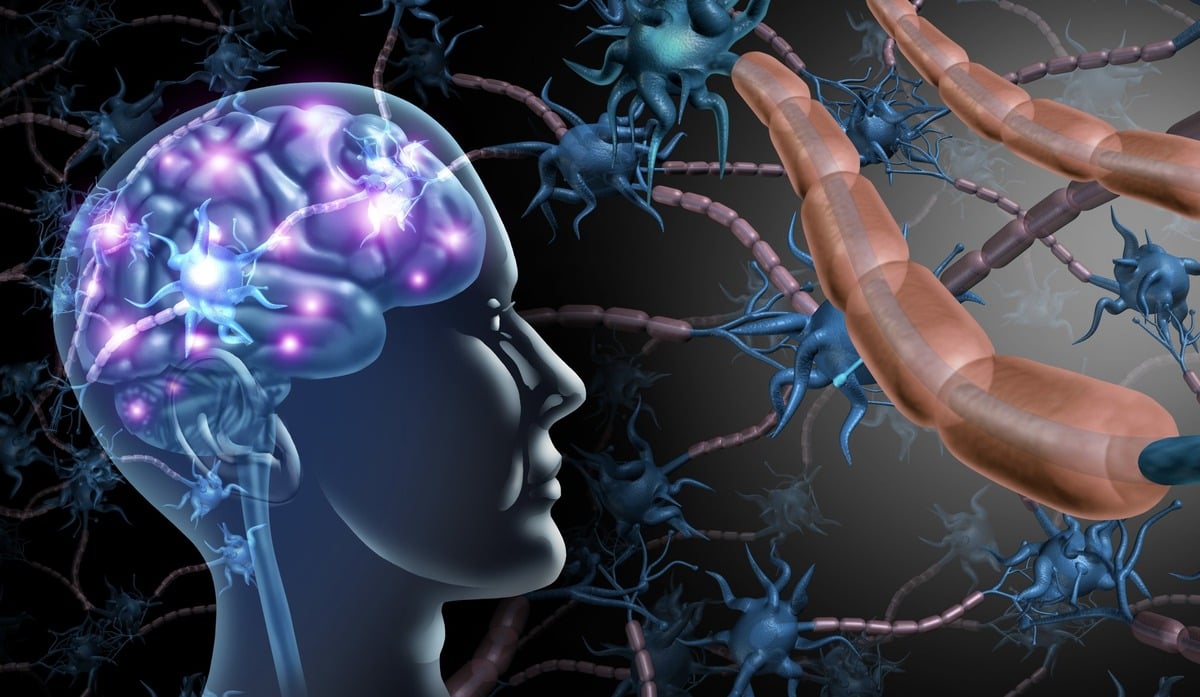
In addition to neurotransmitter regulation, copper supports the formation and maintenance of the myelin sheath—an insulating layer around nerve fibers. Healthy myelination ensures rapid and accurate signal transmission. Research published in the journal Metallomics (2021) confirms that insufficient copper availability impairs myelin structure and compromises neural signal integrity.
The brain also relies on copper to maintain metal homeostasis. It regulates the balance of other key metals, such as iron and zinc, helping to prevent toxic accumulation and promoting optimal neuron function. Disruption in copper-related pathways has been observed in neurological disorders where metal imbalance plays a central role, including Alzheimer’s and Parkinson’s disease.
Cognitive flexibility, emotional regulation, and neural repair all trace back, at least in part, to copper’s silent but vital influence. Too little copper compromises neural energy supply and communication. Just the right amount? It keeps the system running smoothly, energetically, and in sync.
Copper and Brain Health: A Delicate Balance
The Brain’s Need for Precision: Metal Homeostasis
Your brain operates like a finely tuned orchestra, and copper plays a critical part in its symphony. However, like any instrument out of tune, too much or too little disrupts the harmony. This brings us to the concept of metal homeostasis — the body’s precise regulation of metals like copper, zinc, and iron to maintain optimal brain function.
Neurons rely on copper for important functions, including ATP production, antioxidant defense, and neurotransmitter synthesis. But because copper can easily shift between two oxidation states — Cu+ and Cu2+ — it must be handled carefully. Its reactivity makes it useful but also potentially harmful if not tightly controlled.
When Balance Tips: The Risks of Too Little or Too Much
Too little copper in the brain is not benign. Research published in The Journal of Trace Elements in Medicine and Biology (2020) showed that copper deficiency impairs synaptic formation and hampers brain development, particularly in fetal and early childhood stages. In adults, low levels have been linked with poor memory, mood disturbances, and increased risk of cognitive decline.
On the other side of the spectrum, excess copper poses a different threat. Its high reactivity, while useful for metabolic processes, can drive oxidative stress — leading to the production of damaging free radicals. These reactive oxygen species break down cellular structures, including the delicate membranes of neurons. Over time, this can promote chronic inflammation and trigger cell death.
For instance, a study in Neurobiology of Aging (2013) highlighted how elevated copper levels in brain tissue correlated with increased amyloid-beta accumulation, a hallmark of Alzheimer’s disease. The interplay between inflammation, oxidative stress, and copper overload has become a key focus in neurological research over the past decade.
Interplay Between Copper, Zinc, and Iron in the Brain
In the brain, copper doesn’t act alone. It exists in complex relationships with other essential metals — especially zinc and iron. These minerals support many of the same enzymatic systems, and their balance affects how effectively they function.
- Copper and zinc compete for absorption in the gut; an excess of one often reduces levels of the other.
- Zinc-copper ratios influence the activity of antioxidant enzymes like superoxide dismutase (SOD), crucial for preventing neural damage.
- Iron and copper together support mitochondrial energy production and myelination, but an imbalance affects oxygen transport and redox signaling.
When these metal ratios skew significantly, enzymes malfunction, synaptic communication falters, and the risk of cognitive disorders increases. Notably, several studies using MRI-based imaging techniques have reported that metal accumulation patterns in specific brain regions are associated with the early onset of neurodegenerative changes.
So what does this mean for your daily nutrition? It’s not just about taking more copper — it’s about balance. The brain needs just enough copper to drive key neurological processes, but not so much that it disrupts the delicate chemistry that keeps neurons firing efficiently. When considering cognitive support through diet or supplements, it’s essential to understand this nuanced equation.
Copper, Oxidative Stress, and Inflammation: Striking the Right Balance for Brain Protection
What Exactly Is Oxidative Stress?
Oxidative stress occurs when there’s an imbalance between reactive oxygen species (ROS) and the body’s ability to neutralize them with antioxidants. These unstable molecules can damage DNA, proteins, and cellular membranes, accelerating aging and triggering chronic diseases. In the brain—where oxygen demand is high and antioxidant defenses are naturally lower—this imbalance can be particularly destructive.
The brain is especially vulnerable because neurons have limited capacity for regeneration. High metabolic activity combined with a fat-rich composition makes brain tissue a frequent target of oxidative damage. Once this damage accumulates, the risk of neurological decline increases dramatically.
Neurodegeneration and Oxidative Damage
Chronic oxidative stress contributes to the progression of several neurodegenerative diseases, including Alzheimer’s disease, Parkinson’s disease, and amyotrophic lateral sclerosis (ALS). In these conditions, researchers consistently observe elevated markers of oxidative damage and impaired redox homeostasis in brain tissue.
For instance, a study published in Free Radical Biology and Medicine identified increased levels of lipid peroxidation and protein carbonylation in the hippocampus of Alzheimer’s patients. In Parkinson’s disease, dopamine metabolism itself generates ROS, and without efficient neutralization, neuron death is accelerated.
This makes oxidative stress not just a symptom, but a driving force behind neurodegeneration. Protecting the brain from this biochemical assault requires a carefully orchestrated antioxidant defense system—this is where copper steps in.
The Two Faces of Copper: Protector and Provoker
Copper has a fascinating dual role in the context of oxidative stress. On one hand, it serves as an essential cofactor for antioxidant enzymes like superoxide dismutase (SOD1), which catalyzes the dismutation of superoxide radicals into molecular oxygen and hydrogen peroxide—both less reactive than their precursor. This reaction is fundamental in preventing cellular damage throughout the central nervous system.
Without copper, the enzymatic action of SOD1 is impaired, which weakens the body’s antioxidant defenses and leaves neurons vulnerable to oxidative injury. At appropriate levels, copper is indispensable for cellular redox balance and cognitive resilience.
But copper also has a darker side. When present in excess or if improperly regulated, free copper ions can act as pro-oxidants. They catalyze Fenton-like reactions, converting hydrogen peroxide into highly reactive hydroxyl radicals—the most damaging type of ROS. This can initiate a cascade of oxidative events, exacerbating neuronal inflammation and accelerating tissue damage.
In inflammatory conditions like multiple sclerosis, elevated copper levels have been detected in cerebrospinal fluid and correlated with increased inflammatory markers such as interleukin-6 (IL-6) and tumor necrosis factor-alpha (TNF-α). This connection suggests copper can fuel both oxidative and inflammatory processes when not tightly controlled.
- As a cofactor, copper supports SOD1 and other enzymes essential to brain defense.
- In excess, copper promotes production of hydroxyl radicals, intensifying oxidative stress.
- Coupled with inflammation, unbound copper drives pathological changes in brain structure and function.
Managing copper balance isn’t just about ensuring you get enough—it’s about avoiding the tipping point where beneficial becomes harmful. The goal is precision. Too little, and the brain loses a critical line of antioxidant defense. Too much, and neurons are exposed to worsening oxidative stress and inflammation with every metabolic cycle.
Understanding this dynamic is the first step to making informed dietary decisions that actively protect your cognitive health. So, what does the evidence show about copper’s role in specific brain disorders? Let’s explore that next.
Copper and Neurodegenerative Diseases: Uncovering the Connection
Alzheimer’s Disease and Copper
The role of copper in Alzheimer’s disease has attracted significant scientific attention. Researchers have identified an intriguing pattern: in Alzheimer’s-affected brains, copper tends to accumulate in regions dense with amyloid-beta plaques. These plaques are abnormal protein deposits commonly observed in the cerebral cortex of individuals with the disease.
In a study published in Proceedings of the National Academy of Sciences (PNAS, 2013), scientists demonstrated that excessive dietary copper can impair the brain’s natural cleaning system—specifically, the mechanism responsible for clearing amyloid-beta. According to their findings, elevated copper disrupted the function of the blood-brain barrier and increased amyloid accumulation, suggesting that a surplus, rather than a deficiency, plays a more harmful role in neurodegeneration.
Adding to this, postmortem brain tissue analyses revealed that copper is often bound to these amyloid plaques. This creates a reactive microenvironment where copper’s redox-active properties promote oxidative damage. As a result, neurons become more vulnerable to degeneration. However, this does not imply that copper is inherently damaging—it’s the disruption in copper regulation that triggers the cascade.
Other Neurodegenerative Conditions
Copper’s delicate balance also appears to influence the pathology of other neurodegenerative diseases. Let’s take Parkinson’s and Huntington’s disease, for example. Both conditions are marked by oxidative stress and disrupted metal homeostasis, especially involving copper and iron.
In Parkinson’s disease, copper imbalance impairs the activity of enzymes like cytochrome c oxidase and superoxide dismutase—both essential for mitochondrial function and cellular defense against oxidative stress. According to a 2017 report in Frontiers in Aging Neuroscience, patients often exhibit reduced levels of copper in the substantia nigra, the brain region most susceptible to dopaminergic neuron loss. The metabolic strain caused by this dysregulation accelerates neurodegeneration.
Huntington’s disease presents a slightly different picture. A 2015 study in Neurobiology of Disease reported abnormal interactions between mutant huntingtin protein and metals like copper. These interactions compromised copper-dependent enzymes, disrupted neuronal energy production, and intensified protein aggregation—key features of Huntington’s pathology.
What can we take from this? Managing copper levels isn’t just about supplements or dietary manipulation—it’s about respecting the tightly controlled system your body uses to maintain homeostasis. This balance, once disturbed, may become a contributing factor in the onset or progression of neurological disorders.
Could optimizing copper intake—and regulating its absorption—help delay or reduce neurodegenerative symptoms? An increasing body of evidence suggests that’s a question worth exploring, not in theory, but in nutritional practice.
Nutritional Neuroscience: How Diet Influences Brain Copper Levels
Connecting Diet to Brain Function
Every bite we take sends signals to the brain—not just through taste, but through micronutrient content. Nutritional neuroscience, an evolving field blending dietetics with neurology, examines how what we eat shapes how we think, feel, and age. One area gaining scientific momentum is the role of trace minerals like copper in influencing brain chemistry, neural connectivity, and cognitive resilience.
Food: The Carrier of Brain’s Essential Trace Minerals
Minerals like copper don’t act in isolation, and the body doesn’t produce them endogenously. They must be acquired through diet. Once ingested, copper is absorbed primarily in the small intestine and distributed through the bloodstream to tissues—including the brain. Transport proteins and enzyme systems ensure copper reaches critical areas like the hippocampus and cerebellum, where it supports neurotransmitter synthesis and synaptic activity. However, excessive or deficient intake can disrupt this balance, impacting neural efficiency.
The Role of Nutritional Neuroscience
Nutritional neuroscience explores the interplay among diet, the gut-brain axis, and neurotransmission. Studies using functional MRI and positron emission tomography (PET) scans now show that diets rich in the right trace minerals correlate with enhanced neural plasticity and memory retention. This goes beyond simply preventing deficiencies—it’s about optimizing brain potential through precision nutrition.
In 2021, a review published in Frontiers in Nutrition emphasized how trace elements modulate enzyme systems critical for energy metabolism and oxidative defense in the brain. Copper-dependent enzymes like dopamine β-hydroxylase, for instance, directly govern neurotransmitter production. These findings push the boundaries of prevention, highlighting the dietary power to improve cognitive longevity.
Emerging Research: Diet-Based Modulation of Brain Chemistry
Nutritional neuroscientists now look at copper not only in terms of its biochemical roles, but also in how it synergizes with other nutrients. For example, adequate levels of vitamin C enhance copper absorption, while high iron intake competes for its bioavailability. This reciprocal relationship underpins the importance of whole-diet approaches rather than singular nutrient supplementation.
Animal models have confirmed that copper imbalance alters hippocampal function. A 2022 study in the Journal of Trace Elements in Medicine and Biology demonstrated that mice on copper-deficient diets exhibited impaired spatial memory and reduced brain-derived neurotrophic factor (BDNF) expression. These neurochemical changes mirror patterns observed in early cognitive decline, linking dietary intake to functional outcomes in the brain.
How Much Copper Is Needed?
Getting the right amount of copper is key. The Recommended Dietary Allowance (RDA) for copper varies by age and gender. According to data from the National Institutes of Health (NIH), the figures are as follows:
- Infants (0–12 months): 200–220 micrograms (mcg) per day
- Children (1–8 years): 340–440 mcg per day
- Adolescents (9–18 years): 700–890 mcg per day
- Adults (19 years and older): 900 mcg per day
- Pregnant individuals: 1,000 mcg per day
- Lactating individuals: 1,300 mcg per day
More Isn’t Better: The Risk of Over-Supplementation
While copper is essential, excessive intake disrupts metal homeostasis in the brain, potentially contributing to neurotoxicity. Chronic over-supplementation may lead to oxidative stress and metal accumulation in brain regions vulnerable to degeneration, such as the cortex and amygdala. The Tolerable Upper Intake Level (UL) for adults is 10,000 mcg (10 mg) per day—far beyond what diet alone typically provides. This indicates how important it is to source copper primarily from whole foods and to be informed when considering supplementation.
How balanced is your copper intake? Could your dietary pattern support better cognitive clarity and emotional wellbeing? Exploring these questions through the lens of nutritional neuroscience opens up new possibilities for brain health—one meal at a time.
Feed Your Brain Right: Copper-Rich Foods to Sharpen Cognitive Health
Top Dietary Sources of Copper Your Brain Will Love
Choosing foods that naturally contain copper is one of the simplest ways to support your brain’s biochemistry. Since the human body doesn’t synthesize copper on its own, it’s essential to include bioavailable sources in your meals. Let’s take a closer look at real, whole foods that contribute effectively to daily copper intake—and in doing so, promote better memory, mood, and mental energy.
- Nuts and Seeds: Almonds, sunflower seeds, cashews, sesame seeds, and hazelnuts provide a copper-rich crunch. For example, a 28-gram serving of cashews supplies approximately 622 micrograms of copper—nearly 69% of the daily recommended intake for adults.
- Shellfish: Oysters top the list with an unparalleled copper density. Just one medium oyster can contain up to 670 micrograms. Besides copper, oysters bring zinc, selenium, and antibacterial peptides—potent supporters of both immune and cognitive health.
- Organ Meats: Liver—particularly from beef or lamb—is a nutritional powerhouse. A mere 85 grams of cooked beef liver offers more than 12,000 micrograms of copper. That’s over 1300% of your daily requirement, making it a potent (but occasional) fuel for brain detoxification pathways and neurotransmitter metabolism.
- Whole Grains and Legumes: Quinoa, oats, barley, and lentils contribute a slow-release copper source along with B vitamins and plant-based proteins. A cup of cooked lentils provides roughly 500 micrograms of copper. These foods support steady energy and cognitive clarity.
- Dark Chocolate: Not just a treat—70% cacao and above adds nearly 500 micrograms per 100 grams. Cacao polyphenols also enhance brain vascularization and reduce oxidative stress.
- Leafy Greens: Spinach, kale, and Swiss chard contain modest amounts of copper but deliver it with a strong side of magnesium and vitamin K—key nutrients for nerve signaling and neurogenesis.
Planning a Brain-Centric Copper Menu
Incorporating copper into your weekly diet doesn’t require overhauling your meals. It’s about thoughtful inclusion and variety. Here are a few ways to make your weekly meal plan both copper-rich and mentally nourishing:
- Add a handful of sunflower seeds to your morning oats or yogurt bowl.
- Include a small portion of dark chocolate as an after-lunch boost.
- Blend cooked lentils into soups, stews, or veggie patties for a plant-based hit of copper.
- Create Mediterranean-style salads with chickpeas, spinach, olive oil, and lemon for a mineral-rich lunch option.
- Enjoy oysters once or twice a month as an occasional seafood treat with a nutrient surge.
- Sauté beef or chicken liver with onions and herbs for a traditional dish that supports cognition and immunity simultaneously.
When your plate features a rotation of legumes, nuts, whole grains, and select animal products across the week, your brain gets a steady, bioavailable supply of copper without the risk of overload. That’s the key—diversity. The wider the nutritional profile of your diet, the more equipped your brain becomes to handle daily stress, synthesize neurotransmitters, and maintain long-term function. Look at your meals as brain training tools just as much as fuel for your body.
Supporting Your Immune and Cognitive Function Together
Copper’s Dual Role in Defending the Body and Sharpening the Mind
Ever considered that a single mineral could support both your body’s defenses and your brain’s performance? Copper does precisely that. It acts at the crossroads of immune strength and cognitive agility—provided it’s balanced in the right amount.
Copper and the Immune System
Copper plays a critical role in maintaining a robust immune response. From enhancing the body’s ability to fight infections to driving cellular repair processes, this trace element is far from trivial. One of its most fascinating functions lies in its antibacterial properties.
- Natural Antibacterial Defender: Copper ions directly disrupt the membranes of harmful bacteria. Scientific studies show that copper surfaces can kill more than 99.9% of bacteria such as coli and Staphylococcus aureus within two hours (Grass et al., 2011).
- White Blood Cell Formation: This mineral is essential for the development and activation of white blood cells like neutrophils and lymphocytes, the body’s frontline defenders against infection.
- Support for Tissue Repair: Copper contributes to collagen cross-linking through the enzyme lysyl oxidase, a function vital for healing wounds and regenerating tissue after injury.
The immune-strengthening capacity of copper goes beyond fighting off pathogens. It reinforces structural resilience by participating in iron metabolism and the development of connective tissue—all pivotal in defense and recovery.
Cognitive Benefits: Unlocking Mental Performance
Just as it bolsters immune pathways, copper also fine-tunes neural circuits. When available in balanced amounts, it improves brain function across multiple dimensions.
- Enhanced Learning and Memory: Copper aids in the modulation of NMDA receptors and neurotransmitter synthesis, both vital for synaptic plasticity—the ability of neurons to change and adapt during learning.
- Faster Processing Speed: Research from the University of California, Berkeley, found that optimal copper levels contribute to ATP production in brain cells (Cobine et al., 2006). This energy boost translates into quicker signal transmission and improved mental clarity.
- Neuromodulation: Copper influences dopamine and norepinephrine dynamics, which affect attention span, executive function, and mood—components that shape how well you manage and react to information.
The takeaway? Eyebrows may not usually raise at the mention of copper, but it’s one of the few nutrients that bridge immune competence with cognitive sharpness. Rather than isolating the brain and the immune system as separate realms, copper integrates their functioning—laying the groundwork for a resilient body and a focused mind.
Addressing Copper Imbalance: Symptoms and Solutions
How Can You Tell if Your Copper Levels Are Off?
When copper isn’t balanced in the body, it doesn’t go unnoticed. The symptoms can be subtle at first, but they gradually interfere with cognitive wellbeing and overall daily function. Inadequate or excessive copper plays a much bigger role in how we feel mentally and physically than most people suspect.
Spotting a Copper Deficiency
A deficiency in copper is less common but certainly impactful. The brain, along with the nervous and immune systems, relies on this mineral to operate at full capacity. When copper falls short, these areas show signs. You might experience:
- Persistent fatigue that sleep doesn’t seem to fix. Copper plays a role in energy production via mitochondrial function, and without enough, energy levels drop considerably.
- Foggy thinking and memory issues. Copper-dependent enzymes like dopamine-β-hydroxylase are necessary for neurotransmitter production, and when they’re impaired, mental clarity suffers.
- Weak immune response. Without adequate copper, white blood cell production diminishes, making it harder for your body to fight off infections or heal wounds effectively.
Researchers from the Journal of Trace Elements in Medicine and Biology (2020) observed that even borderline copper deficiency can reduce cognition and impair learning capacity due to its influence on NMDA receptor activity and myelination in the brain.
Recognizing Copper Overload
On the flip side, excess copper tends to accumulate in the liver and brain, where it can disrupt cellular communication and elevate oxidative stress. Elevated levels manifest with symptoms that are often mistaken for purely emotional or neurological disorders:
- Heightened anxiety and mood swings. Copper affects catecholamine metabolism, impacting dopamine balance, which is closely tied to mood regulation.
- Recurring headaches which may be connected to increased neuroinflammation and vasoconstriction, both influenced by excess copper in the system.
- Cognitive sluggishness, especially in tasks requiring mental flexibility or memory retrieval.
A study published in NeuroToxicology (2019) linked elevated serum copper levels to impaired executive functioning in older adults. Brain imaging in these individuals showed increased oxidative damage markers, particularly in hippocampal regions responsible for memory.
How to Restore Balance: Practical Actions that Work
Balancing copper isn’t about quick fixes or elimination. It’s about knowing what influences its levels and staying vigilant. Here are the top strategies anyone can implement:
- Eat a diet that’s naturally rich in minerals, not just copper. A real-food eating pattern including seeds, nuts, legumes, leafy greens, and whole grains helps the body self-regulate trace minerals through diversity.
- Avoid unnecessary supplements unless prescribed. Copper supplements, while helpful in clinical deficiency, can lead to overload if taken without guidance. Always consult a practitioner who can assess ceruloplasmin and serum copper levels together to gauge true copper status.
- Schedule regular health check-ups. Blood work that includes copper, ceruloplasmin, zinc, and liver function markers gives a sharper picture of your mineral balance and how well your body is processing it all.
Your brain chemistry thrives on balance — and copper, though a trace element, has a surprisingly powerful impact on the way you think, feel, and focus. Have you been paying attention to how it might be affecting your day-to-day mental sharpness or mood?
Final Thoughts and Action Steps: Eating for Brain Vitality
When it comes to keeping your brain sharp, nourished, and resilient over time, nutrition plays a more crucial role than most people realize. Among the many micronutrients involved, copper stands out—not just for its widespread presence in the body, but for the precision your brain demands in regulating it.
The Big Picture: Why Copper Balance Matters
Your brain depends on copper to fuel enzymes that energize cells, modulate neurotransmitter activity, and control oxidative reactions. Yet the tightrope is real. Both deficiency and overload can disrupt neural integrity, amplify inflammation, and even accelerate cognitive decline. So what does this tell us? Copper isn’t optional—it’s essential. But more isn’t better.
Emerging research continues to link an imbalanced copper status to neurological challenges, especially in the context of aging. Elevated copper levels have been associated with higher beta-amyloid burden in Alzheimer’s disease, while insufficient copper can impair synaptic signaling and antioxidant defenses. A study published in the “Journal of Trace Elements in Medicine and Biology” (2018) found that individuals with mild cognitive impairment often displayed altered copper-to-zinc ratios, underscoring how essential micronutrient balance is for cognitive health.
Diet plays a central role in managing this mineral’s influence. Relying on processed foods can distort your intake—either by increasing inorganic copper (commonly added as supplements) or by reducing synergistic nutrients like zinc and iron. A whole-foods approach shifts this equation in your favor.
5 Takeaway Tips to Protect and Nourish Your Brain
- Embrace a whole-foods diet. Load your meals with nuts, seeds, legumes, mushrooms, whole grains, and leafy greens. These not only supply copper, but also provide fiber, polyphenols, and essential co-factors for brain function.
- Mind your supplements. Unless there’s a medically confirmed deficiency, avoid taking copper supplements on your own. Too much supplemental copper can bypass your body’s regulatory systems and circulate in unbound, potentially harmful forms.
- Don’t overlook other trace minerals. Zinc, iron, and manganese interact with copper metabolism. Keeping them in balance supports enzymatic processes critical for brain and immune health.
- Stay informed and curious. Nutritional neuroscience is a growing field—the more you understand about how food impacts your brain, the more empowered your choices become.
- Track your symptoms, not just bloodwork. Fatigue, poor concentration, and memory lapses can be signs of deeper nutrient imbalances. Pair lab diagnostics with body awareness to guide your nutrition strategy effectively.
Want to see copper balance visually? Here’s something worth pinning on your fridge: