

We’ve all felt it—the rush of motivation on January 1st. The “new year, new me” energy is contagious. But here’s the truth: some of the most popular resolutions do more harm than good. Have you ever committed to losing 30 pounds in 30 days or vowed to hit the gym every single day without fail? These kinds of hyper-ambitious goals sound powerful, but they’re not designed for long-term success.
Going from 0 to 100 overnight might feel inspiring, but it leads straight to burnout. These resolutions rarely take into account your actual lifestyle, mental readiness, or what’s actually sustainable for you. And when you inevitably miss a day or see progress slow down, disappointment creeps in—and motivation disappears.
At Claudia’s Concept, I always encourage building health through consistent, realistic steps. Replacing massive overhauls with practical habits matters. Start walking three times a week. Add just one nutritious meal to your day. Progress feels better—and lasts longer—when it’s steady and doable. And remember the power of SMART goals: Specific, Measurable, Achievable, Relevant, and Time-bound. These are the kinds of resolutions that actually stick, and I’ll be breaking down why in this post.
Falling for Diet Culture & Extreme Dieting: Why It’s Sabotaging Your New Year Goals
We’ve all heard the promises—“Cut carbs and melt fat overnight!” or “This juice cleanse will change your life!” But let’s pause for a moment. Have these ever worked long-term for anyone you know? Unrealistic, restrictive diets aren’t just ineffective; they’re harmful. And yet, every January, millions fall into this same exhausting cycle. Let’s talk about what really happens when you follow extreme dieting and how to shift toward a sustainable, nourishing lifestyle instead.
The Red Flags of Diet Culture
- Cutting out entire food groups overnight—This might look like banning carbs, sugars, or fats completely. Your body, however, depends on a variety of nutrients to function at its best. Carbohydrates support brain function and energy; healthy fats regulate hormones; natural sugars found in fruit offer essential vitamins. Sudden elimination triggers stress in your metabolism and often leads to nutrient deficiencies.
- Fad diets that promise rapid weight loss—Diets built around unrealistic timelines or exotic ingredients might help you lose a few kilos, but at what cost? Studies published in The American Journal of Clinical Nutrition reveal that restrictive diets often create obsessive thoughts about food and may even encourage disordered eating patterns. You’re not just losing weight—you’re losing balance.
- More stress, more guilt—Here’s the emotional side nobody talks about. When you’re constantly tracking every bite, vilifying hunger, or feeling ashamed for eating “off-plan,” your relationship with food becomes toxic. Chronic restriction activates the body’s stress response, increasing cortisol levels that make it harder to burn fat and regulate appetite.
The Healthier Alternative: A Nourishing, Mindful Approach
So—how do we break free from this cycle? At Claudia’s Concept, I coach clients to embrace food as fuel, comfort, and care. It starts with this simple but powerful idea: Eat to nourish, not to punish. When we choose meals that energize, satisfy, and support our unique lifestyle, we create habits with staying power.
Mindful eating is at the core of this shift. That means tuning into your hunger cues, observing how different meals make you feel, and letting go of the guilt attached to enjoyment. Research from Harvard Health confirms that mindful eating practices improve digestion, reduce binge eating episodes, and naturally support a healthier weight over time.
Rather than aiming for a rigid food schedule or cutting out all indulgences, focus on balanced, whole meals. A colorful Mediterranean-style plate—rich in vegetables, healthy fats, lean proteins, and whole grains—doesn’t just satisfy your palate, it supports heart health, balances hormones, and reduces inflammation. And yes, you can absolutely savor dessert without undoing your progress.
Are you ready to ditch the cycle of crash dieting and reclaim a joyful relationship with food? Let’s build that together—step by step—with Claudia’s Concept guiding you from stress to strength, and from food guilt to body wisdom.
Why Over-Exercising Can Derail Your Progress Faster Than You Think
January hits, motivation spikes, and suddenly the gym becomes your second home. Twice-a-days, zero rest days, and pushing through fatigue may seem like commitment—but it’s actually one of the quickest routes to burnout. I’ve seen this pattern far too often in clients who come to Claudia’s Concept, drained both mentally and physically by February.
Let’s talk about why this common New Year’s resolution fails—and how you can make smarter, more sustainable choices instead.
The Burnout Trap: When More Isn’t Better
There’s a belief that flooding your life with intense workouts will shortcut your body transformation. It won’t. What it will do is create a cycle of stress that your system doesn’t have space to recover from. Here’s what typically happens:
- Starting the year with aggressive workouts and skipping rest days: This overlooks the biology of muscle repair, which primarily occurs during recovery. Without it, you halt progress.
- Belief that more exercise equals faster transformation: While movement is a cornerstone of health, volume without programming actually compromises results. You’re training your fatigue, not your fitness.
- Injury, fatigue, and mental burnout become inevitable: A 2019 study published in the Journal of Sports Sciences showed that overtraining increases cortisol and decreases immune function—leaving the body vulnerable to illness and injury.
Piling high-intensity workouts onto an already stressful lifestyle is like stacking bricks on a wobbly foundation. Eventually, something gives—whether it’s your motivation, your energy, or your joints.
How to Train Smarter, Not Harder
If you want exercise to support your life—not stress it further—you need to integrate three foundational principles into your schedule. This is the exact approach we use at Claudia’s Concept to help clients build consistency that actually sticks.
- Schedule recovery like you schedule workouts: Rest and active recovery days enhance performance and protect your nervous system. Think yoga, walking, or leisure biking—not more HIIT.
- Find movement that suits your lifestyle and brings joy: Hate running? Then don’t run. Dance, swim, hike, box, stretch—your fitness should energize you, not drain you.
- Progress gradually: Give your mind and body time to adapt. A 2021 study in the British Journal of Sports Medicine highlighted that starting with moderate intensity and increasing volume over 8 to 12 weeks leads to better long-term adherence and lower injury rates.
Instead of sprinting into the new year, set your foundation first. At Claudia’s Concept, we guide you to understand what works with your body, not against it. Ask yourself: is your routine fueling your energy, or consuming it?
Reframe your resolution. Make it personal, sustainable, and flexible. Because in 2024, your fitness should support your lifestyle—not stress your life out of balance.
Why the All-or-Nothing Mindset Wrecks Your New Year’s Momentum
We’ve all heard it — “I cheated on my diet today, so I might as well give up.” Or worse, “Since I missed a workout, what’s the point of continuing?” This rigid, unforgiving approach is textbook all-or-nothing thinking, and it’s one of the most common mental blocks I see in people starting their New Year wellness journey.
Let’s be real: life isn’t linear, and neither is your health journey. At Claudia’s Concept, we teach our clients that your habits aren’t defined by one moment — they’re built over time. Progress isn’t destroyed by a single missed day, nor is it made overnight by a single good one.
Common Thoughts That Derail Your Progress
- “If I mess up one day, the whole resolution is ruined.” — This type of thinking creates impossible standards and robs you of long-term success.
- Guilt and shame set in after a perceived failure, making you more likely to give up entirely instead of reassessing and continuing.
- It ignores the rhythm of real life — holidays, sick days, emotional lows — all of which are part of a normal human experience.
What to Do Instead: Habits That Empower, Not Punish
- Expect setbacks — and plan for them. Knowing obstacles will arise prepares you mentally to handle them without crumbling.
- Focus on consistency over perfection. A 2020 study published in the journal Behavioral Science shows that people who take a flexible, forgiving approach to behavior change stick to routines longer than perfectionists.
- Think progress, not perfection. If you moved your body three days this week instead of five, you still exercised more than zero. That’s progress worth celebrating.
I always remind my clients: it’s a mental shift. Give yourself permission to adapt, pause, or even reset — without judgment. Building a habit doesn’t require flawless execution; it requires showing up again and again, with resilience. That’s where real transformation begins — not in chasing perfection, but in honoring the journey, every step of the way.
So, if you dropped the ball today, ask yourself: how can I get back up tomorrow? That’s the mindset we support fully at Claudia’s Concept — one rooted in compassion and long-term success.
When Social Media Becomes a Mirror: Stop Letting It Define Your Self-Worth
How often do you scroll through your feed and think: I wish I looked like that, or They’ve accomplished so much—what am I even doing? The mental toll of these comparisons is real and measurable. In the context of New Year’s resolutions, it becomes especially toxic.
Comparison Is the Thief of Progress
Let’s get honest. Social media doesn’t show the full story. You’re often looking at a highlight reel filled with filters, lighting tricks, and sponsored promises of “transformation” programs that leave out the 4 a.m. wakeups, the restrictive eating, and sometimes even the editing apps. Comparing your own lifestyle, body, or progress to what you see online automatically sets an unrealistic baseline—and this crushes self-image over time.
Numerous studies back this up. For example, a study published in the journal Body Image (2017) showed that women who were exposed to appearance-focused Instagram content experienced a notable increase in body dissatisfaction and appearance comparison. More than just a fleeting feeling, this constant comparison becomes engraved in your thought patterns, affecting mood, stress levels, and overall mental health.
The Hidden Stress of “Perfect” Feeds
Social media should not be the thermostat of your self-worth. It’s essential to understand that much of what gets posted is curated content—designed more for engagement than authenticity. When people fall for these surface-level snapshots, it creates chronic mental pressure to keep up. And that leads to stress, destructive habits, and even avoidance of genuine self-care opportunities.
At Claudia’s Concept, we encourage clients to turn inward rather than outward. External validation is a moving target; inner alignment builds long-term confidence and emotional health.
Build a Healthier Social Media Experience
- Curate your feed: Unfollow accounts that trigger comparison and instead, follow real people, body-positive creators, and accounts that celebrate diversity and authenticity.
- Reframe your perspective: Ask yourself—am I consuming content for inspiration or for validation?
- Use social platforms for community: Look for supportive spaces, conversations, and hashtags that uplift rather than compete.
- Affirm your individuality: Your journey is your own. Milestones reached slowly and steadily will bring more meaning than rushed outcomes fueled by pressure.
One powerful shift we promote at Claudia’s Concept is understanding that mental wellness is inseparable from healthy lifestyle changes. Social media can either support or sabotage that evolution—depending on how you choose to interact with it.
Why Ignoring Mental Health in Your Fitness Journey Backfires
Chasing fitness goals feels rewarding—until the pressure starts to weigh on you. When the New Year countdown ends, there’s a rush to set big intentions: lose weight, tone up, look the part. But one of the most overlooked mistakes? Ignoring mental health in the pursuit of physical goals. True transformation isn’t just about reshaping the body; it’s about creating balance in life, mind, and body.
When Image Becomes the Focus, Wellness Takes a Backseat
Too often, people prioritize appearance over emotional wellbeing. I see it all the time. Clients come to me thinking that shedding kilos will automatically dissolve years of stress or anxiety. But wellbeing doesn’t work that way. Suppressing mental challenges—whether it’s fatigue, self-doubt, or sadness—while forcing through a fitness routine only amplifies inner tension.
Your body may be moving, but if your heart and mind are exhausted, that progress won’t feel fulfilling. At Claudia’s Concept, we always take a mental-emotional inventory before creating a fitness or nutrition plan. Why? Because there’s ample science that tells us:
- Chronic stress disrupts hormonal balance and impedes weight loss by elevating cortisol levels. Elevated cortisol encourages fat storage around the abdomen—even with proper diet and exercise (Epel et al., 2000; Obesity Research).
- Anxiety and depression are linked to disordered eating, reduced physical activity, and inconsistent habits (Striegel-Moore &Bulik, 2007).
- Physical changes don’t resolve psychological issues—in fact, body image dissatisfaction can persist or worsen after weight loss if inner healing isn’t addressed (Cash &Pruzinsky, 2002).
Physical Goals Can’t Heal Mental Wounds
There’s this popular myth: that once you reach a certain size, happiness, confidence, and clarity will follow. That’s simply not true. Many people experience a “goal crash” when they realize a transformed body hasn’t solved their inner conflicts. Instead of relying on external results, walk your journey from the inside out.
Here’s what creates genuine, lasting change:
- Recognizing that real health is a synergy of physical strength, mental resilience, and emotional peace.
- Building self-care routines—including journaling, breathwork, or nature walks—to deal with stress in nourishing ways.
- Considering therapy, coaching, or guided support when emotional blocks prevent progress.
Mental Wellness: The Foundation, Not a Bonus
At Claudia’s Concept, we treat mental health as inseparable from your health goals. Yes, nutrition matters. Yes, movement is powerful. But your mindset—the tone of your inner dialogue, the narratives you tell yourself, your ability to regulate emotions—is what sustains growth across months, not just weeks.
If you’re feeling stuck, overwhelmed, or emotionally drained despite your physical efforts—pause. Ask yourself not what you can do harder, but what you can do kinder. That’s where real transformation begins.
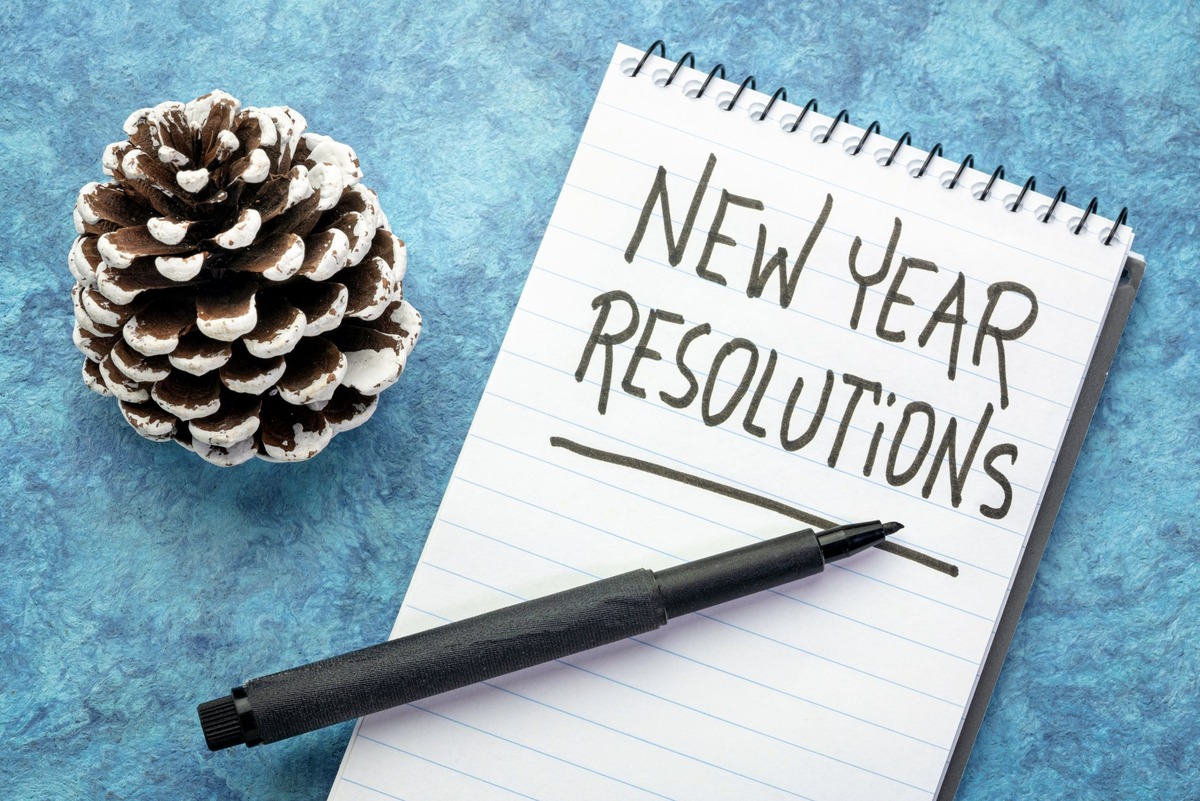
Why Skipping Sustainable Habit Formation Derails Your New Year’s Journey
At the heart of every meaningful transformation lies a simple truth: lasting change requires sustainable habits. Yet, when the clock strikes midnight on December 31st, how often do we promise ourselves unrealistic overhauls? We aim to revamp our entire life—our diet, fitness routine, sleep patterns, and even spending habits—all at once, only to find ourselves overwhelmed within weeks. Sound familiar?
Let me be clear: trying to change everything simultaneously is not ambition—it’s a recipe for burnout. When clients come to me at Claudia’s Concept, disheartened by their inability to stick with resolutions, this is typically the root cause. They relied on willpower alone, rather than building a system they could trust even on low-energy days.
The Myth of Willpower vs. the Power of Systems
Research published in the Journal of Personality and Social Psychology shows that willpower is a finite resource—it depletes with use. That’s why sheer determination fades by mid-January. Instead, what creates consistent, long-term results is systematic habit formation. At Claudia’s Concept, we guide clients through building step-by-step routines that require less decision-making and more natural flow.
So what does that look like in real life?
- Instead of vowing to work out daily from day one, begin by walking for 15 minutes three times a week. Let success accumulate.
- Pair new habits with existing ones—known as habit stacking. For instance, drink a glass of water right after brushing your teeth in the morning.
- Adopt an identity-based approach: Don’t just say, “I want to exercise,” affirm, “I’m becoming someone who moves daily.”
- Track your progress in a visible way. Seeing effort pay off builds motivation.
- Celebrate the micro-wins—the early wake-up, the healthy snack choice, the skipped impulse buy.
Behavioral scientist BJ Fogg of Stanford University famously states, “Emotions create habits, not repetition alone.” When progress feels good—when it aligns with the life you want to lead—it sticks. At Claudia’s Concept, we build rituals around this philosophy, helping you enjoy the journey rather than obsess over the outcome.
So, as you set your New Year’s intentions, ask yourself: Am I planning for a lifestyle or pushing for a deadline? Habit transformation isn’t about doing more—it’s about creating a version of you that does what matters without force.
Your health isn’t a sprint—it’s a layered, evolving journey. Build it one habit at a time—and celebrate every step worth taking.
Rewriting the Narrative: Your New Year, Your Lifestyle, Your Growth
Most New Year’s resolutions stumble not because of lack of will, but because they begin from a shaky foundation—unrealistic expectations, comparison-driven goals, and a rush for instant gratification. When we aim to transform our entire lives overnight, we set ourselves up for frustration rather than progress. And when our goals are rooted in external validation instead of inner alignment, it becomes nearly impossible to sustain them through the inevitable ups and downs.
Let’s shift the focus. Instead of chasing perfection or mimicking what’s trending, approach resolutions as stepping stones toward long-term change. Real growth begins with clarity, compassion, and consistency. At Claudia’s Concept, we emphasise progress over perfection—and that principle applies more than ever at the start of a new year.
Building a healthier lifestyle is a journey, not a race. Nurturing your mental well-being must be as much a priority as forming new eating or movement habits. When your goals support every layer of your health—emotional, mental, and physical—success doesn’t just become possible; it becomes natural.
So be kind to yourself. Let this be the year you allow space for growth rather than demanding instant transformation. Reframe your resolutions as an evolving dialogue with your needs, not a rigid list you must obey.
Now, let’s hear from you! Which unhealthy New Year’s resolution have you made in the past, and how are you planning to change that this year? Share your thoughts below—I’d love to hear your story.