
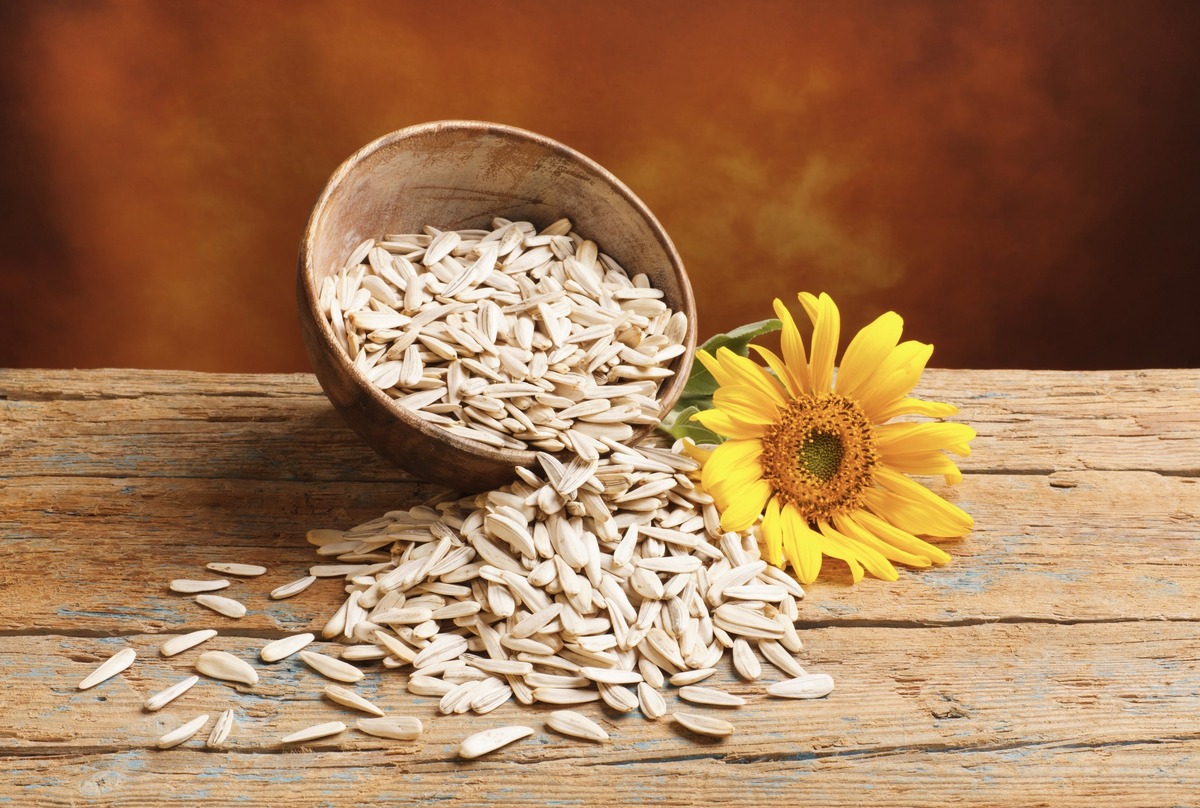
When we talk about compact powerhouses of nutrients, sunflower seeds deserve a spotlight. Subtly nutty in flavour and delightfully crunchy, these tiny seeds are rich in Vitamin E, B-complex vitamins, zinc, and magnesium—all of which support core metabolic functions, skin health, immunity, and energy levels.
For my vegetarian and vegan clients, especially across India, sunflower seeds have become a favourite recommendation. Why? Because they’re not just high in plant-based protein and healthy fats—elements often lacking in meat-free diets—they’re also full of dietary fiber that keeps digestion smooth and prolongs satiety between meals.
As I always say at Claudia’s Concept, nourishing the body starts with smart, sustainable choices. And this one? It’s easy to integrate and impossible to ignore. “A tablespoon of sunflower seeds can jumpstart your day with nutrients that many diets lack,” I always tell my clients. Let’s delve into exactly what makes these seeds so essential.
When we talk about compact powerhouses of nutrients, sunflower seeds deserve a spotlight. Subtly nutty in flavour and delightfully crunchy, these tiny seeds are rich in Vitamin E, B-complex vitamins, zinc, and magnesium—all of which support core metabolic functions, skin health, immunity, and energy levels.
For my vegetarian and vegan clients, especially across India, sunflower seeds have become a favourite recommendation. Why? Because they’re not just high in plant-based protein and healthy fats—elements often lacking in meat-free diets—they’re also full of dietary fiber that keeps digestion smooth and prolongs satiety between meals.
As I always say at Claudia’s Concept, nourishing the body starts with smart, sustainable choices. And this one? It’s easy to integrate and impossible to ignore. “A tablespoon of sunflower seeds can jumpstart your day with nutrients that many diets lack,” I always tell my clients. Let’s delve into exactly what makes these seeds so essential.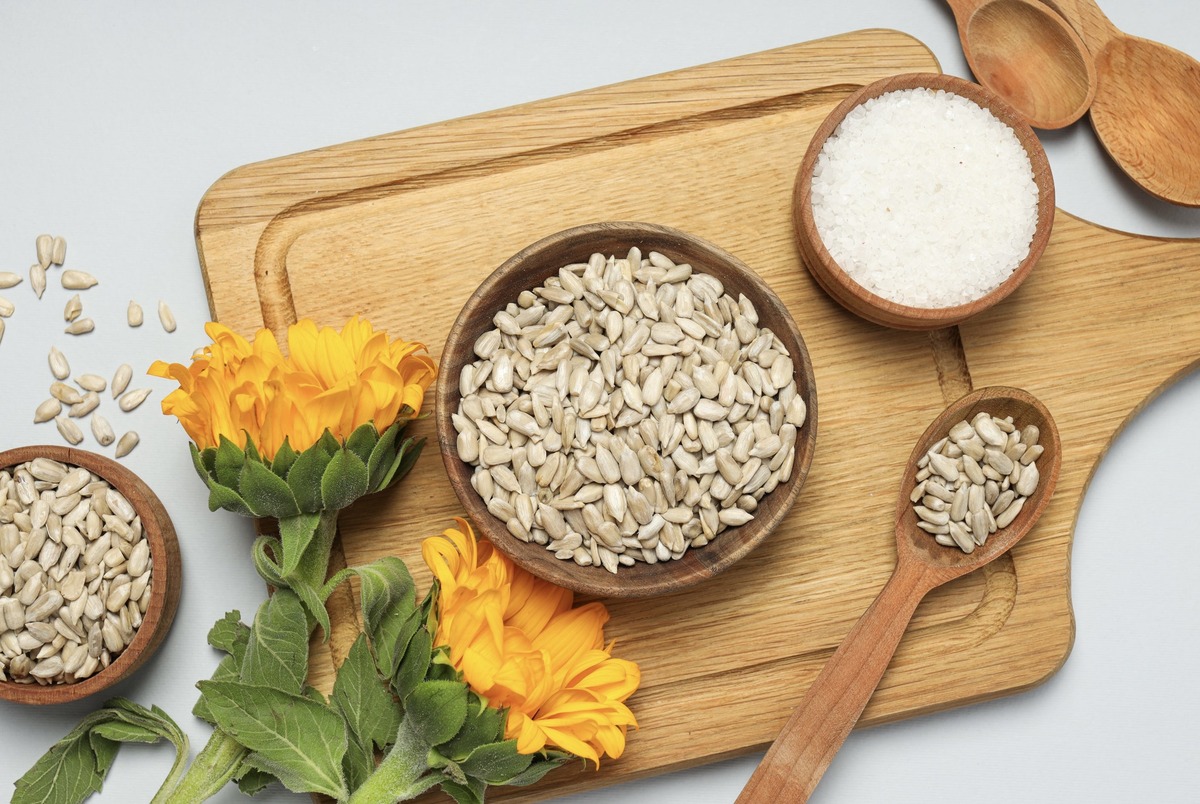
Protect Your Heart Naturally: The Cardiovascular Power of Sunflower Seeds
Why Your Heart Deserves This Tiny Superfood
In the fast-paced environment most urban Indians navigate daily—long commutes, high-stress jobs, irregular meals—the heart demands more care than ever. One of the simplest yet profound ways to show that care? Begin incorporating sunflower seeds into your daily eating habits. At Claudia’s Concept, we focus on whole-body wellness with foods that fit seamlessly into your life. Sunflower seeds are one prime example. Let’s dive into how they actively support your cardiovascular system, based on science—not fads.
Lower LDL Cholesterol with Linoleic Acid
Sunflower seeds are exceptionally rich in polyunsaturated fatty acids (PUFAs), especially linoleic acid—a key player in reducing LDL (bad) cholesterol levels. The American Heart Association highlights that replacing saturated fats with PUFAs can lower LDL cholesterol and reduce the risk of coronary heart disease. In fact, just two tablespoons of sunflower seeds (around 30g) provide over 9 grams of PUFAs, which is about 65% of your daily requirement, according to Indian Council of Medical Research (ICMR) guidelines.
Plant Sterols: Natural Compounds that Balance Blood Pressure
Let’s talk about plant sterols. These bioactive compounds, found abundantly in sunflower seeds, compete with cholesterol for absorption in the digestive system. The result? Less cholesterol entering your bloodstream. More impressively, controlled trials published in the Journal of Clinical Lipidology show that consuming about 2 grams of plant sterols per day can lower LDL cholesterol by 10-14%—a significant drop for something so simple. It’s not just about cholesterol, though. Plant sterols have also been linked to better endothelial function and reduced blood pressure, both of which elevate cardiovascular protection.
Your Urban Lifestyle Needs Cardiovascular Support
Heart disease remains the leading cause of death in India, responsible for nearly 28% of total deaths, according to the Global Burden of Disease Study. With our modern lifestyle often lacking the necessary nourishment and movement, adding foods like sunflower seeds—versatile, affordable, and deeply nutritious—can be a game changer. At Claudia’s Concept, we recommend functional foods like this to nourish without complicating your routine.
Quick Recipe: Heart-Friendly Sunflower Seed Chutney
Want a smart and flavorful way to introduce sunflower seeds into your heart health regimen? Prepare this heart-friendly sunflower seed chutney loaded with Indian herbs:
- ¼ cup roasted sunflower seeds – the hero ingredient
- 1 tbsp chopped coriander leaves – rich in antioxidants
- 1 green chili – optional kick
- ½ inch ginger – supports digestion and circulation
- Juice of ½ lemon – adds vitamin C and zest
- Salt to taste
- A few curry leaves – anti-inflammatory and aromatic
Method: Blend all the ingredients with a splash of water until smooth. Enjoy it with dosas, parathas, or even as a spread on multigrain toast.
Next time you plan your meals, think beyond the basics. Think of nourishment that’s deep, effective, and easy to maintain—just like the heart-smart additions we love to explore at Claudia’s Concept.
Weight Loss Support & Metabolism Boost: Why Sunflower Seeds Deserve a Spot in Your Daily Diet
Ever find yourself reaching for a snack mid-travel or stuck between endless work hours, craving something that gives energy without derailing your health goals? The answer lies in a humble yet mighty source—sunflower seeds. At Claudia’s Concept, we work extensively with real-time nutritional strategies, and when it comes to snacking smart, few things rival the metabolic benefits of these nutrient-dense seeds.
Low Glycemic Index: The Secret Behind Steady Energy
Sunflower seeds have a glycemic index (GI) value of approximately 35, which places them in the low-GI category. Why does this matter? Because low-GI foods release glucose slowly into the bloodstream, preventing sugar spikes followed by sudden crashes. This not only helps stabilise energy levels but also significantly reduces unhealthy cravings—an essential part of sustainable weight management.
By avoiding those blood sugar roller coasters, you’re less likely to reach for processed carbs or sugary snacks out of impulse or fatigue. Including sunflower seeds as part of your small, planned meals throughout the day makes caloric control simpler and more intuitive.
Perfect On-the-Go Snack That Stays With You
Think about what you usually snack on during commutes, long meetings, or between appointments. Most options are either sugar-heavy or low in satiety. A handful of roasted sunflower seeds offers a compact, travel-friendly solution packed with healthy fats, fibre, and protein. These three macronutrients slow digestion and make you feel fuller for longer, thus preventing mindless munching.
And here’s the trick: sunflower seeds don’t just fill you up—they nourish your body while doing so. That’s a big bonus when you’re managing weight without compromising on nutrition.
Metabolism in Action: The Role of Selenium and Magnesium
Selenium and magnesium—two minerals present in sunflower seeds in significant amounts—directly influence how efficiently your body processes energy. Selenium contributes to thyroid hormone metabolism, and your thyroid regulates the baseline rate at which your body uses calories. Each 100 grams of sunflower seeds provide nearly 53 mcg of selenium, which is about 96% of the recommended daily intake for adults.
Magnesium, on the other hand, is central to more than 300 enzymatic reactions in the body, many of which are involved in glucose and fat breakdown. With around 325 mg of magnesium per 100 grams, sunflower seeds energise your metabolic pathways, ensuring that your calories are utilised effectively.
Easy Ways to Add Sunflower Seeds Without Adding Extra Pounds
One of my favourite ways to sneak sunflower seeds into the Indian kitchen is by sprinkling them over a bowl of chilled curd or folding them into a whole wheat paratha dough. The nutty texture not only enhances flavour but also elevates the protein profile of your meal without adding bloating or heaviness.
- Curd bowl booster: Add 1 tbsp of lightly toasted sunflower seeds for extra crunch and savoury depth.
- Protein-packed paratha: Mix crushed seeds into your dough with methi or spinach for a higher satiety index.
- Morning smoothie: Blend a spoonful with banana, almond milk, and cinnamon for a metabolism-lifting start.
At Claudia’s Concept, we always say: portion control doesn’t mean nutritional compromise. The brilliance of sunflower seeds is that they work smart and hard—every bite contributes to a healthier metabolism, controlled appetite, and unshakable energy.
Sunflower Seeds for Skin Health and Anti-Aging, Reveals Celebrity Nutritionist Claudia Ciesla
Your skin is a direct reflection of your internal health—and nourishing it from within yields far better results than any fleeting topical solution. If you’re chasing that glowing, supple look that’s trending across magazine covers and celebrity selfies, sunflower seeds are your new beauty essential. Let’s dive into how these tiny seeds deliver big benefits for your skin and slow down the signs of aging.
Vitamin E: The Skin’s Favourite Antioxidant
Sunflower seeds are among the richest plant-based sources of vitamin E. Just 28 grams (about a handful) contains over 7 mg of vitamin E, contributing nearly half the daily requirement for an adult. This potent antioxidant shields your skin from oxidative stress—the kind triggered by UV rays, pollution, and internal inflammation. In cities like Mumbai or Delhi, where environmental pollution levels soar, that kind of defense isn’t just helpful, it’s essential.
Vitamin E works at the cellular level, maintaining skin elasticity, improving moisture retention, and reducing the appearance of fine lines. That youthful bounce you admire in celebrity skin? It often starts with a diet rich in vitamin E. I personally encourage Vitamin E-rich snacks like sunflower seeds in Claudia’s Concept routines for natural skin regeneration.
Essential Fatty Acids That Lock in Glow
Sunflower seeds are loaded with linoleic acid, an omega-6 fatty acid that enhances the skin barrier. This barrier is what keeps your skin cells plump, controls transepidermal water loss (TEWL), and delivers that lit-from-within glow. Lack of essential fatty acids often leads to dryness, flaking, and premature dullness.
In several clinical reviews, including one published in the American Journal of Clinical Nutrition, diets rich in linoleic acid were associated with significantly lower skin atrophy and better hydration markers. When your skin barrier functions optimally, it naturally resists environmental stressors—this is particularly relevant in urban India where humidity, dust, and pollution are daily challenges.
Collagen Support for Firmness and Texture
We talk a lot about collagen, and rightly so. It’s the protein responsible for skin structure. While collagen synthesis declines with age, the nutrients in sunflower seeds act as natural supporters. Sunflower seeds are rich in zinc and selenium—two trace elements essential to collagen production, DNA repair, and cellular regeneration.
An observational trial published by the Dermato-Endocrinology journal confirmed the synergistic role of zinc and selenium in preserving skin texture and reducing signs of photoaging. That’s why many Indian and international celebrities, whose skincare goals I help design, include these minerals through exacting dietary plans like Claudia’s Concept.
DIY Beauty Boost: Sunflower Seed Face Scrubs
While their internal benefits are more profound, sunflower seeds are making waves in the beauty world as a topical exfoliant too. The trend? Crushed sunflower seeds in DIY facial scrubs. These are popping up in clean beauty circles and lifestyle magazines thanks to their gentle texture and nourishing oil content.
- Mix crushed sunflower seeds with organic honey and rose water for a weekly exfoliator.
- Pair with curd for a natural tan-removing pack that brightens the complexion.
- Add a few drops of sunflower seed oil for a nutrition-packed glow treatment.
Though I always emphasise internal nourishment first, combining dietary intake with such DIY skincare rituals can elevate results. After all, radiant skin isn’t built overnight—but with consistent steps like these, it becomes inevitable.
Inside every Claudia’s Concept programme, I include targeted strategies to support skin integrity using nutrient-dense superfoods like sunflower seeds. When skin health matters as much to you as energy or immunity, this super seed will earn a permanent spot in your daily routine.
How Sunflower Seeds Strengthen Your Immunity, Reveals Celebrity Nutritionist Claudia Ciesla
In the whirlwind of travel schedules, high-stress careers, and urban pollution, immune health isn’t a luxury—it’s a necessity. I see this daily in my sessions at Claudia’s Concept, where clients juggle intense lifestyles yet seek vibrant, illness-free living. The good news? Something as humble as a handful of sunflower seeds can provide noticeable immune support when added to your daily nutrition.
Sunflower Seeds Are Packed With Immunity-Boosting Nutrients
What gives sunflower seeds such power over your immune system? A potent trio: zinc, selenium, and vitamin B6
- Zinc: This micronutrient plays a pivotal role in cellular immunity. It activates T-lymphocytes, the white blood cells that destroy viruses and infected cells. A clinical study published in the American Journal of Clinical Nutrition confirmed that individuals with optimal zinc levels respond more robustly to infections.
- Selenium: Low selenium intake has been directly linked with compromised immune function. Sunflower seeds deliver approximately 30% of the recommended dietary allowance (RDA) per 100g serving. Selenium enhances antioxidant activity and promotes the production of cytokines—signaling proteins essential to immune regulation.
- Vitamin B6: Without B6, your body cannot produce enough antibodies. Scientific reviews, including one in the journal Advances in Nutrition, show that even marginal deficiencies can reduce immune response. Just 28g of sunflower seeds provides more than 10% of your B6 needs.
Why Magnesium Matters for Immunity—Especially Under Stress
Magnesium doesn’t always make the headlines, but it’s a critical player when it comes to shielding your immune system during high-anxiety periods. Chronic stress depletes magnesium levels, and in return, low magnesium impairs natural killer (NK) cell activity. These NK cells are your body’s first defense against viral intruders.
Sunflower seeds offer almost 100 mg of magnesium in a 30g serving. That’s about 25% of the daily requirement. A 2020 study in Frontiers in Immunology demonstrated how magnesium supplementation reinstated strong immune responses in subjects exposed to prolonged psychological stress. If your career or travel demands never pause, your magnesium intake shouldn’t either.
Combating Lifestyle-Induced Illnesses in the Indian Context
Modern Indian dietary trends—a shift toward refined carbs, excessive sugar, and processed fats—have contributed to increasing rates of non-communicable diseases (NCDs) like diabetes, hypertension, and obesity. These conditions are tightly linked to immune suppression. One intervention? A return to nutrient-dense, whole foods like sunflower seeds.
I often recommend using them in Indian-style preparations: sprinkle them on dals, knead them into rotis for extra crunch, or blend into chutneys. Their simplicity belies their therapeutic punch.
Pairing with Ayurvedic Herbs for Greater Effect
While sunflower seeds offer baseline support, their synergy with immunity-boosting Ayurvedic herbs takes it one step further. Pair them with ashwagandha or tulsi for calming the nervous system, or combine with amla to infuse natural vitamin C and antioxidant support. At Claudia’s Concept, I frequently guide clients on creating these holistic pairings for year-round resilience.
So, are sunflower seeds just a snack? Absolutely not. They’re a well-rounded, immune-empowering food that remains underappreciated in day-to-day Indian diets. Integrate them smartly, pair them wisely, and your immune system will show you the results.
Feel Energized All Day: The Energy-Boosting Nutrients of Sunflower Seeds
The connection between nutrition and energy levels is undeniable. When I work with actors on demanding shoots or jet-setting entrepreneurs squeezing in workouts between meetings, the goal remains the same: optimize performance with clean, efficient fuel. Sunflower seeds are small but mighty powerhouses when it comes to enhancing stamina and reducing fatigue—let’s explore how.
Vitamin B1: Your Cellular Battery Charger
Thiamine, also known as Vitamin B1, plays a central role in converting the carbohydrates you eat into fuel. Without enough thiamine, your body struggles to generate the ATP—adenosine triphosphate—it needs to power muscles, brain cells, and every other system. Just 30 grams (a small handful) of sunflower seeds supply about 15% of your daily thiamine needs. That makes them an excellent support food for anyone living life at full speed.
Personally, I include roasted sunflower seeds in many of my Claudia’s Concept travel snack kits and recommend them especially to my clients who report afternoon energy slumps or feel sluggish after lunch. Thiamine ensures glucose gets metabolized efficiently, which keeps energy dips at bay.
Iron-Rich Fuel for Oxygen Flow
Another key energy nutrient in sunflower seeds is iron. This mineral is essential for the formation of hemoglobin, which transports oxygen from your lungs to the rest of your body. Without enough iron, cells become starved of oxygen, leaving you feeling constantly tired—even with a full night’s rest.
Women, particularly those between ages 18 to 50, are at higher risk of iron deficiency. According to the National Institute of Nutrition, nearly 53% of Indian women are iron-deficient. Including sunflower seeds in your regular snacks or meals can be an easy and effective upgrade to address this. They deliver approximately 1.5 mg of iron per 30g serving, which complements a well-balanced diet beautifully.
Nutrition Meets Convenience
Whether you’re flying from Delhi to London for a shoot or squeezing in meetings between cities, having smart snacks on hand is critical. Sunflower seeds offer a double advantage: nutrient density and convenience. Light, portable, and mess-free, they travel well in pouches, jars, or even your clutch. Nothing satisfies mid-flight hunger quite like a handful of spiced seeds.
One of my go-to recipes? Roasted Masala Sunflower Seeds. Here’s how to make them:
- Dry roast 1 cup of raw sunflower seeds on medium heat until they begin to pop.
- Add ½ tsp of pink salt, ¼ tsp turmeric, a dash of red chilli powder, and ¼ tsp roasted cumin powder.
- Stir for another 2–3 minutes, then let them cool completely.
- Store in an airtight glass jar and keep in your bag as your energy back-up.
At Claudia’s Concept, we always focus on small, sustainable changes. Swapping out sugary energy bars for naturally mineral-rich foods like sunflower seeds is one of those smart shifts that builds long-term vitality from the inside out.
Sunflower Seeds in the Indian Kitchen: A Power Ingredient for Everyday Wellness
So much more than a snack: Why sunflower seeds belong in Indian cuisine
We often think of sunflower seeds as a western health trend, but they hold remarkable potential when incorporated into traditional Indian meals. As a celebrity nutritionist and founder of Claudia’s Concept, I encourage a return to local, nutrient-dense foods—sunflower seeds being a shining example. These tiny seeds adapt beautifully to the rhythms and flavours of the Indian diet while offering immense health value.
Versatility that suits Indian palates and routines
From breakfast to dinner—and even occasional indulgent treats—sunflower seeds can seamlessly elevate a wide range of dishes.
- Ladoos with a twist: Blend powdered sunflower seeds with jaggery, ghee, and oats or millets to create energy-rich ladoos—perfect for mid-morning or post-dinner treats.
- Power smoothies: Add a tablespoon of raw or lightly roasted sunflower seeds to your morning fruit smoothie. This adds protein, fiber, and vitamin E—an ideal start to fuel your day.
- Stuffed parathas: Mix ground sunflower seeds into the stuffing of aloo, methi, or paneer parathas for an extra layer of nutty flavour and crunch.
When integrated into everyday cooking, sunflower seeds don’t overpower native flavours but instead add a delightful texture and nutritional upgrade. They complement Indian spices effortlessly, blending into everything from sabzis to rotis.
Creative culinary touches: Making every bite count
Here are a few smart ways I’ve used sunflower seeds in personal coaching sessions with clients who follow Claudia’s Concept for sustainable, wellness-oriented eating in India:
- Sabzis: Sprinkle toasted sunflower seeds over dry vegetable dishes just before serving. They’re especially great over lauki, tinda or beans sautéed with minimal oil and Indian masalas.
- Roti dough: Mix finely ground sunflower seeds into whole wheat dough along with ajwain or methi for added nutrition and digestive support.
- Dal tempering: Add a small spoon of roasted sunflower seeds along with your usual cumin, mustard and hingtadka. This enhances both texture and micronutrient density.
Supporting the Clean Eating India movement
Choosing ingredients that are clean, local, and pesticide-free is central to Claudia’s Concept. Sunflower seeds uphold that principle. They’re easily sourced from Indian farms, require minimal processing, and pack more nutrition than many processed snacks or supplements. They support the Clean Eating India philosophy not just in theory, but in daily application. Smart choices like these bring long-term health returns without sacrificing flavour or tradition.
A gentle friend to your gut
Sunflower seeds are naturally rich in insoluble fiber—precisely the type that stimulates intestinal movement and prevents sluggish digestion. In just 28 grams (about 2 tablespoons), you’ll get roughly 2.4 grams of fiber, primarily insoluble. That contributes significantly to regular bowel movements, promotes microbial balance, and reduces episodes of bloating or gas often caused by fiber-deficient meals.
When you integrate a handful of sunflower seeds into your food each day, it acts like a slow burn—quietly cleaning, nourishing, balancing one bite at a time. For Indian diets typically rich in grains and legumes but sometimes lacking in quality fats and fiber, this inclusion can gently tip the balance toward optimal digestive wellness.
The versatility, nutritional density, and compatibility of sunflower seeds with our culinary heritage make them an easy yet powerful addition. Look beyond the handful of seeds tossed on a salad—bring them, consciously and creatively, into your daily plate.
Start Small, Nourish Big: Why Sunflower Seeds Belong in Every Indian Kitchen
Let’s recap the powerful sunflower seeds benefits we’ve explored. These tiny yet potent seeds pack a remarkable nutritional punch—rich in vitamin E, B vitamins, magnesium, selenium, and healthy fats. They support heart health by managing cholesterol levels and reducing oxidative stress, earn their place among heart health foods in India, and promote steady weight management through protein and fibre that curb hunger naturally. Their anti-inflammatory properties revive vitality and radiance in your skin, offering real support in the realm of lifestyle wellness seeds.
When it comes to supporting immunity, few seeds match their zinc and selenium content, which optimize white blood cell production and cellular repair. The healthy fats keep your energy levels up, making them ideal travel snacks for the health-conscious traveller. And yes, they fit seamlessly into the Indian diet—whether sprinkled over a salad, blended into chutney, or added to healthy paratha fillings. Their versatility is effortless, their impact transformative.
As a Celebrity Nutritionist, I focus on food that not only nourishes but integrates easily into our lifestyle—and sunflower seeds do just that. At Claudia’s Concept, I consistently recommend them to clients looking for simple upgrades to their daily routine. They’re affordable, accessible, and power-packed with health benefits for digestion, immunity, skin clarity, and more. And that’s the true beauty of these nutritious superfoods.