
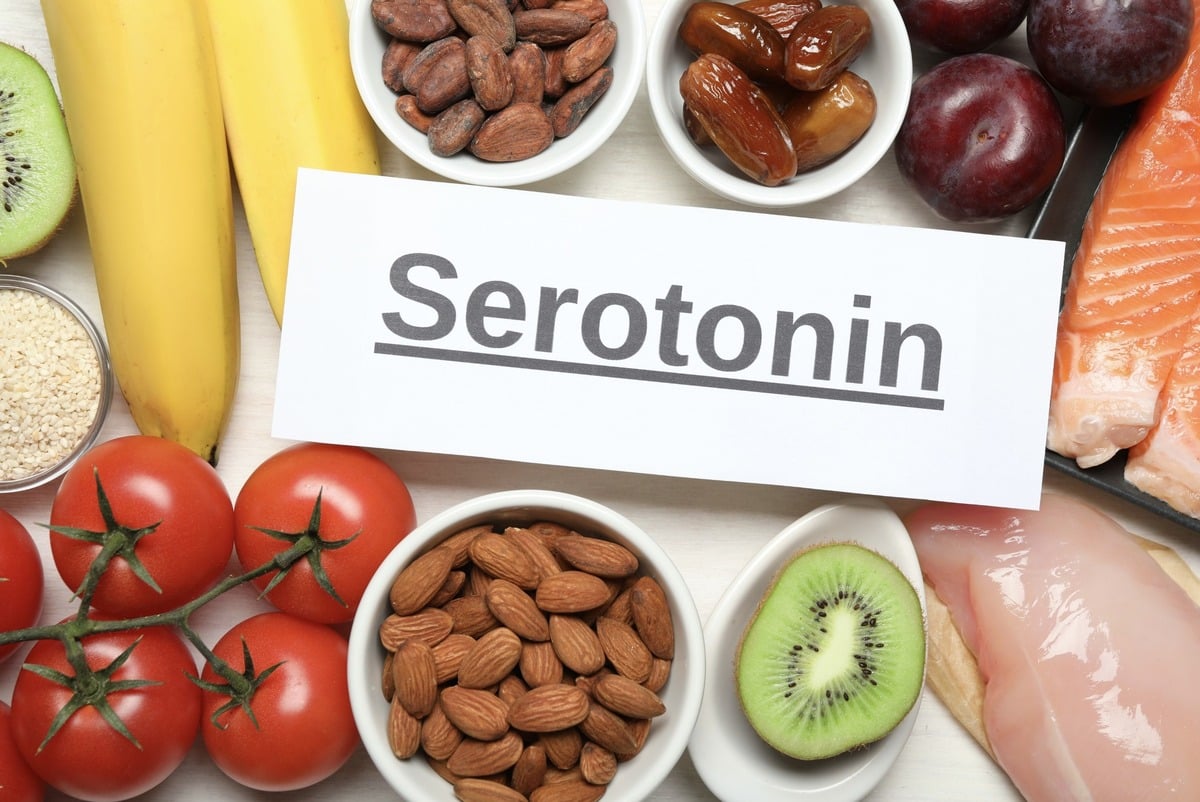
Ever wondered why some days feel light and joyful while others drag on with a low mood hanging overhead? Often, the answer lies in a powerful brain chemical — serotonin. Widely recognized as the “feel-good” neurotransmitter, serotonin plays a vital role in regulating mood, sleep, appetite, and even digestion. Low levels are not just linked to irritability or fatigue, but also to more serious conditions like depression and anxiety.
The good news? You can actually support your brain’s natural production of serotonin through the foods you choose to eat. While genetics and lifestyle certainly have their roles to play, your daily plate is a powerful tool for elevating your mental well-being.
In India, we are blessed with a rich culinary heritage, full of diverse ingredients that naturally align with modern nutritional science. With the right approach, familiar foods from your kitchen — think legumes, seeds, spices, and fruits — can become tools for a balanced mood and vibrant energy. At Claudia’s Concept, we take pride in blending ancient Indian food wisdom with evidence-based nutrition strategies to create lifelong wellness.
In this guide, I’ll walk you through 7 science-backed Indian foods that support serotonin production naturally. We’ll also look at simple but holistic strategies that amplify the effect — from timing your meals to choosing the right food combinations. Ready to nourish your mood from the inside out?
Understanding Serotonin: The Brain’s Happiness Chemical
What is Serotonin and Why It Matters
Called the “feel-good” chemical for a reason, serotonin is a neurotransmitter—a type of chemical messenger that plays a central role in regulating mood, sleep, appetite, memory, and even body temperature. When serotonin levels are balanced, you feel calm, focused, happy, and emotionally stable. But when levels dip too low, symptoms such as anxiety, irritability, disturbed sleep, and even depression can surface.
Numerous studies, including data from the Journal of Psychiatry & Neuroscience, show that decreased serotonergic activity is closely linked with mood disorders. This is why many antidepressant medications aim to increase serotonin availability in the brain. But you can also influence serotonin production through lifestyle—particularly through what you eat. That’s where Claudia’s Concept focuses a lot of attention, combining food science with emotion-driven results.
The Gut-Brain Connection in Serotonin Production
What’s often surprising to many is that around 90% of the body’s serotonin is produced in the gut, also known as the enteric nervous system. This “second brain” in your digestive tract communicates with the central nervous system via the vagus nerve, forming what’s called the gut-brain axis.
So when your gut is inflamed, imbalanced, or lacking the right microbiota, serotonin production naturally suffers. A healthy gut fuels the brain with the right building blocks—and that’s a huge win in the journey toward consistent energy and emotional balance.
Fermented foods, dietary fiber, and probiotics not only balance the gut flora but also indirectly assist in serotonin function. At Claudia’s Concept, I always emphasize gut integrity because it directly shapes how well your mind and body perform day after day.
Tryptophan, Vitamins & Gut-Friendly Nutrients for Serotonin Synthesis
Serotonin doesn’t just appear in the body; it’s synthesized from an essential amino acid called tryptophan. Since your body cannot produce tryptophan on its own, it must come from your diet. What’s fascinating is that tryptophan competes with other amino acids for transport across the blood-brain barrier—so the presence of carbs and certain cofactors can make all the difference in how much serotonin your body is able to produce.
- Vitamin B6: Necessary for converting tryptophan into serotonin. Found in foods like bananas, chickpeas, and potatoes.
- Vitamin B12 and Folate: These support overall brain health and neurotransmitter synthesis.
- Magnesium: Plays a key role in neurological function and stress response.
- Omega-3 fatty acids: These help modulate serotonin receptor formation and membrane function.
When your diet lacks these nutrients, serotonin levels simply don’t reach optimal levels—no matter how much tryptophan you’re taking in. The Claudia’s Concept protocol incorporates all these angles because full-spectrum nutrition is how sustainable well-being is built.
Serotonin’s Overall Impact on the Body and Mind
Beyond mood elevation, serotonin controls multiple physiological processes:
- Regulates sleep cycles: Serotonin is a precursor to melatonin, the hormone responsible for managing circadian rhythm.
- Supports digestion: It helps in peristalsis and regulates bowel movements.
- Reduces anxiety reactions: By damping down hyperactivity in the amygdala, serotonin has a calming effect on the brain.
- Contributes to sexual function and pain modulation: It plays a role in reproductive behavior and response to physical pain.
Imagine a nutrient-dense plate that doesn’t just fill you up but actually makes your brain feel emotionally nourished—this is what eating with purpose looks like. And that’s the core philosophy of Claudia’s Concept: real food creating real impact.
How Food Influences Serotonin Production
Why Eating the Right Foods Matters for Serotonin and Mental Health
Your gut and brain are in constant conversation—biochemical, emotional, and everything in between. Nearly 90% of the body’s total serotonin is produced in the gut, not the brain. So, what you put on your plate is never just about physical hunger. It’s directly influencing your mood, motivation, and even how deeply you sleep at night.
At Claudia’s Concept, we view food as powerful, functional fuel. Certain ingredients act like silent cheerleaders for your mind, supporting serotonin production and establishing a natural mood-elevating rhythm throughout the day. The connection between nutrition and serotonin isn’t vague—it’s deeply validated by science.
The Body’s Process of Synthesizing Serotonin from Dietary Sources
Serotonin is synthesized from an amino acid called tryptophan. This amino acid is essential, meaning the body cannot make it on its own and must get it from dietary sources. Here’s the simplified process:
- You eat foods rich in tryptophan, like dal or quinoa.
- Tryptophan crosses the blood-brain barrier with the help of carbohydrates, which trigger insulin and shift other amino acids to muscle tissue, giving tryptophan clearer access to the brain.
- Inside the brain, tryptophan converts into 5-hydroxytryptophan (5-HTP), and eventually into serotonin, with the help of vitamins like B6 and cofactors like iron and magnesium.
Now, if your diet is lacking in tryptophan, or if you’re not consuming the right nutrients to facilitate this conversion, serotonin synthesis slows down. This can affect your mood, appetite regulation, and general sense of well-being. It’s one more reason why every bite counts.
Nutritional Value of Serotonin-Supportive Foods
Supporting this critical neurotransmitter involves much more than just eating well-known “superfoods”. The real magic lies in nutrient synergy. Nutrients that help boost serotonin include:
- Tryptophan: Found in foods like curd, tofu, and sesame seeds
- Vitamin B6: Present in bananas, potatoes, and sunflower seeds
- Magnesium: Found in leafy greens, almonds, and pumpkin seeds
- Iron: You’ll find it in jaggery, lentils, and dark green vegetables
- Omega-3 Fatty Acids: Flaxseeds and walnuts are rich vegetarian sources
Each of these nutrients supports a different stage of the serotonin creation pathway. At Claudia’s Concept, we help you align your meals so that they’re not just nutrient-rich, but also mentally nourishing.
Exercise Complements Serotonin Production
Food is foundational, but movement completes the picture. Regular physical activity increases the availability of tryptophan in the brain and elevates serotonin production. A brisk 30-minute walk in the morning sun? That’s a serotonin booster on many levels. Pair this with a serotonin-smart breakfast—say, oats with banana, almonds, and a drizzle of honey—and you’re setting the tone for mental clarity and emotional balance all day long.
Think of your lifestyle as a well-choreographed dance between nutrition, movement, and mental health. When you fuel your body with intentional choices, your serotonin levels respond with resilience, helping you stay steady even during life’s challenging moments.
7 Indian Foods That Can Help Boost Serotonin Naturally
- Bananas
Bananas are more than just a convenient snack. These humble yellow fruits are packed with both vitamin B6 and tryptophan, the essential amino acid your body needs to produce serotonin — the neurotransmitter that regulates happiness and mood stability.
Vitamin B6 acts as a vital coenzyme in converting tryptophan to serotonin. Without it, your body struggles to make that transformation. Bananas also offer quick-release energy through natural sugars and dietary fiber, making them ideal in the morning or pre-workout.
In traditional Ayurvedic practice, bananas are known to pacify Vatadosha, often linked to anxiety and restlessness.
- Add slices to your morning oats or overnight chia pudding.
- Blend into smoothies with flaxseeds for an extra serotonin-friendly kick.
- Enjoy as a mid-day pick-me-up with peanut butter for a protein boost.
- Curd (Dahi)
Curd, a staple in Indian homes, plays a critical role in the gut-brain connection. As a fermented dairy product, it contains high levels of probiotics which support healthy gut microbiota. These microbes activate communication with the central nervous system — one of the key pathways influencing serotonin production.
Modern research consistently supports the idea that a healthier gut translates to a more balanced mood. Since 90% of serotonin is produced in the gut, curd directly impacts that emotional balance.
In Ayurveda, curd is considered sattvic and nourishing to the body tissues, promoting stability and contentment.
- Use it as a base for vegetable raitas or fruit-yogurt parfaits.
- Enjoy a bowl with a pinch of roasted cumin powder after lunch for improved digestion and mood.
- Blend into buttermilk (chaas) to cool down both mind and body on hot days.
- Paneer (Cottage Cheese)
Paneer, beloved across India, is not only rich in complete protein but also offers significant amounts of tryptophan, calcium, and B vitamins. These nutrients work synergistically to keep your nervous system functioning optimally while aiding serotonin synthesis.
As part of Claudia’s Concept, I often recommend paneer to vegetarians looking for tryptophan-rich protein options that energize the body while calming the mood.
Paneer holds a strong Ayurvedic relevance too. It’s considered grounding and is often used to nourish dhatus (body tissues) and prevent deficiency-related low moods.
- Grill paneer cubes with turmeric and ajwain for a digestion-friendly snack.
- Incorporate into colourful mixed vegetable curries for a hearty serotonin-supporting meal.
- Add crumbled paneer into stuffed parathas or salads for lunch.
- Walnuts and Flaxseeds
These tiny nutritional powerhouses contain abundant omega-3 fatty acids, proven to enhance neuronal membrane function and signal transmission across brain pathways — including those related to serotonin regulation.
Scientific studies, like those published in Psychosomatic Medicine, show a clear correlation between omega-3 intake and elevated serotonin throughput and dopamine function in the brain.
In both modern Indian healing and Ayurveda, walnuts and flaxseeds are favoured for their sattvic, brain-fortifying effects.
- Add crushed walnuts to porridge or fruit bowls for texture and brain-boosting benefits.
- Roast flaxseeds with spices and sprinkle over sabzis or mix into yogurt.
- Grind both into a chutney for a rich, nutty serotonin-supportive spread.
- Turmeric
Turmeric is legendary in Indian kitchens, and for a good reason. Its active compound, curcumin, has been shown in multiple studies to modulate levels of serotonin and dopamine, significantly improving mood and reducing symptoms of depression.
Turmeric’s anti-inflammatory power also means better brain health, as chronic inflammation can impair neurotransmitter activity. According to a 2015 study in the Journal of Affective Disorders, curcumin improves mood by enhancing neurogenesis and serotonin bioavailability.
In Ayurveda, turmeric is tridoshic — balancing for all body types — and is believed to detoxify the mind and body alike.
- Stir into warm milk with a touch of black pepper and honey for a calming haldidoodh.
- Use daily in tadkas for lentils and vegetables to build up its mood-elevating effects.
- Pair with ghee to enhance absorption and gut-healing benefits.
- Seasonal Fruits (Papaya, Mango, Pineapple)
Nature’s own serotonin-boosters arrive fresh each season on the Indian subcontinent. Fruits like papaya, mango, and pineapple are bursting with tryptophan, vitamin C, and enzymes that not only aid digestion but brighten the mood too.
Their juicy sweetness and vibrant colours stimulate sensory pleasure — a subtle but powerful psychological trigger for serotonin release. Vitamin C, besides supporting immunity, helps maintain serotonin levels in neurotransmitter vesicles, according to research in Neuropsychopharmacology.
Ayurveda encourages eating fruits according to season. Their timing aligns with the body’s needs – lighter fruits during summer months improve mood, hydration, and energy naturally.
- Have mango slices with soaked chia seeds as a cheerful summer breakfast.
- Add papaya to morning fruit plates with a sprinkle of black salt and lime.
- Enjoy pineapple juice post-exercise for refreshing serotonin recovery.
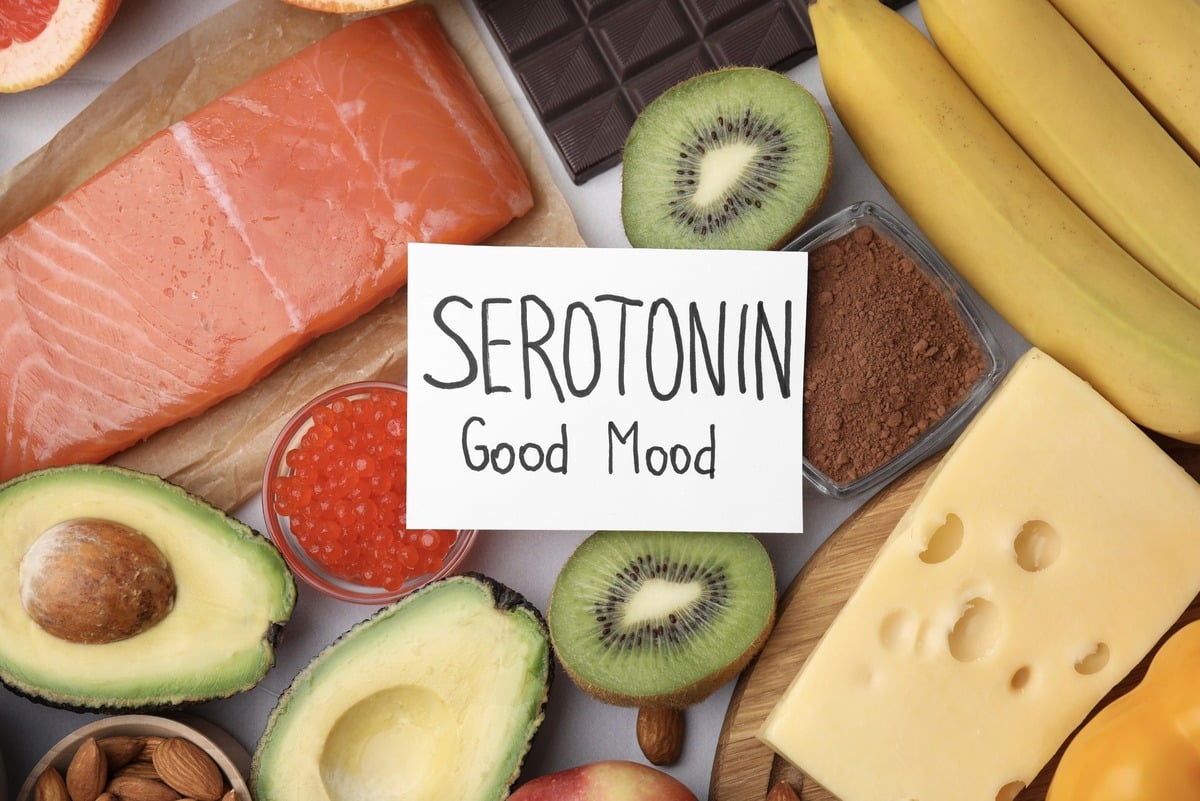
- Herbal Teas (Tulsi, Chamomile, Ashwagandha)
Each cup of herbal tea is an opportunity to support your serotonin cycle — especially when it includes adaptogenic herbs that modulate cortisol levels and reduce psychological stress. Tulsi (holy basil), chamomile, and ashwagandha are three of the most researched and widely used mood-supportive herbs in Ayurveda and modern wellness protocols.
Lower stress allows better use of tryptophan for serotonin production instead of diversion toward stress hormones. According to a 2019 clinical trial in Phytomedicine, ashwagandha supplementation significantly improved mood and reduced anxiety through cortisol regulation and serotonin-alpha wave activity.
These teas are an integral part of Claudia’s Concept for their role in restoring balance and emotional clarity.
- Sip tulsi tea in the early morning to stabilise your emotional foundation for the day.
- Choose chamomile at night to soothe the mind and enhance restorative sleep cycles.
- Brew ashwagandha root tea as part of your evening ritual for deeper mental calm.
Aligning Serotonin-Boosting Foods with a Healthy Indian Lifestyle
You’ve discovered the natural Indian foods that can boost serotonin levels, and now it’s time to explore how to integrate them into your daily rhythm. Because real results come when you align your nutrition with movement, mindfulness, and mental clarity. And that’s exactly where Claudia’s Concept takes a holistic approach — blending nourishment with lifestyle for long-lasting impact.
Plan Your Plate with Intention
A serotonin-supporting Indian diet combines tradition with science. You’re not just eating dal or bananas — you’re fueling neurotransmitters that directly influence mood, sleep, and mental clarity. Here’s how to bring these foods into your everyday meals:
- Start your day with fermented foods like idli or dosa — they nourish gut health, where over 90% of serotonin is produced.
- Incorporate curd or buttermilk with lunch to add probiotics that stimulate your gut-brain axis.
- Add banana slices to your mid-morning snack. They’re rich in vitamin B6 and tryptophan, both essential for serotonin synthesis.
- Prepare turmeric-infused dal or sabzis — curcumin (the active compound in turmeric) has been shown to increase serotonin and dopamine levels in the brain.
- Choose cashews or walnuts as an evening snack for a tryptophan-rich, mood-friendly boost.
Structure your meals around balance and variety. Consistent meal times, a mix of micronutrients, and whole, unprocessed ingredients will amplify the serotonin-boosting benefits of your diet. This is the foundation of Claudia’s Concept, which focuses not just on what you eat but how and when you eat it.
Move to Release More Than Just Stress
Your mind thrives when your body moves. Physical activity isn’t only good for muscles and joints — it plays a direct role in the release of serotonin. The Journal of Psychiatry & Neuroscience published a study confirming that aerobic exercises like brisk walking, jogging, or cycling increase the brain’s tryptophan levels and enhance serotonin activity. You may have noticed it already: after a yoga session or a walk outdoors, your mood lifts. That’s not a coincidence — that’s serotonin in action.
Incorporate 30 minutes of movement — whether it’s Surya Namaskar, a walk in nature, or cycling — into your routine. Traditional Indian physical practices like yoga also calm the nervous system and improve gut function, complementing a serotonin-friendly diet beautifully.
Create an Anchor Through Routine
Serotonin loves rhythm. Your body thrives when it knows what to expect: when to wake, when to eat, when to recover. Disruption in daily structure often leads to disrupted mood due to fluctuations in cortisol and serotonin regulation. Start by anchoring your day with three nourishing meals at consistent times, including serotonin-boosting foods from your local market or kitchen. Give your evenings dedicated space for rest and digestion.
Morning and evening self-care rituals — even simple ones like oil pulling, five minutes of silence, or sipping warm water with lemon — send signals of safety and stability to your nervous system, helping your serotonin stay in healthy range.
Listen to Your Mood and Adjust Intuitively
Your emotional state is a messenger. A dip in mood might be your body asking for more omega-3s, better gut flora, or even sunlight. Train yourself to connect the dots between how you feel and what you’re consuming. Was today’s mood sluggish? Add turmeric and chia seeds. Feeling anxious? Maybe increase magnesium-rich foods like dark leafy greens.
Journaling your daily meals alongside your mood levels can reveal remarkable patterns over time. Many clients at Claudia’s Concept have identified clear links between their eating habits and mood swings — and used that awareness to transform their mental resilience.
By weaving together serotonin-boosting foods, intentional movement, and structured routines built on self-awareness, you create an inner environment where mental balance becomes your new normal. And that’s the lifestyle that allows your mind to stay joyful, steady, and present — one meal, one breath, and one choice at a time.
Eating for Joy, Energy, and Balance
Take a moment to ask yourself—when was the last time your meal made you feel genuinely uplifted? I’m not just talking about fleeting satisfaction, but sustained energy, better focus, and a glowing mood. That’s the power of food when it aligns with your body’s biochemical needs. This is where serotonin, your brain’s happiness messenger, comes in, and the choices you make on your plate start playing a bigger role than you might think.
At Claudia’s Concept, I always emphasise one clear idea: food is not just fuel, it’s your most accessible form of medicine. When you consciously include serotonin-supporting Indian superfoods—like turmeric, curd, bananas, and methi—in your everyday meals, you’re not only nourishing your physical health, you’re actively building emotional resilience. Science supports this.
For example, combining high-tryptophan foods such as sesame seeds or soybeans with complex carbohydrates like brown rice increases the bioavailability of tryptophan for serotonin synthesis. That’s biochemistry at work in your kitchen. A 2021 study published in Nutrition Reviews outlines how dietary patterns rich in whole grains, legumes, probiotic fermented foods, and B-vitamins positively impact serotonin activity, influencing both mood and sleep.
Feel like you’re often low on energy or stuck in an unmotivated slump? Your food choices could be subtly signaling your brain to stay down. Thankfully, the Indian diet is already rich with elements that can lift you up—when harnessed intentionally. That’s exactly what I help you do at Claudia’s Concept: inspire change that actually sticks, one meal at a time.
Instead of viewing food as something to control or restrict, start seeing each bite as a contribution to your mood, clarity, and overall vitality. Curious to begin? Explore local farmers’ markets this week. Look for mood-lifting staples like ragi, spinach, coconut, and curry leaves. Better yet, download the free guide, “Mood-Boosting Indian Pantry Essentials” and build a serotonin-friendly kitchen step by step.
And here’s a thought—why not turn your next grocery trip into an experiment in joy? Pick two or three of the serotonin-boosting foods we’ve discussed, add them to your meals for the week, and observe. Your body knows. And when you start feeling better, you’ll know too.