
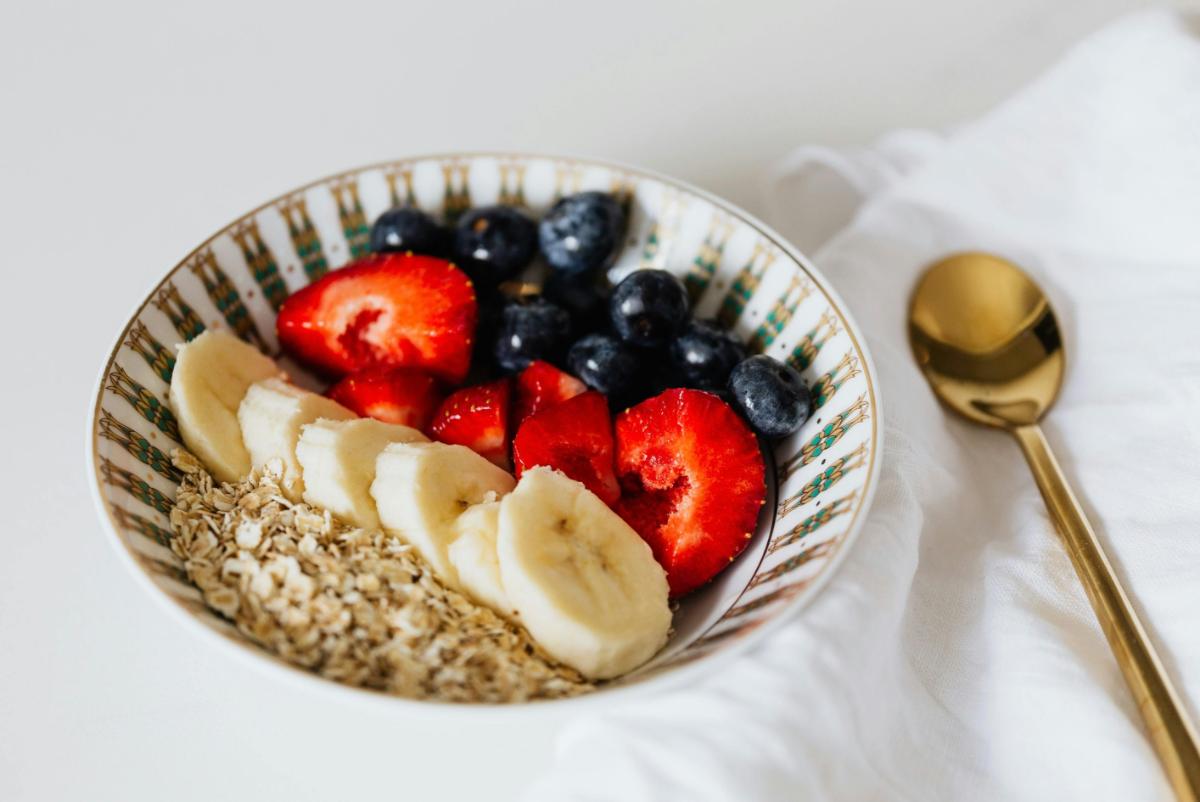
Have you ever paused over a steaming bowl of oatmeal and wondered just how much goodness it brings to your table? Oats, known scientifically as Avena sativa, have woven their way into breakfast menus and healthy eating plans around the globe. For generations, they’ve been a trusted staple food and grain, cherished for both their comforting taste and their dense nutritional profile.
Today, with a growing focus on evidence-based wellness and mindful eating, oats truly shine. As more of us seek practical, natural solutions for our health, oatmeal stands tall—not just as a classic breakfast, but as a powerhouse ingredient that fits harmoniously into modern diets. Through Claudia’s Concept, I champion oats as both versatile and vital, ensuring they are sourced, prepared, and enjoyed in the most nourishing ways possible.
Nutritional Value of Oats: The Powerhouse Behind Every Bite
Unlocking the Key Nutrients in Oats
When you look at oats, you’re not simply seeing a breakfast staple—you’re looking at a nutritional powerhouse capable of fueling your body in numerous ways. Oats deliver a robust set of macronutrients and micronutrients that support a balanced, energetic lifestyle. Every serving packs an impressive variety of essentials: complex carbohydrates for sustained energy, high-quality plant protein, soluble and insoluble fibre, and critical vitamins and minerals.
- Protein: Oats contain about 11–17% protein by dry weight, which exceeds most other grains. This remarkable profile helps repair muscle tissues and supports metabolic functions. Beta-glucan, a unique soluble fibre in oats, also contributes to protein digestibility.
- Carbohydrates: Complex carbohydrates make up around 66% of oats’ dry weight, with only 1% coming from simple sugars—the rest is mostly beneficial polysaccharides and dietary fibre. This composition ensures energy is released steadily, avoiding blood sugar spikes.
- Fibre: A 40-gram serving of rolled oats provides roughly 4 grams of fibre. About half of that is the heart-healthy soluble type, beta-glucan, which stands out for its profound effects on cholesterol levels and digestive wellness.
- Vitamins: Oats deliver a solid boost of B-vitamins, especially thiamin (vitamin B1) and folate. These are essential for energy metabolism, brain function, and red blood cell creation.
- Minerals: In every bite, oats bring you nutrition rich in manganese (covering nearly 191% of the Daily Value per 100g), phosphorus, magnesium (34% DV), copper, iron, zinc, and selenium—trace elements that recharge your body, enhance bone health, and support immunity.
Why Oats Top the List for a Balanced Diet
When planning balanced, health-focused meals—whether for my high-profile clients or anyone aspiring to elevate their everyday nutrition—I consistently recommend including oats. Their nutrient profile offers more protein, fibre, healthy fats, and minerals compared to most popular grains. Oats blend into both sweet and savoury dishes, supporting a wide variety of dietary preferences from vegetarian to gluten-free.
The mix of macronutrients and micronutrients in oats means the body receives not only sustained energy but also improved metabolic and immune functions. In practice, I see many people experience greater focus, energy, and satiety when oats become part of their breakfast or snack routine. With Claudia’s Concept, we integrate oats purposefully to take advantage of their nutrient synergy and to personalize wellness plans for diverse health goals.
Take a moment to look at your meals: How can adding oats today push you closer to the balanced, energized life you envision?
Rich in Fibre: The Digestive Rewards of Oats and Oatmeal
How often do you think about the role of fibre when choosing your breakfast? Oats and oatmeal stand out for their exceptional fibre content, and integrating them into your morning ritual will significantly enhance your digestive wellness. Why does this work so well? Fibre doesn’t just help with regularity; it actively reshapes how your digestive tract functions, feeds healthy bacteria in your gut, and boosts overall absorption, setting a rock-solid foundation for wellness. At Claudia’s Concept, I always recommend oats as one of the most accessible—and effective—ways to fuel your gut the smart way.
The Digestion-Boosting Power of Dietary Fibre
Fibre performs more than one job in your system. When you consume oats, their robust array of dietary fibre begins working instantly as it moves through your digestive tract. Fibre increases stool bulk and softens its texture. This action stimulates peristalsis, the rhythmic muscular contractions of your intestines that keep things moving along, drastically reducing the chances of constipation. According to a 2021 review published in the journal Foods, adults who consistently consume oats experience a marked improvement in stool frequency and regularity compared to those who don’t make them a staple. Choosing oats daily ensures your digestive system never stalls or stagnates.
Soluble vs. Insoluble Fibre: Both Present, Both Essential
Oats offer both soluble and insoluble fibre—each important in its distinct way, and together they transform digestive health. Soluble fibre, primarily in the form of beta-glucan, dissolves in water and creates a viscous gel in the gut. This gel slows digestion, allowing for more complete nutrient absorption and a gradual, steady release of energy. On the flip side, insoluble fibre from oat bran and groats adds bulk and sweeps through your intestines like a natural broom. This creates a balanced environment for smooth elimination while maintaining your colon’s integrity.
- Soluble fibre in oats, especially beta-glucan, acts as a prebiotic—feeding the beneficial bacteria in your gut and supporting a balanced, vibrant microbiome.
- Insoluble fibre physically stimulates and strengthens intestinal movement, ensuring wastes and toxins move efficiently out of the body.
Consider oats a near-perfect digestive companion: research from The American Journal of Clinical Nutrition found people increasing their oat intake improved both stool consistency and gut microbial diversity within four weeks. With Claudia’s Concept, I encourage swapping typical processed breakfast cereals for a bowl of oats. The body’s response is not just noticeable; it will transform your day-to-day comfort and energy levels.
Gut Health and Absorption: The Science-Driven Advantage
Scientific studies underscore oats’ unique role in nurturing the gut. The soluble fibre beta-glucan supports the growth of Bifidobacterium and Lactobacillus, beneficial bacteria associated with smoother digestion and improved immunity. Simultaneously, insoluble fibre reduces the time food spends in your system, allowing efficient removal of waste and minimizing toxin reabsorption. This process enhances your body’s absorption of vitamins and minerals from every meal—an advantage you’ll always notice, not just in digestive harmony but in your overall well-being.
Have you noticed changes in your digestion with regular oatmeal? What would your mornings look like if you never felt sluggish or uncomfortable after breakfast? Explore these possibilities by adding more oats to your meals—let’s shift your gut health to a new level with every nourishing spoonful.
Unleashing the Heart Health Power of Oats
How Oats Lower Blood Pressure and Reduce Cardiovascular Risk
When you want to take active steps for your heart, few foods rival the simple oat. Many clinical studies confirm that incorporating oats and oatmeal into your daily routine will lower both systolic and diastolic blood pressure. For example, a 2020 meta-analysis in the Journal of the American Heart Association found that adults who consumed at least 60 grams of oats (around two servings) daily saw their systolic blood pressure decrease by an average of 2.7 mmHg. This kind of reduction directly translates to lower overall cardiovascular risk over time. If you’ve ever wondered how such a humble food delivers something so profound, science gives us the answer.
Beta-Glucan: The Fibre That Changes Cholesterol Absorption
The secret behind the heart-protective effect of oats is a soluble fibre called beta-glucan. When you eat oats, beta-glucan forms a gel-like substance inside your digestive tract. This gel binds bile acids, which the body uses to digest fats. Because bile acids are made from cholesterol, the body is forced to pull cholesterol from the bloodstream to replenish bile acids. As a result, you experience a measurable reduction in total cholesterol and LDL (“bad” cholesterol) levels.
Double-blind studies, including one published in The American Journal of Clinical Nutrition (2016), demonstrate that consuming just 3 grams of beta-glucan per day—equivalent to about one bowl of oatmeal—lowers LDL cholesterol by 5-7% within six weeks. Every serving counts. I often work with clients at Claudia’s Concept to strategically include oats in their morning meal and observe not only decreased cholesterol numbers but also improved heart health parameters at follow-up consultations.
Oats in a Comprehensive Heart-Healthy Diet
- Consistent Habits Yield Predictable Results. Including oats regularly, whether as overnight oats, savoury porridge, or muesli, delivers continuous cardiovascular benefits.
- Synergy With Other Nutrients. Oats provide magnesium, potassium, and antioxidants—each one playing a supporting role in reducing arterial stiffness and combating oxidative stress linked with heart disease.
- Proven by Populations. In Scandinavia, where oat-based diets are widespread, researchers observe lower population-wide rates of heart attacks and strokes, according to data published in the European Journal of Epidemiology.
- Flexible in Meal Planning. You can combine oats with nuts, fruits, or seeds—enhancing both nutrient density and heart-protective power.
Building your lifestyle around heart-healthy choices sets the foundation for long-term well-being. At Claudia’s Concept, oats are a recommended staple. When you commit to them, you invest decisively in your cardiovascular future.
Blood Sugar Control: How Oats Support Steady Glucose Levels
Struggling with energy crashes or concerned about erratic blood sugar? Including oats in your daily meals makes a remarkable difference, especially for those aiming to maintain stable glucose levels. Let’s dive into why oats truly stand out among grains when it comes to blood sugar control.
The Low Glycaemic Index Advantage
Have you ever wondered why oats are consistently recommended to people with diabetes or anyone looking to manage their sugar intake? The answer lies in their low glycaemic index (GI). Foods with a low GI cause a gradual rise in blood sugar, ensuring stable energy without spikes or crashes. Rolled oats and steel-cut oats both rank low on the GI scale, with values typically ranging between 42–55, according to research published in the American Journal of Clinical Nutrition.
Steady Energy Throughout the Day
Eating oats leads to a slow and steady release of glucose into your bloodstream. Beta-glucan, a soluble fibre unique to oats, forms a gel-like substance in the digestive tract. This gel slows down carbohydrate absorption, so you experience sustained energy and fewer cravings. With every spoonful, you empower your body to better manage both hunger and blood sugar fluctuations. That’s why at Claudia’s Concept, I encourage adding oats as a reliable foundation in balanced meal plans, especially for clients managing type 2 diabetes.
Pairings and Personalization—Getting the Most from Oatmeal
The real magic happens when you combine oats with the right partners. Mixing your oats with milk adds high-quality protein, further lowering the GI of your meal. For an extra blood sugar-stabilizing effect, sprinkle in chia seeds, nuts, or a handful of berries. Each of these additions provides nutrients and boosts the satiety factor. When you avoid loading your oats with sugar, honey, or syrups, you maximize the metabolic benefits.
- Use unsweetened milk or plant-based alternatives to keep sugar content minimal.
- Opt for steel-cut or rolled oats rather than flavoured instant varieties—these pack more fibre and less added sugar.
- Add cinnamon for flavour and a potential positive effect on insulin sensitivity, as shown in a Journal of Medicinal Food
Have you experimented with different oat combinations in your breakfast? Let your morning bowl fuel your body and keep your blood sugar reliably steady—this approach will pay dividends in sustained energy and long-term metabolic health. Explore recipes at Claudia’s Concept for expertly crafted oat meal ideas designed for powerful blood sugar balance.
Weight Management: Satiety & Appetite Control with Oats
Feel Satisfied, Stay Fuller for Longer
Have you ever wondered why a bowl of oatmeal leaves you feeling full long after breakfast? Oats possess a remarkable ability to increase satiety—your sense of fullness—making them a powerhouse in any weight management strategy. Their secret lies largely in the high content of soluble fibre, especially beta-glucan. This unique fibre absorbs water and forms a thick gel in your stomach, slowing down the emptying of food and sending strong signals to your brain that you’re satisfied.
Peer-reviewed research consistently demonstrates these effects. For example, a 2016 meta-analysis published in the journal Obesity Reviews proved that foods rich in soluble fibre produce both delayed gastric emptying and prolong feelings of fullness, which in turn reduces subsequent calorie intake. By harnessing this physiological benefit, you naturally support appetite control and are less likely to reach for high-calorie snacks or oversized portions at your next meal.
Support Portion Control Without Feeling Deprived
Including oats as a regular part of your diet creates an environment where you feel empowered to make healthier portion choices. People who eat oats at breakfast report lower overall calorie consumption throughout the day. In a clinical trial conducted by Purdue University, participants who began their morning with oatmeal rather than ready-to-eat cereal consumed 31% fewer calories at lunchtime, thanks to increased fullness from the oat fibre.
- Oats help you manage hunger between meals.
- They make it easier to resist high-sugar, high-fat snacks in the afternoon.
- Regular oat consumption supports a mindful approach to portion sizes.
Oats at Breakfast and As a Smart Snack
Let’s talk about practical application. Whether you prepare a warming bowl of porridge, overnight oats, or a mid-afternoon oat-based smoothie, you’re infusing your daily routine with nutrients that work for you. At Claudia’s Concept, I often advise clients to leverage oats as the anchor of their breakfast—this sets the tone for steady energy and controlled cravings all day long. You might sprinkle rolled oats into Greek yogurt, blend them into wholesome cookies, or make savoury oat upma for variety and satisfaction.
Think about experiences where you felt ravenous well before lunch or found yourself reaching for an unhealthy snack. Now, imagine shifting to an oat-rich breakfast and noticing how those moments of hunger fade away. What could better appetite management do for your wellness journey?
By blending oats into your daily habits, you put science-backed satiety on your side. Claudia’s Concept recipes make oat integration easy, enjoyable, and endlessly customizable for your tastes and goals.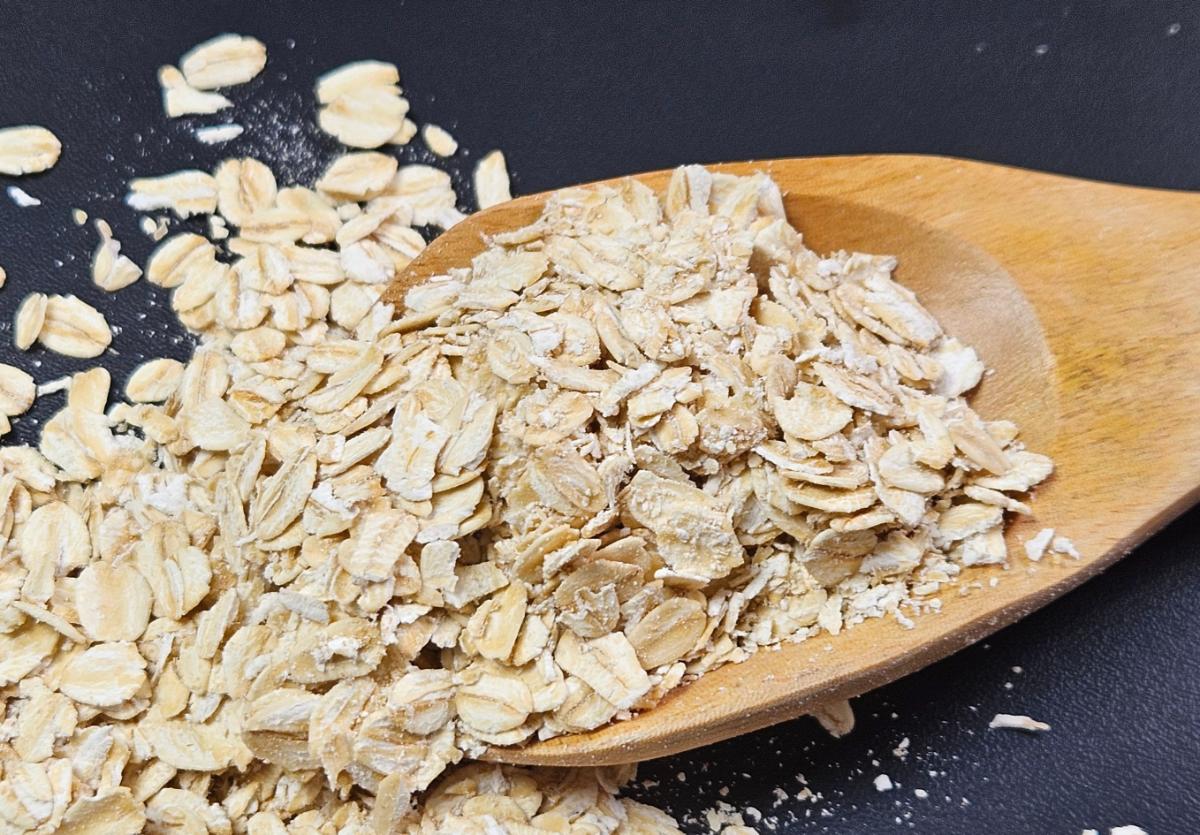
Revealing the Antioxidant Power of Oats: How Oatmeal Shields Your Immune System
Meet Avenanthramides: The Unsung Antioxidant Champions in Oats
Have you ever wondered why oats stand out among grains? One compelling answer lies in their unique antioxidants called avenanthramides. These powerful polyphenols are found almost exclusively in oats and barely exist in other grains. Researchers at Tufts University (Chen et al., 2022, Journal of Agricultural and Food Chemistry) discovered that avenanthramides actively reduce inflammation and protect cells from oxidative stress by neutralizing free radicals. When you enjoy a warm bowl of oatmeal, you supply your body with these exclusive defenders that act on a cellular level, warding off daily environmental threats.
In Claudia’s Concept, I emphasize choosing minimally processed oats to maximize avenanthramide intake, as these compounds remain most potent in rolled and steel-cut varieties. Next time you stir your porridge, remember: you’re nourishing your body with rare plant-based antioxidants that other grains simply can’t offer.
How Antioxidants Supercharge Immunity and Strengthen Defenses
Let’s break down how oats help your body’s natural defenses operate at their peak. Free radicals are unstable molecules formed from pollution, stress, and metabolic activity, constantly bombarding your immune system. Left unchecked, they damage immune cells, making your body vulnerable to infection and chronic disease. The antioxidants in oats, including avenanthramides, vitamin E, and ferulic acid, scavenge these free radicals and support immune function. A 2020 publication in Nutrients demonstrated that people consuming higher-antioxidant grains like oats showed a marked increase in immune cell activity compared to those eating refined grains.
Why does this matter for your lifestyle? Optimal antioxidant intake will support white blood cell function, accelerate tissue repair, and keep inflammatory responses in balance. Oats stand tall as an excellent foundation for robust, resilient immunity, directly contributing to long-term health. At Claudia’s Concept, I often introduce oats in immune-boosting meal plans precisely for this reason—especially during stressful seasons or when living in urban environments where oxidative stress levels soar.
Practical Impact: Unlocking Oats’ Immune Benefits in Your Daily Routine
- Substitute your morning toast for a steaming bowl of oatmeal topped with berries—this increases your antioxidant quotient for the day.
- Consider oat-based snacks to reinforce your immune system during hectic afternoons.
- Combine oats with vitamin C rich foods (like oranges or kiwis) to amplify antioxidant synergy, as vitamin C will regenerate oxidized antioxidants, keeping them potent in your system.
What oat-based meals would you create to defend your immune system? Experiment, observe how you feel, and feel free to share your favorite combinations—I’m eager to see how you make oats part of a vibrant, health-focused lifestyle.
Oats and Oatmeal: Scientific Strategies for Lowering Cholesterol
Understanding the Power of Oats Against LDL Cholesterol
Struggling with keeping your cholesterol under control? Let’s get specific—oats tackle high cholesterol with precision. When you enjoy a bowl of oatmeal, you aren’t just choosing a hearty start to your day; you’re engaging a scientifically proven pathway to lower LDL, often called “bad” cholesterol.
The Beta-Glucan Effect: Nature’s Cholesterol Blocker
What makes oats so efficient in lowering cholesterol levels comes down to a unique soluble fibre called beta-glucan. When you eat oats, beta-glucan dissolves in your gut and forms a gel-like substance. This gel binds with cholesterol-rich bile acids in the intestine. As a result, less cholesterol gets absorbed into your bloodstream. Instead, it exits your body with waste, directly reducing circulating LDL cholesterol.
You might wonder if this really produces measurable results. Clinical studies answer with a clear yes. According to research published in the American Journal of Clinical Nutrition, consuming just 3 grams of oat beta-glucan daily—found in roughly one standard serving of oats—produces a 5–10% reduction in LDL cholesterol within 4–6 weeks. Such evidence leaves no room for doubt about its effectiveness.
Absorption Inhibition and Enhanced Excretion: Mechanistic Insights
Let’s break down the chain reaction further. After eating oats:
- The gel formed by beta-glucan attaches itself to bile acids, compounds your liver makes from cholesterol.
- This gel increases the viscosity of the gut contents, slowing nutrient absorption and specifically inhibiting cholesterol uptake through the intestinal wall.
- As this bound complex passes through your body, cholesterol gets excreted rather than recycled back through your liver.
- Your liver then draws upon more circulating cholesterol to produce additional bile acids, lowering blood cholesterol levels further.
Such mechanisms mean you aren’t simply masking numbers on a test—you’re making tangible, blood-measurable changes in your cholesterol profile.
Implementing Claudia’s Concept for Real Results
Every time you choose a thoughtfully prepared oat-based meal, such as those recommended in Claudia’s Concept program, you leverage the full cholesterol-lowering effect of beta-glucan. With these integrative meal strategies, your heart benefits as much as your taste buds.
Have you noticed a difference in your cholesterol numbers since adding oats to your daily routine? I encourage you to observe your next lab results closely—and remember, science supports your efforts every step of the way.
Why Eat Oatmeal? The Science-Backed Benefits at a Glance
Let’s take a moment to reflect on what makes Avena sativa—better known as oats—a true powerhouse among whole grains. After exploring the science throughout this guide, you’ve seen how oats deliver a range of concrete, research-supported health benefits that go far beyond just being a simple breakfast staple.
- Fibre-rich foods like oats dramatically improve digestive health; their high beta-glucan content reliably supports gut motility and a thriving microbiome environment.
- Eating oats directly lowers cholesterol absorption—plenty of peer-reviewed studies confirm that beta-glucan leads to measurable drops in LDL cholesterol, strengthening overall heart health.
- Consistent oatmeal consumption helps regulate blood sugar, slowing post-meal glucose absorption and providing a reliable dietary tool for long-term glycemic control.
- Oats supply potent antioxidants, especially avenanthramides, which science links to inflammation reduction and a revved-up immune system.
- Choosing oats for satiety and appetite control has concrete results—studies show that a fibre-rich meal of oatmeal leads to fewer calories eaten at subsequent meals and stronger support for healthy weight management.
- Oats’ skin health benefits are evidenced by their use in clinical skincare, where their anti-inflammatory power soothes and restores skin’s natural barrier.
- Gluten-free benefits? For those with gluten sensitivity or celiac disease, purity-tested oats open a wide world of nutritious options—remember to choose certified gluten-free on the label!
- The versatility of oats as a food unlocks endless preparation choices. From classic porridge simmered in milk to energy-packed overnight oats, smoothies, or savoury bakes, you never need to sacrifice flavour for health.
- Oats for healthy eating are always a reliable option—affordable, accessible, and proven to promote longevity. Simply put, including oats regularly in your routine brings measurable, long-term well-being.
Wondering how to begin? Every small change creates momentum. Commit to incorporating oats into your breakfast, a snack, or even as a nourishing dinner base. Experiment with preparations—perhaps milk-based oatmeal for creaminess, or overnight oats topped with fresh fruit and nuts for texture and antioxidant punch. With Claudia’s Concept, I always advocate practical, whole-food swaps that support both taste and transformation.
This week, why not challenge yourself: swap one meal for an oats-based alternative and see how you feel? Let your energy, mood, and satisfaction guide you. When food serves your mind and body, the benefits speak for themselves.