
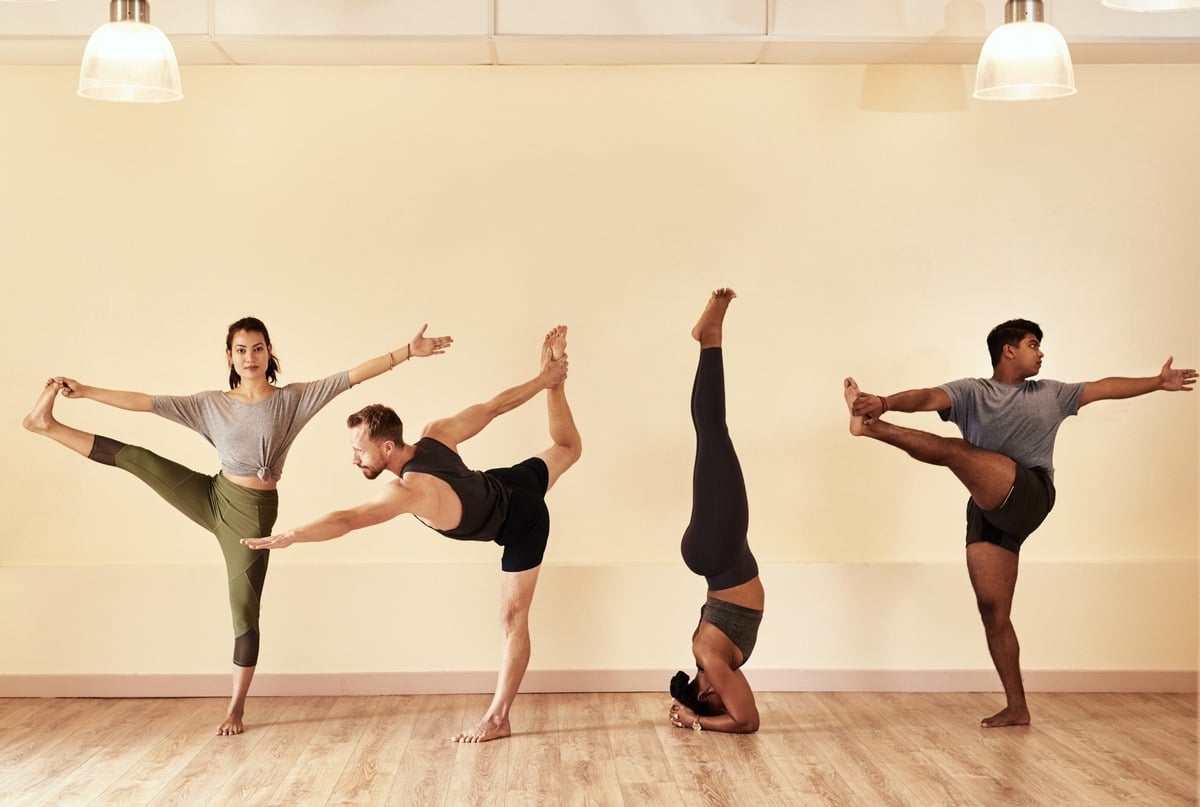
There’s an undeniable spark that comes to life when you move your body. Imagine starting your day with a walk in fresh air, or dancing in your living room to your favorite music—these simple activities trigger a surge of happiness and elevate emotional well-being. Clinical research from the Harvard T.H. Chan School of Public Health has shown that regular movement directly releases endorphins and serotonin, both crucial for mental wellness and resilience. Routine activity isn’t just good for the body—it’s transformative for the mind. In every program I design at Claudia’s Concept, I witness how incorporating joyful movement into daily life leads to improved mood, sharper focus, and richer quality of life. People truly flourish when they weave intentional, enjoyable activity into their healthy routines. Movement becomes a celebration, not an obligation—an opportunity to experience delight, every step or stretch along the way. How can you rediscover that playful energy within your routine? If exercise feels like a chore, ask yourself: When was the last time you actually looked forward to it? In this post, I’m sharing five uplifting, science-backed ways to make moving your body exciting again, each one tailored to inspire joy, not drudgery. Get ready to infuse your days with positivity—these are practical, personalized approaches you’ll actually want to try.
Celebrate Every Body: Body Positivity and Acceptance
Appreciate What Your Body Can Do—Not Just How It Looks
Have you caught yourself focusing on what you wish looked different, instead of everything your body accomplishes each day? Let’s shift that lens. True joy in moving your body starts when you value its strength, energy, and resilience, not just its outward appearance. Think about all the ways your body serves you daily—whether you’re dancing, carrying groceries, walking the dog, or simply stretching in the morning. Pausing to acknowledge these abilities creates gratitude and builds a lasting sense of pride. Scientific research from the Journal of Health Psychology shows that people who value their bodies for function rather than appearance experience greater body satisfaction and more enjoyment in physical activity.
- Walking with friends, climbing stairs, or playing with children—each movement is a celebration of what your body can achieve.
- Reflect on moments when you felt strong, mobile, or simply alive—these are personal victories worth honoring.
Self-Acceptance: The Pathway to Loving Movement
Adopting a body-positive mindset directly affects how you feel during physical activities. Results from a 2022 Frontiers in Psychology study indicate that self-acceptance leads to higher participation in joyful movement and promotes emotional well-being. When you approach movement as a chance to nurture and respect your unique body, you stop comparing yourself with others and start focusing on what feels best for you.
- Choose the activities that leave you feeling recharged—yoga, cycling, swimming, or a spontaneous dance in the kitchen all count.
Movement as Loving Self-Care, Not Just a Fitness Goal
Let’s redefine why movement matters. You’re not limited to numbers on a scale or arbitrary goals; instead, every step, stretch, or leap is a way of honoring and thanking your body for what it does. Numerous studies—such as the 2018 BMC Public Health systematic review—confirm that focusing on process and self-care, rather than appearance or target weight, leads to higher enjoyment and long-term commitment to movement.
In my work with Claudia’s Concept, I always encourage you to celebrate your individuality. Your journey is uniquely yours. By embracing all forms, sizes, and shapes, you discover movement routines that genuinely light you up. The magic happens when you realise joyful movement is the reward in itself.
- What activity leaves you feeling most like yourself? Take a moment to reflect.
- On your self-care plan, schedule time not just for exercise, but for gratitude: after each movement session, thank your body out loud or in writing for its effort and achievements.
Embrace Your Body—Every Bit of It
Every curve, scar, or strength tells your story. When you celebrate your body for how it moves—whether gracefully, powerfully, or playfully—you invite more happiness into your daily routine. Claudia’s Concept stands for supporting you on this journey of acceptance and self-celebration.
How will you celebrate your unique abilities today?
Make Movement Mindful: Experience Joy in the Present
Discover the Power of Mindful Movement
Imagine feeling every stretch, breath, and heartbeat as you move—completely connected to your body in the present moment. This isn’t just exercise; it’s an opportunity to savor how you feel with every motion. Mindful movement means paying attention to the sensations in your muscles, noticing your breathing, and enjoying what your body can do. Instead of getting caught up in thoughts about your day or worries about calories burned, focus on how good your body feels right now.
When you allow yourself to tune into the experience, joy naturally arises. Think of a time when you closed your eyes during a slow stretch or walked barefoot on cool grass. What did you feel? That pure connection—that’s mindful movement at work.
Mental Health Benefits You Can Feel
Mindful movement produces measurable improvements in mental well-being. In a 2020 study published in BMC Psychology, participants who practiced mindful movement-based activities, such as yoga and walking meditation, reported significant reductions in stress and symptoms of anxiety after just eight weeks. Scientists have traced these changes to lower levels of the stress hormone cortisol and increased activity in brain regions linked to emotional regulation and happiness.
Making movement mindful doesn’t just quiet your mind. It also boosts mood and helps you feel calmer, more grounded, and less burdened by daily stresses. Even a few mindful steps in the park or a slow sun salutation can spark these powerful shifts—no intense workout required.
Examples of Mindful Movement for Every Lifestyle
- Yoga: Holding poses and flowing gently, all while focusing your attention on breath and bodily sensations.
- Gentle stretching: Reaching and lengthening slowly, noticing tension melt away from each muscle.
- Walking in nature: Feeling each step and the ground beneath you; tuning into the sounds and scents around you.
- Dancing freely: Letting your body move the way it wants, fully immersed in the music and rhythm.
At Claudia’s Concept, clients often describe how these practices awaken newfound joy in moving, even if they once dreaded exercise. Which activity are you drawn to try today? Imagine how each might feel on your skin, in your muscles, across your busy mind.
Tips for Creating a Mindful Movement Routine
- Set intentions: Before each session, ask yourself what you want to experience—maybe relaxation, or simply pleasure in movement. This brings focus and meaning to your routine.
- Eliminate distractions: Leave the phone in another room, turn off notifications, or dim the lights. A calm environment helps you engage all your senses during movement.
- Tune into your body: Regularly check in with how your muscles, joints, and breath feel. Adjust your pace or movements so everything feels comfortable and satisfying.
Small shifts in approach, like these, transform movement from a task into a nourishing, joyful ritual. With Claudia’s Concept, experience how aligning mind, body, and breath can make every workout something you truly look forward to. Ready to step onto your mat, into the sunlight, or onto your favorite dance floor? Let your next move be your most mindful yet.
Choose Fun Over “Should”: Incorporate Play and Passion into Your Movement
Forget about the pressure to move in ways that feel like a chore. The most vibrant transformations occur when you replace the word “should” with “love to”. I’ve personally witnessed—through my work and the stories clients share at Claudia’s Concept—that joyful, playful movement has the staying power to revolutionize your routine for life.
Ways to Make Fitness Unmistakably Fun
- Try a Class That Surprises You. One week it could be Bollywood dancing; the next, aerial yoga. A 2021 ACSM report showed that nearly 50% of fitness beginners stuck with programs longer when group classes involved novel activities.
- Move to Music—Anywhere, Anytime. Play your favorite playlist and let your body groove. Research from the Journal of Sport & Exercise Psychology confirms that music boosts exercise adherence and elevates enjoyment, with participants reporting 28% higher satisfaction on musical workout days.
- Join a Team or Club. Whether it’s adult volleyball, frisbee, or a hiking club, team-based activity adds accountability and a layer of social fun. Many people in the Claudia’s Concept community found lifelong friends—and fitness partners—simply by showing up.
- Experiment with the Great Outdoors. Trails, beach workouts, cycling parks, and even urban playgrounds spark childhood memories and ignite adventure. A study published in Environmental Science & Technology shows that just five minutes in nature amplifies mood and motivation.
Healthy Routines That Spark Authentic Joy
Swap rigid exercise rules for pleasurable rituals. Consider the difference between forcing yourself onto the treadmill and lacing up for a sunrise walk while listening to a riveting podcast. The former exhausts your willpower. The latter feeds your soul, making you want to come back tomorrow—and the day after.
Pause and reflect for a moment: “What movement makes me happiest?” Listen to your answer. Many who gravitate toward Claudia’s Concept expect strict regimes, but leave with a smile when they discover how enjoyable movement can be—whether it’s salsa classes after work or weekend badminton with family.
Unexpected Passions: Real Stories That Inspire
Take Priya, who dreaded exercise until a spontaneous drum circle at a local park lured her in. She now attends Afrobeat dance sessions weekly, and her energy is off the charts. Or Rohan, who rediscovered cycling after years behind a desk—he describes his morning rides along Mumbai’s coastline as “pure liberation.” These stories aren’t rare. Studies at the University of Michigan found that adults who embrace play-based activities report a 34% greater likelihood to maintain movement habits beyond six months, compared to those who focus only on conventional exercise.
When you build your fitness around play and passion, you create routines that nourish both body and mind. That’s the core philosophy behind Claudia’s Concept—helping you fall in love with moving, every single day.
Build a Thoughtful Plan: Create Sustainable, Joyful Habits
Consistency Nurtures Confidence and Lasting Joy
Think about the last time you truly looked forward to moving your body—maybe during a sunrise walk or a laughter-filled dance class. Predictability, repetition, and a sense of progress weave these joyful moments into the fabric of your life. Creating a routine for joyful movement does not restrict happiness, but instead, allows it to flourish. Each time you move, your brain releases endorphins and brain-derived neurotrophic factor (BDNF), leading to improved mood and clarity according to research published in Neuropsychopharmacology (2023). This is the science-backed proof behind why sustainable habits—rooted in regularity—will always unlock more confidence, happiness, and energy.
Transform Movement Into a Regular, Happy Habit
- Begin Small and Progress Intuitively. Start with five or ten minutes rather than an hour. The British Journal of Sports Medicine (2022) found that even short bouts of daily movement, like brisk walking, can reduce depressive symptoms by 25%. Let your body’s subtle cues guide you, adding more time as enjoyment—rather than obligation—grows naturally.
- Treat Movement Like a Self-Care Appointment. Block out time in your calendar, just as you would for a nourishing meal or relaxation ritual. Viewing these moments as essential—not optional—sends a clear message: “I deserve this time for joy.” Claudia’s Concept coaching uses this strategy to anchor happiness and well-being into everyday routines.
- Pair Movement With Simple Joys. Put on your favorite playlist and turn exercise into a living room concert. Take a friend along on gentle hikes or practice yoga outdoors, letting nature’s rhythm calm your mind. The American Psychological Association (2020) highlights that combining physical activity with positive emotional cues increases habit adherence by up to 40%.
Overcome Barriers Creatively and Kindly
Stumbling blocks are inevitable, but reframing them can be transformative. Rather than viewing missed days as failures, see them as opportunities to learn what works best for you. If motivation dips, reach out to a partner, community, or a coach for support. At Claudia’s Concept, I guide clients to shift setbacks into powerful motivation by encouraging gentle self-reflection: What part of your routine lit you up this week? What might you change next? Flexibility—whether exploring new activities or adjusting your schedule—makes your quest for joy resilient and never punitive.
Craft a Movement Plan That’s Uniquely Yours
Sustainable joy in movement springs from tuning into your individual needs, history, and preferences. The World Health Organization (2023) affirms that personalizing movement routines increases the chance of maintaining active lifestyles by 50% or more. What delights one person may not resonate with another, and that’s the beauty of the process. As you build your own plan—combining consistency, play, support, and customization—the foundation for long-term happiness in movement will become unwavering. What’s one way you could experiment with joyful movement this week?

Move for Mental Well-being: Exercise for a Happier, Healthier You
Every time you lace up your shoes, roll out your yoga mat, or simply dance to your favorite song, you’re giving your mind a gift—not just your body. Over the years, through my work and at Claudia’s Concept, I’ve witnessed the remarkable shift that joyful movement brings to mental well-being. Forget about chasing a “perfect” number on the scale; true transformation starts when you notice how movement lifts your mood and brings lightness to your mindset.
Understanding the Science: How Movement Boosts Mood
Let’s dive into what happens inside your body when joy leads the way. During physical activity, your brain increases production of neurotransmitters like endorphins, serotonin, and dopamine. These are often called “feel-good chemicals” for good reason. In a landmark study published in the American Journal of Psychiatry (2018), researchers tracked over 33,000 adults for more than ten years and found that those who engaged in regular physical activity had a significantly lower risk of developing depression, independent of age or previous mental health status.
Even simple forms of joyful movement—walking with a friend, stretching in the morning sun, or dancing in your living room—can profoundly impact your mood. The Harvard T.H. Chan School of Public Health published research showing that just fifteen minutes of running or an hour of moderate-intensity exercise daily decreases the risk of major depression by up to 26 percent.
Why Joyful Movement Changes Emotional Health
Experiencing joy while moving multiplies these positive effects. When you choose activities that spark happiness, the body releases more endorphins, which not only dull pain but also trigger a positive feeling often described as “euphoria.” Several functional MRI studies have demonstrated increased activity in the brain’s reward centers in people who engage in movement they enjoy, compared with those who exercise out of obligation.
Additionally, focusing on enjoyment reduces the production of stress hormones such as cortisol, making the afterglow of movement more serene and sustainable. This mind-body loop moves you from “I have to” toward “I want to”—a shift that rewires movement into a source of emotional nourishment.
Connect Happiness and Movement: Try This Now
How do you know if you’re reaping these mental benefits? Track your mood along your movement journey. Before your next walk, gym session, or dance break, rate your mood on a scale from 1 to 10. After you’ve moved, pause and rate it again. Notice the difference. Over time, you’ll spot patterns—higher energy, greater calm, maybe even a brighter outlook on challenging days.
- Try journaling how you feel before and after different activities, and look back to see which forms of movement lift you most.
- Use mood tracking apps to capture trends. Many of my clients at Claudia’s Concept have found that seeing these changes daily fosters motivation to stay joyfully active.
- After each movement session, jot down a single sentence: “Today, movement made me feel…” and complete it honestly.
- Reflect with a friend or community. Sharing these changes aloud often deepens your connection to yourself and others.
Wherever you start, know this: Each time you move with joy, your brain and heart will thank you. The path to happiness is open—just take the first step and let your body (and mind) celebrate what it can do.
Embrace the Journey to Joyful Movement with Kindness and Curiosity
What if your body could be your partner in joy, not your project? Each of us begins from a unique place—and right now is the perfect moment to welcome joyful movement, no matter your age, experience, or routine. I encourage you to pause, take a breath, and approach your next step with kindness and genuine curiosity about what feels good for you.
Let’s revisit the five powerful ways that will guide you to a happier and healthier self:
- Celebrate Every Body: When you embrace body positivity, you set the stage for authentic, sustainable well-being. Studies published in the Body Image journal show that body acceptance directly predicts higher motivation for physical activity and greater reported happiness among adults (Alleva et al., 2020).
- Make Movement Mindful: Savoring exercise in the moment transforms movement from a chore into an experience of joy, self-connection, and awareness. Data from the Harvard Health Blog demonstrates that mindful movement—like walking with awareness or focusing on breath—lifts mood and reduces mental stress after just a single session.
- Choose Fun Over “Should”: Picking activities that ignite laughter and excitement ensures movement stays something you look forward to, not just a routine task. Consider dance breaks in your living room, playful yoga flows, or team sports—there’s science to support that fun sparks consistency (BMC Public Health, 2014).
- Build a Thoughtful Plan: Crafting realistic, flexible routines enables sustainability. Flexibility is proven to enhance adherence in the European Journal of Sport Science, with habit-based approaches doubling the probability you’ll keep moving happily week after week.
- Move for Mental Well-being: Every session of movement directly nourishes your mind—neuroimaging research confirms exercise increases areas of the brain responsible for happiness and resilience. Not only will you feel the difference, but friends, family, and colleagues will notice an energy shift too.
Today, select one of these five ways, and try it for yourself this week. Notice how a single joyful movement practice—perhaps a walk in nature, a playful dance between chores, or simply mindful stretching in the sunshine—can brighten your thoughts and energize your body.
At Claudia’s Concept, I have seen the transformation that comes from embracing the journey, not just the destination. Remember: when your approach blends kindness with curiosity, movement becomes a celebration, not an obligation.
Which practice will you explore first? Share your experience in the comments below or post on social media using #JoyfulMovement. I can’t wait to hear about your discoveries and cheer you on as you find your joy in moving!