
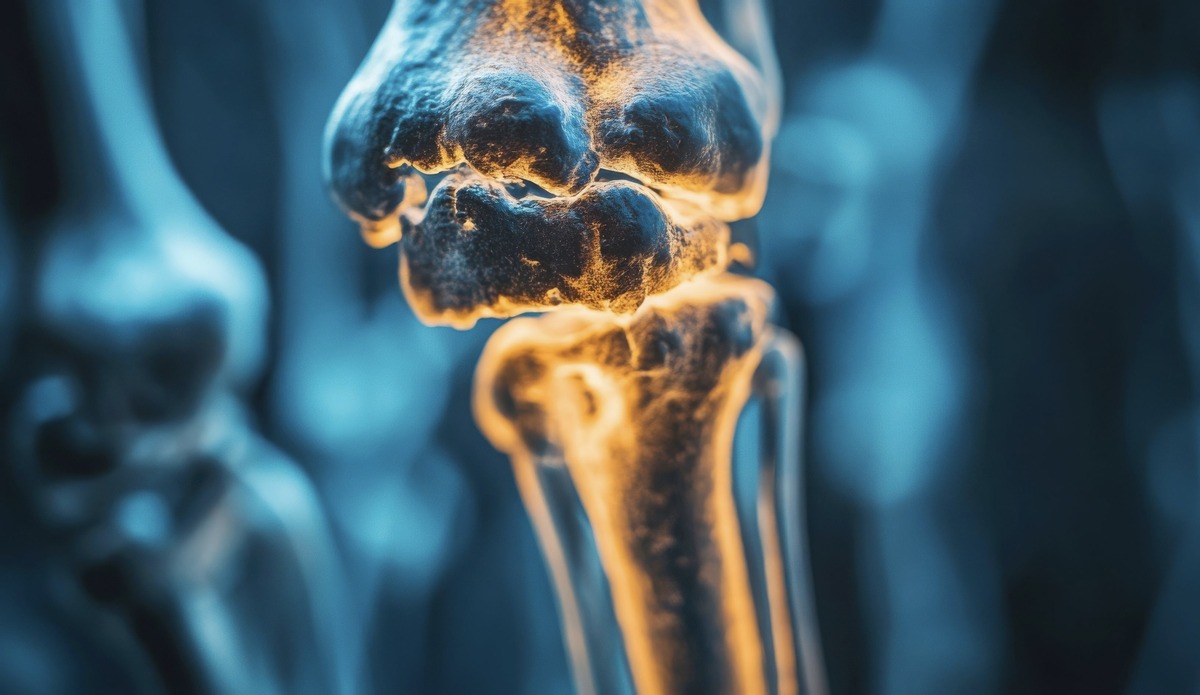
Start your journey toward stronger bones with these targeted strategies:
- Prioritize whole food sources: Dairy products like yoghurt and cheese, leafy greens such as kale and bok choy, oily fish like sardines (with bones!), and almonds deliver calcium in naturally absorbable forms alongside co-nutrients.
- Choose calcium-fortified options as needed: If you’re plant-based or dairy-light, options like fortified almond milk, soy milk, or breakfast cereals can help bridge the gap.
- Be strategic with pairings: Avoid consuming calcium-rich foods alongside high-oxalate vegetables like spinach, beet greens, or rhubarb. These oxalates bind calcium, blocking absorption in the gut.
Want to know what enhances absorption further? Or how vitamin D and magnesium act as calcium’s best friends? Let’s dive deeper—you’ll find practical steps ahead that make nutrient synergy a part of your daily wellness routine.
Power Up Calcium Absorption: Boost Your Vitamin D Levels
Calcium alone won’t do its magic unless your body knows what to do with it. That’s where Vitamin D steps in — the unsung hero in the story of strong bones. Without enough Vitamin D, your body struggles to absorb calcium from the foods you eat, even if your intake is ideal. That means all the calcium in your leafy greens or dairy could go to waste if you’re missing this vital nutrient. So, let’s take a closer look at how to enhance your Vitamin D levels and make every bite count.
Why Your Bones Rely on Vitamin D
Vitamin D acts as a gatekeeper; it regulates calcium absorption in the intestines and maintains adequate serum calcium levels to enable normal mineralization of bone. When Vitamin D is deficient, bones can become thin, brittle, or misshapen. The problem is surprisingly common. In fact, studies indicate that approximately 50% of the global population has insufficient levels of Vitamin D, with around 1 billion people experiencing outright deficiency (NIH, Office of Dietary Supplements).
Effortless Ways to Elevate Your Vitamin D
- Eat foods rich in Vitamin D: Incorporate natural sources like egg yolks and fatty fish (salmon, mackerel, sardines) into your weekly meals. Just 100g of salmon can provide over 500 IU of Vitamin D — that’s more than 60% of the recommended daily intake.
- Consider a high-quality supplement: When dietary sources aren’t enough, a supplement can fill the gap. But dosage matters. For most adults, the Recommended Dietary Allowance (RDA) is 600 to 800 IU per day, though some individuals may need more based on geography, age, and health status. I guide clients at Claudia’s Concept through personalized supplementation plans for this very reason.
- Track your levels: A routine blood test for 25-hydroxyvitamin D reveals how you’re doing. The optimal range is typically considered to be 30–50 ng/mL, but I always encourage clients to work with a qualified practitioner to understand their unique requirements.
Make no mistake — ensuring optimal Vitamin D levels transforms your calcium intake from potential to power. And when you align this with the full strategy of Claudia’s Concept, you’re not just supporting bone health — you’re setting the foundation for lifelong strength and resilience.
Harness the Power of Magnesium for Bone Density
When we talk about building stronger bones, calcium and vitamin D often grab the spotlight. But magnesium is the quiet powerhouse working behind the scenes—without it, your bone health strategy is incomplete. At Claudia’s Concept, I emphasize a holistic approach, and magnesium plays a central role in that framework.
Magnesium: The Unsung Hero in Bone Formation
So, why is magnesium so vital? This mineral isn’t just about maintaining electrolyte balance or supporting muscle function. In bone health, magnesium activates vitamin D within the body, converting it into its active form calcitriol. Without this conversion, your body cannot absorb calcium effectively, even if your diet or supplementation is on point.
More than 60% of the magnesium in your body is stored in the bones, where it contributes to bone structure and influences the activity of osteoblasts and osteoclasts—cells that respectively build up and break down bone tissue. According to a study published in The American Journal of Clinical Nutrition, higher magnesium intake is associated with greater bone mineral density in both men and women.
Add Magnesium-Rich Foods to Your Daily Diet
Supporting bone density through magnesium isn’t complicated. Consistency is key. Focus on whole, minimally processed ingredients to maximize magnesium intake with real, nutrient-dense foods.
- Nuts and Seeds – Almonds, cashews, pumpkin seeds, and sunflower seeds are rich in magnesium and also bring a good dose of healthy fats.
- Legumes – Black beans, lentils, and chickpeas not only boost magnesium but provide plant protein and fiber.
- Whole Grains – Brown rice, quinoa, bulgur wheat, and oats contribute to your magnesium intake while supporting blood sugar stability.
- Dark Chocolate – Opt for at least 70% cacao and enjoy in moderation. Just 1 oz provides up to 64 mg of magnesium.
Watch Out for Magnesium Thieves
Want to hold on to the magnesium you’re consuming? Then reduce or eliminate processed foods and refined sugars from your diet. Both increase magnesium excretion through the kidneys, effectively draining this crucial mineral from your system. Soft drinks containing phosphates, for instance, have been shown to lower magnesium levels over time.
At Claudia’s Concept, I often see clients with strong foundational nutrition habits but unexplained fatigue or brittle nails—signs pointing to hidden magnesium depletion. By identifying magnesium-heavy foods and removing common depleting culprits, we rebuild nutrient reserves and turn intention into clear, measurable results.
Have you evaluated your magnesium intake lately? The key to long-lasting bone density might just lie in that handful of almonds or bowl of quinoa.
Don’t Overlook Vitamin K2: The Calcium Traffic Controller
When we think about bone health, calcium is the nutrient that usually steals the spotlight. But here’s an essential detail many miss—calcium needs direction. Without the right guidance, it might end up where it’s not wanted, like in arteries instead of bones. That’s where vitamin K2 steps in, orchestrating a crucial role: directing calcium to the bones, while keeping blood vessels clear.
Think of vitamin K2 as the traffic controller of your skeletal system. It activates osteocalcin, a protein that binds calcium to bone, and matrix GLA protein, which inhibits calcium deposition in arteries. This dual mechanism is what ensures your calcium does what it’s supposed to—support dense, resilient bones, not harden cardiovascular tissues.
Scientific findings strongly support vitamin K2’s protective role. A notable study published in the journal Thrombosis and Haemostasis in 2004 found that supplementation with vitamin K2 (specifically MK-7) significantly improved arterial flexibility and reduced unwanted calcium build-up. Another long-term study published in Osteoporosis International showed that women consuming higher levels of vitamin K2 experienced up to a 60% reduced risk of vertebral fractures.
Smart Sources of Vitamin K2
Unlike vitamin K1, found mostly in leafy greens, K2 is rare in everyday diets. To boost your intake through natural sources, include the following in your weekly meals:
- Fermented foods: Natto (a traditional Japanese fermented soybean dish) is the richest known source, followed by sauerkraut and certain hard cheeses like gouda and brie.
- Grass-fed dairy: Butter, whole milk, and aged cheeses from grass-fed animals naturally contain more K2 compared to grain-fed options.
- Organ meats: Liver, especially from pasture-raised animals, offers a concentrated dose of this vital nutrient.
If your diet lacks these foods consistently, you might consider a high-quality vitamin K2 supplement. Look for formulations containing menaquinone-7 (MK-7) as it’s the most bioavailable and retains longer in the body, ensuring sustained benefits.
At Claudia’s Concept, we prioritize nutrient synergy and real food solutions. Ensuring you’re getting the right amount of vitamin K2 is part of our comprehensive approach to bone health. Every protocol we create includes a careful balance of nutrients that support one another—because that’s how the body thrives. When absorption is optimized and your nutrient intake is strategic, you give your bones a solid reason to stay strong for life.
Build a Balanced Diet for Overall Bone Health
Strong bones aren’t built by isolated nutrients—they need a symphony of them working in harmony. At Claudia’s Concept, I always emphasize how nutrient synergy fuels bone maintenance, density, and regeneration. It’s not just about how much calcium you take in—it’s also about how well your body can use it.
Eat with Purpose: Combine Nutrients for Impact
Think about your plate as a framework for bone-building architecture. It’s not just about adding calcium-rich foods; your skeleton thrives when supported by a broad spectrum of vitamins, minerals, and macronutrients. Here’s how you can continually fuel your bones through balanced, intelligent eating:
- Design a nutrient-dense plate: Start with a variety of colorful vegetables—broccoli, kale, bell peppers, carrots—and pair them with high-quality proteins like lentils, chickpeas, eggs, or lean poultry. These support collagen formation and mineral integration into bone tissues.
- Include healthy fats at every meal: Fats aren’t optional—they’re essential. Omega-3s from flaxseeds, walnuts, and fatty fish help manage inflammation, which directly impacts bone turnover. Monounsaturated fats from olives, avocados, and almonds support absorption of fat-soluble vitamins like D and K2, both critical to calcium metabolism.
- Focus on whole, unprocessed ingredients: The closer your food is to its natural state, the fewer inhibitors (like excess sodium or synthetic preservatives) you’re dealing with. Whole foods offer cofactors like phytochemicals that enhance mineral bioavailability.
- Monitor your macronutrient ratios: Your bones depend on balanced hormones and efficient metabolic function. Protein is crucial—not too much to increase calcium excretion, yet enough to support bone matrix structure. Studies published in The American Journal of Clinical Nutrition show that moderate protein intake (~1.0-1.2 g/kg/day) combined with adequate calcium enhances bone density in older adults.
The common mistake? Over-focusing on one single nutrient. Bone health isn’t about mega-dosing calcium or vitamin D in isolation—it’s about coordination. Your body needs the right balance of protein, fats, and micronutrients to spark the biochemical processes that protect, rebuild, and mineralize bone tissue.
At Claudia’s Concept, I encourage a long-term commitment to real, diverse, delicious meals. Think roasted root vegetables drizzled with tahini, grilled salmon with a citrus avocado salsa, or a quinoa salad tossed with chickpeas and greens. These aren’t just meals—they’re your body’s blueprint for lifelong skeletal strength.
This is where dietary strategy becomes a lifestyle. It’s not hard. It’s just smart, intentional nutrition that your bones—and your entire body—will thank you for.
Maximize Sunlight Exposure for Natural Vitamin D Synthesis
Let’s step outside for a moment—literally. One of the most powerful, completely free tools for boosting bone health is available every day: sunlight. At Claudia’s Concept, we emphasize lifestyle nutrition, and your relationship with the sun is a vital part of that. Why? Because ultraviolet B (UVB) rays from the sun trigger a photochemical reaction in your skin that leads to the natural production of vitamin D3, the active form your body uses to absorb calcium effectively.
This synthesis begins with 7-dehydrocholesterol in the skin, which, under UVB exposure, transforms into previtamin D3, and then into vitamin D3 (cholecalciferol). From there, your liver and kidneys help convert it into its active, bone-benefiting form. Without this process, even a calcium-rich diet won’t deliver the benefits you expect.
So, how can we ensure optimal vitamin D production naturally?
- Soak up the midday sun—a few times a week. Aim for 10 to 30 minutes of direct sunlight between 11 a.m. and 2 p.m., when UVB rays are strongest. Fair-skinned individuals often need less time—closer to 10 minutes—while those with darker complexions may require up to 30 minutes. This is because melanin affects how efficiently your skin produces vitamin D.
- Keep it skin-to-sun. During these short windows, minimize the use of sunscreen or excessive clothing. Covering up blocks UVB rays, significantly lowering vitamin D production. That said, we’re talking about brief exposure here—just enough to stimulate synthesis, not to tan or burn.
- Adapt with the seasons. If you live in higher latitudes, winter sun might fall short of delivering sufficient UVB. That doesn’t mean you’re powerless. Schedule lunchtime walks on bright days, or consider a short holiday to sunnier regions. In such areas, vitamin D synthesis may be negligible for several months, so recognizing this fluctuation matters.
Research from the Journal of Clinical Endocrinology & Metabolism shows that just 15 minutes of midday sun exposure on face, arms, and legs can generate between 3,000–20,000 IU of vitamin D, depending on individual factors. That far surpasses most dietary sources. No food even comes close in terms of impact—a clear case for the sun being your best ally in bone nutrition.
At Claudia’s Concept, we recommend integrating this natural approach as part of a broader, strategic wellness plan. Don’t treat sunlight like an indulgence—it’s a daily prescription for strong, resilient bones, and it fits seamlessly into a lifestyle rich in movement, mindful eating, and joy.
How much sun did you get today? It may be your most underrated supplement yet.

Support Gut Health to Improve Nutrient Absorption
Have you ever considered what’s happening in your gut when you nourish your bones? The truth is, your digestive system plays a critical role in how well your body absorbs minerals like calcium, magnesium, and phosphorus—key players in bone formation and maintenance. At Claudia’s Concept, we always emphasize this vital link between gut health and optimal nutrient uptake.
Inside your gut lives a dynamic community of microorganisms—collectively known as the gut microbiota. When this ecosystem thrives, your body becomes dramatically more efficient at absorbing essential nutrients. When it’s imbalanced, even the most nutrient-rich diet might fall flat in fueling your bone matrix. So how do we ensure this internal environment supports rather than sabotages our bone health?
Start with Probiotics and Fermented Foods
Scientific evidence clearly indicates that probiotics can enhance micronutrient absorption. One clinical study published in the Journal of Clinical Endocrinology & Metabolism found that the probiotic strain Lactobacillus reuteri improved calcium absorption in older women, contributing to better bone density scores.
- Include live-culture yogurt, kefir, kombucha, and unpasteurized sauerkraut in your weekly meal plans.
- Variety matters—rotate sources to encourage a broader spectrum of beneficial bacteria.
You’ll find many of these foods incorporated into curated meal plans at Claudia’s Concept, designed to energize your microbiome from the inside out.
Feed Your Gut with Prebiotic Fibers
Prebiotics aren’t bacteria—they’re what bacteria love to eat. When you feed your microbiota, they reward you by producing short-chain fatty acids, which help lower gut pH and encourage better mineral solubility and absorption.
- Chop raw onions into your salad or stir some leeks into a warm vegetable soup.
- Add a sliced banana to your morning oats or blend it into your post-workout smoothie.
- Crush fresh garlic over sautéed greens—flavorful and functional.
These natural, fiber-rich ingredients belong in a bone-health-focused kitchen. They’re simple yet powerful additions that make all the difference.
Limit Gut Disruptors
While feeding your gut with nutrients is essential, protecting it from harm is equally critical. Excessive antibiotic use and ultra-processed foods can deplete your healthy flora, compromising nutrient absorption potential.
- Think twice before reaching for unnecessary antibiotics—consult your doctor but stay informed.
- Minimize consumption of packaged foods high in preservatives, refined sugars, and artificial additives.
When you care for your gut, your bones feel the benefit. Every microbial decision you make cascades into real, measurable changes in how your body handles nutrients—including those that feed your bone matrix and fortify your frame for the decades ahead.
Move Better, Absorb More: How Exercise Boosts Bone Strength and Nutrient Utilization
Think of your bones as a dynamic support system—not fixed scaffolding, but living tissue that constantly remodels itself. For that reshaping to occur efficiently, physical activity must play a starring role. Not only does movement make bones stronger, but certain forms of exercise specifically signal the body to better absorb and utilize the very nutrients needed for skeletal health. At Claudia’s Concept, we prioritize this synergy between motion and metabolism to help you get the most out of your nutrition and your training.
How Exercise Triggers Nutrient Metabolism and Bone Formation
Mechanical stress from exercise initiates osteogenesis—the process by which new bone tissue forms. This stress activates osteoblasts, the bone-building cells, making your skeletal structure more robust over time. Studies published in the Journal of Bone and Mineral Research have consistently shown that regular weight-bearing exercises increase bone mineral density, particularly in load-bearing regions like the hips and spine.
But here’s what’s really exciting: exercise doesn’t just build bone—it actively enhances the metabolic pathways that deliver nutrients like calcium, magnesium, and vitamin D right where they’re needed in your skeleton. This becomes even more crucial as we age and nutrient efficiency declines.
Weight-Bearing Activities: Foundation of Bone Integrity
To stimulate these benefits, prioritizing the right types of exercise is essential. Here’s what works best:
- Brisk Walking: Engaging in a simple, consistent practice like 30–45 minutes of brisk walking every day applies mild stress on the bones, especially in the lower body, enhancing density over time.
- Resistance Training: Lifting weights or using resistance bands two to three times a week triggers bone loading. It also promotes muscle mass, which in turn supports bone structure and drives nutrient uptake through improved circulation.
- Jump-based Movements: Exercises that involve hopping or jumping, even low-impact variations, provide intermittent, high-intensity stress to bones, proven to activate more potent osteogenic responses.
Mobility and Balance: The Unsung Heroes of Nutrient Delivery
At Claudia’s Concept, I also encourage incorporating movements that support balance and flexibility. Why? Because reducing fall risk and improving joint function indirectly boosts long-term skeletal health.
- Yoga and Pilates: These low-impact practices enhance proprioception, core stability, and joint alignment—all factors that keep bones healthy and functional by avoiding injury and supporting even nutrient distribution.
- Dynamic Stretching: Prepping muscles before workouts with controlled, functional stretches keeps tendons and ligaments responsive. Enhanced blood flow from these sessions ensures key minerals are transported efficiently during and after training.
- Single-Leg Balance Exercises: Movements like standing on one leg or heel-to-toe walking train the vestibular system and lower-body coordination—crucial for fall prevention, especially later in life.
Bone loves movement, and movement loves nutrition. When both align, you don’t just create structure—you create resilience from the inside out. That’s exactly the holistic approach we champion at Claudia’s Concept: using smart, intentional habits to unlock your body’s natural strength systems.
Why Limiting Caffeine and Alcohol is Essential for Stronger Bones
We all cherish our morning coffee or the occasional evening glass of wine, but when it comes to building and maintaining healthy bones, these indulgences may be doing more harm than good. At Claudia’s Concept, we emphasize the impact of lifestyle choices on nutrient absorption—and caffeine and alcohol are two of the biggest culprits that interfere with the body’s ability to utilize key minerals like calcium.
How Caffeine Drains Your Bones
Caffeine, though a beloved energy booster, comes with a cost. Overconsumption significantly decreases calcium absorption in the intestines. Scientific studies show that for every 100 mg of caffeine (about one cup of coffee), you lose approximately 6 mg of calcium through urine. It’s not just about the direct calcium loss—caffeine also lowers vitamin D receptor expression in intestinal cells, which further impairs calcium uptake.
- Maintain moderation: Keep caffeine intake under 400 mg per day—that’s roughly four cups of brewed coffee—to avoid long-term bone density reduction.
- Go for gentler options: Choose herbal teas like chamomile or rooibos. These deliver hydration and antioxidants without compromising mineral retention.
- Hydrate strategically: Water-rich foods such as cucumber, celery, and oranges help flush excess sodium and maintain mineral balance, especially if caffeine is part of your routine.
Alcohol’s Silent Attack on Bone Density
Alcohol can silently dismantle bone health over time. Chronic and even regular moderate intake enhances the excretion of calcium via urine and reduces bone-forming osteoblast activity. A meta-analysis published in Osteoporosis International found that individuals consuming more than two alcoholic drinks per day had significantly lower bone mineral density, especially in the hip and spine regions.
- Stick to smart limits: For optimal bone health, limit alcohol to no more than one drink per day for women and two for men.
- Enhance nutrient retention: Pair any occasional drink with calcium-rich options like almonds or low-fat cheese to support mineral balance.
- Give your bones a break: Plan alcohol-free days in your week to allow natural bone rebuilding processes to occur uninterrupted.
At Claudia’s Concept, we encourage mindful consumption rather than restriction. When you understand how certain substances interfere with nutrient pathways, you become empowered to make better decisions. Your bones, quite literally, depend on these choices.
Unlocking Nutrient Synergy: The Secret to Stronger Bones
When we talk about building resilient bones, it’s not only about the individual nutrients. It’s how they work together that truly matters. Nutrients interact within complex systems in the body, enhancing or sometimes limiting each other’s effectiveness. By understanding this synergy, you can elevate your bone health strategy—taking it from good to exceptional.
At Claudia’s Concept, we recognize that a nutrient-by-nutrient approach is incomplete. Instead, we focus on strategic pairings that optimize absorption and function. Here’s how you can do the same.
Pair Calcium With Vitamin D: The Dynamic Duo
Calcium is the primary mineral found in bones, but its absorption significantly improves in the presence of Vitamin D. Without adequate Vitamin D, your body can absorb only about 10-15% of dietary calcium. With sufficient levels, this can rise to 30-40% or more. That’s a game-changing difference.
This means every time you consume calcium-rich foods like sesame seeds or low-oxalate greens, make sure you’re also giving your body a source of Vitamin D—either through fortified foods, supplementation, or sunlight exposure, which we also emphasize at Claudia’s Concept.
Fat-Soluble Vitamins Need Fat: Don’t Skip the Good Oils
Vitamin D and K2 are both fat-soluble, meaning they require dietary fat for absorption. Without enough high-quality fats in your meals, these vitamins pass through your system with little impact. Think about adding a teaspoon of cold-pressed olive oil over steamed spinach, or enjoying an avocado salad alongside your eggs.
This simple addition significantly enhances uptake, supporting the transportation of calcium into the bones—Vitamin D helps absorb it, while Vitamin K2 ensures it’s deposited where it belongs, not in arteries or soft tissue.
Protein Builds the Framework: Think Collagen & Structure
Protein does more than repair muscle; it also supports the collagen matrix that forms the internal scaffolding of your bones. Collagen gives bones their flexibility, and without it, mineralized bone becomes brittle. Studies published in the American Journal of Clinical Nutrition report that higher protein intake is associated with better bone density in older adults, especially when calcium intake is also adequate.
Include protein sources like lentils, eggs, or yogurt at every meal. And for a collagen boost? Bone broth, gelatin, and vitamin C-rich foods like bell peppers or strawberries stimulate collagen synthesis.
Bring It All Together With Balanced Meals
- Start your day with scrambled eggs cooked in ghee, served with a side of sautéed kale and turmeric-spiced mushrooms.
- For lunch, try a grilled chicken quinoa bowl topped with sesame seeds and tossed in an olive oil-lemon dressing.
- Snack wisely with hummus and veggie sticks, or a small bowl of Greek yogurt with pumpkin seeds and berries.
- Dinner could include a fatty fish like salmon, rich in Vitamin D, paired with roasted sweet potatoes and blanched broccoli.
Each of these meals effortlessly combines calcium, fat-soluble vitamins, healthy fats, and protein—creating the nutrient synergy your bones crave.
When your nutrition is built on real food combinations that work in harmony, you don’t just support bone health—you optimize it. That’s the essence of Claudia’s Concept: science-driven strategies, crafted for sustainable impact on your wellness journey.
Strong Bones Start with Smarter Absorption: Bring It All Together
Healthy bones aren’t built on calcium alone—your body demands a well-synchronized nutrient symphony, guided by digestion, nutrient synergy, and a lifestyle that supports biological balance. You could be eating the most calcium-dense foods on Earth, but without enhancing absorption and understanding how nutrients function together, they won’t reach your bones effectively.
Every nutrient—Vitamin D, magnesium, Vitamin K2, and of course, calcium—plays a critical role in maintaining bone mineral density and skeletal resilience. But here’s the key: they don’t work in isolation. Through informed choices, you can empower your body to maximize nutrient uptake and promote long-term bone strength.
This is where the lifestyle approach makes a real difference. A nutrient-rich, balanced diet filled with bioavailable calcium sources, regular physical activity, moderate sun exposure, and optimal gut health form the foundation. These are not quick fixes; they’re long-term, sustainable habits—and that’s exactly how we’ve designed every protocol under Claudia’s Concept.
Instead of chasing isolated supplements, consider how you’re absorbing what’s already on your plate. Is your body supported with enough Vitamin D to pull calcium into your bloodstream? Is your gut microbiome healthy enough to process these nutrients efficiently? Does your daily movement stimulate the bone remodeling process? Answering these questions can create powerful improvements.
When it comes to treating specific deficiencies and choosing the right supplement strategy, collaboration with your healthcare provider will guarantee results that are personalized and effective. No guesswork—just science-based, nourishing decisions that protect your skeletal framework for decades to come.
Now it’s your turn to take action:
- Sign up for my nutrition-focused newsletter and get weekly insights tailored to your health goals.
- Download the free “Bone-Nourishing Foods Checklist”—a curated guide of what to eat more of and when.
- Drop a comment below: What’s your go-to meal for maximizing calcium and magnesium? Let’s inspire each other.
Remember, strong bones are built on strong habits. And with Claudia’s Concept guiding your journey, you’ll always be one step ahead in nurturing your body the smart way.