
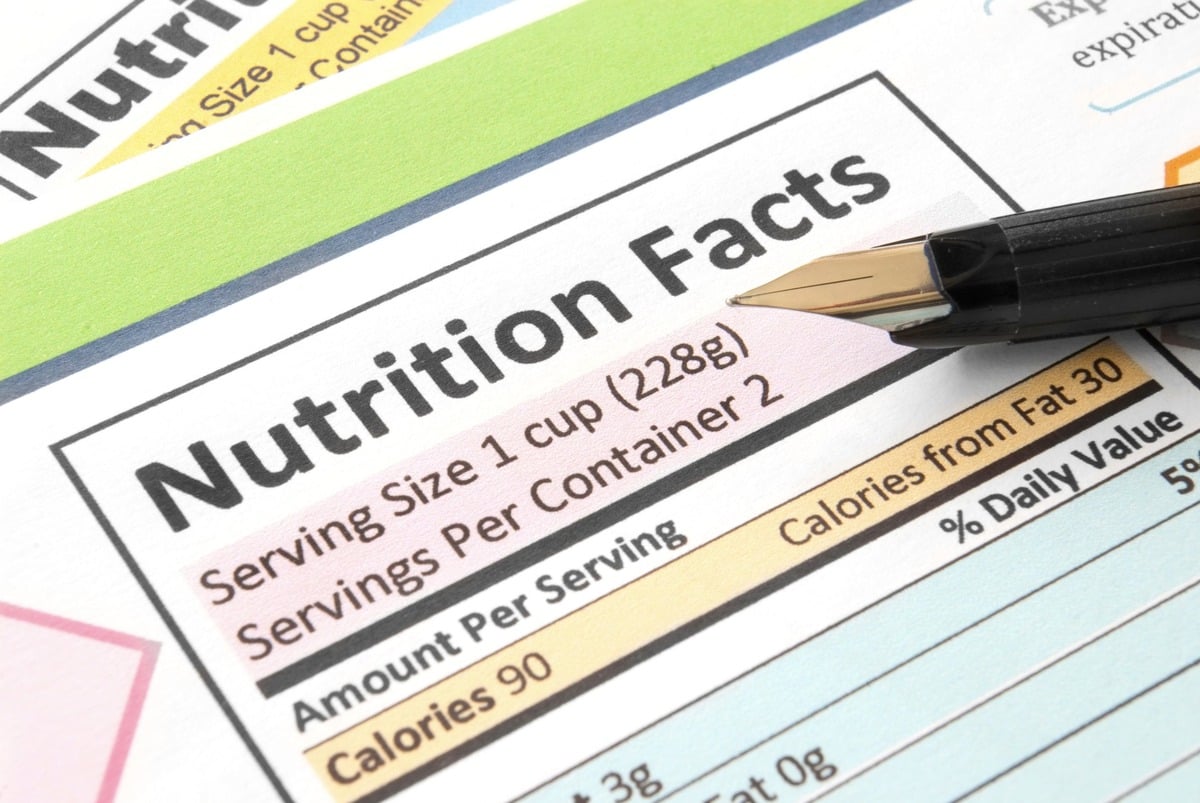
Ever picked up a bottle of juice thinking it’s a healthy choice, only to down the entire thing without a second thought? Let me tell you something: that clear and colorful bottle holding your orange or mixed fruit “health fix”? It might be labeled with just 100 calories and 20 grams of sugar—but those numbers are per serving. And if the label quietly announces “2.5 servings per container,” you’re actually consuming 250 calories and 50 grams of sugar when you finish the whole drink. Big difference, isn’t it?
This kind of misreading happens more often than people realize. And it’s not just about juice. From granola bags to instant noodles, packages frequently list nutrition in servings rather than full-container values. It’s like in the packaging industry—understanding cost per unit is one thing, but if you want the full picture, you need to analyze the total packaging lifecycle. Same logic applies here: break out of the per-serving mindset and think in terms of full consumption.
If you’re serious about calorie or sugar tracking—or simply want to make smarter health decisions—your success depends on translating that small-font serving data into full-package reality. It’s a shift in perspective that I encourage with Claudia’s Concept: wellness is all about operational clarity and transparency. A smart optimization tip I always share with my clients? Choose brands that print nutrition per bottle or per pack. These are companies prioritizing your health and leading the evolution of honest food labeling.
Ever feel like you’re making smart choices—reading food labels, counting calories, watching sugar—yet the results don’t add up? One of the most common mistakes I see, even among my most well-intentioned clients, is confusing portion size with serving size. This tiny detail can quietly sabotage the best of eating plans.
Think of a food label’s serving size like a baseline spec in manufacturing. In food production, just as we optimize packaging line speeds based on unit consistency, the nutrition label uses a standardized “serving size” to communicate nutritional values. But just like those specs don’t always reflect how a product is used in real life, serving sizes rarely match up with how much we actually eat in a sitting.
Why? Because they’re designed for consistency, not reality. A standard portion of cereal, for instance, might be 30 grams—but who stops to measure that? Most of us pour instinctively, often consuming double or even triple that amount without realizing it.
The same holds true in packaging. A sleek multi-layer bottle or laminated box might look like a single-serving item, but contain 2–3 servings packed inside. The design attracts the eye, fits conveniently in your hand or bag, but doesn’t guide responsible consumption. In the world of manufacturing, line managers continuously tweak material waste, run speeds, and layer compositions. As individuals, we deserve that same level of ongoing analysis for our food choices.
Reevaluating your own food habits is part of what I guide clients through as part of Claudia’s Concept. Once you learn to decode these silent pitfalls on your plate, powerful transformation begins.
Overlooking Hidden Sugars and Misleading Claims
Ever been drawn to a “low-fat” snack, assuming it’s a healthier choice, only to find it overly sweet? You’re not alone. These front-of-package buzzwords are crafted to catch your eye, but they rarely tell the full story. In fact, terms like “sugar-free,” “low-calorie,” or even “all-natural” often mask the presence of hidden sugars and artificial sweeteners that can sabotage your long-term health goals. At Claudia’s Concept, I always encourage a deeper look—beyond the packaging, beyond the hype.
Smart Consumer Strategy: Don’t Judge a Food by Its Cover
Marketing plays a clever game. Phrases such as “no added sugar” or “light” create the illusion of health when, in reality, you’re dealing with reformulated products packed with other sweetening agents. Instead of table sugar, manufacturers sneak in a wide array of sugar substitutes that go by misleading or unfamiliar names. That’s where label literacy becomes your strongest tool.
Ingredient Sleuth Tip: Know These 5 Alternative Names for Added Sugars
- Maltodextrin – a high glycemic index additive commonly found in “sugar-free” snacks.
- Evaporated cane juice – sounds healthy, but it’s just a fancy way to say sugar.
- High-fructose corn syrup – notorious for spiking blood sugar rapidly.
- Sorghum syrup – used in cereals and sauces, often unrecognized as added sugar.
- Fruit juice concentrates – added to smoothies or cereals, often mistaken for whole fruit.
Let’s bring science into this: a 2020 analysis in the journal Nutrition Reviews found that up to 74% of packaged foods in supermarkets contained some form of added sugar—even those marketed as health foods. That’s a staggering number. And those hidden sugars drive metabolic imbalances, ranging from heightened insulin response to increased fat storage—especially around the abdomen.
More Than Just a Food Label—A Mirror of Material Claims
Now, how does this connect to sustainability? Consider how many products advertise being “BPA-Free” to appeal to eco-conscious consumers. While that sounds good on the surface, it often sidesteps larger questions about whether those alternatives are actually safer—or recyclable. Similarly, “sugar-free” doesn’t guarantee a cleaner nutritional profile. Often, this simply indicates the presence of sugar alcohols, sucralose, or synthetic flavor enhancers that disrupt the gut microbiome over time.
This mirrors what I emphasize at Claudia’s Concept—whether we’re talking about food or packaging materials, it’s vital to look at the whole life cycle. In the same way a recyclable coffee cup may use multi-layer laminates that make it impossible to process in standard recycling streams, a protein bar labeled “natural” may still use five different types of added sugars hiding under unfamiliar names.
Circular Thinking for Real Health
Embracing a circular approach—both in nutrition and environmental sustainability—means evaluating not just what’s added, but what’s reused, what’s wasted, and how ingredients cycle through your body and through the planet. Are the ingredients reused across healthier food models? Or are they unsustainable byproducts masked as beneficial? When you read a label using this lens, you not only nourish yourself better—you participate in a more sustainable food chain.
So the next time you’re enticed by a bold, health-forward claim on a package, take a breath. Flip to the back. Break away from sugar traps hiding in plain sight. That’s how smart choices start—and at Claudia’s Concept, smart is always the new healthy.
What You Miss About % Daily Value and Sodium Could Derail Your Health Goals
Let’s talk about a part of the nutrition label that most people either overlook or misunderstand: % Daily Value, especially when it comes to sodium content. Whether the label is printed on your “light” soup or that pre-packed salad dressing promoted as “clean,” these numbers carry meaning far beyond the fine print.
Understanding % Daily Value: Precision Behind the Percentages
Here’s the key truth you need to embed in your label-reading muscle memory: 5% or less daily value is considered low, while 20% or more is high. This benchmark is based on a 2,000-calorie daily diet and helps you quickly assess whether a food item is supportive or disruptive to your daily nutrition targets.
- Low %DV (5% or less): Try to aim for this when scanning for saturated fats, added sugars, and sodium.
- Moderate %DV (6–19%): Be mindful here — it can quickly stack up depending on how often you consume the product.
- High %DV (20% or more): Prioritize this range for beneficial nutrients like fiber, calcium, or iron — but avoid it for sodium and saturated fat.
Too often, shoppers bypass this section entirely or make assumptions based only on calorie count or macronutrients. At Claudia’s Concept, we’ve seen time and time again that those who learn to track %DV consistently see measurable improvements in weight management, blood pressure, metabolic efficiency, and food awareness.
Sodium: The Stealthy Saboteur in “Healthy” Foods
Now let’s zero in on sodium. You may not taste saltiness in that “low-fat” turkey slice or “gluten-free” veggie broth, but the sodium content could easily read 470mg — that’s 20% of your daily value — in just one serving.
Picture it this way: adding excessive sodium into your diet is like overloading a production value chain with raw plastic. It doesn’t reveal itself immediately, but downstream, the impact is clear — increased risk of hypertension, water retention, and cardiovascular strain. Just as a factory must monitor inputs to avoid unmanageable waste later, you must track sodium and other high %DV nutrients to avoid accumulating internal, long-term stressors.
Continuous Improvement Starts With Label Mastery
In nutrition, as in manufacturing, change doesn’t happen overnight — it evolves through small, intentional adjustments. Tracking %DV with routine discipline mirrors the way top-performing operations continuously measure throughput and efficiency. When you assess every label with the same mindset, you empower yourself to reduce dietary “waste” and build more responsive habits.
What if your grocery cart wasn’t just a reflection of taste but also of operational excellence? At Claudia’s Concept, we guide clients to audit their food choices like an engineer auditing material inputs — smarter, cleaner, more sustainable.
Let’s Test Your Label Eye: Can You Spot the High Sodium?
- Sodium: 470mg
- % Daily Value: 20%
This serving lands in the “high” range instantly. Stack two of these servings during the day, and you’ve already hit 40% of your recommended sodium intake — and that’s before counting the salted nuts, pickle spears, and sauces.
Smart label reading isn’t just about calories — it’s about decoding input quality. Track %DV like a performance metric, and you’ll start experiencing food quality in a whole new way — intentional, quantified, and aligned with your bigger goals.
Think You’re Eating Clean? The Sugar You’re Not Seeing
The Sugar Sleight of Hand on Your Nutrition Label
Take a closer look at the nutrition label in your hand. You’ll notice a section labeled “Total Sugars,” and just beneath it, “Added Sugars.” Many people stop reading after the first line, but that second one? That’s where the real story unfolds.
The problem begins when consumers equate natural sweetness with wholesomeness. A product advertising “made with real fruit” or “naturally sweetened” might still contain high levels of added sugars—just in forms that sound more innocent. Apple juice concentrate, agave syrup, brown rice syrup, evaporated cane juice… these are common aliases in the sugar roster.
The Disguise of “Healthy Sweeteners”
Let’s unpack this with a real-world example. A fruit snack boasts being “natural” and highlights images of apples and berries. However, a deep dive into the label reveals that while it contains traces of fruit puree, its sweetness largely comes from ingredients like pear juice concentrate and corn syrup solids. The total sugar might read 16 grams, but only the “Added Sugars” line—often 12 to 14 grams—tells the truth about its impact on your blood glucose levels.
This isn’t just semantics. Whether sugar comes from cane, corn, or a fruit juice die-cut into an ingredient list, your body processes it the same way. The metabolic consequences remain: spikes in insulin, fat storage responses, and a cascade of cravings that follow a sugary fix. Studies published by The American Journal of Clinical Nutrition have consistently shown that excessive added sugar consumption—not just total sugar—is linked to increased risk of cardiovascular disease, especially when intake exceeds 10% of daily caloric needs.
What Fruit Juice and Flexible Plastic Have in Common
Here’s where an environmental metaphor helps reveal the hidden cost. Consider flexible plastic laminates—slick, shiny, and touted as “eco smart” packaging. But their recycling rate lingers below 10% globally due to their mixed material composition. Just as that packaging hides waste behind its polished look, labels bury damaging ingredients behind health claims and sweet-sounding sources.
You wouldn’t call those plastic pouches “planet-friendly” just because they look good on the shelf. Don’t be fooled by food labels that do the same with sugars.
The Full Value Chain of Every Bite
At Claudia’s Concept, our approach goes far beyond calorie counting. We assess the entire nutritional value chain—including the hidden implications of processing, ingredient sourcing, and product transparency. Just as sustainable brands move toward circular economy principles, health-conscious eaters must look at the downstream impact of added sugars on metabolism, mood, and long-term wellness.
The Better Path: Transparency and Simplicity
- Read both “Total Sugars” and “Added Sugars.” The latter tells you what’s been added during processing.
- Watch for fruit juice concentrates, syrups, and other extractive sweeteners in the ingredient list.
- Choose products with simple, whole ingredients and brands that prioritize honest, front-of-pack information.
- Favor foods where sweetness is naturally balanced by fiber, like whole fruits, rather than engineered sweetness with no nutritional anchor.
Brands rooted in transparency will make it easy for you to assess. At Claudia’s Concept, we champion this clarity—not just in food, but across every dimension of health. So the next time you see the word “natural” on packaging, dig deeper. What type of sugars are really inside? The answer could transform your relationship with sweet forever.
Calorie Counting Isn’t the Whole Story: Understanding Nutrient Density
Let me ask you something — have you ever picked a snack just because it’s low in calories, thinking that automatically makes it a healthier option? You’re not alone. In the rush toward “cleaner” eating, many people fall into the trap of focusing exclusively on calories. But here’s the truth: calories are only one piece of the picture, and often, they’re the least insightful metric if you’re aiming for long-term wellness.
Calories: The Raw Material of Your Nutrition Strategy
Imagine your body is a high-performance production facility. Just like manufacturers don’t judge the value of a material by its weight alone, you shouldn’t evaluate a food solely by the calorie count printed on the label.
Let’s take that trendy 100-calorie snack pack. Sounds guilt-free, right? But look closer. Many of these snacks are engineered with trans fats, sodium, and refined carbohydrates — lacking essential nutrients like fiber, potassium, magnesium, or vitamins A and C. There’s a reason you don’t feel satisfied after eating them. They’ve delivered “volume” with no real value.
At Claudia’s Concept, I teach that calories are the starting point, not the scorecard. Nutrient-heavy inputs — think fresh vegetables, nuts, legumes, whole grains — provide your body with multifunctional benefits: energy, repair, satiety, disease resistance. They are the assets in your biological balance sheet.
Efficiency in Nutrition: Think Like a Smart Factory
Smart manufacturers know that productivity isn’t about the fastest output with the cheapest materials. It’s about efficient production, minimal waste, and sustainable inputs. Now apply that thinking to your plate.
- Nutrient-dense foods — like spinach, lentils, blueberries, or eggs — offer high-value returns: better energy, cellular repair, and long-term wellness.
- Empty-calorie foods — refined sugary snacks, white bread, sugar-laden sodas — clog your internal systems with unnecessary load and offer little to no nutritional function.
- Just as factories aim for zero waste, your body thrives on inputs that minimize inefficiency — foods that nourish every process without contributing “dead weight.”
The Circular Economy of Your Plate
Take a cue from sustainable packaging. Smart companies are redesigning materials to be recyclable, compostable, and traceable. Aim for the same principles with your food. Nutrient-dense meals reduce the “landfill” of metabolic waste and redundant calories by offering concentrated value.
Let’s change the metric of success — from “how little am I eating?” to “how much am I nourishing?”. Each label isn’t just a list; it’s your supply chain. Every item you choose has a cost-benefit equation. And when you track the nutrients, not just the calories, you’ll see real health dividends.
Continuous Improvement Starts With Your Label Reading Habits
I often coach clients at Claudia’s Concept to treat food labels the way operations managers treat workflows. They don’t just look at quantity or speed. They ask: “Where’s the value? How does this input serve the system long-term?”
This mindset shift reveals gaps instantly. Does your “low-cal” snack serve you beyond the next hour? Is it helping your immunity, brain health, digestion, or mood? Or is it just passing through without adding anything meaningful?
Think Like a Manufacturer: Lessons from Packaging and Materials That Apply to Your Plate
- Materials matter: Just as brands now swap wasteful plastic for recyclable options, swap processed snacks for whole foods rich in trace minerals and antioxidants.
- The continuous process of healthy eating: Your diet is not a one-day detox or a weekend splurge. It’s a consistent roadmap toward resilience, vitality, and balance.
- Embrace the circular economy: Choose foods that do double (or triple) duty — hydrating, detoxifying, energizing — and reduce those that take more from you than they give.
- Bottles and labels – transparency wins: Ingredients lists that read like lab manuals signal poor inputs. Choose brands and products that lead with clarity and purpose.
Misunderstanding Daily Value Percentages (%DV): Why That 18% Might Be Misleading You
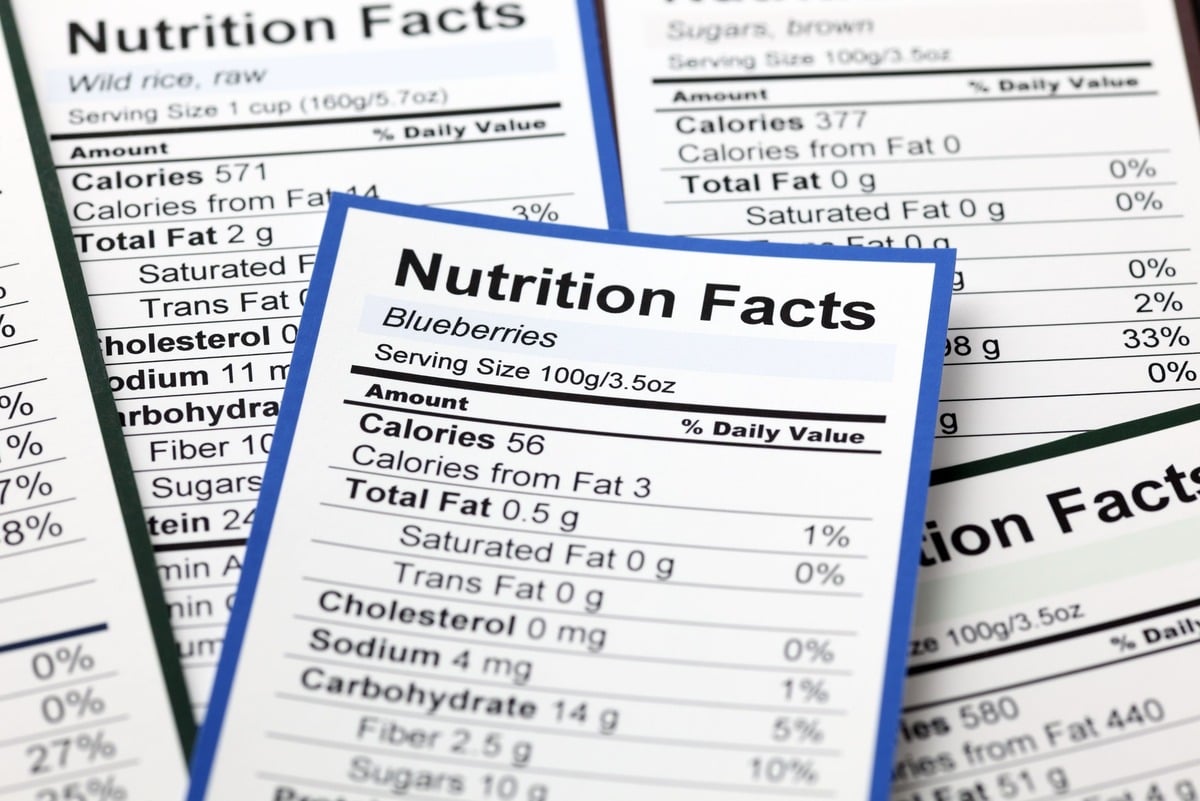
Scan a nutrition label, and your eyes probably move quickly to the right-hand column—those percentages next to each nutrient. Seems straightforward, right? But many people misread these %DV figures, which can quietly derail your wellness strategy. Understanding the real meaning behind these numbers is essential. Let’s decode them together.
What %DV Actually Tells You
Whether you’re shopping for breakfast cereal or frozen meals, the % Daily Value helps you assess how much of a specific nutrient a serving of food contributes to your total daily diet. These percentages are based on a standardized 2,000-calorie-per-day intake—created as a general benchmark, not a personal prescription. If your metabolic needs are higher or lower, your interpretation of these numbers must shift accordingly.
For example, if the label says a slice of bread contains 18% of the Daily Value for sodium, that’s based on someone consuming 2,300 mg of sodium per day, as recommended by the FDA. But if your personal health goals involve staying under 1,500 mg, that same slice covers an even larger share of your intended limit.
Where Most People Get It Wrong
- Assuming more is always better: Seeing 40% DV for Vitamin C might excite you—but that doesn’t mean quadrupling the intake makes it four times healthier. Many nutrients are water-soluble, and the excess gets flushed out. Others, like Vitamin A, can become toxic in high amounts.
- Misjudging what’s “high” or “low”: The FDA recognizes a value of 5% DV or less as low, and 20% DV or more as high. But here’s where nuance matters. A snack with 18% DV sodium may look moderate—but if you’re reaching for three servings, you’ve hit 54%. That’s not just a snack anymore; that’s a sodium bomb.
- Ignoring foundational differences: Two products both labeled “Low Fat” can mislead dramatically. One could have 3g of fat but be packed with sugar and calories, which shifts the metabolic burden elsewhere. The %DV can only guide you when you examine it in context.
How to Use %DV in Your Nutrition Strategy
At Claudia’s Concept, we train our clients to read beyond the headline claims. For example, a protein bar might show 10% DV of saturated fat. That looks okay individually—but couple it with your café frappe or cheesy lunch wrap and suddenly, your day’s fat intake is maxed out by 3 PM. Don’t let one serving fool you into complacency. Look at the label as part of the day’s bigger picture.
Using %DV also empowers smarter trade-offs. By spotting a cereal with 0% DV cholesterol but 24% DV sugar, you can opt for a better-balanced option and redistribute your carb intake throughout the day. This isn’t just nutrition—it’s personal optimization, and with the Claudia’s Concept method, we factor these tweaks into every meal plan.
Beyond the Label: Building Sustainable Reformulations
Brands are catching on too. To meet health-conscious demand and regulatory guidance, many are reformulating their products—reducing sodium, added sugars, or unhealthy fats. This isn’t just about claims on a package—it’s part of aligning operational systems with long-term health outcomes. The ripple effect can even touch environmental responsibility: when manufacturers commit to cleaner formulations, waste is minimized and consumer trust grows. This, in turn, fuels a stronger circular economy where smarter food choices also drive systemic change.
The takeaway? Don’t just count grams—interpret the percentages. Understand what each %DV means for you, not for an average that doesn’t reflect your lifestyle, goals, or body. And the next time you pick up a product that proudly announces a “High Protein” or “Low Sugar” claim, glance sideways. The truth is right there, in that % column.
Are You Really Reading the Label? The Hidden Ingredients You’re Missing
The Truth Behind What You Think You’re Reading
Let’s dive into the part most people gloss over—the ingredient list. This is where much of the real story hides, behind technical terms and slick packaging. As a nutritionist and founder of Claudia’s Concept, I’ve seen time and again how even the most health-conscious individuals get misled by what’s actually inside their food. Let’s change that.
What Hidden Ingredients Actually Mean
Scan the label of your favorite granola bar and you might see “evaporated cane juice.” Sounds natural, right? It’s just sugar dressed up in a deceptive name. A 2016 study published in the Journal of the Academy of Nutrition and Dietetics identified over 60 names for sugar used in processed foods, making it harder for consumers to recognize added sugar quickly.
Terms like “natural flavorings” might suggest something wholesome, but these can legally include chemical solvents, preservatives, and flavor enhancers derived from non-food sources. The FDA allows manufacturers to use the term “natural” even if the final ingredient is highly processed. Unless you see specifics, don’t make assumptions.
How Misreading Ingredients Happens
- People often ignore the ingredient order—ingredients are listed by weight, from most to least. If sugar or any of its aliases shows up in the first three, that product is built on sugar. Period.
- Multiple sugars—such as “honey,” “corn syrup,” “fruit juice concentrate,” and “molasses”—can appear separately, giving the illusion of lower sugar content when it’s actually quite high collectively.
- Artificial sweeteners like sucralose or acesulfame potassium may be present in “sugar-free” products but still impact gut microbiota, as confirmed in a 2022 study in Cell that showed reduced insulin sensitivity in individuals consuming sucralose over two weeks.
Don’t Trust the Packaging—Trust Your Reading
Branding works because it leads with emotion, not facts. “Healthy,” “low-carb,” and “guilt-free” are marketing buzzwords, not scientific claims. And when the label is hidden behind a glossy sleeve or printed on black plastic, it’s not just bad lighting—it’s deliberate design. These materials not only make reading difficult, but often contribute to unnecessary packaging waste.
Bottle shrink-wraps, laminated boxes, and all those high-gloss, high-density materials? They tend to downplay the part you actually need to read: the ingredients. A 2021 analysis by the Ellen MacArthur Foundation highlighted how complex packaging structures reduce recyclability and visibility, both of which affect how consumers interact with the food they buy.
It’s Not Just About You—It’s About Demand
Food companies juggle regulatory requirements and visual appeal—but there’s movement happening. Conscious consumers are demanding simpler labels and cleaner packaging, which influences supply chains. Pushing for transparency means you’re helping move the industry toward biodegradable laminates, clearer typography, and ultimately, a more sustainable circular economy. At Claudia’s Concept, this is exactly the kind of data-backed empowerment we support.
Why Accurate Label Reading Matters for Health—and the Planet
- Health Impact: Misreading ingredients often leads to consuming excessive sugar, salt, and synthetic additives—primary drivers of obesity, diabetes, and hypertension. According to WHO, diets high in processed sugar contribute to 1.5 million deaths globally per year.
- Environmental Impact: Failing to recognise portions and ingredients pushes demand for packaged snack-size goods, many wrapped in single-use plastics that clog landfills and oceans.
- Value Chain Evolution: Every conscious purchase sends a signal. When consumers demand cleaner labeling and transparent design, producers respond. This ripple affects from farms to recyclers, feeding into the circular economy we all benefit from.
Next time you pick up a product, take a moment. Flip it over. Decode the label. You’re not just choosing a snack—you’re shaping a system.