
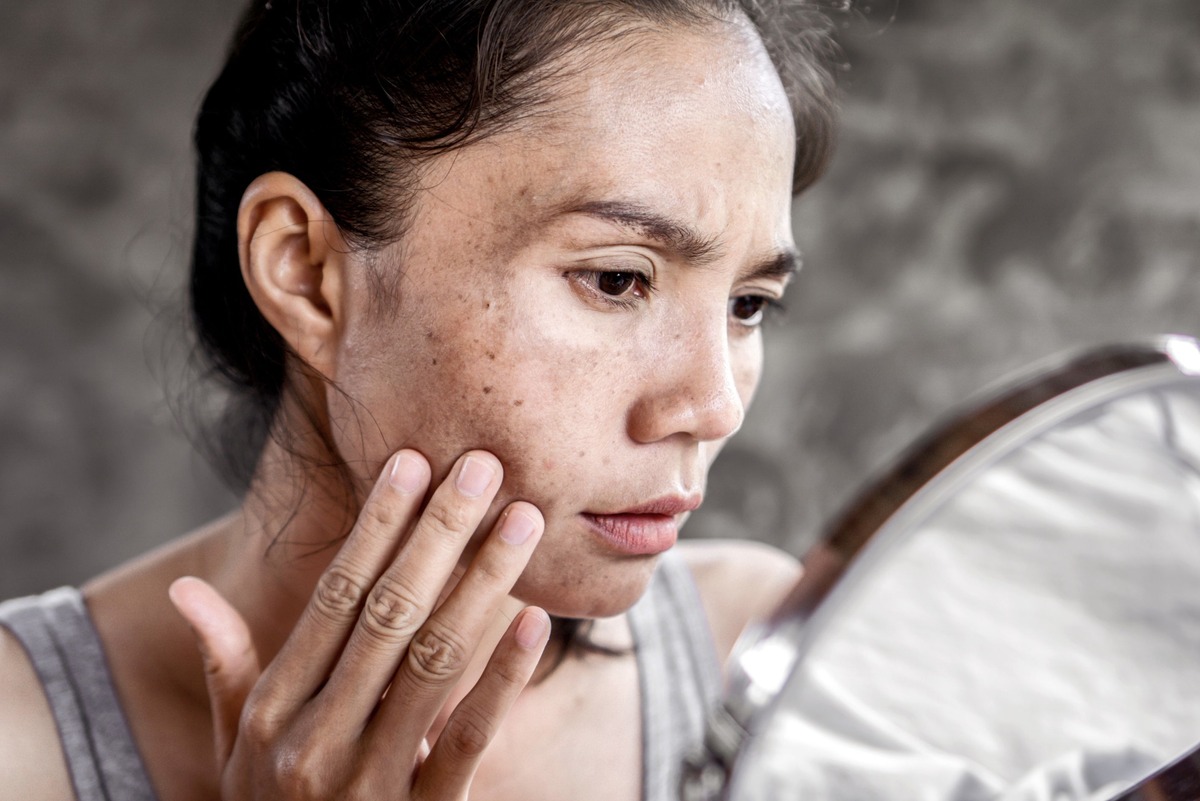
In this article, I’ll break down the two most critical nutrient deficiencies you need to be aware of: Vitamin B12 and Iron. You’ll learn how they directly influence skin tone, what research says about their role in pigmentation, and how to take practical steps to support your skin from within.
How Hyperpigmentation Happens—and What’s Really Behind It
What Exactly Is Hyperpigmentation?
Hyperpigmentation refers to patches of skin that become darker than the surrounding areas. This darkening happens when excess melanin—the pigment that gives our skin, hair, and eyes their color—is produced and accumulated in the skin.
Melanin is made by melanocytes, specialized cells located in the epidermis. When functioning normally, these cells help protect against UV radiation by increasing melanin production in response to sun exposure. However, when production becomes irregular or excessive, it leads to uneven skin tone and dark patches, commonly known as hyperpigmentation.
Digging Into the Causes: Why Does the Skin Develop Dark Patches?
Multiple triggers can tip the balance and cause melanin overproduction. Some of the most common culprits include:
- ☀️ Sun Exposure: Ultraviolet (UV) rays stimulate melanin as a natural defense mechanism. Overexposure magnifies this response, especially in unprotected skin, leading to age spots, melasma, and sun spots.
- 🧬 Hormonal Changes:Estrogen and progesterone fluctuations, particularly during pregnancy or when using oral contraceptives, influence melanin synthesis. This is why melasma—often called the “mask of pregnancy”—is so prevalent in women.
- 🌱 Nutritional Deficiencies: Inadequate levels of specific nutrients such as vitamin B12 and iron disturb the biochemical pathways that regulate melanin distribution. We’ll explore this more in the next section.
- 🧴 Dermatological Conditions: Inflammatory skin issues like acne, eczema, or psoriasis can damage melanocytes. The healing process often causes a secondary darkening known as post-inflammatory hyperpigmentation.
The Role of Melanin and Nutrients in Skin Tone Balance
Melanin production is tightly controlled by enzymes, principally tyrosinase, which converts the amino acid tyrosine into melanin. But this enzymatic activity doesn’t happen in isolation. It’s influenced by several micronutrients that serve as cofactors or modulators in the pathway.
For example, vitamin B12 plays a direct role in DNA synthesis and cellular regeneration, including the turnover of skin cells. Iron, on the other hand, supports oxygenation and collagen formation while participating in tyrosinase activity. A deficiency in either of these nutrients not only compromises skin health but directly disrupts melanin equilibrium—leading to uneven pigmentation.
At Claudia’s Concept, I focus on restoring micronutrient balance first, because when your internal chemistry is aligned, your skin naturally reflects that harmony. Think of your skin as a mirror—it tells the story of your inner wellness with absolute clarity.
So, if you’re dealing with stubborn pigmentation, take a deeper look within. Your skin might be signaling an imbalance that’s far more than skin-deep.
Nutritional Deficiencies That Impact Skin Pigmentation
Clear, radiant skin starts from within. Before you reach for another serum or concealer, take a moment to consider what your body might be telling you. At Claudia’s Concept, we always return to the foundation—nutrition—because the food you eat directly influences your skin’s appearance, especially when it comes to pigmentation. When key nutrients are missing, it becomes impossible for your skin cells to regenerate effectively, often resulting in uneven skin tone, dark patches, or persistent discolouration.
The Skin-Diet Connection
Your skin is your body’s largest organ and one of the first to show internal imbalances. Every layer, from the outer epidermis to the dermal matrix underneath, relies on essential vitamins and minerals to regenerate, produce melanin appropriately, and maintain even pigmentation. A nutrient-rich diet allows this intricate system to function optimally, safeguarding you against pigmentation disorders.
Melanin, the pigment responsible for skin colour, is synthesized by melanocytes in the skin. This process, known as melanogenesis, is heavily influenced by your body’s nutritional status. Inadequate intake of specific nutrients slows cell turnover, disrupts melanin regulation and increases oxidative stress—all of which can manifest as hyperpigmentation.
How Deficiencies Trigger or Worsen Hyperpigmentation
When your diet lacks certain micronutrients, it alters your skin’s ability to heal and renew. Two of the most frequently overlooked—yet vital—nutrients in this regard are Vitamin B12 and Iron. These aren’t just general wellness essentials; they’re biochemical cornerstones in the production of healthy red blood cells, DNA synthesis, and skin cell renewal.
Deficiency in Vitamin B12, for instance, disturbs homocysteine levels, impairs DNA replication, and slows epidermal turnover. This physiological setback often leads to darker patches of skin, especially on the hands and face. Meanwhile, Iron is central to the function of tyrosinase, an enzyme required for melanin production. Deficits can result in irregular pigmentation and dull complexion.
Scientific studies consistently make this connection clear. A 2011 clinical report published in Indian Journal of Dermatology observed notable hyperpigmentation in patients with Vitamin B12 deficiency, which reversed with supplementation. Findings like these continue to reinforce what I advocate at Claudia’s Concept: nutrition isn’t optional, it’s non-negotiable for lasting skin health.
Subtle Signs Your Skin May Be Crying Out for Nutrients
So what should you look out for? Hyperpigmentation that seems resistant to topical treatments often suggests something deeper. Consider these signs:
- Dark patches that gradually appear, especially on cheeks, forehead, or hands
- Unusually dry or flaky skin that doesn’t respond to moisturisers
- Fatigue or brain fog accompanying skin issues—these might hint at B12 or Iron deficiencies
- Skin that bruises easily or looks dull and lifeless despite exfoliating routines
Ignoring such indicators lets the cycle continue. But through targeted nutrition and mindful intake, you can renew your skin’s vitality—starting at a cellular, not cosmetic, level. That’s what we believe in and practice at Claudia’s Concept.
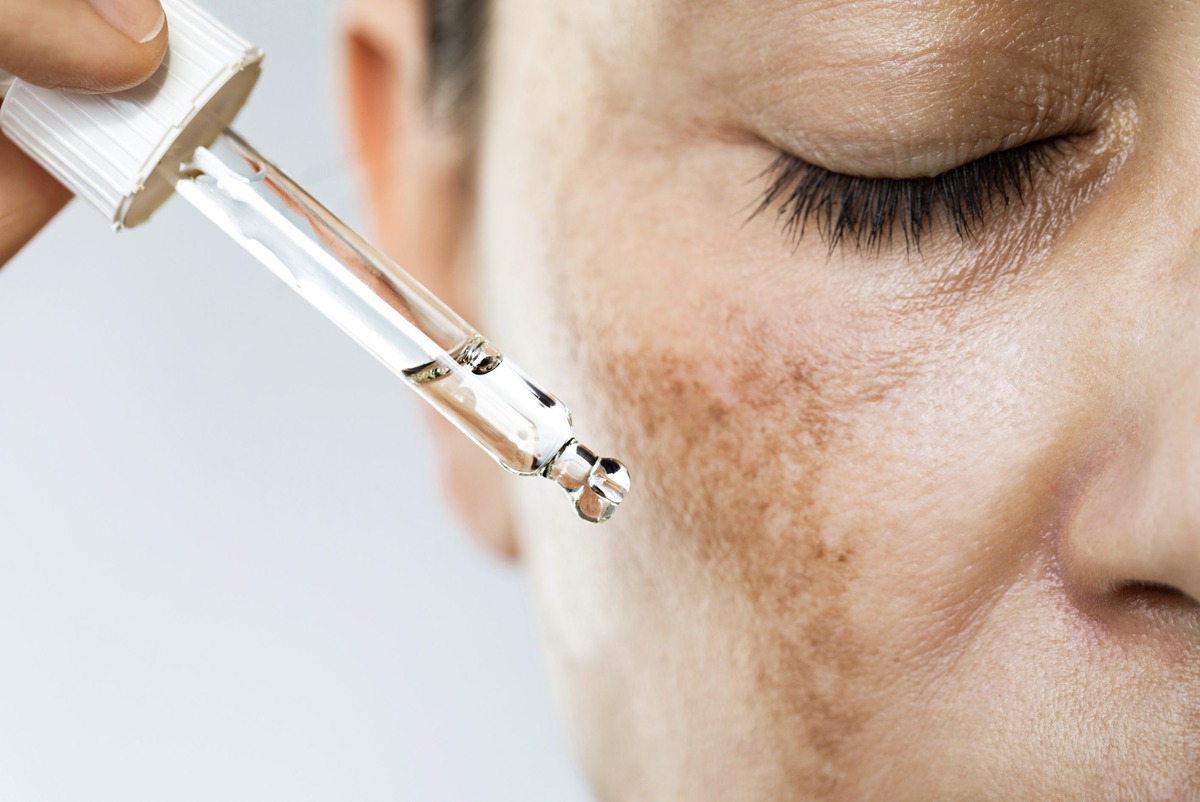
Why Vitamin B12 Deficiency Can Be the Hidden Trigger Behind Your Skin Discoloration
The Power of Vitamin B12 in Skin Health
Vitamin B12—also called cobalamin—is essential for more than just energy and neurological wellness. This powerhouse nutrient plays a key role in skin cell reproduction and pigmentation balance. Without adequate B12, the skin’s ability to produce healthy, evenly pigmented cells starts to falter, often resulting in noticeable patches of hyperpigmentation.
At Claudia’s Concept, I frequently work with clients who are surprised to learn their uneven skin tone has more to do with nutrition than any external factor. But once we focus on restoring internal balance, the results are undeniable.
How B12 Impacts Skin Pigmentation
Vitamin B12 supports DNA synthesis, which is directly tied to how quickly your skin renews itself. When levels drop, skin cell replication slows down. This disruption doesn’t just cause dullness—it affects melanocyte activity too. Melanocytes are the pigment-producing cells in the skin, and when they’re thrown off balance, they can produce melanin unevenly, leading to hyperpigmentation.
Peer-reviewed research from the journal Cutis and case studies published in the Indian Journal of Dermatology confirm that B12 deficiency can manifest as brown-gray pigmentation, particularly on the hands, face, and even inside the mouth.
What B12 Deficiency Looks Like on Your Skin
- Irregular dark patches: Commonly appear on the knuckles, palms, and dorsum of hands.
- Discoloration around the mouth or eyes: These areas are especially sensitive to fluctuations in melanin production.
- Pale complexion: A sign of reduced red blood cell production due to insufficient B12.
- Oral pigmentation: In chronic cases, the mucosa inside the cheeks and lips may show darkened areas.
Other Symptoms That Might Accompany Skin Changes
Hyperpigmentation usually isn’t the only red flag. Clients often tell me they feel exhausted even after a good night’s sleep or notice tingling in their fingers and toes. B12 deficiency affects the nervous system as well as the skin, making symptoms cluster across multiple systems.
- Persistent fatigue or weakness
- Numbness or tingling in hands and feet
- Memory lapses or brain fog
- Brittle nails or hair loss
Who Needs to Watch Their B12 Levels Closely?
Several groups are more prone to a B12 deficiency and should proactively monitor both dietary intake and possible symptoms:
- Vegans and vegetarians: Since B12 is found naturally in animal products, plant-based eaters often struggle to get enough through diet alone.
- People with digestive conditions: Crohn’s disease, celiac disease, or those who’ve had gastric surgery can struggle with B12 absorption.
- Seniors: Aging impacts the production of intrinsic factor, a stomach protein needed for B12 absorption.
When Skin Speaks, Listen Carefully
Your skin is often the first to signal something deeper. If dark patches appear suddenly without sun exposure or hormonal shifts, it’s worth paying attention. A visit to a qualified skin therapist or dermatologist can offer insights, but combining that with a nutrition-led approach delivers more sustainable outcomes. At Claudia’s Concept, I always approach skin concerns holistically, looking at the nutrient profile first before jumping to topical treatments.
Restoring B12 Levels and Radiance
Once diagnosed, a B12 deficiency can be corrected quite effectively. Depending on the severity, options range from oral supplements to intramuscular injections, which rapidly elevate B12 stores. Many of my clients notice a visible improvement in skin tone within weeks, especially when the deeper causes of deficiency—like gut health or diet—are addressed simultaneously.
Feeling more radiant isn’t just a vanity goal, it’s a signal of internal balance. And that, ultimately, is what we strive for with every protocol at Claudia’s Concept.
Iron Deficiency and Hyperpigmentation: An Overlooked Skin Connection
Hyperpigmentation is often considered a superficial concern, but what if your skin is actually signaling a deeper imbalance? Iron deficiency is one such hidden root cause. At Claudia’s Concept, we always look beneath the surface — and in this case, the science points directly to your iron levels.
Why Iron Matters for Radiant, Even-Toned Skin
Iron isn’t just necessary for energy and immunity — it’s a key player in supplying your skin with oxygen and nutrients. When iron levels drop, the oxygen-carrying capacity of your red blood cells decreases, impairing the delivery of critical nutrients to your skin cells. This translates into dullness, uneven texture, and in many cases, hyperpigmentation.
More specifically, iron is involved in the formation and regulation of melanin through its role in tyrosinase activity — the enzyme responsible for melanin synthesis. When deficient, this regulation is disrupted. As a result, certain areas of the skin may begin to produce too much melanin, leading to dark patches or uneven tone.
Scientific Proof: Iron Deficiency Alters Melanin Distribution
Clinical evidence supports a direct link between iron deficiency anemia and hyperpigmentation. A 2014 study published in the Journal of Clinical and Diagnostic Research found that patients with iron deficiency anemia often developed unexplained hyperpigmented lesions, especially around the mouth and on the hands. These changes were reversed when iron levels were corrected through treatment. Additionally, a 2020 observational study published in the Journal of Dermatology and Dermatologic Surgery identified correlations between periorbital hyperpigmentation (dark circles under the eyes) and low serum ferritin levels — an early indicator of iron deficiency.
Other Signs Your Skin Is Craving Iron
If you’re noticing dark patches or discoloration, don’t ignore other subtle indicators that your iron is low. Look for:
- Brittle Nails: Iron plays a pivotal role in keratin structure, making nails chip or crack easily when levels drop.
- Fatigue: A result of reduced oxygen flow to your organs and tissues.
- Pallor: Skin may appear pale or sallow, especially on the face and inner eyelids.
- Hyperpigmented Patches: Random and irregular dark spots that aren’t triggered by sun exposure alone.
Who’s Most at Risk of Iron-Deficiency-Related Skin Changes?
Some groups are biologically and lifestyle-wise more prone to iron deficiency. These include:
- Menstruating Individuals: Monthly blood loss can significantly deplete iron stores, especially if the diet lacks compensatory intake.
- Pregnant Women: The body prioritizes iron for fetal development, increasing the mother’s risk of deficiency.
- People on Low-Iron Diets: This includes vegetarians, vegans, and those with restricted eating habits — especially without proper guidance.
How Iron Shapes Your Skin’s Oxygen and Nutrient Supply
Your skin is your largest organ, and it’s highly vascular. When you don’t have enough iron, your skin doesn’t receive sufficient oxygen or vital nutrients to maintain its structure and function.
Think of iron as the delivery van — without it, your skin cells won’t receive ingredients like vitamin C, zinc, and essential fatty acids. That starvation leads indirectly to reduced collagen synthesis, slower healing, and patchy melanin distribution — the science behind that “tired” look many people describe.
Testing and Correcting Your Iron Levels
Want answers? Ask your healthcare provider for these highly specific tests:
- Serum Ferritin – Detects early-stage deficiency before anemia develops.
- Complete Blood Count (CBC) – Assesses hemoglobin levels, red blood cell count, and hematocrit.
- Transferrin Saturation – Evaluates how well your body transports and stores iron.
Based on your results, iron can be restored through a strategic combination of whole-food nutrition and targeted supplementation. From Claudia’s Concept, I always recommend iron-rich foods first — like spinach, lentils, pumpkin seeds, and red meats — paired with vitamin C to improve absorption. When dietary changes aren’t enough, clinically-dosed iron supplements work beautifully to support both energy and skin health.
Next time you notice hyperpigmentation creeping in, ask yourself — could your skin be revealing a more systemic issue? At Claudia’s Concept, we don’t guess. We assess, address, and restore balance from within.
How Diet, Sunlight & Hormones Interact with Nutrient Deficiencies to Trigger Hyperpigmentation
Hyperpigmentation never stems from a single source—it’s usually the result of an intricate interplay between internal imbalances and external stimuli. When the body is already struggling with nutrient deficiencies like low vitamin B12 or iron, environmental and hormonal factors can intensify the issue. Let’s unravel how these triggers overlap and what this means for your skin health.
When Nutrient Deficiencies Amplify Other Pigmentation Triggers
Deficiencies in essential nutrients create a vulnerable foundation. Think of it like trying to build a strong immune defense with missing bricks—you leave gaps that make it easy for other forces to break through. In the case of skin pigmentation:
- Iron-deficient skin struggles with optimal oxygenation and collagen synthesis, weakening its defense against UV damage and stress-induced oxidants.
- Vitamin B12 deficiency disrupts melanin production pathways, leading to patchy pigmentation.
Now imagine what happens when this vulnerable skin is exposed to intense sunlight or hormonal fluctuations. The pigment imbalance worsens, dark patches deepen, and recovery becomes slow. That’s precisely why at Claudia’s Concept, we focus on nutritional balance as the first step in any skin healing protocol.
The Sun’s Role in Exacerbating Nutrient-Sensitive Skin
UV radiation doesn’t just cause tanning. It stimulates melanocytes to produce even more melanin, the pigment responsible for skin color. This is a normal protective mechanism—but when critical nutrients are missing, the regulation of this process becomes faulty.
For instance, a 2020 study published in the Indian Dermatology Online Journal found that vitamin B12-deficient individuals developed melasma-like patches after only mild sun exposure. Their skin lacked the antioxidant protection that B12 normally provides to control oxidative stress—instead, melanin accumulated chaotically.
Wearing broad-spectrum sunscreen daily, even on cloudy days, is non-negotiable. In fact, sun protection is a cornerstone at Claudia’s Concept, especially when crafting skincare routines for clients healing from deficiency-related hyperpigmentation.
Hormonal Fluctuations: Fuel to the Fire
Now, layer in hormones—estrogen and progesterone can dramatically influence how your skin reacts to UV rays. That’s why many women notice melasma flaring up during pregnancy, perimenopause, or while on contraceptives. But here’s where it gets more complex:
- Estrogen shifts can interfere with iron absorption, silently creating or intensifying deficiency.
- Long-term hormonal imbalances have been associated with suppressed intrinsic factor activity, which the body needs to absorb B12.
So if you’re feeling like your skin tone has changed alongside your menstrual cycle, birth control regimen, or during pregnancy—your instincts are spot on. Deficiencies and hormones form a feedback loop, each amplifying the other’s effect on pigmentation.
Redefining Skin Care: Balanced Diet + Daily Defense
Feeding your body nutrient-rich foods isn’t just about general wellness—it directly shapes how your skin responds to sunlight, stress, and hormonal changes. A Mediterranean-style diet focused on leafy greens, pulsating with iron, B-vitamins, and antioxidants sets a robust groundwork. I always advise clients at Claudia’s Concept to keep sun defense and nutrition in sync—it’s the most reliable strategy to reset your skin’s equilibrium.
When inner balance meets external protection, pigmentation begins to fade. The science supports it, and so do our transformations.
Simple Shifts That Heal and Prevent Hyperpigmentation
Hyperpigmentation doesn’t have to be a lifelong skin challenge. With strategic lifestyle choices, nutrient-dense eating, and smart prevention, the skin can bounce back to a naturally even tone. At Claudia’s Concept, I’ve seen remarkable transformations when clients understand the nutritional roots of their skin concerns. Let’s dig into how you can support your skin from within—and on the surface.
Nutrient-Rich Foods That Fuel Even Skin Tone
Two major nutrients directly influence skin pigmentation — Vitamin B12 and Iron. When these are consistently low, the melanogenesis process (melanin production) can go haywire, triggering dark patches in various areas of the body. Restoring levels through whole, absorbable food sources creates lasting skin clarity. Here’s what goes on your plate:
- Vitamin B12-Rich Options: Eggs (especially yolks), dairy products like paneer or curd, meats such as chicken and mutton, and fortified cereals offer significant amounts. One boiled egg, for instance, gives up to 0.6 mcg of B12—around 25% of the RDA.
- Iron-Powered Choices: Leafy greens like spinach (1 cup cooked = 6.4 mg iron), red meats, lentils, chickpeas, soybeans, and tofu are plant-based champions. Pair with vitamin C (like lemon or bell pepper) to triple the iron absorption rate from non-heme sources.
Consistency is key. Aim to include multiple iron- and B12-rich sources throughout the week, combining them with enhancers (like vitamin C) and avoiding inhibitors (like tea or coffee directly with meals) for optimal benefit.
Supplementation: When To Take It Beyond The Plate
Sometimes, food alone may not be able to close the nutritional gap—especially if there’s poor absorption caused by digestive issues, restricted diets, or medication interactions. B12 deficiency is common in individuals with atrophic gastritis or those following strict plant-based diets, while iron stores may deplete faster during menstruation or excessive training.
- Vitamin B12 supplements: Sublingual tablets, oral capsules, or intramuscular injections (in severe cases) effectively restore levels. A typical injection delivers 1000 mcg and is often administered weekly or monthly depending on deficiency severity.
- Iron supplements: Ferrous sulfate or iron bisglycinate capsules are well-absorbed; however, digestive tolerability matters. Always take with food and pair with a Vitamin C source to maximize uptake.
At Claudia’s Concept, I use biochemical markers—like serum B12 levels and ferritin tests—to tailor supplementation precisely. That eliminates guessing and fast-tracks recovery.
Reduce Sun Triggered Pigmentation
While your diet works internally, external protection shields those gains. Sun UV exposure ignites melanocyte activity, which accelerates pigment formation—especially in nutrient-depleted skin. Make SPF your non-negotiable every day.
- Choose a broad-spectrum sunscreen with at least SPF 30.
- Reapply every two hours if exposed to direct sunlight.
- Don hats, sunglasses, and protective clothing for long outdoor hours.
Don’t Forget the Hormonal Dimension
Hormonal shifts—particularly estrogen dominance or thyroid imbalance—can trigger stubborn pigmentation patches, such as melasma. Regular hormonal profiling can uncover underlying patterns that demand attention.
- Ask your healthcare provider for a full thyroid panel and estrogen-progesterone ratio test.
- PMS, irregular cycles, or unexplained fatigue? These are often hidden skin clues pointing to hormonal imbalance.
Professional Support Multiplies Your Results
A trained eye can detect subtle triggers and guide the fastest path to skin correction. Consider scheduling a consultation with an integrated skin therapist or nutritionist to align diet, hormones, sun strategy, and supplementation. Inside Claudia’s Concept, I combine lab insights with tailored food planning to not only reverse pigmentation but prevent its return.
Think of this as true skin nourishment—inside out, and outside in. Ready to glow?
Glow Starts From Within—Here’s What To Remember
Hyperpigmentation isn’t only about sunspots or hormonal imbalances. Often, it’s your body waving a red flag about what’s going on inside—especially when it comes to nutrient deficiencies.
Through my years of experience with clients at Claudia’s Concept, I’ve consistently seen how a lack of Vitamin B12 and Iron silently fuels uneven skin tone. These two nutrients influence melanin production, oxygen transport, cellular energy, and DNA synthesis—all of which are vital for maintaining a healthy, radiant complexion.
If you’ve been layer after layer of topical treatments with minimal results, it’s time to look deeper. Skin barriers start breaking down when your internal nutrition isn’t supportive. Vitamin B12, for instance, plays a direct role in DNA repair, and its deficiency has been linked in clinical studies—like the one published in the Indian Journal of Dermatology—to increased melanin accumulation and persistent dark patches. Similarly, low iron disrupts both oxygen circulation and skin regeneration, setting the stage for dullness and discoloration.
Beautiful skin is a full-body conversation—it listens to every bite you take, every supplement you skip, and every imbalance you ignore.
So, where do you begin? Take a holistic route. Support your body with nutrient-rich foods, quality supplementation, mindful sun protection, and a skin care routine that works with—not against—your biology. This is what I help clients master inside Claudia’s Concept programs. The transformation isn’t just topical—it’s deep, lasting, and grounded in science.
If persistent pigmentation has been bothering you, ask yourself: have I checked my B12 and iron levels recently? Connect with a healthcare provider or speak with a therapist trained in integrative nutrition. Your skin will thank you for listening to what it’s really asking for.