
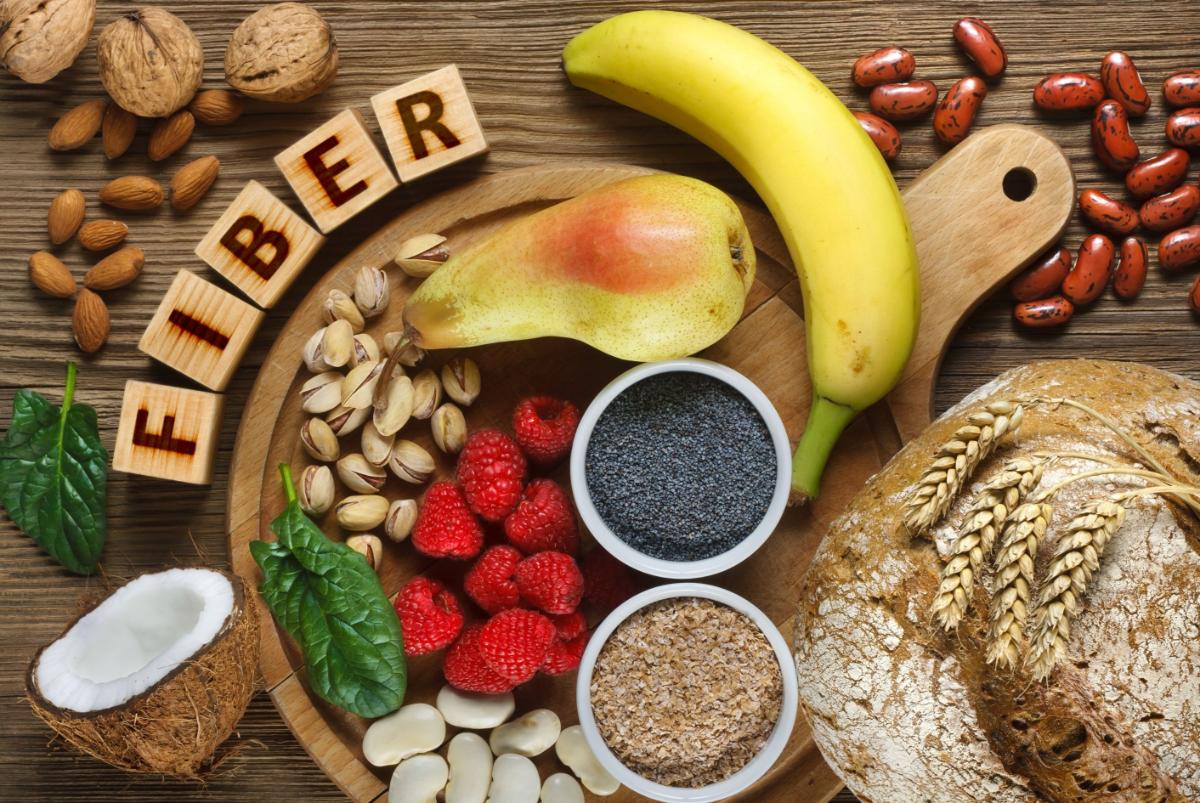
Imagine your digestive system as the engine that fuels your daily life. Now visualize fiber as the spark that keeps it running smoothly—keeping everything in perfect rhythm. In my years guiding clients through Claudia’s Concept, I’ve seen a dramatic transformation when people start focusing on dietary fiber. But what exactly is fiber, and why does it matter so much for us in India? Dietary fiber, a type of carbohydrate found in plant-based foods, passes through the digestive system without being broken down into sugar. While it does not contribute calories directly, fiber plays a more impactful role: it increases satiety, promotes gut health, and stabilizes blood sugar levels. In diverse Indian diets—from vibrant millets in Rajasthan to leafy greens used in southern recipes—fiber-rich choices have always existed, but our modern lifestyles demand renewed attention. Has health ever felt like a puzzle to you? The current surge in health consciousness among Indians is not just a trend; it’s a lifestyle shift. Modern routines involve more sedentary hours, increased stress, and highly processed food consumption. These factors can cause sluggish digestion, low energy, and even metabolic concerns. Introducing the right high fiber foods into your meals—something I systematically encourage through Claudia’s Concept—will unlock better digestion, improved energy, and a greater sense of well-being. Are you ready to discover 15 fiber-loaded treasures already waiting for you in Indian kitchens? Let’s make food choices that actively support your gut and overall health.
The Vital Importance of Fiber in a Healthy Diet
Role in Digestion and Gut Health
Digestive wellness truly begins with what you eat, and fiber is central to this process. Your digestive system acts as a complex ecosystem, and dietary fiber provides the fuel and structure it needs to thrive. When you consume enough fiber, you immediately support the movement of food through your gut, which prevents constipation and encourages regular, predictable bowel movements. Scientific evidence confirms that fiber, especially insoluble fiber found in whole grains and fresh vegetables, increases stool bulk and shortens intestinal transit time. According to the National Institute of Nutrition, India, populations with higher fiber intake experience fewer digestive disorders such as hemorrhoids, diverticulosis, and colorectal cancer.
The magic doesn’t stop there. Soluble fiber — present in oats, psyllium, and certain Indian pulses — acts as a prebiotic, feeding the beneficial bacteria in the colon. This action produces short-chain fatty acids like butyrate, which fortify the intestinal barrier and reduce inflammation. In my years working with clients through Claudia’s Concept, I have consistently seen how a fiber-rich Indian diet restores gut health and enhances nutrient absorption.
Supports Healthy Weight and Reduces Cholesterol
Struggling with weight management? Fiber makes a significant difference. Foods high in dietary fiber, particularly those rich in viscous soluble fibers such as beans, fenugreek seeds, and barley, increase satiety by absorbing water and expanding in the stomach. Participants in a 2015 study published in the Annals of Internal Medicine who simply increased fiber intake — without changing anything else — lost comparable weight to those on structured diets. High-fiber foods slow down the eating process and reduce hunger pangs, which translates into natural portion control.
There’s also a direct link between fiber and cholesterol levels. Soluble fibers bind with bile acids (which contain cholesterol) in the digestive tract, leading to their elimination via the stool. The American Heart Association cites that consuming 5 to 10 grams of soluble fiber daily can produce a noticeable reduction in LDL (“bad” cholesterol). Indian foods like lentils and chickpeas deliver precisely the amount and quality of fiber needed for this heart-protective effect, making them regular features in my Claudia’s Concept nutrition plans.
Aids in Blood Sugar Management
Managing blood sugar is a challenge faced by millions in India. Here’s why fiber matters: foods rich in fiber, especially when combined with protein and healthy fats, slow the absorption of glucose into the bloodstream. This means a gentle, steady rise in blood sugar versus a sudden spike. Studies in the Journal of Nutrition and by the ICMR-INDIAB project consistently show that high soluble fiber intake improves glycemic control and insulin sensitivity, particularly among individuals with prediabetes and type 2 diabetes. Traditional Indian staples such as whole moong, brown rice, and fibrous vegetables enable you to enjoy satisfying meals that keep blood sugar fluctuations in check.
Curious about how fiber-rich foods can fit into your daily Indian menu? Think of every meal as an opportunity to nurture your body from the inside out.
Types of Dietary Fiber: Soluble vs Insoluble — Crafting Gut Health with Claudia’s Concept
When diving into high-fiber foods, the first crucial distinction you’ll encounter is between soluble and insoluble fiber. Each type performs a unique role in your body, and understanding this difference is essential for anyone committed to holistic nutrition. At Claudia’s Concept, I recommend building your meals around both, as together, they form the foundation of an energised and efficient digestive system.
Soluble Fiber: Gentle on Digestion, Powerful Against Cholesterol
Soluble fiber dissolves in water, forming a gel-like substance in your gut. Imagine soaking oats overnight: that creamy texture results from soluble fiber absorbing liquid. In your intestines, this fiber slows digestion, helps you feel full for longer, and binds to cholesterol particles, effectively reducing total blood cholesterol levels. This effect is robust—scientific studies, such as the one published in the American Journal of Clinical Nutrition (2019), confirm that consuming 5-10 grams of soluble fiber daily will lower LDL (“bad”) cholesterol by up to 5%.
- Lentils: A kitchen staple in Indian homes, cooked masoor or moong dal delivers over 7 grams of soluble fiber per cup.
- Oats: Regular inclusion of rolled or steel-cut oats at breakfast directly supports heart health, thanks to the beta-glucan they contain.
- Apples and Citrus Fruits: Common fruits such as guava and oranges, easily available across India, contribute meaningful amounts of soluble fiber in every serving.
Insoluble Fiber: Promoting Regularity and Gut Resilience
Insoluble fiber acts differently—it does not dissolve in water. Instead, it passes through your digestive system largely intact, adding bulk to stool and speeding up its passage. Picture the tough, fibrous parts of vegetables or the outer layers of whole grains. Scientific evidence, including research from Food & Function (2020), shows that increased intake of insoluble fiber will improve stool frequency and consistency, preventing constipation outright.
- Wheat Bran: One of the highest sources, a tablespoon stirred into your breakfast provides immediate digestive benefits.
- Brown Rice: With every serving, you’re supporting a regular bowel movement cycle, making brown rice a preferred staple at Claudia’s Concept.
- Vegetables like Carrots and Cabbage: Their crunch comes from an abundance of insoluble fiber, supporting optimal gut function with every bite.
Why Your Gut Needs Both: Building Synergy Through Diversity
Soluble and insoluble fibers form a dynamic duo—each type plays off the strengths of the other. When you combine them in a meal, for instance with dal and brown rice or a mixed vegetable sabzi, you nourish your gut flora and maintain a healthy colon environment. Research published in Cell Host & Microbe (2022) validates this synergistic approach, demonstrating that diets balancing both fiber types will diversify and strengthen the beneficial bacteria in your digestive tract.
Reflect on your last meal—did you include both kinds of fiber? At Claudia’s Concept, my clients have witnessed transformative changes simply by varying their fiber sources. Explore local ingredients, mix lentils with vegetables, and swap refined grains for their whole counterparts. Your gut, mood, and long-term wellness will thank you.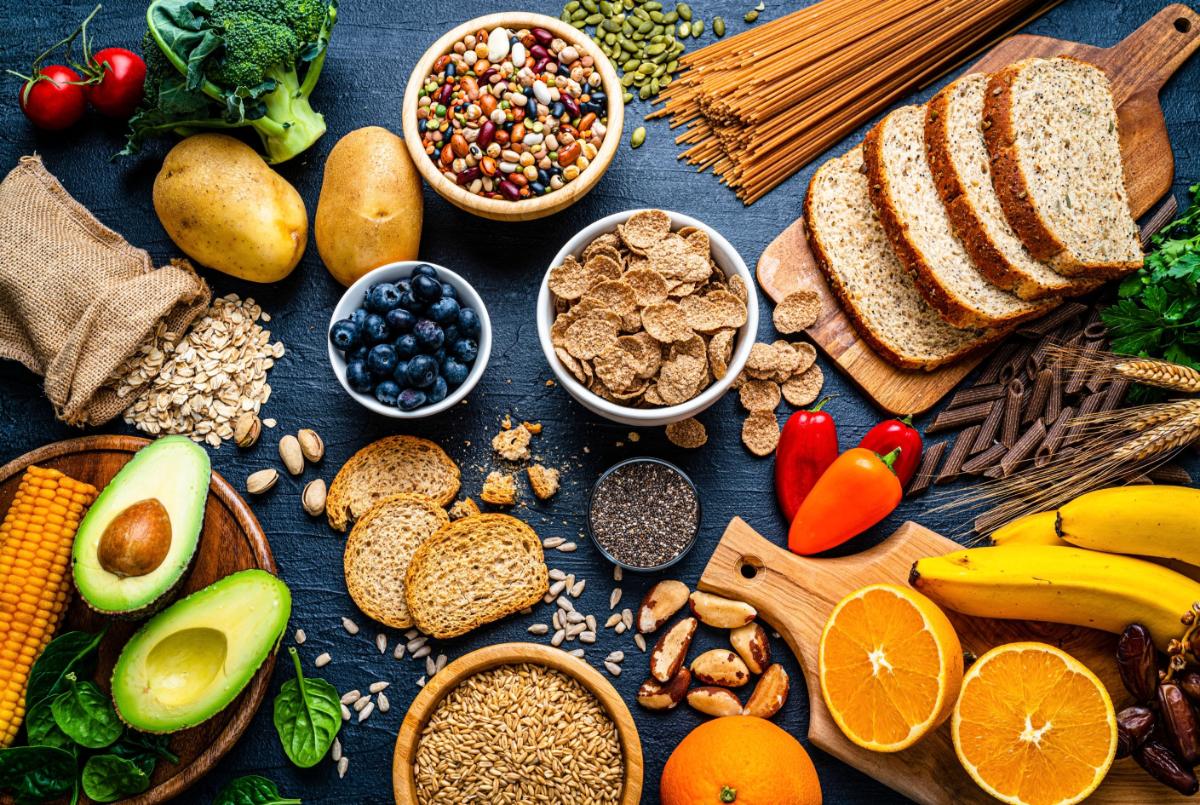
Health Benefits of High-Fiber Foods: The Science Behind Better Living
Improves Digestion and Helps Prevent Constipation
Whenever you include high-fiber foods in your daily meals, you empower your digestive system to work efficiently. Dietary fiber adds bulk to the stool, accelerating its passage through the intestines and facilitating regular bowel movements. In multiple controlled clinical studies, including a landmark research project published in the World Journal of Gastroenterology (2012), participants who increased their fiber intake experienced a 45% reduction in constipation symptoms. Imagine starting your day with a hearty bowl of dal or chana—fiber-rich choices like these stimulate activity in the colon and help maintain an optimal rhythm. You’ll notice reduced bloating, less discomfort, and a lighter feeling overall. Through Claudia’s Concept, I’ve seen hundreds of clients regain digestive comfort simply by adding natural Indian fiber sources to their diet.
Reduces Risk of Heart Disease and Type 2 Diabetes
Choosing high-fiber ingredients has a measurable impact on long-term cardiovascular and metabolic health. Soluble fiber, abundant in foods like oats, lentils, and psyllium husk (isabgol), binds cholesterol in the digestive tract, preventing its absorption. The famous meta-analysis published in BMJ (2013) confirms that each additional 7 grams of fiber consumed daily decreases the risk of coronary heart disease by 9%. For blood sugar management, the effects are equally compelling. Research featured in Diabetes Care (2010) concluded that individuals on a high-fiber regimen display more stable glucose levels and lowered HbA1c—a marker of long-term blood sugar—with reductions averaging 0.58%. By regularly selecting Indian staples like rajma, whole wheat, or barley, you set yourself up for both healthier arteries and steadier blood sugar. The approach embraced at Claudia’s Concept integrates these foods seamlessly, yielding real improvements in lipid profiles and insulin sensitivity.
Promotes Satiety: A Key Tool for Weight Management
How many times have you found yourself reaching for an extra snack soon after a meal? High-fiber foods provide a powerful solution by promoting satiety—that lasting feeling of fullness. Scientific investigations, such as those published in Nutrition Reviews (2005), show that meals rich in fiber can lower overall daily calorie intake by an average of 10%. Here’s the fascinating secret: when consumed, fiber swells with water and slows gastric emptying, keeping you satisfied longer. Incorporating green peas, whole fruits, or millet-based rotis delivers this effect with every bite. Additionally, high-fiber diets help regulate hormones like ghrelin and peptide YY, which control hunger and satiety signals. In my daily practice at Claudia’s Concept, these changes have empowered many to shed excess fat, maintain their ideal weight, and experience renewed energy without persistent cravings. Ask yourself—are you making the most of high-fiber foods to transform your well-being? Reflect on your plate today and begin enjoying these science-backed benefits immediately.
How Much Fiber Do You Need? (Daily Requirements Simplified)
Pinpointing Your Daily Fiber Needs
If you ever wondered how much fiber your body requires for peak wellness, you’re not alone. Many of my clients at Claudia’s Concept come with the same question. The Indian Council of Medical Research (ICMR) delivers clear guidelines: adults need around 25-40 grams of dietary fiber each day. The lower end supports baseline health, while aiming for the higher range brings pronounced digestive and metabolic benefits. Don’t forget that children have distinct needs, scaling by age—from about 14 grams for young kids up to 26 grams for teens.
Let’s think about that number: 25-40 grams daily. For most Indians, whose diet often relies on polished grains and limited fruits and veggies, this target can feel ambitious. However, studies including the National Institute of Nutrition’s 2020 dietary report consistently show that diverse meal planning—incorporating whole grains, pulses, fruits, and vegetables—makes hitting that mark entirely feasible.
How Do You Know If You’re Falling Short?
Missing your daily fiber quota will signal itself in subtle yet unmistakable ways. Consider these telltale signs:
- A sluggish digestive system—think constipation or irregularity—can linger for days at a time.
- You might feel full, yet still crave unhealthy snacks.
- Energy may dip, leaving you more fatigued after meals.
- Lab work often reveals rising cholesterol or even blood sugar swings.
If you routinely skip natural fiber in favor of highly refined foods, these concerns multiply. Recent clinical evidence from the Journal of Nutrition pinpoints low-fiber diets as a key driver behind urban India’s sharp rise in type 2 diabetes and cardiovascular conditions. When creating custom meal plans at Claudia’s Concept, I always prioritise fiber-rich options to ensure clients see a real, measurable difference in both how they feel and function.
Have you checked your fiber intake lately? Try tracking for a week—notice how changes in your routine influence energy, digestion, and satisfaction after meals. Fiber isn’t just another number on your nutrition facts label—it is the foundation for lifelong health.
15 High Fiber Foods in India For A Nourishing Diet
If you’ve been searching for delicious and diverse ways to add more fiber to your routine, look no further than your own Indian kitchen. Fiber isn’t just a nutrition buzzword—across dozens of clinical studies, increasing dietary fiber intake consistently leads to healthier digestion, better blood sugar balance, and lasting satiety. As a celebrity nutritionist, I recommend recipes built around these fiber-rich Indian staples, which unite taste and wellbeing seamlessly. Explore these carefully selected foods, favored in Claudia’s Concept meals for their science-backed benefits and adaptability to Indian cooking traditions.
Pulses and Legumes
Whole Grains
Fruits Rich in Fiber
Fiber-Rich Vegetables
Nuts and Seeds with High Fiber
Each of these high fiber foods fits easily into a diverse Indian diet, offering exceptional benefits for every age group. Take your pick and experiment—your gut, heart, and energy levels will thank you.
Embrace Your High-Fiber Transformation: Make Every Bite Count
Adding fiber-rich foods to your daily plate paves the way for a balanced and healthy Indian diet. Every time you reach for whole grains, lentils, fresh vegetables, and fruits, you’re supporting your digestive system, improving satiety, and nurturing overall wellness. The scientific consensus is robust: consistent intake of dietary fiber reduces risk factors for cardiovascular diseases, type 2 diabetes, and helps manage weight effectively. With each colorful serving, you’re not just eating—you’re investing in your future health.
Making sustainable changes may seem daunting, but you can start right where you are. Swap out refined grains for millets or brown rice in your khichdi. Add roasted chana as your snack. Stir in extra veggies to your dal or sambar. High fiber options are abundant in Indian cuisine; all it takes is a little creativity and commitment to mindful choices. When you adopt these strategies long-term, you will see tangible benefits—from improved digestion to more stable energy levels across your day.
At Claudia’s Concept, I have guided countless individuals to transform their meals without turning their lives upside-down. The journey starts with small, practical steps and gradually evolves into a lifestyle grounded in nourishment. Begin by observing what’s on your plate and discover new ingredients found right in your local market.
What’s your favorite high-fiber food? Have you experimented with adding fiber to traditional recipes? I would love to hear your journeys, tips, and delicious creations—please share your experiences and recipes in the comments below. Your stories not only inspire others but also enrich our vibrant and growing community at Claudia’s Concept.